
This article was also published in Honi Soit, the student newspaper at the University of Sydney. You can read it on their website or find a print copy on campus.
Music critics have always been the big bad wolf for musicians and fans alike. For decades, they’ve always seemingly been ready to chomp at the bit, to rip an artist’s painstaking labour to shreds. When a musician delivers what appears to be a bad album, it’s a field day for critics, and it’s easy to be mean. After all, everyone loves a scapegoat.
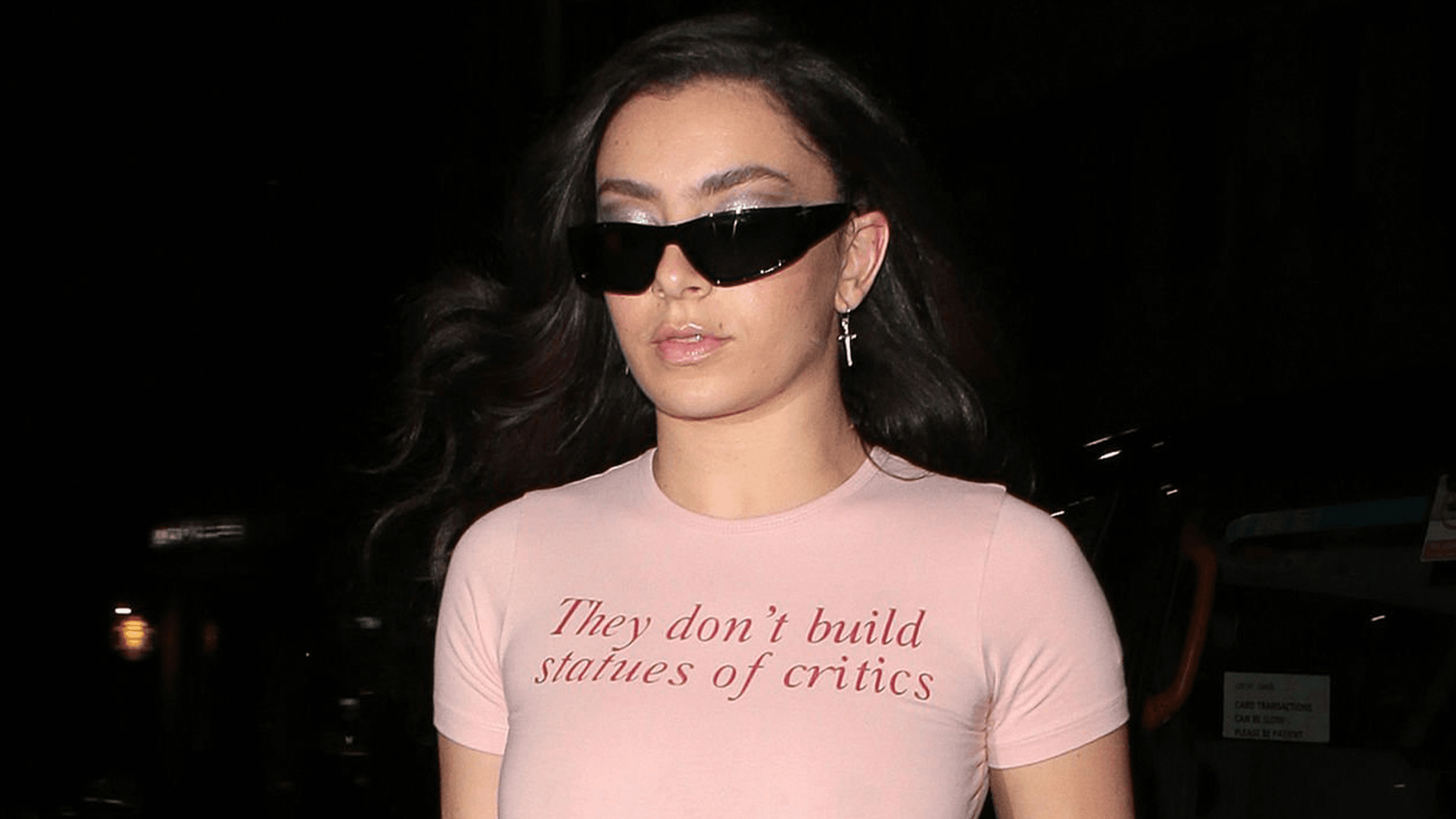
That’s not to say that musicians don’t bite back: in 2022, Charli XCX wore a shirt that read, “they don’t build statues of critics.” It seems to be the 21st century equivalent of the saying “writing about music is like dancing about architecture,” oft-misattributed to Frank Zappa or Elvis Costello — though we don’t actually know who said it. Some slighted musician, probably. The point is, music criticism can easily be chalked up to being pointless, a bunch of nobodies writing about art they would never be capable of making themselves. Everybody remembers the musicians. Nobody remembers the music journalists.
But that’s not really true. Those among us who grew up reading print music press will be familiar with its staff and contributing writers, since they were consuming their work every week. Music critics used to have critics of their own. You could read a review by one journalist and take it with a grain of salt, because you knew from experience that they were inherently biased for or against something. When I was growing up, I despised Robert Christgau of The Village Voice because he couldn’t stand prog rock, a genre I loved wholeheartedly.
So, what actually is the point of music journalism, anyway? Like most forms of art criticism, it reflects the zeitgeist of the time — what we love and what we hate, depending on where our values are at. What once may have been considered B-grade slop now may be considered underrated kitschy campiness. But back in the 1970s, right up to the 21st century, popular music criticism actually served another purpose. At the time, if a new album dropped, you couldn’t just listen to it online and form your own thoughts — you had to take a risk and purchase it. Music journalists were almost like a weather vane of sorts, pointing towards a general consensus: if music critics universally panned a record, you could save your money and decide it wasn’t worth the gamble, and vice versa. Not that anybody was taking everything NME or Melody Maker had to say at face value, but reviews were certainly playing a part.
Now, with the rise of streaming, music journalists have lost one of their primary functions. Throw in social media, stans, and the price of print issues of magazines (I’m sorry, I will NOT be spending nearly 30 Australian dollars on an issue of Classic Pop), and music journalism seems to have its death warrant co-signed. Journalists seem to be unable to publish negative reviews anymore, lest they want their personal details doxxed. In 2020, a Pitchfork reviewer was harassed by Swifties after they gave Taylor Swift’s album Folklore an 8 out of 10, deemed too “low” in the eyes of some fans. Another was sent death threats and verbally abused after criticising the Eras tour in 2023. How are critics supposed to function if they cannot engage in respectful, rational discourse?
When middling reviews of Harry Styles’ latest record Kiss All The Time, Disco Occasionally dropped last month, comment sections were flooded with upset fans accusing music journalists of being bitter or biased, despite the fact that reviews are, well, inherently biased. Back in the golden age of print magazine press, a lot of issues had a ‘Letters’ section where they would publish opinions and responses from readers concerning previous critiques. Of course, such a section is moderated by the magazine, carefully curated and released weekly. Compare that to social media, where rather than taking the time to construct a thought out reply (as required when writing a letter and posting it), people crave the instant gratification of a “gotcha!” moment. If internet discourse feels like a never-ending echo chamber of people shouting at each other, that’s because it is. Digital music criticism is only a button press away.
The widespread accessibility of social media is a double edged sword. On one hand, everyone can be a music critic! Everyone is entitled to post their thoughts, ranging from a humorous tweet about a song or an in-depth Substack post. On the other, you can get deeply misinformed people posting questionable takes. Some aren’t so serious, like the Swiftologist lamenting the lack of Swedish influences on Zara Larsson’s latest album, literally titled Midnight Sun. Others more so, like when self-proclaimed “busiest music nerd” Anthony Fantano said Halsey appeared to be suffering from “main character syndrome” singing about her debilitating health conditions. It’s moments like these when you understand why music critics are often looked down upon. Moments where commentary feels more a personal jab than measured criticism.
But it’s not just the music stan to critic pipeline at fault. Many music critics and publications become so self-parodying that it seems like they have nothing of value to say anymore, either. Pitchfork is everyone’s favourite magazine to hate, accused of hating female artists and churning out the same r/topster opinions year after year. It didn’t help matters when they recently did a “Best Albums” bracket and the final two opinions were both Radiohead albums. All that musical diversity and you ended up with two albums by the same artist? Similarly, when Taylor Swift released The Life of a Showgirl last year, Rolling Stone revamped the look of their entire website to match the album’s aesthetics, going hand in hand with awarding the album a perfect score. Is it bias, honest opinion, or a paid one?
Of course, nobody likes having their fave criticised by some journalist typing away at their desk, churning out a review in barely a fraction of the time it takes to make an album. It’s natural to get defensive. What isn’t natural is getting so defensive you start throwing out personal jabs or slurs or doxxing somebody on the Internet. I do believe that a lot of people have a very fragile sense of self nowadays, in conjunction with Gen Z’s moral crusade, the Tiktok-ification of aesthetics, and parasocial relationships: is it okay to like The 1975? What aesthetic is Mazzy Star? Is Björk my friend? The moment somebody criticises something we’ve assured ourselves is morally sound or part of a currently acceptable aesthetic, it fractures our own self belief. Something that we thought was “okay” to like suddenly isn’t. Rather than curating our own opinions and holding steadfast to our own values, we often let the internet decide what is good or right, so we lack the vocabulary to articulate ourselves without getting upset. “Let people enjoy things!” or “It’s not that deep” are the fail-safes we fall back on because we’re too scared to engage in deeper discourse for ourselves.
Music criticism is not going to be true criticism if we keep throwing around playground insults and backing ourselves into a “it’s not that deep” corner. Music journalism as we once knew it has gone defunct; anybody can be a critic these days, but with the ability to critique art also comes certain responsibilities. If you’re going to be a music journalist, act like one: do your research. Interrogate your biases. You don’t need to conceal them — hell, wear them proudly if you like — but have the self-awareness to know how they will affect your viewpoint. Are you saying what you really believe, or what the internet thinks you should believe? Despite what people say, music journalism — and art criticism in general — is important, even if nobody is going to agree on anything. I’d rather see a variety of opinions than one stance spoon-fed to the masses. Sure, they don’t build statues of critics, but maybe that’s because everyone’s too busy trying to knock them down.
No posts
Comments
Nothing yet. Say the first thing.
Sign in to join the conversation.