
Imagine that you are a medieval prince. Imagine also that your father is the king of the most powerful and respected country on the continent. Imagine that he dies when you are only twelve years old, making you the new king.
What kind of king would you be?
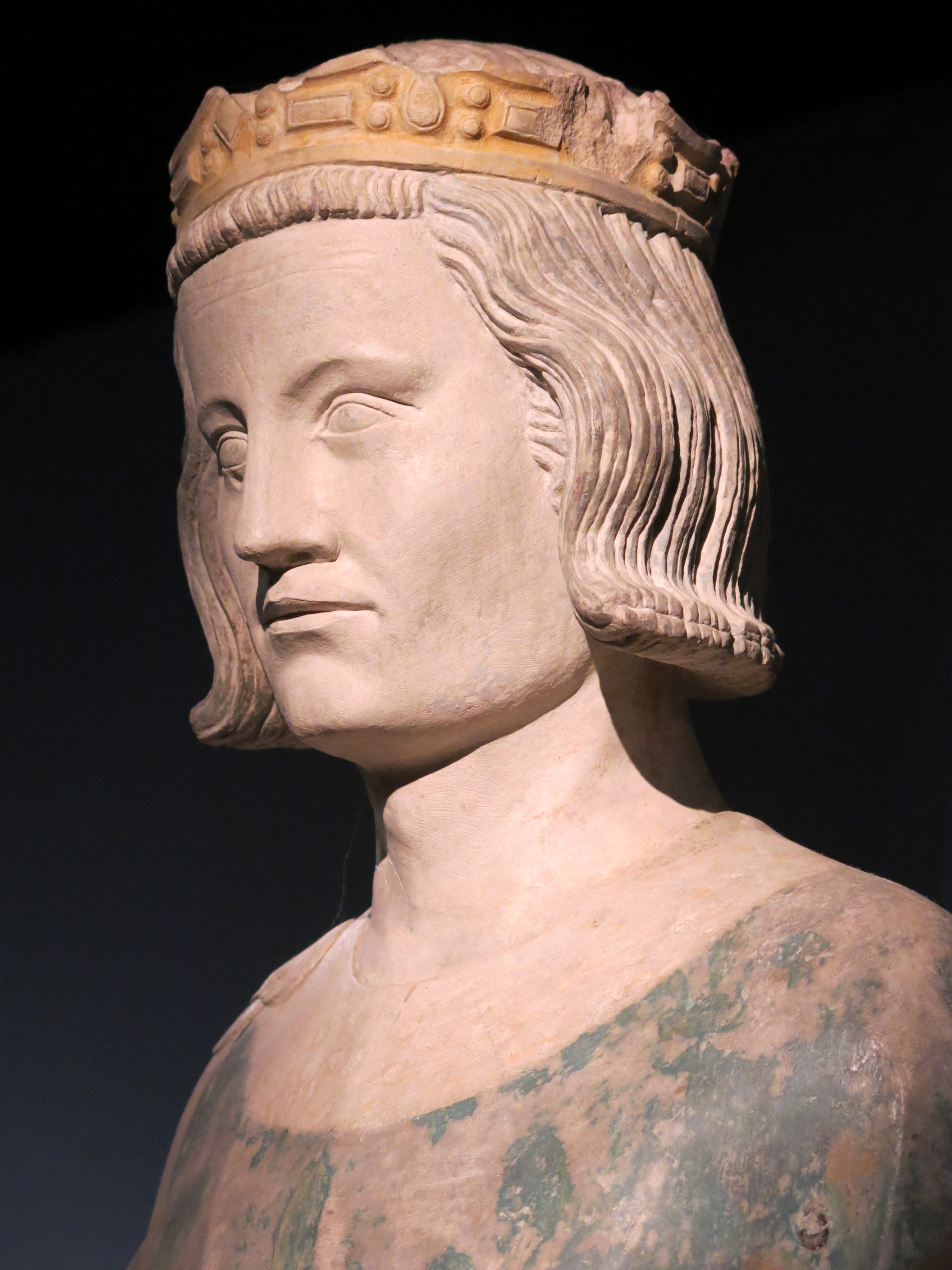
Would you be spoiled and selfish? Would you use your position to make your life comfortable and pleasant? Exciting and controversial? Would you focus on domestic security or international dominance? What course would you chart during your reign, knowing that your personal example and every decision would affect an entire kingdom?
Those are the sorts of questions that King Saint Louis IX of France (1214-1270) faced at the age of twelve. Perhaps, considering the number of temptations facing people with so much power, it is not surprising that so few kings and queen throughout history have become saints.
Louis began his reign with a significant advantage: his mother. When King Louis VIII died, some French nobles saw the king’s death as an opportunity to try to take control of the kingdom. But Queen Blanche of Castile did not let them. She was determined to ensure that her son governed a united kingdom when he was old enough, and she stopped their rebellion.
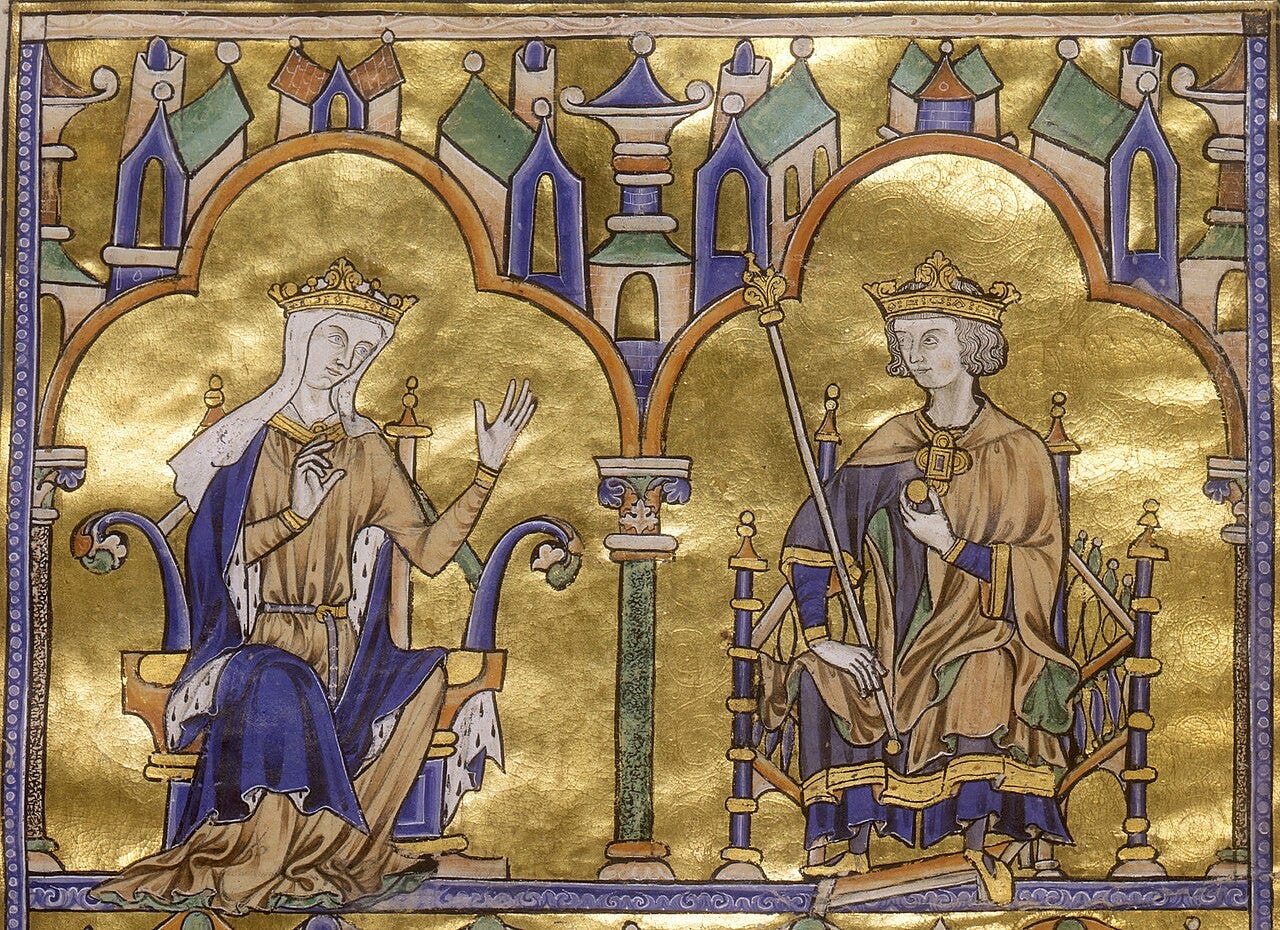
Blanche was a strong ruler as well as a loving mother and a devout Catholic. One day she famously told Louis that, as much as she loved him, she would rather see him dead at her feet than have him commit one mortal sin.
Louis took those words to heart. He lived his life—as a husband, father, king, and Catholic layman—as if he were seriously trying to answer Christ’s searching question (see Luke 9:25): “What does it profit a man if he gains the whole world but loses his soul?”
For example, he sought to be a faithful, loving husband. According to the practice of the time, Louis was married to a French princess, Margaret of Provence, when he was twenty years old and she was thirteen. (Note that their first child was not born until six years after the wedding, followed soon by ten more.) The couple were well matched. Both were devout and enjoyed reading, music, and horseback riding.
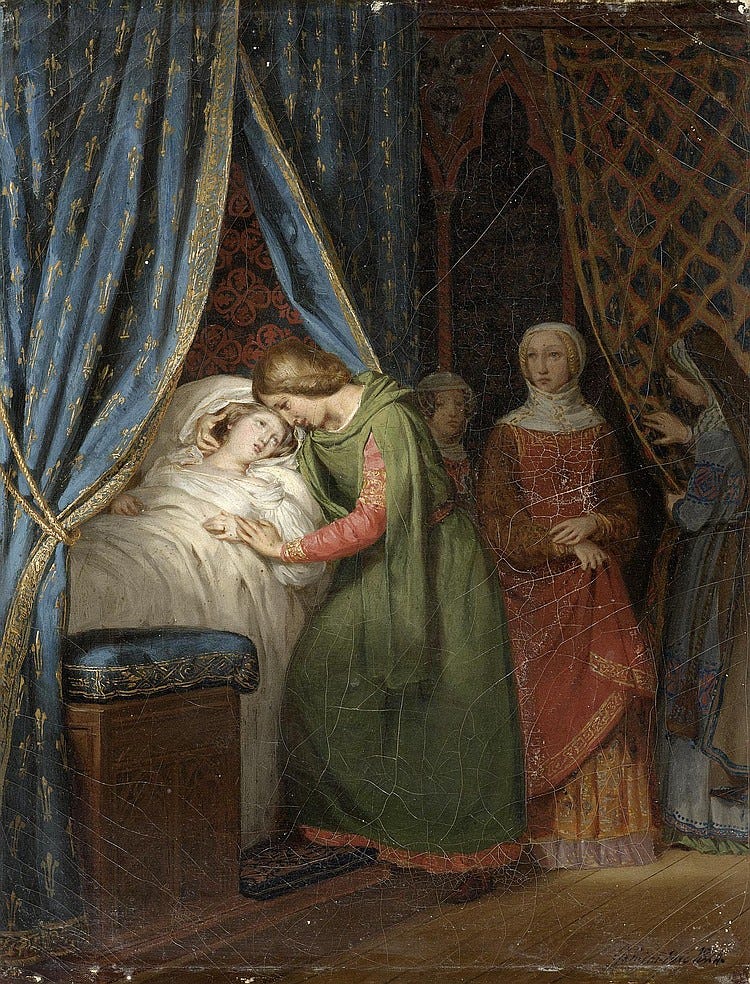
But Blanche didn’t like to share her son’s time with her daughter-in-law. She was so jealous that it’s said that Louis sometimes tried to hide from his mother that he had even entered his wife’s bedroom. However, he always showed respect toward his mother because, of course, there’s a commandment about that.
Justice is a virtue, and Louis sought to enshrine that virtue in the French legal system. Rather that settling differences through trial by fire or trial by ordeal, as had been the practice, he thought such matters should be settled by fairness. He personally judged cases and sought to end abuses by the rich against the poor.
In one famous case, a wealthy nobleman had killed three boys for the crime of poaching. Louis ordered the man to be tried in court and, when he was convicted, Louis forced him to pay a heavy fine. The fact that a nobleman was impoverished for his arrogant murder of poor, hungry children taught the entire kingdom what the king thought about justice.
Unlike so many other feudal lords, Louis did not try to assert his authority through wars but through peace. He did stand up for his rights and for those of his people, but when he negotiated treaties with other rulers, he did so with honesty, not with posturing and threats.
Even his decision to participate in two Crusades was not because he enjoyed violence. Louis, like other good Christian leaders, was concerned that Muslim control of the Holy Land prevented Christians from being able to safely travel there on pilgrimage to pray at the places where our Lord had walked. The lives of the Christians who lived in that area was also in danger.
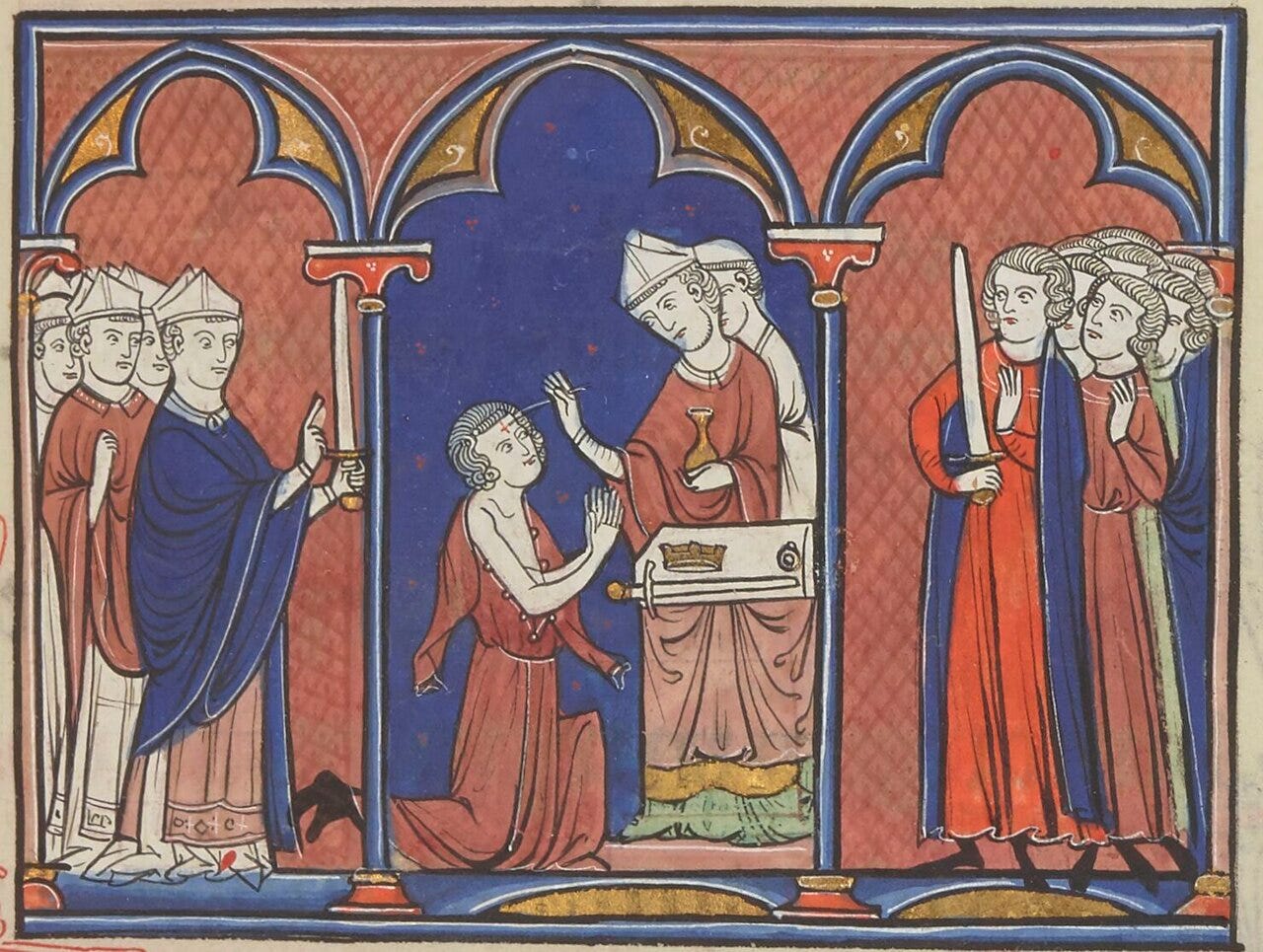
Louis was captured in battle during his first Crusade, but he showed no fear. He respected his enemies and continued to act like a king even while he was imprisoned and held for ransom.
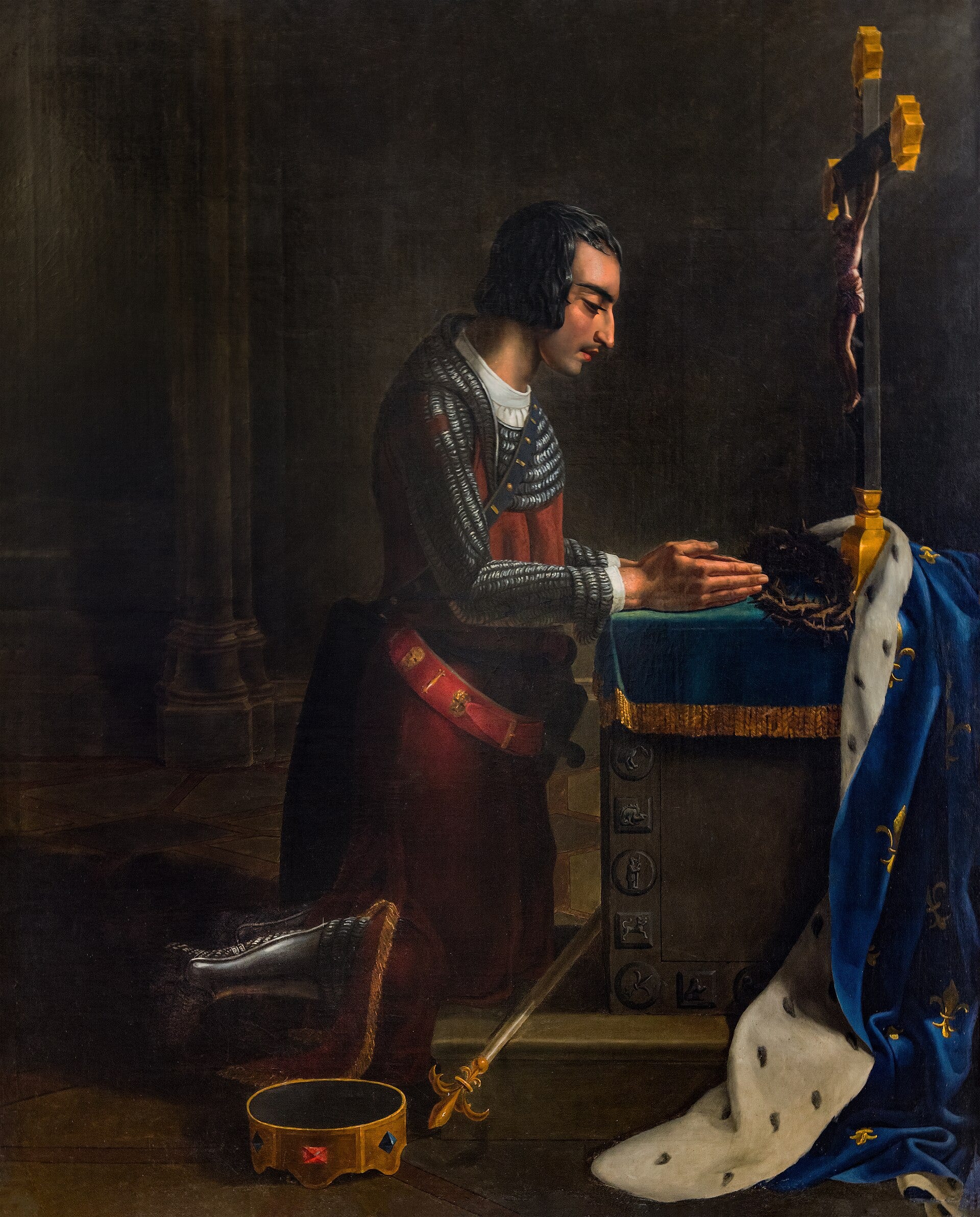
After he was released, he stayed in the city of Jerusalem to improve its fortifications. He also paid a huge sum in exchange for important relics from the Holy Land, and he triumphantly brought them back to France. Louis built a gorgeous chapel to house his most precious relic: the Crown of Thorns worn by Christ. While it clearly delighted Louis to be able to personally pray before this precious relic, its presence in France also strengthened the faith of his people.
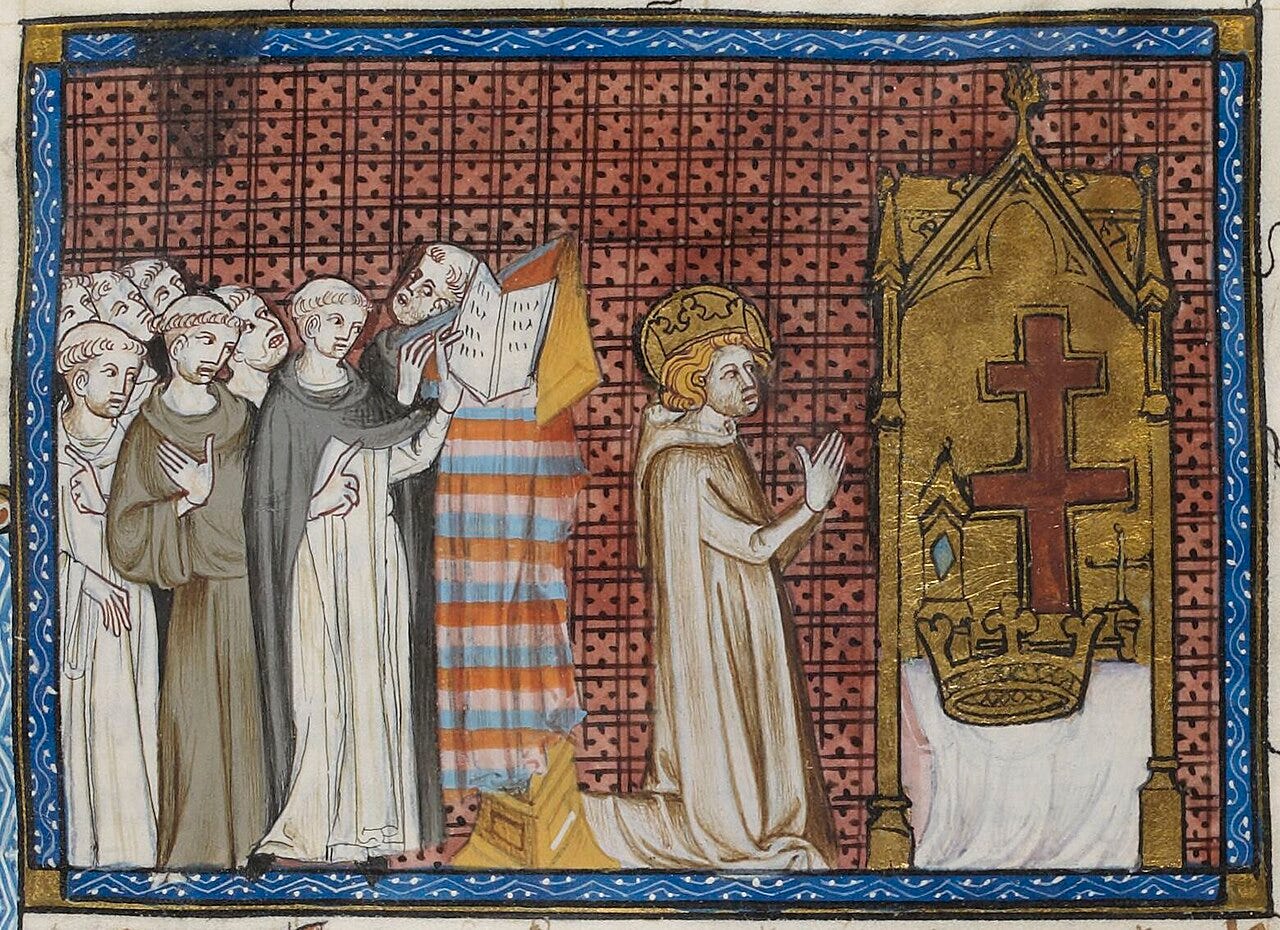
As king, Louis built monasteries, hospitals, and churches in France. He encouraged the arts and education. During his lifetime, Saints Albert the Great and Thomas Aquinas taught at the famous University of Paris.
Modern critics have complained that King Louis mistreated the Jews who lived in France. It is certainly true that French Jews were persecuted during his reign and for reasons that Catholics would not support in today’s world. However, there were good reasons behind at least one of the actions he took against Jews in France.
In the modern world, we are accustomed to the exorbitant lending fees charged by credit card companies and lending institutions. But the practice of charging interest—also called usury—was considered sinful in medieval times, particularly because of the way it harmed those who were poor. Jews often acted as money lenders during that time period since most Christians refused to do so. Some of the penalties that King Louis imposed on French Jews were due to their involvement in usury.
Unlike so many other saints, we have fairly reliable information about Louis’ life and even his personality. Three men who knew him well wrote biographies about Louis soon after his death: Geoffrey of Beaulieu, a Dominican friar; William of Chartres, another Dominican friar; and a nobleman named Jean of Joinville. Those men’s stories reveal a man of deep devotion who loved to attend Mass, prayed the Divine Office daily (even while imprisoned by Muslims), and lived an intentionally moral life. When King Louis ordered a man to be branded for public blasphemy, he did so because he was genuinely horrified that a Catholic would speak blasphemous words about God. When he was criticized for this, he said he would gladly accept that punishment himself if it would stop people from breaking the Second Commandment.
King Louis IX died on August 25, 1270, in the city of Tunis while on his second Crusade. An infectious outbreak had occurred in his army, and Louis too became sick and died.
Kings are rare these days, but many of us serve as leaders in some capacity. Whether we are bosses or parents or coaches or something else, we can try to live as Louis did, seeking to always respond to others with charity, respect, and justice. But we must always start, as Saint Louis did, on our knees.
Comments
Nothing yet. Say the first thing.
Sign in to join the conversation.