
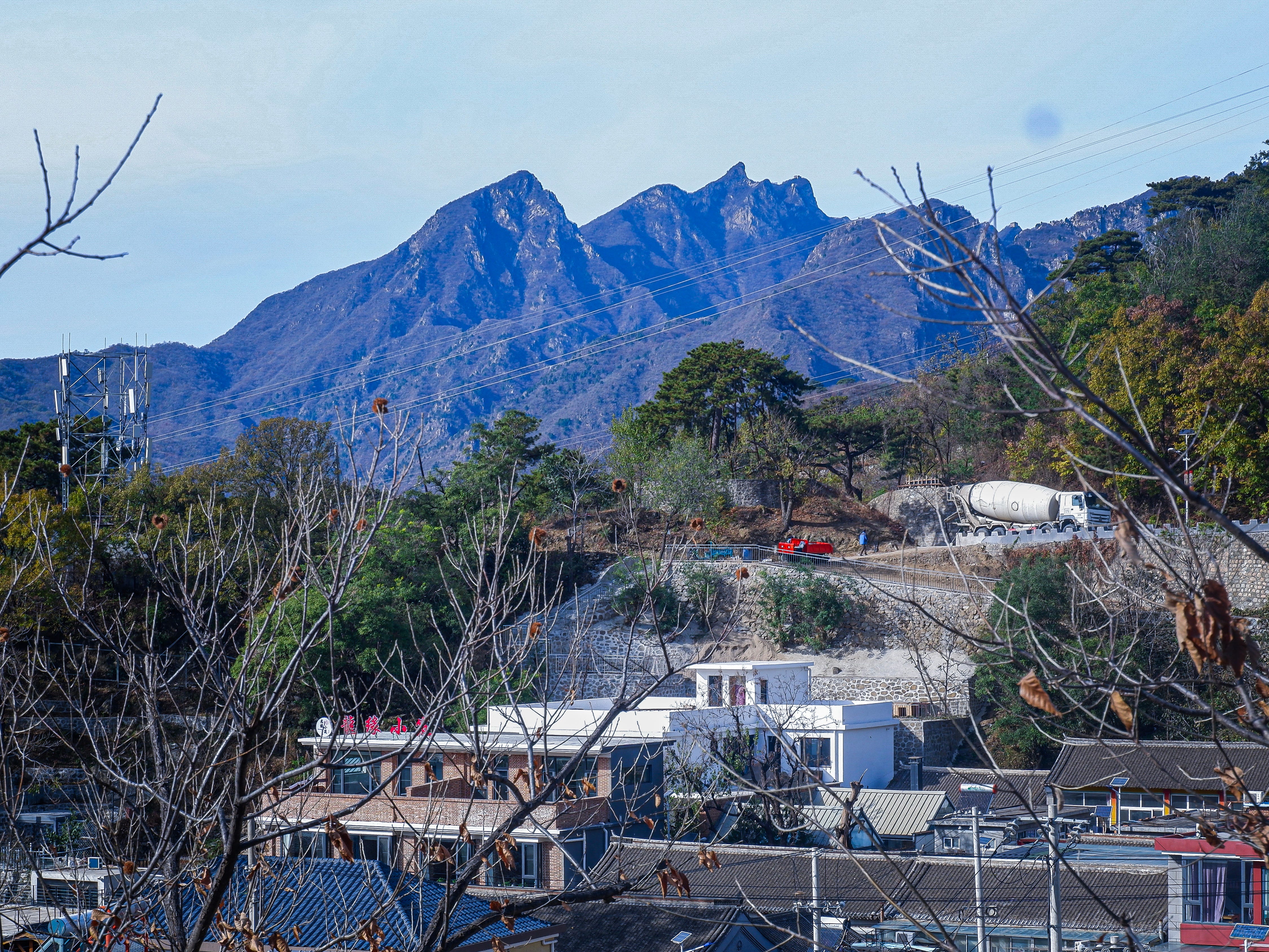
Those who have never been often imagine the Great Wall of China as a singular monument. One built by a single dynasty and preserved ever since. Instead, it’s a series of sections built over centuries. Forgotten by time. And restored in the recent past to connect Modern China with its history.
At Mutianyu, that history isn’t simply preserved. It is much more than that, and in fact it is woven into the fabric of daily life.
I was fortunate enough to visit Mutianyu twice—first staying in the valley village below for a long weekend away, and second climbing the wall itself just a few weeks later. My excursion there took place in November 2023.
To do so is to navigate two distinct spaces. There is the bustling, resourceful village on the valley floor, filled with hotels, chalets, homestays and I’m sure a few pied-à-terre for Beijing’s elite. Then hovering above like a sentry are the sweeping granite parapets riding the high ridgelines above.
The journey begins well before the village main street. A windy country road leads away from the bustling highway leading north out of the Chinese capital. It weaves through tiny villages, filled with their own accommodations and restaurants hoping to lure in tourists as they disembark the wall and head back to wherever.
As for the village itself, a two-lane road narrows into something more familiar to me. A single narrow strip meant to carry cars, vans, and tour buses up the steep terrain.
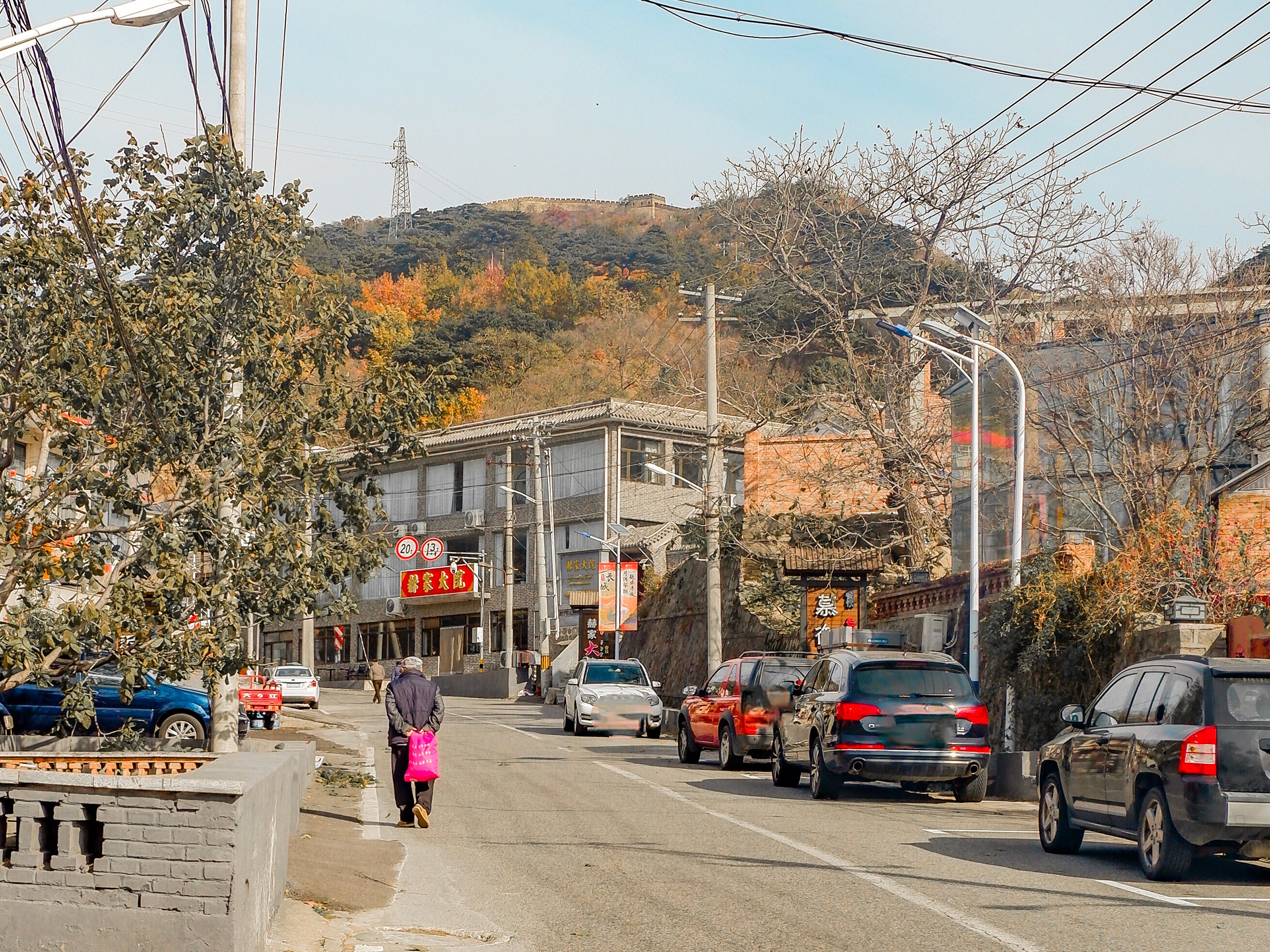
For out-of-towners, those ramparts peeking out above the treeline can be breathtaking. But for the community living and working around the village, they’re merely a permanent fixture on the horizon.
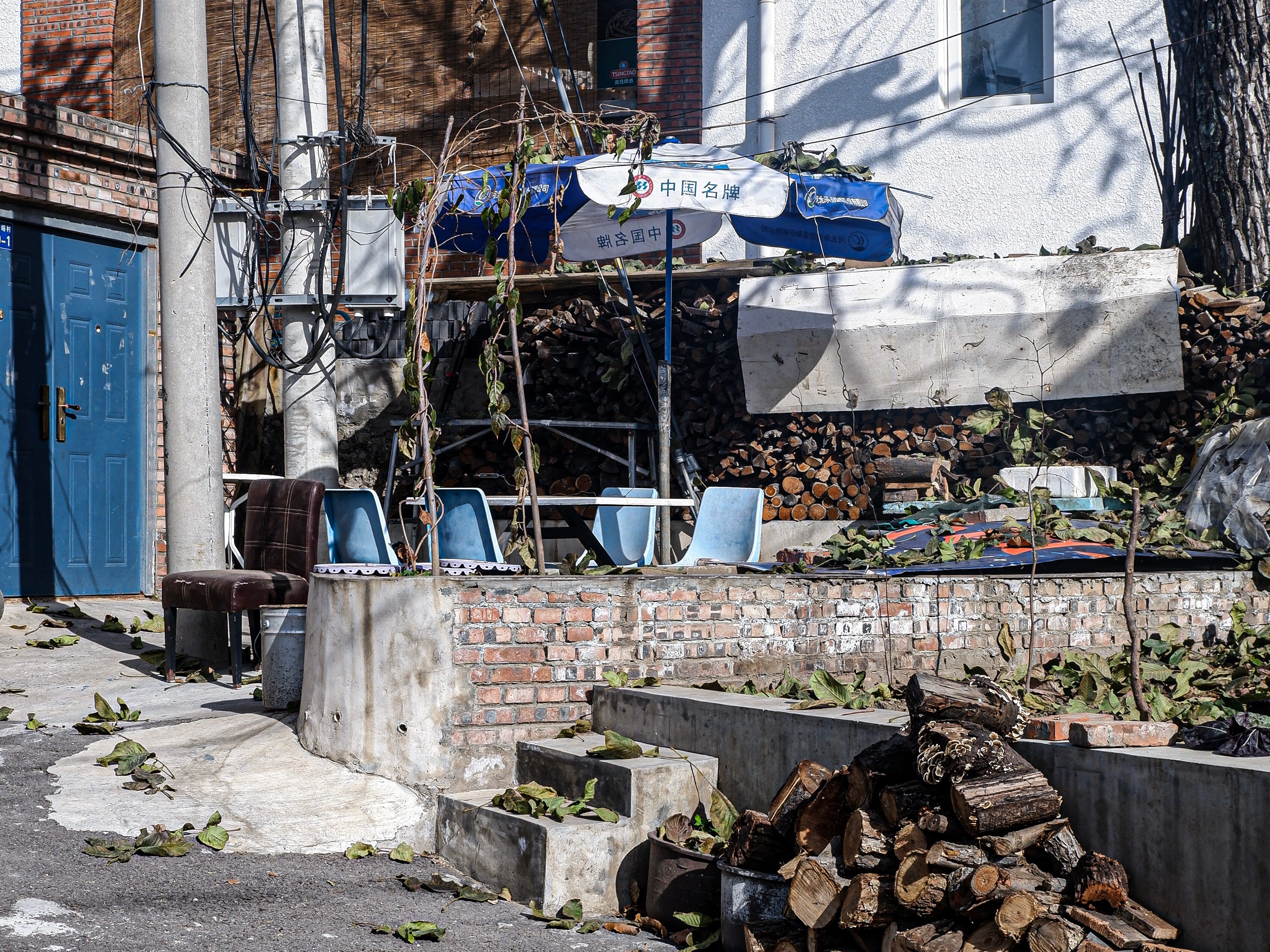
Stepping off the main village road and into the side lanes, the polished facade gives way to something more authentic.
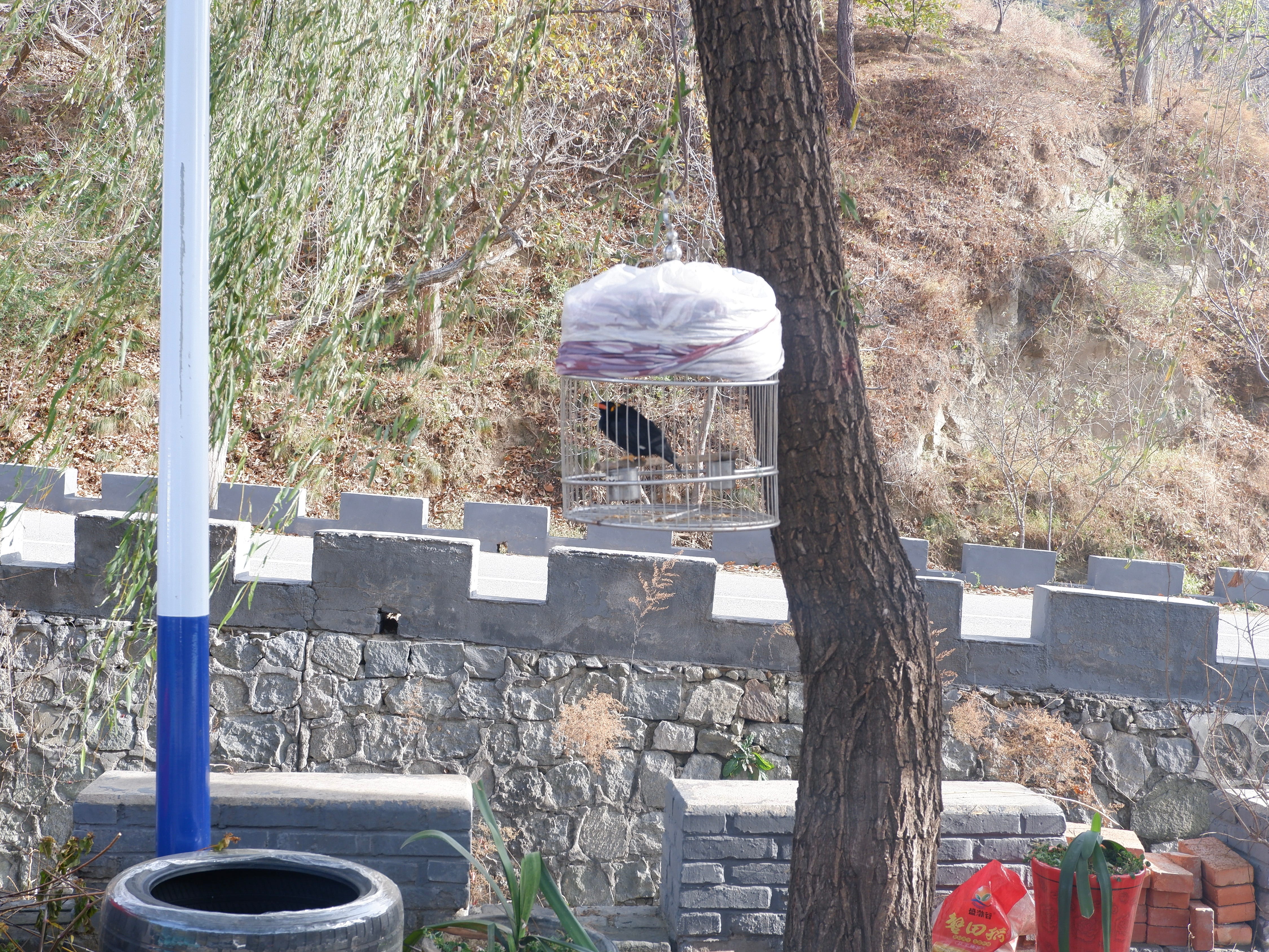
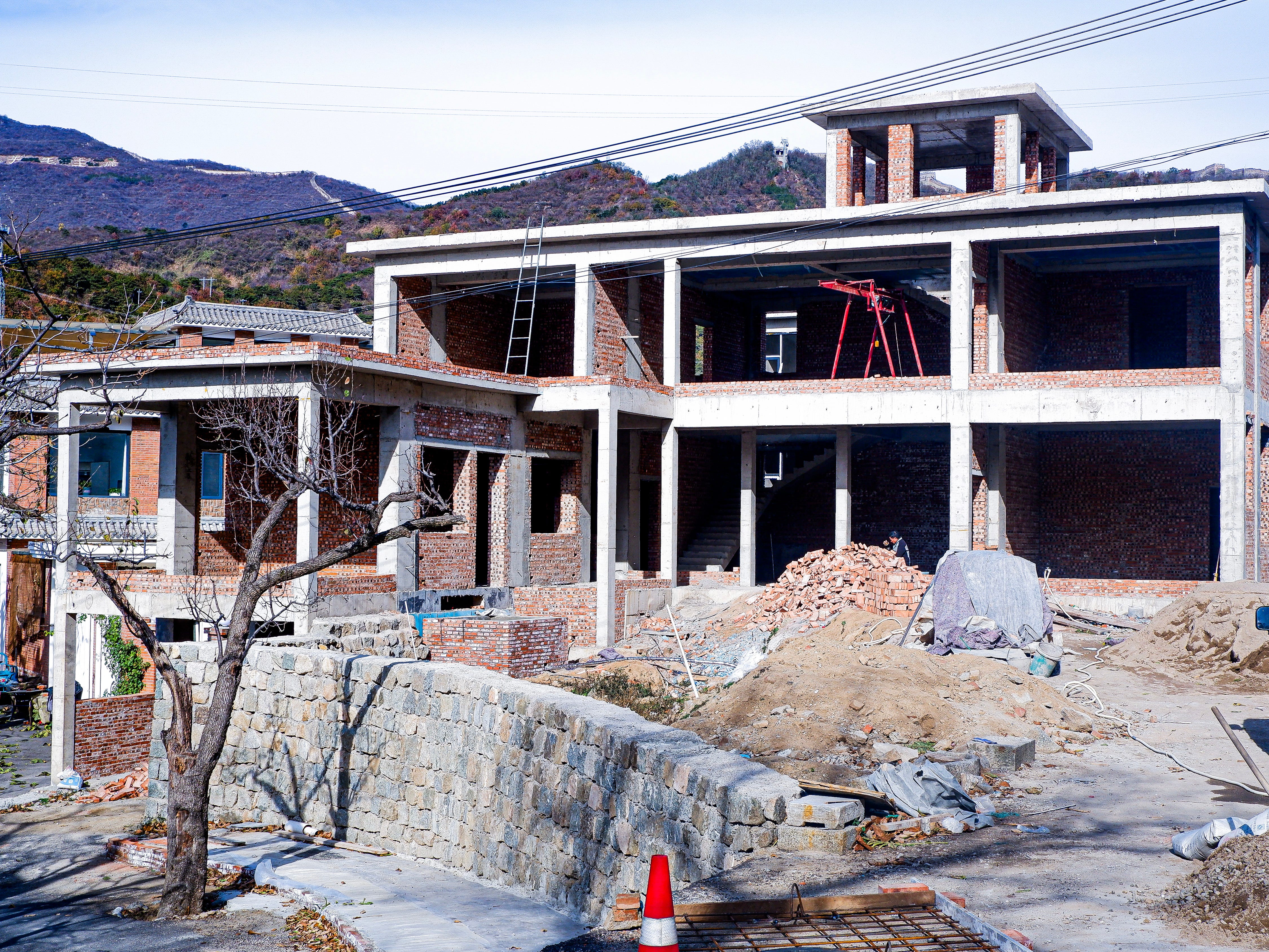
Even as modern comforts propel the village forward, traditional winter prep carries on unchanged.
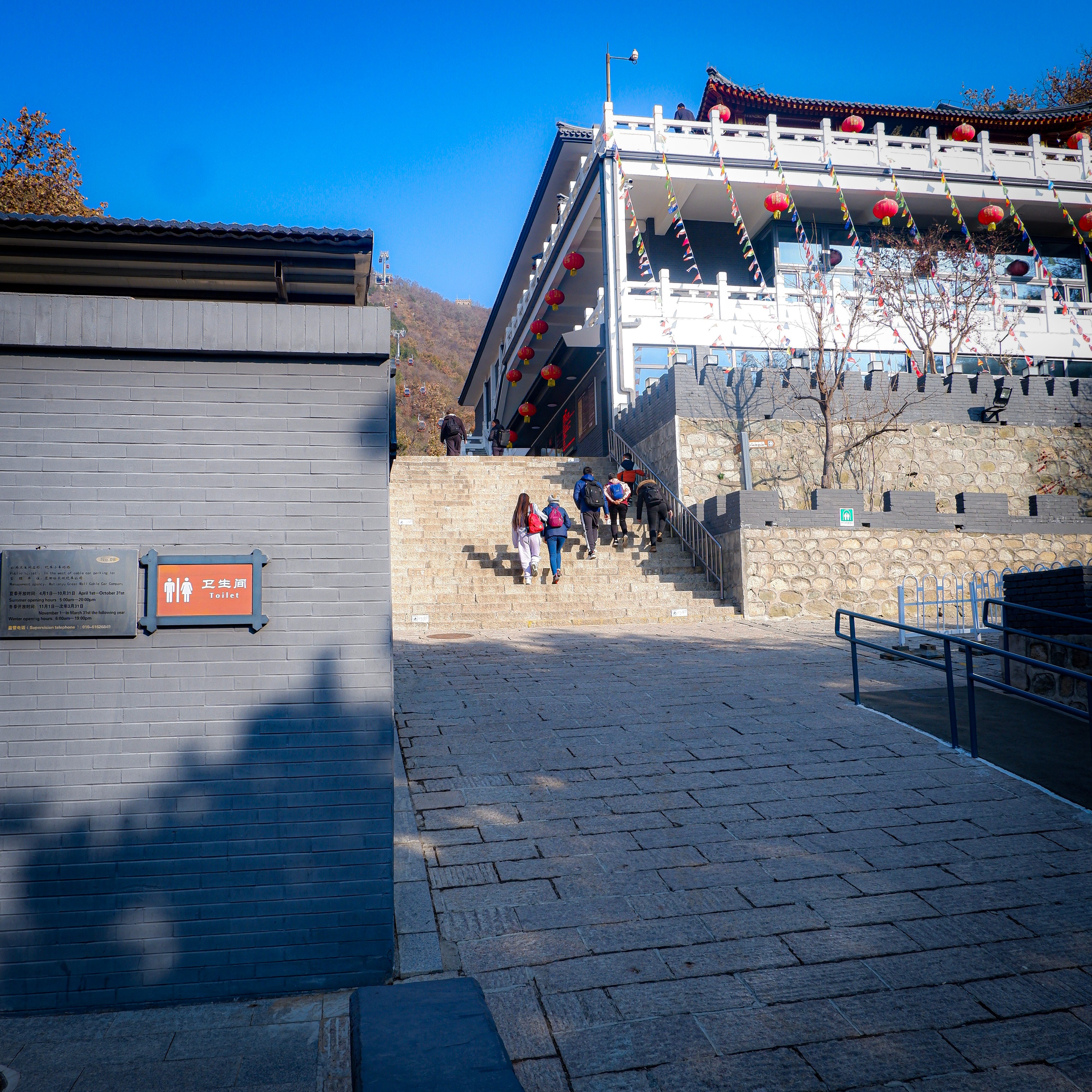
Leaving the valley below, you ascend toward the visitor’s center, climbing stone steps beneath red lanterns strung across the balcony. The transition onto the wall was stark: the noise of vendors barking and crowds searching gave way to a vast silence, punctuated only by the mountain wind, a distant laugh, or a child’s cry.
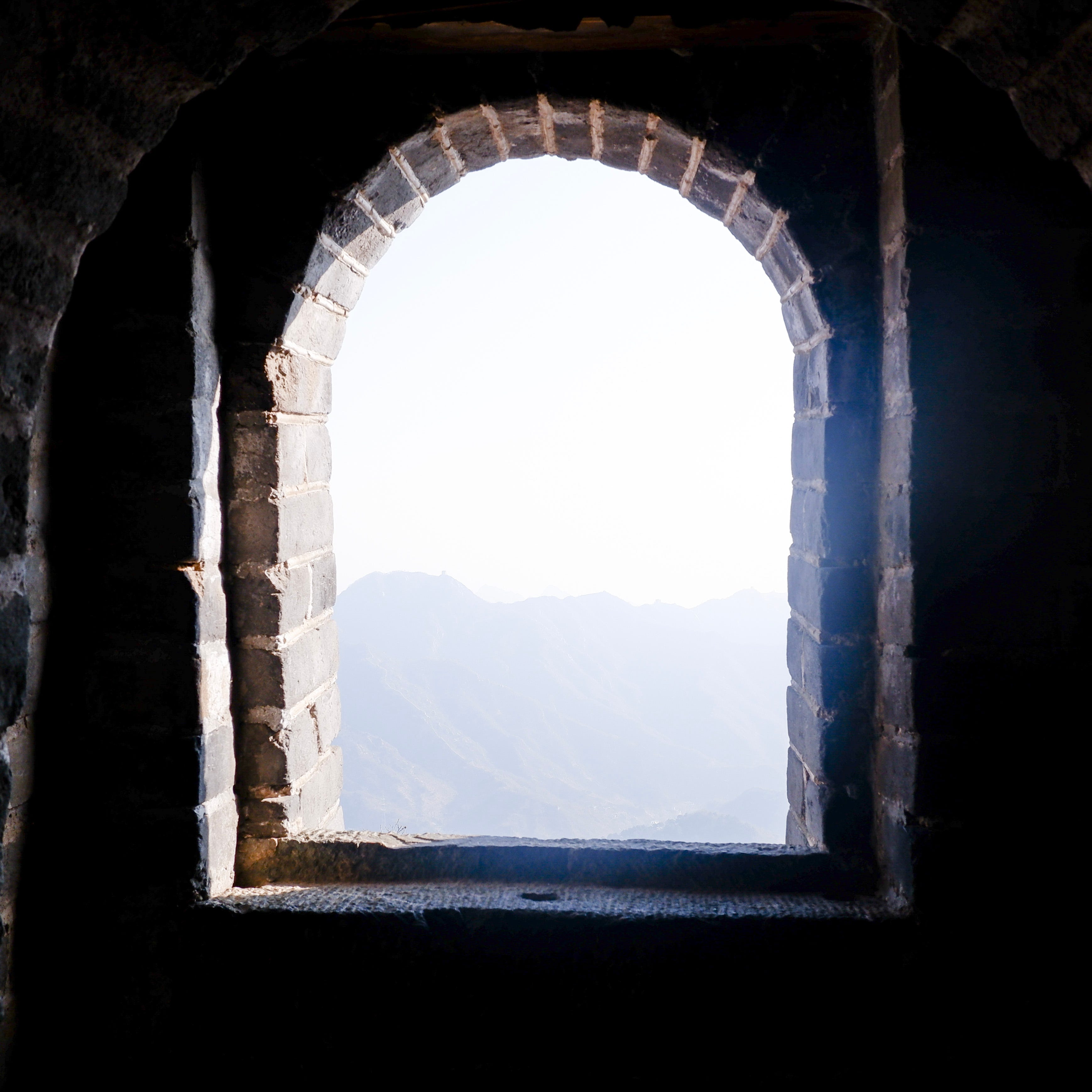
Stepping through the cool, shadowy threshold of an ancient watchtower, the arched masonry opens up to reveal vast, hazy blue valleys below.
Out on the open ramparts, the scale of human ambition is unavoidable as the granite wall snakes relentlessly across the ridgeline. Below the slate blue sky, the wall stood out above the valley below, just a few weeks after peak leaf-changing season.
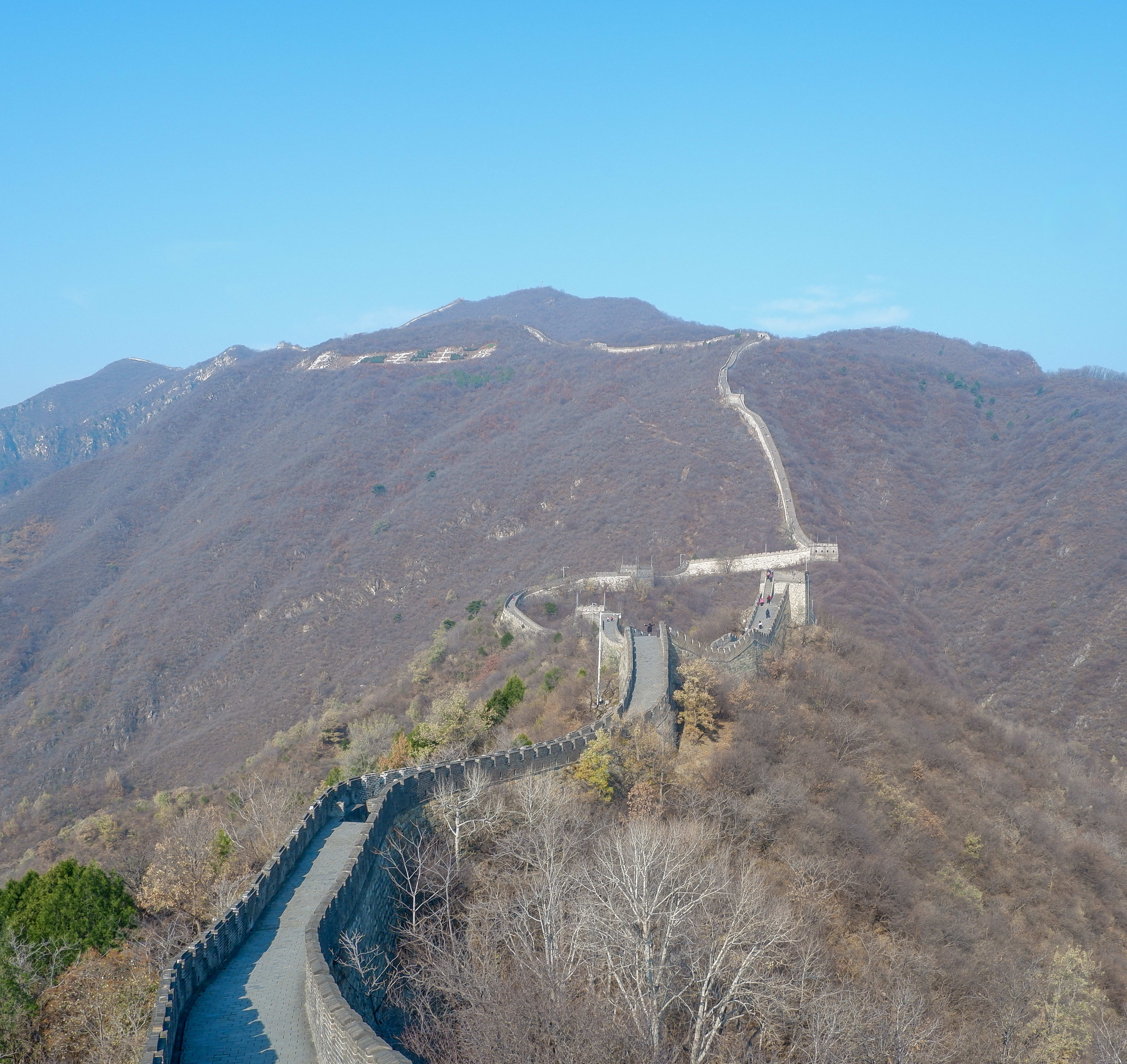
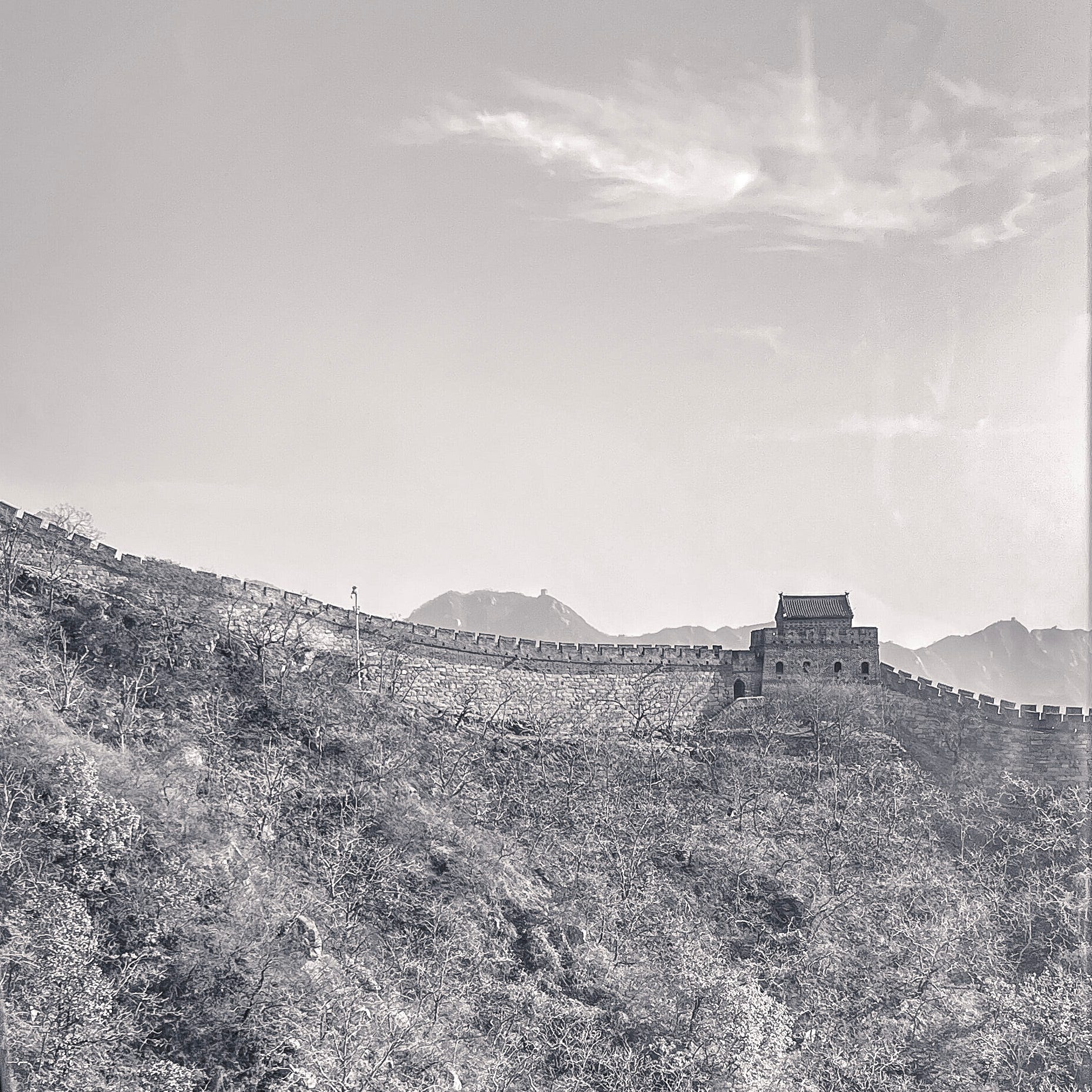
Ming engineers seamlessly adapted stone to unforgiving topography. In fact, as I was selecting the photos for this essay, I realized I also captured watchtowers off in the distance.
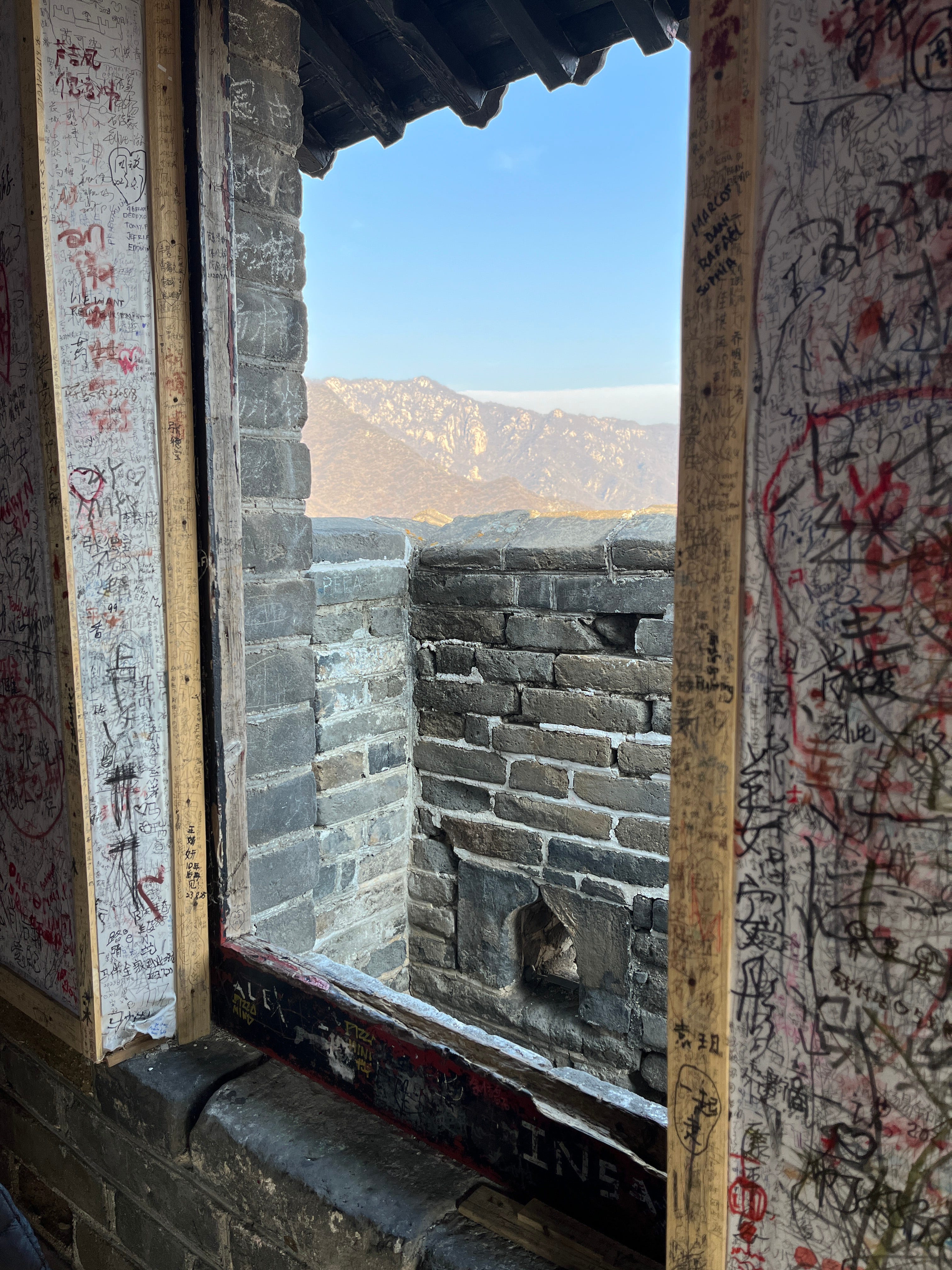
Up close, however, the wall reveals the same sort of modern human footprints travelers can find at monuments across the globe. Inside a high watchtower window, decades of carved names, dates, and scrawled notes cover the wooden frame, providing yet another piece of connective tissue between the distant past and something far more recent.
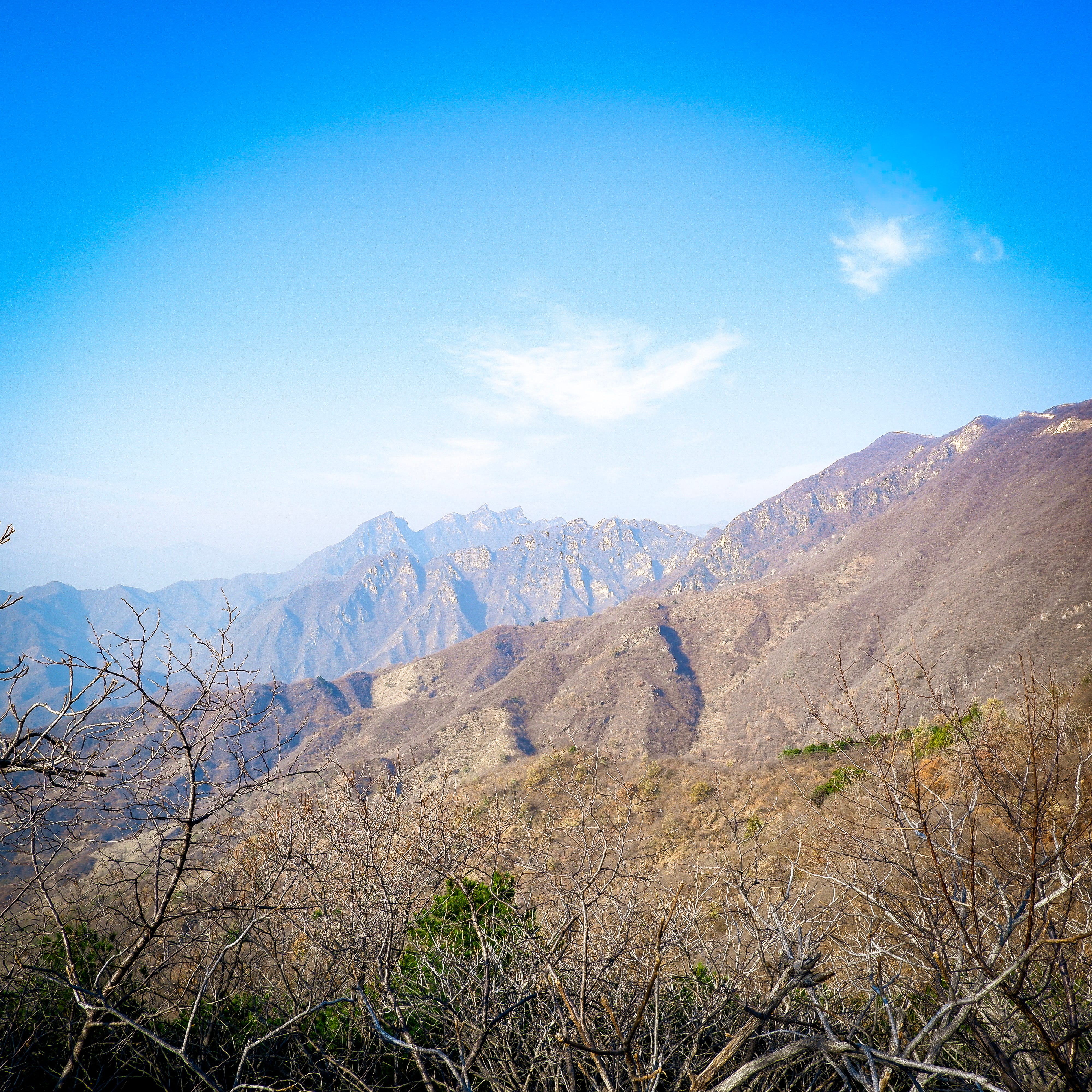
Looking across the gorge from Mutianyu’s section of the Great Wall, your eye lands on the jagged profile of the Sleeping Buddha. I personally thought it looked a bit more like George Washington, but how would that have fit into a Chinese context?
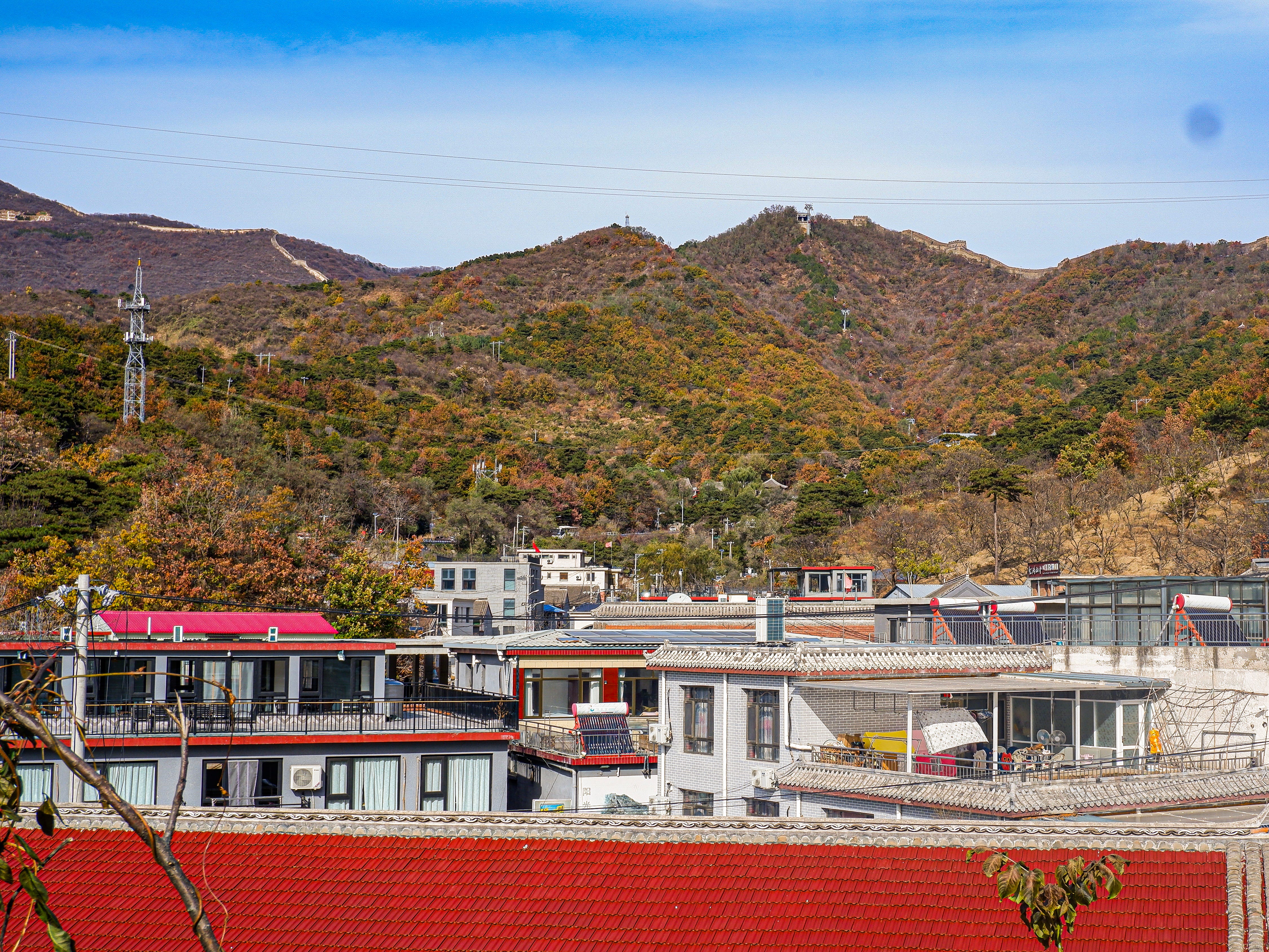
Down from these heights, the entire valley resolves into a vibrant mosaic: red corrugated roofs, solar heaters, and brick courtyards resting under the watchful gaze of the ancient wall above.
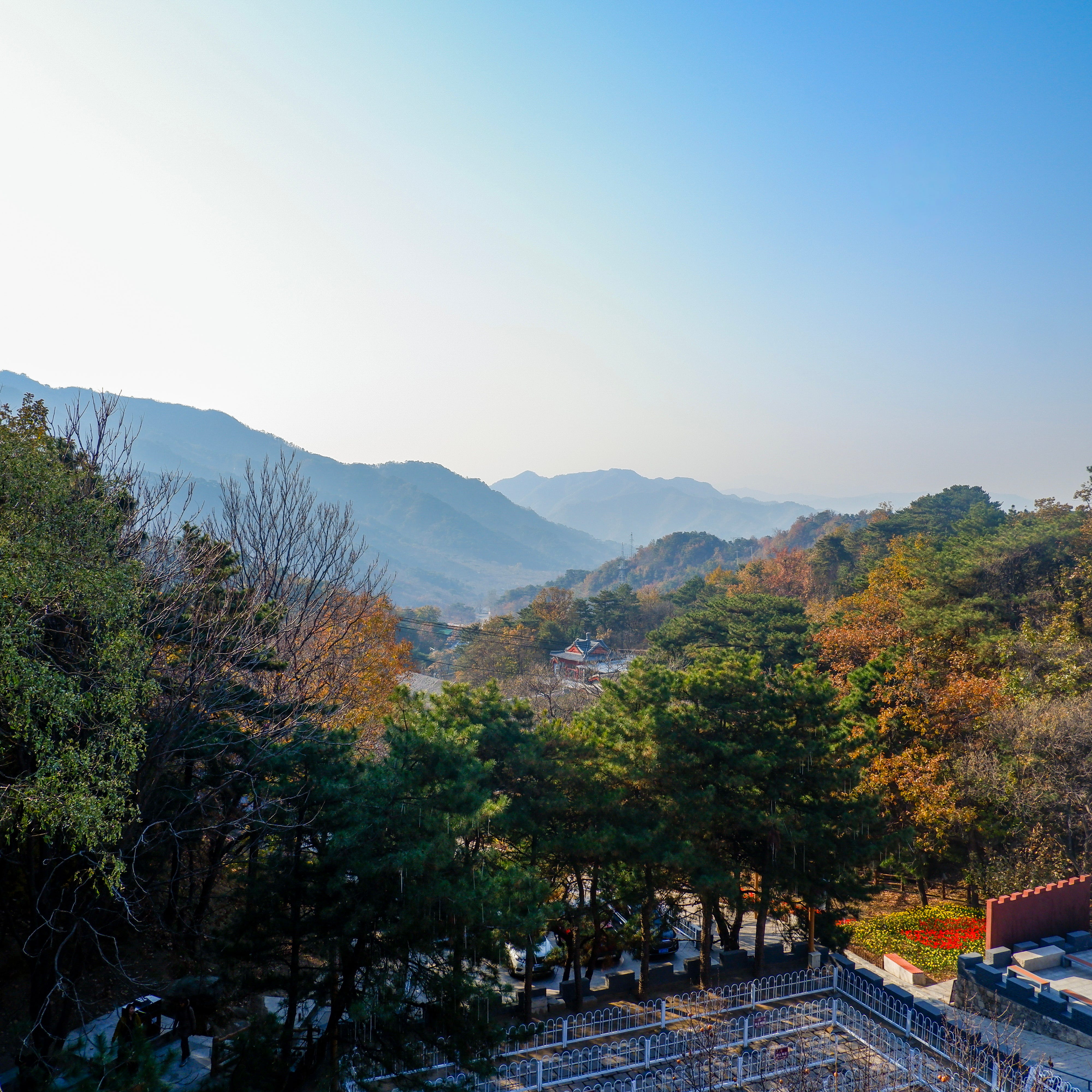
As late afternoon light shifts across distant mountain silhouettes, Mutianyu reveals yet another character. It is not simply a relic of the past, but an enduring conversation between a distant past and messy present lurching forward in search of progress.
Have you visited Mutianyu or another section of the Great Wall? Did you spend any time in the valley villages below, or head straight for the main attraction?
I’d love to hear your favorite memories or perspectives in the comments!
Comments
Nothing yet. Say the first thing.
Sign in to join the conversation.