
Here’s what we cover this week across the world of sustainability, risk, and finance:
At a glance:
Risk | How climate is driving new geostrategy
Policy | Spain plans new, stricter data center rules, sources say
Finance | Can Investors Price the Risk? Assessing Municipal Bond Climate Disclosure and Financial Resilience
Regulation | SBTI Guide for Companies in the Transition to Corporate Net Zero
Research | Subnational governments are seeking significant investment in adaptation and nature
Announcements:
More Levers, Harder Choices: Carbon Credits, Commodities, and EACs Under SBTi V2
10 September | 11 AM EDT | 4 PM BST | Online
I will be speaking at a webinar hosted by Sylvera on carbon credits, lower-carbon commodities, and certificates under SBTi CNZS V2. We’ll also discuss how to optimize decarbonization strategies.
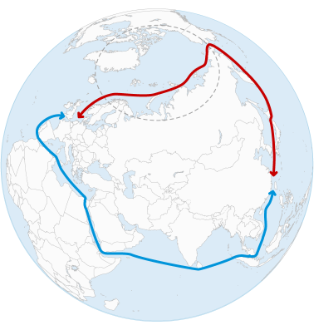
Climate change is increasingly shaping global trade, energy security and geopolitics. For example, Chinese companies could cut shipping times between China and Europe in half, as melting sea ice opens the Northern Sea Route. At the same time, other trade routes are becoming less reliable. In 2023 and 2024, drought reduced traffic through the Panama Canal, while low water levels on the Rhine and Danube have disrupted European shipping and industrial production.
These disruptions are also reaching energy systems. Low Danube levels contributed to the shutdown of a Romanian nuclear reactor this summer, while Ford and Dacia temporarily paused production amid electricity shortages. The broader result is a changing map of strategic advantage, with China well positioned through its strengths in shipping, electric vehicles, batteries and critical minerals.
So what?
Climate change is becoming a geostrategic force that businesses and governments need to incorporate into long-term planning. Trade routes, energy systems and industrial locations were built around assumptions about water availability, temperatures and geography that are increasingly unreliable.
For leaders, climate scenarios need to feed directly into decisions about supply chains, infrastructure, capital allocation and market strategy. The physical world is changing, and economic geography will change with it.
Read more from the Financial Times
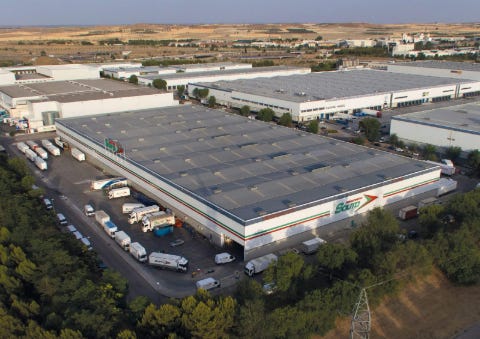
Spain is preparing stricter sustainability and cybersecurity requirements for new data centers as AI infrastructure investment accelerates across the country. Under a draft decree, renewable energy would need to supply at least 80% of a data center’s electricity during every hour of operation. For every new megawatt of electricity demand, operators would also need to add one megawatt of renewable generation installed within the previous 18 months, either through long-term contracts or local generation.
The rules would apply to new facilities above 1 MW that are not yet connected to the grid, and not complying would potentially result in the loss of grid-connection rights. Operators would also face tighter water and energy efficiency standards, alongside EU establishment and data residency requirements intended to strengthen digital sovereignty.
So what?
Spain’s proposal suggests the emergence of a new model for managing the rapid growth of AI infrastructure. Data centers are becoming major sources of electricity demand, and governments increasingly have to consider how that demand affects grids and other energy users.
The most significant provision in the requirements is the link between new demand and new generation. Hourly renewable matching also sets a much higher bar than buying enough renewable electricity over the course of a year.
Read more from Reuters
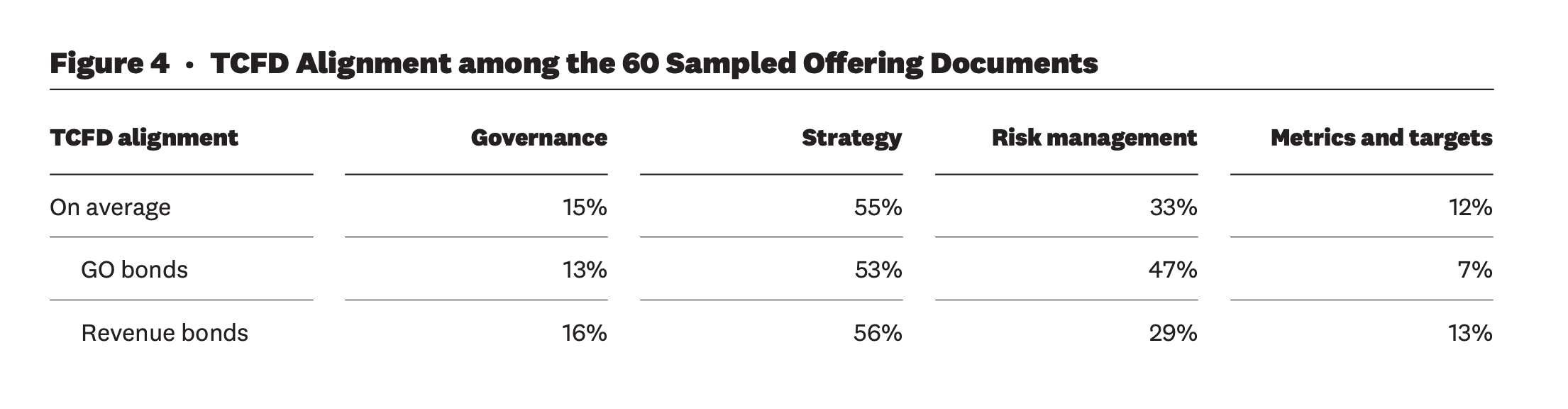
A new Ceres analysis finds that climate risk disclosure in the U.S. municipal bond market remains too inconsistent for investors to reliably assess and price risk. Reviewing 60 recent bond offerings across the 20 highest-risk large U.S. metropolitan areas, Ceres found that one-third make no mention of climate or extreme weather risk. Where disclosure exists, it is often generic rather than tailored to local threats such as flooding, wildfire, hurricanes or extreme heat.
The biggest gaps are in actionable information. Only 15% of offerings identify who is accountable for climate risk, while just 12% provide Metrics and Targets. This matters because municipal bonds typically run for 20 to 30 years, yet most issuers focus on past disasters rather than how hazards and financial impacts could evolve over the life of the bond.
So what?
There is an important opportunity being missed in the municipal bond market. Municipalities are already investing in resilience, but those investments are often invisible in bond disclosures. Kestrel estimates that only around 15% of the $3.2 trillion municipal-bond universe it covers shows identifiable resilience features.
Better disclosure would allow investors to distinguish between issuers that are actively reducing risk and those that are not. For municipalities, making resilience investments visible could strengthen the investment case and, over time, support more accurate pricing and potentially lower borrowing costs.
Access the article here
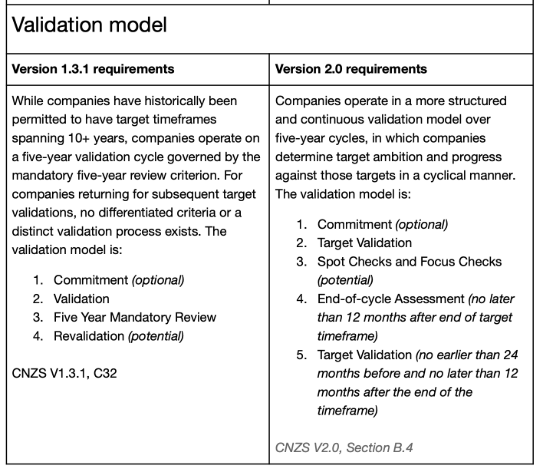
The Science Based Targets Initiative has updated its Corporate Net-Zero Standard, bringing near and long-term decarbonization requirements into a single framework. Validation under Version 2.0 opens on 1 February 2027 and becomes mandatory for new submissions from 1 February 2028.
The new standard significantly raises expectations:
Companies will move to five-year target cycles, with separate targets for Scope 1, 2 and 3 emissions and no exclusions from their GHG inventories.
Scope 1 and 2 targets must each cover 100% of emissions, while significant Scope 3 categories, those representing at least 5% of Scope 3 emissions, must be addressed.
Transition plans also become mandatory, alongside stronger assurance requirements for larger Category A companies and formal end-of-cycle performance assessments.
From 2035, Category A companies will also begin taking responsibility for a growing share of ongoing emissions.
So what?
SBTi is moving corporate net-zero commitments closer to a continuous management and accountability framework. A target validated once and revisited years later will no longer be enough. Companies will need stronger emissions data, clearer ownership, credible transition planning and regular evidence that implementation is actually progressing.
For companies, the practical message is to prepare early. V2.0 will require closer coordination between sustainability, finance, risk and strategy teams.
Learn more about it from SBTi
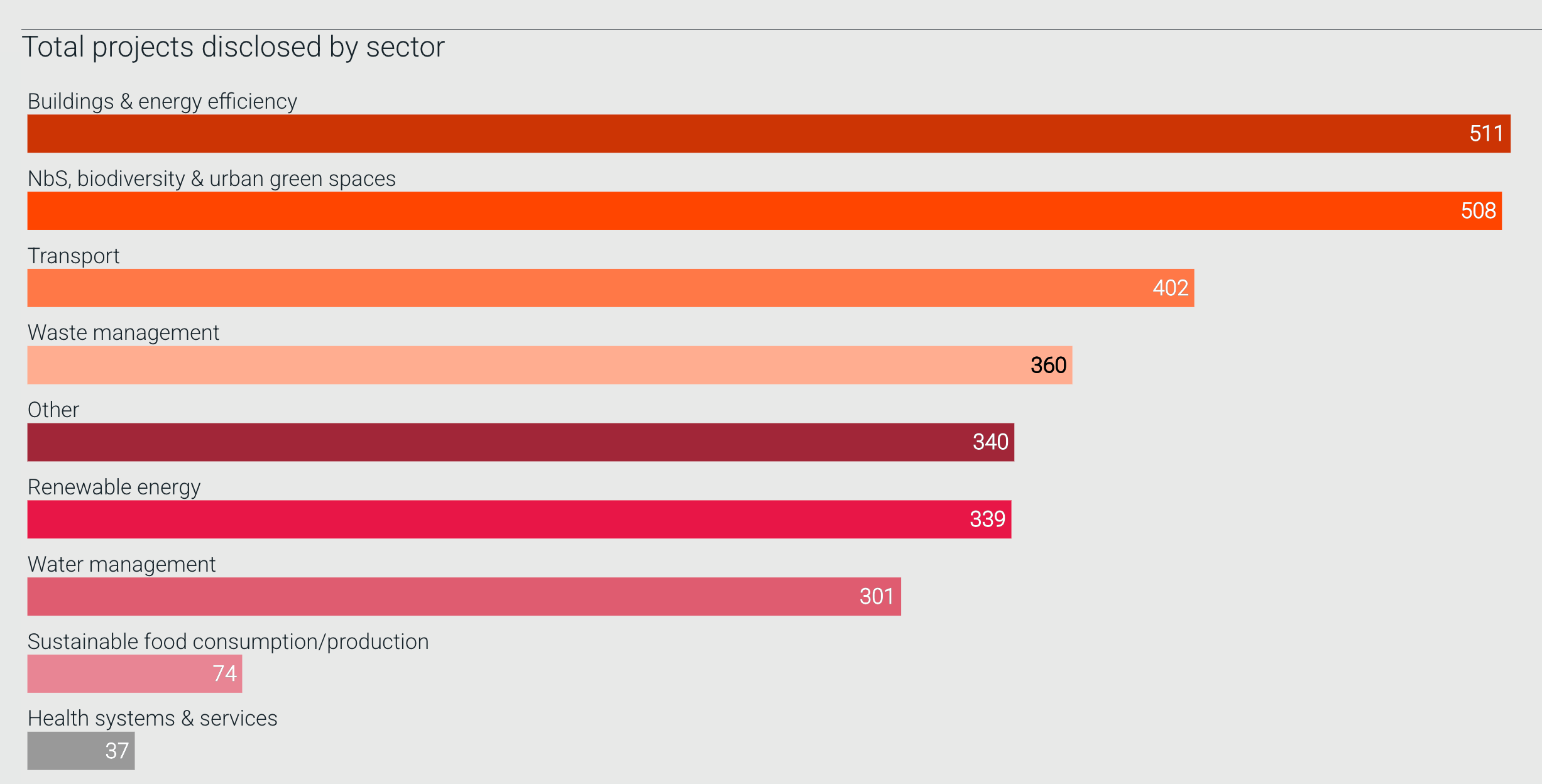
Cities, states and regions are building a significant pipeline of climate and nature investment opportunities. In 2025, 702 subnational governments reported:
2,871 climate projects worth US$236.1 billion.
US$114.3 billion in additional investment still needed.
US$33.51 billion in financing sought for adaptation.
US$2.85 billion specifically sought for nature-related projects.
Nature is also becoming a larger part of local resilience planning. 292 governments reported 508 nature projects, representing 18% of all climate projects disclosed, while 55% of reporting governments are already implementing at least one nature-based solution. These include wetlands and restored floodplains that reduce flooding, as well as green roofs and walls that help manage extreme heat.
So what?
This data shows that there is already a significant pipeline of adaptation and nature projects looking for capital. The challenge is increasingly about turning identified needs into investing opportunities.
Disclosure can help bridge the gap. Comparable information on hazards, financing needs and project readiness makes it easier for investors to understand where capital can have the greatest impact. With 23% of subnational governments identifying finance and insurance as highly exposed to worsening climate hazards, there is a clear financial incentive to strengthen resilience before losses escalate.
Read more from CDP
Enjoyed this analysis? D. A. Carlin & Company helps clients navigate these turbulent times through strategic briefings, practical capacity-building workshops, and regulatory support. Book a call with us today (info@dacarlin.com) and find out how we can give you and your team the future-ready skills and strategies you need.
No posts
Comments
Nothing yet. Say the first thing.
Sign in to join the conversation.