

I’m hoping the fact that my picture is included in this big, smart, lively book isn’t entirely disqualifying. It’s a photograph that Peter Hujar took of me and his boyfriend at the time, the genderfuck performer Billy Rafford, looking like Appalachian housewives in frumpy dresses. A dour moment in what was an otherwise high-spirited few days in Oakleyville, circa 1971, the image has had an unexpectedly popular afterlife. But can we just forget it and move on? Built on a series of essays focused on periods and artists in Fire Island history, Dempsey’s book covers a lot of ground on the island Andrew Holleran, in his brilliant 1978 novel, Dancer From the Dance, called “nothing but a sandbar, as slim as a parenthesis.”
In his chapter on queer cinema filmed on Fire Island, Sam Ashby quotes from Derek Jarman’s diaries. “Fire Island,” he wrote, “has a deadly, well-heeled monotony…. As the sun comes up, it reveals a world of failing looks and crushed boutique clothes.” In an otherwise celebratory book, that’s a minority opinion, duly noted but put into perspective by the experiences and photographs of the PaJaMa (Paul Cadmus, Jared French, and Margaret French) crew in the 1930s and ‘40s, Richard Avedon and Lillian Bassman a few years later, and Hujar and Paul Thek in the ‘70s, a time their biographer Andrew Durbin describes as “an escape, a respite.” With chapters on Frank O’Hara, David Hockney, Andy Warhol, and Robert Mapplethorpe, and illustrated mentions of everyone from Larry Stanton to Lola Flash, the range of opinions, ideas and images comes on like wave after wave of the ocean that inspires so much Fire Island art and life. Jarrett Earnest’s closing essay, touching on the Island’s “densely layered construction of voyeurism and exhibitionism, of intimacy and public display,” is predictably provocative. Still, he has a hard act to follow in Michael Bullock’s solid, thoughtful Wolfgang Tillmans interview. Tillmans, who conceived his recent MoMA show in a house in the Pines, values the Island’s isolation and community—and the opportunity to slow down and really look. “There’s always more going on in the world than one could ever comprehend,” he says.
Fire Island Art: 100 Years, edited by John Dempsey is published by Monacelli.
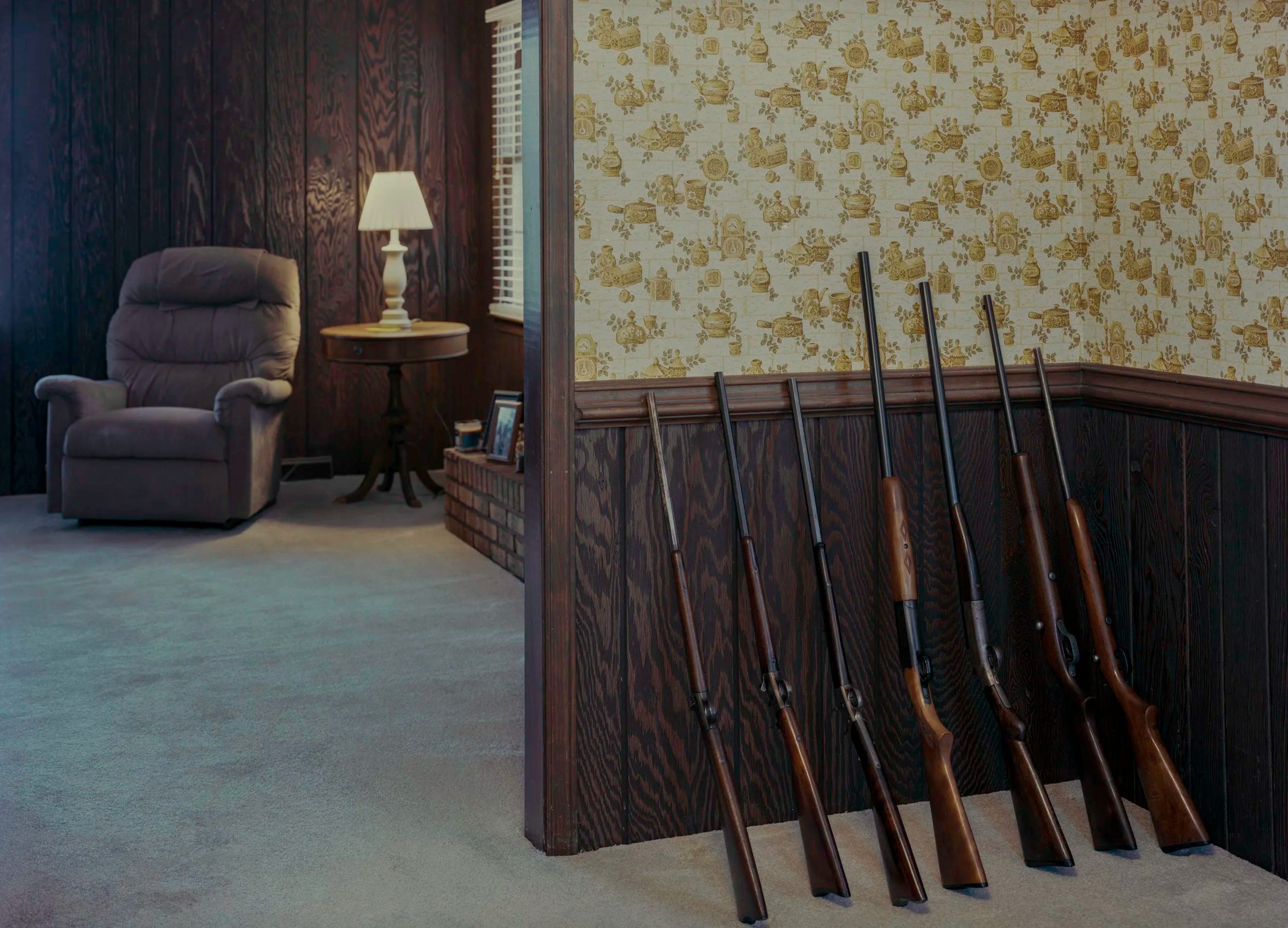
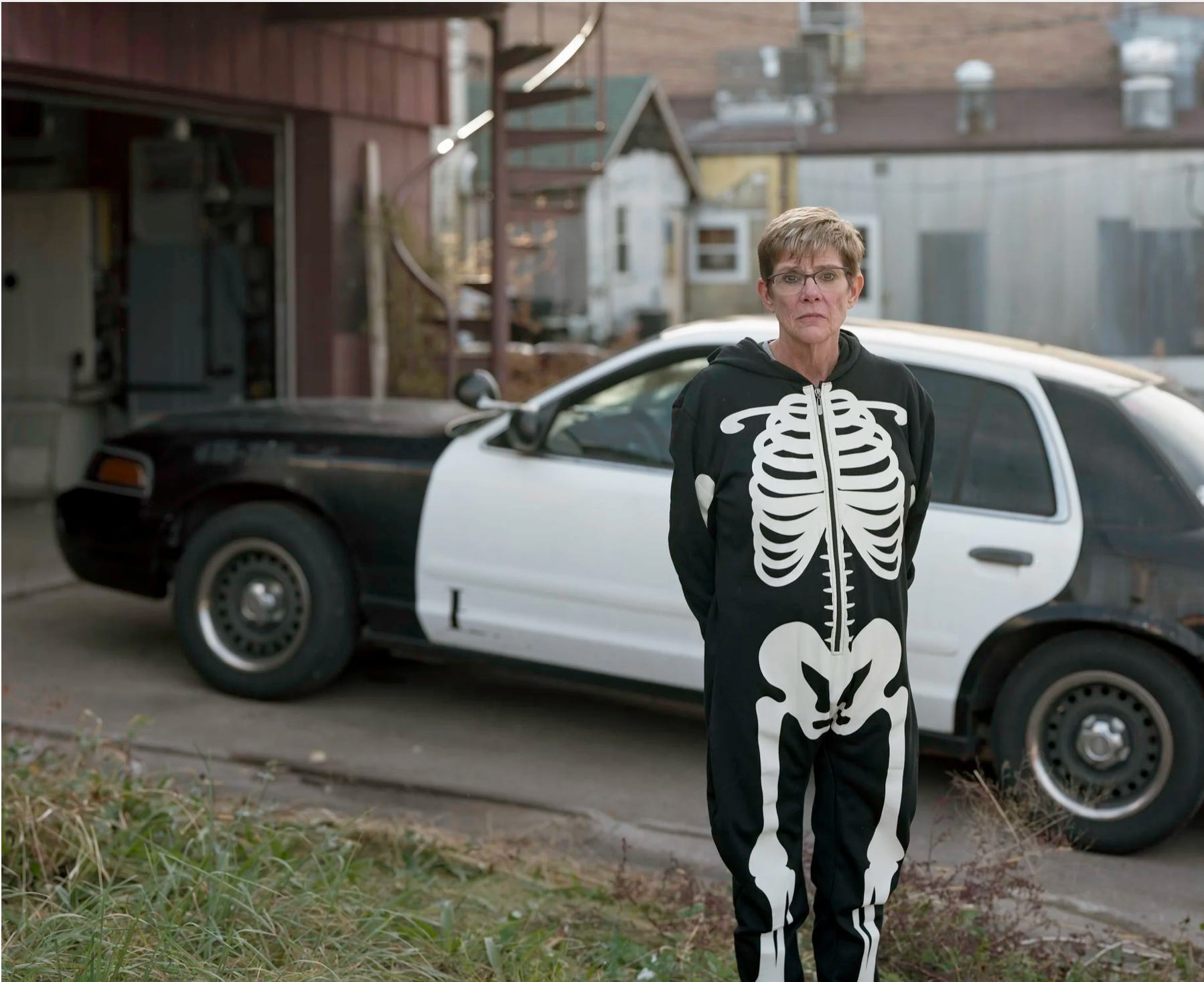
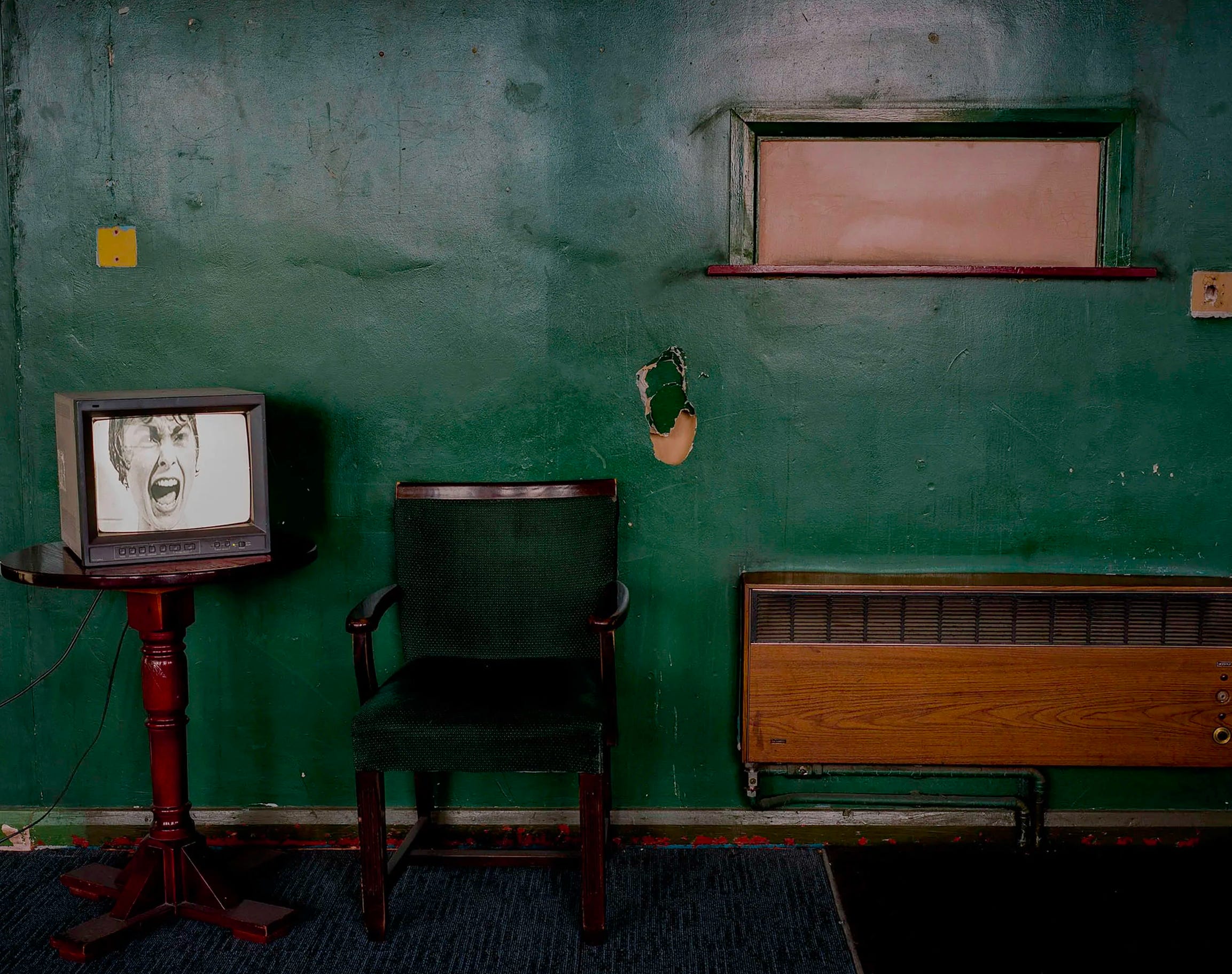
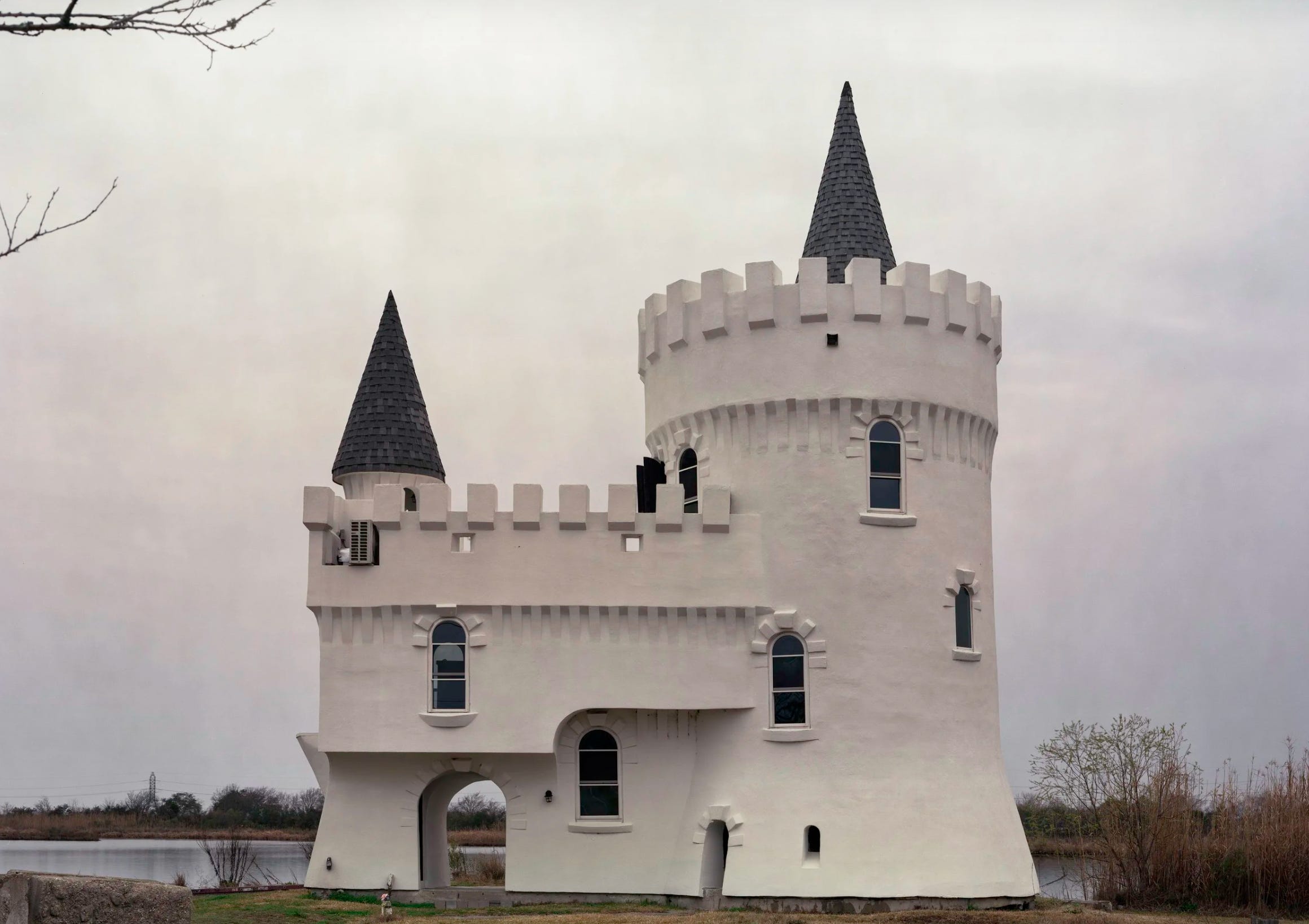
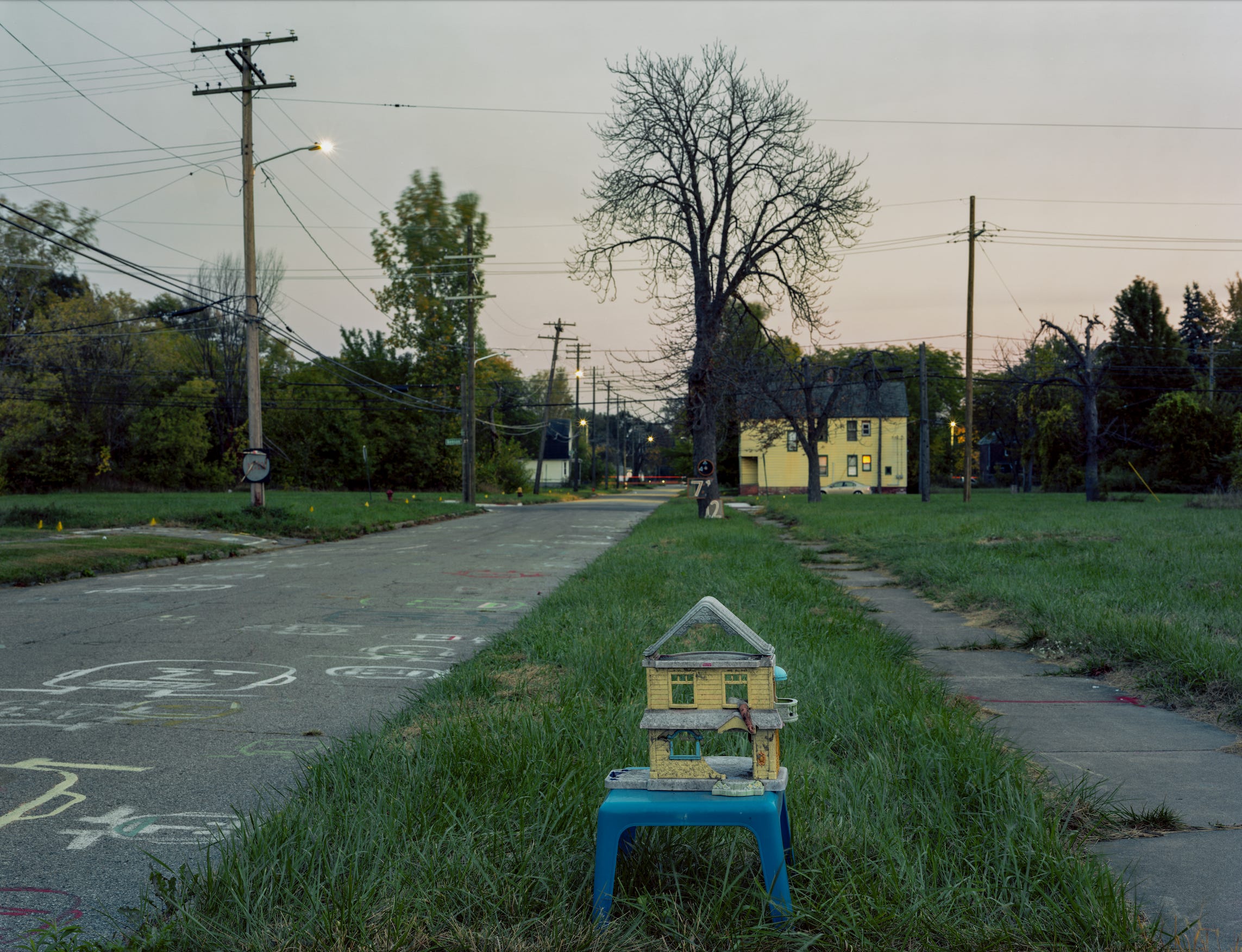
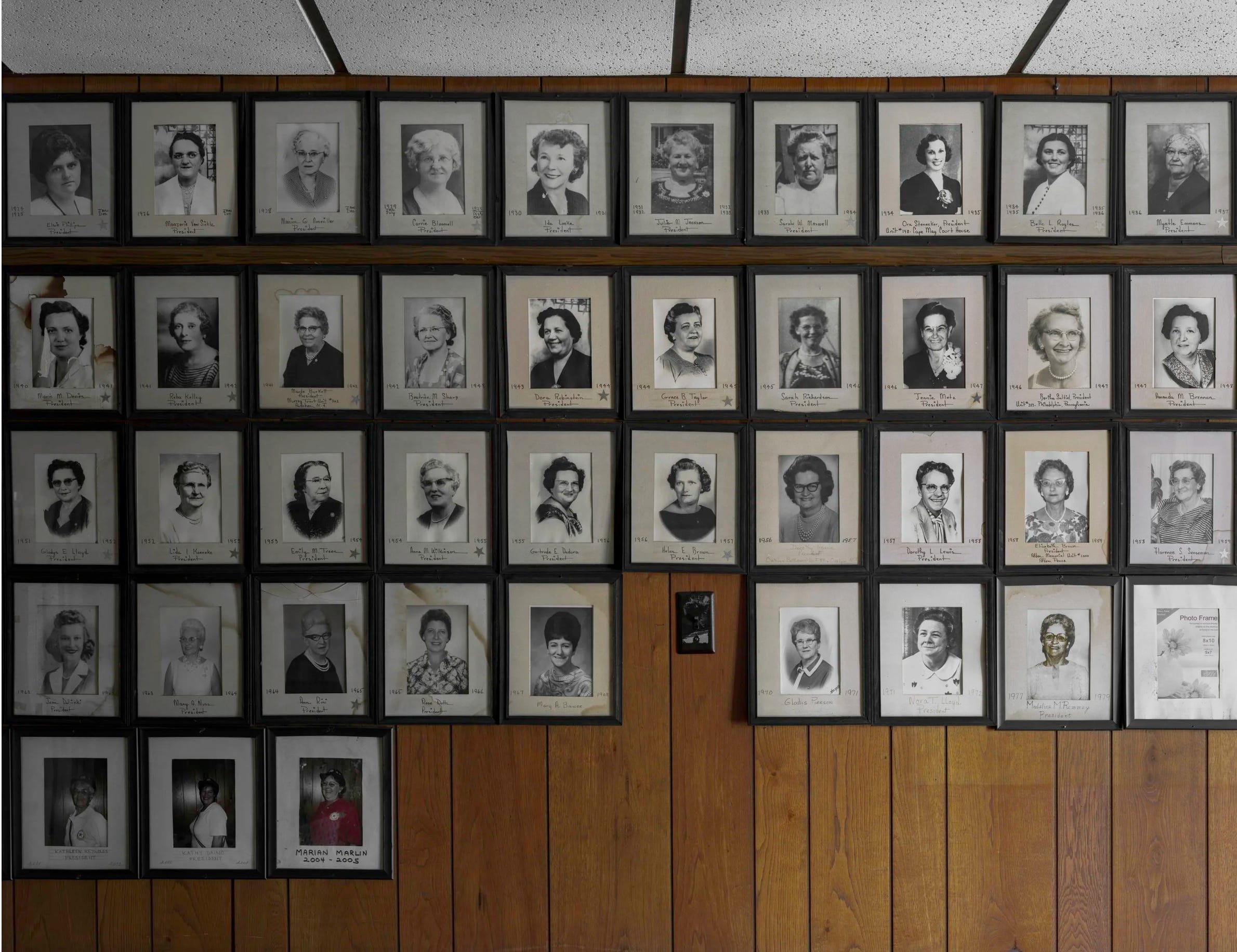
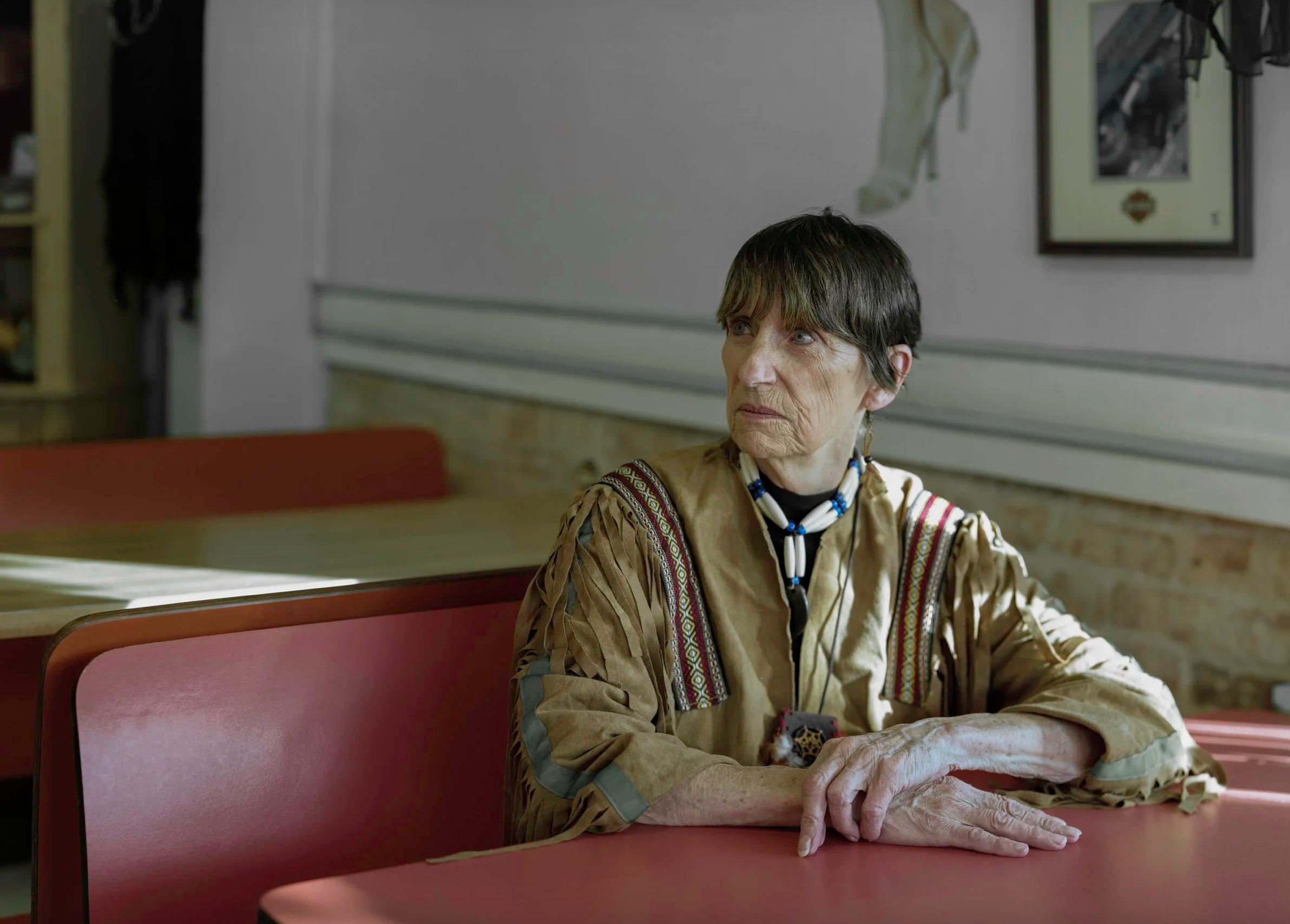
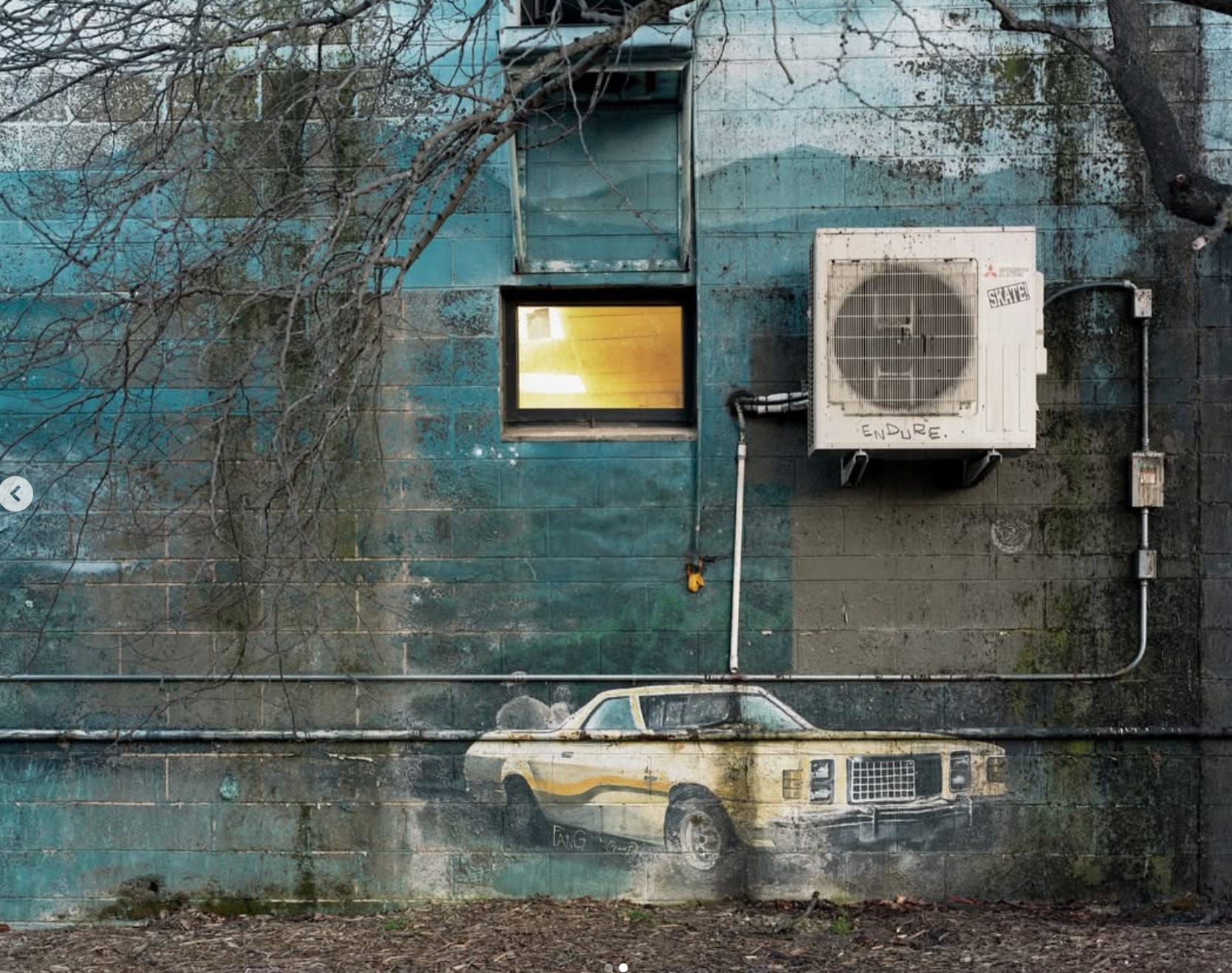
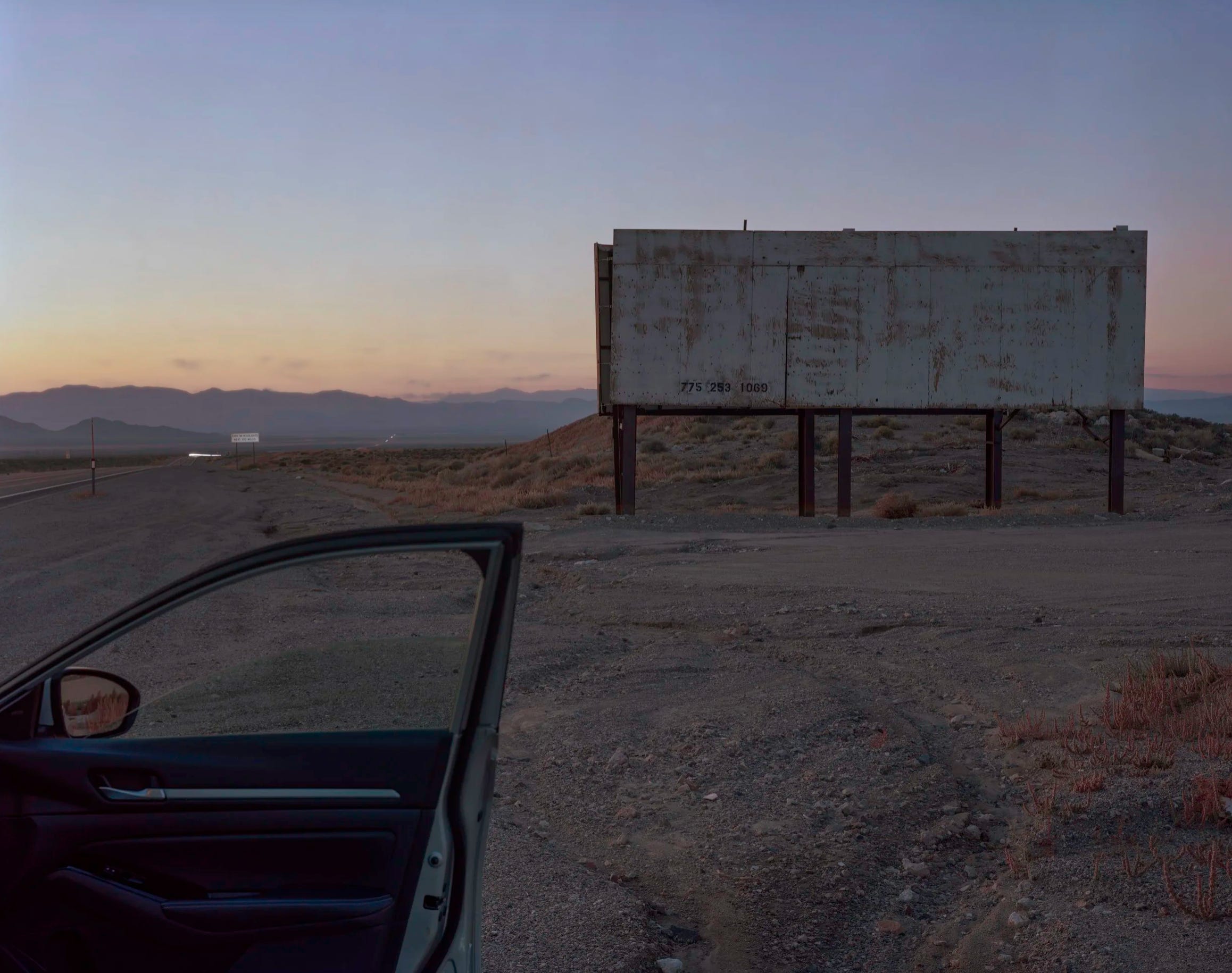
“‘We’ve Become Like Strangers’ is an ongoing photography project that reflects on the quiet erosion of community in a post-pandemic world.
The work is rooted in a growing sense of distance—not only physical, but emotional. Familiar spaces now feel altered, and everyday encounters carry a subtle sense of absence. What was once shared and communal has, in many ways, become fragmented and solitary.
I’m drawn to overlooked places and people that feel suspended in time—spaces where presence lingers, but connection feels distant. There, I photograph strangers who exist between isolation and the desire to be seen.
Photography becomes a way of reaching outward. Each image is both an observation and an attempt at connection—a gesture toward others in moments where words are unnecessary or unavailable. In this process, I’m searching for small, fleeting instances of recognition that suggest we are not as separate as we might feel.
The act of wandering, of moving slowly and attentively through these spaces, has become essential. It allows for a kind of openness—one that invites chance encounters and unexpected moments of closeness.
This work is driven by a simple but persistent question: how do we find our way back to one another?”
Brandon Sheer is a photographer, musician and art director. He received a Masters Degree from the Royal College of Art in London in 2024, and his clients have included Saint Laurent, Louis Vuitton, Mr. Porter, and DVF.
PLEASE HELP WITH A PAID SUBSCRIPTION
THIS WEEK’S RECKONING OF THOSE WHO ARE ON OUR MIND: A GATHERING OF THE INFLUENTIAL, THE CLEVER, THE SILENT, THE TRULY ORIGINAL, THE TENACIOUS.
Elizabeth Beautyman
Mary Haus
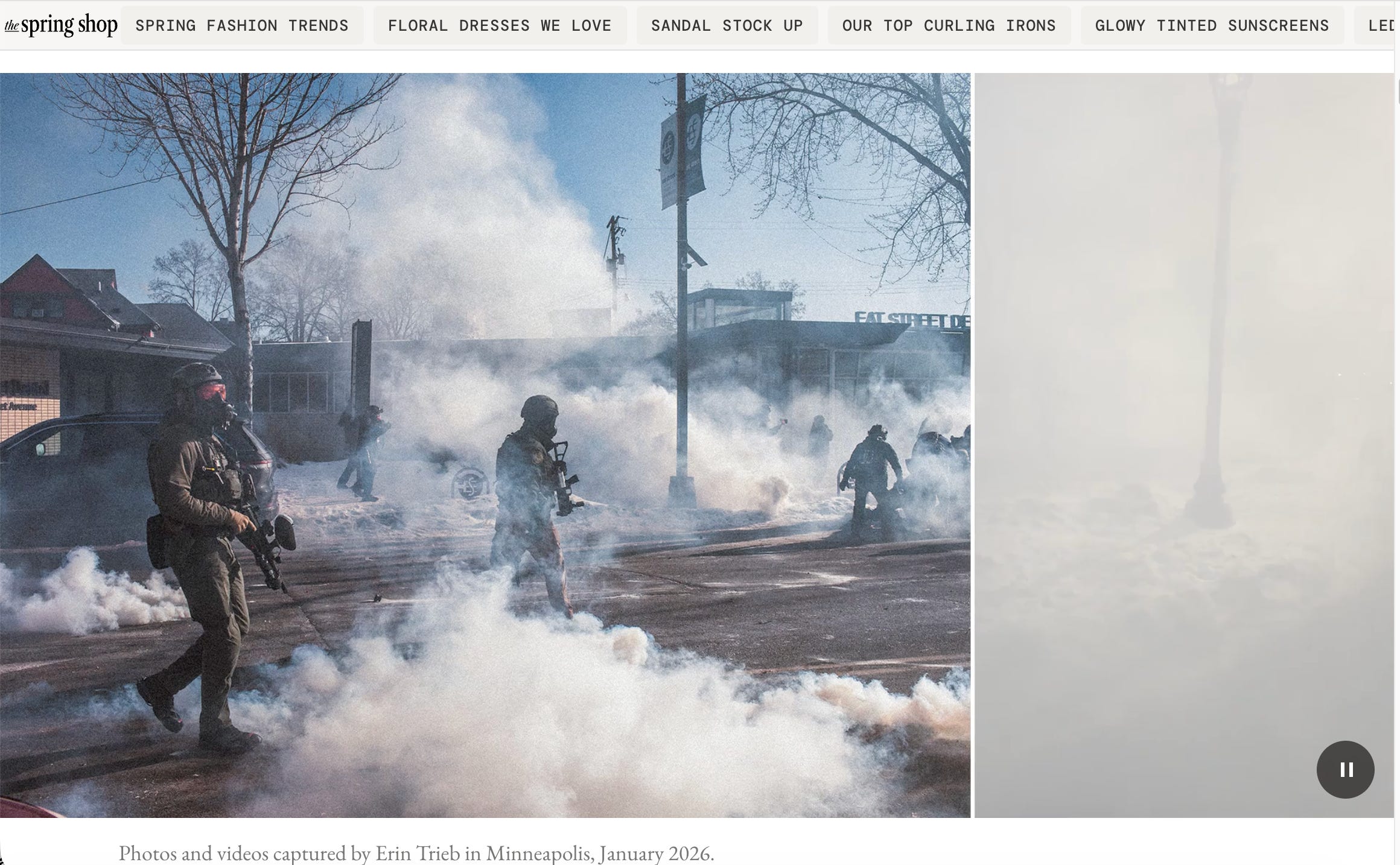
Minneapolis was still occupied by 2,000 armed ICE agents when Glamour published “The Women Holding Minneapolis Together” online in February. The visually arresting layout prominently featured photos and videos by award-winning photojournalist Erin Trieb, who also contributed reporting. The news story may have seemed incongruous alongside its coverage of style, celebrities, and pop culture, however Glamour had previously published Trieb’s work on women fighting in Ukraine.
Assigning and publishing a fast-moving news story quickly required “a team effort,” says Associate Visual Director Lauren Brown. Brown oversees visuals for Glamour’s US, UK, Spain, Germany and Mexico editions. In this interview, edited for length, Brown explains why Trieb’s pitch and visual style suited Glamour, and offers advice to photographers on bringing their projects to her attention.
Can you talk about why Erin Trieb’s story on the Minneapolis protests and activism was a good fit for Glamour?
Everyone in the office was watching what was going on in Minneapolis with growing concern, and trying to figure out: How is Glamour going to cover this story in a way that feels different from what news organizations are doing? What is the Glamour approach? While these conversations were happening, Erin Trieb, who was on the ground in Minneapolis, reached out with her pitch. Everyone said: Let’s jump on it and turn it around as quickly as possible.
We wanted to focus on the unsung heroes who were finding everyday ways to contribute, just as women have always found ways to contribute. We were hearing about women escorting people to stores or school or daycare, delivering groceries to someone afraid to leave their house because of ICE, handing out whistles at protests, and stepping in to protect people who are vulnerable. We hoped this would connect with the Glamour reader. People feel so dispirited when they read the news. We wanted our readers to avoid that feeling of apathy, and connect with the idea that: “If this woman is doing this, I can do it, too.”
For this story, we didn’t have subjects researched and ready to go. So it became a true team effort, all day and night. Erin, [deputy editor] Anna [Moeslein], and I were doing outreach to journalists, non-profits, legal organizations defending people in immigration cases, small business owners. We wanted diverse voices, in terms of occupation and identity. In the end, there were more incredible women that I wish we had time to photograph.
Several people put their heads together to make the images shine online, including our designer in New York, Falak [Khoja], and senior designer Ben Neale and creative director Amelia Trevette in London. The social media team said: This looks great on the web site, how can we bring that to life on social media?
There’s a lot of visual variety in the story. What were your criteria for selecting images and video?
We wanted to visualize this in a way that felt less like a news story. Erin started by saying, “My style is usually more of a daylight approach,” but she wanted to bring flash into this project. We thought deeply about it, and decided flash would feel intentional, a nice stylistic approach to telling this story.
For each subject, I needed a visual signifier that feels like a portrait. I wanted something immediately identifiable that would show how each woman was participating in the movement, and a closeup. If someone’s organizing packets to hand out at a protest, I wanted to see what they are giving out.
Paramount was protecting the identities of vulnerable people. We photographed a wonderful mom who organizes deliveries of groceries, prescriptions, anything people need. We thought we could show her walking into a house with groceries. From a storytelling point of view, that seemed important, but we didn’t feel comfortable with an image that might reveal where a vulnerable person was living. It’s hard as a photo director when you say, “Oh, this encapsulates everything we’re trying to say!” But you have to make hard choices.
How do Glamour readers respond to a photojournalistic story like this?
Every Glamour edition and every market is a little different. From my perspective, US Glamour is focused on women’s issues: anything affecting our bodies, our autonomy, our wealth, how we navigate parenting or relationships.
A lot of comments under the Minneapolis story said: Thank you for highlighting these women; I might not have known their stories without this. Some people were having political arguments. We’re happy to meet readers where they are. If people can read a story and see themselves in it, that makes me happy.
How did you develop your approach to editing and crafting narratives?
I think I first honed my approach to visual storytelling as a student at the School of the Visual Arts. Towards the end of my time there, I wasn’t so interested in the technical side of photography. I liked the idea of a group of images, instead of one print. SVA helped my editing process evolve, to conceptualize my documentary work and get rid of superfluous images that don’t serve the point I’m trying to make. I also spent several years working at a photo agency. One of my tasks was updating gorgeous printed portfolios with each photographer’s new work. I had to find a way to make disparate collections of images flow in a way that served each photographer’s creative mission.
Do you have advice to photographers who would like to collaborate with Glamour?
It helps to have a clear idea of what the publication’s voice is, and what stories we already tell. When it comes to telling women’s stories or news, those are always things I want to hear about. We are interested in portraits, photo reportage and documentary, we just don’t have a ton of budget to assign, and we need editors committed to writing those stories. Though the opportunities are rare, I love to see what photographers are passionate about, and I love to see personal work. I’m always interested in receiving seasonal emails with new work.
Lauren Brown joined Condé Nast as a Senior Visuals Editor in 2020 and since 2025 she has been the visual lead at Glamour.
Holly Stuart Hughes is a journalist and writer, and was the Editor of PDN from 1999-2020.
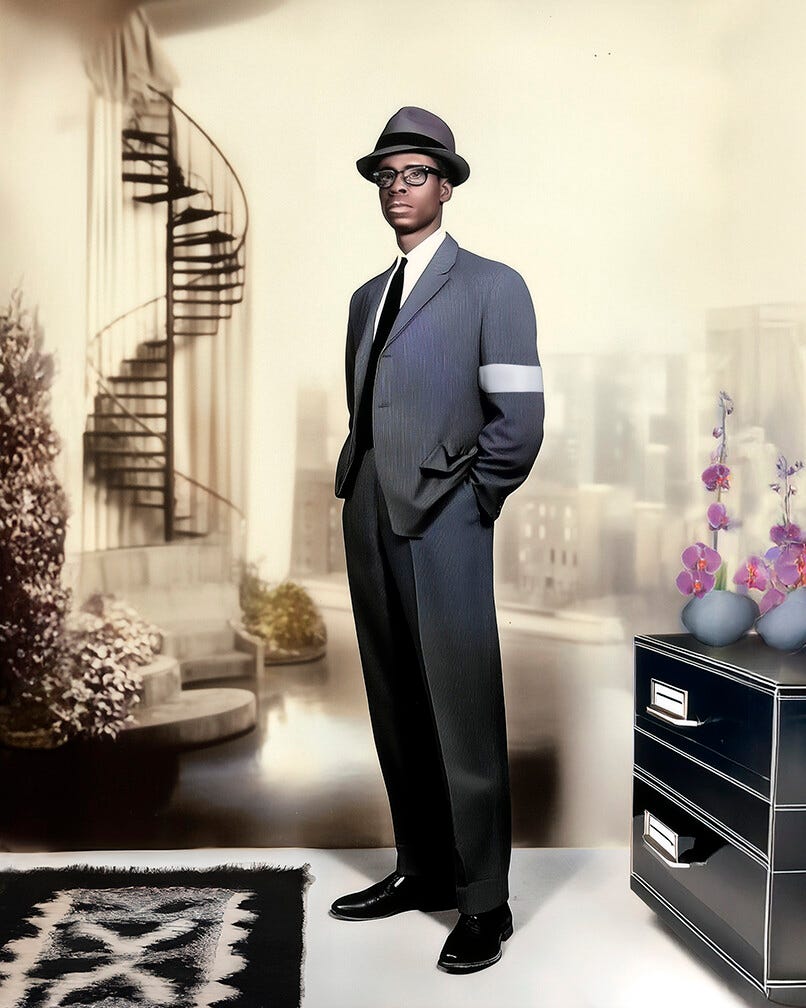
Mirrors-bodies-cameras. As you enter, you are in his studio-darkroom-archive. In the crisp white light of Fotomuseum Winterthur’s recently revamped building, it is pointless to wonder where the pictures begin and where the museum ends. Paul Mpagi Sepuya’s exhibition “Focus. Desire.” purports to bring to Switzerland the American artist’s first major show but achieves much more: the creation of a queer and Black space—of Sepuya’s spaces—over four rooms, where the lines between object and subject are as undefined as the smudges on surfaces which inhabit Sepuya’s work.
The exhibition opens to Sepuya’s Studio (0X5A5038) (2020), printed in larger-than-human size and mounted on a large wooden structure on wheels in the middle of the front room. The photograph introduces visitors to Sepuya’s space of production—his studio, which multiplies as fragments across different series. It is a place of jaggedness, of glimpsed bodies, makeshift building materials, photographic instruments, and a practice hinging on reflection, repetition, and refraction. Fingerprinted mirrors live alongside photographic prints peeling from the wall. A thin vertical line and a length of tape reveal the artifice of the image: the two-paned mirror at which the central camera is pointed. Behind the camera and a second angled mirror on wheels which displaces the gaze outside the frame: a hand. Though the expectation is that it belongs to Sepuya, it is impossible to know with certainty whose it is. But this is beyond the point: we imagine the artist behind the camera as much as we imagine ourselves in front of it, participating in the erotic construction and deconstruction of the scene. The hand becomes nothing more than another object which exists in a shared space.
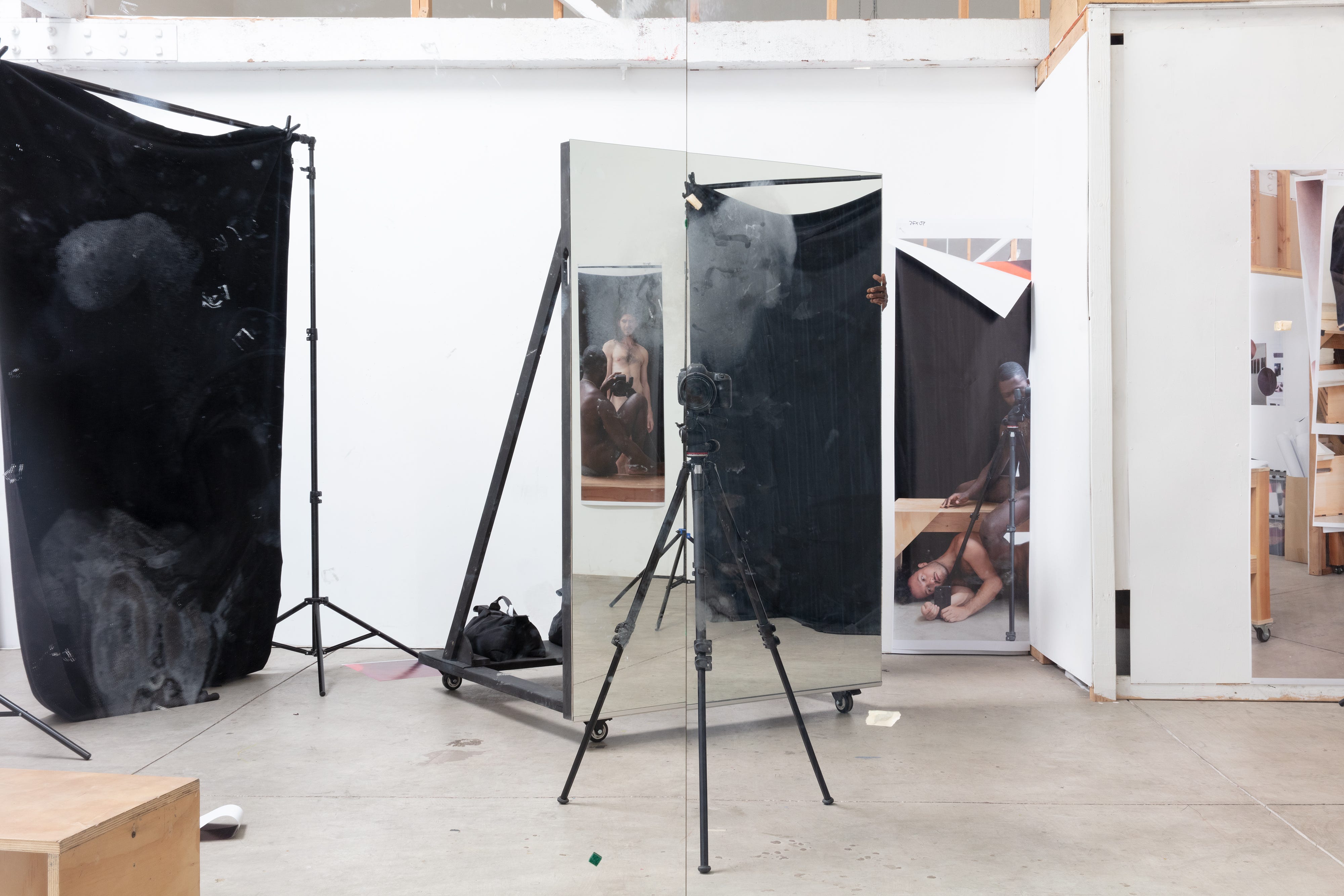
In Sepuya’s work, Black hands and black backdrops simply coexist as objects and materials without hierarchy. Portraits, studio lights, figure studies, tripods are displayed in the space with equal importance. This is perhaps one of the greatest successes of “Focus. Desire.”: its capacity to be representative of Sepuya’s work, and reveal the museum as another collection of objects in space. Sepuya’s work extends beyond the frame, sticking to the scenography of transport wooden crates, Black and queer theory books, grassroot zines, and to visitors alike. Everything is photographic object, should you focus; and everything engenders a particular queer pleasure, should you desire. In this framework, “Focus” and “Desire” become less nominal concepts of queer photography than they are eroticised actions to perform in the exhibition.
“Focus. Desire.” favours promiscuous interactions with the photographs, in all their theoretical, erotic, oppressive, sometimes racist messiness. This becomes particularly poignant in the darkroom spaces to each side of the front room in the exhibition, where economies of queer pleasure and the historical racial objectification of Black bodies coagulate on the print like bodily oils on a mirror. Dark Room Studio Mirror (0X5A5515) (2021) conflates the haunted imprints of this history with the vibrations of queer desire: naked bodies and smears leave the same imprints on the material, between the ghostly and the pleasurable. In this charged space, the whiteness of the studio gives way to moodier purples, browns, and blacks. The bright light turns into the red of darkroom safelights and backrooms, gay sex spaces; tears in the fabric of backdrops become improvised glory holes: the places of the production of photography and of queer sex overlap in forms, practices, and gooey consistencies.
There is a sexual intimacy in image production which resonates deeply with the precarious coming into being of a queer subjectivity. Sepuya is acutely aware of this synergy in his more recent works, but it is in his earlier portraits and in his self-published magazine SHOOT (2005-2008) that the artist’s incorporation of queer and Black photographic lineages into his practice is laid bare.
Sepuya’s early works are displayed in the final room of the exhibition alongside an archive of notes, published volumes, ephemera, and academic texts. With their copresence in the exhibition, these objects stress that what has been tenuously named a “post-AIDS” generation of queer photographers in the USA—a generation marked by the loss of mentors to AIDS—remains visually and conceptually informed by previous cohorts of queer artists. Jack Pierson, Lyle Ashton Harris, Mark Morrisroe all find their successor in Sepuya, whether in direct quotation or indirect nods. Indeed, one of the shipping crates in the scenography of the “Archive” section is labelled as containing works by Morrisroe, whose estate is housed at Fotomuseum—a playful wink to this genealogy.
For an exhibition which stresses the permanent renegotiation of Black and queer subjectivities, pleasures, and desires, the “Archive” is perhaps where the ongoing-ness of Sepuya’s work might feel at its most disjointedly, prematurely concluded. However, the curatorial juxtaposition of Sepuya’s Mirror Study collages carefully mediates the possibility of a calcified historicization for an inquiry into how histories, manuscripts, and objects actively play a role in the shaping of an ongoing practice: earlier portraits are renegotiated as printed objects which are rephotographed in the mirror space; theoretical texts and photographic mentors weave their way as companions to Sepuya’s images, highlighting the richness of his sensibility and cogent historical references.
Though it offers a comprehensive overview of Sepuya’s different series across time, “Focus. Desire.” escapes being defined as a retrospective exhibition. The implications of a retrospective are too linear, too straight-presenting when brushed up against queerness. Instead, visitors are invited to participate in a scopophilic cruising through Sepuya’s times and spaces. This is not an exhibition full of epiphanies or hidden gems, and this might just be its strength: it welcomes the familiarity of a photographic practice which sets up and offers the conditions—however stable or unstable these might be—for visitors to work and rework themselves without threat. The internal battles of desire and subjectivity should be fought in serene trenches.
Greg Tiani (PhD) is a curator and art historian specialising in contemporary photography and queer cultures. He is currently the Head of Exhibitions at Verzasca Foto and has collaborated with Centre de la photographie Genève, Fotofestival Lenzburg, and Visual AIDS, among others.
Comments
Nothing yet. Say the first thing.
Sign in to join the conversation.