
I drive my teenage son to school every morning. I have done so for five and a half years. It’s thirty to forty minutes of just me and him on the road, with no one competing for his attention.
Sometimes we talk about everything. Other times we crack up laughing at ex-footballers Garry Lyon and Tim Watson on Radio SEN 1116.
Here’s what hit me when he mentioned going to an interstate university like I did: our time together is coming to an end.
He finishes school in four months. So I did the maths, and I have about eighty rides left with him.
He’ll have his own car for next year. And even if he stays in our home state for tertiary study, the last thing he’ll want is his old man driving him anywhere.
Eighty rides doesn’t feel like a lot. I’m not going to waste a single one.
I’ve realised something over the years I’ve driven him. Relationships grow because you keep putting yourself in the same place, with the same person, at the same time, with no one else competing for your attention.
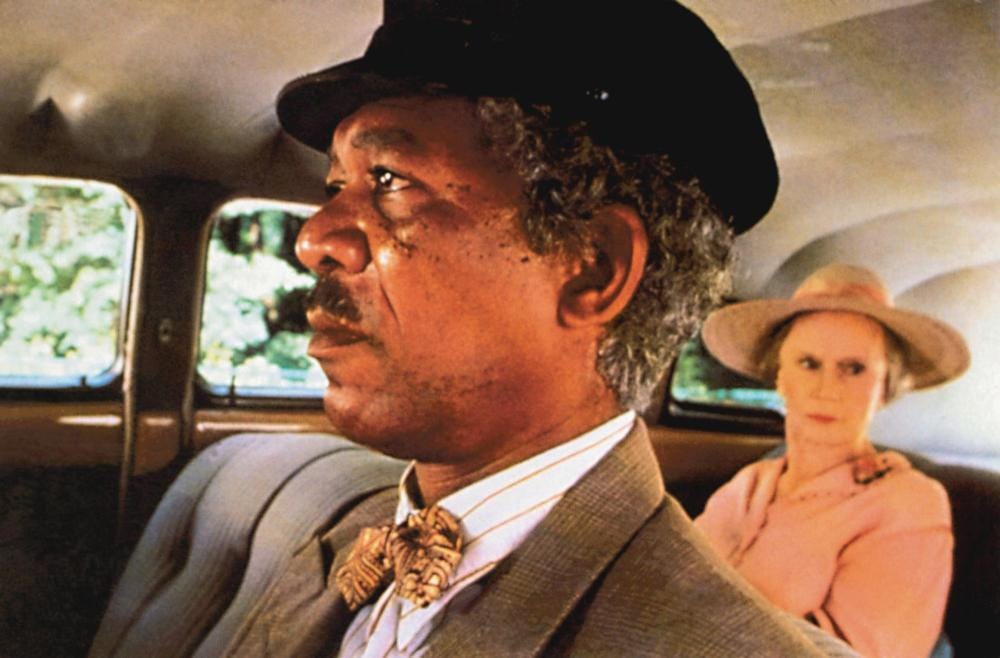
You see Jessica Tandy and Morgan Freeman experience the power of proximity in Driving Miss Daisy.
The film opens with Tandy reversing her car straight into her neighbour’s garden in Atlanta, Georgia.
At the insistence of her son, played by Dan Aykroyd, she’s assigned a chauffeur.
That is Freeman, and much of the rest of Driving Miss Daisy takes place inside a car.
Freeman drives Tandy everywhere: to the shops, to the synagogue, and on a long journey to visit her cousin in Mobile, Alabama.
With nowhere else for your attention to go, the camera keeps returning to the faces of the two actors.
Somewhere between all these trips, you see something extraordinary happen. They become friends because they keep showing up. Maybe that’s the lesson you take into your final 80 rides.
No posts
Comments
Nothing yet. Say the first thing.
Sign in to join the conversation.