
We accidentally hit one million views on YouTube with our media ministry, Kleer Series.
Which is slightly ridiculous, because YouTube was never the plan.
For those unfamiliar with Kleer Series, its vision is to start spiritual conversations with young people in any group setting. I am one of the co-founders of the vision.
We partnered with Christian organisations including One Hope, YFC, Urban Saints and Scripture Union to deliver our content directly to disciple makers who use it in conversations with young people. And, in a nutshell... it worked.
Our videos have reached thousands of young people in all types of settings, from schools and churches to urban community groups. I know of at least nine nations that use them with young people. We developed a complimentary YouVersion Bible Plan that has had tens of thousands of downloads via the Bible App, and at one point we even trialled an early version of an interactive chatbot before chatbots were a thing. That one wasn’t the best thing we did 😂.
Through the Open Church Network alone, at the last check, Kleer Series resources had been downloaded more than 283,000 times by over 2,100 youth leaders, churches and organisations in the USA.
Most importantly I know of so many young people who have come to faith in Jesus as a result of the conversations it sparked.
As we’re about to reach the 10-year milestone, it felt like a good moment to reflect.
This is the story of Kleer Series.
The story starts with a God-incidence.
It must have been around 2011, and people always assume I’d been Googling my own name. I half promise I hadn’t. I’d stumbled across one of David Bowden’s (no relation) YouTube videos. He was this young guy from the States, standing on a box, performing a spoken word piece connected to TOMS Shoes. I was interested in TOMS at the time, so I clicked. Then I watched another. It didn’t take long to realise two things. First, he was a Christian. Second, he was incredibly gifted.
Then something strange happened.
Out of the endless stream of videos we all consume, I had this unmistakable sense that God was saying, “Pay attention, not to the videos but to the person.” God began to speak very specific things to me about this guy that were unusually detailed for someone I had never met.
We scroll past hundreds of faces every day. Most of them we’ll never think about again. Yet this one felt different. So I did what we all did when something inspired us in the early days of social media. I shared one of his videos on Facebook, back when people actually used to share things on Facebook.
A couple of hours later, a message landed in my inbox from a pastor friend that went something like this:
“I see you’ve found my friend David Bowden. I’ve been talking to him about you. He’s coming over to visit one of your schools.”
I had no idea there was any UK connection. Even stranger, while I’d been watching videos of David, someone else had been telling David about me. That unexpected Facebook message was the beginning of a real friendship with the guy I’d only ever seen on a screen... who also happened to share my name.
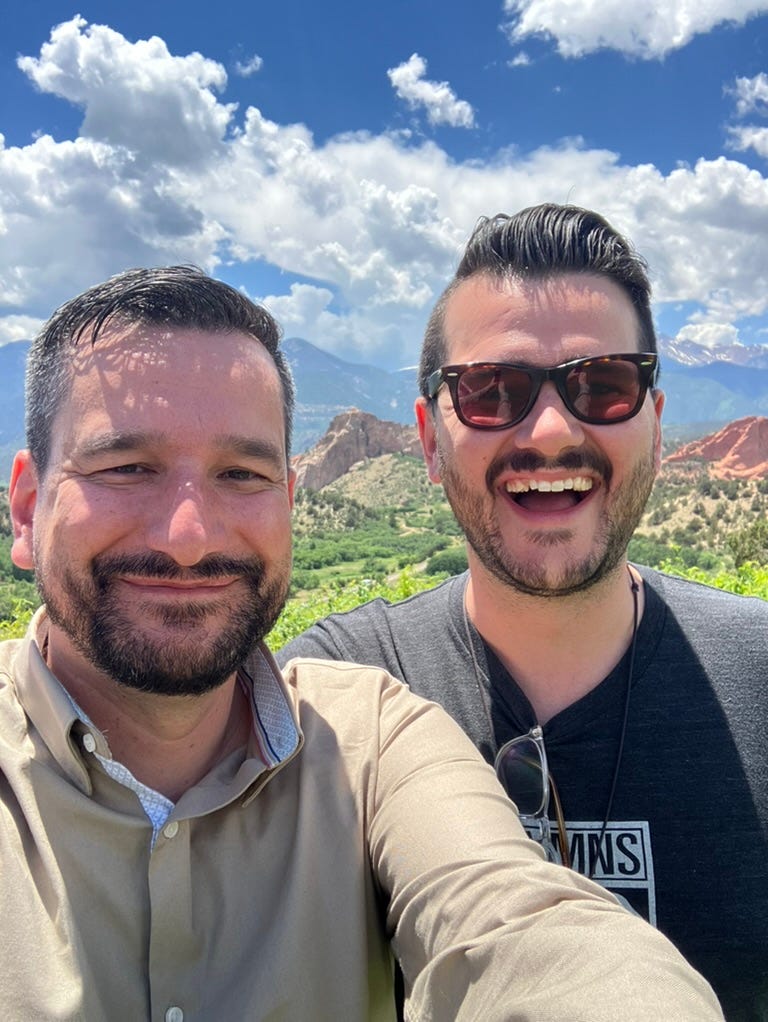
David began to come over to the UK and visit the schools we worked in. He would perform in our schools and share about his faith.
During one poetry performance, David repeated the refrain, “I believe in Jesus. I believe in Jesus. I believe in Jesus,”multiple times during his performance.
In the school lecture theatre, a young boy shot his hand up at the back of the room and said, with complete sincerity, “Sir, do you really believe in Jesus?”
It was like he’d asked him if he believed in Zeus.
David was deeply moved by the fact that these young people had virtually no understanding of Christianity, and God birthed in him a desire to make a difference. We talked together and felt there needed to be a resource that met these young people where they were, something we could use not just for the two and a half thousand young people I was working with at the time, but maybe for many more than that too.
That young man will never know how profoundly his question impacted David, to the point that it birthed the seed of vision for what became Kleer Series.
“Do you really believe in Jesus?”
It’s a question all of us need to be able to answer for the next generation.
When David went back to America, he began to share what had happened and how he had encountered such spiritual poverty in the UK, a nation that once sent missionaries to the world.
As an entrepreneurial friend of his listened to the story, he got out his chequebook, wrote a cheque for $1,000 and said:
“Go and make Kleer Series.”
That $1,000 enabled David to fly back to the UK. I took a few days off work, and David and I locked ourselves away in my parents’ house to map out what later became the largely unchanged blueprint for the entire series.
That $1,000 was the first seed money for what became the story of how God funded the vision. A few individuals were willing to invest in a vision to start more spiritual conversations.
Money is one thing, but effort is another.
And the best efforts come from a team.
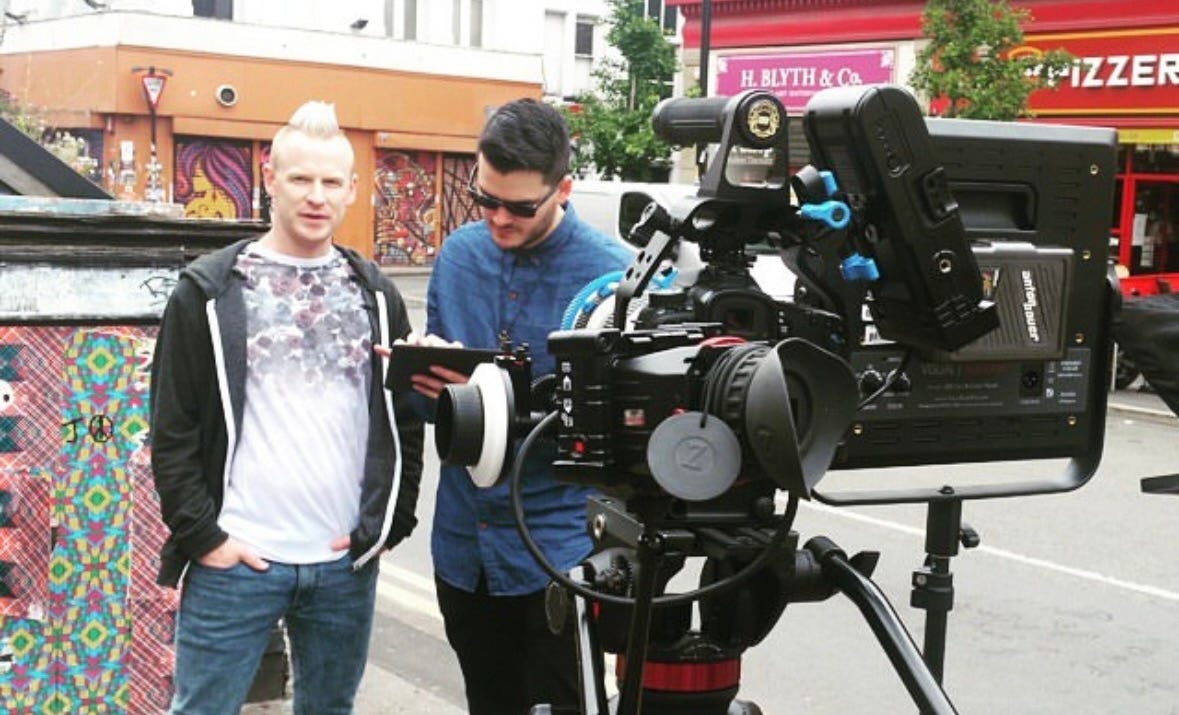
A lot of the credit still goes to our legendary filmmaker, Drew, who probably worked for the equivalent of minus one dollar an hour for the amount of time he put in. It was his eye for creativity that made such a difference. Drew is a soft-hearted master of his craft. Drew would spend hours obsessing over a three-second shot that nobody else would even notice. And the music was equally as intentional. Go and listen to the Kleer soundtrack alone and you’ll find cinematic quality. Every note was created on a shoestring budget.
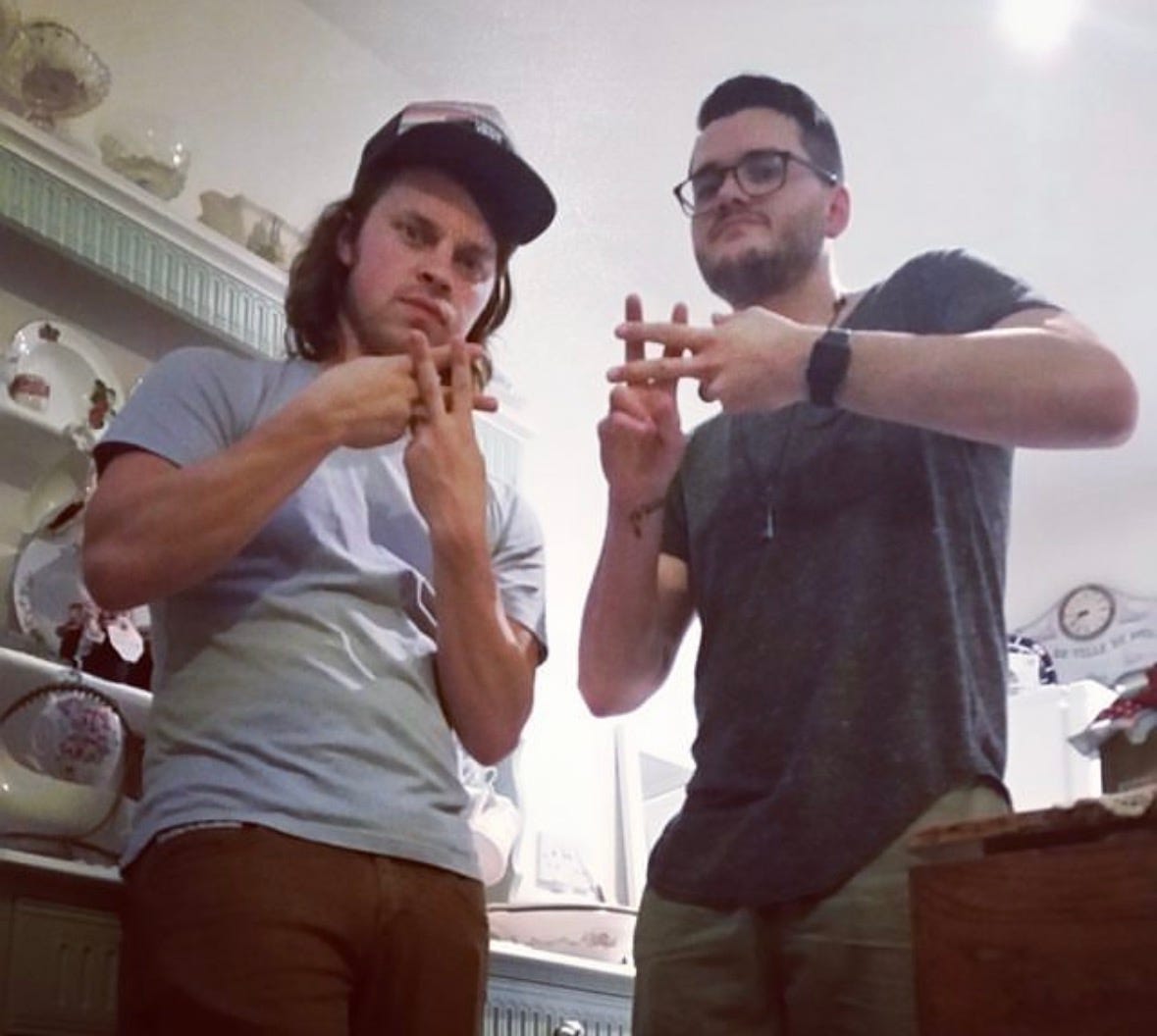
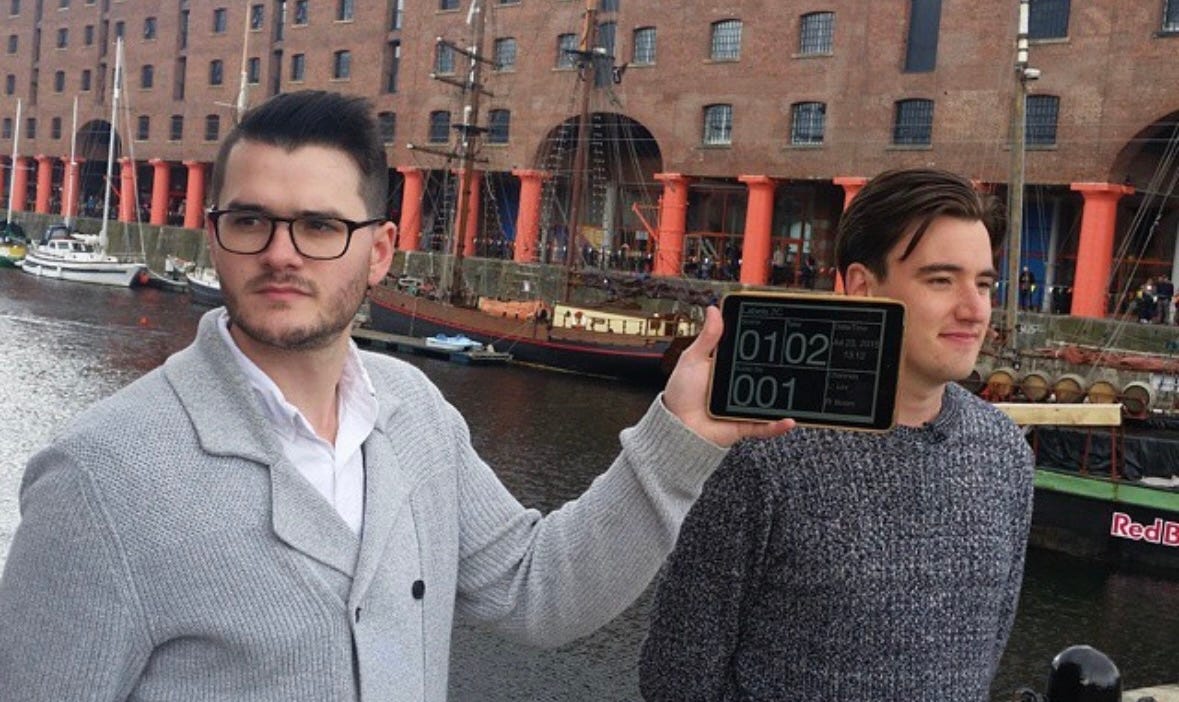
The UK side of the film shoot itself was a bit bonkers. I gathered some of my friends like Michael McGlynn and convinced them to be presenters for this thing that didn’t yet exist. We were running around the country from Liverpool to Manchester, Birmingham and Coventry. I did a terrible job of scouting locations beforehand, so we ended up filming a lot of it on the fly. We got kicked out of the Bullring in Birmingham and filmed in the rain by a dodgy canal. Let’s just say I got a lot of feedback from the Americans.
The boys then went back to the USA to film the creative pieces. Everything from LEGO bricks, to large groups of young people running around a school hall, to the most popular video online, Putting Yourself in Someone Else’s Shoes (starring Drew). They still look incredible.
Asking what if? became the heart of how the resource was made, and also the intention of the thing itself. What if we could get more young people to ask what if?
At the time, the alternatives to youth ministry videos were 30-minute sit-down videos that started with the question, “Who was Jesus?” But part of the challenge was that a lot of the young people we worked with in schools were not asking that question... yet.
What made Kleer Series different was the starting point.
Most youth resources at the time assumed some level of church background. Kleer deliberately didn’t. It was created for young people who had little or no experience of church, so it avoided deep religious terminology and instead explored topics every young person is already asking about: spirituality, identity, purpose, choices, life and faith. The aim was to meet young people where they were, not where we thought they should be.
One of the early names for the series that reflected this idea was Starter Course, which I still can’t decide if it’s cool or not. Later it became Kleer as a riff on making big ideas clear. In hindsight, I’m not sure how clear that actually is, but the name stuck!
The format was intentionally simple and incredibly flexible. You could use it with two young people or two hundred. In a youth group, a church, a school, a sports club, a drop-in, online, or around someone’s kitchen table. Every session followed the same rhythm: a presenter, a visual story, one of my poems, and then discussion questions.
The videos were never designed to preach at young people. They were designed to get them talking.
That was probably the biggest difference to other resources. Kleer wasn’t built around having all the answers. It was built around creating space for honest conversations. No question was too big or too small. As conversations about spirituality and identity unfolded naturally, leaders could help young people discover more about Jesus without forcing the discussion. The goal wasn’t to win an argument. It was to build relationships that lasted by starting conversations that mattered.
Even the themes reflected that journey. Rather than beginning with doctrine, we began with universal human experience. We explored spirituality before faith. Identity before belief. Purpose before commitment. The videos built on one another step by step, but each could also stand alone. Looking back, I think that progression helped make spiritual conversations feel natural rather than intimidating.
In many ways, Kleer was trying to prove a simple idea: if you create engaging content, ask thoughtful questions and give young people permission to explore, powerful conversations really do start there.
The goal was never to provide every answer. It was to create the kind of conversations where people felt safe enough to ask the questions they’d been carrying around for years. We discovered that if you stop trying to win an argument and start listening well, conversations often go far deeper than you ever expected. And somewhere along the way, those conversations naturally opened the door to talking about Jesus.
And you would not believe how deep things seemed to get, even early on.
There was no mention of God, Jesus, faith or church in the early sessions. In fact, we intentionally structured the Kleer Series material so there was no mention of the word God until Session Twenty, allowing for a longer build-up of pre-discipleship-style engagement.
But when I spoke to youth groups about how they were getting on with the videos, they would often tell me about the richness of the conversations they were already having about Christ and faith.
“What session are you on then?” I asked one group leader after hearing the depth of discussion they’d just had, assuming they must have been near the end.
“Oh, we’re still on Session One! Our young people just started asking questions about faith because they had time to slow down enough to think about it.”
An example of this is the type of questions we asked. Session Two wasn’t a deep theological discussion. It simply explored the idea that our five senses can’t explain everything, and then asked questions like:
Which of our five senses (sight, hearing, touch, taste and smell) do you think you would struggle the most to live without, and why?
Why might some people suggest that our senses can’t always be trusted?
Can you think of examples of anything that can’t be easily explained by our five senses?
Creating intentional space for conversations like this is so powerful. When framed in an honest, open and inclusive environment, asking all kinds of spiritual questions can open up massive opportunities for spiritual growth. In talking about everything that matters, we end up talking about the one thing that really matters.
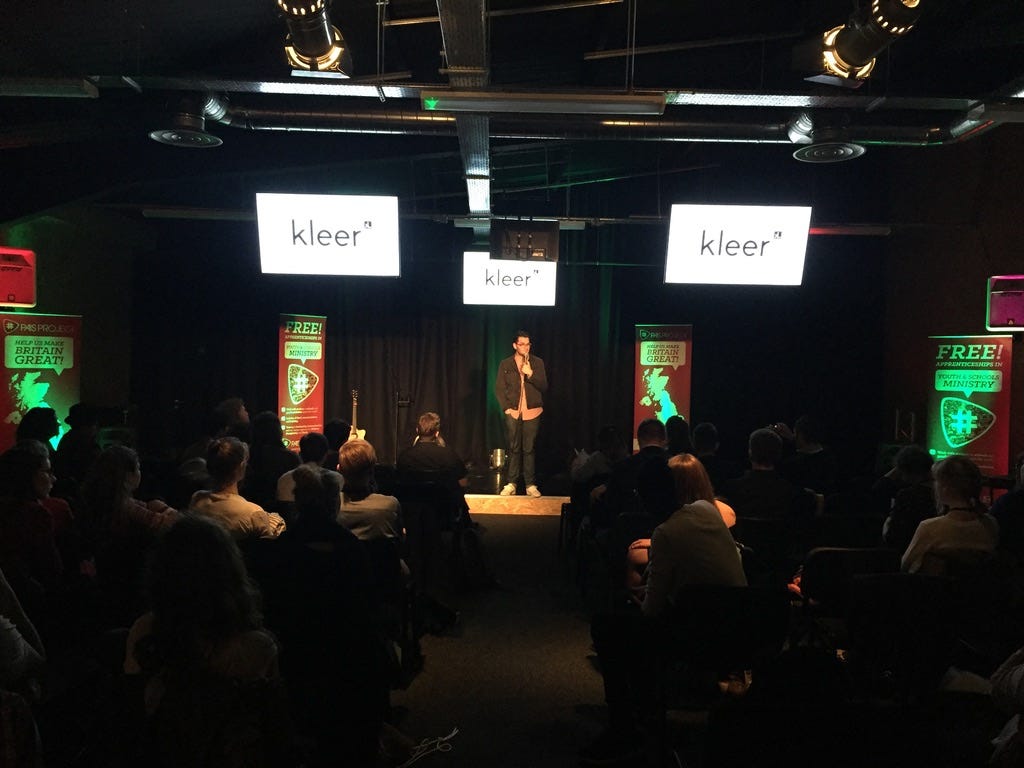
Using video for was not new, but the way we did it was definitely unique in the cultural moment for Gen Z.
2016 was a fascinating transition year. Short-form video existed. Vine had already proved people would watch six-second videos. Snapchat Stories had taken off with teenagers, and Instagram had just launched Stories in August 2016. Facebook Live was also brand new.
But compared to today, social media was still fundamentally different.
Instagram was primarily a photo app. TikTok didn’t exist outside China.Reels and Shorts were years away. Most youth ministry videos were still 10 to 30-minute talks filmed on a stage or polished curriculum DVDs. And virtually all of them were American.
Bingeing endless vertical videos wasn’t yet how people consumed content.
That meant attention spans were changing, but the Church hadn’t really caught up yet.
What Kleer did that felt unusual was borrow the language of the internet rather than the language of church. Instead of one long teaching video, every episode was broken into distinct creative moments: a presenter, a visual illustration, a spoken word poem and discussion questions. Each section had its own rhythm and kept the pace moving.
Today that doesn’t sound revolutionary because TikTok, Reels and YouTube Shorts have trained us to expect constant movement and rapid shifts in format. But in 2016 it was much less common, especially in Christian resources. Most video-based discipleship content was still linear: one speaker, one camera, one message.
I’m not, of course, claiming to have invented short-form video. Vine and Snapchat had already demonstrated that format. And at the time there was a series of short DVD videos featuring Rob Bell called NOOMA that were hugely popular with youth leaders. But applying that style to Christian evangelism, and structuring each video as several short creative segments rather than one continuous talk, was genuinely different from where most ministry resources were in 2016.
It was this combination of an innovative format, meeting young people where they were, and flexible, adaptable use that caused Kleer Series to spread like wildfire in the years that followed.
In 2020 I released a sequel of sorts, a set of six videos exploring who Jesus was to this generation. The whole point was to try to connect with today’s teens, who are overwhelmed by school, social pressures and constant media bombardment.
The traditional message about Jesus dying for our sins might initially feel distant to them, even though Christians know it has incredible repercussions. This initial disconnection means that the starting point for stirring spiritual curiosity has to connect with their real-life struggles and provide meaningful answers to their real-world questions, not just deliver theological explanations.
This doesn’t mean we water down the good news, but rather reframe it.
So, in the second series, we looked at six key aspects of who Jesus is to help provide a more 360-degree view for young people.
Looking for satisfaction? Christ provides us with everything we really want from life. Jesus is relevant.
Looking for something to trust? History proves that Christ was a real person who made a real difference. Jesus is real.
Looking for identity? Christ shows us exactly what God is like and reminds us who we really are. Jesus is God’s reflection.
Looking for forgiveness and a second chance? Christ saves us by dying for us. Jesus is a rescuer.
Looking for purpose? We are invited to join Christ’s adventure to bring hope. Jesus is a revolutionary.
Looking to feel close? When you put your trust in Christ, you never have to feel alone again. Jesus offers you a relationship.
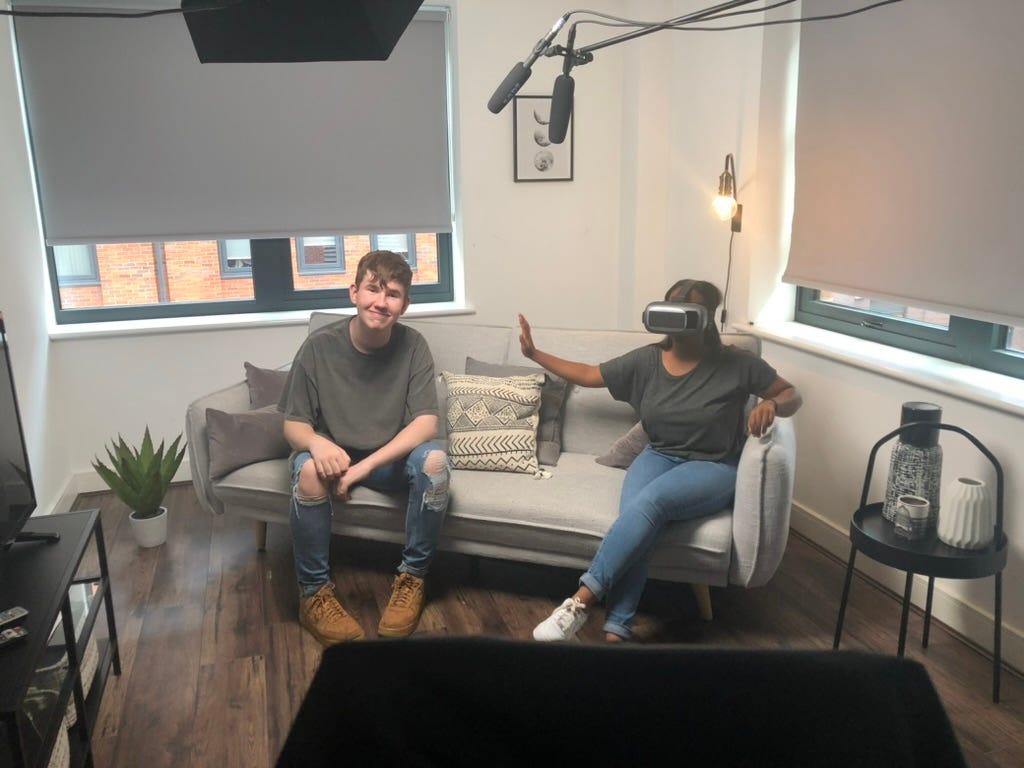
While the core concept of offering a wider perspective on Jesus is something I still stick by, there were some challenges with the timing of releasing this video series, as it happened to drop just before the pandemic.
So a resource that was created for group discussion was difficult to launch when everyone in the world was in lockdown. It also happened to be the same time everyone in Christendom switched on to video, for obvious reasons, flooding the market.
There were also some interesting, and probably yet-to-be-studied, anecdotal responses from many of the Christian young people I spoke to about disengagement from online church services. Ironically, they didn’t enjoy engaging with church on screens as much as we assumed they would.
In many senses it was harder to do that second set of videos, and it felt a bit more of a slog. Was it simply that 2016 was the right time and moment?
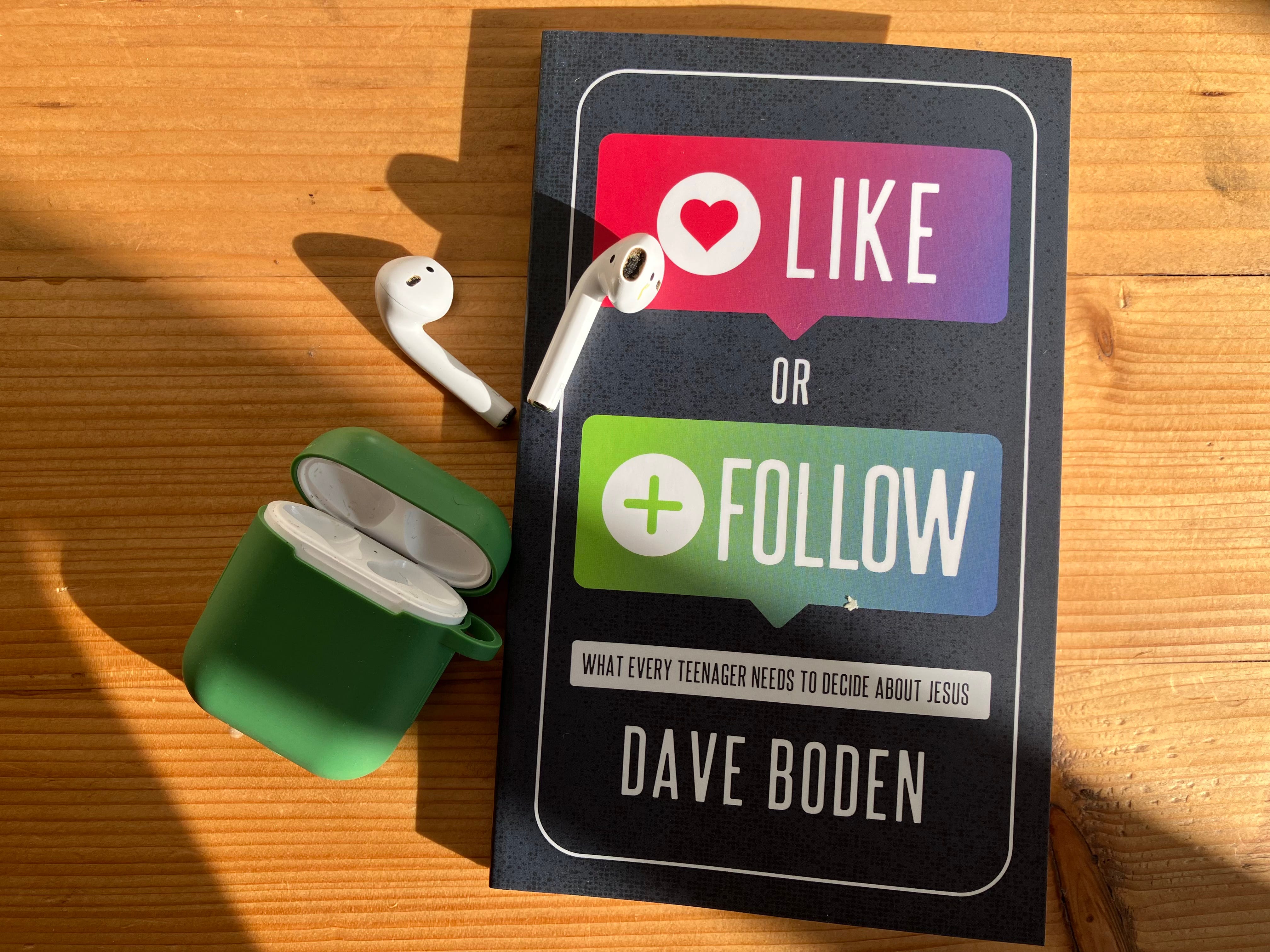
But in hindsight, what that series led to was the writing of my book Like or Follow, which is essentially a written version of the video series, complete with QR codes linking to the videos. In that way the series found new life, and the book has now sold thousands of copies. I personally know of young people who have come to Christ as a result.
Nothing is ever wasted.
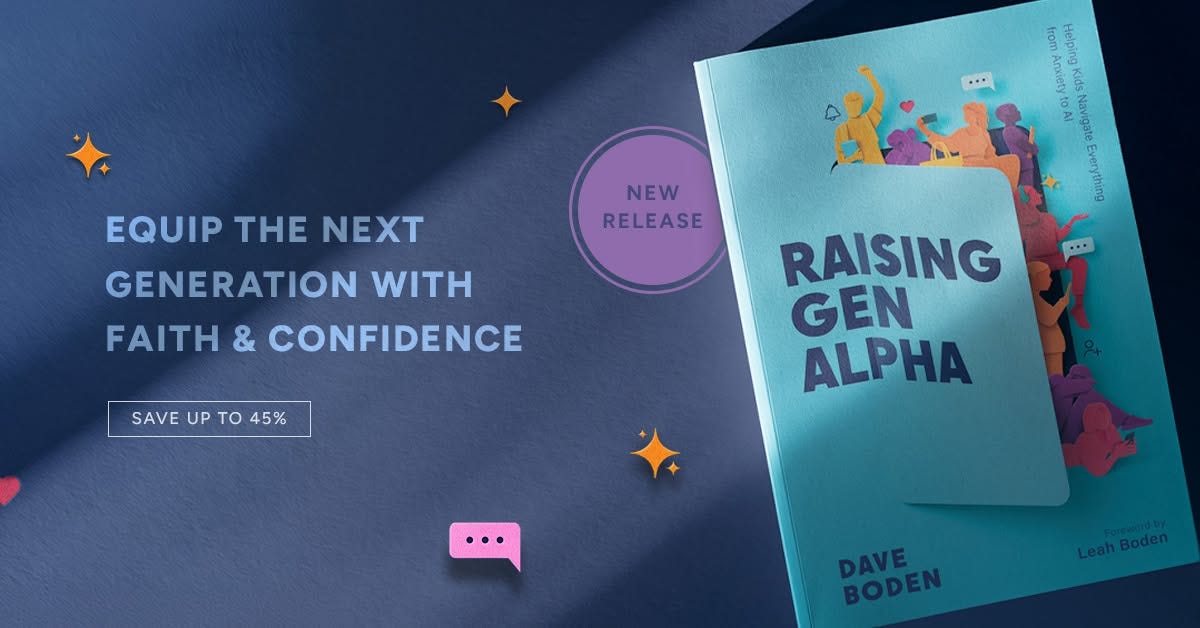
Every so often I find myself asking what future seasons of Kleer Series might look like for today’s culture. What would Kleer Series look like for generation alpha? And every time I’m together with my buddy David, the conversation inevitably turns towards it.
It’s interesting how much the world has changed in a decade, and what the landscape looks like today. What would it look like to go again? There are plenty more resources out there nowadays. Would anyone even care in such a saturated market?
Deep down, I still can’t quite shake the feeling that there isn’t enough that meets teenagers with little or no church background where they really are. It still feels like we’re so desperate to get a religious outcome that we aren’t always willing to trust the process.
Of course, there are ideas I have about what topics we should tackle. One is to think about how this rising generation, Gen Alpha, might engage with something like Kleer.
What lens would they look through to start their discussions? Are they asking the same questions that emerging Gen Z were, or are they different?
I can’t help but wonder if the complex but ubiquitous topic of anxiety might be a window through which to point people to the Prince of Peace. Would the Kleer Series format, or perhaps a new twist on it, be a way to unpack topics like anxious-mindedness and hyper-connectivity?
I also have this feeling that helping the next generation engage with the Bible could be a game changer. What would it really look like to help teens with no church background discover scripture for the first time? That one still niggles me.
The nature of youth groups themselves has changed in the last decade. I do wonder if groups are still a thing in youth ministry in the same way they were back then. Everything Kleer Series was built around was having a group conversation.
In an individual swipe-and-scroll world, does video still hold that same appeal? Maybe even the nature of video itself is going to be challenged now that we’re living at the dawn of personalised AI-generated content.
Maybe schools are now better suited than churches to host these kinds of conversations with young people who want to explore faith. What might that look like?
This is all just speculation, of course.
Right now there is no time, finance or route to create that kind of resource, but looking back, there wasn’t in 2016 either. This has never been about the right moment. It was always about the vision.
Kleer Series was born out of a desire to impact the next generation in as innovative a way as possible. That desire still lives in me, and the need to reach Gen Alpha is more urgent than ever.
This summer David and I will spend a week together in the Cotswolds. We’ll reflect a little on ten years of Kleer Series, but mostly we’ll just talk about our friendship.
We’ve watched each other’s kids grow up, navigated some tough moments, entered each other’s worlds and cheered each other on.
We’ll no doubt walk and talk into the early hours of the morning about life, identity, purpose, faith and meaning.
And if, in a couple of years’ time, you suddenly hear about a new resource for teenagers, you can be reminded once again that there is power in starting a conversation.
No posts
Comments
Nothing yet. Say the first thing.
Sign in to join the conversation.