
Technical prowess often takes center stage in the world of Data Science. We celebrate the intricacies of algorithms, the elegance of statistical models and mathematical formulations, the parsimony of good code, or the power of machine learning. However, there's a crucial skill that can make or break a career in Data Science, and it's frequently overlooked: communication.
If communication is vital for Data Science, how do you build this skill?
Data Scientists don’t build Data Products in isolation. They collaborate with Data Analysts, Engineers, Project Managers, and business stakeholders throughout the Data Product Cycle.
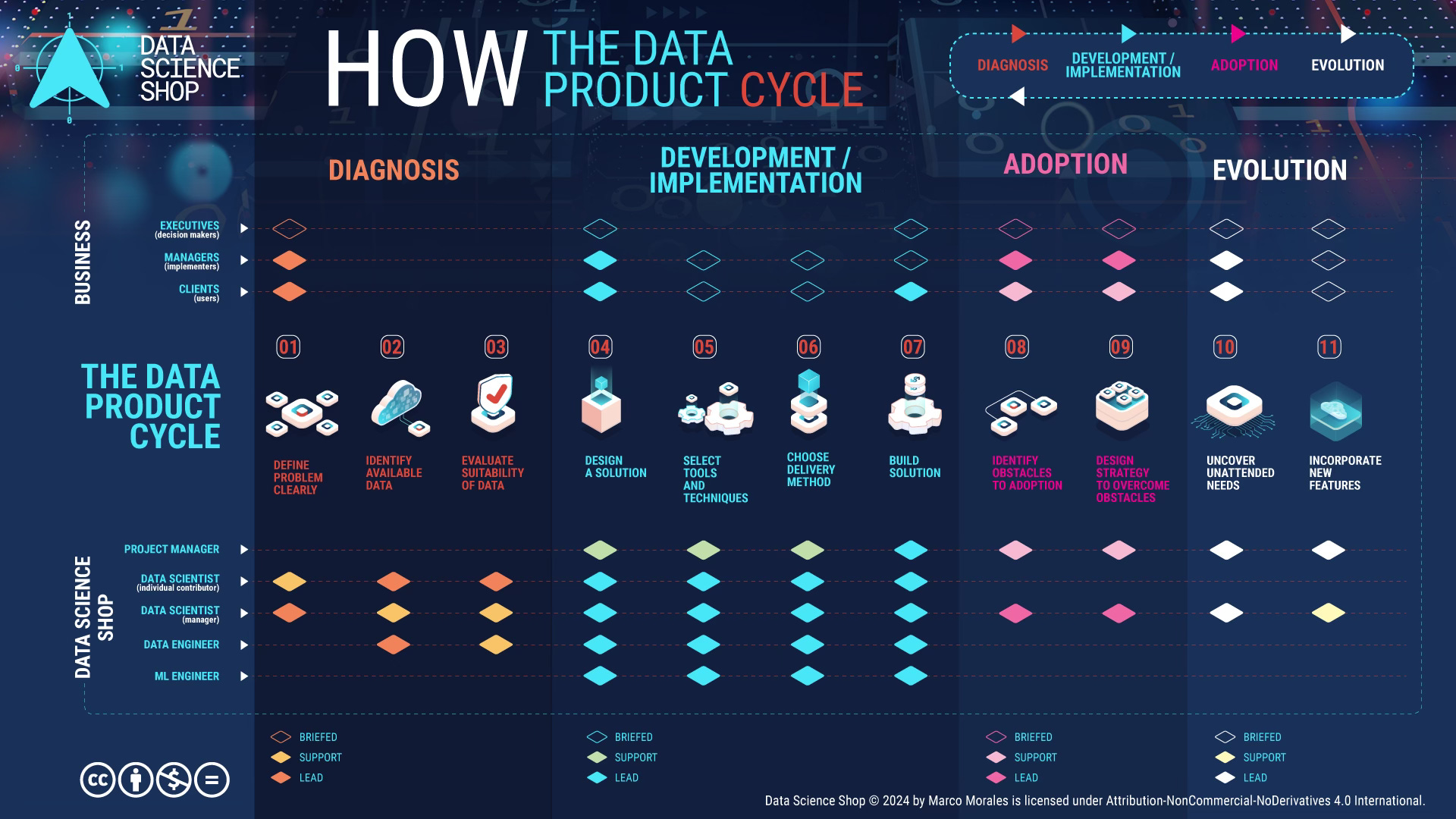
Each one of the diamonds in the Data Product Cycle infographic above indicate some form of technical or non technical communication that happens at every step of the process to build successful Data Products. The amount of diamonds shows how important communication is for a Data Scientist.
Building effective Data Products – the raison d'être of Data Science – requires Data Scientists to constantly engage in various forms of communication to:
gather sufficient information to define the right problem to solve and evaluate data to solve it
translate technical jargon between different technical peers (e.g., Data Engineers, Machine Learning Engineers)
explain technical concepts and results to non-technical audiences
coordinate work across multi-disciplinary teams
keep stakeholders informed of progress, challenges, and outcomes
extract non-technical information from business users and stakeholders
present findings and recommendations to clients or decision-makers
You see why communication is just as crucial for Data Scientists as their technical skills. Communication is the bridge that connects your technical skills to real-world impact. It's the difference between a brilliant technical feat gathering dust and one that solves a real business need or problem. Effective communication ensures that Data Products not only function well technically but also address the actual needs of the business and its users, and also guarantees their usability and relevance.
Becoming an effective communicator is not an overnight achievement, but a skill honed through consistent practice based on solid principles. I recommend three books that can help Data Scientists elevate their communication game. These three books offer comprehensive, in-depth treatments of different modalities of communication - written, non-verbal, and visual - and give you the tools and strategies to improve your proficiency in each one.
I begin with written and non-verbal communication because these crucial skills are often overlooked in the Data Science field, despite their foundational importance. When mastered together, they create a powerful synergy for information exchange. While visual communication in Data Science is better-documented, your ability to communicate through visual elements will benefit immensely from first developing strong written and non-verbal communication skills.
We often take our ability to communicate for granted, particularly when it comes to speaking. We’ve been doing it all our lives!
But a huge part of communication in Data Science happens in writing: Slack messages, emails, text messages, wikis, memorandums, Kanban card tasks, comments in code, commit messages… These written communications are critical for follow-ups, clarifications, updates, or coordination when you’re building Data Products.
The power of committing our thoughts to "paper" lies in the clarity it provides. When we write, we identify inconsistencies, imprecisions, missing information, and even unconscious assumptions about our audience. Refining our written communication inevitably enhances our oral communication skills as well. In essence, becoming a better writer makes you a more effective communicator across all mediums.
Todd Rogers and Jessica Lasky-Fink’s book Writing for Busy Readers (2023) distills cognitive and behavioral science research about how people read into 6 principles for effective communication that are easy to use. The book is very applied and filled with checklists and real-world examples.
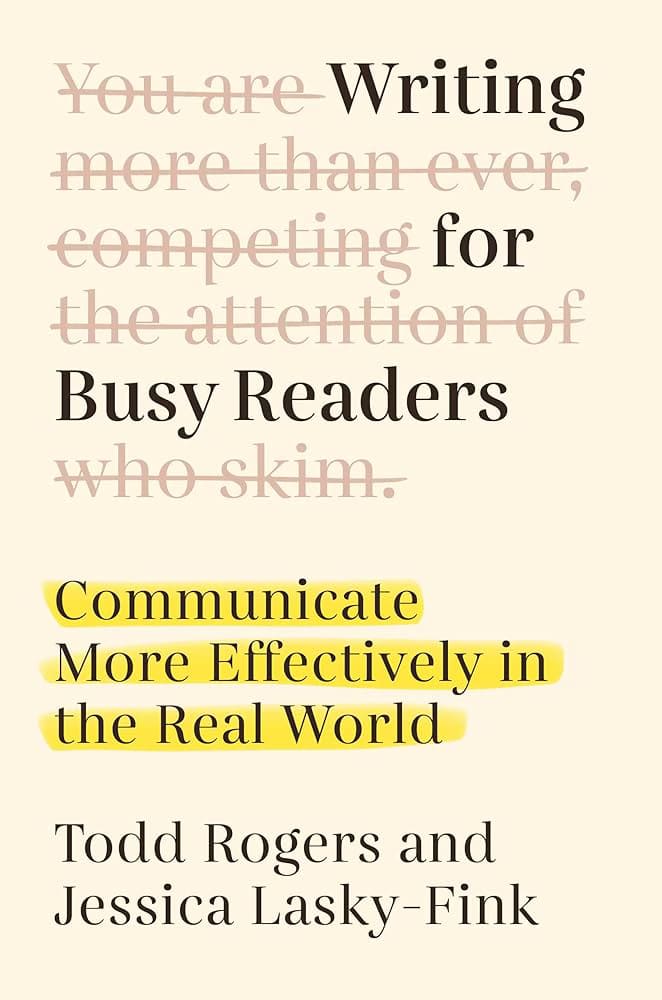
why it matters: people only take a few seconds to read emails, memos, texts or Slack messages – we better make those few seconds count!
it turns out that: effective writing is not about using more words and giving more information, but about downsizing to the essential information written in a few words that are easy to read.
who is this for: valuable to every Data Scientist (and, in fact, all members of the Data Science Shop crew)
Humans are hardwired to communicate not just with words, but through a complex array of non-verbal signals, particularly gestures. Yet, we rarely give conscious thought to these silent messages we're constantly sending and receiving.
Becoming aware of non-verbal cues can dramatically enhance your effectiveness in Data Science. It allows you to consciously detect nuanced information from stakeholders, team members, and clients that isn't explicitly stated. Paying attention to their gestures can help you gauge whether they've understood a complicated message or how they've interpreted it. Similarly, you can deliberately use gestures to reinforce your own verbal messages. Learning to “read” and “speak” gestures is a powerful way to improve overall communication - even in visually restrictive mediums like Zoom calls.
Susan Goldin-Meadow's book Thinking with your Hands (2023) offers a comprehensive overview of the latest research in the cognitive psychology of non-verbal communication. While not a practical guide, this book will transform your understanding of how gestures convey meaning. It’s an eye-opener to the critical role of non-verbal communication when humans exchange messages, providing insights that are readily applicable to everyday interactions.
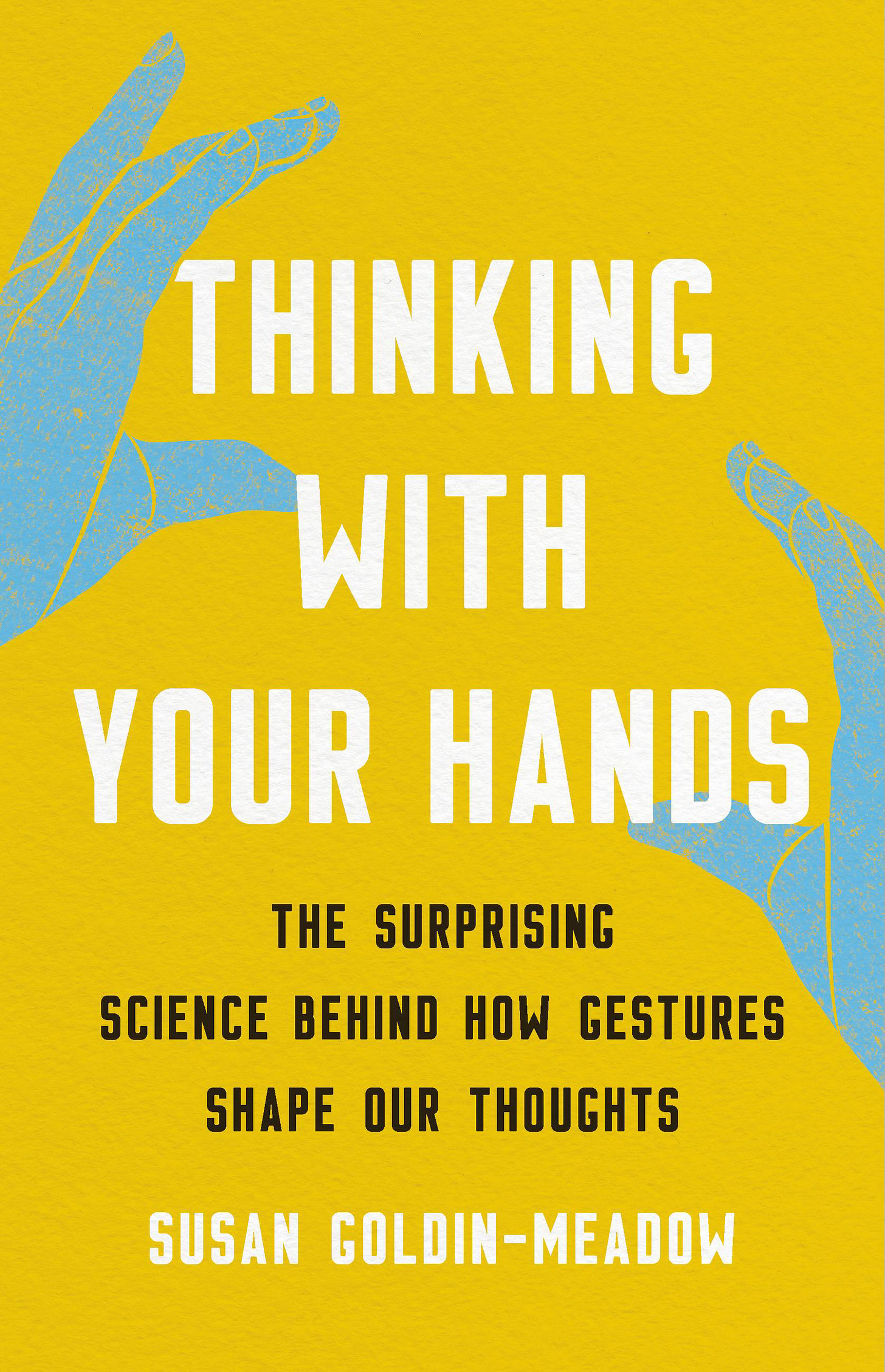
why it matters: ignoring non-verbal communication overlooks a powerful tool for effective communication; by understanding and using gestures, we can significantly enhance our ability to convey and interpret information
it turns out that: gestures do more than simply reinforce our spoken words; they often convey additional, nuanced information that we never explicitly verbalize, adding layers of meaning to our communication
who is this for: valuable to all Data Scientists, but particularly useful for Data Scientist managers who need to leverage non-verbal communications to enhance their ability to lead, persuade, and collaborate effectively
While much has been written about the technical aspects of data visualization in Data Science, less attention has been given to using visualizations as effective communication tools. Creating an impressive chart is only the beginning; the real challenge lies in tailoring visualizations to your specific audience, integrating them into an engaging narrative, and strategically using visuals to reinforce key messages.
To truly excel in visual communication, Data Scientists must shift from simply presenting graphs to using visuals as powerful instruments of persuasion and insight delivery. This requires understanding not only how to create visualizations, but also when and why to use them, and how to adapt them for maximum impact across various stakeholders and scenarios.
Cole Nussbaumer Knaflic's book Storytelling with Data (2015) addresses these practical aspects of visual communication. Going beyond basic data visualization techniques, it provides a comprehensive framework for presenting data through storytelling. This applied guide is rich with examples and case studies, offering techniques that are easily adaptable to various situations in Data Science. By focusing on the narrative and audience-centric aspects of data presentation, the book helps bridge the gap between creating visualizations and using them effectively to communicate insights and drive decisions.
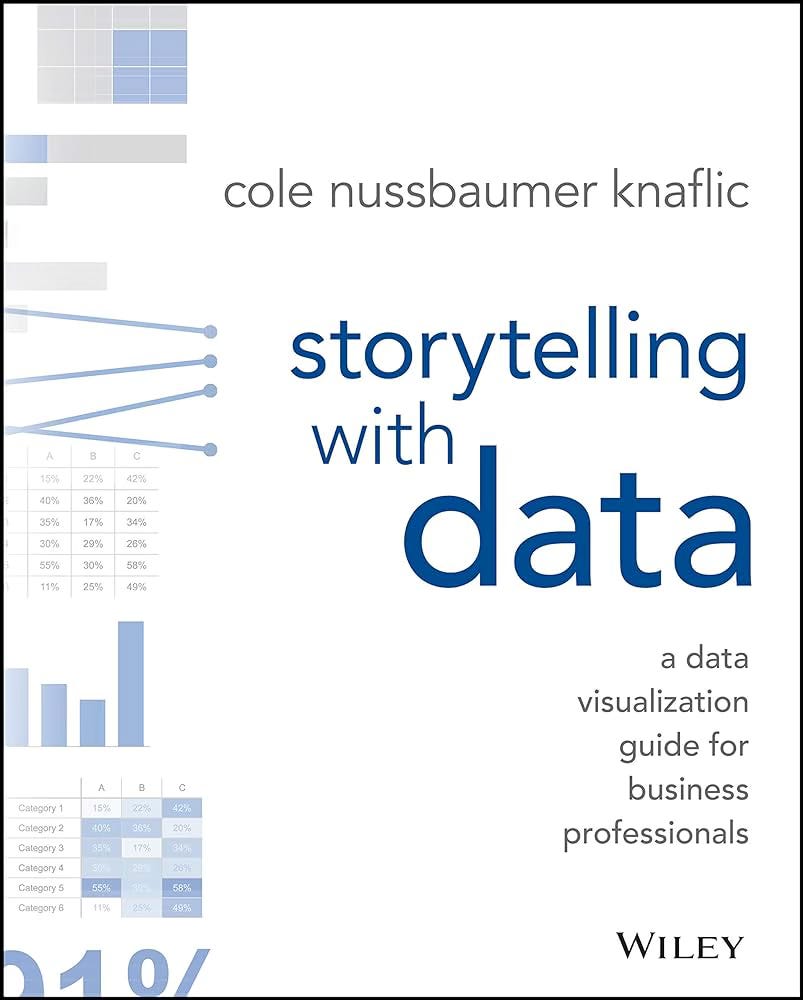
why it matters: anyone can code a beautiful graph, but not everyone can communicate a clear message with it!
it turns out that: approaching visual communication as a holistic process – one that focuses also on the audience and the narrative – transforms graphs into powerful communication tools that reduce the cognitive effort required from your audience to understand the message
who is this for: valuable to all Data Scientist Individual Contributors, but especially those tasked with communication that routinely involve graphs
Becoming an excellent communicator is an ongoing journey. It requires consistent practice, self-reflection, and a willingness to adapt to different audiences and situations. Invest time in resources like the books I mentioned. By honing your abilities in written, non-verbal, and visual communication, you're equipping yourself with a powerful toolkit that complements your technical expertise. Mastering communication is not just an added bonus for Data Scientists—it's an essential skill that will significantly elevate the impact of your work.
Did we spark your interest? Then also read:
WHO are the people that make Data Science possible? to learn more about the technical roles that collaborate to build Data Products in a Data Science Shop
What is Data Science? to learn more about the practical way to understand Data Science: focus on its outputs (Data Products)
What is the Data Science Shop? to learn more about the roadmap for the operation of Data Science in a business
No posts
Comments
Nothing yet. Say the first thing.
Sign in to join the conversation.