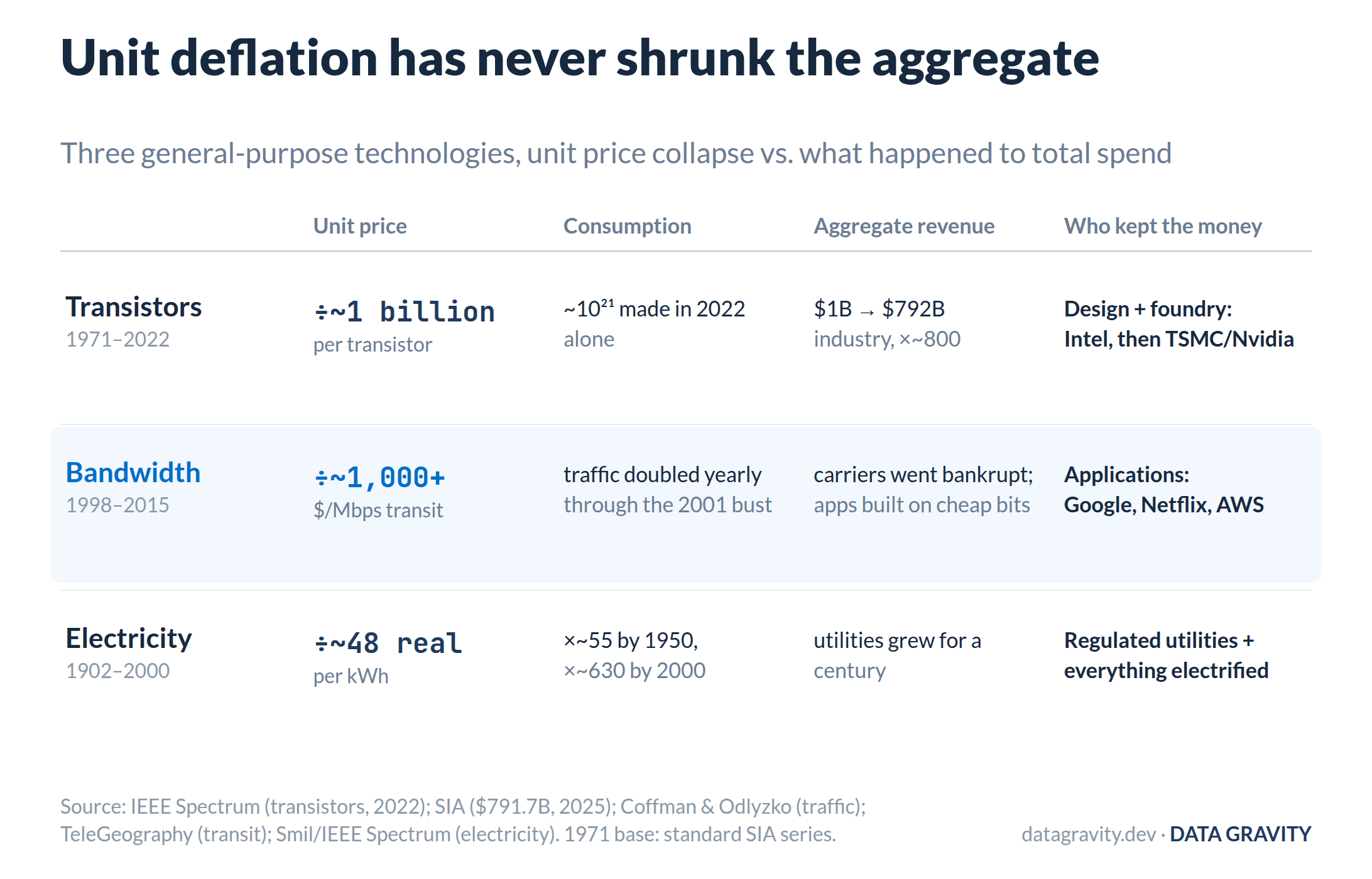
Who Makes Money When Inference Gets 10x Cheaper?
A layer-by-layer map of where the dollars land when the price of intelligence collapses.

Quantitative analysis of AI infrastructure—for the founders and operators building it and the investors funding it.
Live Last read · last published · next check
A layer-by-layer map of where the dollars land when the price of intelligence collapses.
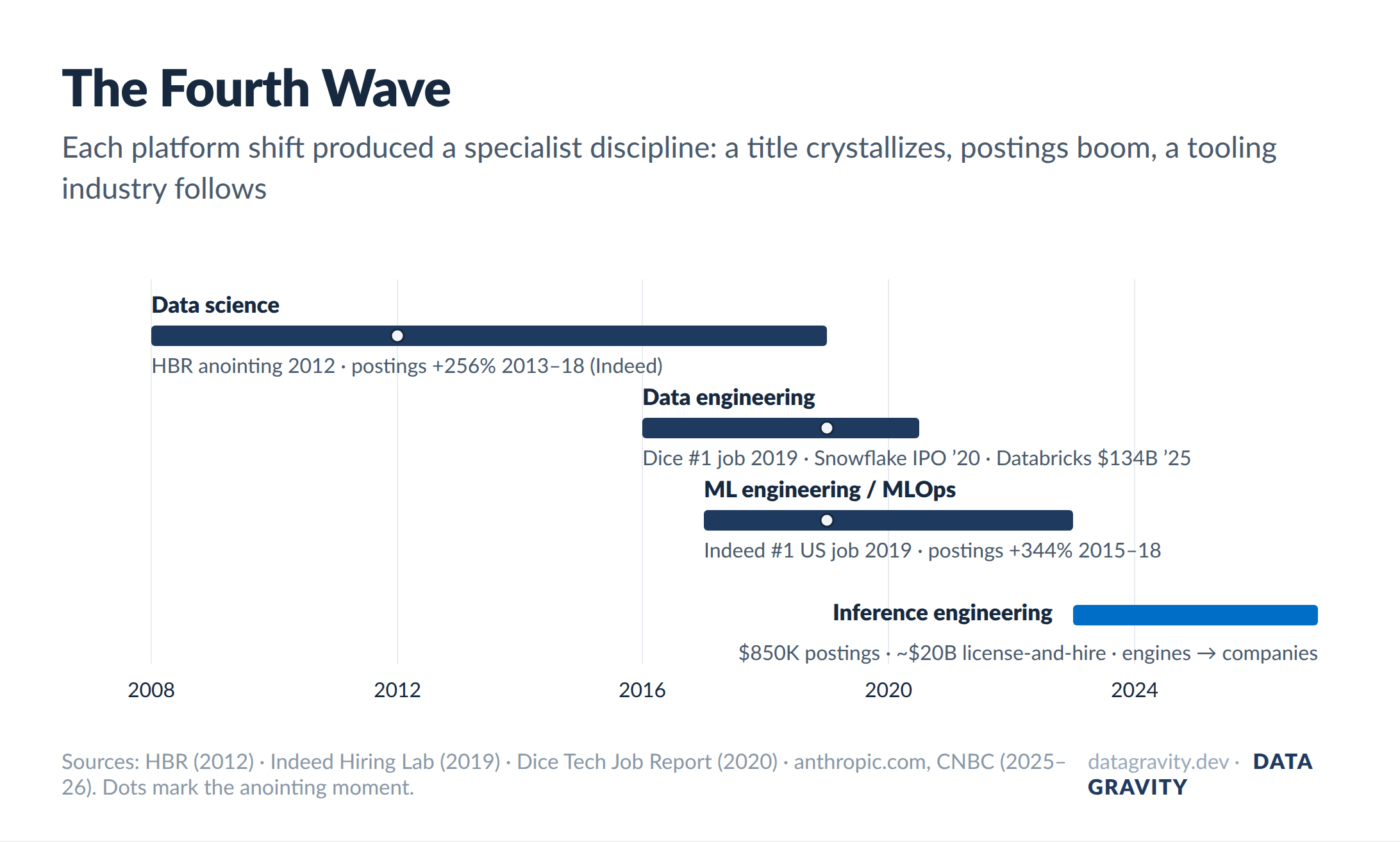
Squeezing more tokens out of the same silicon has become its own engineering discipline — and it now decides which AI products have margins
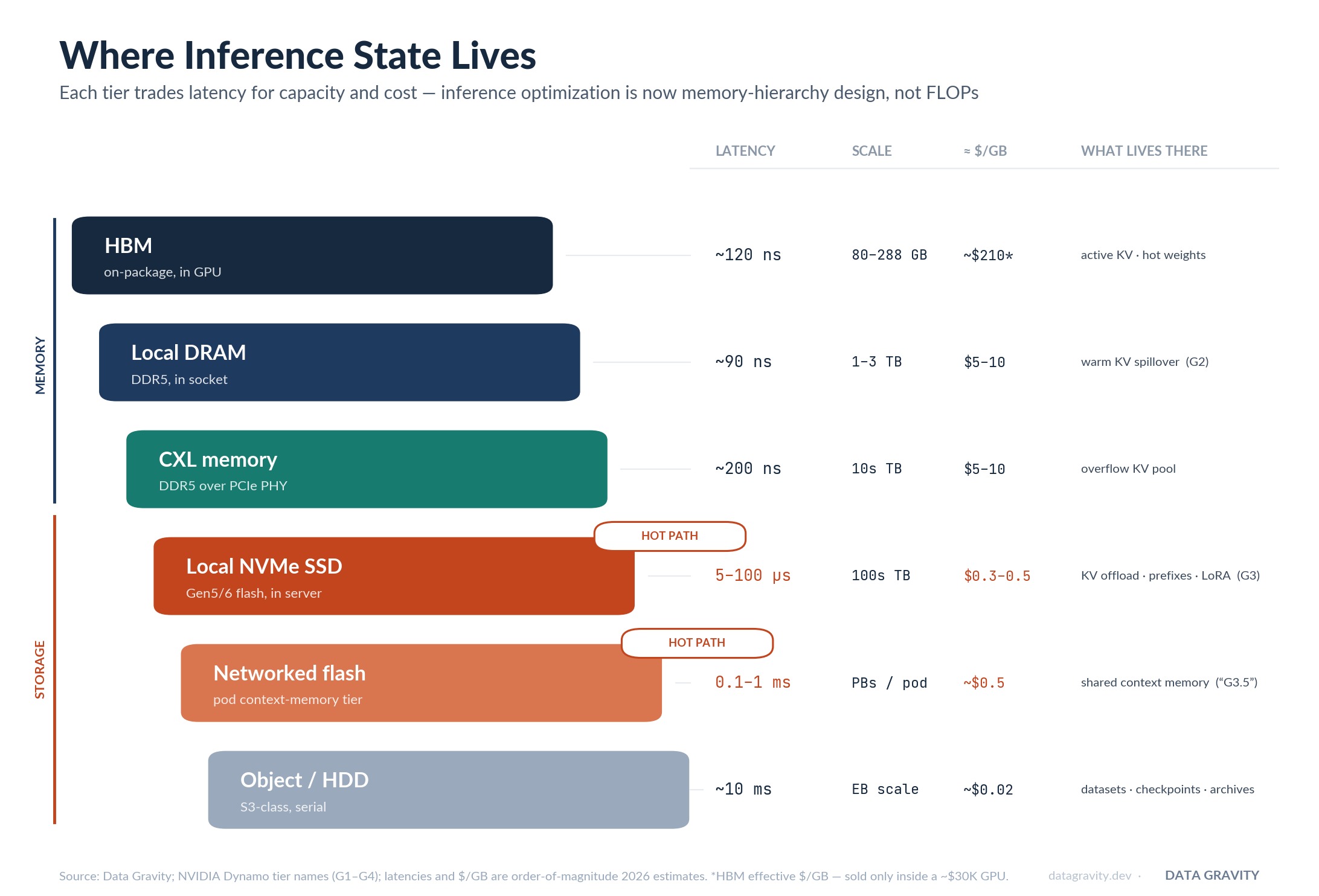
The GPU isn’t the bottleneck anymore — data movement is. Inference runs on accumulated state, and that state needs somewhere to live.
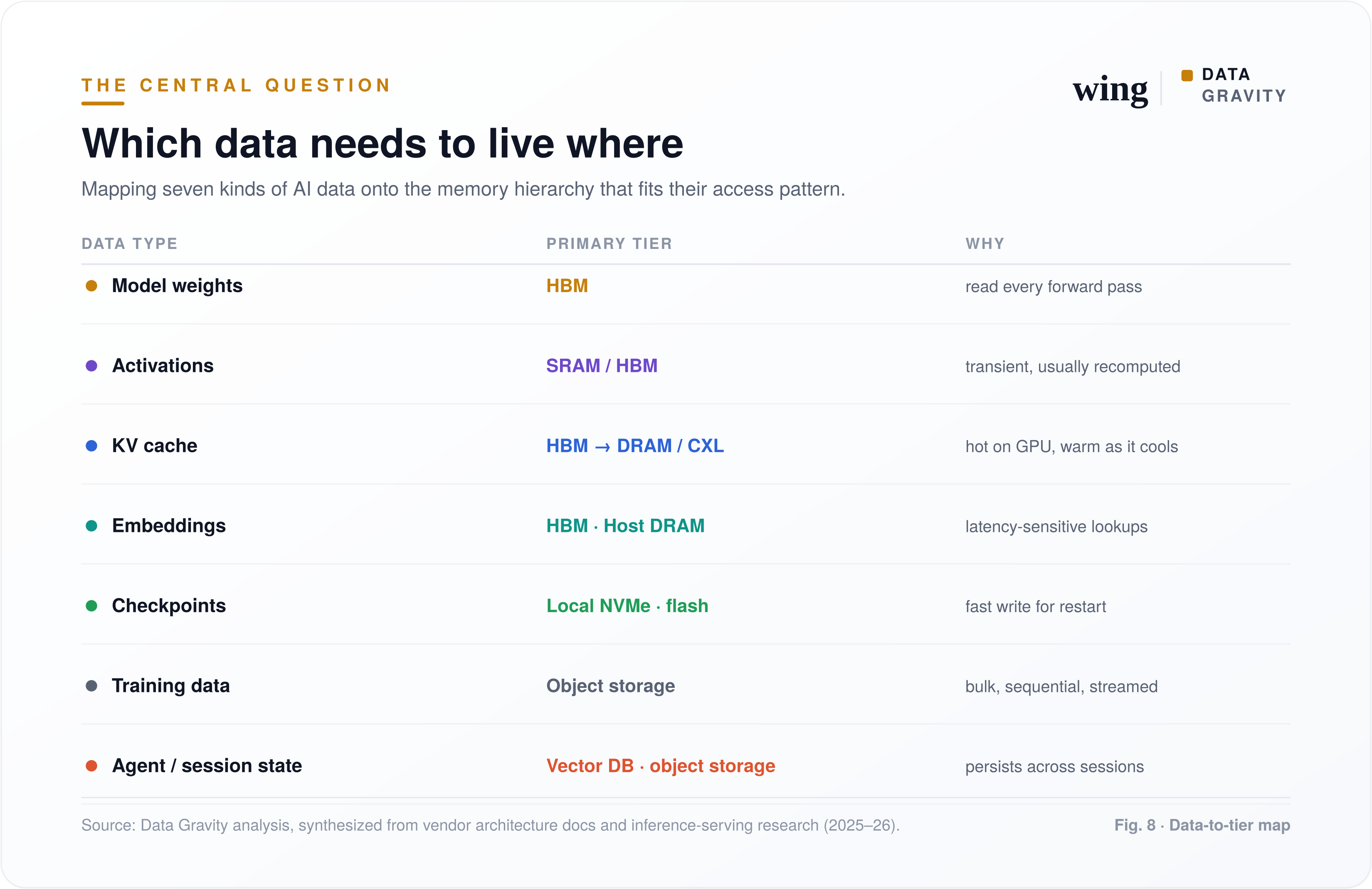
AI's memory problem isn't buying more HBM. It's managing a full hierarchy — GPU cache to cold storage — with a different winner at every tier.
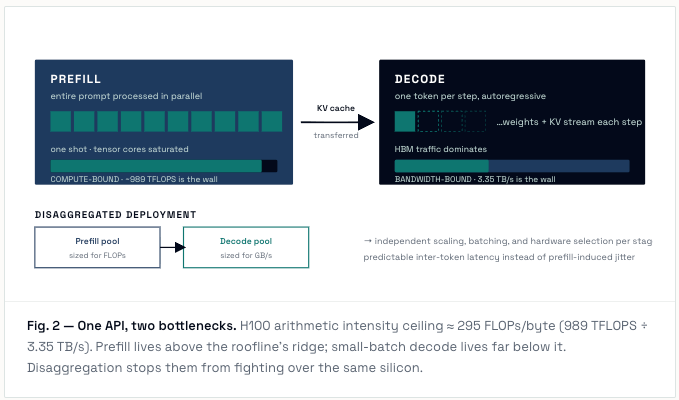
Inside the five scheduling, memory, and routing problems that turn GPU compute into output tokens — and why neoclouds keep buying the companies that solved them.
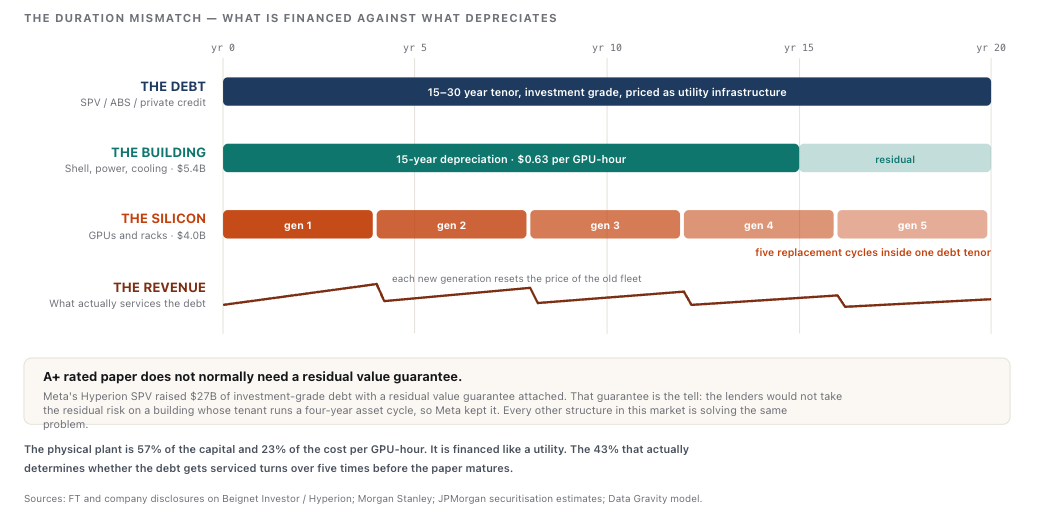
$37.6 billion, six and a half years, and 57 cents of every dollar that never reaches a chip company. What the AI buildout is physically made of, and whether it earns its capital back.
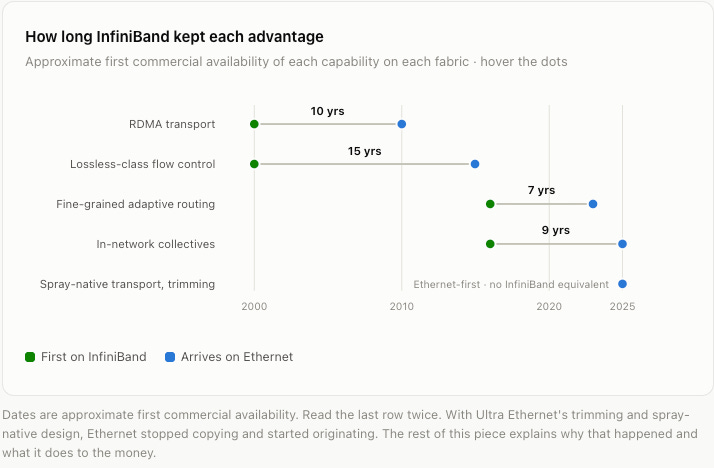
The fabric war is over and Ethernet won it on economics. The pattern the ending exposed is about to run again one tier up, and it points at where AI networking value pools next.
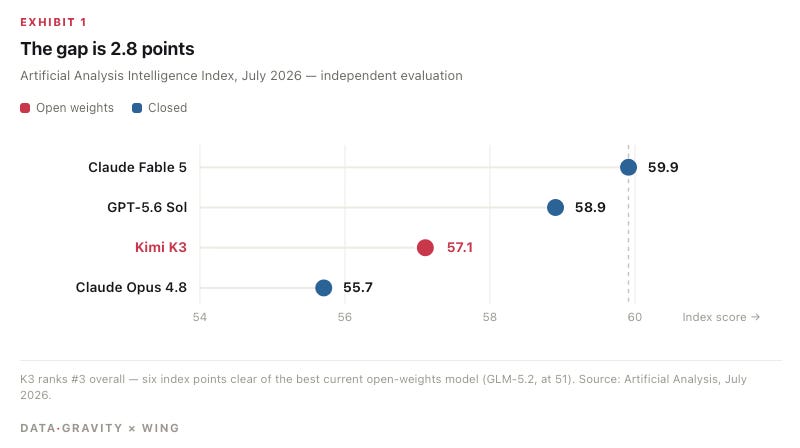
On July 27, anyone with 1.4 terabytes of storage, 5TB of memory and a rack of accelerators will be able to run the world's third-most-intelligent AI system without paying its maker a cent.
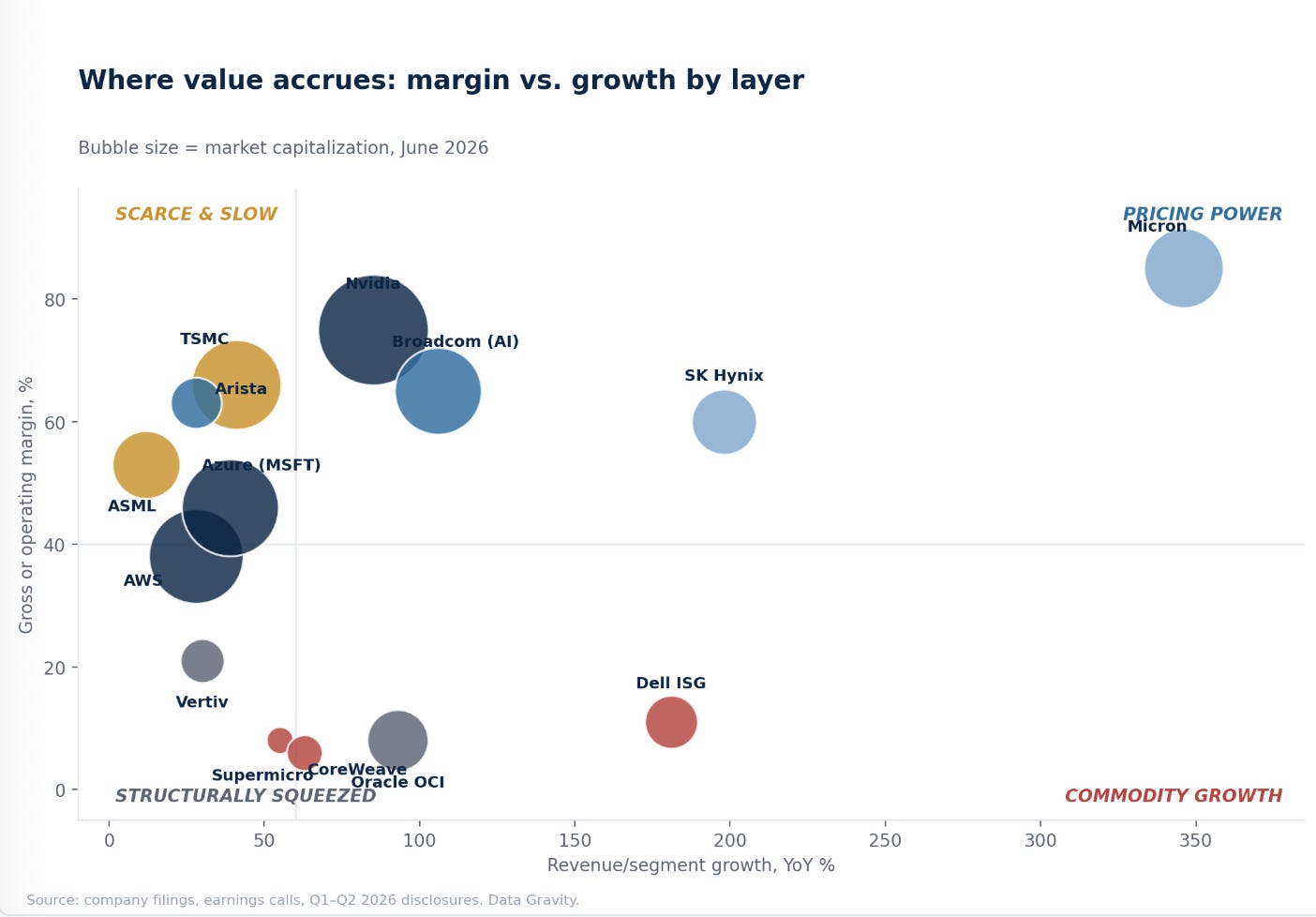
A value capture framework for the AI infrastructure stack: where profit accrues on over a trillion of spend
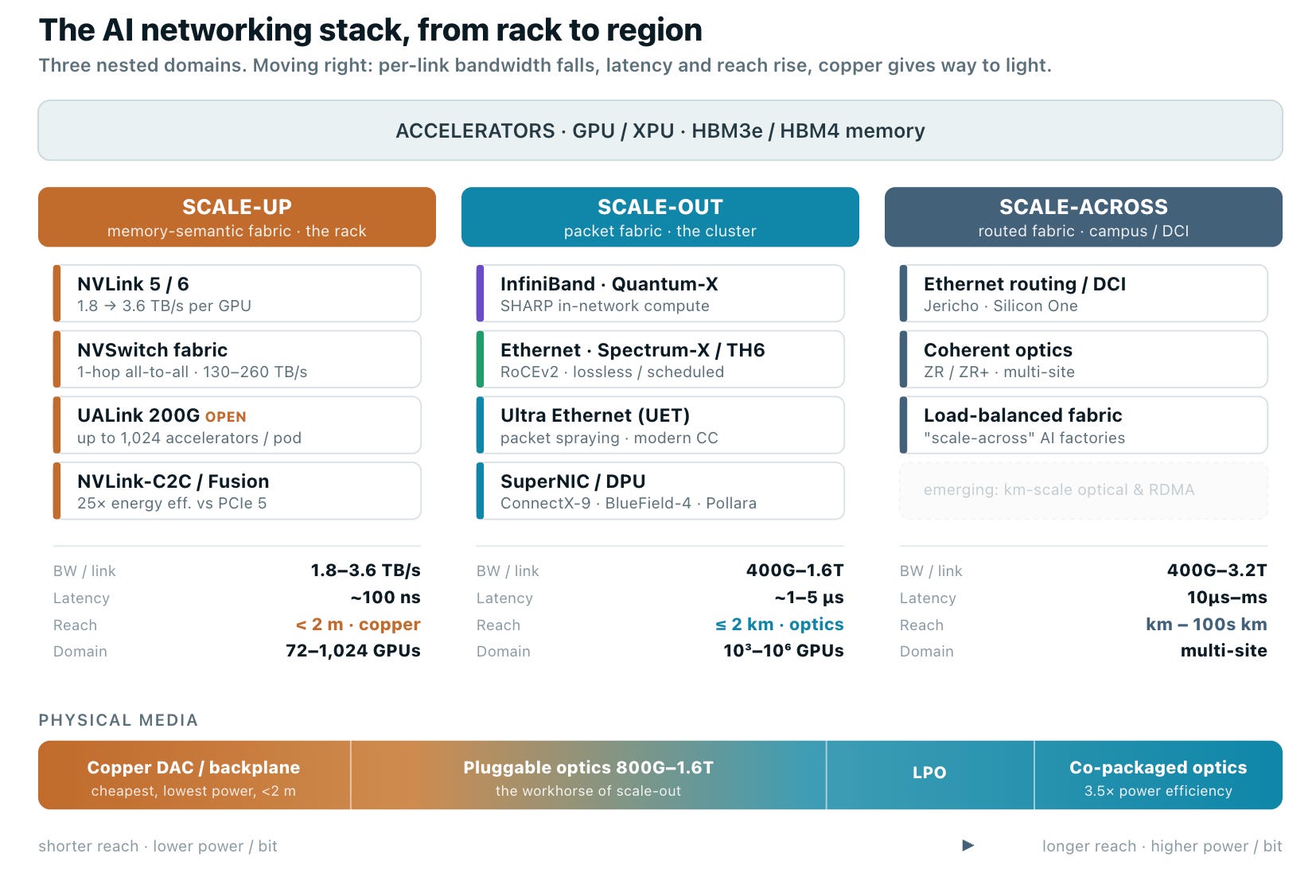
A GPU is only as valuable as the fabric that feeds it — how copper, light, and silicon move trillion-parameter workloads, and where the durable margins accrue.