
At the last Config, Brian Chesky hyped designers from the stage: «You can design the world you wanna live in».
It’s good to be reminded of the power we have. But I think it’s gone too far.
For years, designers were brainwashed with the “you’re making the world a better place”, which has created a gap between how they imagine their work and how it actually is.
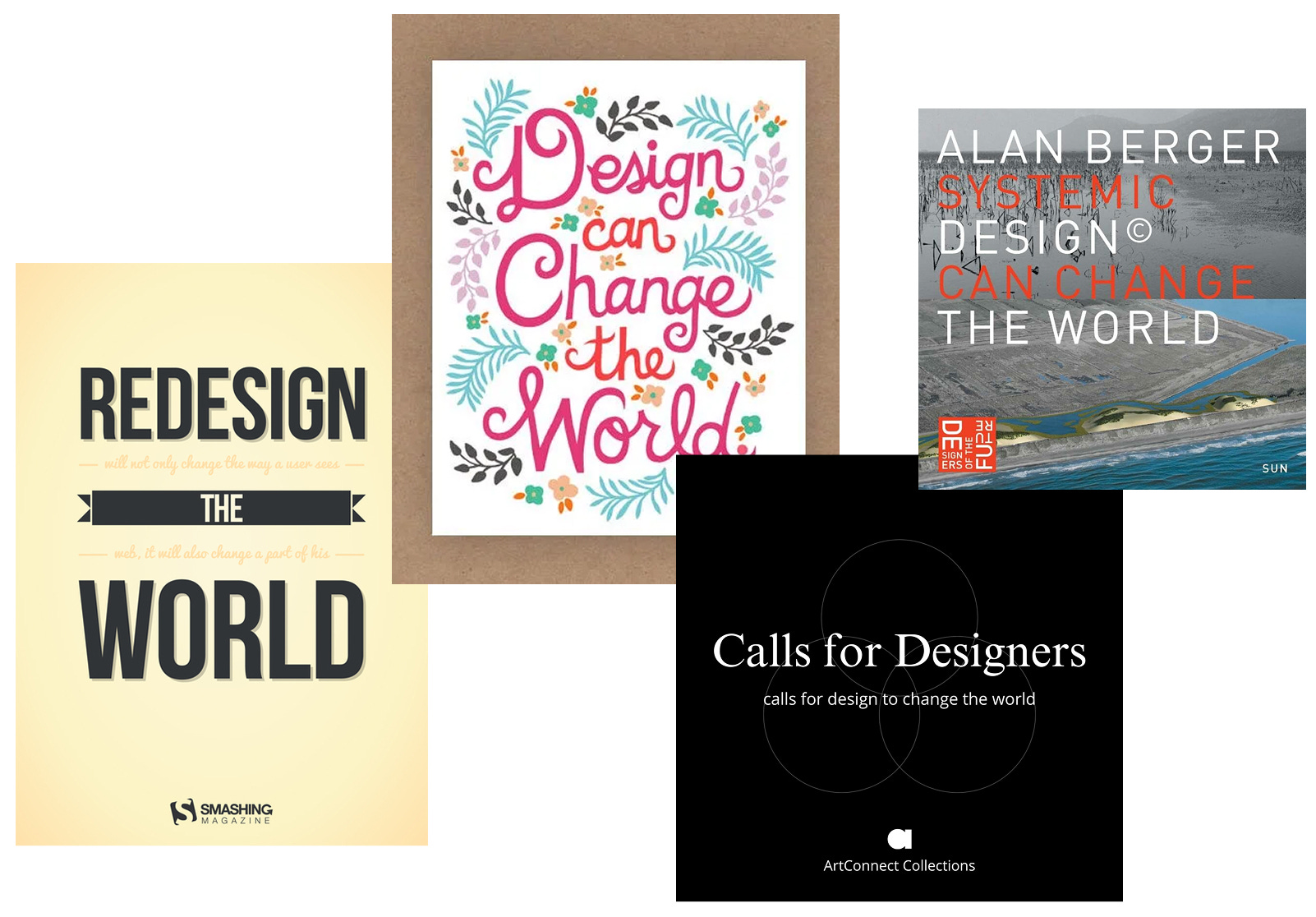
Designers want the privileges of those who changed the world, simply because other designers did. Many designers end up believing that (only) they understand what people need, while everyone else is just greedy or incompetent.
Sometimes they might even be right. But this mix of idealism and elitism leaves designers frustrated, burned out, and hating their jobs.
I believe any designer can become more effective, enjoy their work more, and increase their impact by reflecting on three things.
The reputation of the tech industry is getting worse. Some designers feel frustrated or even uncomfortable being associated with the industry.
However, it isn’t new and may have nothing to do with tech. Designers have felt dissociated and often “above all that” for decades.
In 1964, the First Things First Manifesto was published and received widespread support in the design community.
In the manifesto, designers complained that their profession is mostly utilised to sell more consumer goods instead of ‘other things more worth using our skill and experience on: signs for streets and buildings, books and periodicals, catalogues, instructional manuals, industrial photography, educational aids […]”
These are great aspirations. However, they apply to any profession. So why do we never see engineers, accountants, or copywriters publishing such manifestos? What is so unique about designers? Why do they feel special?
Designers may think: “It’s because we have a strong community / greater integrity / a better understanding of what business needs.” This thinking may even reinforce the feeling of being special.
In any case, it becomes clear that there is a gap between how designers imagine or wish their work or profession to be and the reality.
“What I learned when I switched from UX to a project leadership role is: no one cares. Most of the common arguments UX folks use are noise. As a leader I was up to my neck in problems. If someone showed up at my door with a solution, they quickly got support and resources.
“Alternatively, if they asked for things like seats at tables, or lectured me about fighting for the user, without solving project level problems, they were easier to ignore. Why? Everyone in the organization wants power and influence, but few help solve important problems.”
While doing research for my recent book, I read a few books on career growth for engineers. If you replace the word ‘engineer’ with ‘designer’, 99% of the problems described in these books would still apply. And still, designers often feel that they are the only ones who need to fight “to get a seat at the table,” “to get into the room,” and secure resources, etc.
The moment designers stop feeling special and expecting special treatment might be exactly what will help them get a seat at the table and be taken seriously.
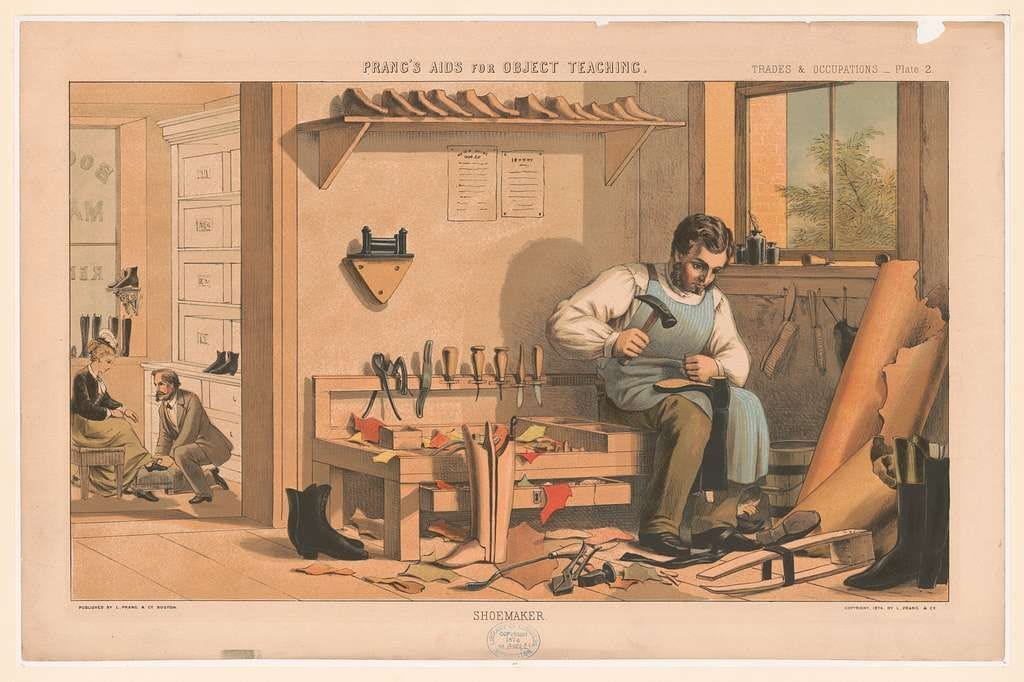
“Build the best product, and they will come” is the mantra designers love to believe. Partially because it gives designers a sense of self-importance.
But if you ever start a business, you will quickly realise it isn’t true. In fact, you can get that reality check even by just launching your side project. After the initial traction from a semi-viral tweet and Product Hunt launch fades, you will realise that no one knows about or cares about your product.
The conclusion designers default to is that their product just isn’t good enough yet. But the reality is that ‘changing the world’ you were promised as a designer is a privilege that is rare and dependent on the functions that some designers like to hate.
If you’re willing to reflect honestly on such an experience, you may realise how lucky you are to have a creative job, while others figure out how to get customers and make money so you can keep doing what you love – designing.
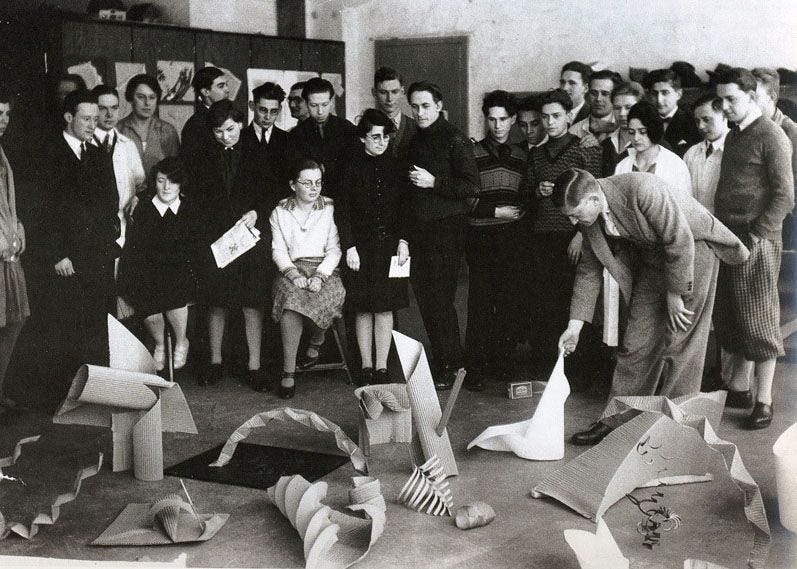
In design school, you present to designers, get critiqued by designers, and are graded by designers. But once you get a job, that's over. The opinions of other designers matter far less. What matters is your ability to sell ideas to non-designers.
But still, designers (including myself) often fall into the trap of optimising for peer validation.
Instead of focusing on customers, we think about how other designers will judge our work - internally at design critiques or externally on X/LinkedIn/Dribbble and design awards.
Nassim Taleb writes:
«Professions thrive when their work is judged by “skin in the game” – the real world, customers, markets, or survival. They decay when quality is defined and judged internally by peers, panels, or award committees.»
This dynamic isn’t unique to designers - architects plan buildings loved by other architects, and creating films and books can become awards-driven, etc.
A healthy amount of peer validation can help your career by increasing your visibility and getting job referrals. But the companies worth working for will always judge you on merit.
Impressing other designers is more predictable and easier than impressing customers, but the latter is the only judgment that will matter in the long term.
Brian Chesky, whom I mentioned at the beginning, is a designer who changed the world. But he couldn't have done it without internalising these lessons.
Instead of demanding a seat at the table, he built his own – something designers avoid.
Instead of over-optimising for design, he applied design principles to growth, sales, and marketing.
Instead of clinging to the idealist vision of a community-driven platform where strangers rent out their spare bedrooms, he let the market lead. Today, roughly 75% of Airbnb listings are managed by businesses — something many designers would resent him for.
If designers want to change the world, maybe the best thing they can do is show that they care about it — and are useful to it — more than about the opinions of other designers and their own ego.
If you’ve enjoyed my writing, check out my books.
No posts
Comments
Nothing yet. Say the first thing.
Sign in to join the conversation.