
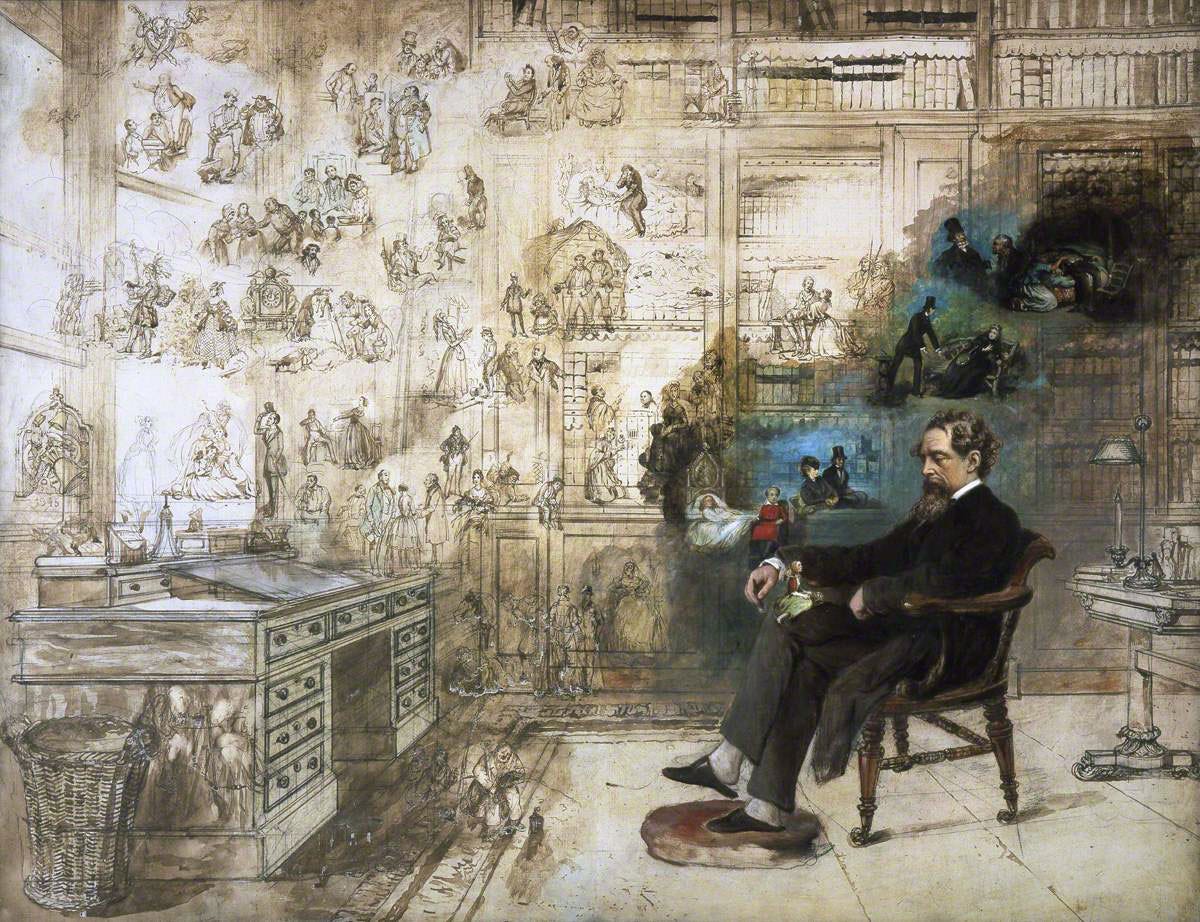
Friends, it’s time. It’s time for you to sit down and write your story.
Well, probably not your story, as in your autobiography. You may just have a good story idea that you believe more than just your family and friends will want to read. So it’s time to get it on paper... or on the computer screen, so to speak.
I’m starting this series of posts to help you on your journey, so you can learn more about how stories work and why there is a “formula” to how stories are told. This can be invaluable when it comes time for you to submit your story to a publishing company, a call for submittals, or to even self-publish.
I also believe that since this information is readily available on the Internet, you shouldn’t have to pay to learn this. However, I do always recommend that more education about how to write and writing in general is always beneficial. So taking classes or hiring and editor is always recommended. I am able to provide limited editing services, so please click here for my webpage on what I can provide.
But first...
This is, of course, a valid question. So let me give you some background.
I graduated in 1998 with a B.A. in English with an emphasis in literature and creative writing. Straight out of college, I went to work in environmental consulting and construction as a word processor. My editing skills led me to becoming a technical writer and editor and proposal coordinator, writing technical reports, proposals, standard operating procedures, OSHA- and MSHA-compliant documents, and other official public and classified records. I also went to school for medical transcription and left the corporate world in favor of general transcribing full time. I have transcribed for NASA and other prominent government entities, JPL and SpaceX, entertainment industries such as SyFy, WWE, and UFC, and news outlets including NBC and local news channels. In 2016, I started editing for an indie publisher, and from there I decided to start my own publishing press, Dark Owl Publishing, in 2020.
Most importantly, my editing work over the past twenty-five-plus years and my schooling has taught me that the editing portion of writing is just as important as the written word itself. It doesn’t matter if it’s a poem, a 1,000-page novel, a classified report on the latest USAF jet fighter, or a standard operating procedure document for a veterinarian’s office. Editing is required for many reasons, which I will go through in these posts. No matter what, successful books, documents, reports, and all other forms of the written word all go through an editing process... and yours will need to do the same.
In a world of textspeak and the decline of teaching proper grammar in American schools, we are seeing more and more grammar errors in books, magazines, newspapers, store signs, and billboards. Well, who cares?
The answer: You should.
Using proper grammar, syntax, spelling, and other important factors means your writing can be read and understood by anyone.
Have you ever seen a poorly written post on Facebook that you can’t hardly read because the person has no grasp of real grammar? It’s frustrating to try to understand what they’re talking about, isn’t it? Or perhaps someone has commented on one of your posts, but because of poor grammar you accidentally interpret that they’re being mean, when really they’re not. So the best thing is to eliminate these problems by knowing correct grammar in the first place.
It is proven that people have lost opportunities at jobs and with publications because they don’t have correct grammar.
A potential employer or publisher shouldn’t have to muddle through your bad grammar to figure out what you’re talking about. And frankly, they don’t have time to do it. Hundreds of submissions, whether it’s a resume or a novel, when deadlines are looming to get someone hired or a book on the market means tossing anything that can’t be swiftly and easily reviewed. Don’t believe me? Just click here.
The smallest mistake can completely change your meaning... and even be devastating to getting more work.
Here’s a real life example. I once worked for a company where we had to produce twenty copies of a report for the city’s public works department. This report was about the environmental impact one of their water treatment plants was having and corrections that needed to be made. These were going to be funded by the state to make the water safer for residents and consumers in the area. On the cover page of all twenty copies was the name of our company, the title, the date, and the name of the department: PUBIC WORKS DEPARTMENT. Needless to say, we did not get hired for more work from that company again.
There are lots of consumers out there who can be flat out turned off by bad grammar, and it can affect you in the long run.
Reviews exist all over Amazon, Etsy, and other places where people have commented on the lack of editing in a novel or document, and the amount of stars reflects it. Poor reviews lead directly to algorithms pushing your work down in the statistics, and that means less people will buy your work. And it will lead to them not wanting to buy any of your work in the future.
You need to be able to understand what others are saying, too.
If you didn’t already have a good grasp of grammar, you wouldn’t even be able to read and understand what this post says. It helps you in communicating online with publishers, editors, fellow writers, and in marketing and advertising. And your author website or Facebook page will be that much better because you understand grammar so well.
Your story is important. You’re ready to get started on it. So let me give you these first few tips to help you get going.
All stories have a beginning, middle and end. Find yours.
If you have to compose an outline, go ahead and do it. If some scenes are itching to be written, go ahead and write them first and then figure out where they’re going to fit in your story. But it is usually best to have your direction in mind before you put words to paper.
Have a good quality computer, software, and backup plan for your work.
Invest in the tools you need to write. It doesn’t mean you have to spend thousands of dollars on a new computer, but maybe take your current desktop to a computer store and see if they can clean up for you. Maybe buy a cheap laptop from a big box store and all you do on it is writing and anything related to writing; nothing else, and no kids allowed. No matter what you use, keep your computer up to date with the latest software and antivirus. I also recommend an external hard drive or even a cheap USB thumb drive to keep your work saved and safe.
Schedule time to write.
We all get busy, and most writers I know are not making a living at writing. Publishing is a good way to make some extra cash to pay for a night out at the movies, buy a new stereo, pay off a credit card, and maybe install a new HVAC unit. We tend to shove writing aside in place of our “real” job and other day-to-day chores and obligations. So set up a schedule. You’ll write 5,000 words per week, you’ll write for one hour each day, or every Thursday night from 6 pm to 10 pm is leave-Daddy-alone-so-he-can-write night. Work with your partner and/or family to make this happen, too. You will be a lot happier when you can write, and they will benefit from your happiness.
I also came up with more ways you can help your writing in this handy-dandy flyer. You’re welcome to download it and pin it up somewhere to help you with focusing on your work.
Learn how to properly type.
I know, this seems stupid. Why waste time on this? I can hunt and peck just fine. Look, I guarantee you that if you take a typing course, even if it’s just online, you will type faster than you ever can and will get a lot more work done in far less time. Science has proven that we cannot type as fast as we think or speak, and therefore QWERTY keyboard typing was developed to minimize a typewriter jamming and to increase speed. I can type over 100 wpm (that’s words per minute), but being able to type at least 65 wpm is a good speed for a writer. You can find online typing tests and typing courses using Google... Heck, I found Peter’s Online Typing Course, and it’s free!
If it stops being fun, walk away and come back later.
We all get frustrated and upset with what we’re writing, and that can lead to us beating ourselves down. So walk away for a while. Take the dog for a walk, watch an unrelated movie, read a few chapters of a favorite book, take a nap, call your mom. Your brain needs to refresh, so let it do it.
Not exactly, but I hope to help you even further in my weekly posts. So pick up the pen, fire up the keyboard, get started, and stay tuned!
No posts
Comments
Nothing yet. Say the first thing.
Sign in to join the conversation.