
We’ve discussed The Hero’s Journey in part 2 of these posts. Now it’s time to throw a wrench in the works!
The Hero’s Journey exists in all forms of storytelling, and that includes in stories that don’t have a positive ending. The key is the pattern, not the outcome. And what’s fun for so many writers is we can take this pattern and turn it on its ear to elicit a specific feeling or emotional response. Basically, we can grab our literary carving knife and pull out the bowels of the story and render it unable to satisfy the reader... or perhaps they find satisfaction where they least expect it.
Genre fiction is a great place for this. Dark Owl Publishing focuses on horror and science fiction stories, and that means I see the Hero’s Journey in alternative aspects than the usual happy ending story we are presented with in fiction.
I decided that it would be a good idea to give an example of this, so I am using the detective horror film Se7en to illustrate how the Hero’s Journey works in a different way to create discomfort and doubt in the viewer’s perspective.
Released in 1995, Se7en is the story of two detectives who are assigned to a case where people are being killed in manners relevant to the seven deadly sins: gluttony, greed, sloth, lust, pride, envy, and wrath. This film was heralded when it was released, garnering it one Oscar nomination for Best Film Editing. It cemented David Fincher as a highly qualified and talented director and helped launch a side to Brad Pitt’s career that wasn’t just based on his pretty face. What is most disturbing about the film and what kept people on the edge of their seat and sleepless for days is the twist ending, which leaves the audience filled with shock at what they’ve just witnessed.
Really, there are two journeys in this story. The one for Detective William Somerset (Morgan Freeman), who is about to retire, and one for Detective David Mills (Brad Pitt), who is new to the force and will be Somerset’s replacement. I decided to focus on Somerset’s journey over Mills’s, and you can take the time to find Mills’s journey on your own.
I imagine it’s pretty obvious, but here there be spoilers. So if you haven’t watched the film and want to, check it out before reading this. This is a hard R-rated film, so be prepared; the ending is shocking. IMDb has information on where it’s streaming. See if you can spot the Hero’s Journey, and come back here to compare and find out where the path leads.
Please note: I am using the word “Hero” and the pronouns “he/his/him” just for consistency and ease of reading. This does not mean I exclude female characters or antiheroes (which are reluctant heroes, such as Wolverine). That’s the coolest part of the Hero’s Journey: it works for any gender, species, race, capability, or attitude. See the end of part 2 for some more information about another storytelling study.
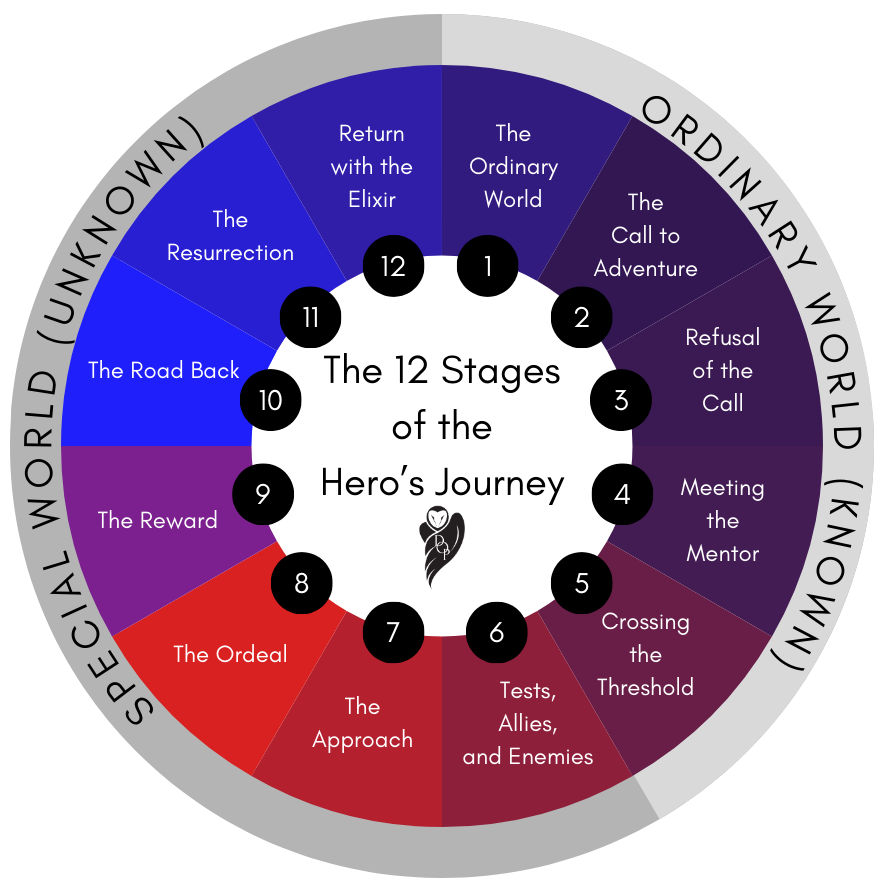
And here’s the twelve stages diagram again, just in case you need to refer back to it!
The Hero, uneasy, uncomfortable or unaware, is introduced sympathetically so the audience can identify with the situation or dilemma. The Hero is shown against a background of environment, heredity, and personal history. Some kind of polarity in the Hero’s life is pulling in different directions and causing stress.
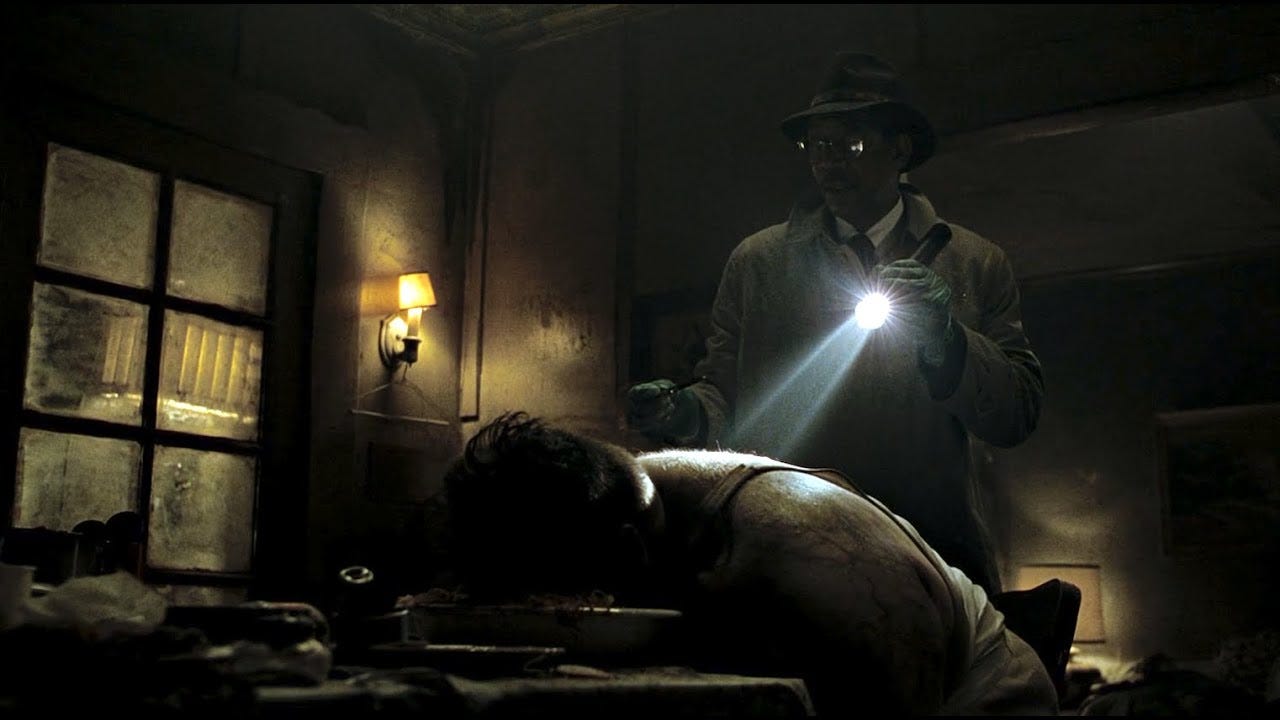
Detective William Somerset is close to retirement. He is frustrated with having been a homicide detective for many years and never really putting a dent in the problems in the city. He is partnered with Detective David Mills for an unusual case: an obese man is found dead in his home, face down in a plate of spaghetti. Mills is brand new to being a detective and wants to make a difference.
Something shakes up the situation, either from external pressures or from something rising up from deep within, so the Hero must face the beginnings of change.
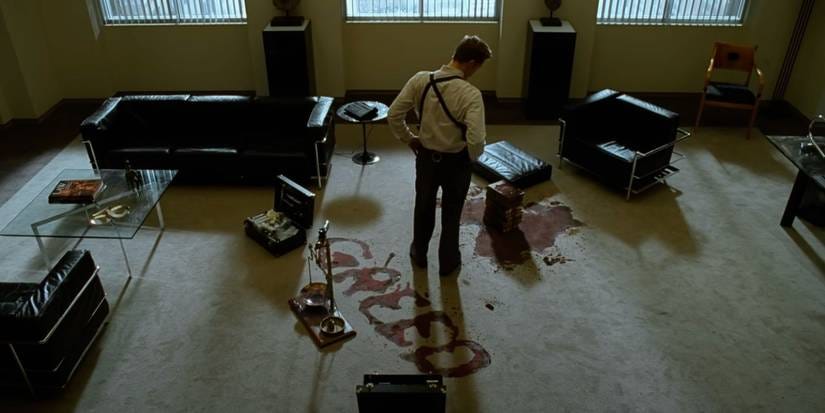
It is discovered that the morbidly obese man was force-fed and then his stomach was kicked until it exploded, making this a homicide. Somerset explains to their supervisor that he doesn’t want to work on the case because he’s only seven days from retiring, and he thinks Mills shouldn’t do it either; “It’s too soon for him.” Somerset is assigned to it anyway, and Mills is assigned to the death of a high-powered lawyer. GREED is written in blood on the floor of the lawyer’s office. Somerset is drawn back to the obese man’s apartment due to a clue and finds the word GLUTTONY written on the wall behind the refrigerator.
The Hero feels the fear of the unknown and tries to turn away from the adventure, however briefly. Alternately, another character may express the uncertainty and danger ahead.
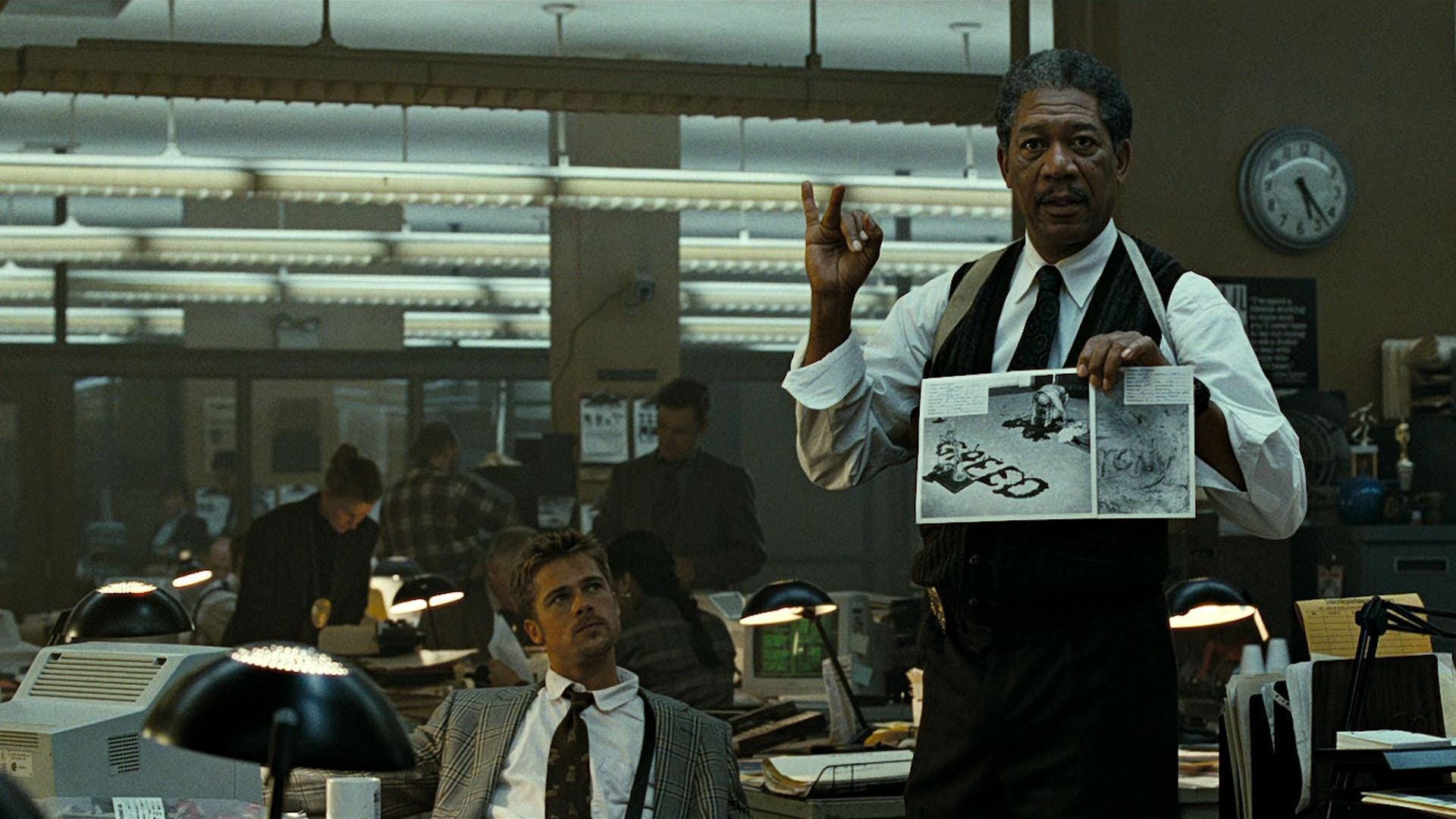
Somerset puts two and two together and discovers the murders are related, and they are symbolic of the seven deadly sins as written by Dante in the Devine Comedy. He emphasizes that five more will follow. Somerset reiterates that he can’t get involved, so Mills is assigned to both murders.
The Hero comes across a seasoned traveler of the worlds who gives him training, equipment, or advice that will help on the journey. Or the Hero reaches within to a source of courage and wisdom.
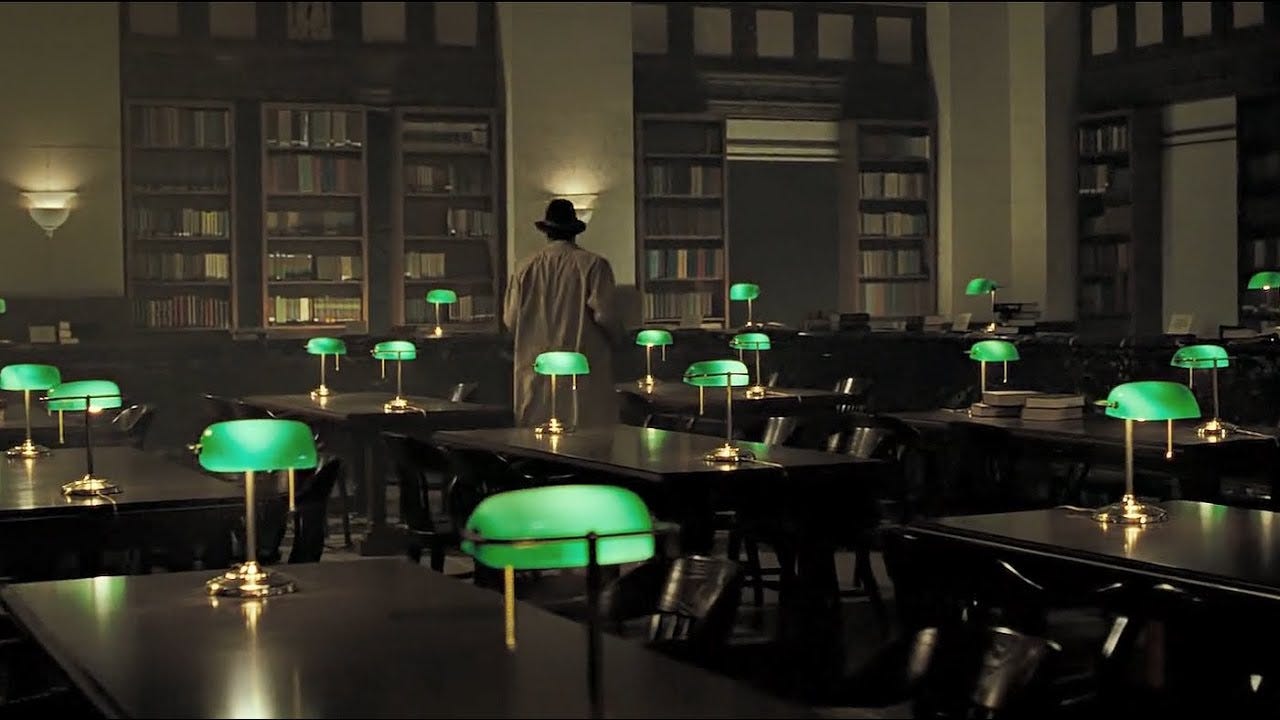
Somerset can’t contain his curiosity, so he goes to the library and studies up on writings concerning the seven deadly sins. He gathers a lot of information and leaves it on Mills’s desk.
Of note, here the mentor is symbolic and is represented by the library.
At the end of Act One, the Hero commits to leaving the Ordinary World and entering a new region or condition with unfamiliar rules and values.
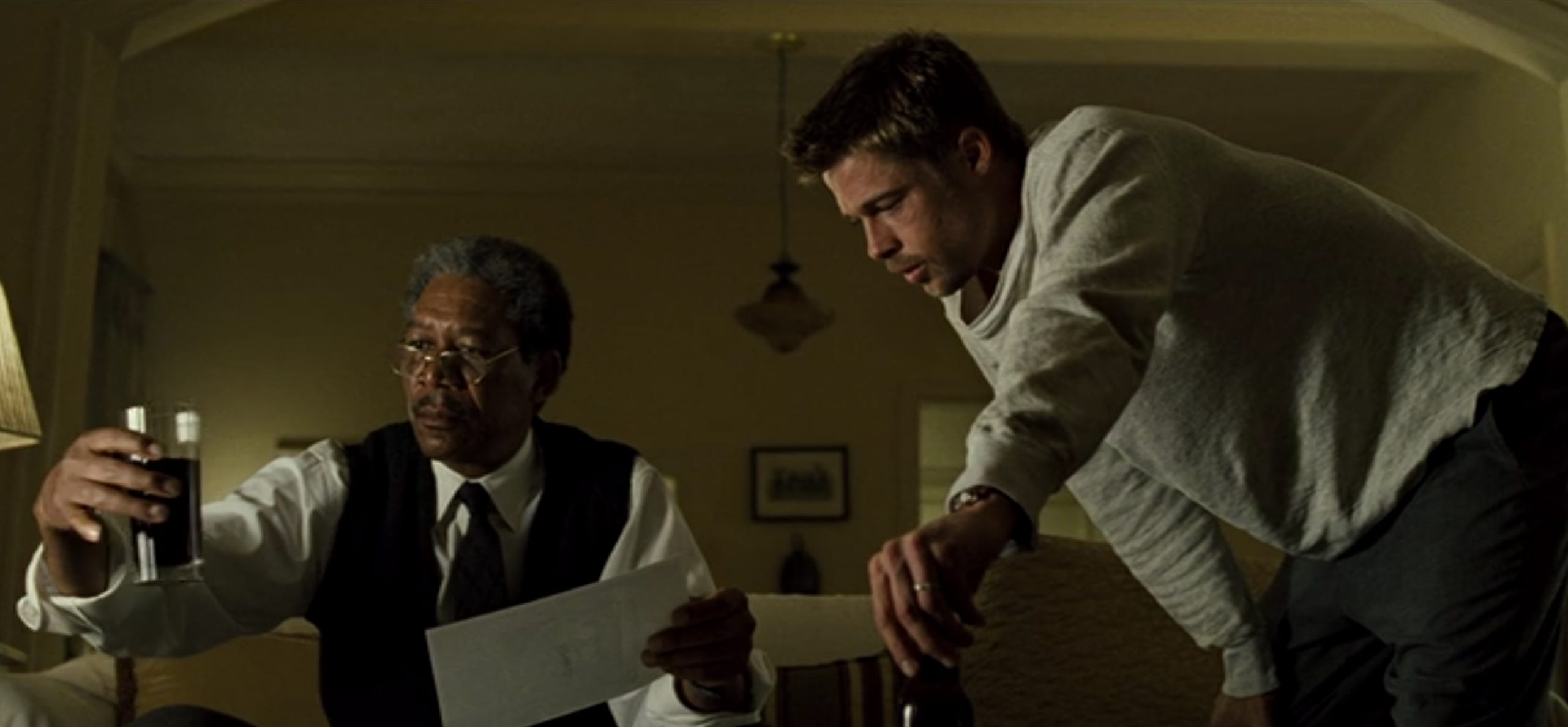
Somerset goes to Mills’s home to have dinner with him and his wife, Tracy. He enjoys his time with them and discovers that Mills has listened to him and has been studying the case while going over Somerset’s notes and books concerned with the seven deadly sins. Somerset stays at their house after Tracy goes to bed to go over the case and look for clues. Somerset says he’s going to stick with the case to satisfy his curiosity, but only until the end of the week. This leads them back to the lawyer’s office.
The Hero is tested and sorts out allegiances in the Special World.
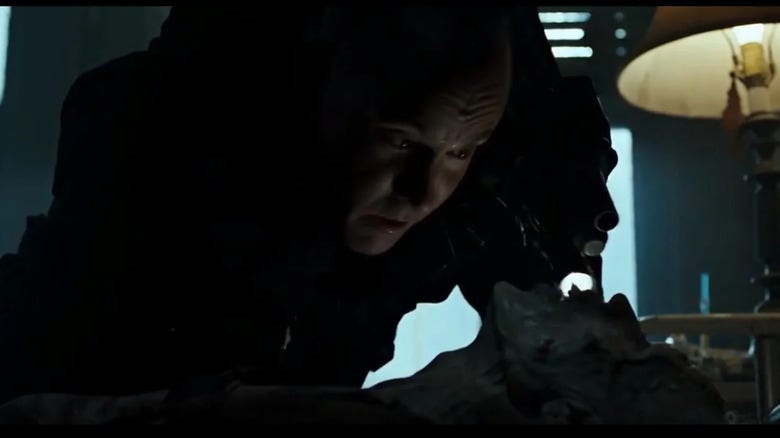
The story continues when the words HELP ME are discovered in fingerprints behind a painting in the lawyer’s office. As they are waiting for fingerprint analysis to finish, Somerset says they’re not going to find the murderer, that all they’re doing is “picking up the pieces” so they will be left to linger on some shelf and will never be solved. Mills doesn’t think so, and he is determined to solve this case. The fingerprints come back, and the police believe they’ve caught their murderer, but it turns out they’ve only been led to the next sin: SLOTH. The victim has been tied to his bed and systematically starved yet still kept alive for the past year.
During this time, Somerset goes to breakfast with Tracy alone. She reveals to him that she’s pregnant and hasn’t told Mills. Somerset tells her a story of how he and a girlfriend got pregnant and she aborted the baby, and he does not regret it. He hopes she makes the right choice for herself, but if she aborts it, to never tell Mills about it.
The Hero and newfound allies prepare for the major challenge in the Special World.
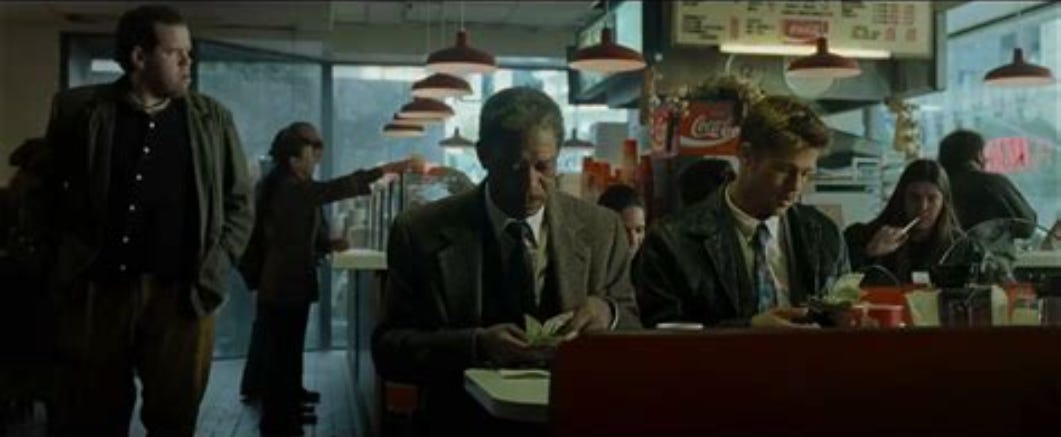
Somerset decides to go outside of protocol and pay an informant to gather information about people who have been checking out flagged books in the library. They find a combination of books that fits their profile, under the name John Doe.
Near the middle of the story, the Hero enters a central space in the Special World and confronts death or faces his greatest fear. Out of the moment of death comes a new life.
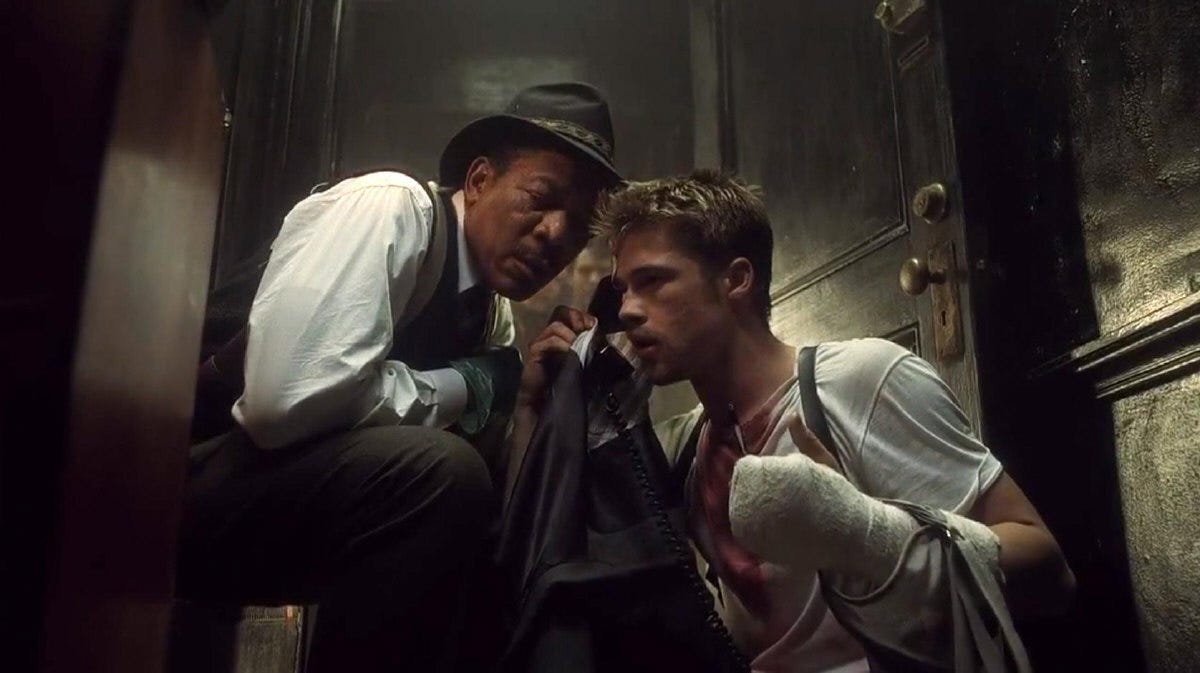
Somerset and Mills go to John Doe’s apartment. As they are standing outside about to knock on the door, a man approaches down the hallway carrying groceries. He pulls out a gun and starts shooting at the detectives. They chase him, and the man catches Mills, holds the gun to his head, but then runs off. Somerset and Mills gain access to the apartment and discover that John Doe is definitely the killer. He has also been following Mills, and he calls the apartment while they’re there to taunt them. The police can’t find any fingerprints to identify John Doe further.
As the story continues, LUST and PRIDE are discovered. Mills and Somerset, taking a break at a bar, discuss why Somerset is so negative. He explains that there is no way to make a difference, that they will never solve the world’s problems and stop crime because people find it easier to be apathetic. Mills doesn’t agree and believes there’s hope.
The Hero takes possession of the treasure won by facing death. There may be celebration, but there is also danger of losing the treasure again.
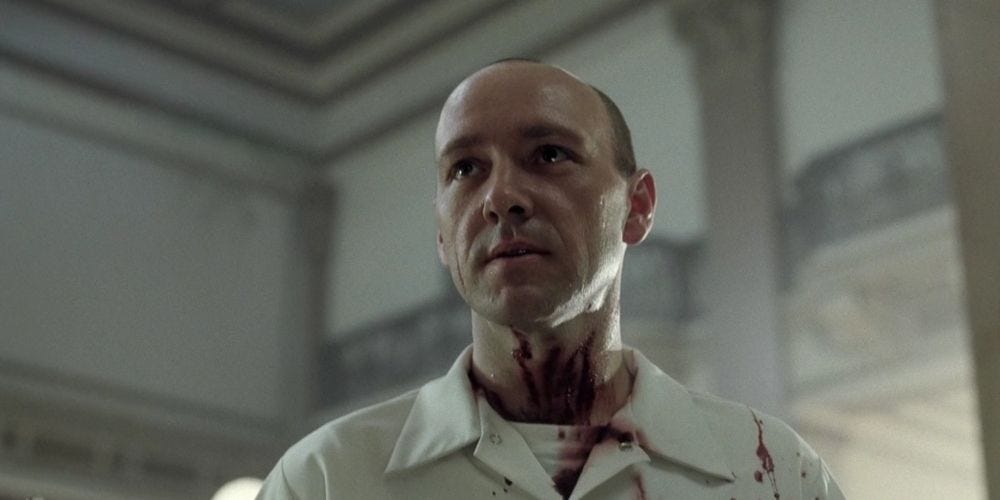
After PRIDE is discovered, Mills and Somerset return to the precinct. Somerset says he’ll stay on until the case is finished. He says either they will find John Doe or the series of murders will finish and the case will go on for years. As they are heading upstairs to their office, John Doe calls to them from the lobby. He surrenders, his hands and shirt covered in blood.
It’s important to realized this really isn’t the Hero winning the possession on his own. The elixir, in this case, the information John Doe knows, or perhaps even John Doe himself, is presenting itself to be taken, but with an ulterior motive. This is the moment where the Hero’s Journey is being changed to confuse and frighten the viewer.
About three-fourths of the way through the story, the Hero is driven to complete the adventure, leaving the Special World to be sure the treasure is brought home. Often a chase scene signals the urgency and danger of the mission.
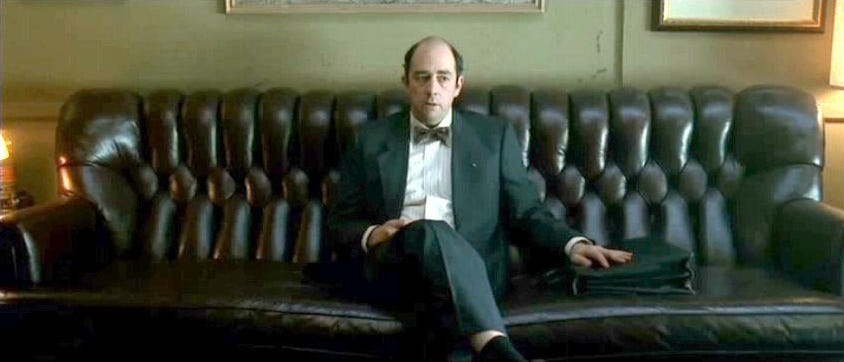
After a background check, Mills and Somerset learn that John Doe has no record of any kind and no job. He is independently wealthy and only deals in cash. He has been cutting the skin off the tips of his fingers so he doesn’t leave any fingerprints. They meet with his lawyer, who explains John will show them the last two bodies and turn himself in, plead guilty, and sign a full confession under various conditions. Only Mills and Somerset can accompany him, and only at 6 o’clock pm that day. He will plead insanity across the board if they don’t agree. The police agree that not finding those bodies will cause an uproar by the public, and this is the best choice. Somerset and Mills take John Doe to a remote area with no one following them other than a helicopter to document what’s going on.
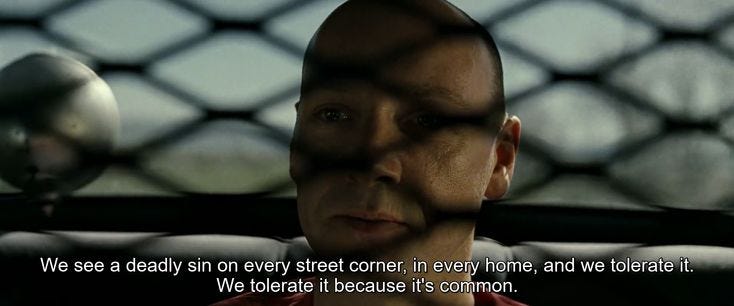
Along the way, the three men discuss why John is doing this. John tells them, “Wanting people to listen, you can’t just tap them on the shoulder anymore. You have to hit them with a sledgehammer, and then you’ll notice you’ve got their strict attention.” Further, he explains that these are not innocent people that he has killed. “Only in a world this shitty could you even try to say these were innocent people and keep a straight face. But that’s the point. We see a deadly sin on every street corner, in every home, and we tolerate it. We tolerate it because it’s common, it’s trivial. We tolerate it morning, noon, and night.”
Usually at this point in the story, there is trepidation that the Hero must continue his journey, but there is relief that he has brought the treasure home. In this film’s formula, the tension for the audience is heightened by not really knowing what they’re going to find. This particular discussion creates more anticipation as John explains that he believes he has been chosen to do this, and that, “what I’ve done is going to be puzzled over and studied and followed... forever.”
At the climax, the Hero is severely tested once more on the threshold of home. He is purified by a last sacrifice, another moment of death and rebirth, but on a higher and more complete level. By the Hero’s action, the polarities that were in conflict at the beginning are finally resolved.
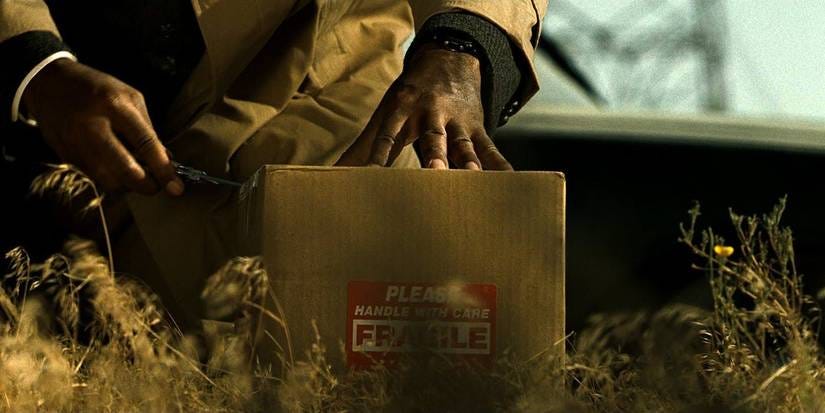
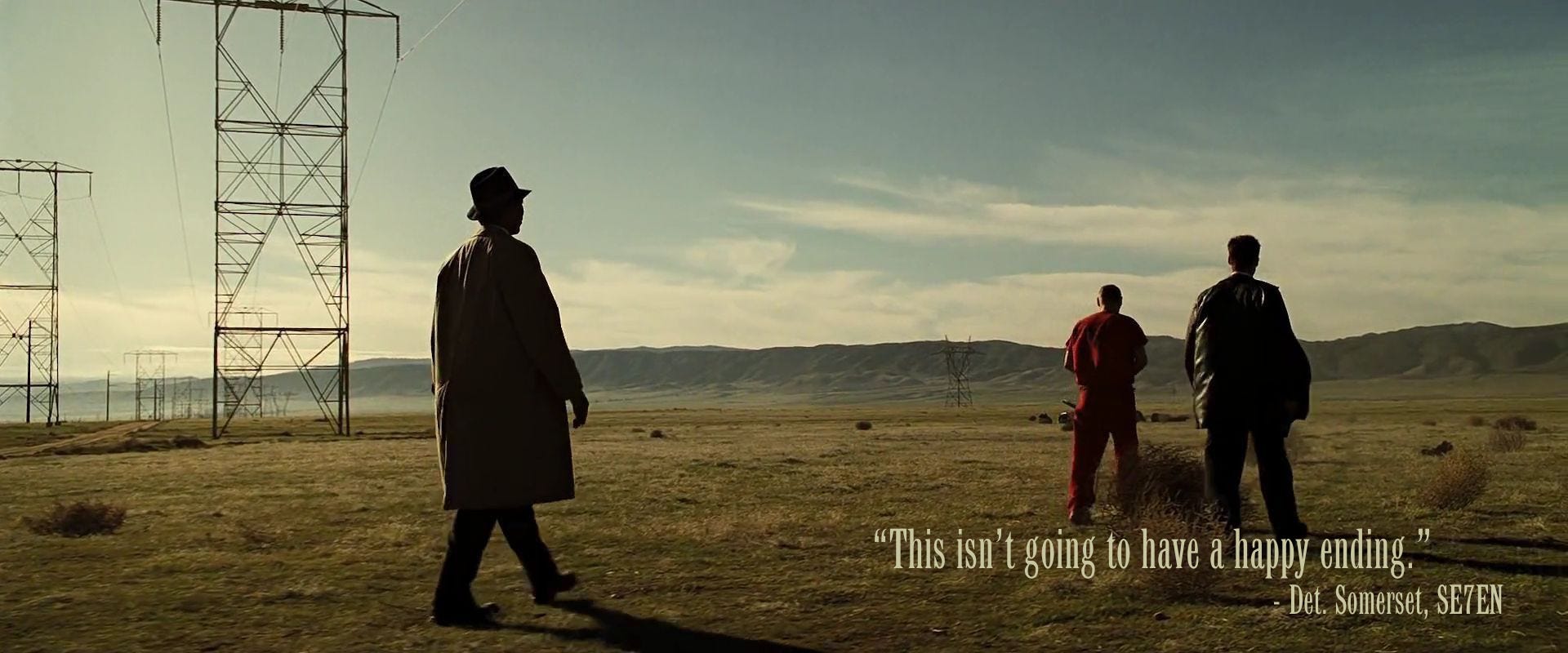
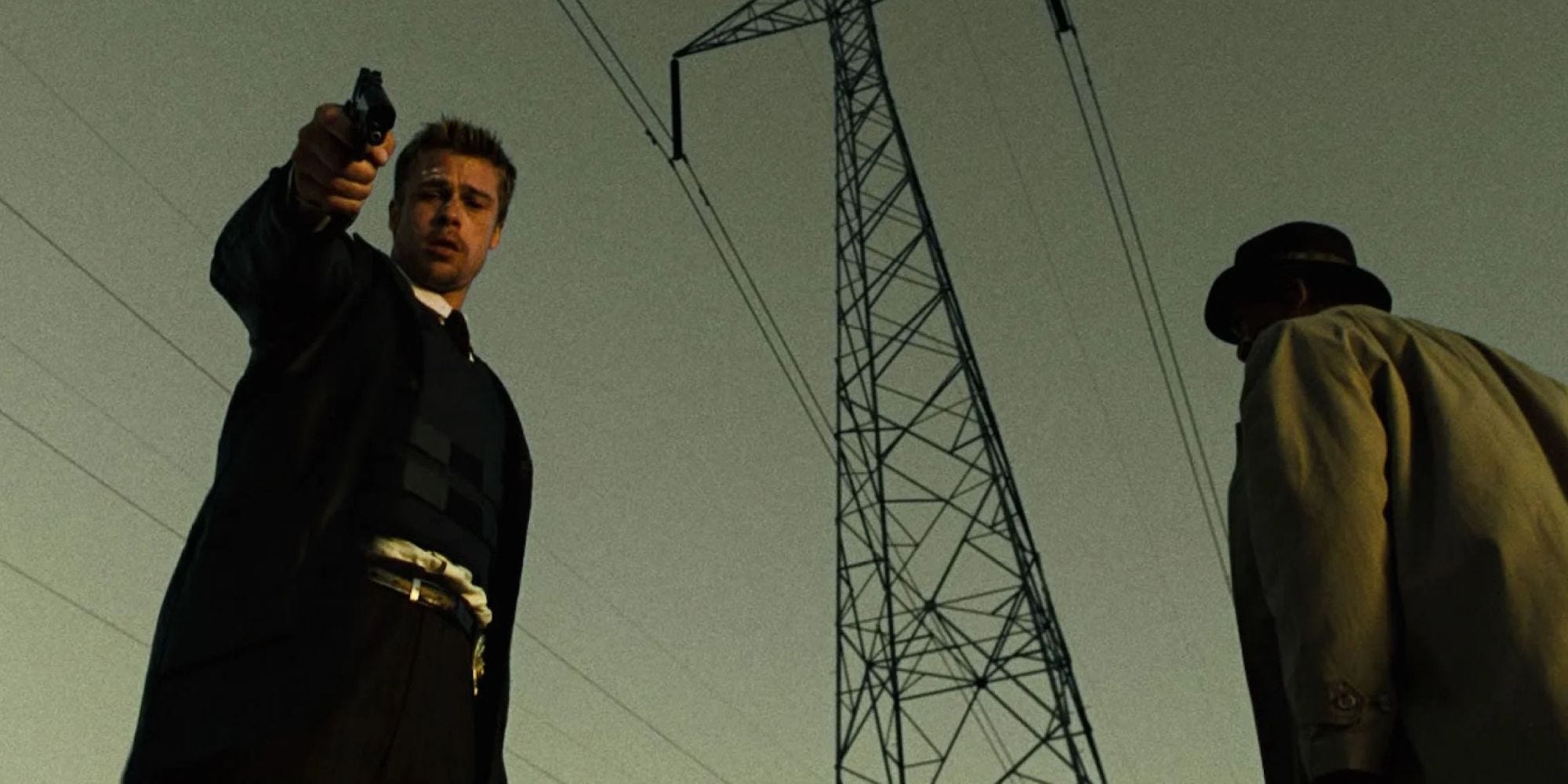
As they are standing in a remote field surrounded by power lines, a van approaches. Somerset meets with the van and it’s a delivery driver, delivering a box to Detective Mills. Somerset opens the box and is horrified by what is inside. He realizes this is the end; it is exactly what John Doe wants. He rushes back to Mills telling him to drop his gun. John Doe explains to Mills that he is envious of his life, and so he went to his home to try to play husband. Somerset tries to get Mills to drop the gun, to stop what he’s doing. John tells Mills that Tracy did not accept him, and so he killed her and took her head as a souvenir. He became ENVY. He tells Mills, “She begged for her life and for the life of the baby inside her.” Mills didn’t know this, and Somerset tells David, “If you kill him, he will win.” Mills shoots John Doe in the head, killing him. As Doe told him to, he has become WRATH.
The Hero returns home or continues the journey, bearing some element of the treasure that has the power to transform the world as the Hero has been transformed.
At sunset, members of the precinct have arrived and the shocked Mills is put in a police car. Their supervisor is there and says they’ll take care of him. Somerset tells him to give him whatever he needs. The supervisor asks where Somerset will be. He says he’ll be “around,” still available for the police station and more cases. We are left with Somerset’s voiceover and this final quote:
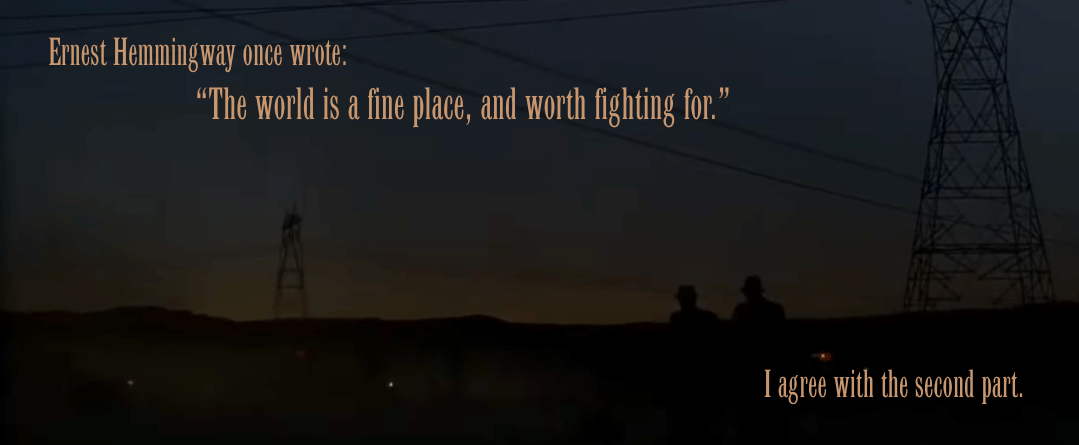
The world has certainly been transformed. Somerset has decided to stay on the force, possibly because he feels obligated to pick up where Mills left off and do better next time. The elixir, as delivered by John Doe, is the knowledge that there was never a chance that the murders would not be finished, and that this time, the bad guy won. He won because of apathy and the lack of so many to take the seven deadly sins seriously, as most of the precinct didn’t, other than Somerset.
This leaves the audience shocked and stunned. It also leaves them to contemplate their own actions and choices. Have they chosen to ignore sins, even to participate in them, and where will it leave them in the long run? It isn’t necessarily a choice between heaven and hell; it may be something as simple as accepting that their own lives are too dark, and they need to choose to get out of it, either for their own sake or for those who surround them.
So, the moral of this post is that you don’t have to follow the Hero’s Journey to a happy ending. You can make changes to it if you need to, and you can alter it to fit the needs of your story. Don’t feel like you must stay within the confines of the stages, but understand instead that they can be used as pinpoints to keep the flow going and make your work interesting and engaging. The Hero’s Journey should guide your work; it does not have to define it.
In the next few weeks, we’ll look at important story archetypes, character traits, and other story components to help make your work better. And sometimes I like to take breaks just to talk about movies or books or anything else that might stimulate our minds. Let’s take this journey together, our own Hero’s Journey, so we can understand storytelling better!
No posts
Comments
Nothing yet. Say the first thing.
Sign in to join the conversation.