
In my last posts on elderhood, I described it as the stage when we start taking more of the burdens and fewer of the rewards so the kids can have something too. This time, I’m thinking about what shaped my view of the world and how that may bias me now.
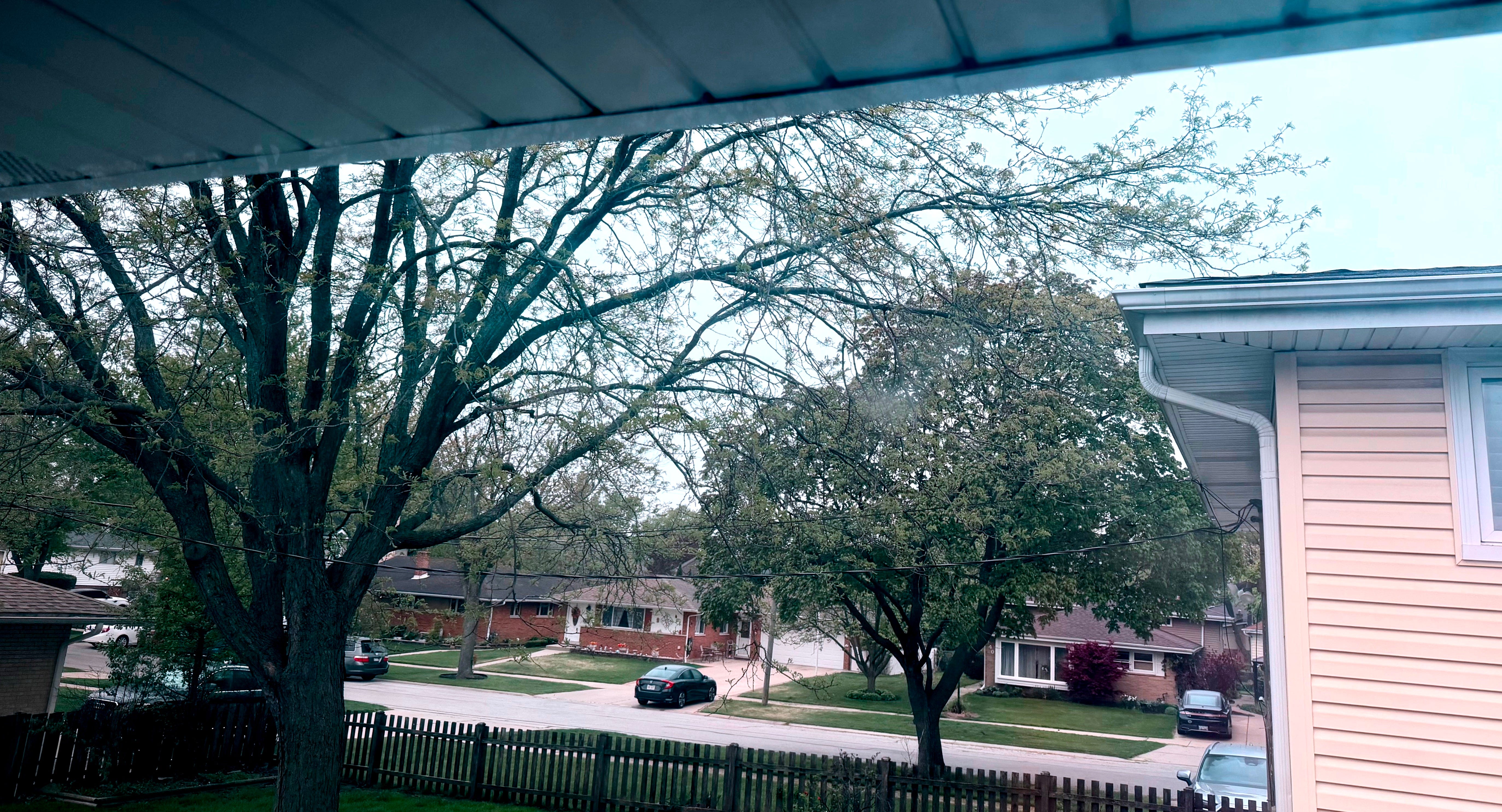
What did you see out your first window to the world? Does that same view shape what you see now? Is it skewing your view or entrancing you like a lullaby? Or maybe it’s haunting you by the silhouettes of something sad, scary, or missed?
Knowing your origin story helps you rethink what you’re seeing today.
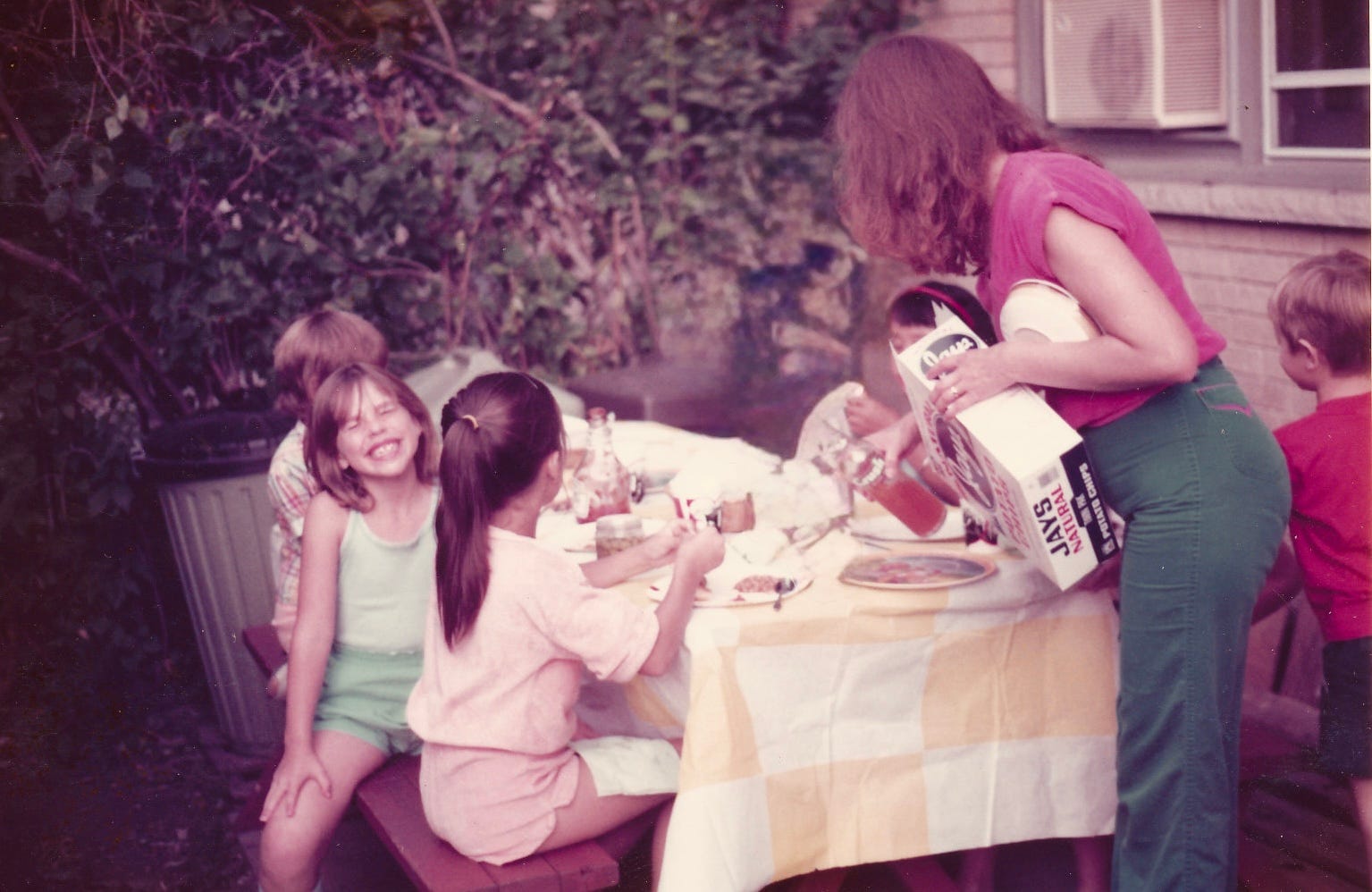
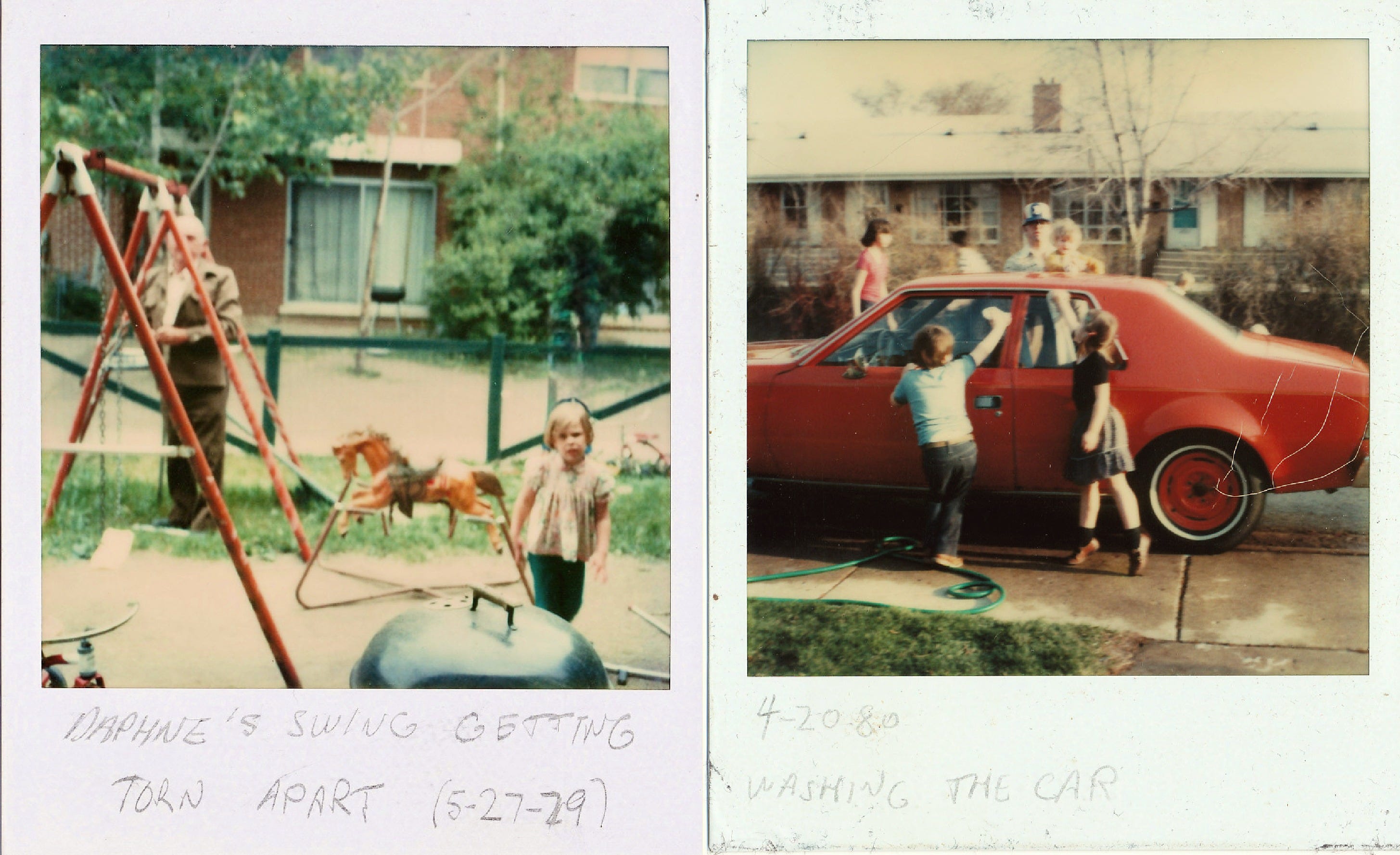
I grew up in unincorporated Des Plaines in a 2-bedroom townhome with a drainage ditch crick in front and a row of townhomes in back divided by a long stretch of sidewalk that led to a common alleyway. I truly thought it must be a “best place to live” because families from all over the U.S. and the big wide world chose Colonial Ridge as home.

Kids ran around with kids, playing TV tag and truth or dare, exchanging jokes, puffy stickers, and spit—even blood (how many blood sisters or brothers did you have?).
Kids are born knowing we’re all sisters and brothers. That’s God’s law or biology or however you see it. Also true that there will always people trying to make us forget so we’re easier to divide and control. Spending time with young kids can remind you of simple truths. Staying in touch with your own early-life memories can rekindle reminders, and so can faith.
Summers made you feel melted together: sweaty kids in swimsuits piled into a station wagon or huddled at home around the big box floor fan seeing who could make the creepiest voice through the swirling blades that chopped up sound.
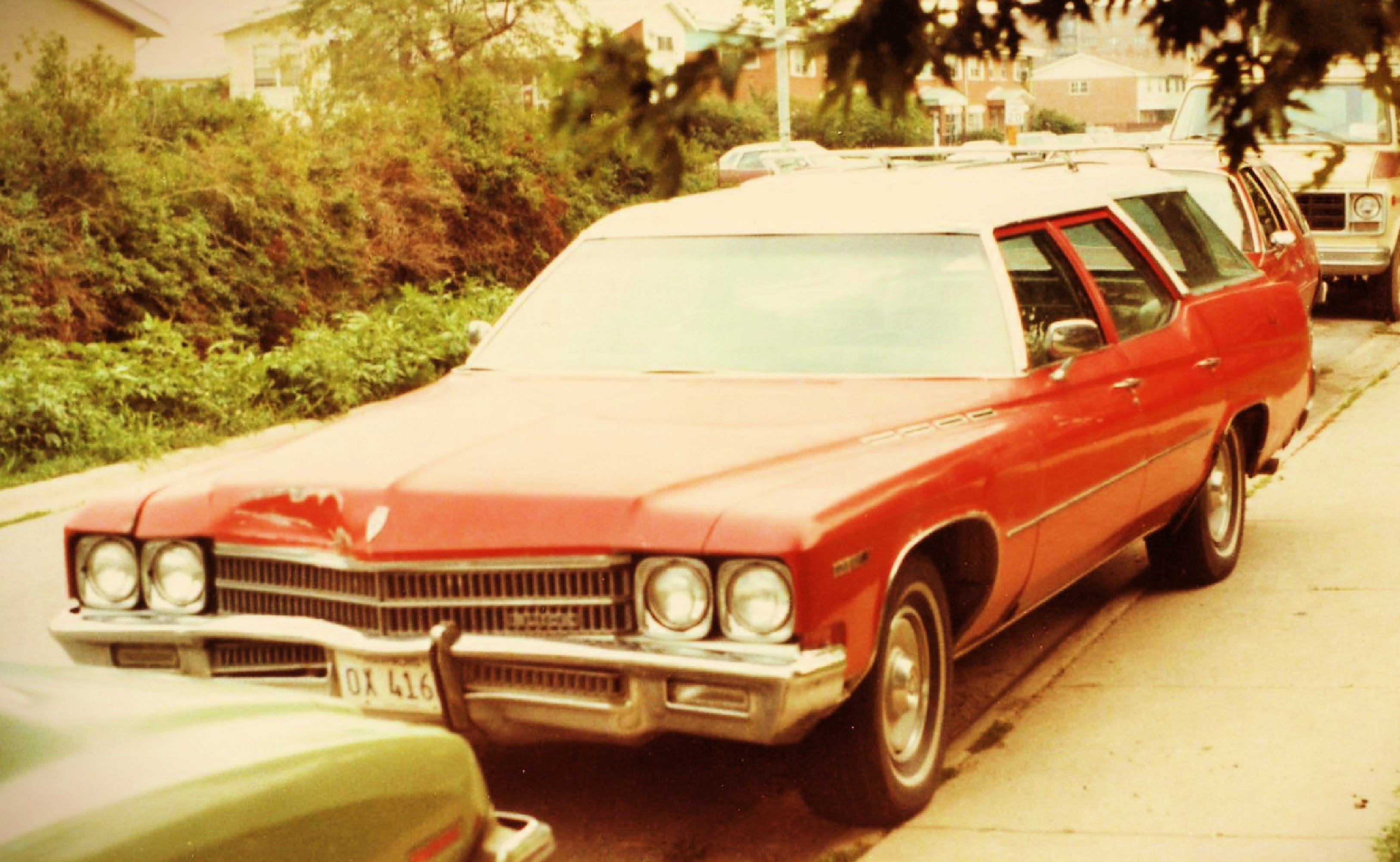
You ran in and out of homes and played close enough to doors and windows to know every family had “stuff” happening, even if you didn’t understand the language the stuff was being talked about in. Homes had different smells and sounds, and families had different religions, compositions, and cultures. And I knew my own home seemed just as different. But any differences from one kid or family to the next were minor notes in the same shared song.
School connected you with every kid in the classroom and made you imagine all the kids in the world. Kids at my school came from homes speaking over a dozen different languages and some had only just arrived to the States. You made friends with kids even if you had no way of understanding each other’s words. As some kids left and new ones came, you made new friends.
Standing smooshed on the blacktop outside school singing “We Are the World,” we released our postcard balloons hoping to make new connections with kids far away. Did you do that too? Sending your name and address with a “please write me” note up and away in a helium-filled balloon?1
I found a pen pal, a girl who lived on a farm in downstate Illinois. I felt luckier to live near a city, the same way my mom longed to live near sidewalks while growing up on a farm. I always felt safer living around more people and with more places to go—and more places to hide.
Early windows shape what “safety,” “community,” and “fairness” mean. Did I only see what felt safe or what others wanted me to see? Were some views obscured, blurred, or seen through rose-colored glasses or softened by shades? Yes to all of that.
Even as our views and understanding expand, early-life windows can still keep framing our view. It’s worth taking another look.
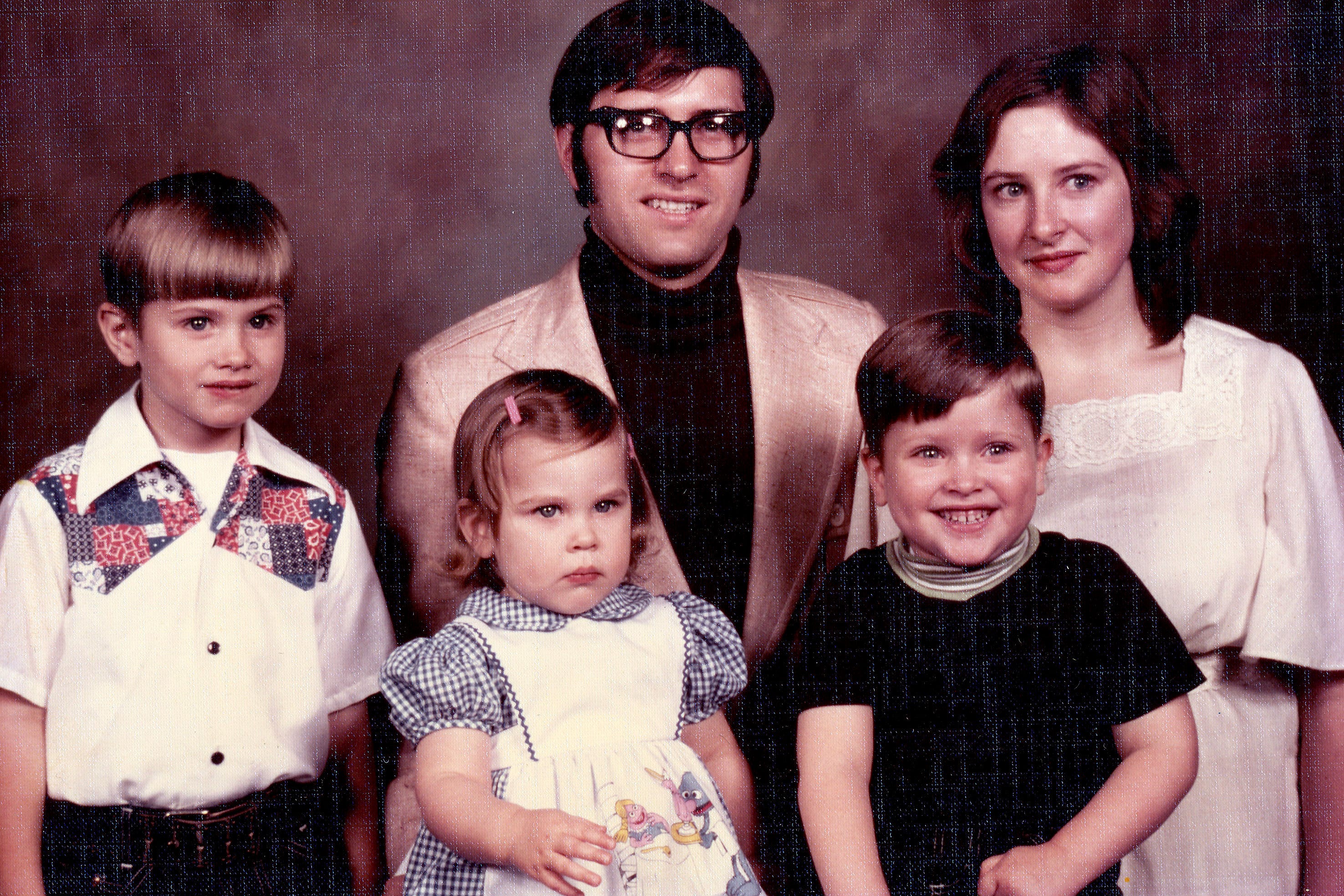
My next older brother Teddy was the super extrovert of the family which maybe meant I was destined to be cast as the shy one. That pattern does seem common in families. But once I started school, the striver in me pushed me out of my comfort zone.
At school, kids were taught to strive in the standard meritocratic sense. Good at math? You should become a doctor. Good at English? It’s law school for you. I chased every single gold foil star and any “good girl” glance from a teacher, studying through the summer and late into the night even before turning ten. My friends did too.
Girls were driven, maybe even more than the boys. College, then more college, then probably marriage and maybe a baby or two after 30. That was the life trajectory I first anticipated.
Then, in the middle of sixth grade, we moved to the other side of Des Plaines. The view out my window changed, and I changed too.
Our new neighborhood was filled with mostly Catholic families. Many of the dads worked in labor or trades and the moms mostly stayed home, picking up part-time work here and there. My high school friends had no plans for four-year college. Many girls went to modeling school. How you looked held more weight than a GPA, and weight was something you watched incessantly. I started smoking at 14 even though I’d lectured all the smokers in my own family about the risks for years.
The whole culture there felt more Old World than the Sesame Street culture I first grew up in. And high school in the late eighties didn’t feel much different from my parents’ days. We used typewriters, took Marriage and Family class, and carried armfuls of books instead of backpacks. Cigarette smoke and hairspray fogged up girls’ bathrooms. We didn’t wear seat belts or worry about too many what ifs, especially far off ones.
Every teen I knew wanted to work. School wasn’t your “job” like kids in my old school were told. A job that paid was. And being a worker itself was something respected. Motherhood though was not considered a job. It was more like an extra thing you might do, and if you did, you had to do perfectly and at the perfect time—and without help, just like everything else.
Getting pregnant at the “wrong” time was a constant source of anxiety, even as the “right” time remained an elusive moving target and one that might never arrive. Doing anything off-script felt like an act of defiance, which is why Madonna’s “Papa Don’t Preach” became a summer soundtrack song forty years ago.2
Although my two views of the world felt different, both had a general sense of optimism that you too could get your big, fat slice of the American dream. The cake seemed to keep getting bigger, like a Cheesecake Factory endlessly churning out new cakes.
People were striving in both neighborhoods, just on different paths. The relative optimism was grounded in realism. No one really thought they could be anything they wanted to be. Surrounded by so many people from all over the world, you knew even B-list “best” at anything was the best you could hope for. But even if you got labeled as mediocre with C’s and D’s—grades more commonly given then and still more a measure of stability at home than anything else—you could hang with that group and still imagine some future where you’d be ok.
The fact that outcomes weren’t guaranteed was part of the appeal. Everyone loved Lotto. Life felt like win, lose, or draw. You could flop and forget it. Get your 15 minutes of fame and move on. Cringe moments were fleeting and comparisons were fewer so there wasn’t a weightiness of every. single. thing. like today. Moving away and starting over even seemed more doable.
If you were down on your luck you could move in with someone, or crash on their couch. Multiple generations or multiple families living together weren’t uncommon. Even as a family of six in our two-bedroom townhome, we had extended family stay for extended months at a time. Friends who needed help getting back on their feet did too. People who needed someone to watch their kids dropped them off.
You made things work, which made life seem like somehow some way it’ll all work out.
Some families got public assistance or housing help. Everyone knew it could be them. And before cell phones to rescue you if you got stranded and before credit cards to hold you until payday or a stop at the bank, asking for help from a neighbor was something most everyone knew they might need to do. Public safety nets were important, but they didn’t replace help from family or friends.
By the yuppified late eighties, lower incomes stalled while the top half took off and top 5% blew everyone away.3 Soon after, mixed‑income neighborhoods became less common. Support for public safety nets fell in the nineties just as lower and middle‑income households fell further behind. Both types of help started eroding as inequality grew, weakening a sense of shared dependence.
Before the days of credit culture (buy now, pay much more later) and cubicle culture (my space, your space, forgetting we’re breathing the same air), if you plopped people down to live randomly together, they built safety nets. Put kids together, they play. That’s just what people do. But you need enough mixing and mingling for that to happen.
Can a hopeful outlook survive without a sense that we’re in this together? Can you really have one without the other? I can’t imagine it and think the disconnect partly explains the growing discontent even in people without day-to-day financial struggles.
Watching our parents, we saw a catch: even if you got a big ole slice, you’d be too busy working to ever sit still and enjoy eating it. As the information age pushed productivity to new levels, the extra slices went to Wall Street, while workers were expected to bake more cakes. To some, it wasn’t even like real food, but more like a trophy to display, proof to everyone of what you earned—and how disciplined you were in not eating it.
The American Dream never seemed so fun when you watched your parents try to get it and keep it. Work demands ended up eating up much of their lives, leaving little left over for people they loved.
Millennials grew up during a peak that tipped into a fall, and Gen Z has mostly watched the fallout. Gen Xers remember the movin’ on up feeling enough to maybe miss it, but it faded fast enough for many of us to resent it too. Now our kids challenge the meritocratic chase, never realizing how much we did too, because they mostly watched us striving.
Sometimes the whole Gen X story feels destined to be one long irony.
By adolescence, Gen Xers were already asking about what all the striving and sacrificing was really about. Questioning the “rat race” and not wanting to “sell out,” we got called slackers when we did anything less than strive for achieving some status, metric, or money-making goal. Though mostly, the parents didn’t care what you did as long as you found a way to support yourself. Just get a job.
I didn’t see parents that involved with their Gen X teens. The idea of them putting a bumper sticker on their car about their kid’s honor roll status or college would’ve seemed really weird. Parents paying for their kids’ college wasn’t a norm either, even if the FAFSA form assumed it was.
But it really depended on your circle, and social circles were shuffling faster than the handiest casino card dealer.
“STEM or die” came to rule in the mid-nineties, nerds turned cool, housing bubbles grew and burst (and grew again), and “knowledge workers” became favored. Everything, including motherhood, started feeling “professionalized” in my circles.
Wanting a baby was almost like a dark secret, something you couldn’t say out loud, especially before 30. You were expected to wait until the stars aligned and you were able to have a baby without needing anything from anybody while keeping up with all the things others expected from you.
Over time, people who went to college and those who didn’t started feeling more distanced and divided, with optimistic views, lifestyles, and consumer habits less and less shared.
Most damaging was a layer of “morality” that started clinging to everything, down to the smallest details of life. Every choice, word, or random way you lived or parented seemed to signal something that someone could use to judge or typify, connecting the dots as if “this must mean that.”
Professional and educated became code words for trustworthy. But if anyone stopped for a second they’d know that makes no sense. Framed as culture wars, morals and values get left behind because it means pointing fingers rather than looking within. When that happens we forget we all have different windows and flaws all our own.
As an elder-in-training, I’m learning how important it is to notice those different windows, understanding my own view while always remembering it’s just one note in a shared song.



Self-reflection is very hard to do in a high-signaling, competitive culture, especially when everyone is only seeing through their own window and thinking that’s all there is.
Winners and losers kept getting regrouped and renamed, raising the stakes and the insecurities. A lot made no sense. Party kids who went to college often had more opportunities than kids who worked hard but didn’t go.
My brothers felt more of that disillusionment sooner, since they followed paths into the trades just as many jobs were being offshored and deunionized. My understanding grew as I reconnected with my brother Patrick after our dad passed away in 2008, and deepened during the pandemic through long conversations.
Those conversations offered a first crack in my own window, making me rethink my whole view.
Even in one family, in one home, you can have a totally different view out the same one window than a sibling. The differences from one generation to the next can be even greater.
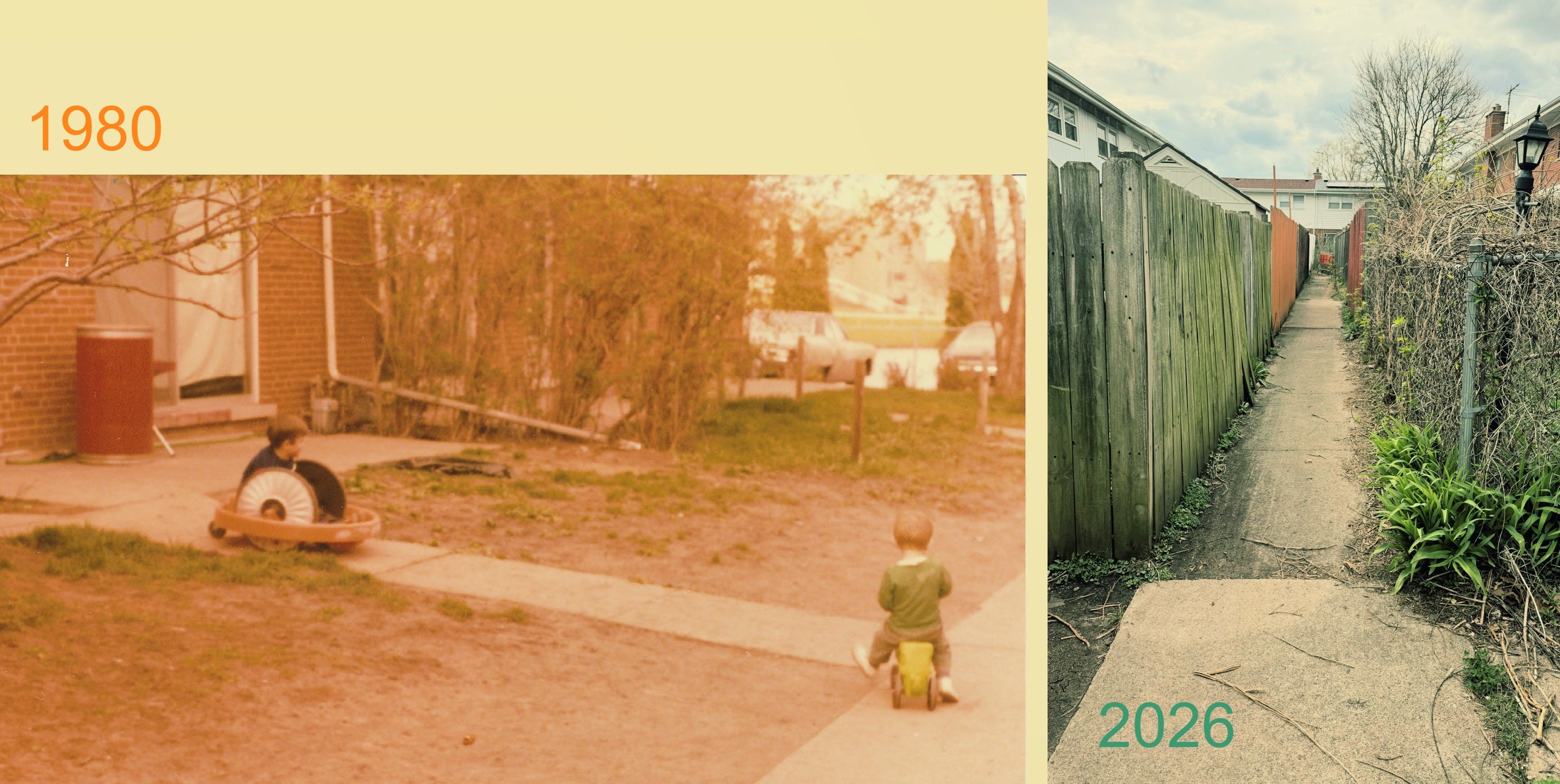
On our last trip to Chicago, we were driving right past my old neighborhood, so we stopped so I could show our youngest my childhood home. It’s been years. Seeing the long line of six-foot fences along the sidewalk where I used to ride my Big Wheel after supper in the dark, looking up at the starry sky, made me realize the home I remember was more of a time than a place.
There is no place like home, because home is no longer a place. It’s a window I still carry, shaping how I see, even after the view itself has changed.
The culture and time I first grew into felt fairer because there seemed to be more than one path to the American Dream, a chance for something better (which can mean many things), with a pace that let you keep up enough to not feel left behind. College was optional and work was respected whether you had a desk or not. There were strivers on each path, and slackers too, as well as lots of people who ping-ponged between the two.
Aspirational wealth can be fun when the next rung of the ladder feels reachable and your footing on the current one is somewhat secure. But when the next rung up is pulled out of sight just as you’re struggling to keep hold where you are, the game stops feeling worth playing because the rules don’t seem fair. The people above don’t notice because the people below aren’t even in view.
When families of different income brackets and professions live side‑by‑side, a healthy back‑and‑forth happens. You can’t easily be tricked into imagining you’re better than anyone else, that anyone has a perfect life, or that your kids are inherently “better” or more deserving. You see the best and worst in each other, and in yourselves and loved ones. People are people in any group or place.
I couldn’t wait to leave home and wouldn’t want to go back to the time period either. I’ve written a lot about the eighties and nineties—they sucked in so many ways. Whether in my family or culture, I’m also more aware that things were not just as they seemed through my own two eyes.
Suffering happens. It happens no matter what you do; there is no “get out of life unharmed” card. Being anchored by a community of people who know you as a person and not a “problem” makes a world of difference. Tending and befriending didn’t only happen on Sesame Street and in Mister Rogers’ Neighborhood. It’s around when you look for it and notice. Many people want to help and really do care.
Seeing suffering without turning people into problems to be fixed or avoided, and accepting that there is no bubbling away from suffering—it will find you—are some of hardest lessons to learn in this hyper-individualized world. Faith helps teach this. So does community. We can help one another rediscover the shared songs that hold the full range of notes.
As I try to move into elderhood, here’s how I’m trying to reframe those early lessons:
Be thoughtful about striving or slacking
Neither striving nor slacking is inherently flawed. It depends on how we use them. Slacking should be actually fun or organically boring—giving in to humanness, not giving it away. On the flip side, I don’t want to waste my striving on status, popularity, or devilish striving to prove I’m worth more. Knowing your worth means recognizing everyone’s.
There are hills worth dying on, things worth fighting for, and callings that give life purpose. As grandiose as those directions sound, most striving is spent doing small, unnoticed things. I credit myself for the ones that move the needle in those directions because recognition rarely comes from elsewhere. It doesn’t and maybe never will, and that makes me so, so sad to say. Faith sustains me in ways I can’t imagine living without. My agnostic husband finds his fuel by spending time in nature. And we can give recognition to each other every chance we get!
Share time and space
Becoming self-aware without being too self-focused helps guide focus and energy to places that matter while appreciating differences. Sharing time and space with many different people help make that happen, but often you have to go and seek it since it might not just happen on its own. Sit some place new, go off the path and script, and put yourself out there—listen, watch, and strike up conversations. We don’t all need to live or think the same to share space, time, community, and a future.
Look between the pages.
Understanding not only the dramatic bookends of change but the slow slog middle is where you can really rethink the lessons you learned. History does not repeat itself exactly, so the point isn’t to try to redo or replicate old lessons of the past to prepare for the same thing happening again. But humanity itself doesn’t change. That’s the elder insight that can help guide your thinking now and through whatever happens next. Everyone has their own unique insight, awareness, and experiences, which is why we’ll have different stories and why we need to hear more than our own.
Have a child’s eyes and elder outlook.
Another trick to help transition into elderhood is by practicing seeing the world again with the childlike sense of wonder you once had—but this time, doing it while holding all the complexities you’ve lived through and seen firsthand. The more I do, the more I’m reminded that we are all sisters and brothers, finger pricking or not. How beautiful the shared song.
Give yourself time to heal.
I grew up fast wanting to get out and move on, never looking back. Years later I yearned to return, holding on tightly as I healed old hurts. It’s crazy how long that takes. I don’t think anyone should ever try to push someone out of that place. Maybe we need to stay there for a time, though the length of time unknown.
When kids cling, if you hug them back again and again, eventually they’re ready to separate securely. Even if you didn’t have that as a kid, you give it to yourself now. It’s never too late to heal or too early to get help.
Some inspo to rekindle the kid in you:
49 Quotes From Mr. Rogers That We All Need Today, by Inc. contributing editor Geoffrey James, has so many good ones, like this: “All of us, at some time or other, need help. Whether we’re giving or receiving help, each one of us has something valuable to bring to this world. That’s one of the things that connects us as neighbors—in our own way, each one of us is a giver and a receiver.”
Watch a baby bunny roll around in dirt. (My 15-year-old son sent me this video from our yard while I was at work. It made me smile. Also, teen boys can be very sweet! More people should know this.)
Whitney Houston’s Greatest Love of All — I chose this song for the mother-daughter dance with my daughter at her upcoming wedding. I’ve been listening to it on repeat to keep from bawling non-stop during our minute dance. It topped charts 40 years ago. Whitney could have just been singing blah blah blah and it’d still be beautiful. Everything in it lands so differently than when I was a kid. The more I listen to it now the more inspired I am to become an elder for this next generation.
Kind of scary now to think about now, but each generation has plenty of “what were they thinking “ look backs. “How could they have?” becomes “Why did we we?” the more miles you have to look back on.
A lot of Gen X women are still processing how all the fertility mixed messages messed with their minds. Looking back, “choices” might not have felt like the ones you really wanted to make. No matter which way you went, all that pressure and judging made life so much harder than it needed to be, whether you had kids or not, or had one or many. Fertility is the worst way women are judged, controlled, and compared—and it happens in both directions. The dialogue is often disheartening knowing it’s triggering in so many ways.
This bar graph shows a boomer’s coming of age right next to Gen X’s. If you were born in the seventies, you probably saw how those economic shifts played out in real lives, in real time—maybe even in your own family.
Comments
Nothing yet. Say the first thing.
Sign in to join the conversation.