
They support energy production, nervous system function, red blood cell formation, DNA synthesis, homocysteine metabolism, and many of the biochemical reactions your body performs every day.
But more is not always better.
Some people begin taking methylated B vitamins because they have an MTHFR variant, elevated homocysteine, fatigue, brain fog, or a suspected methylation problem. Initially, they may feel noticeably better. Their energy improves. Their thinking feels clearer. They finally feel as though they have found something their body needed.
Then, weeks or months later, something changes.
They become unusually irritable. Sleep becomes more difficult. Anxiety increases. Their energy feels restless rather than steady. Brain fog and fatigue begin creeping back in.
They may assume their original problem has returned. In response, they sometimes take even more of the same vitamins.
That can make the situation worse.
In functional and nutritional medicine, this pattern is often described as “overmethylation.” A more precise way to describe it is a possible sensitivity or adverse response to supplemental methyl donors.
The important point is not the label. The important point is recognizing when a supplement that once helped may no longer be the right dose, form, or combination for your body.
Methylation is not a disease or a problem that needs to be eliminated. It is an essential biochemical process.
A methyl group is a small chemical unit containing one carbon atom and three hydrogen atoms. Your body transfers these groups between molecules as part of countless biological reactions.
Methylation contributes to:
DNA production and repair
Regulation of gene activity
Neurotransmitter metabolism
Homocysteine recycling
Cell membrane production
Liver and detoxification pathways
Energy metabolism
Healthy neurological function
The folate and methionine cycles work together to produce S-adenosylmethionine, commonly called SAM or SAMe. SAM serves as a major methyl donor throughout the body. Researchers refer to this larger network as one-carbon metabolism. It relies on nutrients such as folate, vitamin B12, vitamin B6, riboflavin, choline, betaine, and methionine. Research published through the National Library of Medicine describes how closely these pathways are interconnected.
We need these nutrients. The goal is never to eliminate methylation.
The goal is balance.
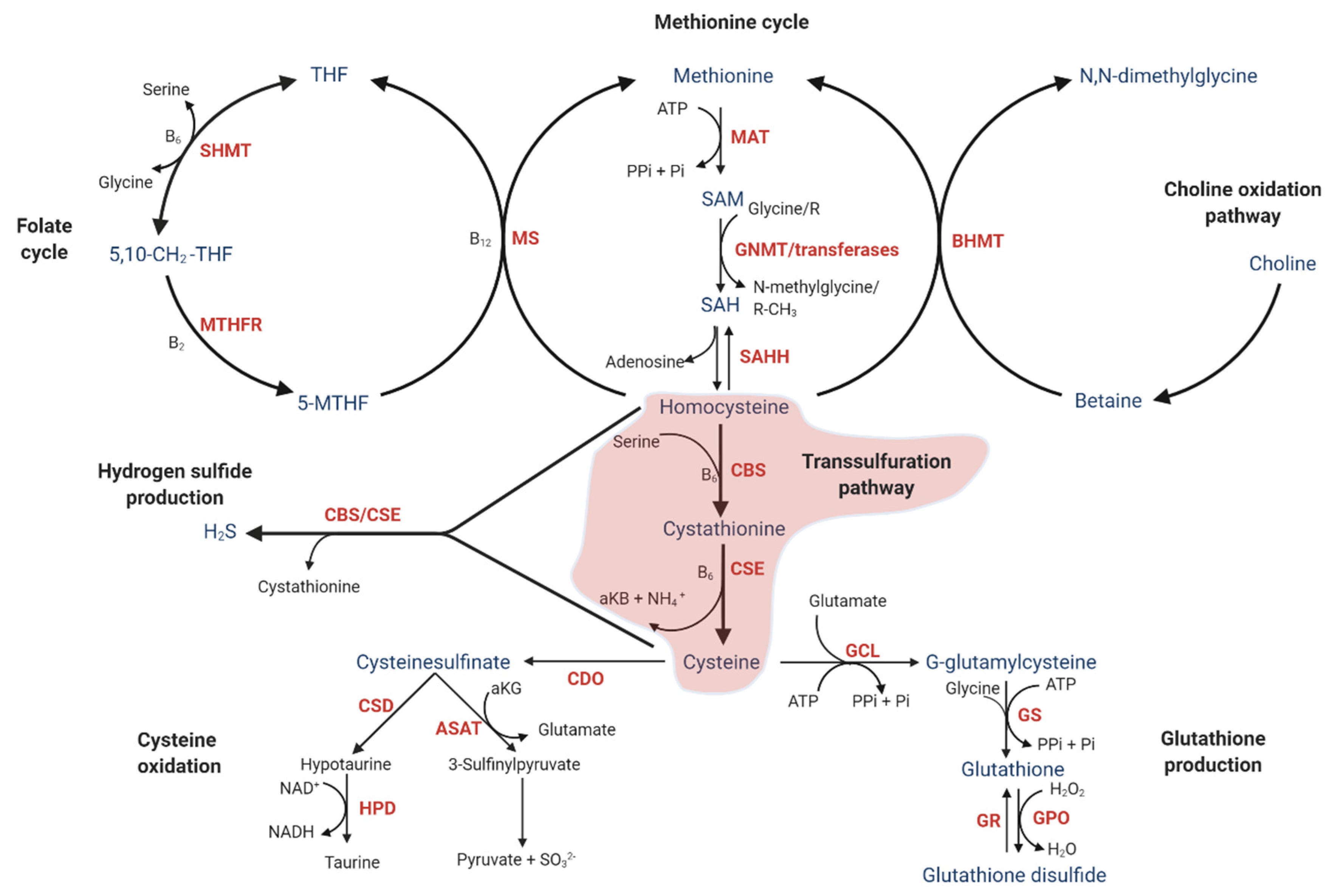
Several ingredients commonly found in B-complex and methylation-support supplements can contribute methyl groups or support methylation activity.
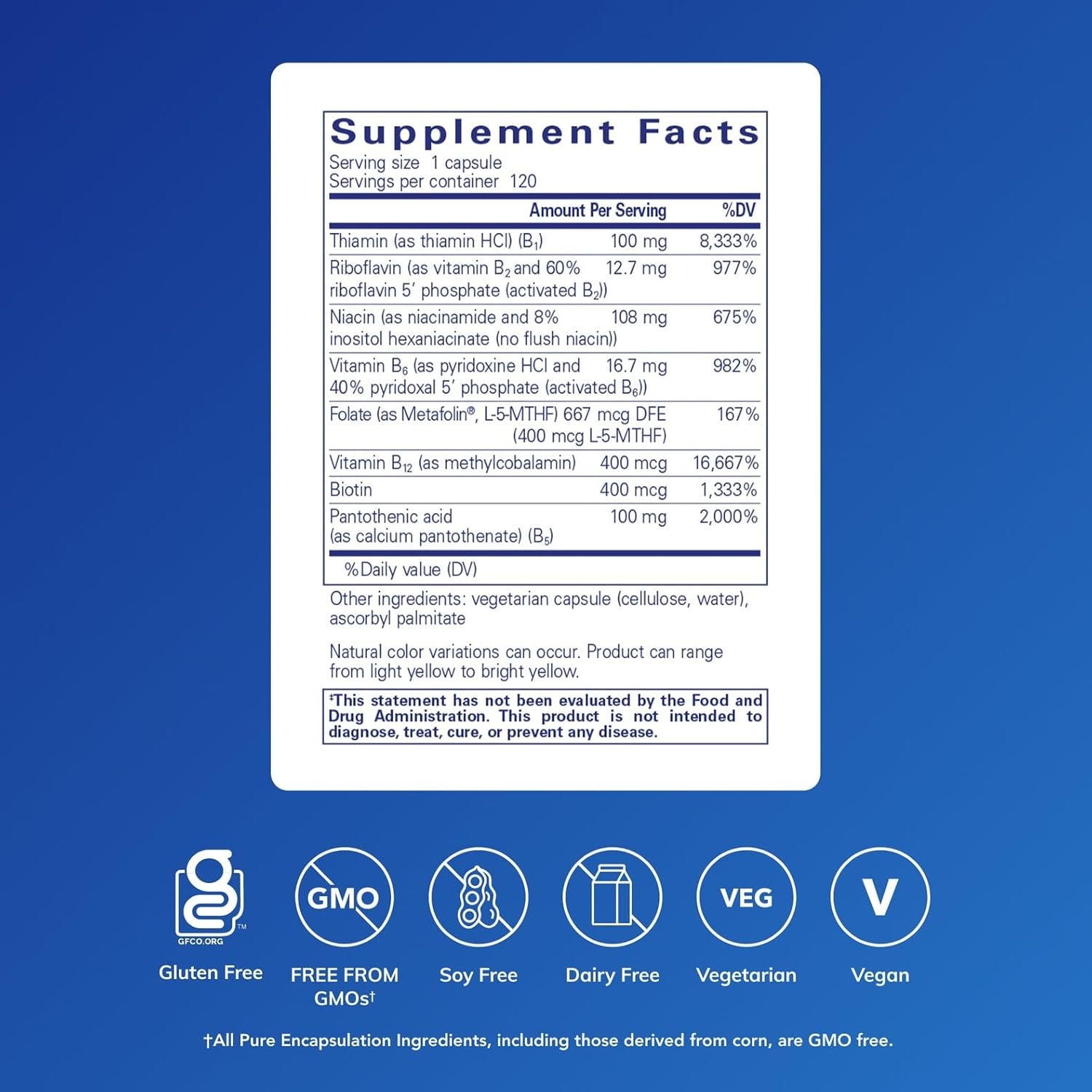
Look at your Supplement Facts labels for:
5-MTHF or 5-methyltetrahydrofolate
L-methylfolate
Methylcobalamin
Trimethylglycine, also called TMG or betaine
SAMe
High-dose choline
Methionine
Multiple overlapping methylation formulas
None of these ingredients is inherently bad. In the right person and at an appropriate dose, they can be very useful.
Problems may arise when someone takes a dose that exceeds their present needs, combines several products containing the same ingredients, increases too quickly, or continues the same aggressive protocol after the underlying deficiency has improved.
Individual responses can vary significantly. Genetics, nutrient status, medications, absorption, diet, stress, sleep, and overall metabolic health can all influence how a person responds.
People who react poorly to methyl-donor supplements may report symptoms such as:
Irritability
Anxiety or feeling unusually on edge
Restlessness
Difficulty falling or staying asleep
Racing thoughts
Headaches
Brain fog
Fatigue
Feeling wired but tired
Increased emotional sensitivity
Poor concentration
Heart palpitations
An unexplained decline after initially feeling better
These symptoms are not specific to methylation. They can also occur with thyroid disorders, anemia, low iron, vitamin B12 deficiency, hormonal changes, blood sugar instability, medication effects, sleep disorders, depression, anxiety, infection, or other health problems.
Symptoms alone cannot prove that someone is “overmethylated.”
The timing provides an important clue. Did the symptoms begin after starting a new supplement, increasing the dose, changing the form of folate or B12, or combining multiple methylation products?
That pattern deserves attention.
There are several possibilities.
The amount that corrects a deficiency is not always the amount someone needs indefinitely. Supplement requirements can change as nutrient status improves.
A multivitamin, B-complex, homocysteine formula, energy product, and sleep formula may each contain methylfolate, methylcobalamin, or TMG.
When considered separately, each dose may look reasonable. Taken together, the total can become much more stimulating.
At Purser Wellness, we often use the principle “Start Low, Go Slow.”
This is especially important for sensitive patients and those beginning targeted methylation support.
Some people tolerate methylcobalamin and methylfolate very well. Others may respond better to alternatives such as hydroxocobalamin, adenosylcobalamin, folinic acid, or a carefully designed methyl-free B-complex.
That does not mean one form is universally superior. It means the form should be matched to the patient.
Fatigue and brain fog do not automatically mean that someone needs more methylfolate or B12.
Vitamin B12 deficiency itself can cause fatigue, neurological symptoms, mood changes, and cognitive problems. The NIH Office of Dietary Supplements emphasizes the importance of properly identifying and treating deficiency.
The same symptoms can therefore appear when someone has too little nutritional support, when a supplement is not well tolerated, or when an entirely different condition is present.
This is why thoughtful assessment matters.
First, do not panic.
A poor response does not mean that methylated vitamins are dangerous or that your body is permanently damaged. It may simply mean that your current dose, form, or combination needs to be reconsidered.
Start by reviewing every supplement you take.
Write down:
The complete product name
Every form of folate and B12
The amount in each serving
How many servings you take
Whether the product contains TMG, SAMe, choline, or methionine
When each product was started
When the symptoms began
Any recent dose changes
Do not abruptly discontinue a medically necessary supplement without speaking with your prescribing clinician. This is particularly important during pregnancy, when treating a confirmed deficiency, or when a supplement has been prescribed for a specific medical condition.
Your clinician may recommend temporarily reducing or pausing a recently added nonessential supplement, changing the dose, spacing it differently, or moving to a non-methylated form.
The right decision depends on the person.

Genetic testing can show variants that may influence folate metabolism, methionine metabolism, neurotransmitter clearance, and related pathways.
However, a genetic variant does not tell us exactly what dose of a supplement a person needs today. Genetics show tendencies and possible pressure points. They do not replace current biochemical testing, symptom history, medication review, or clinical judgment.
Depending on the situation, useful evaluation may include:
Vitamin B12 status
Folate status
Homocysteine
Complete blood count
Iron and ferritin
Thyroid markers
Metabolic markers
A complete review of medications and supplements
Testing should answer a clinical question. It should not simply generate more data.
At Purser Wellness, we do not assume that everyone with an MTHFR variant needs the same supplement.
We look at the patient’s story, symptoms, current supplement exposure, genetics, medications, and measurable nutrient status. We then build a plan that is simplified, sequenced, and adjusted over time.
Sometimes a patient needs methylated nutrients.
Sometimes they need a much smaller dose.
Sometimes they need a different form.
Sometimes the priority is correcting another deficiency, supporting antioxidant capacity, stabilizing blood sugar, improving sleep, or addressing a completely different pathway.
Personalized wellness is not about taking the strongest possible formula. It is about finding the right support for the right person at the right time.
If you have been doing everything “right” but suddenly feel more irritable, anxious, exhausted, or unable to think clearly, take a closer look at your supplements.
Your body may not be failing you.
It may simply be asking for a more balanced plan.
If you would like help reviewing your supplements, genetics, and intracellular nutrient status, contact Purser Wellness at DanPurserMD.com.
This article is educational and is not intended to diagnose, treat, cure, or prevent disease. Do not change prescribed medications or medically necessary supplements without consulting your qualified healthcare professional.

Comments
Nothing yet. Say the first thing.
Sign in to join the conversation.