
Most people think of supplements as simple ingredients.
Vitamin C.
Magnesium.
Glutathione.
CoQ10.
B vitamins.
But at Purser Wellness, we have learned that the question is not only what ingredient is in the bottle.
The deeper question is:
That question matters especially with glutathione.
Glutathione is one of the body’s most important antioxidant and cellular-defense compounds. It is involved in redox balance, oxidative stress protection, detoxification support, immune regulation, and mitochondrial protection. In the scientific literature, glutathione is described as a tripeptide made from cysteine, glycine, and glutamic acid, and it plays a central role in reducing oxidative stress, supporting metabolic detoxification, maintaining redox balance, and regulating immune function.
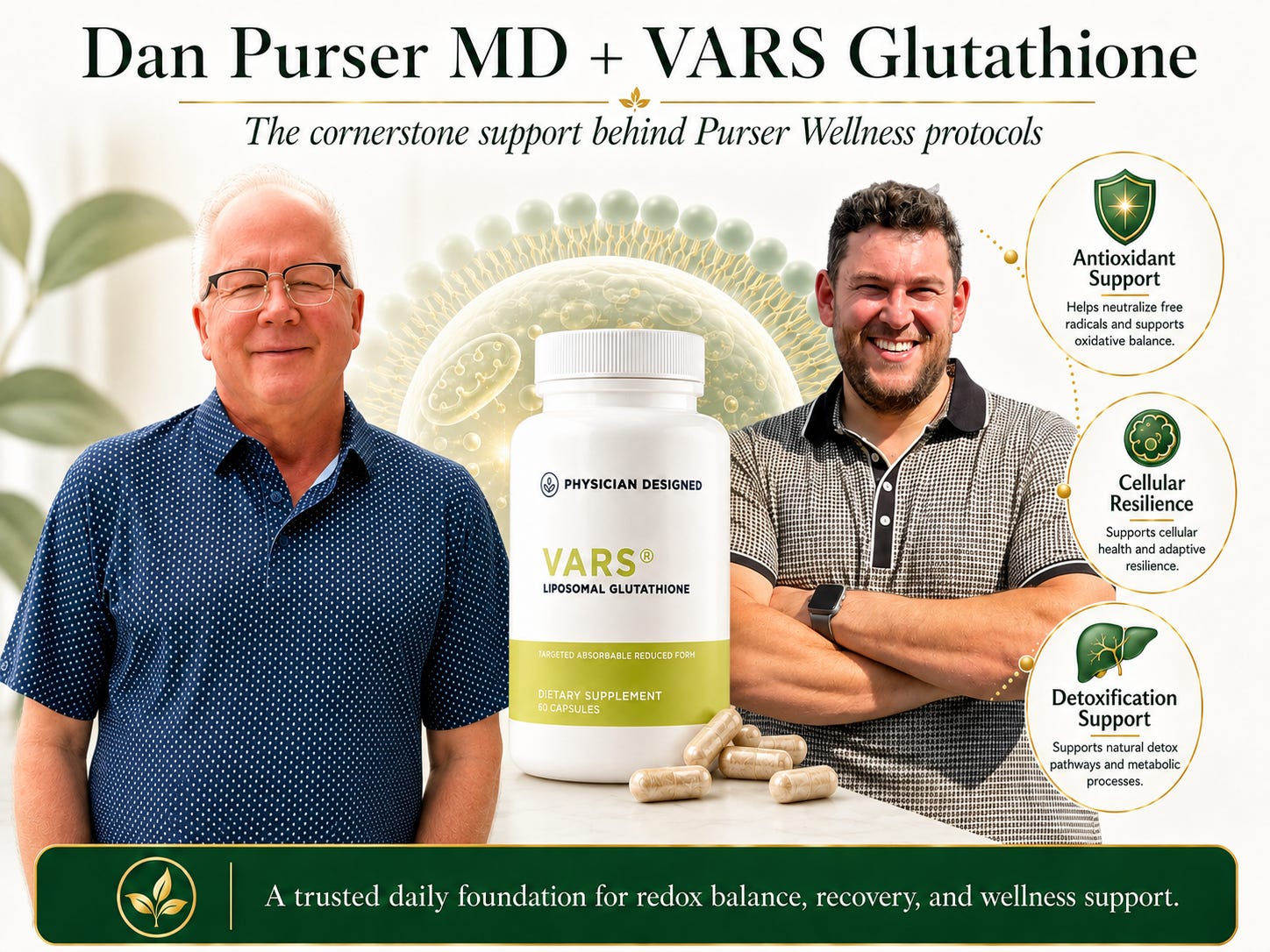
That is why we often call glutathione a cornerstone of the Purser Wellness approach.
Not because it is a magic pill.
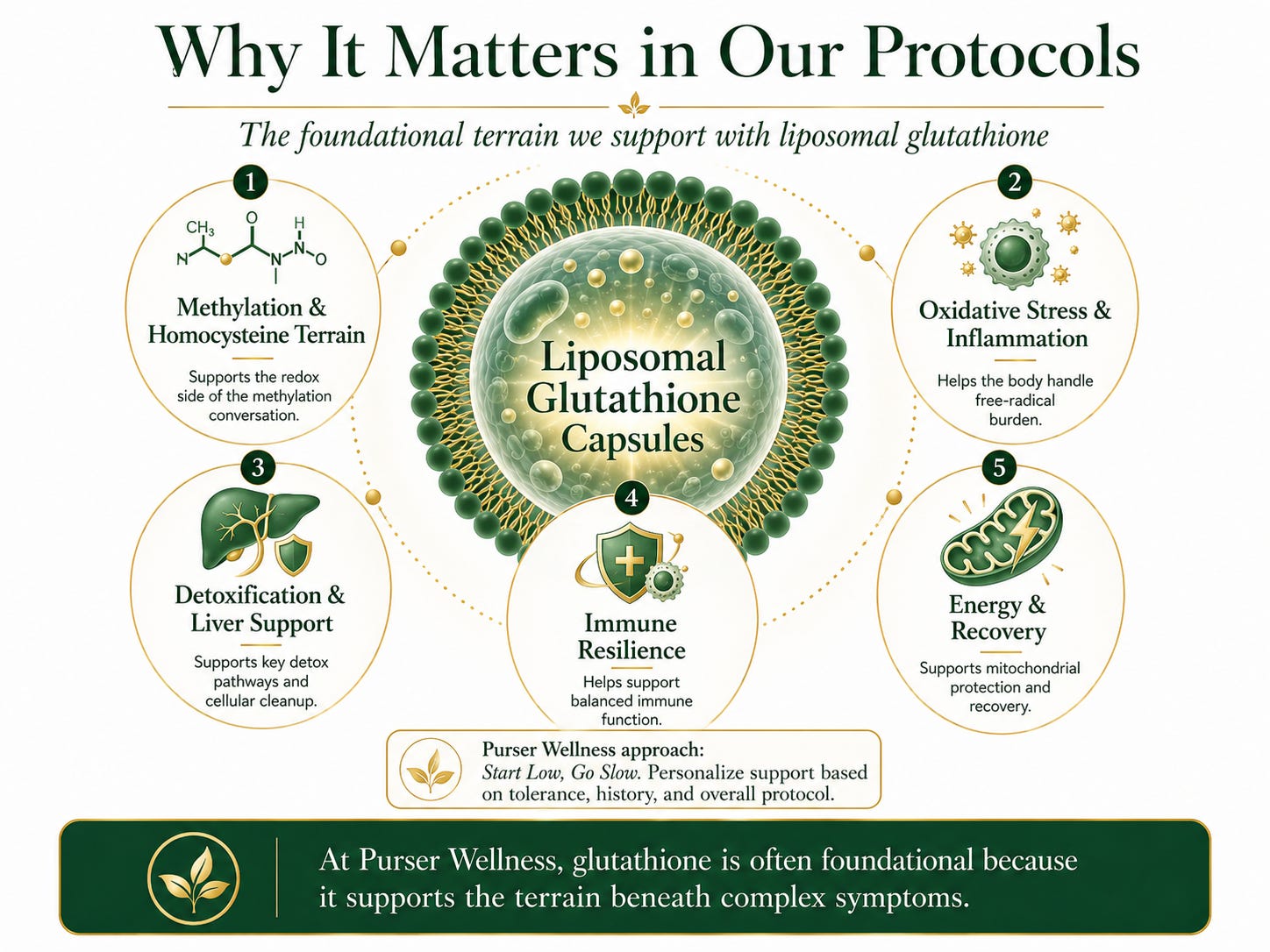
But because so many difficult patient patterns involve the same underlying terrain: oxidative stress, inflammation, poor cellular resilience, mitochondrial strain, methylation stress, immune activation, liver burden, and poor recovery.
Glutathione sits right in the middle of that conversation.
Your body is constantly producing energy, repairing tissue, processing toxins, managing inflammation, responding to stress, and protecting cells from free-radical damage.
That normal daily work creates oxidative stress.
Oxidative stress happens when reactive oxygen species build up faster than the body can neutralize them. This imbalance can damage lipids, proteins, DNA, mitochondria, and cell membranes if the body’s antioxidant systems are overwhelmed.
Glutathione is one of the body’s primary internal answers to that problem.
It helps support:
Cellular antioxidant defense
Glutathione helps neutralize reactive molecules and supports the body’s redox balance.
Mitochondrial protection
Mitochondria are both major producers of energy and major sources of reactive oxygen species. Mitochondrial glutathione is described in the literature as a key line of defense for maintaining the mitochondrial redox environment.
Detoxification pathways
Glutathione participates in detoxification by helping the body conjugate and process certain compounds for elimination.
Immune balance
Glutathione status has been connected to immune function, and oral liposomal glutathione has been studied for its ability to elevate body stores of glutathione and affect immune markers.
Inflammatory resilience
When oxidative stress rises, inflammation often follows. When glutathione reserves are low, the body may have a harder time calming that fire.
This is why, inside Purser Wellness protocols, glutathione is not viewed as an “extra.” It is often foundational.
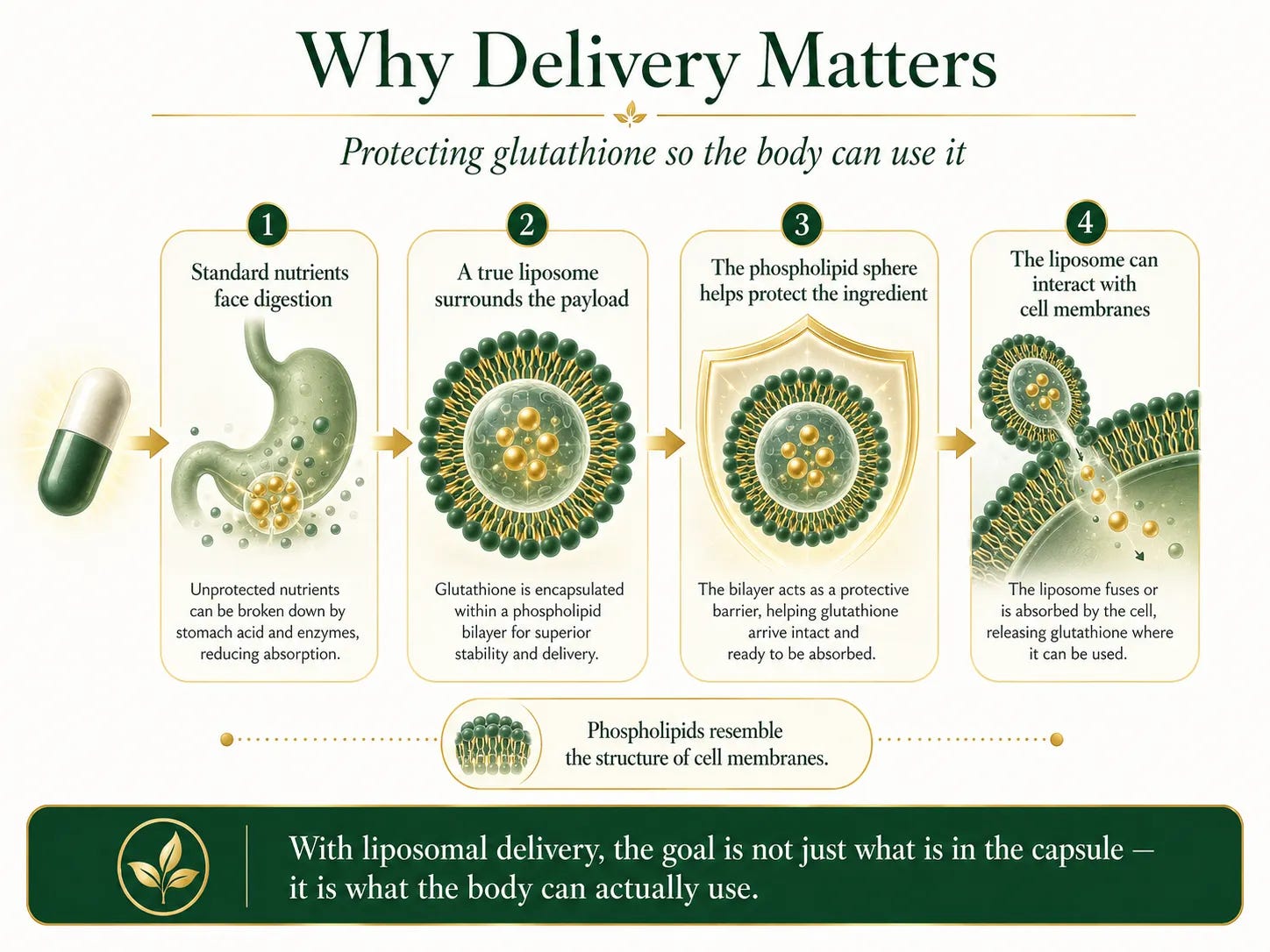
Glutathione is fragile.
A standard glutathione powder or capsule has to pass through the digestive tract. Depending on the form, the dose, the person’s digestive health, and the delivery technology, not all of that glutathione may survive intact or reach the tissues in a useful way.
That is where liposomal technology becomes important.
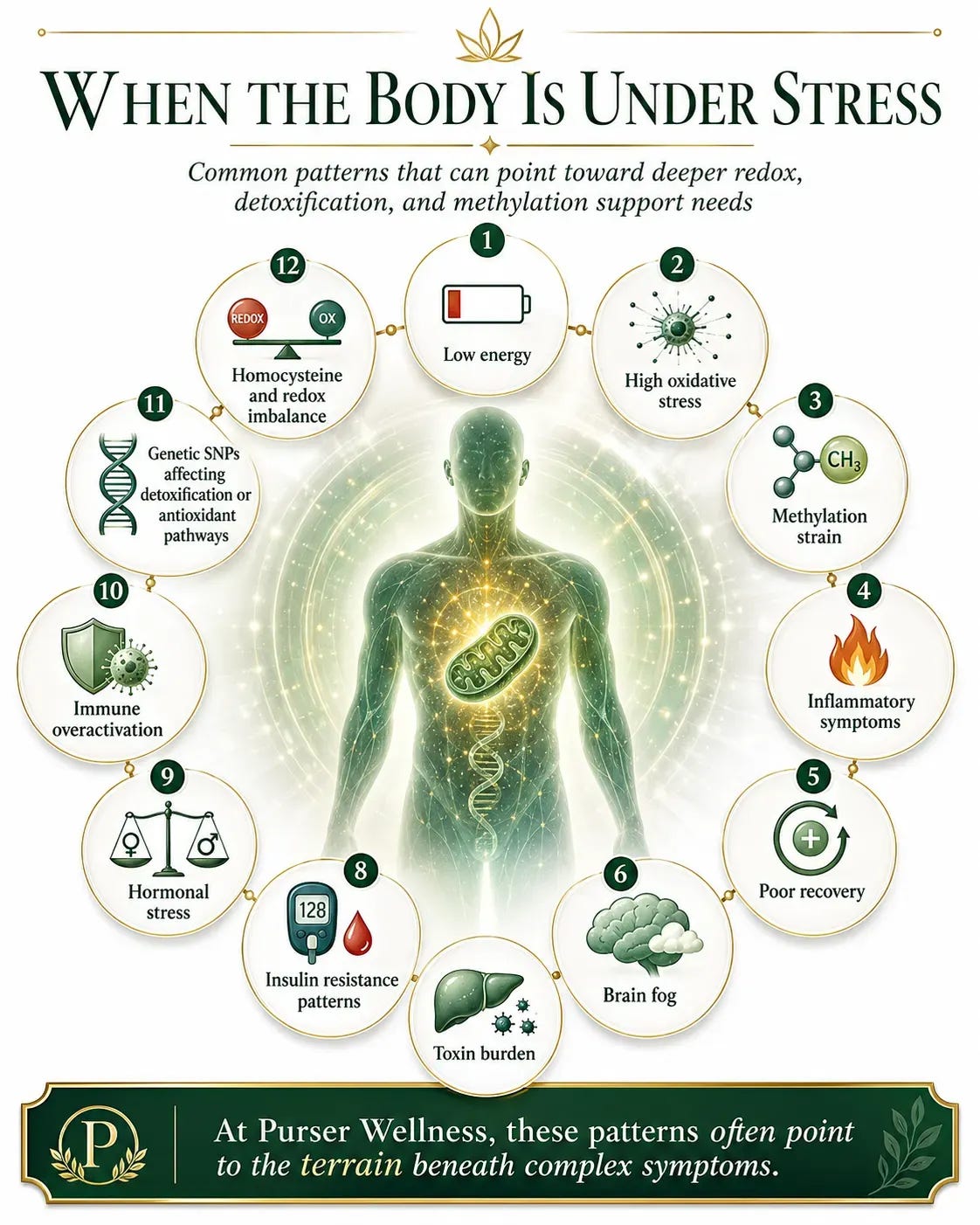
A liposome is a tiny sphere made from phospholipids—the same general type of fat-like molecules that help form cell membranes. Liposomes can carry ingredients inside their watery center or within their lipid layers, helping protect the active ingredient and support delivery. Scientific reviews describe liposomes as phospholipid vesicles used because they can help protect compounds from degradation and improve delivery characteristics.
In simple terms:
A liposome is like a tiny protective bubble.
It wraps the nutrient in a phospholipid structure so the body can handle it more like something familiar.
Not every product labeled “liposomal” is truly liposomal.
That matters.
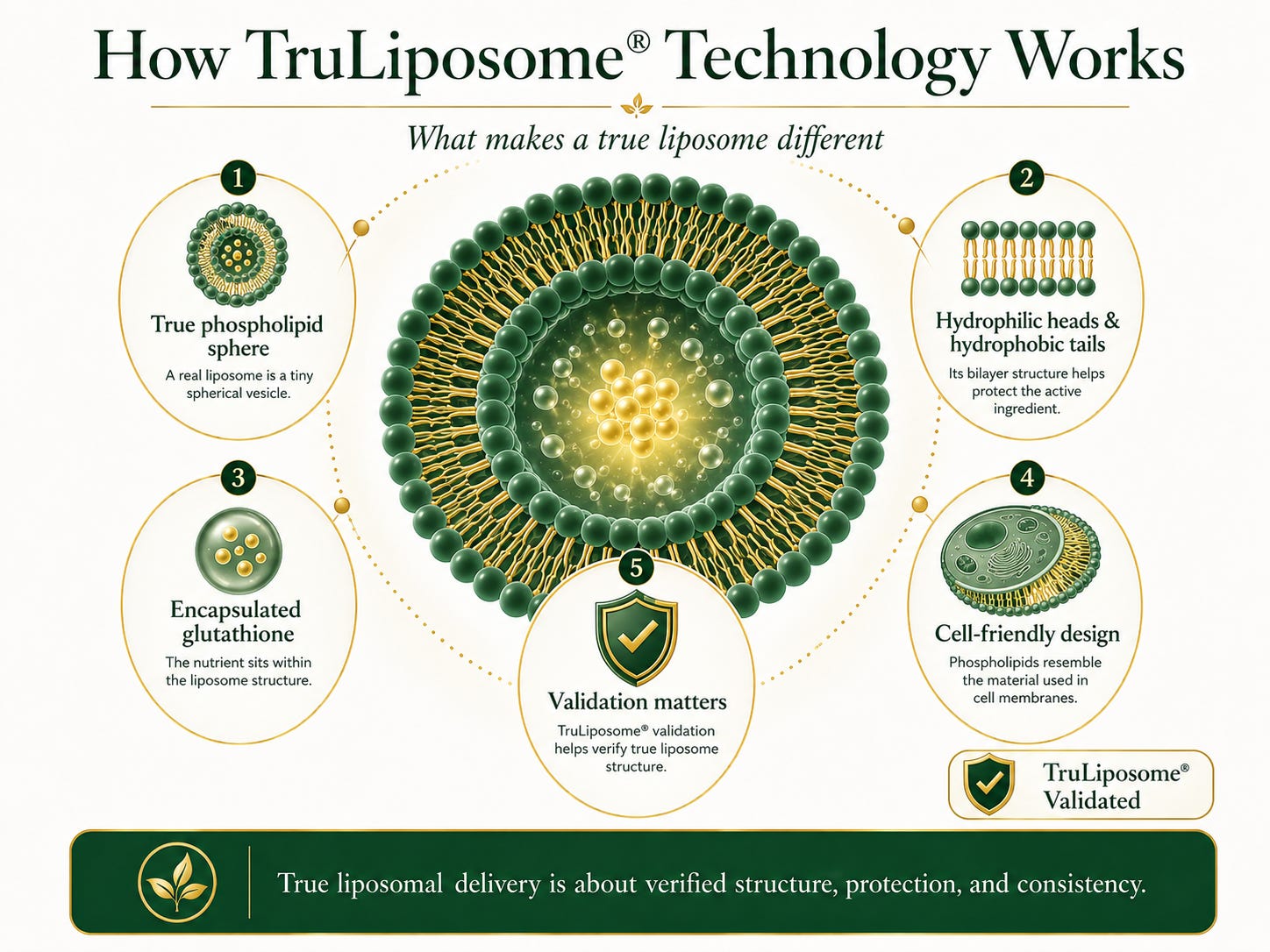
Some products may simply mix an ingredient with phospholipids and call it liposomal. But true liposomal delivery requires the formation of actual liposome structures: small, spherical phospholipid vesicles that hold and protect the active ingredient.
The TruLiposome® Validation process was created to help verify that a liposomal ingredient is actually made of true liposomes. According to Specnova, TruLiposome® Validation evaluates whether liposomal ingredients meet key criteria, including liposome size between 100–200 nanometers, strong encapsulation, spherical shape, proper dispersion, and freedom from leakage.
Specnova also states that this validation process uses multiple technologies, including Dynamic Light Scattering for size, Zeta Potential for encapsulation strength, Scanning Electron Microscopy for shape and dispersion, Cryo-TEM imaging for structure and stability, optical microscopy for dispersion, and X-Ray Diffraction for formulation components.
That is important because liposomal delivery is not just a marketing term.
It should be validated.
The structure of a liposome is similar in concept to a cell membrane.
It has:
Hydrophilic heads
These are water-loving portions that face outward and inward.
Hydrophobic tails
These are fat-loving portions that form the protective lipid layer.
A protected inner space
This space can hold water-soluble active ingredients.
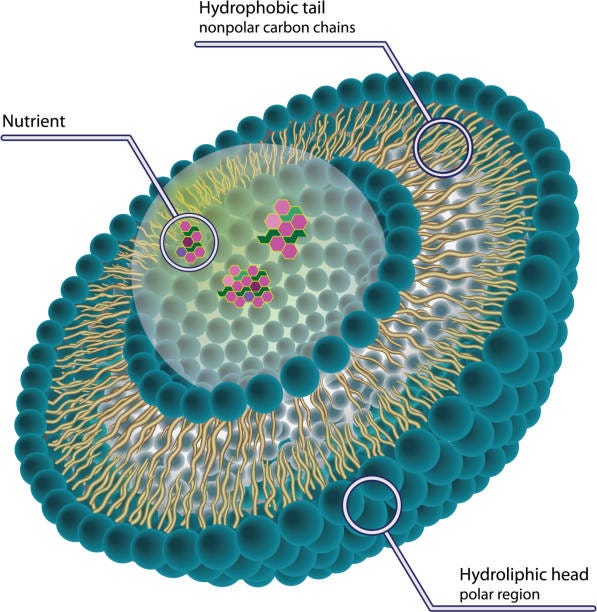
A true liposome is more than a “fat-soluble supplement.” It is a carefully built delivery structure.
The outer layer of a liposome is made from phospholipids, the same general type of material found in cell membranes. These phospholipids arrange themselves into a protective sphere with water-loving heads and fat-loving tails. Inside that sphere, the active ingredient—in this case, reduced glutathione—is protected within the liposomal structure.
That structure matters because glutathione is fragile.
Standard glutathione can be exposed to stomach acid, digestive enzymes, bile salts, and the harsh environment of the gastrointestinal tract before the body has a chance to use it. Oral liposomal delivery has its own challenges too, because unprotected liposomes can be damaged or destabilized during digestion. Scientific reviews on oral liposome delivery note that coatings and protective delivery strategies can help liposomes survive the stomach environment and improve the chance of absorption later in the intestinal tract.
This is where our delivery system becomes important.
Our liposomal glutathione uses DualHydrogel® Technology, a protective hydrogel layer designed to wrap and shield the liposome. Think of it as an added layer of protection around an already-protected nutrient. Specnova describes DualHydrogel® Technology as a system that uses specific natural ingredients to wrap the liposome in a protective shield, helping support stability in the body, bioavailability, and shelf life.
This matters for three reasons.
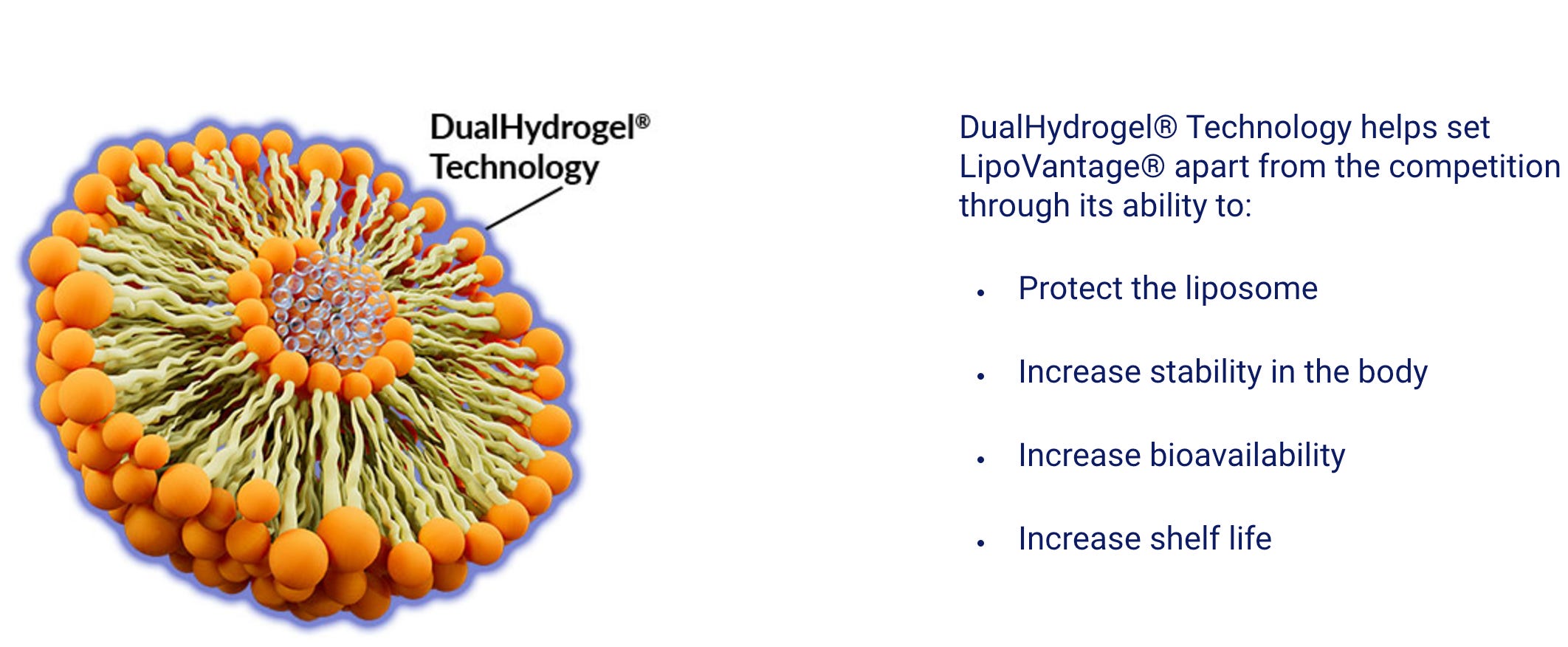
First, the hydrogel layer helps protect the liposome from breaking down too early.
Second, it helps stabilize the liposome so the glutathione payload stays protected during digestion.
Third, it supports the intended delivery goal: helping the liposome pass through the stomach and become available for absorption in the small intestine, where nutrient uptake primarily occurs.
So the structure is not just:
Glutathione inside a liposome.
It is more like:
Reduced glutathione protected inside a phospholipid liposome, then further shielded by a hydrogel layer to support stability, protection, and intestinal delivery.
That is why we care so much about validated liposomal technology.
The goal is not just to put glutathione in a capsule. The goal is to protect it long enough for the body to actually use it. Specnova notes that DualHydrogel® Technology helps protect the liposome, increase stability in the body, increase bioavailability, and increase shelf life.
At Purser Wellness, this is the difference between simply taking a supplement and taking a delivery system designed around cellular support.
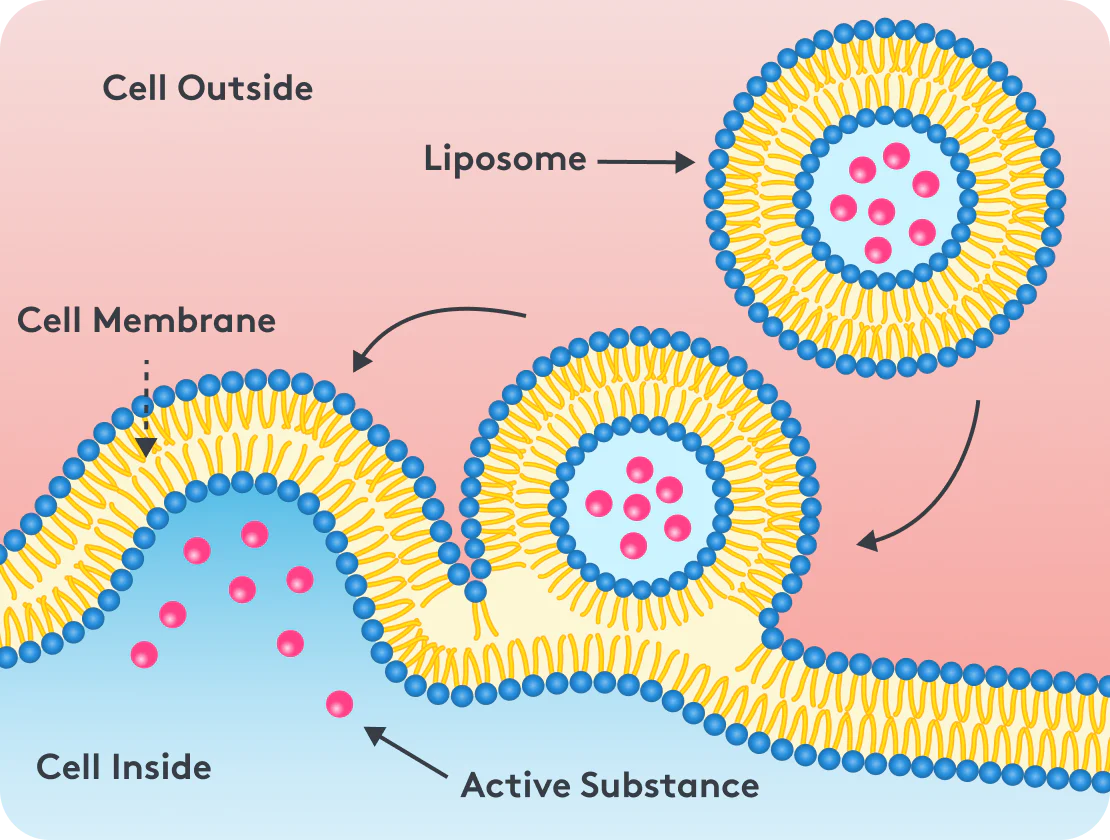
At Purser Wellness, we are often working with patients who do not have one simple problem.
They may have:
Low energy
High oxidative stress
Methylation strain
Inflammatory symptoms
Poor recovery
Brain fog
Toxin burden
Insulin resistance patterns
Hormonal stress
Immune overactivation
Genetic SNPs affecting detoxification or antioxidant pathways
Homocysteine and redox imbalance
In those patients, the question becomes:
How do we support the terrain underneath the symptoms?
Glutathione is central because it touches so many of those systems.
It helps support the body’s ability to manage oxidative stress. It supports mitochondrial resilience. It participates in detoxification pathways. It helps maintain redox balance. It supports immune regulation. And it can be especially important when the body is under a higher inflammatory load.
This is why glutathione often becomes the first domino.
When glutathione reserves are low, many other systems can feel more fragile.
When glutathione is supported appropriately, the body may have a better foundation for repair, recovery, detoxification, immune balance, and cellular energy.
Not all glutathione is the same.
When people hear the word glutathione, they often assume every supplement works the same way. In reality, glutathione exists in two very different forms:
GSH (Reduced Glutathione) – the active, functional antioxidant that protects cells.
GSSG (Oxidized Glutathione) – glutathione that has already donated its electrons while neutralizing oxidative stress. It has essentially “done its job” and must be recycled back into GSH before it can function again.
Think of it like this:
GSH is a fully charged battery.
GSSG is the same battery after it has been drained.
Your cells are constantly converting GSH into GSSG as glutathione neutralizes free radicals and detoxifies reactive compounds. Under healthy conditions, specialized enzymes—most importantly glutathione reductase—use NADPH to recycle GSSG back into active GSH, maintaining a highly reduced intracellular environment. In healthy cells, more than 98% of glutathione normally exists as GSH, while only a very small amount is present as GSSG.
Many of the patients we see have genetic variants that affect glutathione production, recycling, or utilization. These may involve genes that influence antioxidant defense, methylation, transsulfuration, glutathione synthesis, or glutathione recycling.
If your body already struggles to manufacture or regenerate glutathione efficiently, beginning with the active, reduced form (GSH) makes biological sense.
Rather than asking the body to first convert oxidized glutathione back into its usable form, we want to provide glutathione in the form your cells actually use.
That doesn’t mean GSSG is “bad.” GSSG is a completely normal part of the glutathione redox cycle.
But from a functional perspective, GSH is the molecule that directly neutralizes free radicals, supports glutathione peroxidase, regenerates other antioxidants such as vitamins C and E, participates in detoxification reactions, and helps maintain the intracellular redox environment.
There is one more challenge.
Reduced glutathione is chemically active—which is exactly what makes it valuable—but that also means it deserves protection during digestion.
That is why our formulation combines:
Reduced glutathione (GSH) as the active antioxidant
A true phospholipid liposome to encapsulate and protect the payload
DualHydrogel® Technology to add another protective layer around the liposome, helping improve stability during its journey through the stomach and supporting delivery to the small intestine for absorption.
At Purser Wellness, we don’t simply ask, “Does this supplement contain glutathione?”
We ask:
Is it the right form?
Is it protected?
Can the body actually use it?
Those questions are what separate a standard ingredient from a thoughtfully engineered delivery system.
Many Purser Wellness patients come to us because they have complex genetics, including methylation-related SNPs such as MTHFR, MTR, MTRR, CBS, BHMT, and others.
These genes are not destiny.
But they can help explain why certain patients struggle more with methylation demand, homocysteine balance, detoxification pressure, oxidative stress, and nutrient depletion.
When methylation is strained, redox balance often matters even more.
That is where glutathione becomes critical.
Homocysteine, inflammation, oxidative stress, and mitochondrial strain often travel together. Supporting methylation without supporting redox balance can be incomplete. In our model, glutathione helps support the antioxidant side of the terrain while methylation nutrients help support the biochemical flow.
That is why we do not see glutathione as separate from methylation.
We see it as part of the same root-cause conversation.
At Purser Wellness, we do not believe in overwhelming the body.
Even with something as foundational as glutathione, we often use a Start Low, Go Slow approach.
Some patients are sensitive. Some are inflamed. Some are toxic. Some have sluggish bile flow or poor drainage. Some have been depleted for years.
So the goal is not to “force detox.”
The goal is to support the body wisely.
A physician-guided plan may begin gently and build over time, depending on the patient’s history, labs, symptoms, medications, pregnancy status, tolerance, and overall protocol.
Glutathione is powerful support—but it should still be personalized.
Patients may choose glutathione support for many different reasons, but within a wellness protocol, the goals often include supporting:
Cellular resilience
Healthy inflammatory balance
Recovery from oxidative stress
Mitochondrial health
Liver detoxification pathways
Immune function
Brain and nerve antioxidant protection
Exercise recovery
Healthy aging
Methylation and homocysteine terrain
These are structure-function goals. They are not disease-treatment claims.
Glutathione does not replace medical care. It does not diagnose, treat, cure, or prevent disease. But as part of a thoughtful wellness plan, it can be one of the most important nutrients we use to support the body’s natural repair systems.
Glutathione is not just another supplement.
It is one of the body’s most important internal defense systems.
And because delivery matters, we believe liposomal technology matters.
TruLiposome® Technology helps verify that the ingredient is not simply mixed with phospholipids, but formed and tested as true liposomes—small, spherical, well-dispersed, properly encapsulated structures designed to help protect and deliver the active ingredient.
That is why Liposomal Glutathione Capsules are such an important part of the Purser Wellness approach.
They support the body at the cellular level.
They help protect the redox terrain.
They support detoxification pathways.
They help the body handle oxidative stress.
They provide a foundation for deeper protocol work.
In our world, glutathione is not the accessory.
It is the cornerstone.
Aoyama, K., & Nakaki, T. (2015). Glutathione in cellular redox homeostasis. This supports the discussion of GSH as a major cellular redox buffer, antioxidant, and enzyme cofactor.
Aquilano, K., Baldelli, S., & Ciriolo, M. R. (2014). Glutathione: New roles in redox signaling for an old antioxidant. Frontiers in Pharmacology. Supports GSH/GSSG recycling, NADPH-dependent glutathione reductase, redox signaling, and glutaredoxin/thioredoxin systems.
Averill-Bates, D. A. (2023). The antioxidant glutathione. Supports the reduced/oxidized glutathione discussion, including GSSG conversion back to GSH by glutathione reductase, GSH’s role in detoxification, vitamin E regeneration, redox signaling, and antioxidant defense.
Cooper, A. J. L., & Hanigan, M. H. (2017). Metabolism of glutathione S-conjugates: Multiple pathways. Supports glutathione’s role in detoxification through conjugation of potentially toxic electrophilic compounds and endogenous compounds.
Cui, J., et al. (2022). Recent advances in oral peptide or protein-based drug delivery systems. Supports the point that oral liposomes face challenges from digestive enzymes and extreme pH changes in the gastrointestinal tract.
Daeihamed, M., Dadashzadeh, S., Haeri, A., & Akhlaghi, M. F. (2017). Potential of liposomes for enhancement of oral drug absorption. Supports the use of stabilizing lipids, polymer coatings, double liposomes, and other methods to improve oral liposome stability and absorption.
Dawi, J., et al. (2024). Oxidative stress, glutathione insufficiency, and inflammatory mechanisms in metabolic dysfunction. Supports the connection between oxidative stress, glutathione insufficiency, inflammation, insulin resistance, and metabolic strain.
Esse, R., Barroso, M., Tavares de Almeida, I., & Castro, R. (2019). The contribution of homocysteine metabolism disruption to endothelial dysfunction: State-of-the-art. Supports the discussion of homocysteine, oxidative stress, methylation disruption, and redox imbalance.
Forman, H. J., Zhang, H., & Rinna, A. (2009). Glutathione: Overview of its protective roles, measurement, and biosynthesis. Molecular Aspects of Medicine. Supports glutathione’s central roles in oxidative protection, xenobiotic defense, redox homeostasis, and biosynthesis.
He, H., Lu, Y., Qi, J., Zhu, Q., Chen, Z., & Wu, W. (2019). Adapting liposomes for oral drug delivery. Supports the discussion that oral liposomes can be unstable during storage and gastrointestinal transit, and that surface coating and other approaches may improve stability.
Hua, S. (2014). Orally administered liposomal formulations for colon-targeted drug delivery. Supports the point that stomach acid, GI enzymes, bile salts, and digestive enzymes can destabilize liposomal structures if they are not protected.
Mari, M., Morales, A., Colell, A., García-Ruiz, C., & Fernández-Checa, J. C. (2009). Mitochondrial glutathione, a key survival antioxidant. Supports the section on mitochondrial glutathione and protection against oxidative stress.
National Center for Biotechnology Information. (2026). GCLC glutamate-cysteine ligase catalytic subunit [Homo sapiens]. Supports the genetic-pathway discussion, including GCLC as part of the first rate-limiting enzyme of glutathione synthesis.
Pannala, V. R., Dash, R. K., & Beard, D. A. (2013). A biophysically based mathematical model for the catalytic mechanism of glutathione reductase. Supports the statement that glutathione reductase converts GSSG back to reduced GSH using NADPH.
Sinha, R., Sinha, I., Calcagnotto, A., Trushin, N., Haley, J. S., Schell, T. D., & Richie, J. P. Jr. (2018). Oral supplementation with liposomal glutathione elevates body stores of glutathione and markers of immune function. Supports the use of oral liposomal GSH for raising body stores of glutathione and affecting oxidative stress and immune markers.
Specnova. (2026). Science of liposomal ingredient delivery technology from LipoVantage®. Supports the TruLiposome® and DualHydrogel® sections, including liposome size testing, zeta potential, SEM/Cryo-TEM validation, protection from GI degradation, and DualHydrogel® benefits such as protecting the liposome, increasing stability, increasing bioavailability, and increasing shelf life.
Specnova. (2026). Benefits of liposomal delivery technology from LipoVantage®. Supports the shelf-life and DualHydrogel® technology claims.
Tuell, D., et al. (2024). The role of glutathione and its precursors in type 2 diabetes. Supports the insulin resistance and metabolic-health discussion around glutathione, oxidative stress, and glucose metabolism.
No posts
Comments
Nothing yet. Say the first thing.
Sign in to join the conversation.