
When most people hear the word detox, they picture a juice cleanse, a special tea, or a few days of fasting.
But your body does not detox through a temporary cleanse.
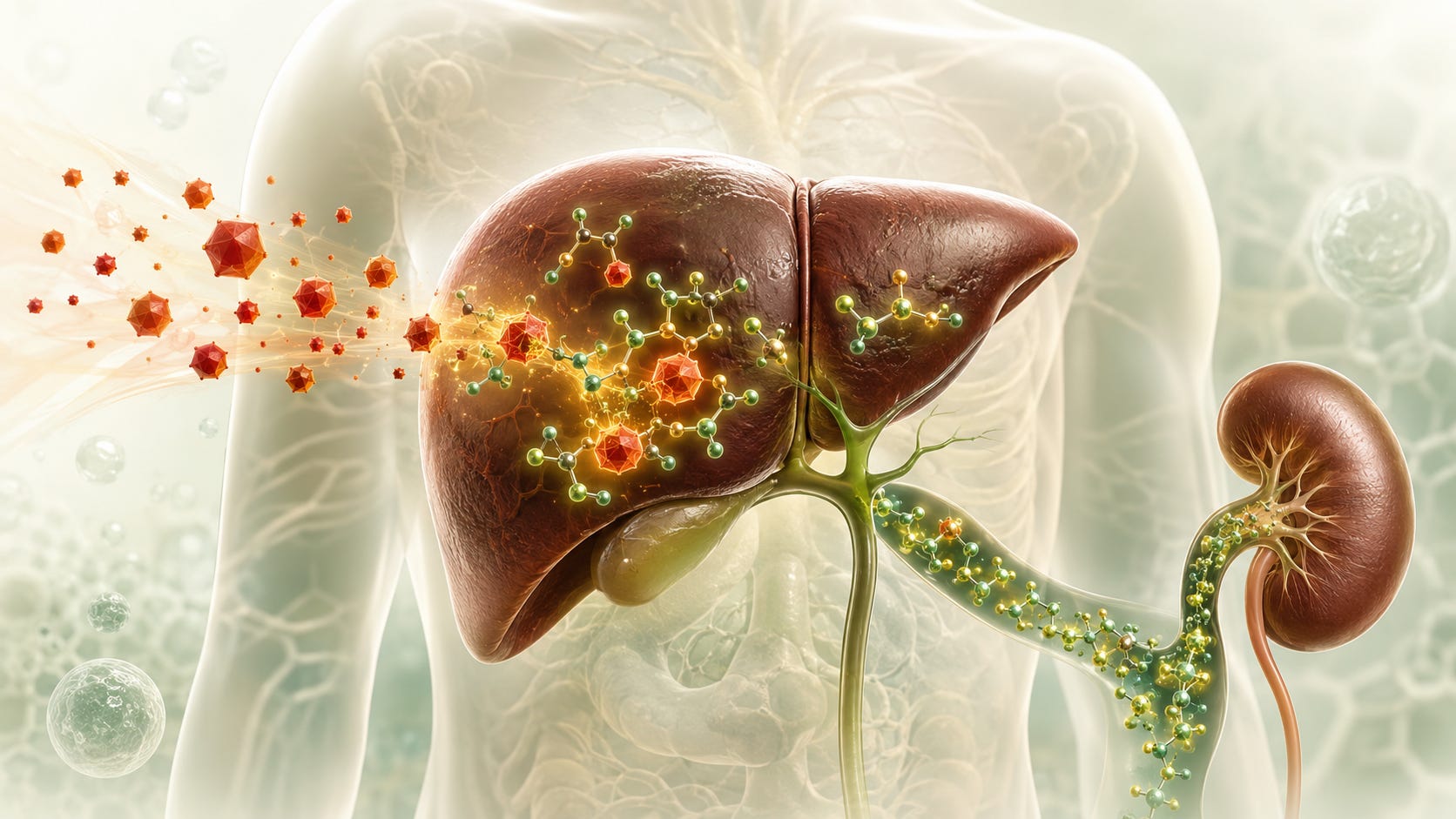
Detoxification is happening every minute of every day. Your liver, kidneys, digestive tract, lungs, and cells continually identify, transform, transport, and eliminate compounds the body no longer needs.
At the center of much of this work is a small but remarkably important molecule called glutathione.
Glutathione is often called the body’s “master antioxidant,” but that description only tells part of the story. It helps protect cells from oxidative damage, but it also participates directly in the liver’s processing of medications, environmental chemicals, metabolic waste, and other reactive compounds.
In simple terms, glutathione helps the body make many harmful substances less reactive and easier to remove.
Many of the compounds entering the body are fat-soluble. That is useful when a substance needs to cross a cell membrane, but it also means the compound cannot always be easily removed through urine.
The liver must first transform it.
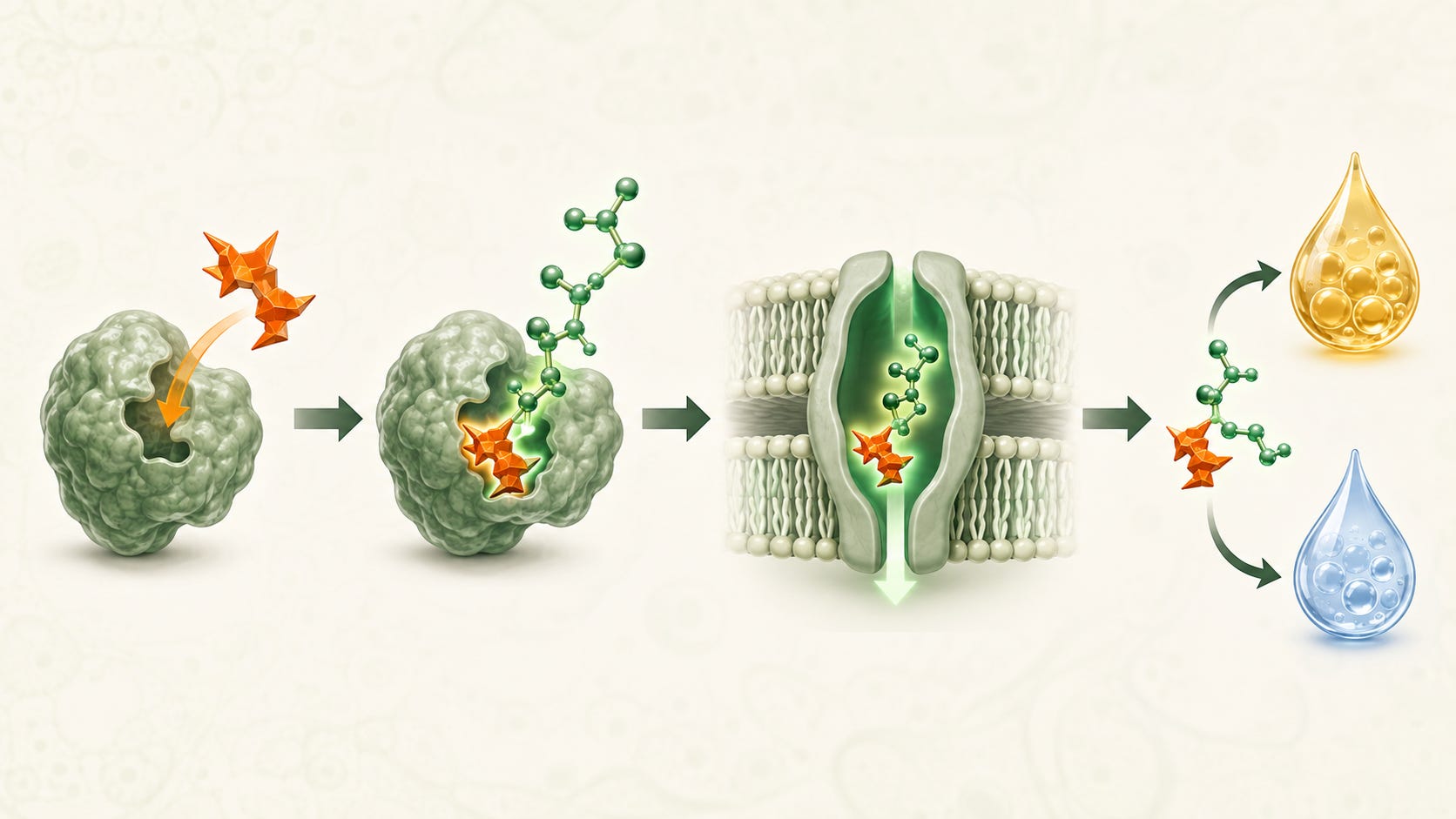
This process is commonly described in three stages:
Chemical processing: Liver enzymes modify the compound. In some cases, this produces an unstable or highly reactive intermediate.
Conjugation: The liver attaches another molecule, sometimes glutathione, to that reactive compound.
Transport and elimination: Transport proteins move the processed compound into bile or blood so it can eventually leave through stool or urine.
These stages are often called Phase I, Phase II, and Phase III detoxification. The real biology is more complex, and not every substance follows the same route, but this model helps us understand where glutathione enters the picture.
Glutathione is especially important during the second stage.
Glutathione is made from three amino acids:
Cysteine
Glycine
Glutamate
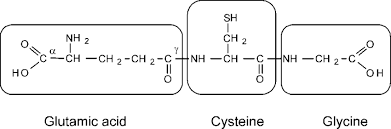
The cysteine portion contains a sulfur-based group that is chemically reactive. This allows glutathione to interact with unstable molecules that could otherwise bind to proteins, membranes, mitochondria, or DNA.
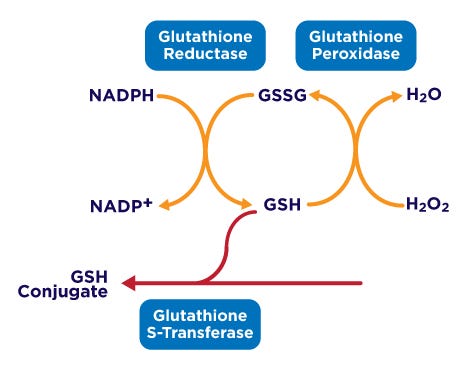
Enzymes called glutathione S-transferases, or GSTs, accelerate this process. They help attach glutathione to certain drugs, pollutants, chemical byproducts, and other electrophilic compounds.
Think of glutathione as adding a molecular handle to a difficult package.
Once that handle is attached, the compound is often:
Less likely to react with sensitive cellular structures
More water-compatible
Easier for transport proteins to recognize
Better prepared for removal through bile or urine
Glutathione does not magically “pull every toxin” from the body. Different substances require different enzymes and elimination pathways. However, glutathione conjugation is one of the liver’s most important defenses against many reactive compounds.
Binding is only one part of detoxification.
The glutathione conjugate must still be transported out of the cell. Depending on the compound, it may be moved:
Into bile and then through the digestive tract
Into the bloodstream for further processing
Toward the kidneys for removal through urine
Glutathione itself is also present in high concentrations in bile and contributes to normal bile formation and movement.
This is why healthy detoxification depends on more than simply having enough glutathione. The body also needs functioning liver enzymes, transport proteins, bile flow, kidney filtration, hydration, and regular bowel elimination.
If a compound is processed but cannot be transported and eliminated efficiently, the detoxification process is incomplete.
One of the clearest examples involves acetaminophen.
When acetaminophen is used appropriately, most of it is processed through pathways that allow it to leave the body safely. A smaller amount is converted into a highly reactive metabolite called NAPQI.
Under normal circumstances, glutathione binds to NAPQI and helps neutralize it.
During an overdose, however, the amount of NAPQI can overwhelm and deplete the liver’s glutathione supply. Once adequate glutathione is no longer available, NAPQI can bind to liver proteins and cause severe cellular injury.
This is why acetylcysteine, commonly called NAC, is used medically as an antidote for acetaminophen overdose. NAC supplies cysteine and helps restore glutathione production. The FDA describes maintaining or restoring glutathione as one of the important mechanisms by which acetylcysteine helps prevent or reduce liver injury.
Could a better, direct glutathione treatment be possible? Time will tell.
This is not a home-treatment situation. A suspected acetaminophen overdose requires immediate medical evaluation. But it provides a powerful real-world demonstration of what can happen when the liver’s toxic burden exceeds its available glutathione.
The liver’s detoxification pathways can generate free radicals and reactive oxygen species. In other words, the process of handling a chemical may temporarily create an even more reactive intermediate.
Glutathione helps protect cells during that process.
Through enzymes such as glutathione peroxidase, reduced glutathione helps neutralize hydrogen peroxide and lipid peroxides before they damage cellular membranes or mitochondria.
During this reaction, reduced glutathione, known as GSH, becomes oxidized glutathione, or GSSG. The enzyme glutathione reductase can then recycle GSSG back into functional GSH when the cell has sufficient reducing capacity.
This recycling system matters because the body does not simply need “glutathione” on a label. It needs glutathione in the correct functional state.
This is the electron-donating, biologically active form used in antioxidant and detoxification reactions.
This is the form created after glutathione has performed antioxidant work. It must be recycled back into GSH before it can perform that work again.
A healthy cell normally maintains far more GSH than GSSG. When the balance shifts toward oxidized glutathione, it can indicate that oxidative demand is exceeding the cell’s ability to restore its antioxidant reserves.
Although nearly every cell can produce glutathione, the liver plays an especially important role.
The liver produces and exports glutathione into the circulation, helping supply its components to other tissues. Glutathione is particularly important in organs with high metabolic or oxidative demands, including the brain, lungs, immune system, kidneys, and mitochondria.
This means glutathione is not only a “liver nutrient.” It is part of a whole-body defense and recycling system.
Its work includes:
Conjugating certain reactive chemicals
Protecting proteins and cell membranes
Supporting mitochondrial integrity
Neutralizing peroxides
Maintaining cellular redox balance
Helping regenerate other antioxidants
Supporting normal immune signaling
Detoxification and antioxidant protection are separate processes, but they are closely connected. Glutathione participates in both.
The body is designed to continually produce and recycle glutathione. However, demand can sometimes outpace production.
Potential contributors include:
High oxidative stress
Repeated environmental or chemical exposure
Alcohol exposure
Certain medications
Inflammation or illness
Poor protein or amino acid intake
Impaired glutathione recycling
Liver dysfunction
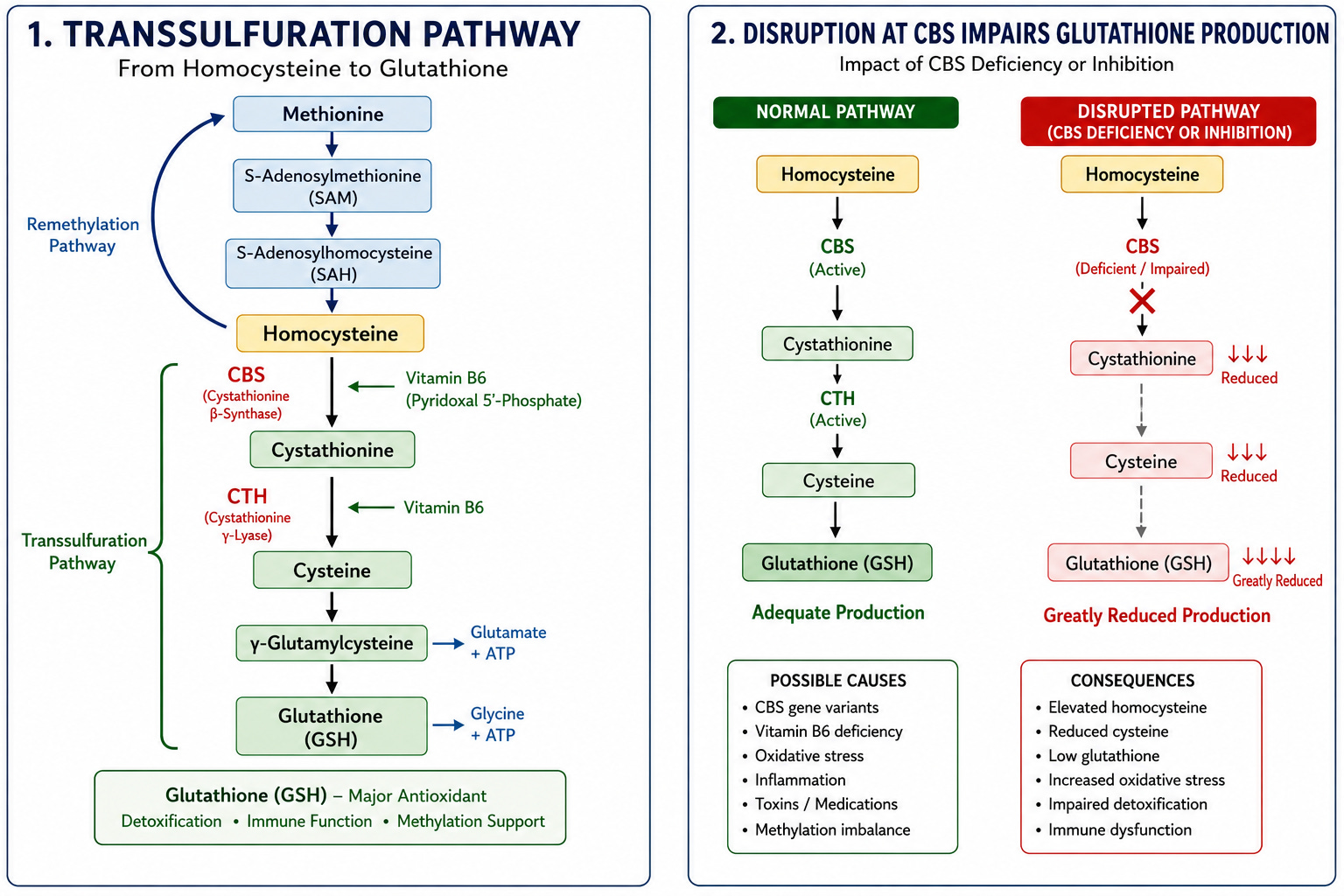
Genetic differences affecting methylation or transsulfuration pathways
Increasing age
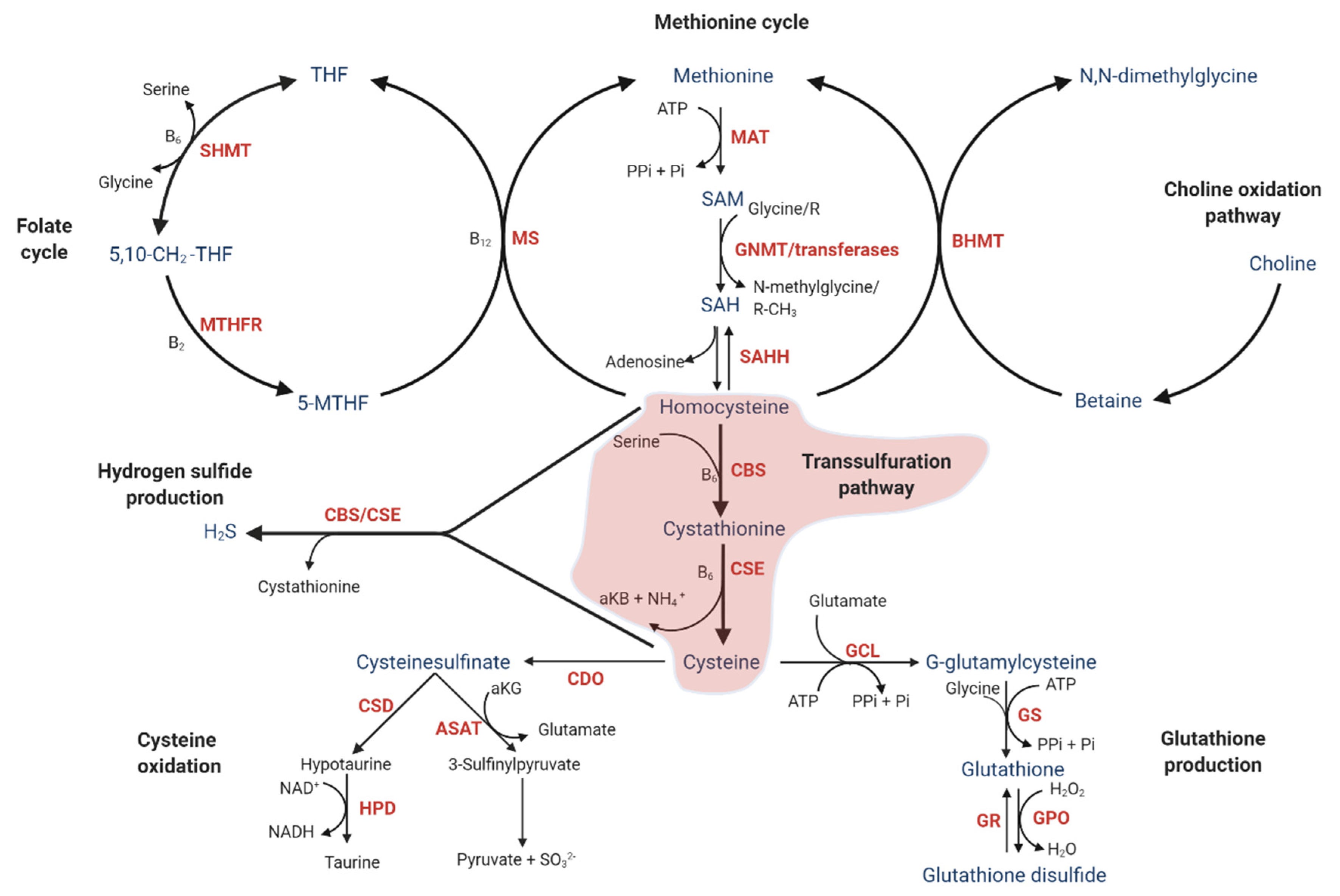
The transsulfuration pathway is especially important because it helps move homocysteine toward cysteine, one of the primary building blocks needed for glutathione production.
This is why supporting glutathione is not always as simple as taking one supplement. We must consider the patient’s nutrient status, genetics, liver function, oxidative burden, bile flow, medications, and ability to tolerate changes.
At Purser Wellness, we follow a simple rule:
Feeling worse is not proof that “toxins are leaving.”
Headaches, nausea, digestive upset, fatigue, rashes, or other new symptoms should not automatically be labeled as a detox reaction. They may indicate that a dose is too high, the timing is wrong, elimination is not keeping pace, or the product is not appropriate for that person.
You should never be told to simply push through a significant reaction.
Introduce support gradually, track the dose and timing, and discuss persistent or severe symptoms with a qualified healthcare professional.
Glutathione is powerful, but it does not work alone.
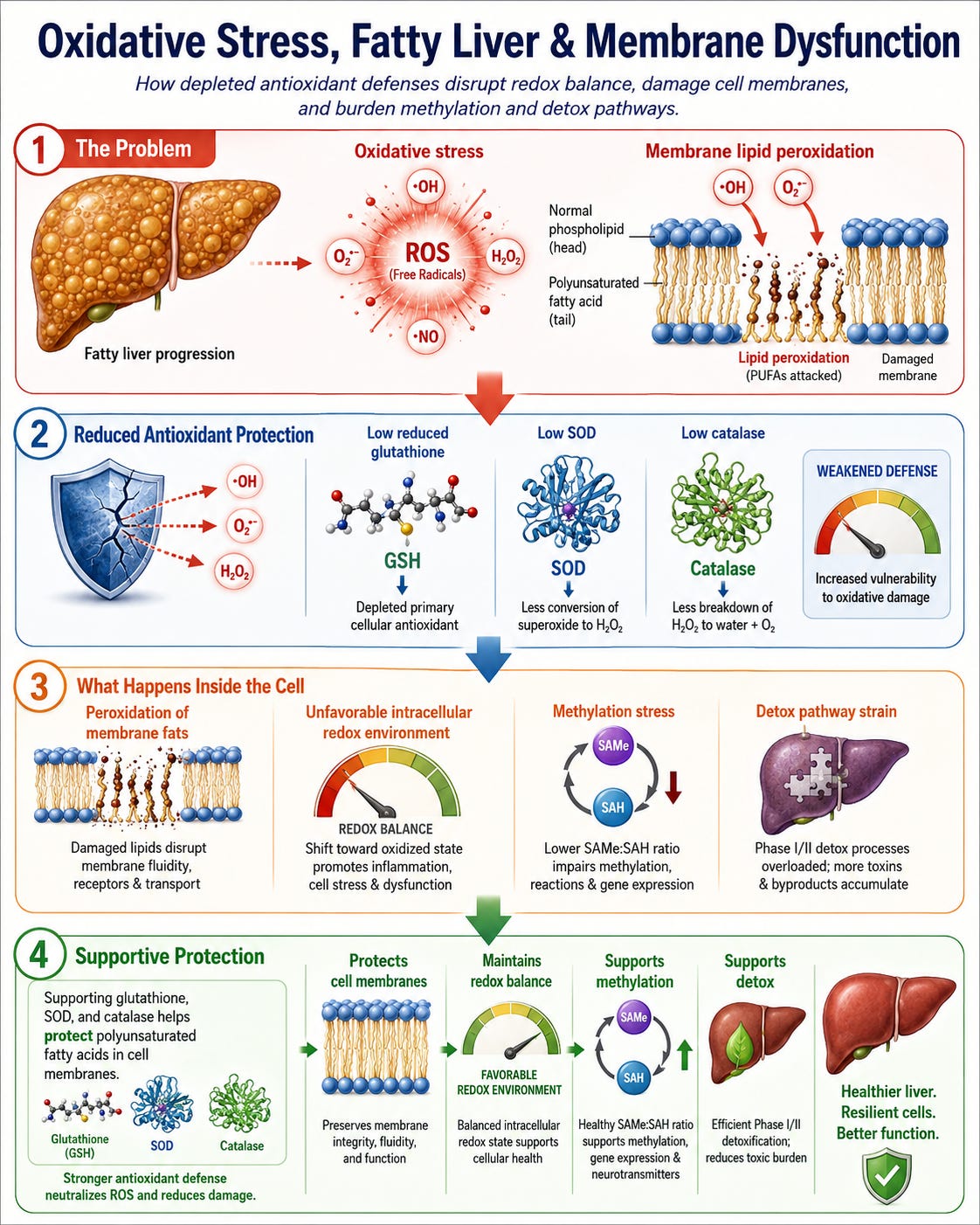
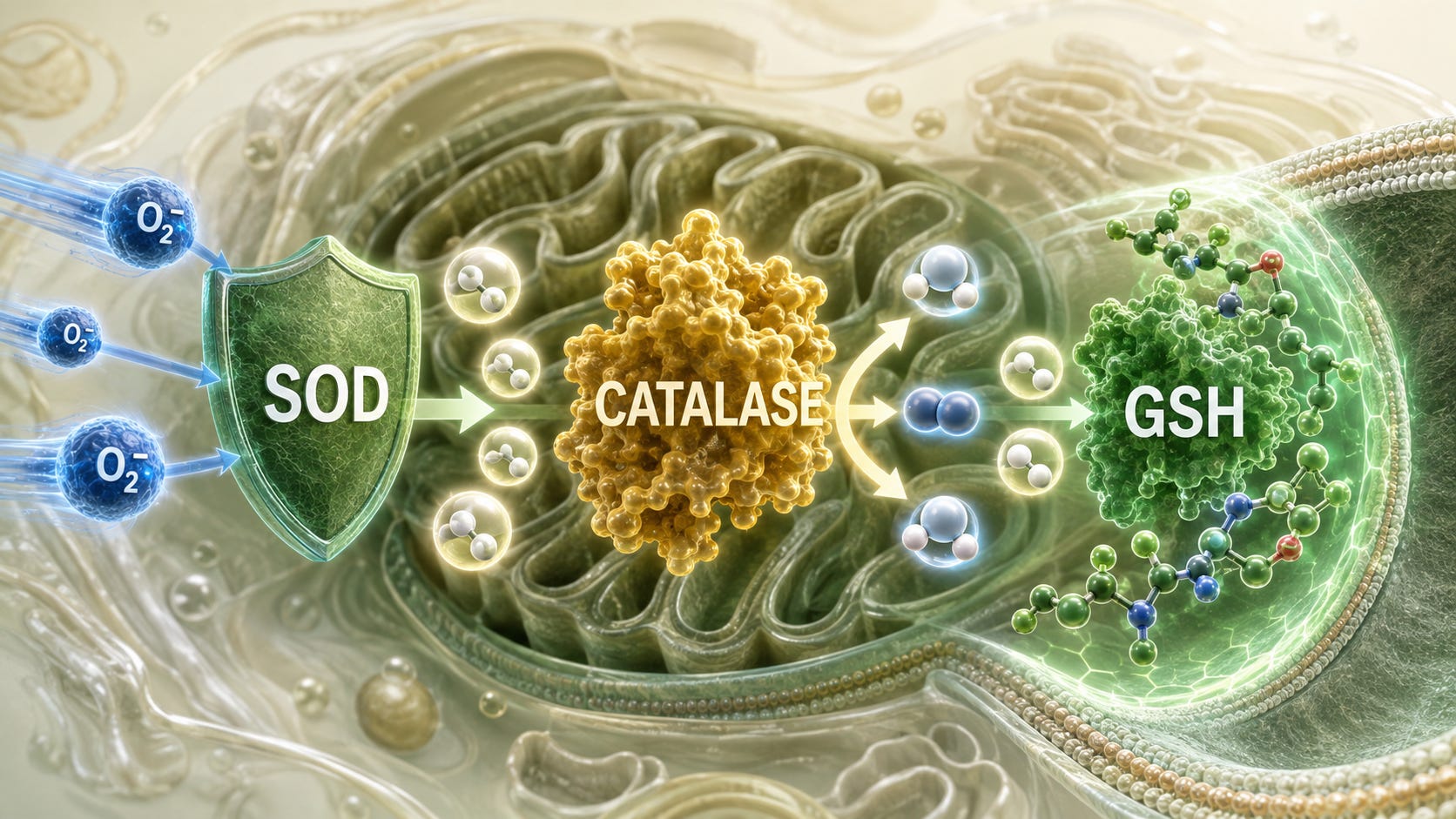
The cellular antioxidant system functions like a coordinated relay:
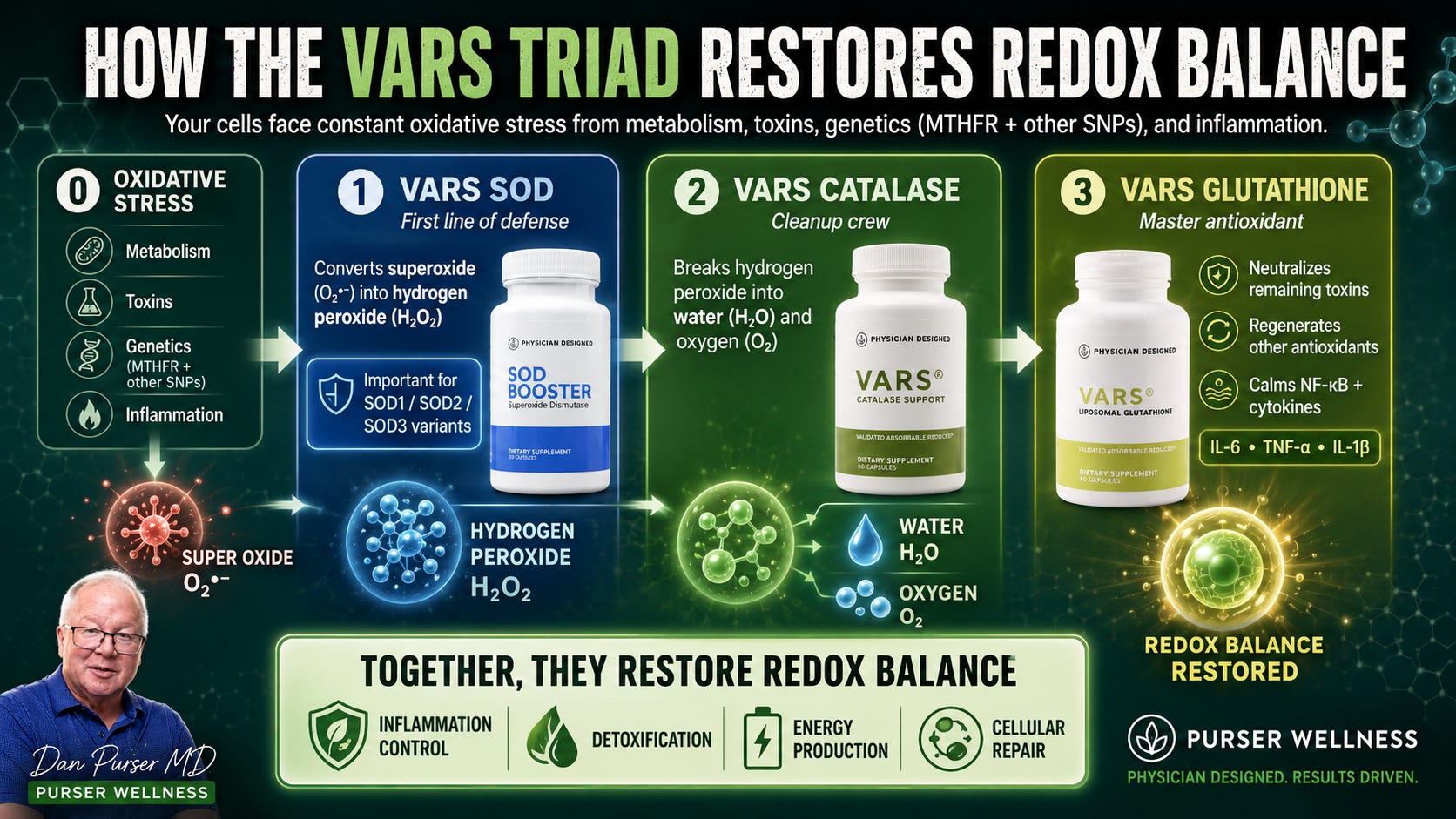
Superoxide dismutase, or SOD, converts the highly reactive superoxide radical into hydrogen peroxide.
Catalase helps break hydrogen peroxide down into water and oxygen.
Glutathione, working through glutathione-dependent enzymes, provides broader peroxide control, cellular redox support, and detoxification assistance.
This is the reasoning behind the Purser Wellness VARS Triad. VARS stands for Validated, Absorbable, Reduced, and Stable, four characteristics we consider essential when designing functional antioxidant support.
The goal is not to flood the body with as many antioxidants as possible. The goal is to support the correct molecules, in functional forms, at a pace the individual can tolerate.
Glutathione does not detox the body through a mysterious cleansing effect.
It works through biochemistry.
It helps the liver bind certain reactive compounds, supports their transport toward bile or urine, protects cells from the oxidative stress created during detoxification, and helps maintain the redox environment required for normal cellular function.
But detoxification is a complete pathway, not a single product.
You need adequate glutathione, functional enzymes, healthy transport systems, bile flow, kidney function, hydration, bowel elimination, and enough nutritional support to continually rebuild what the body uses.
When we understand that complete pathway, we can move beyond detox fads and begin supporting the body in a safer, more intelligent, and more personalized way.
To learn more about reduced glutathione and the Purser Wellness antioxidant system, visit the Physician Designed store.
Lu SC. Glutathione synthesis. Biochimica et Biophysica Acta. 2013.
Vairetti M, et al. Changes in glutathione content in liver diseases. International Journal of Molecular Sciences. 2021.
Ballatori N, et al. Plasma membrane glutathione transporters and their roles in cell physiology and pathophysiology. Molecular Aspects of Medicine. 2009.
Cooper AJL, et al. Metabolism of glutathione S-conjugates: multiple pathways. Comprehensive Toxicology. 2017.
U.S. Food and Drug Administration. ACETADOTE prescribing information. 2024.
Richie JP Jr, et al. Randomized controlled trial of oral glutathione supplementation. European Journal of Nutrition. 2015.
Sinha R, et al. Oral supplementation with liposomal glutathione elevates body stores of glutathione. European Journal of Clinical Nutrition. 2018.
This article is for educational purposes and is not intended to diagnose, treat, or replace individualized medical care.
No posts
Comments
Nothing yet. Say the first thing.
Sign in to join the conversation.