
Welcome to ZERO CRED, a newsletter about music, books, and music books. Last week I interviewed author Scott McClanahan about his fantastic new book Fights! and we ended up talking so much about music books that I was able to squeeze another post out of it. If you enjoy this, you might also like my weekly column which is primarily about music and books and music books and zines. It is available every Sunday to paid subscribers. Memberships are 50% off right now. Upgrade for only $2.50 a month.
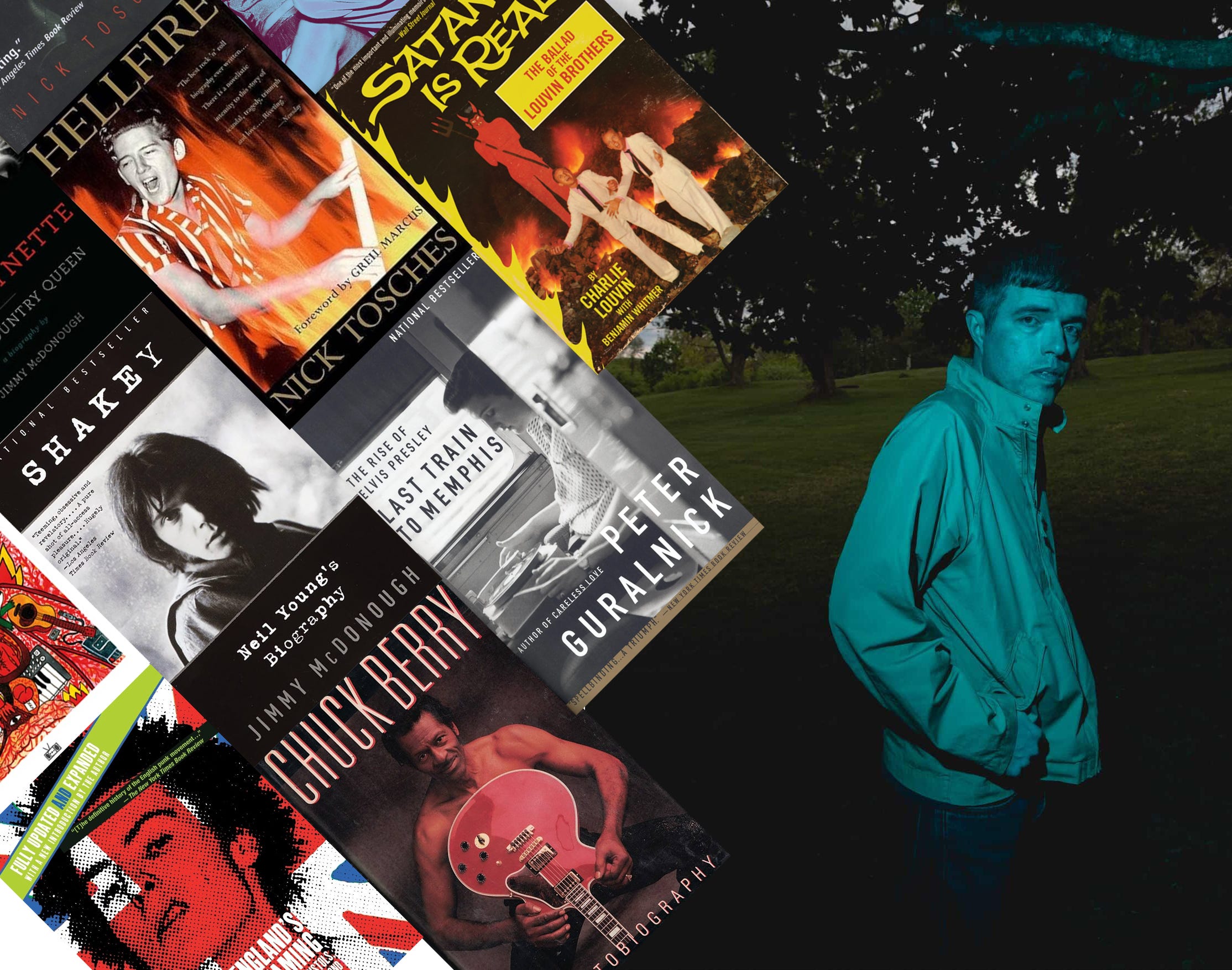
Not even ten seconds into our interview about his new book, Fights!, Scott McClanahan casually dropped a quote from T.S. Elliot. Over the next hour he also quoted or referenced Robert Penn Warren, F. Scott Fitzgerald, Ambrose Bierce, Leonard Cohen, Orson Welles, John Cheever, Machiavelli, Livy, Jean Cocteau, Tom Waits, and others.
It’s sort of daunting how well read the guy is and how easily he can slip words of literary wisdom into conversation. I felt especially humbled because the only thing I can quote with such ease is The Simpsons (first ten seasons only). And as far as being well read, well, I am read, but “well” might be a stretch. I might not be as well versed in the titans of literature, but if there’s one thing I do know, it’s books about music, since that is sort of my lane.
Towards the end of the interview, I mentioned that I was reading Meat Loaf’s memoir. (I told you I am a high-brow reader.) McClanahan’s eyes lit up. “I used to be a music biography freak!” he said. From there, the conversation went deep into his favorite music books and I wound up with an entire second interview.
It’s also worth mentioning McClanahan waded into these waters himself a decade ago, authoring an illustrated book on the life of the late folk singer Daniel Johnston called The Incantations of Daniel Johnston. It’s a phenomenal attempt to capture the life of a troubled artist that ends in a way that McClanahan has mixed feelings about, for reasons that are explained in the interview.
Do you have any favorite music books or authors?
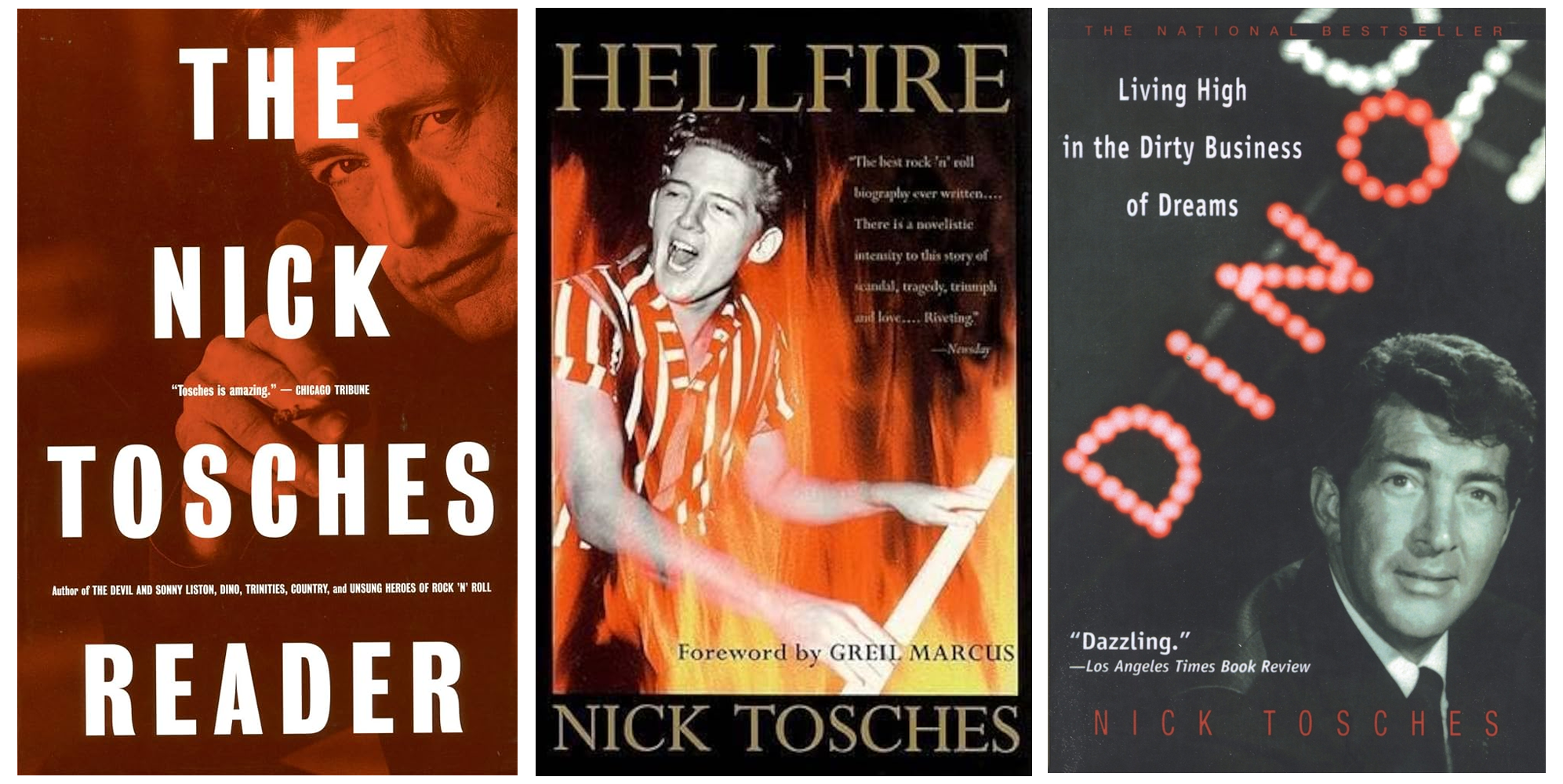
Scott McClanahan: I love Nick Tosches. There’s an essay from The Nick Tosches Reader that he wrote about George Jones. I also love Hellfire.
Hellfire is my absolute favorite.
I mean, it’s just like a piece of literature.
I figured you would like that one because the writing of it is almost Biblical in a sense, a fight over an irredeemable man’s soul. I know you’ve said you lean on a Biblical influence in your writing.
Oh totally. I love his novels, I love his nonfiction. There’s a book of his, Where the Dead Voices Gather. It’s about Emmett Miller who performed in Blackface and popularized “Lovesick Blues” which Hank Williams later copied. It’s a biography of this little-known guy, but it’s also the story of race in America.
I liked Dino for that reason, how it was a biography of Dean Martin but also a history of Italian immigration in Ohio.
Exactly. Dino was in Steubenville. That’s just across the Ohio River from West Virginia, so we considered him a West Virginia boy, when it comes down to it. The RZA was also in Steubenville for a while, so he’s a West Virginia boy, too.
Hang on. I’m from Staten Island and it straight-up offends me that you’re trying to claim RZA for West Virginia.
I think RZA was only there for only three or four years in high school. I think his family sent him down to Steubenville and he was living with a relative or something. But that’s a real West Virginia thing, where we just take people and say, “Yeah, he’s ours!” [Laughs]
I love Jon Savage, who’s a British author. He writes about punk. England’s Dreaming is one of his books that I absolutely love. I’ve missed his last few. There was one called 1966 which is about that year in music. I found out about him because he was writing about Britpop for NME, I think. There’s a funny interview with Jon Savage and Liam Gallagher where Jon Savage is explaining his theory of the key to rock stardom, which is androgyny. And Liam Gallagher’s like, “What’s that mean, androgynous?” And it goes on and gets more uncomfortable and more uncomfortable. Jon Savage, who’s a gay man, is trying to explain what it means. And then it clicks for Liam, and he’s like, “Oh, I look like a bird?” And Jon Savage is like, “Yeah, you have elements of femininity within your masculinity.” You can see Liam loves that. He’s like, “Yeah. If you’re a proper frontman, you’ve got to have a fucking good haircut. I always have a good haircut.”
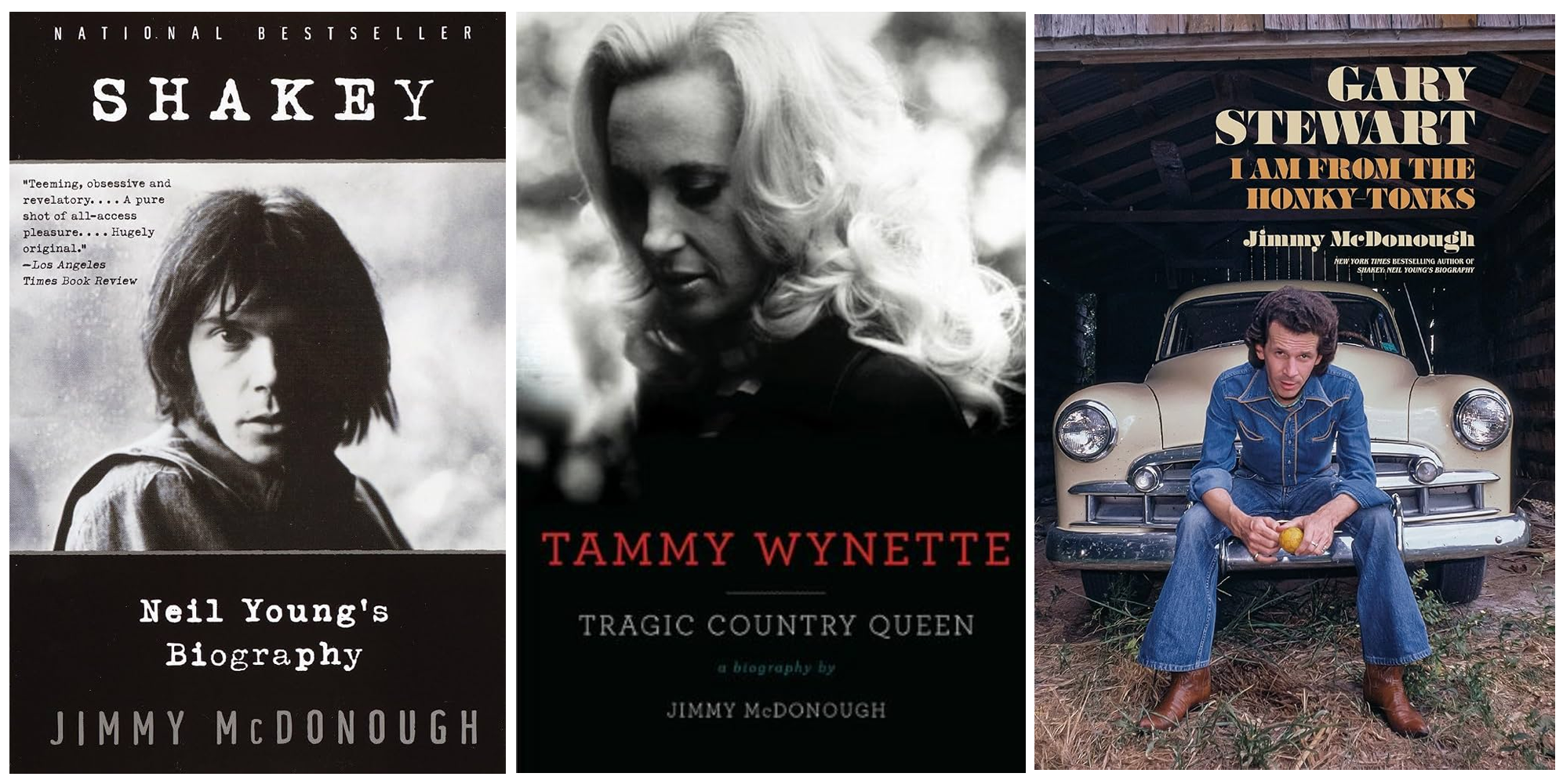
Jimmy McDonough, I love. He wrote Shakey about Neil Young. He just had a book come out about Gary Stewart that I absolutely loved. It’s also a travesty, and I want this in the interview, that Jimmy McDonough can’t get the project of his life about this little-known country singer Gary Stewart published in 2026. He had to publish small. It’s kind of a masterpiece. He has elements of oral history about the Stewart clan in between these biographical chapters about Stewart’s career with alcoholism, drug addiction, etc. I also love his biography of Tammy Wynette. Jimmy McDonough is just a great fucking writer. I just love him.
And of course I love Greil Marcus. I love a lot of his writing. Sometimes he gets a little too… I don’t even know how to describe it. You know the way Bob Dylan speaks all the time in interviews now? Like, “The wind of time is behind your back and you can’t see the sun anymore.” It’s like, what the fuck does that mean? You don’t even know what that means. And so there’s sometimes that within Greil Marcus.
What makes a good rock biography, to you?
What I love about rock biographies is they’re full of anecdotes. In every paragraph, there’s some weird thing that somebody’s researched and interviewed and found, and they’ve incorporated that inside of this easy-to-read text. There’s a biography of Captain Beefheart that I love that has some of my favorite anecdotes. It was that first summer when the Magic Band were all at the house, and one of the dudes was looking out of the corner of his eye and Beefheart’s behind him doing something. They have plates up on the shelves of the kitchen and all of a sudden this plate or this mug comes flying off the shelf and crashes to the ground and the dude’s like what the fuck! And Beefheart’s in the back of the room and he says, “I’m sorry about that. Sometimes I like to move stuff with my mind.”
I love that kind of stuff too. Because I expect the writer to be as accurate as possible, but with a story like that, in a way, I actually don’t care. I like a lot of fantastical things in a book where you actually can’t prove that it did or did not happen.
Exactly. Entertain me! That’s what’s wonderful about it, too. It feels like when the writer is doing a wonderful job, they’re entertaining you. All that stuff goes all the way back to the Greeks. Think about Herodotus’ histories. He’s critiqued for the same reasons. He hears that there is this particular animal in India and it’s obviously just some made-up animal that he’s put into his text. But he’s saying, I heard this story about this guy who saw this crazy animal. Isn’t that weird, reader? And that sort of stuff is just lifeblood.
I’ve written historical narratives about music that are reported, and I’ve also helped musicians write their memoirs. And I really like the memoir format because I feel like there is a tacit relationship you have with the reader going into it, where it’s understood that it’s one person’s recollection. The reader goes in knowing that. And I think there is even almost an expectation that some of the things will be exaggerated or misremembered. I like that playfulness that you get in a memoir.
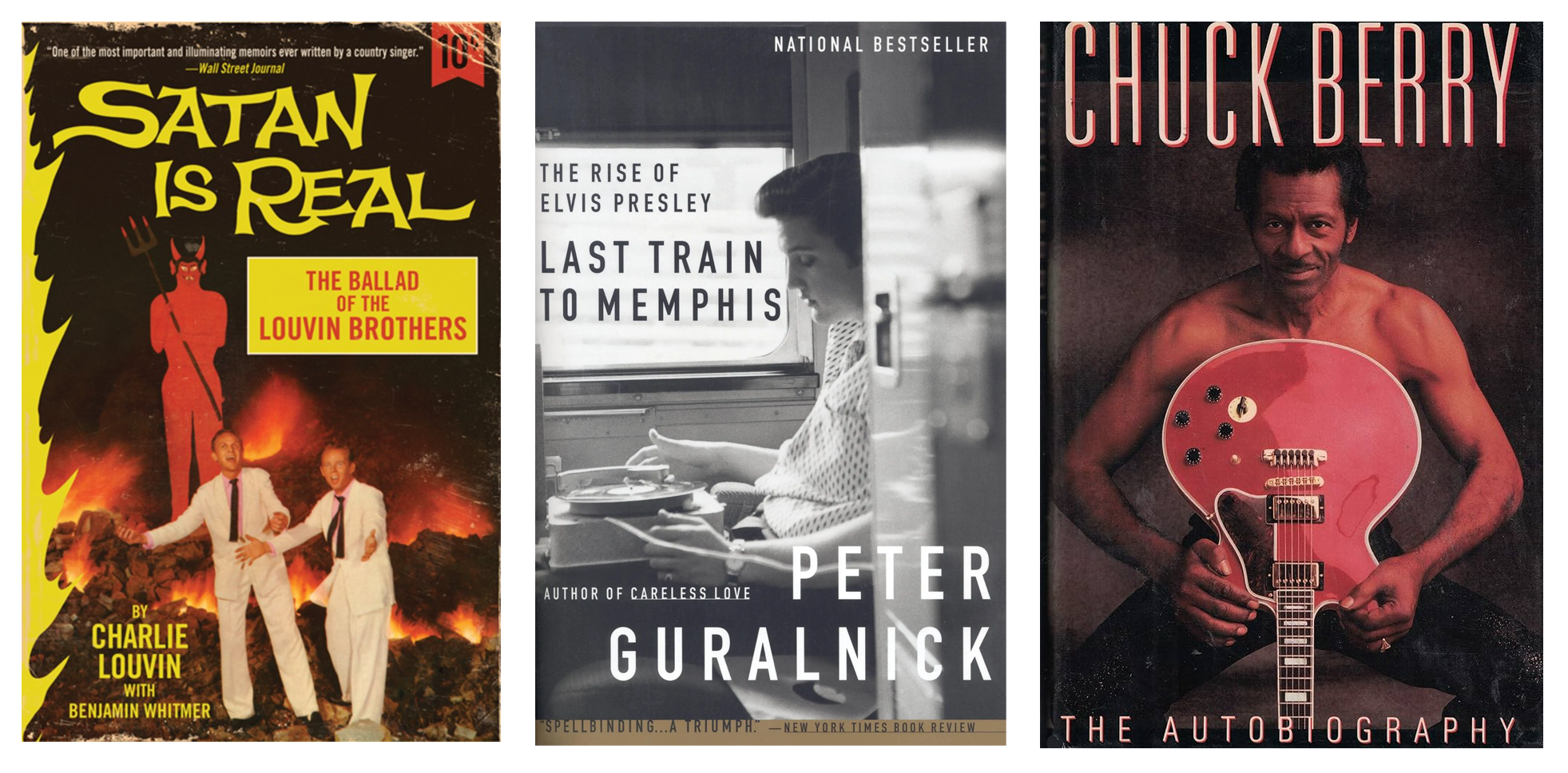
Totally. I also like Chuck Berry’s autobiography. It doesn’t feel ghostwritten. You know how with Keith Richards’ book, it’s like oh man this is amazing for a chapter or two, because you can tell Keith had been working on it. And then at page 50 it’s like, oh okay Keith’s no longer working on this. But I love the autobiography of Chuck Berry. He goes through his life telling all these crazy crazy awful stories.
Yeah. I’d rather have an imperfect voice than something sterile. I didn’t like the Springsteen autobiography for that reason. The voice was too folksy.
Well, he’s performing now. He’s performing a different sort of Bruce, which I think started coming a little bit with the Broadway show. It felt like a few years before the Broadway show, he started being part Barack Obama, part Bruce, part… kind of like a schtick. I think he believes in it, truly. But there’s this folksiness of the performance of the person that he is at this age.
Oh and I love Peter Guralnick and his biography of Elvis.
I liked the first one. What was the name of that one?
Last Train to Memphis is the first one. And his book on Sam Cooke is good. He has a book of essays. He has one on soul music and then one on country music. I think it’s called Lost Highway. There’s an essay in there that I’ve always been fascinated about on Merle Haggard. This was in like 1975 that this was written, and Merle Haggard’s in the back of the tour bus working on a novel. If I ever meet Peter Guralnick, I want to ask him about that novel. Like, what did that mean? Was Merle Haggard actually working on a novel to publish? I’d love to see it.
Did you read a lot of these books for research when you were working on that Daniel Johnston book?
I probably read the majority of them before. I used to love to read old rock biographies when I was young, because I wanted to kind of do what you’ve done. I thought I could be a music journalist, when that was still a very specific, cool Rolling Stone-kind of thing. My dad loved music biographies. I think I probably got it from him. I remember him one Christmas getting Jan Howard’s autobiography. You won’t know who Jan Howard is. That’s a real hillbilly reference right there. She had an affair with Johnny Cash while he was married to June Carter.
There’s another book that’s about the Louvin brothers. I think it’s called Satan Is Real, like the title of their album. It’s just a mind-blowing book. It’s written by Charlie, who was the surviving Louvin brother, and it’s an amazing autobiography. He was talking about indoor toilets, and how country people didn’t want indoor toilets. They kept their johnny house out back. They were like, “You don’t want to shit next to your kitchen. Who does that?” But we do that all the time now, don’t we? There’s so many little moments like that in that Louvin brothers book that are amazing.
By the way, back to that Daniel Johnston book, I love that book. I’ve gifted it to like four people for birthdays.
That was fun to do, and I took it seriously, too. I was kind of putting in all of my ideas about biography and, I guess, curses. I have kind of a bittersweet feeling about putting that curse at the end. I think it was a little ironic. I was trying to create a subjective Daniel Johnston, and you became Daniel Johnston at the end of the book [and were cursed]. But my wife was like, “I don’t know if you should do that, Scott. The intention of that is kind of messed up.” But I was like, “Oh it’s great though, it’s great!” On my birthday there was this massive flood in southern West Virginia that killed 23 people, and I’ve oftentimes wondered, like, did I do something? Did I create something in my own life by placing that curse at the end of that book? I love that book, but at the same time, maybe there’s this weird chaotic energy in there I don’t want to release.
I should stop giving it out as gifts, perhaps.
Yeah. [Laughs]

Fights! is available from Rose Books.
Oh and if you’re curious, here is a very incomplete list of music books I really like which also shamelessly includes my own books. More info about my books at my website.
Real life: PO Box 11352, Glendale, CA 91226
No posts
Comments
Nothing yet. Say the first thing.
Sign in to join the conversation.