
Hi horny readers! Thank you so, so much for reading ADULT SEX ED, a newsletter about the stories behind our sexual beliefs—where they came from, who invented them, and why they stuck.
I’m Dani Faith Leonard, a filmmaker, writer, and performer. A while back, I started to ask myself a question: why do we think what we think about sex? Expect investigative articles, weird sex history, and sharp humor, delivered to your inbox every week. Ready to plug the holes in your education? Okay, let’s go!

Originally, a “body count” referred to the dead after a war. Today, it often refers to the number of people we've slept with. Somehow, we've turned our most intimate relationships into casualty statistics. There’s no shortage of men discussing a woman’s “body count” on the internet, even though I’ve never had an actual human male ask me about mine.
In the 2026 Netflix documentary Inside the Manosphere, figures in the online space frequently emphasize that women should remain monogamous and express active disdain for women with high "body counts." Imagine discovering that someone you once slept with now thinks of you as a number? That's what body count culture does. It turns people into statistics, which is a strange way to talk about the people who helped shape our lives.
But what if we thought about our past partners differently? What if relationships weren't a scorecard, but a map of who we've become?
I recently spoke with Kirra Cheers, co-host of The List podcast alongside Elvira Lind. In each episode, a guest submits a list of people they've slept with—not to tally a score, but to revisit the stories behind each relationship. Produced by Mad Gene Media, the podcast treats every lover as a chapter in a larger autobiography.
Each list becomes a roadmap through the guest's life, allowing the hosts to revisit the people and experiences that shaped who they became. As Kirra puts it, "Body count culture strips people down to just data, and we're all about focusing on the stories. Your partners can often be a mirror to yourselves."

Kirra has spent a decade interviewing people about their lists and their sexuality. Before it was a podcast, The List was a photography book and then a play, and now she’s teamed up with Elvira and turned it into the podcast.
The project began with an accidental discovery: Kirra received a panicked call from a friend who had discovered her boyfriend's list of more than 300 past sexual partners while cleaning. But instead of focusing numbers, Kirra became fascinated by what the list represented: “Each name really represented a chapter in somebody’s journey. And then I started to think about how do the people we meet influence our journey and influence our identity and who we become?”
According to Kirra, a surprising number of men keep spreadsheets. (How Type A do you have to be to maintain a sex spreadsheet?)
I asked Kirra about the podcast story that surprised her the most. The story that stayed with her most belonged to a young football star who was shot nine times in the back. In the hospital, he found out that he was going to be paralyzed.
“A girlfriend starts coming to visit him, not someone he’d been intimate with, but just a friend. And they develop a connection. And then he confesses after several months that one of his greatest concerns is that he’s not going to be able to get an erection and have a family and leave a legacy. Having sex in the hospital bed gave him the will to live.”
On paper, she would increase his "body count" by one. In reality, she gave him a reason to keep living. That's the difference between counting bodies and telling stories.
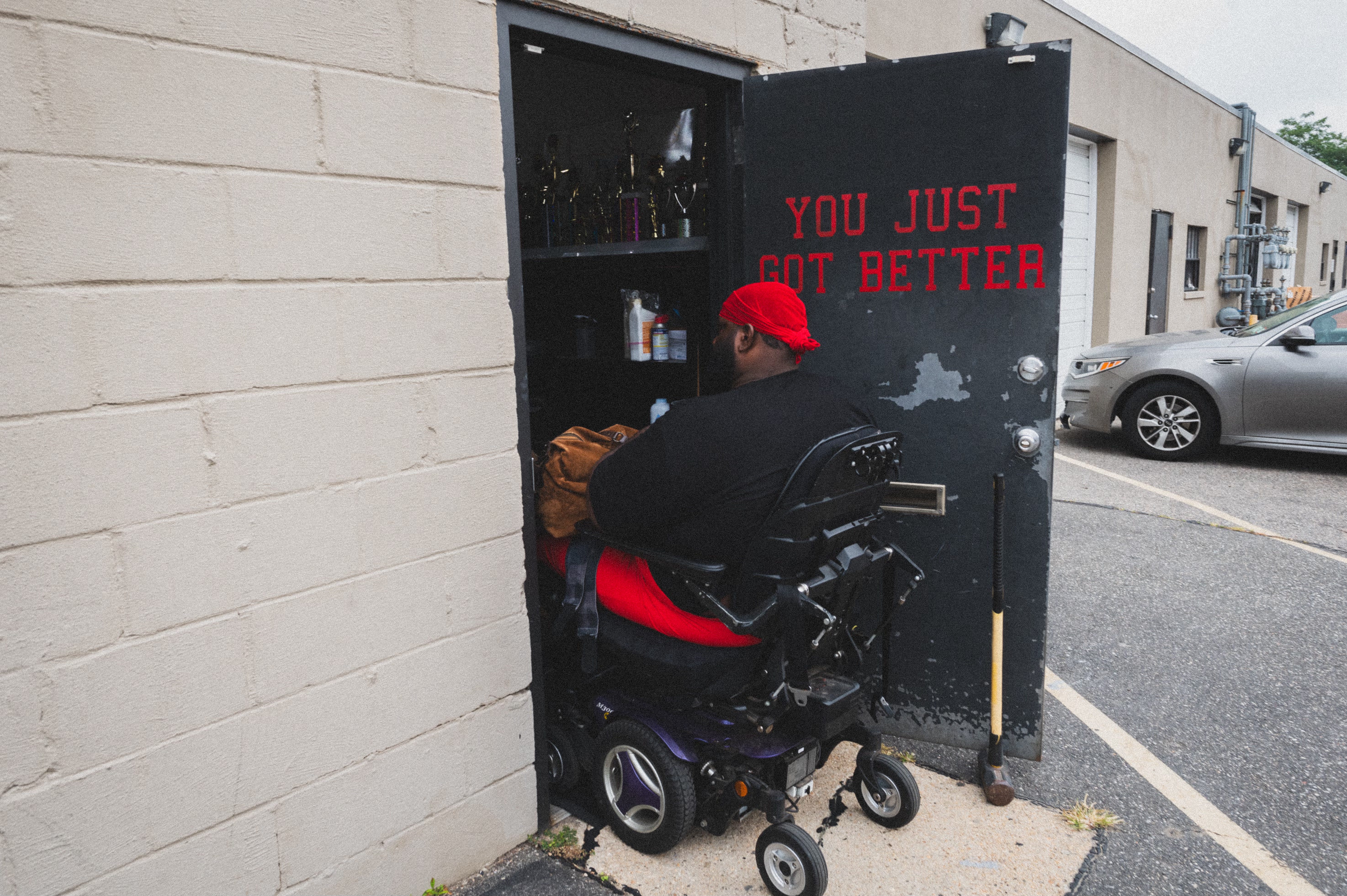
On the podcast, a list of lovers is a tool for self-discovery. Instead of the body count conversation, your own list of lovers can illuminate things about yourself, and represent key moments in the story of your life. Of course, we all have at least one name on the list that makes us think, What on earth was I going through? But those chapters belong in the story too.
Our past relationships (even if they lasted three minutes) deserve better than being reduced to a statistic. They're stories. And stories are far more interesting than numbers.
Find out more about The List.
Listen to The List here.
Make sure you’re subscribed so you never miss a post!
If you enjoyed this newsletter, please share with friends, so they can be hilariously informed! You’ll get rewards every time you share and can earn a comped membership.
Don’t miss these recent newsletters:
Comments
Nothing yet. Say the first thing.
Sign in to join the conversation.