
Hi horny readers! Thank you so, so much for reading ADULT SEX ED, a newsletter about the stories behind our sexual beliefs—where they came from, who invented them, and why they stuck.
I’m Dani Faith Leonard, a filmmaker, writer, and performer. A while back, I started to ask myself a question: why do we think what we think about sex? Expect investigative articles, weird sex history, and sharp humor, delivered to your inbox every week. Ready to plug the holes in your education? Okay, let’s go!
This week, I’m resharing an updated history of one of my favorite quacks.
When we think of quack doctors and the people throughout history who misdiagnosed women for their own personal gain, the mugshot that frequently comes to mind is that of a man. And usually, that was the case—women were diagnosed with “hysteria” from ancient Greece through the 1950s.
For centuries, women have been sold products they never needed. On June 30th at 12pm ET, I’m co-hosting a Substack Live with Danielle Bezalel from the popular podcast Sex Ed with DB called The Invention of “Female Problems” to disect this topic! RSVP here.
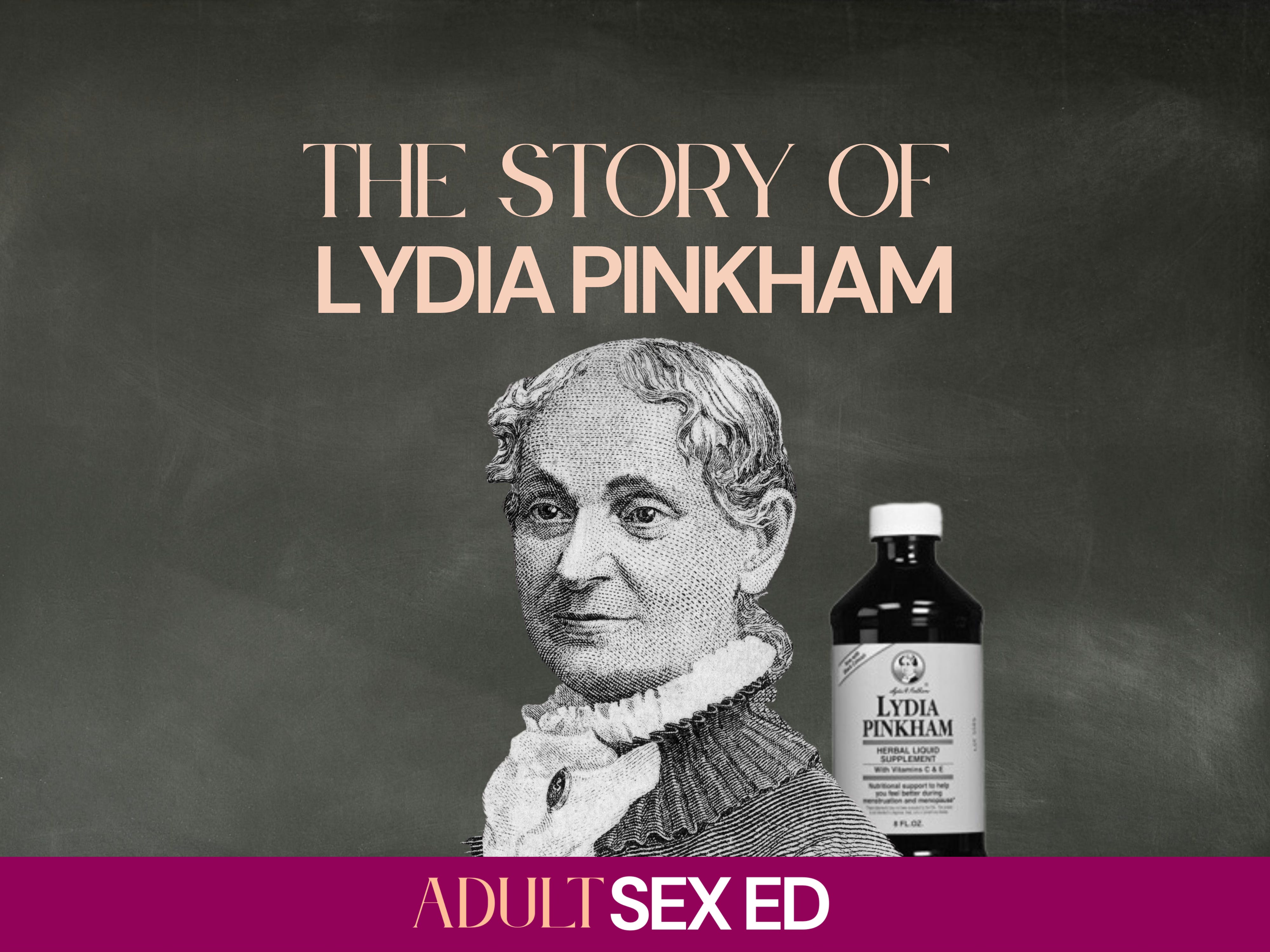
But it wasn’t only men who preyed on women with dubious products. Enter Lydia E. Pinkham: marketing pioneer and owner of one of the most popular patent medicines of the 19th century.
In recent years, Instagram influencers and celebrities like Gwyneth Paltrow have used their platforms to promote vaginal steams, coffee enemas, jade eggs, diet cleanses, and rectal ozone therapy. I’m not a doctor, but most doctors do take issue with blowing ozone gas up your butthole. Some of these methods have been around for a while: vaginal steaming has been around for centuries in several cultures as a home remedy, but not an expensive spa treatment. Other recently marketed products include Lemme Purr Probiotic Lollipops—pineapple flavored lollipops for your vagina sold by Kourtney Kardashian—and I recently saw an ad for Vipstick, which is lipstick for your “other lips.” There’s yoni candy, flavored wipes and a deodorant called “Happy Hoo-ha.”
What if I told you there was an original snake-oil saleswoman who revolutionized marketing and set the stage for the likes of GOOP and Dr. Oz? Her name was Lydia E. Pinkham and researching her life was a complete joy.
Lydia was born into a family of strongly abolitionist and anti-segregation Quakers in Lynn, Massachusetts. Frederick Douglass was a neighbor and a family friend. Lydia worked as a schoolteacher before getting married to a husband who never found his own financial success, so the earning fell to her.
In the 1800s, the reputation of the medical profession was very low. Medical fees were too expensive for most Americans to afford except in emergencies. Sound familiar? Many preferred to trust unlicensed "root and herb" practitioners, and especially women who were prepared to share their domestic remedies. Like many women of her time, Pinkham brewed herbal potions for ailments.
Her remedy for "female complaints" became very popular among her neighbors to whom she gave it away for free at first, like a sucker. Lydia would claim that her feminine compound cured headaches, constipation, menopause, insomnia, depression, cancer, tumors, women's diseases, flatulence, menstruation, and fertility. By the early 1870s, the Pinkhams had been ruined financially, and in 1875 the idea of turning the remedy into a family business was born.
So, what’s in this magic compound? The original recipe, created by Pinkham in her home kitchen, contained black cohosh, life root, unicorn root, pleurisy root, and fenugreek seed. The unicorn root allegedly gave energy to the uterus, like Jason Momoa (if that’s your taste). The pleurisy root allegedly helped cure a prolapsed uterus, which I’m sure is completely legit. Black cohosh is still used today to treat symptoms of menopause. Most importantly, her elixir contained 20% drinking alcohol, which solves literally anything.
Mass marketed from 1876 on, Lydia E. Pinkham's Vegetable Compound became one of the best-known patent medicines of the 19th century. Sure, the medicine was special. But what was really extraordinary about Lydia was her flair for marketing.
From the start, her product was marketed as for women, by women (FWBW?). One of her sons recommended that she use her face on the packaging, so the company made history as the first to use a woman’s likeness in advertising. That sounds crazy, but even the women’s products at the time were created by men. Since Lydia’s was the first face on an advertisement, she was also the first to be trolled. She was inundated with body-shaming hate mail slamming her 'cast-iron smile' and 'nightmare face.' But Lydia was laughing all the way to the bank.
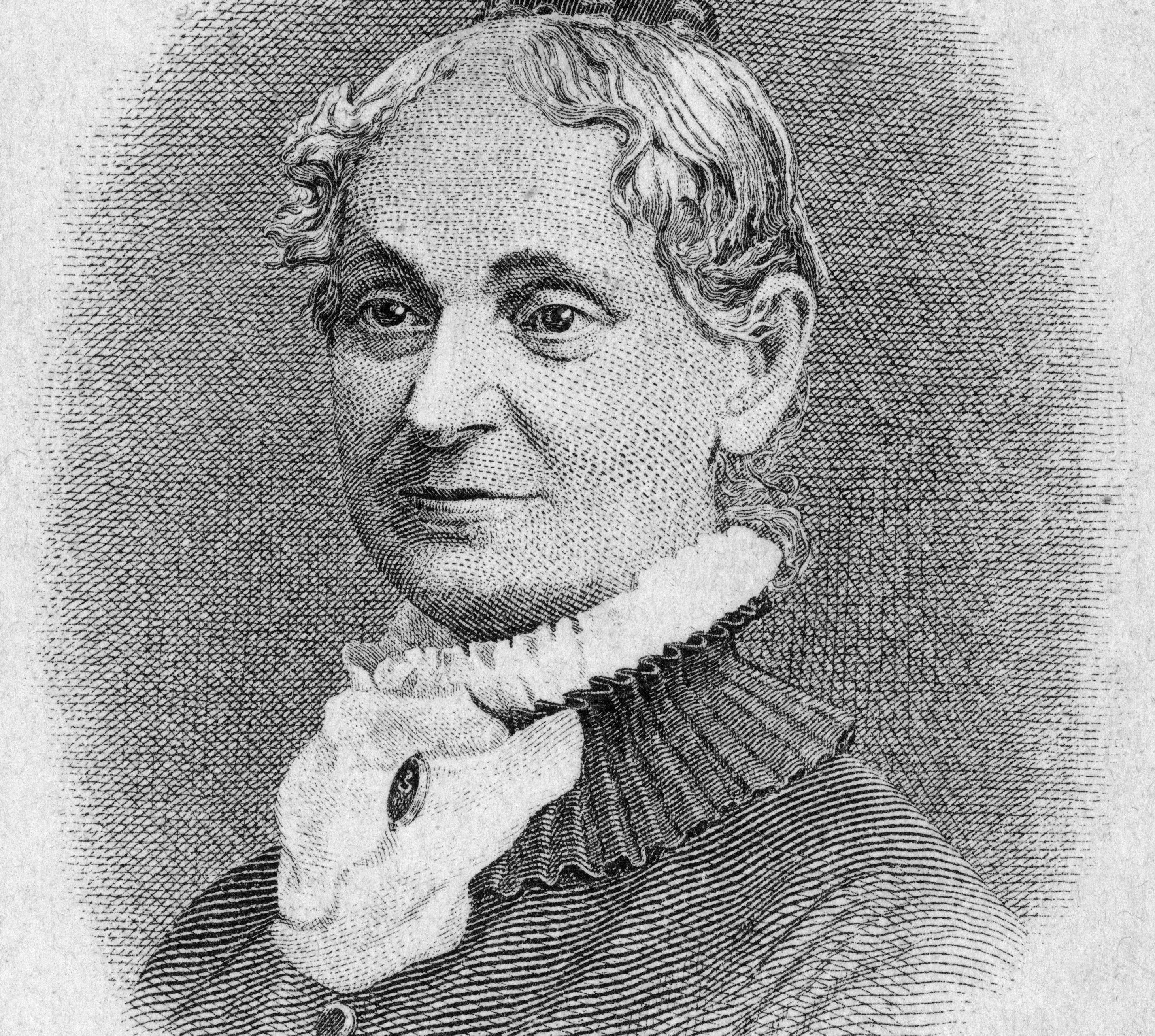
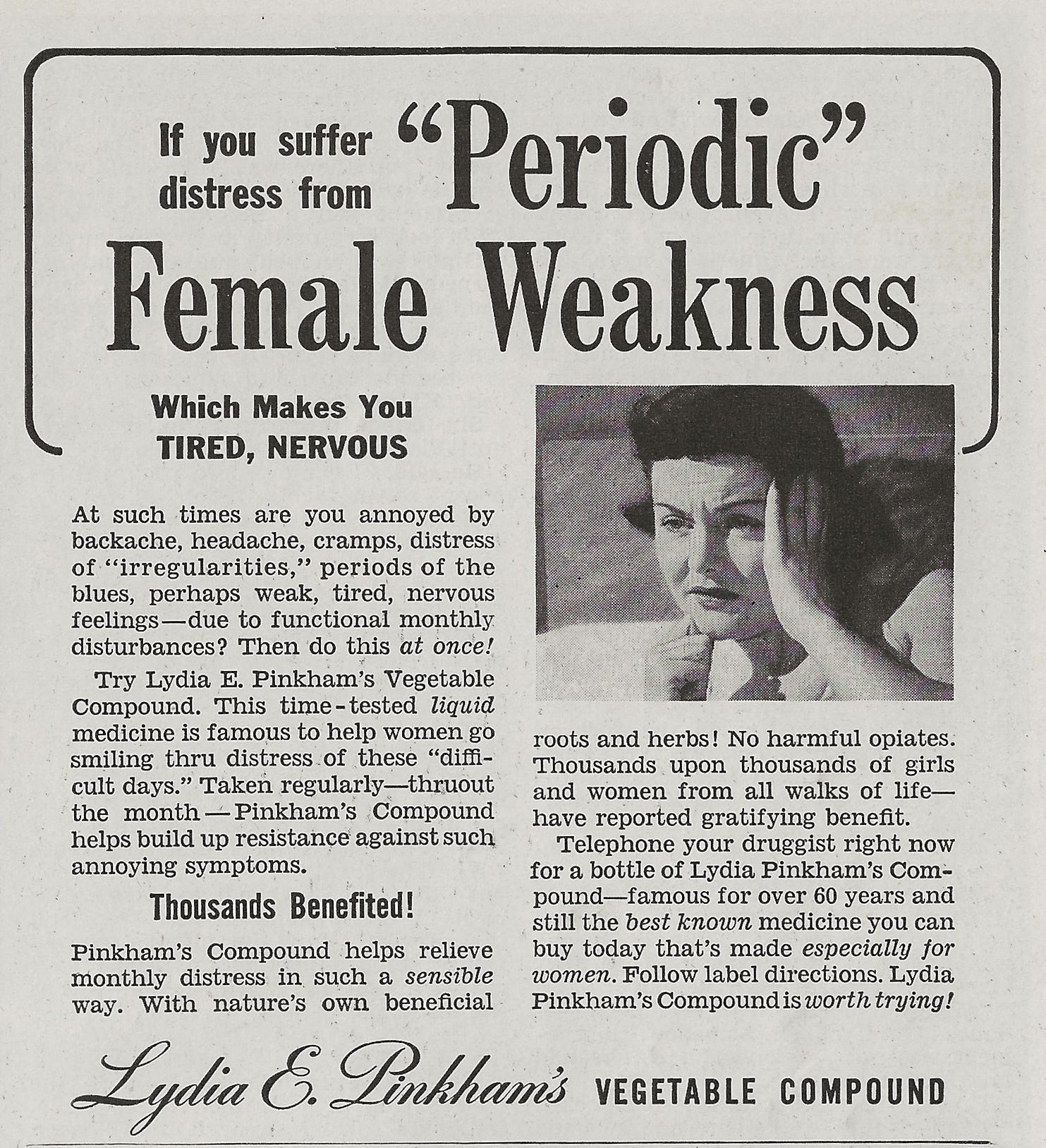
Lydia established herself as Ann Landers meets Doctor Ruth and declared herself the “savior of her sex” in advice packets she created and published, which were innovative in their frank sex-ed advice and in their use of testimonials.
Lydia’s advice packets explained menstruation and childbirth in very frank terms. Some of her advice packets were health-related, but she also released cookbooks and advice on finances and relationships. While the information was revolutionary, the pamphlets contained tons of misinformation and were filled with sexist tropes in line with the times. No matter what your personal ailment, the cure was always “Lydia E. Pinkham’s Vegetable Compound.”
Lydia’s “medical” textbook, A Private Textbook on Ailments Peculiar to Women, was the first of its kind to be given out for free. I purchased an original decrepit copy on eBay. The book starts by explaining menstruation, motherhood, and menopause. But halfway through the book, Lydia explains some of the other ailments that a woman might have. Is your womb falling out of your body? She has the cure. It’s Lydia E. Pinkham’s Vegetable Compound. Strange discharge? Drink the compound. Have a tumor? Definitely the vegetable compound. Are you hysterical or psychotic? Drink up!
Her use of testimonials in her pamphlets was legendary. Women were urged to write to Mrs. Pinkham and she corresponded with many. My favorite testimonial was in between recipes in Lydia’s cookbook:
AS IF I MUST SCREAM. I was a nervous wreck and I just had to force myself to do my work. Even the sound of my own children playing made me feel as if I must scream if they did not get away from me. I could not even speak right to my husband. The doctor said that he could do nothing for me owing to my condition. My husband's grandmother advised me to take Lydia E. Pinkham's Vegetable Compound. I was able to do my work once more, and it was a pleasure, not a burden. MRS. EMILY DAVIS
Well, since the dosage is once every four hours, Mrs. Davis was shitfaced!
Women continued to write and receive answers to their questions for decades after Pinkham's own death. In 1905, the Ladies' Home Journal published a photograph of Lydia Pinkham's tombstone and exposed the ruse.
In the years following Lydia’s success, companies that made menstrual pads and tampons published booklets for pubescent girls that promoted their own products. Lydia’s marketing tactics are still used today by self-help gurus, TV doctors and other health and wellness professionals who have something to sell.
Though most of the medical claims were completely ridiculous, Lydia E. Pinkham’s vegetable compound is still available today at a Walmart near you. It’s been modified from the original version and it won’t get you shitfaced when you’re on your period, but some of the herbs in the compound are recognized by health practitioners and experts in natural medicine as helping relieve the symptoms associated with menopause and menstruation. There’s a nugget of truth in every scam!
One hundred years before Dr. Oz was slammed for promoting weight loss products and sued for making factually deficient claims about olive oil, Lydia Pinkham created the framework for a bullshit TV doctor! She will go down in history as a marketing genius so legendary that she was memorialized in a folk song called The Ballad of Lydia Pinkham. During the Prohibition era, the medicine had a particular appeal as a readily available 40-proof alcoholic drink, and it is likely that this aided the song’s popularity.
Then, in 1968, the song was reimagined as a drinking song called Lily the Pink, which was recorded and released by the UK comedy group The Scaffold, and it reached No. 1 on the UK Singles Chart. Backing vocalists on the recording included Graham Nash, Elton John (then Reg Dwight), and Tim Rice; while Jack Bruce (of Cream) played the bass guitar. Lydia would have been so proud. Or at least she would have been completely wasted.
xx
For centuries, women have been sold products they never needed. On June 30th at 12pm ET, I’m going live on Substack with Danielle Bezalel from the popular podcast Sex Ed with DB to co-host The Invention of “Female Problems.” We’re going to dive into some weird history and we’d love to have you there.
Make sure you’re subscribed so you never miss a post!
If you enjoyed this newsletter, please share with friends, so they can be hilariously informed! You’ll get rewards every time you share and can earn a comped membership.
Don’t miss these recent newsletters:
Comments
Nothing yet. Say the first thing.
Sign in to join the conversation.