
I’ve noticed a new genre taking over my Instagram feed.
The viral high protein recipe.
High-protein cottage cheese flatbread. Cottage cheese bagels. Cottage cheese pizza crust. Cottage cheese bread that gets whirled around in a blender, spread onto a sheet pan, baked, flipped and then used as a wrap.
Every time I see one, I have two immediate thoughts:
Well, that is clever.
And:
I am never making that.
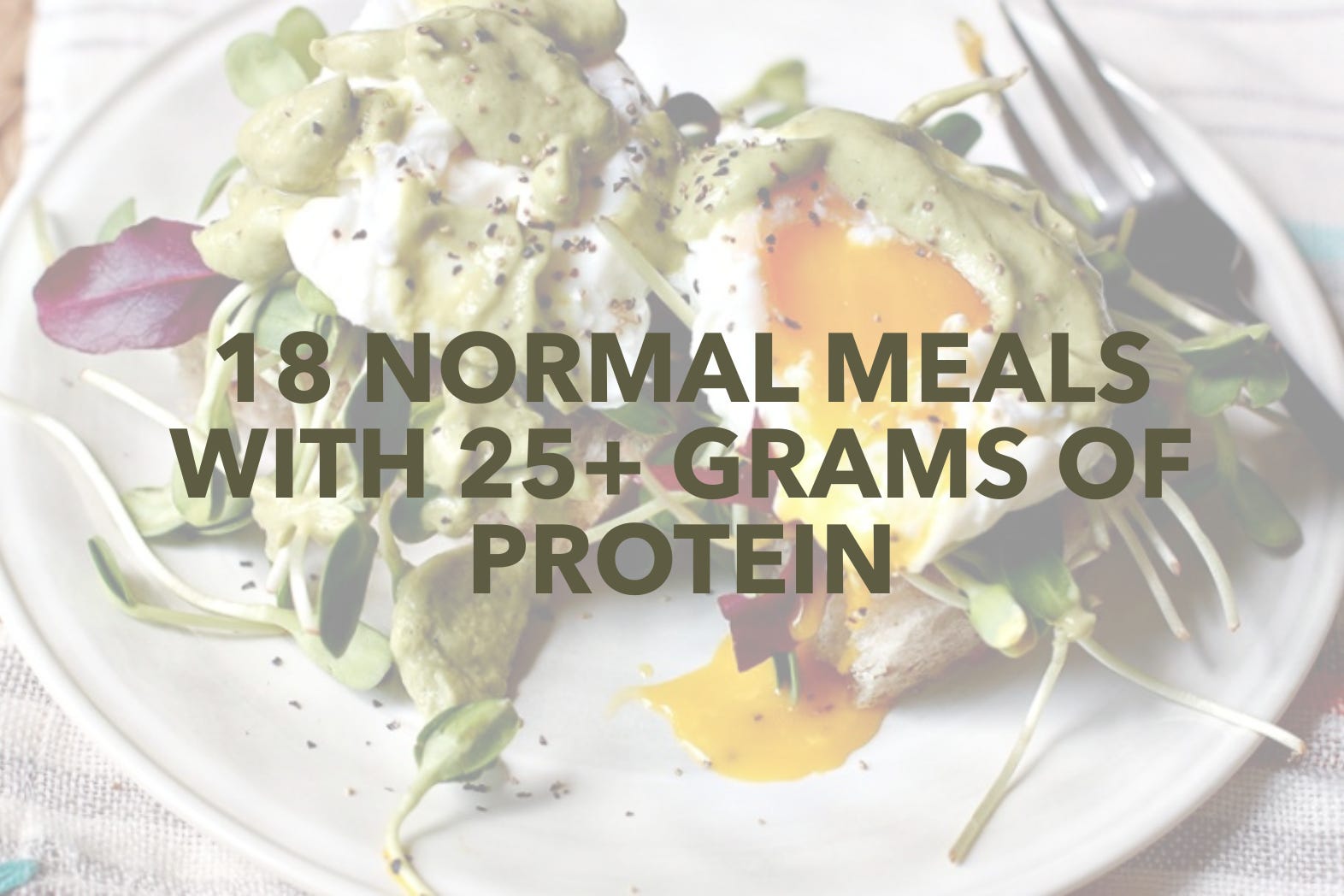
I say this as someone who genuinely likes to cook and usually has cottage cheese in the fridge. I am simply not convinced that my lunch needs to become a science fair project.
I recently tried one of those viral recipes for air-fryer “fried protein bites” made with Parmesan cheese and egg whites. Norah was so excited about the possibility of them being delicious that she picked up a Costco-sized container of Parmesan for me.
Let’s just say the Parmesan is now paying rent in my refrigerator.
The bites were technically edible. I made one batch. Nobody was fighting over the leftovers.
This seems to be the case with many recipes designed to help us eat more protein. They look impressive on Instagram and TikTok. But they often require twelve steps, me turning on my oven — no thank you — and a willingness to turn cottage cheese into a structural building material.
And sometimes they’re just gross.
By now you absolutely know that women in midlife need more protein than many of us are currently eating.
Protein supports recovery from strength training. It helps make meals more satisfying. It helps us preserve muscle as we age. And maintaining muscle becomes increasingly important once we hit our 40s.
So you start trying to eat more of it…
and then breakfast rolls around.
You grab a piece of toast and 2 hard boiled eggs and wonder whether that is enough. You eat a salad for lunch and realize the few decorative pieces of chicken on top are not doing much heavy lifting. You show up to dinner exhausted, throw something together, and promise yourself that tomorrow you’ll do a better job.
Or you buy a giant tub of Parmesan cheese because someone on Instagram made air-fryer protein bites look life-changing.
The problem we have here is not that you need another lecture about protein.
The problem is that nobody has shown you what 20 to 30 grams of protein looks like when you’re hungry, busy, and just trying to make a normal meal.
Your exact protein needs depend on your body size, activity level, health history and goals. This is not a universal prescription.
But for many women, aiming for roughly 20 to 30 grams of protein at each meal is a practical place to begin.
It’s enough structure to be helpful without requiring you to weigh your food, obsess over every gram, or add protein powder to things that were perfectly lovely without it.
You also don’t need to reinvent every meal around your protein choices.
Pick two breakfasts you like. Find two or three lunches you can repeat. Keep a few easy dinners in rotation. Use leftovers. Make it boring enough that it actually happens.
I will not lie: I eat the same dinner multiple times per week. The trick is that I absolutely love it, look forward to it, and have perfected it enough that I can make it taste a little different every time.
In that spirit, here are a few meal ideas made from normal, everyday foods that can get you where you need to be, with or without cottage cheese.
Protein counts are approximate. Brands, portions and recipes vary, so check your labels when it matters.
1 cup Greek yogurt + 2 tablespoons hemp hearts + berries + walnuts
Approximately 25–30 grams of protein
This takes less time than making toast. Add cinnamon, thawed frozen wild blueberries or a spoonful of peanut butter if that makes you happy.
2 eggs scrambled with ½ cup cottage cheese + chopped tomatoes + 1 slice sourdough toast with butter
Approximately 25–28 grams of protein
Cottage cheese is allowed to remain cottage cheese. Whip it into the eggs before scrambling, stir it in near the end or serve it on the side with some berries.
2 eggs + ½ cup black beans + 1 ounce shredded cheese + salsa in two street-taco tortillas
Approximately 25–28 grams of protein
This is also an excellent use of leftover beans from dinner. Add avocado, greens or sautéed peppers if you have them.
3 ounces smoked salmon + 2 eggs + avocado toast + cucumbers or tomatoes
Approximately 28–30 grams of protein
This feels a little fancy but requires almost no cooking. It also works beautifully when you are tired of sweet breakfasts.
½ cup oats + ¾ cup Greek yogurt + ½ cup milk + chia seeds + berries + honey
Approximately 24–28 grams of protein
Your oatmeal does not need to be a lonely bowl of carbohydrates. Make two or three jars at once and breakfast is handled.
1 cup plain kefir + ¾ cup Greek yogurt + frozen berries + peanut butter or powdered peanut butter + cinnamon + a splash of cold-brew coffee
Approximately 25–30 grams of protein
A smoothie can be useful when you have an early morning or no appetite. Add protein powder if you want, but you don’t have to!
1 can tuna + ½ cup white beans + arugula + tomatoes + olives + lemon + mayo + olive oil
Approximately 28-30 grams of protein
Yes, lemon, mayo and olive oil.
This is the lunch to make when you believe there is “nothing in the house.” It takes five minutes and gets even better with capers, fresh herbs or a little feta.
4 ounces (organic) rotisserie chicken + hummus + cucumber + tomatoes + feta + greens in a pita or wrap
Approximately 30+ grams of protein
Rotisserie chicken is not cheating. It is infrastructure.
5 ounces tofu + ½ cup shelled edamame + steamed quinoa + crunchy vegetables + sesame dressing
Approximately 28-30 grams of protein
This is one of the easiest ways to build a satisfying plant-forward lunch without relying on a sad sprinkle of chickpeas.
4 ounces leftover salmon or 1 can salmon + ½ cup chickpeas + greens + cucumbers + roasted vegetables + lemon-tahini dressing
Approximately 28-30 grams of protein
This is why cooking an extra serving of salmon at dinner is almost always worth it.
3 ounces turkey + 1 slice cheese + avocado + greens + mustard on hearty whole-grain or sourdough bread
Approximately 28–30 grams of protein
Serve it with soup, fruit or sliced vegetables. Lunch doesn’t need to be complicated, just enough.
A generous bowl of lentil soup + a dollop of plain Greek yogurt + pumpkin seeds + a slice of toast
Approximately 22–28 grams of protein
Soup can be a full meal. It may simply need a little support. Leftover chicken or turkey sausage also works well here.
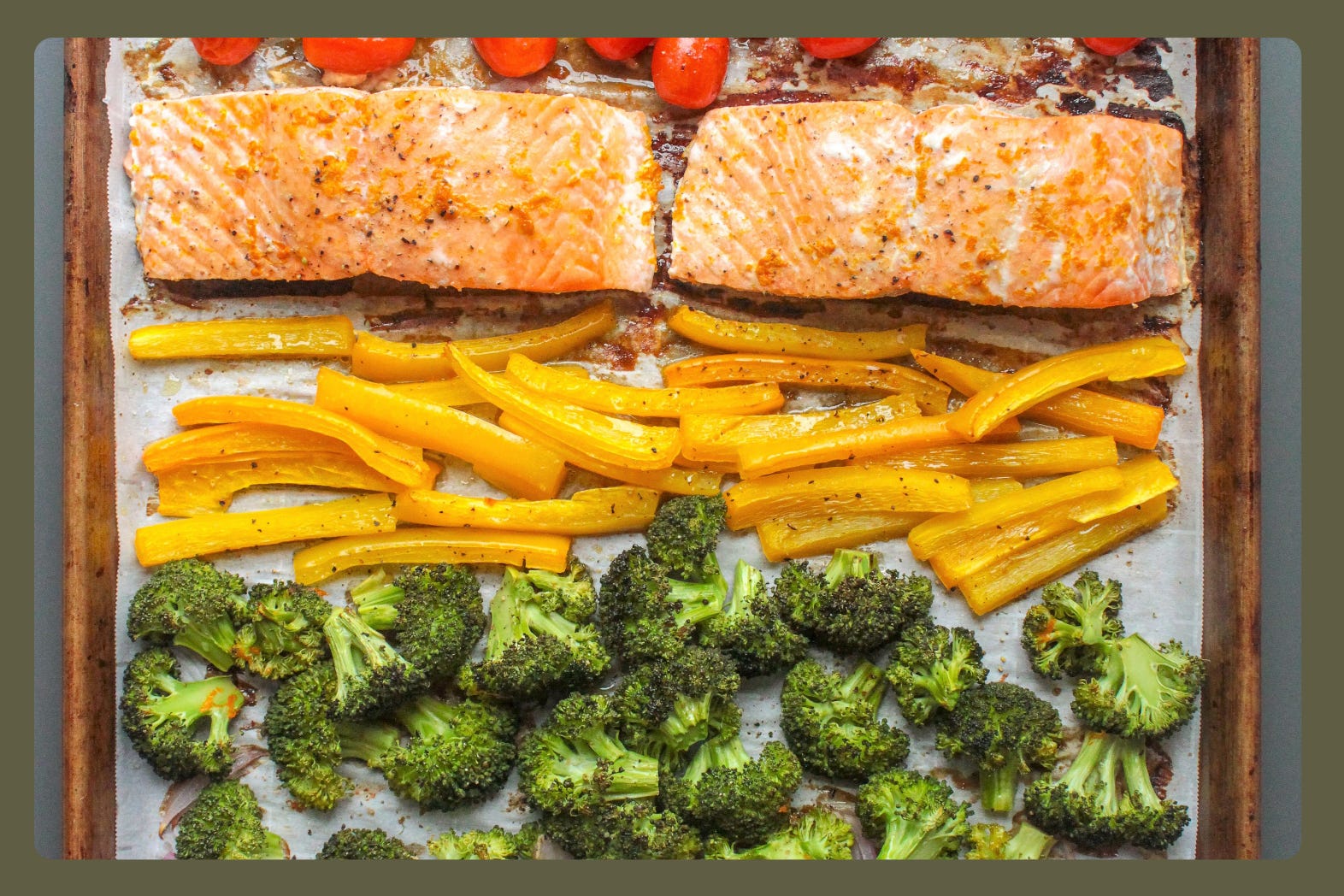
4 ounces shrimp + cabbage slaw + salsa + avocado + black beans in corn tortillas
Approximately 25–30 grams of protein
Shrimp cooks in minutes. Keep a frozen bag in the freezer for evenings when dinner has somehow become a surprise.
Ground turkey sauteed with onion + marinara + arugula or sautéed spinach
Approximately 25–30 grams of protein
Make a double batch and freeze half. Your future self will appreciate it.
Chicken sausage + ¾ cup white beans + broccolini + olive oil + Parmesan
Approximately 22–28 grams of protein
Roast everything together until the edges are crispy. Add lemon at the end. Check the sausage label because the protein content varies quite a bit by brand.
And yes, this is a perfectly reasonable use for my ginormous container of Parmesan.
4–6 ounces salmon + roasted potatoes + a generous salad with herbs and vinaigrette
Approximately 23–30 grams of protein
A satisfying dinner does not have to be complicated. Sometimes it is simply a piece of fish, crispy air-fryer potatoes and a salad you actually want to eat.
4 ounces lean beef or turkey + roasted sweet potatoes + greens + pickles + tomatoes + avocado + your favorite burger sauce
Approximately 23–28 grams of protein
You can also put the burger on a bun. Or smash it onto a tortilla and pan-fry it until crispy.
3–4 ounces rotisserie chicken + 1 ounce shredded cheese + spinach or peppers in a tortilla, served with salsa and a cabbage salad
Approximately 27–30 grams of protein
This is barely a recipe, which is exactly why it belongs on the list.
You do not need to abandon the meal and begin again.
Add one small thing:
a side of Greek yogurt
a hard-boiled egg
a scoop of cottage cheese
a handful of shelled edamame
leftover chicken, salmon or shrimp
white beans or lentils
a sprinkle of hemp hearts or pumpkin seeds
a glass of kefir
cheese and a piece of fruit
Protein powder can be useful too. But it is simply one option, not an identity.
You do not need to make all eighteen meals.
Choose two breakfasts that sound realistic. Pick two lunches you would willingly eat more than once. Choose three dinners your household will not complain about.
Then add the rhythm pieces that help the food work even better.
Get outside for a little morning light before breakfast when you can. Add whatever vegetables are actually in season and look good at the farmer’s market. Make lunch your biggest meal. Eat dinner before the sun goes down.
Nothing extreme here. Nothing requiring a deep emotional commitment to cottage cheese.
Protein becomes much easier when you stop treating it like a math problem and start treating it like a small design decision you make when you build a meal.
And if you genuinely love cottage cheese bread, I support you.
Please take some Parmesan home with you.
xo Danielle 💛
Save this post for the next time you’re standing in the grocery store wondering what you’re supposed to eat.
And send it to the friend who has also been personally victimized by a viral high-protein recipe.
This post is public so feel free to share it 🙏
If you’re new here — I’m Danielle, a Registered Dietitian and Rhythm coach. I write about midlife metabolism, circadian biology, and what it actually looks like to age well in a body that’s asking for something different. Glad you’re here. 💛
Comments
Nothing yet. Say the first thing.
Sign in to join the conversation.