
Before 2020, the best way to ensure a successful book launch was to create free content and grow a sizable following that was interested in your message well beforehand. The goal was to begin sharing your thoughts online years in advance to build an audience that knows, likes, and trusts you by delivering massive value in advance.
You’d focus on a social platform to drive public awareness of your ideas—in the beginning, this was blogging. Eventually, public platforms expanded to podcasting, YouTube, Facebook, Twitter (X), Instagram, TikTok, and all others. As you grew your public audience, you’d send that public traffic to your website to collect email and SMS information so that you could follow up later individually with consumers of your content.
Eventually, you’d monetize that audience by cashing in on their goodwill from the years of free value you provided in the form of a book launch. This method still works, bit it’s missing a step. The cultural meta around social media has moved from audience building to community building.
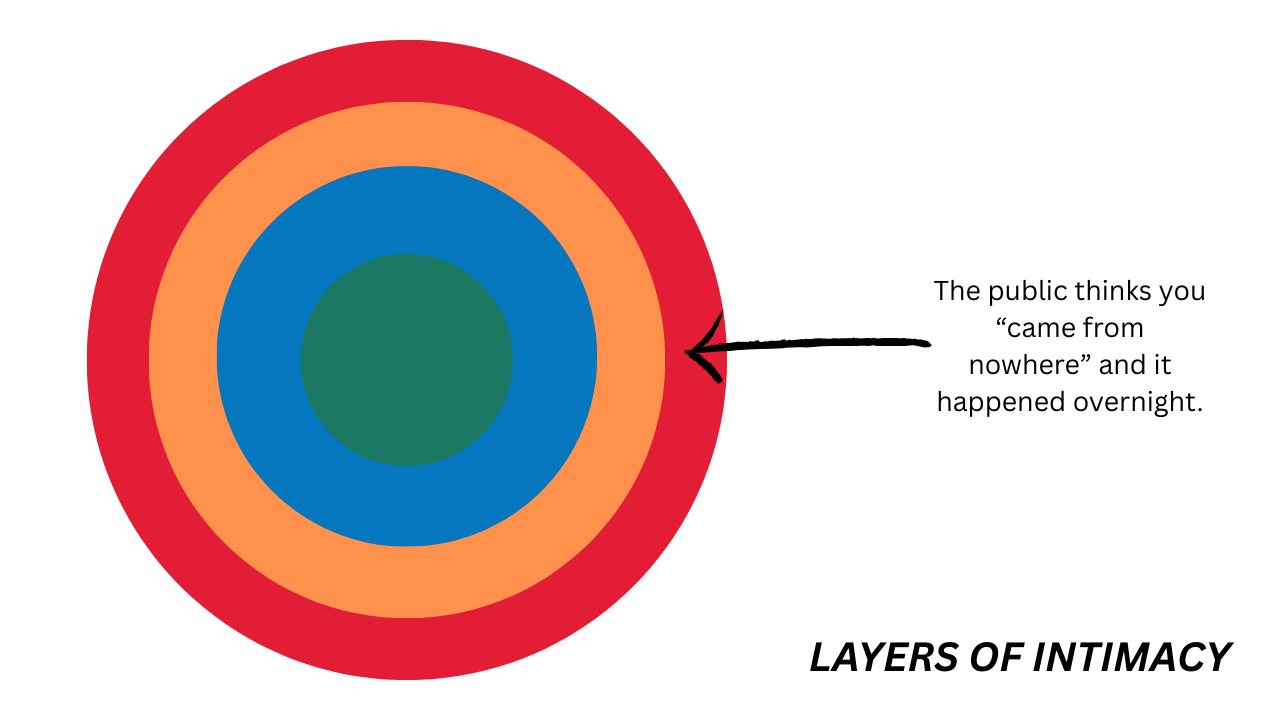
Before we dive into exactly what that means, I’d like to present my model of social engagement on the internet called The Four Layers of Intimacy.
I don’t know if that’s a good name. I made it up in 30 seconds.
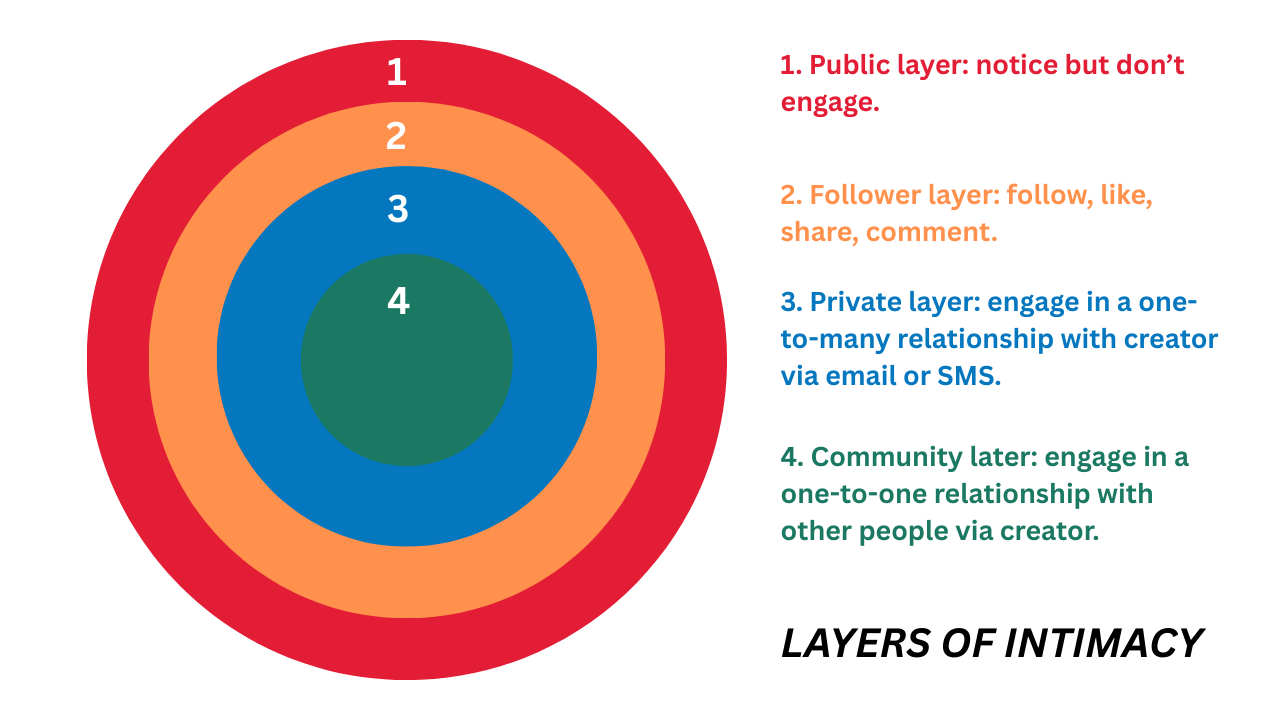
This is the “general population” of the internet which includes anybody who could potentially notice what you post, but doesn’t necessarily like or engage with your work. They could also be people who “hate watch” your content— meaning they actively dislike you for some reason, but they still consume your work because it gives them a perverse satisfaction.
These are the people who like, share, and comment on your work. They are genuine fans who become your “audience” and will likely follow you across multiple different apps.
The word “audience” in this context implies a one-to-many relationship where the creator is at the center of the wheel. The creator is the source of the connection and commonality between all the followers. Accumulation on this level is what most people think of when they hear the word “influencer”—which I never liked and I believe has finally gone out of style, by the way. Good riddance.
These are people from your group of followers who’ve actively elected to hear more from you via email or text message. They form a relationship with the creator that feels more private because it’s not broadcast on social platforms and can be customized in some ways.
This is still one-to-many relationship with the creator in that most people on the private level are getting some version of the same message. The creator is not sending individual messages out.
A smaller number of people will move from the Layer #3 to Layer #4. At this stage, you have people who are committed to a cause, not necessarily a person.
The word “community” in this context implies a group of people bound by a set of common interests or values who are connected to each other as much or more than the primary leader of the group—often taking initiative to design and lead the group as they see fit.
In the audience building paradigm, content is created and messages are broadcast like proclamations to the world. There is a comment section and creators often interact with their fans, but the fans don’t interact much with each other.
If the creator puts out content on gardening, its likely that most people in the comment section are also probably interested in gardening—but the connection remains between individuals and the content they’re consuming instead of the individuals interacting with each other.
This is part an intentional design of most feed-based social media apps, not a bug.
As the internet becomes even noisier and more crowded, the paradigm is shifting from audience building to community building because users want to feel connected with each other—and because creators need more control over how their messages are distributed.
The growth of tight “micro-communities” is not a new phenomenon, it’s a resurgence of the early internet days.
It’s been said that business is just the process of bundling and unbundling services. Like cable television, which bundled content, only to be unbundled (the re-bundled) by streaming services—now social media is being unbundled in the form of various community platforms.
What used to exist on niche message boards in the early 2000s (remember the Bodybuilding.com forums, anyone?) moved to Facebook groups, and niche forums died. Years later, Facebook groups have gone through their own collective death spiral, and the community elements are unbundled again on platforms like Skool, Circle, Kajabi, and Mighty Networks — who all seem to be doing a good job facilitating communities for thought leaders across different verticals.
The effect of this trend is that within communities, the following is much more engaged and intentional because a user must specifically login to a dedicated platform to engage with your material—as opposed to interacting with the material on a platform like Facebook, where they are simultaneously being bombarded your competitors and unrelated advertisements designed to distract them.
In Layer #4, sheer volume of people doesn’t matter as much. Hell, we’ve seen small, dedicated militias topple governments. What matters is commitment. The users of your private community are more valuable than your social media followers and even your email/SMS list because of how deeply engaged they are with each other—not how amazing your content is, though that is a factor.
It will be the relationships they make with each other and the opportunities they encounter on your platform that keep them coming back.
Building a dedicated following on a short form platform (Layer #1 → Layer #2)
Sending that traffic to your website where you can capture their information (Layer #3)
Providing free info via email / SMS, and moving the most engaged people to a dedicated community (Layer #4)
Most authors launch their book publicly by trying to go as wide as possible. They want to get awareness with PR, get their social media numbers up, and make a big splash. This is misguided.
My recommendation based on the above framework is to launch your book from the inside out, beginning the book launch process not from the most public layer, but the most intimate layer.
Here’s how that would look.
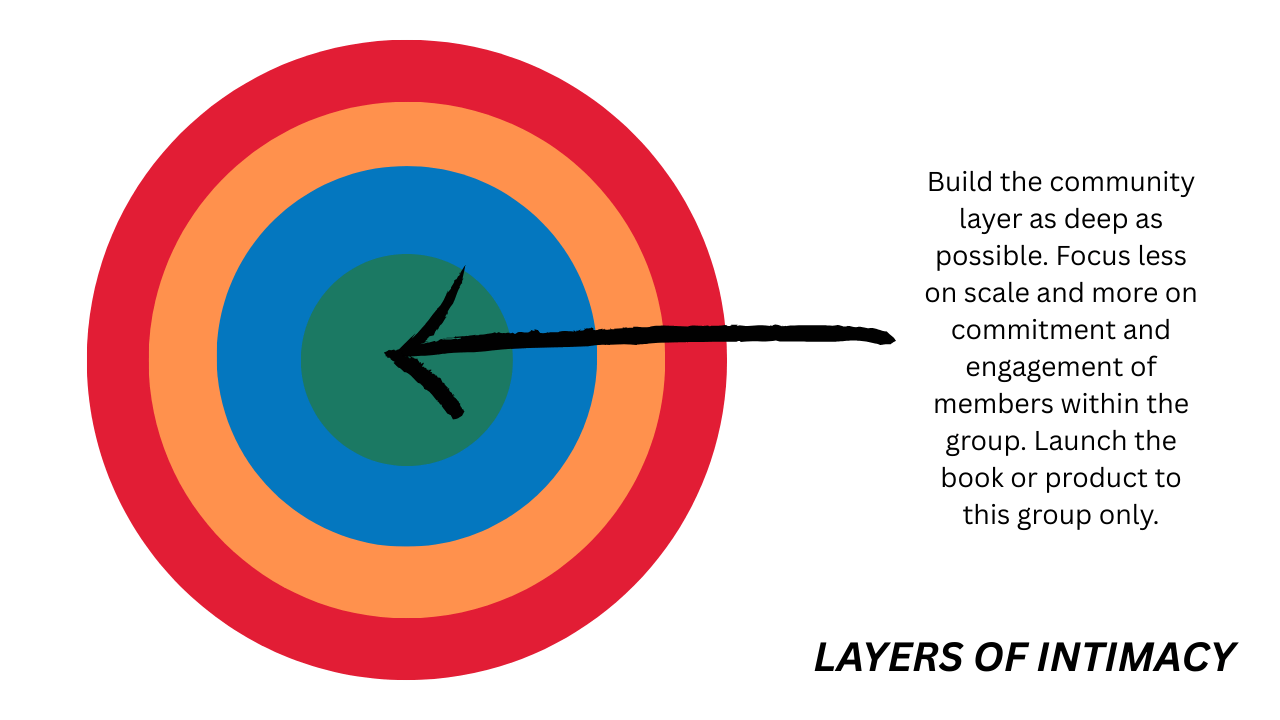
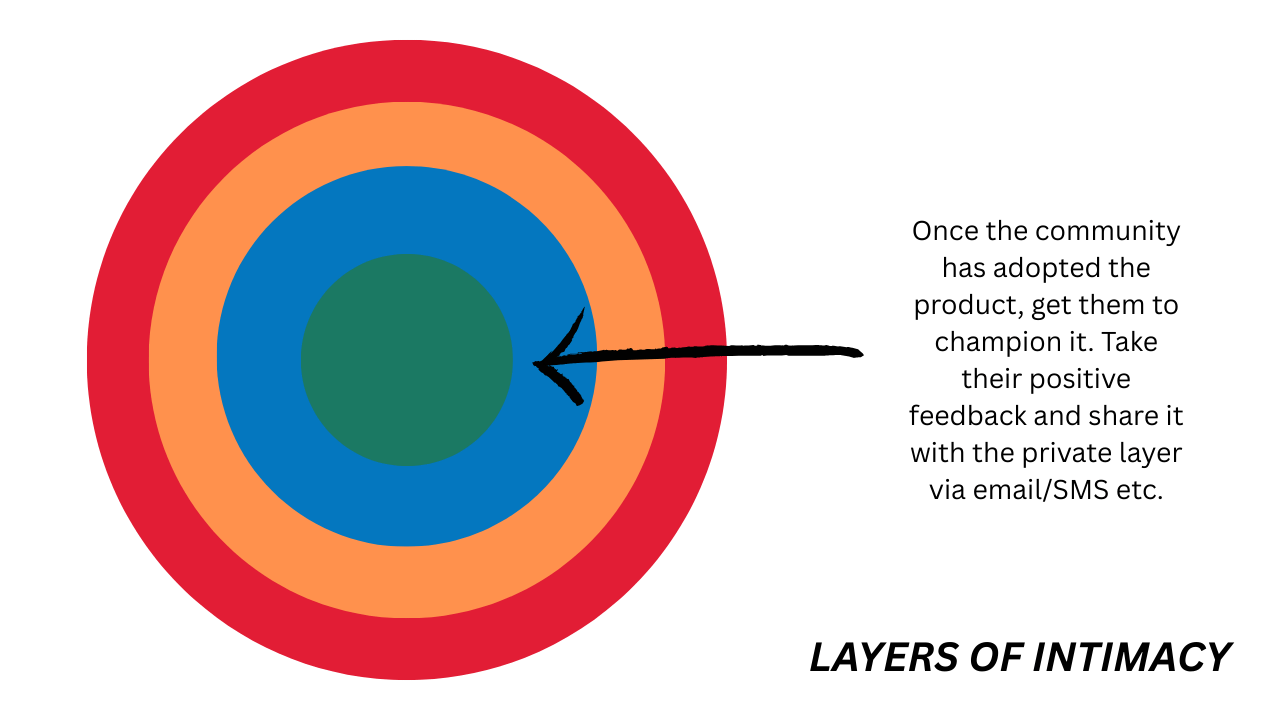
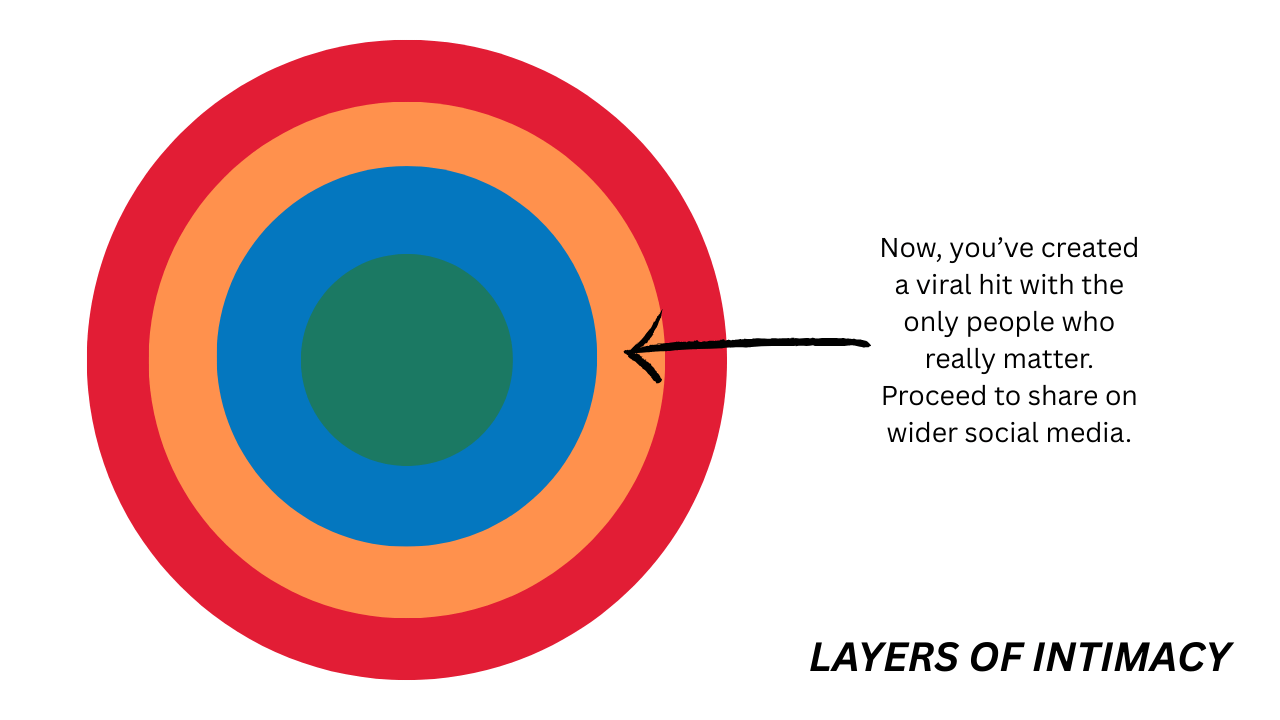
Ok, I have a lot more to say, but I have a writing deadline for an upcoming New Wave Press release and have spent about two hours on a post that was supposed to take 30 minutes.
If this helped you figure something out, good.
PS: if you’re interested in what we’ve learned from our book launches, this post has a ton of interesting data:
No posts
Comments
Nothing yet. Say the first thing.
Sign in to join the conversation.