
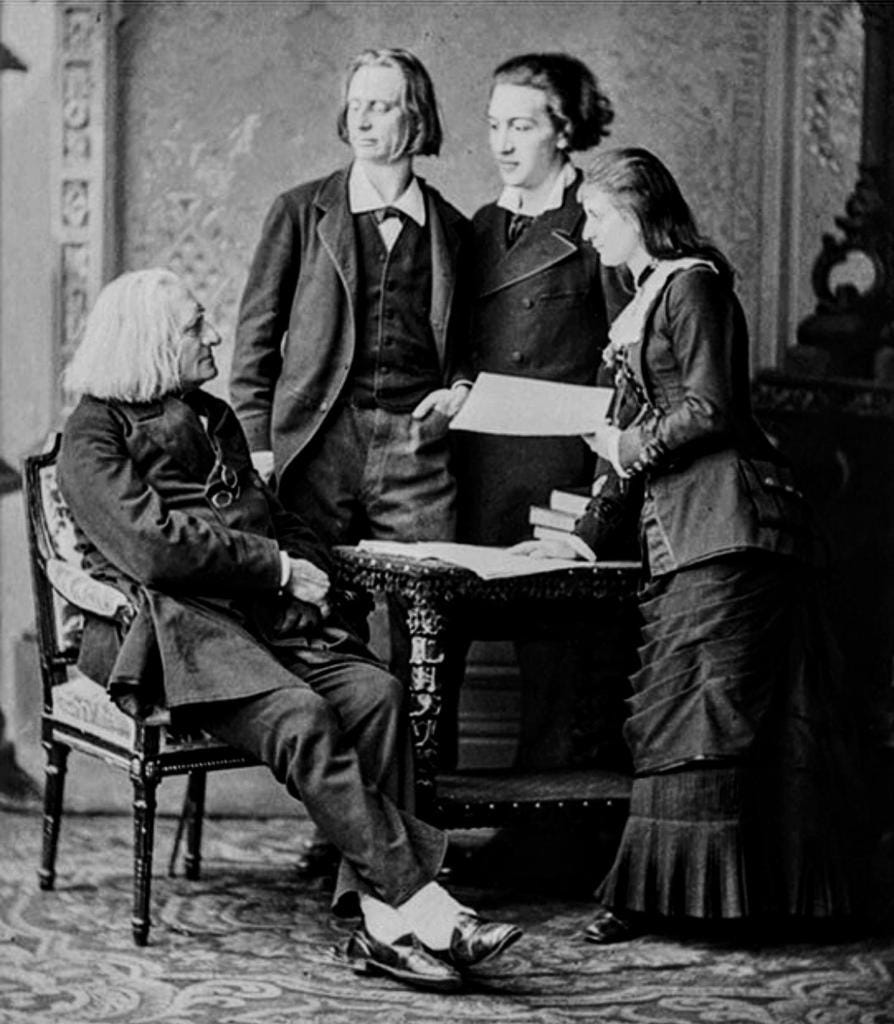
A few years ago, I found a dusty 19th-century practice journal in a used bookshop. The owner? A student of Franz Liszt. Its first entry read: “6 AM: Scales. 8 AM: Arpeggios. Noon: Weeping. 3 PM: More scales.”
Intrigued (and slightly terrified), I swapped my sleek piano app for this relic. No gamified rewards. No “Great job!” pop-ups. Just me, a metronome from the last century (a literal swinging pendulum), and the haunting specter of Liszt’s work ethic.
Spoiler: I lasted 7 days. But what I learned blew my mind—and my calluses.
Forget “10 minutes a day!” 19th-century virtuosos treated practice like boot camp:
Drill Sergeant Discipline:
Liszt practiced 12 hours daily. Clara Schumann’s dad made her play in the dark to memorize pieces. No screens. No shortcuts. No mercy.The “Play It 100x” Rule:
One Chopin pupil’s diary: “Played Étude Op. 10 No. 1 forty times today. Still sounds like a dying cat.”Focus > Fluff:
Apps bombard you with sheet music, tutorials, and “relaxing playlists.” The 1800s? You got a single étude and a teacher who’d slap your wrist for rushing.
Why it worked: Repetition forged muscle memory so deep, you could play blindfolded in a hurricane.
Let’s be real—these methods were brutal:
No Feedback, Just Shame:
Miss a note? Your teacher sighed, “Perhaps knitting would suit you.” No app to gently say, “Try again!”Injury Central:
Robert Schumann ruined his hand with a finger-strengthening device. (Spoiler: The 1800s had no OSHA.)Exclusive AF:
Lessons were for the rich. Everyone else? Good luck deciphering Beethoven’s handwriting.
Compare this to today’s piano apps:
Gamified Gimmicks:
Unlock “achievements” for playing Hot Cross Buns. Liszt would’ve rolled in his grave.Instant Gratification:
Apps promise “Fur Elise in 5 days!” The 19th century? “Come back in 5 years, maybe you’ll play the intro.”Feedback Bots:
“Nice timing!” says an algorithm. But does it notice your stiff wrists? Nope.
The irony: Apps make learning easier, but mastery harder.
After my week of time-travel torture, I blended old and new:
“Liszt Drills” Meets “App Rewards”:
Morning: 30 minutes of no-score, no-distraction scales (à la 1850). Evening: Learn jazz chords via app.Analog Accountability:
Bought a paper practice journal. Turns out, writing “I sucked at trills today” hits harder than a digital streak.Tech for Rescue, Not Crutch:
Used apps to check my rhythm, not replace my ears.
Result: My Bach prelude improved more in a month than in a year of app-only grinding.
Depends:
✅ Do it if: You’re stuck in a rut, crave deeper focus, or own a high pain tolerance.
❌ Skip it if: You’re a casual player or value your sanity.
My take: 19th-century methods are like espresso shots—intense, effective, but not sustainable daily. Use them sparingly to level up.
I returned it to the shop. The owner asked, “Learn anything?”
“Yeah,” I said. “Liszt was a masochist… but also kinda genius.”
She smirked. “Come back when you’re ready for Beethoven’s practice routine.”
(I fled.)
Comments
Nothing yet. Say the first thing.
Sign in to join the conversation.