
Buying the wrong first piano is one of the fastest ways to quit. You sit down excited, hit a few notes, and it feels like a toy, no weight, no real sound, and suddenly practice becomes a chore.
If you’re searching for the best piano for a beginner like you, this guide is updated with my latest testings, other user reviews and real prices from Sweetwater, Amazon, Guitar Center, and more.
You’ll walk away knowing:
Why 95%+ of beginners should start with a digital piano, not an acoustic
The exact 5 non-negotiable features that prevent frustration
Our 2026-tested top 5 (with current prices as of February 2026)
Where the sweet spots are by budget
What to do the day your piano arrives so you actually stick with it
Let’s get you playing real music, faster.
Acoustic pianos are beautiful… and a nightmare for beginners.
Tuning: $100–200/year
Huge, heavy, loud
No silent practice
$3,000+ for anything decent
A good digital piano gives you:
Graded hammer action that builds proper technique
Headphone silence (apartment-friendly)
No tuning, ever
Built-in metronome + app connectivity (Simply Piano, Flowkey, etc.)
Easy upgrade path later
Digital wins for almost every new player. Only consider acoustic if you have space, budget >$5k, and long-term commitment.
Skip anything that misses these:
88 Full-Size Keys + Graded Hammer Action
61-key toys teach bad habits. You need full range + weighted keys that get heavier in the bass. Look for PHA-4 (Roland), GHC (Yamaha), Smart Scaled Hammer (Casio), etc.
Realistic Piano Sound + Decent Polyphony (96+ preferred)
64-note is acceptable for beginners; 96–192 is better so chords don’t cut off.
Built-in Speakers, Headphone Jack, Metronome
Clear sound + silent practice.
Reputable Brand (Roland, Yamaha, Casio, Korg)
Decades of R&D. Avoid no-name brands.
Very Useful Extras
Bluetooth MIDI (for apps), USB audio, good sustain pedal.
Prices are current street prices from Sweetwater, Guitar Center, Amazon, etc. Bundles with stand/pedal are $150–250 extra.
Roland FP-10 ($400–500) Best For: Overall / Most realistic feel
Yamaha P-145 ($500–550) Best For: Best-selling / Yamaha sound
Casio PX-S1100 ($650–750) Best For: Slim & portable
Roland FP-30X ($650–750) Best For: Long-term value / more features
Korg B2 ($500–600) Best For: Powerful sound on a budget
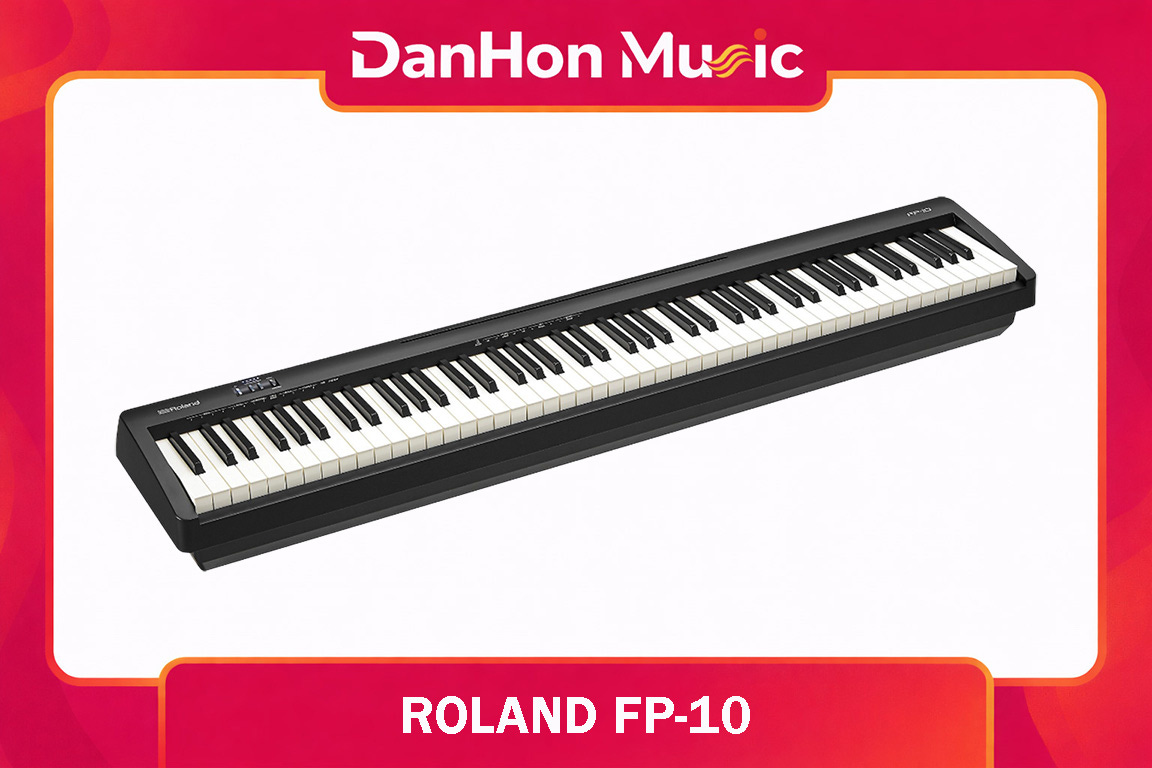
Still my #1 budget digital piano, and the one most teachers and users would buy for themselves or a serious student.
The PHA-4 Standard hammer action (triple-sensor + escapement simulation + ivory/ebony key tops) is shockingly close to a real grand piano at this price.
You feel the hammer “drop away” on repeated notes and get proper weighted resistance that builds correct technique from day one.
Roland’s SuperNATURAL modeling engine gives expressive, nuanced tone with beautiful dynamic range, soft passages stay warm, loud chords bloom without breaking up.
Key specs: 96-note polyphony, 6W + 6W speakers, Bluetooth MIDI (instant app pairing), 27.8 lbs, compact footprint (50.6” × 10.2” × 5.5”).
Most realistic touch and feel under $500
Excellent for building proper technique
Twin Piano mode (teacher/student split)
Proven reliability (this model has been a bestseller for years)
Speakers are just okay (headphones recommended for serious practice)
Basic included pedal (upgrade to a half-damper pedal like the Roland DP-10 is worth it)
Beginners love it because it never feels like a toy, you make real musical progress fast. If you can only own one piano under $500 right now, this is it.
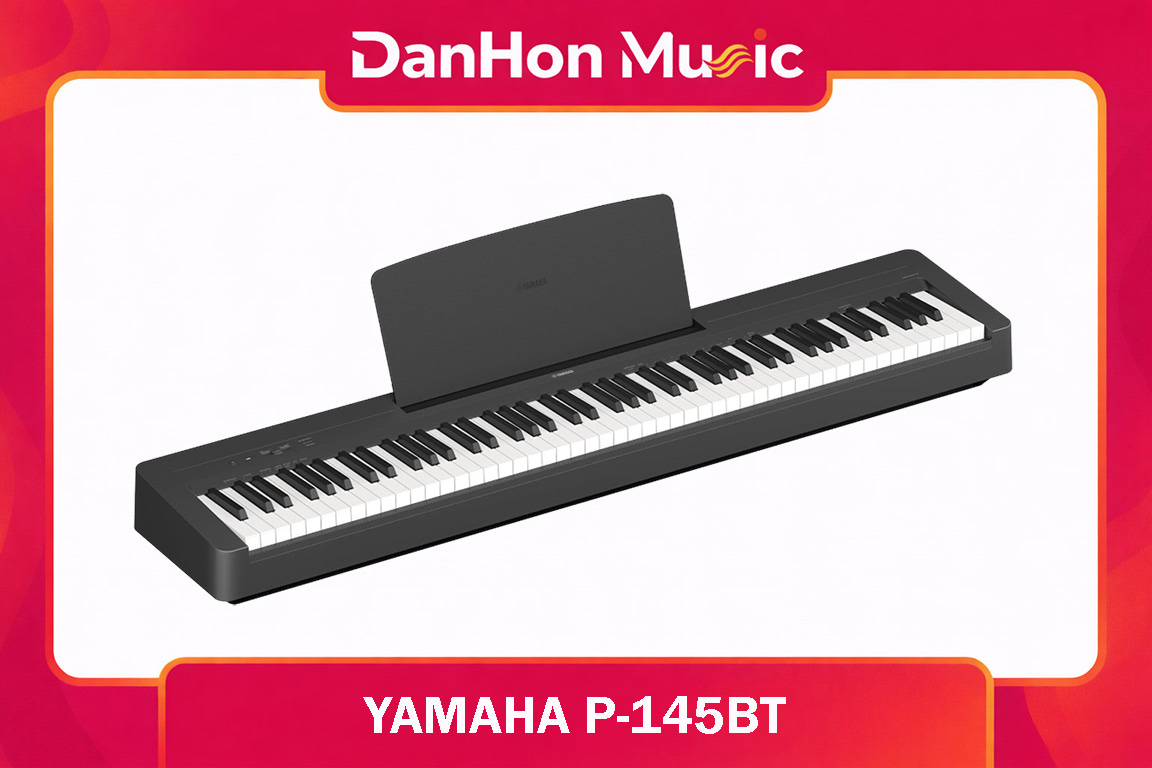
The direct successor to the legendary P-45 and still the best-selling beginner piano worldwide.
Yamaha’s updated CFIIIS grand-piano sampling (with added damper resonance) gives that bright, clear, instantly recognizable Yamaha tone teachers adore.
The new GHC (Graded Hammer Compact)1 action is lighter and more compact than the old GHS, yet still graded and weighted enough to develop finger strength without fatigue.
Key specs (P-145BT version recommended): 64-note polyphony, 7W + 7W speakers, Bluetooth audio (stream lessons/Spotify directly through the piano), USB audio/MIDI interface, just 24.5 lbs.
Iconic Yamaha tone + excellent app integration (Smart Pianist)
Super lightweight and portable
USB audio out is great for recording lessons
Reliable and built like a tank
Action feels slightly lighter/softer than Roland PHA-4
64-note polyphony can limit complex pieces later
Get the BT version for wireless everything - it’s only ~$30–50 more and removes the #1 beginner frustration (cables everywhere). Perfect if you want that classic Yamaha sound and maximum portability.
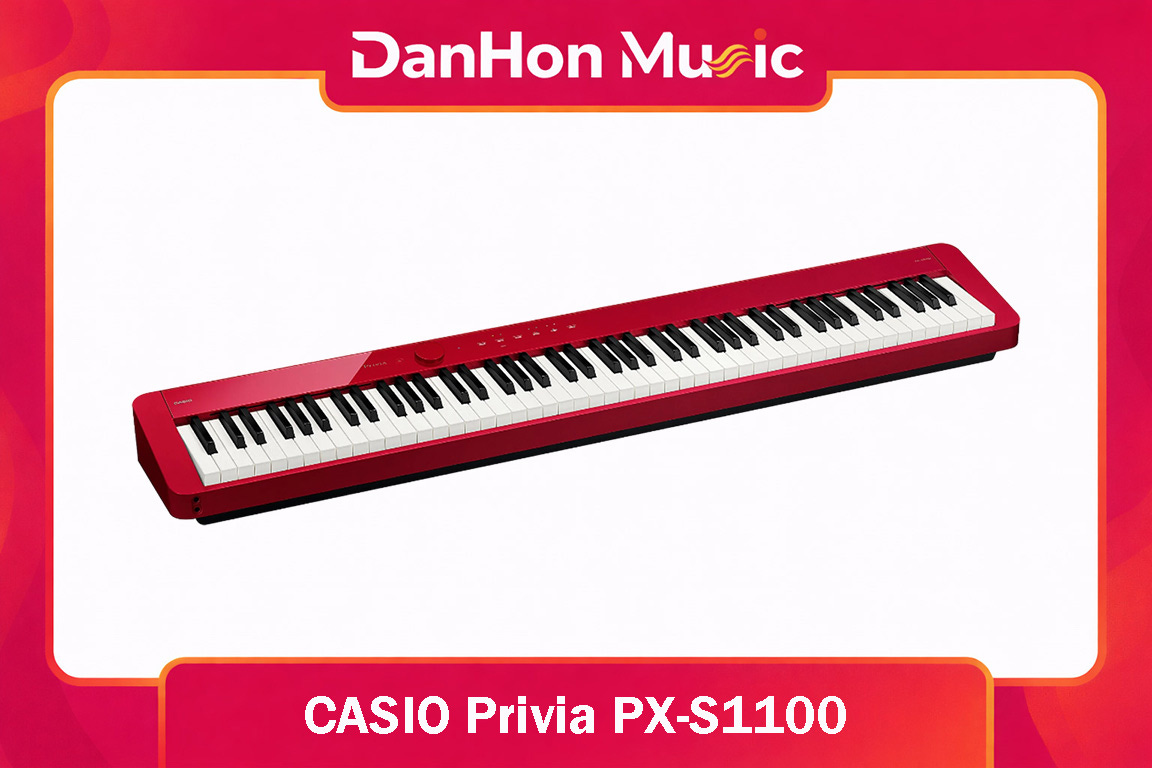
The design winner - only ~4 inches deep with a sleek, touch-sensor control panel (no bulky buttons). The Smart Scaled Hammer2 action with simulated ebony/ivory texture feels surprisingly good, and the AiR sound engine’s German grand piano is rich and detailed. 192-note polyphony means chords and fast passages never cut off.
Key specs: 192-note polyphony, 8W + 8W redesigned speakers, Bluetooth audio + MIDI, battery power (6×AA for true portability), ~25 lbs.
Ultra-slim, furniture-like look
Massive polyphony
Bluetooth audio streaming + battery option
Beautiful modern design
Action is lighter and less “grand-like” than Roland
Controls are a bit fiddly without the Casio Music Space app
Ideal for apartments, kids’ rooms, or anyone who wants a piano that looks like modern furniture and can be moved easily. The speakers actually punch above their weight for the size.
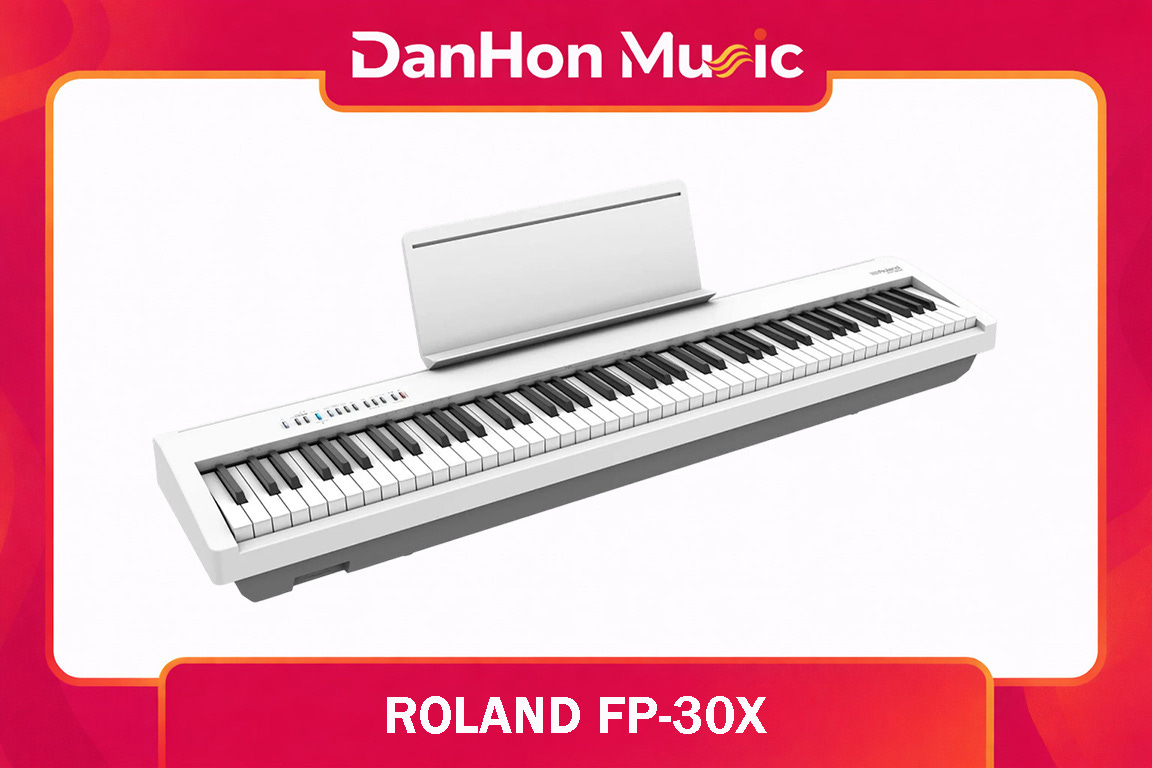
Same phenomenal PHA-4 action as the FP-10, but everything else upgraded. Stronger 11W + 11W speakers that actually fill a living room, richer SuperNATURAL sound, more built-in tones, and support for an optional triple-pedal unit later. 256-note polyphony in practice (far more forgiving for advanced playing).
Key specs: PHA-4 action, 11W + 11W speakers, Bluetooth audio + MIDI, ~33 lbs.
Significantly better speakers and overall sound than FP-10
Same world-class action
More versatile and future-proof
Excellent value if you can stretch the budget
A bit heavier than the FP-10
The price jump is noticeable
Many players who start on an FP-10 eventually wish they’d bought the FP-30X instead. This is the one you’ll keep for 5–10 years without feeling limited.
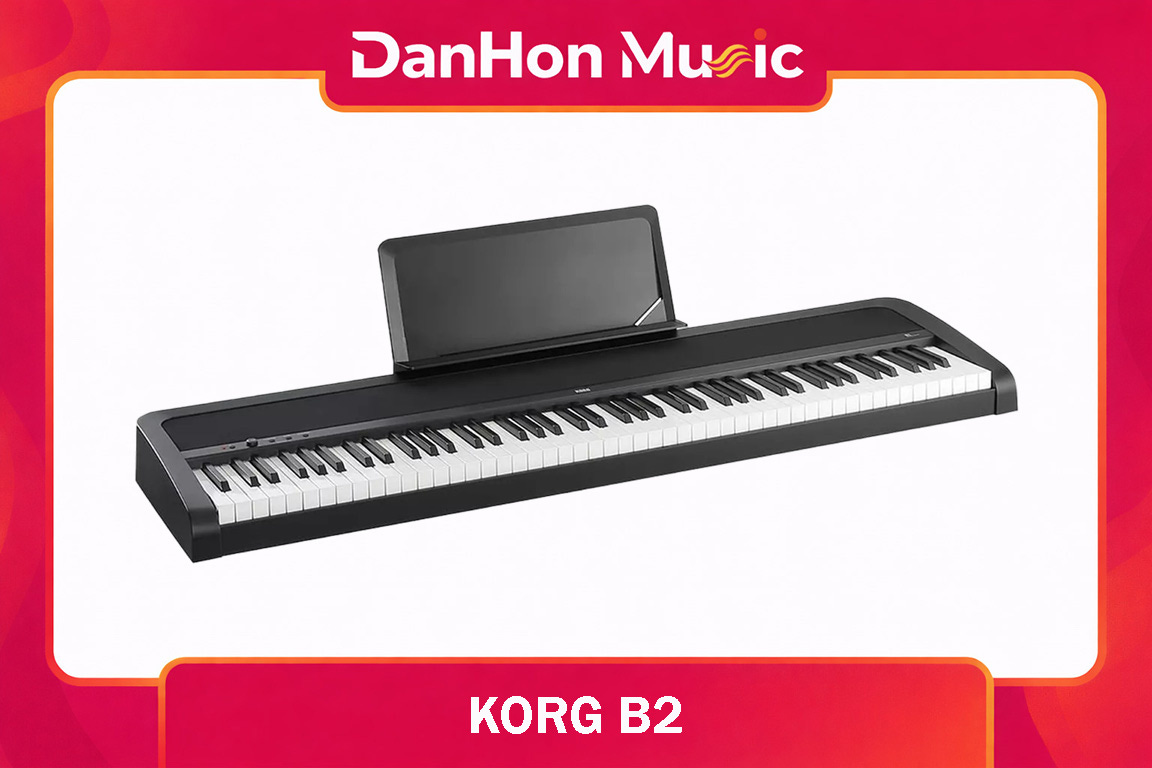
The volume and bass king. Huge 15W + 15W speakers deliver powerful, room-filling sound with deep, resonant bass that the other budget models simply can’t match. The stereo grand-piano samples (German & Austrian grands) sound warm and beautiful, especially with the sustain pedal down.
Key specs: Natural Weighted Hammer (NH) action, 120-note polyphony, excellent speaker system, ~25–30 lbs.
Best onboard speakers in the entire budget category (loud, full, no distortion)
Rich, powerful bass and resonance
Great value if you hate wearing headphones
Action is comfortable but not as refined or “grand-piano-like” as Roland’s PHA-4
Fewer advanced features/app polish than Yamaha or Roland
Choose the B2 if you want immediate “wow, this actually sounds like a piano” satisfaction the moment you plug it in, especially in a larger room or for family play-alongs.
Under $550 → Roland FP-10 or Korg B2 or Yamaha P-145
$550–700 → Yamaha P-145BT or step up to FP-30X
$700+ → Casio PX-S1100 / FP-30X / Yamaha P-225 / Kawai ES120 if you can stretch)
Best retailers: Sweetwater (excellent support), Thomann , Amazon (Prime returns), local store (try before buy).
Sturdy X- or Z-stand ($50–90)
Weighted sustain pedal (Roland DP-10, Yamaha FC3A, etc.)
Closed-back headphones (Sony MDR-7506, Audio-Technica ATH-M20x)
Adjustable bench Skip: Fancy covers at first.
Download Simply Piano or Flowkey (free trials)
30 minutes daily: warm-up → new song → review
Use a timer - consistency > marathon sessions
Join r/pianolearning or find a teacher
Most quit in the first month. Make it fun and you’ll be playing real songs in weeks.
Do beginners need 88 keys? Yes.
Digital vs acoustic? Digital for 95% of beginners.
Yamaha vs Roland? Roland usually wins on feel; Yamaha on tone/reliability. Both excellent.
Best under $500? Roland FP-10 or Korg B2 right now.
How long until I sound good? Simple songs in 1–2 months with daily practice; recognizable pieces in 6 months.
The Roland FP-10 at ~$500 is still our #1 recommendation for most beginners in 2026. It’s the closest thing to a real piano without the hassle or cost.
On a tight budget? Grab the Alesis Recital Pro (~$400).
Whichever you choose, the most important thing is to start playing today.
Ready to buy? Check current prices and bundles.
Happy practicing, you’ve got this!
Yamaha’s GHC (Graded Hammer Compact) keyboard action is a specialized 88-key mechanism designed for modern, slim digital pianos like the P-225 and P-145. It replicates the feel of an acoustic piano - heavier in the bass, lighter in the treble, while featuring a more compact, lightweight design to enhance portability.
Casio’s Smart Scaled Hammer Action Keyboard provides a realistic grand piano feel within a compact 232mm deep digital piano body (e.g., Privia PX-S1100/S3100). It features 88-key digital scaling for different key weights, simulating acoustic hammer response and key-off mechanics. It enables detailed, expressive play with a slim, portable design.
Comments
Nothing yet. Say the first thing.
Sign in to join the conversation.