

I attended NYU Stern’s 2nd annual convening of Human Purpose and Flourishing. This engaging event is designed to bring together a broad approach to any and all ideas around its stated theme. But the terms are hard to define or at least are defined in varied ways depending on your experiences or your academic inclination or professional linguistics.
What held the gathering together was an ineffable vibe. The average soul in the room felt like a churchy person, by which I mean seemed to hold an interest in human existence and what makes our experience of it good. And what makes that goodness distinct from an exclusively materialistic or economic conception of that term.
Which made the theme for this year “Purpose and Flourishing in the AGE OF AI” so prickly. There was a continual tension of audience who already agrees with a humanist approach—what is the human and how is that honored? To not pretend a robot can do such a thing?—amid its explicitly MBA host (Stern), Suzy Welch (widow of Jack Welch, yes that one), and diverse daily use of ai.
I suppose we’re all asked to construct opinions on AI at this point. I feel ill-equipped to do so in part because of my cavernous indifference. I care very little for the functionality of the internet despite its function determining much of my day-to-day. But I do care for the human costs (or benefits). Its existential meaning is already clear to me; it has as much sense as a car and as much meaning or lack of meaning inherent in it (which is a great deal in both directions).
As a writer and artist, I have little spiritual concern. AI cannot do art. AI cannot be human. “I fear… all marathons are the same length” kind of energy around it. I feel great economic concern due to the inequities already rampant around art making (but that feels paradoxically irrelevant to the rest of this letter.)
The moment I want to draw attention to was the biggest miss of the day. Dr. Utaukwa Allen spoke as the one leading economic development in relationship to Google’s data centers.
We got a link where we could submit our questions for the facillitated conversation. And I threw the one in that you can see above.
How can we consider ai as a tool for human flourishing when we start to see the environmental and quality of life costs ex. Noise) that data centers pose?
I didn’t even feel that passionate about the question.
UNTIL.
The interviewer did not ask a single question about environmental impact.
I felt like I was in some distorted reality. Everyone in the room could see the questions asked. Could upvote the ones they wanted to have asked. I screen shot the page to retain the evidence against my own confusion.
I could write a shitty PR statement for her at this rate! “The cost is currently high. And we are working rapidly to alter the tech that supports this.” Is that true? Probably not. But it’s a lie that at least treats the questioner as an equal! That takes the human concern as meaningful!
Instead, we got this line: “These companies haven’t historically done economic development.” An implied sense that we need to meet these teams at the table with compassion as they figure it out.
I… don’t think Google needs my compassion. And also, maybe I don’t know my terms because isn’t a company that leads in the economy inherently doing economic development? Maybe she meant providing jobs for local people? “Towns of 1000” was the repeated image.
It matters that these communities can’t support a data center anymore than counties can support ICE detention facilities that we’re fighting here in Pennsylvania.
The smell of bullshit wafted through the room.
I almost felt embarrassed at how explicit the neglect was in a professional setting where these questions were supposed to be asked.
I live so fully in a world of bodies. Deep in my local community. I’m writing this, again, at my local coffee shop, watching humans with bodies, with hands, make espresso drinks with varying success. I watch people struggle with the touch pay screen. Answer questions about pastry contents. It sounds of people and it smells of ground beans and the incense someone lit in the bathroom. I’m a parent to a child who does not use touch screens, not for our particular gatekeeping it but for her own lack of interest. She would much rather make a picture or build a castle or tell a story. She’s at the point where unceasing speech is our reality, where attention is demanded in words and body at every point. It seems absurd to act as if AI has any true meaning or shot at changing the world irrevocably. Even the internet has not foundational altered the reality of this space I sit in now, connected to wifi, voices muttering and churning over the milk steaming.
I sound like I’m romanticizing. I don’t feel romantic. I feel irritated that so much energy, both electric and mental, is put into this space.
But also feeling my own lack of imagination. I’m a slow adopter of new technology despite having an email address at 9yo which was exclusively to email my dad baseball questions while he was at work.
If the people most engaged in AI do not consider the cost to real human beings, or consider it an inevitable and worthy cost to AI advancement, then it is just what its always been: a supremacy agenda made physical with highways cut through neighborhoods, redlines, who gets their property stolen with “imminent domain.”
I feel the same as I felt with Christianity and the Church: whatever cost to the individual in service of the larger story… I call bs. The harm to a person is not the point of the larger story. We do not give up our dignity and rights for data centers.
Will people get dumber? I don’t know. I do worry about the psychological costs in deep loneliness and social isolation. That seems the greatest risk, a balm on a wound that will actually poison. The way kids have already opted out of existing because a chat bot matched their patterns and the patterns of other desperate humans on the internet and said “Yeah. Step out.” I’m not lonely. But I could see myself going deep; I love fiction; I play video games. These alternate worlds depicted in Farenheight 451, the screens of stories that play out each day. When the narrative hooks get better, when the voices imitate reality more closely, perhaps then I would be most at risk at losing myself to the plots that seem real.
It’s a grander, more immersive version of misinformation. Which already plagues our lives.
And if we’re going to just engage in flagrant neglect in front of each other’s physical faces, I don’t have much optimism for how this infrastructure plays out.
In other news, I had the great pleasure of attending this event almost exclusively for seeing people that I haven’t been with in person.
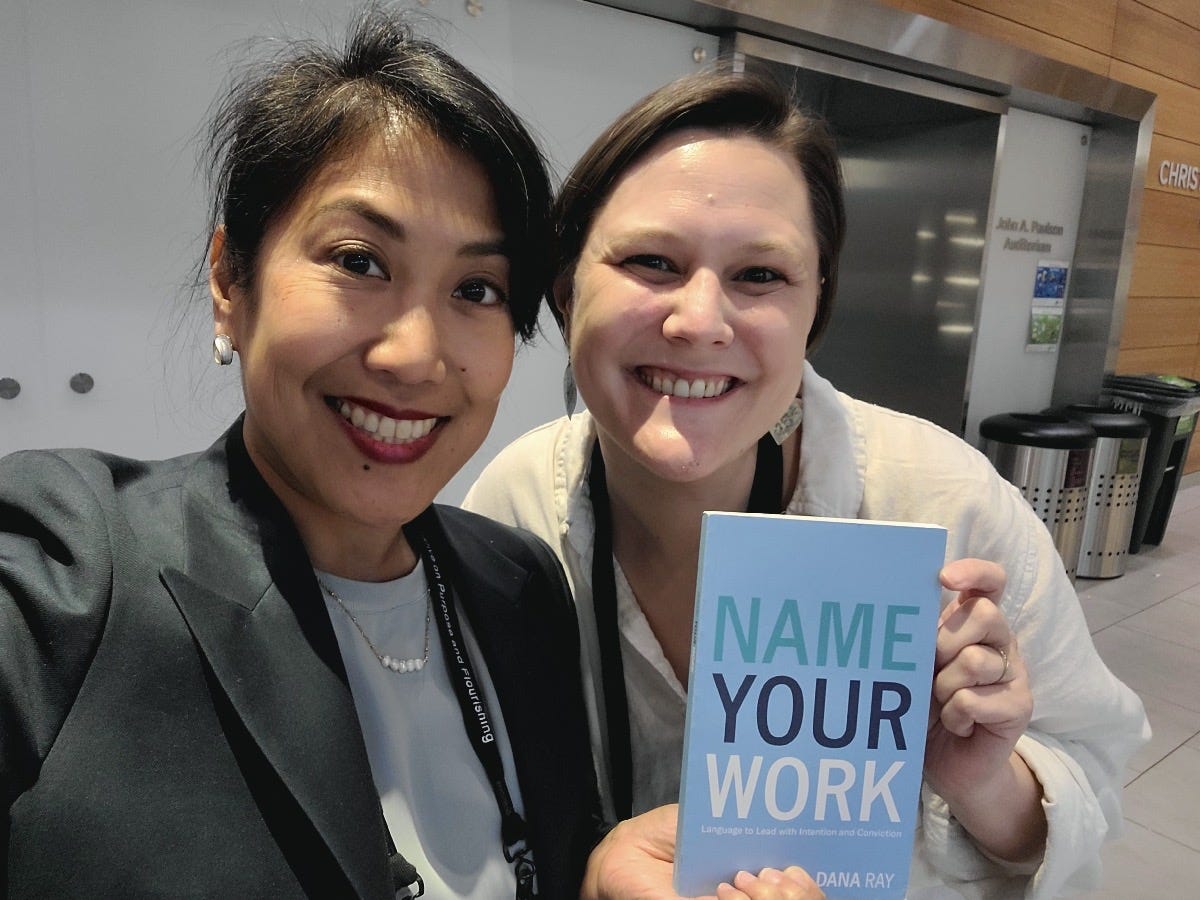
Michelle Florendo, Decision Engineer, a close friend from Wise Women’s Council a beloved supporter of my work and someone I often join for adventures in East Coast cities.
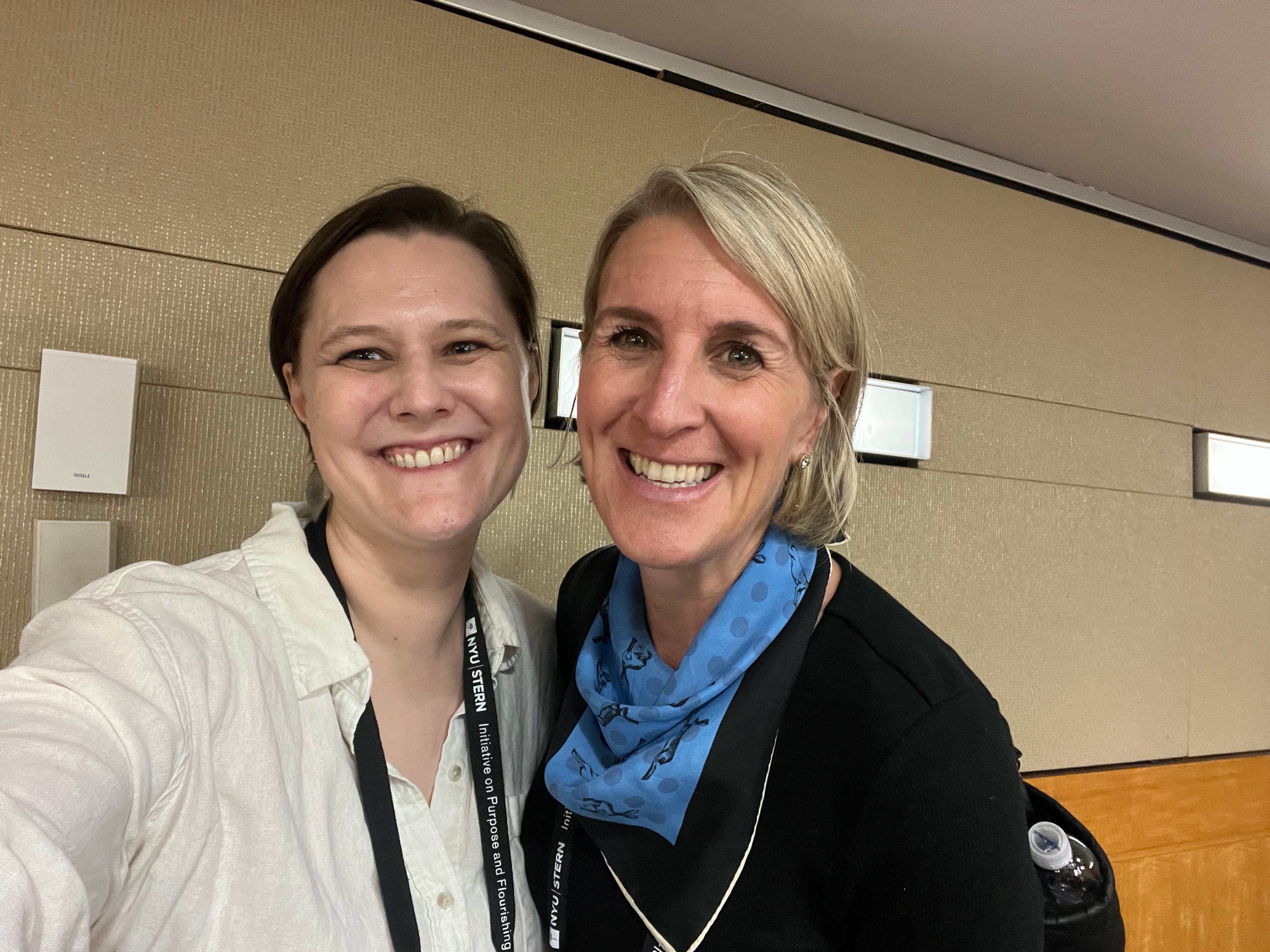
Dr. Sarabeth Berk! We met via CLUBHOUSE during the pandemic, met up on zoom, and knew we’d found a kindred spirit in how we see the centrality of identity formation and story-construction in our day and age. Author of More Than My Title and the forthcoming book Seen, Known, and Valued.
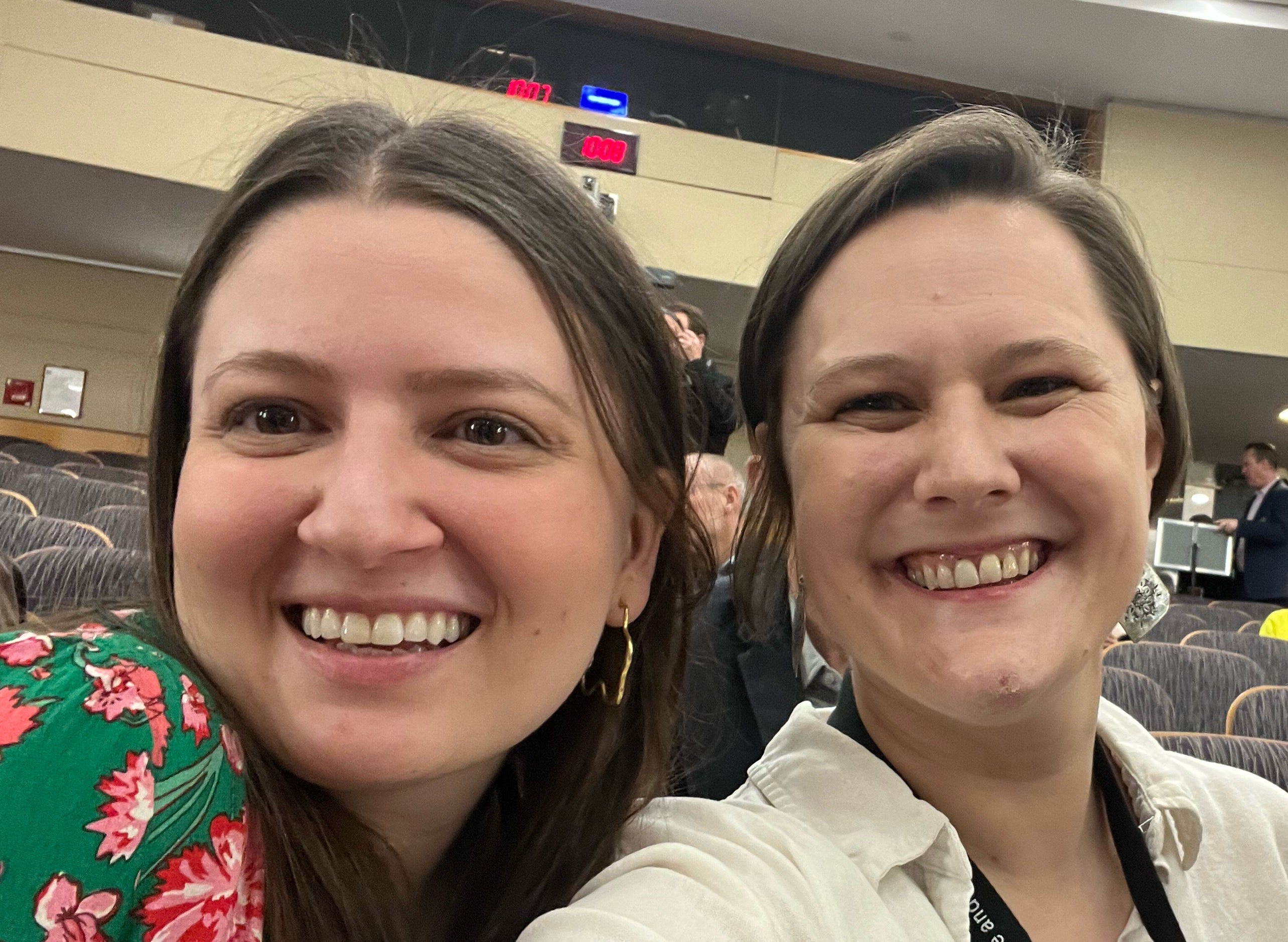
The irreplaceable Taylor Harrington who wrote the introduction to my book! And hosted my launch party! And generally inspires me to live my life with creativity and intentionality. We hadn’t been in the same room since 2017! Felt like a wonder and my heart was very full.
Missing a photo with the lovely Dustin Liu who was busy being organizer and host for the event. People joked in a completely serious way that it was a “conference for Dustin’s friends.”
WHAT IN MAMDANI’S NEW YORK IS THIS HELL?
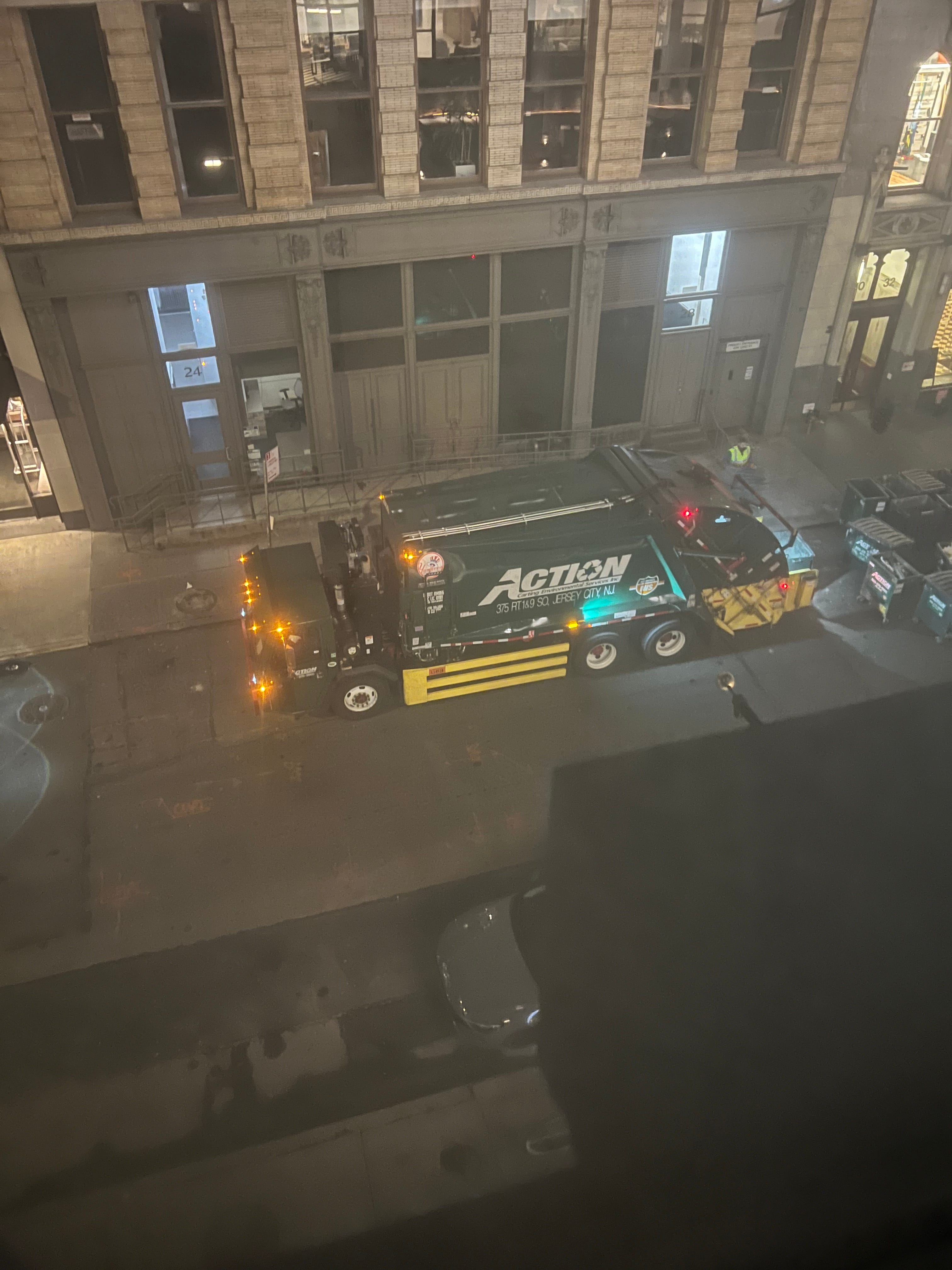
Over an hr of trash collection directly outside my window. Preceded and postceded by an entire night of the clatter and crashing and deep explosive sounds of metal hitting metal. All. Night.
I slept barely.
I was told by a long-term New Yorker that visiting the city is too difficult, that living there is less stressful because you have somewhere you can be.
Comments
Nothing yet. Say the first thing.
Sign in to join the conversation.