
I hope my subscribers will forgive a second post that jumps off from Christopher Nolan’s Odyssey. My previous post was a 2,000-word review of the film. But this one is far more about its reception by the culture—and in particular by the cultural right as it expresses itself online (and especially on Twitter/X).
That might sound narrow, and in a way it is. I don’t really know for sure how many Americans follow the lead of people like right-wing “influencer” Matt Walsh. But I do know people like Walsh have a substantial audience. Around 2.5 million people tune into Fox News on a given weekday evening in prime time. Walsh has a personal following of 4 million on Twitter/X. And Walsh is just one guy. There are dozens like him with substantial accounts, and then hundreds or thousands of smaller ones, echoing the same kinds of opinions. It’s a big country: Donald Trump received more than 77 million votes in 2024. So this is obviously a post about a subculture with indeterminate influence. But it clearly has some influence—and that influence is quite different than the one that once dominated the American right.
Call this post my latest contribution to elaborating on Ross Douthat’s frequently cited 2016 tweet about how those (like myself) who strongly opposed the religious right back during the George W. Bush administration would really dislike the post-religious right. (Here are links to a September 2025 post, in two parts, in which I explored aspects of this terrain.)
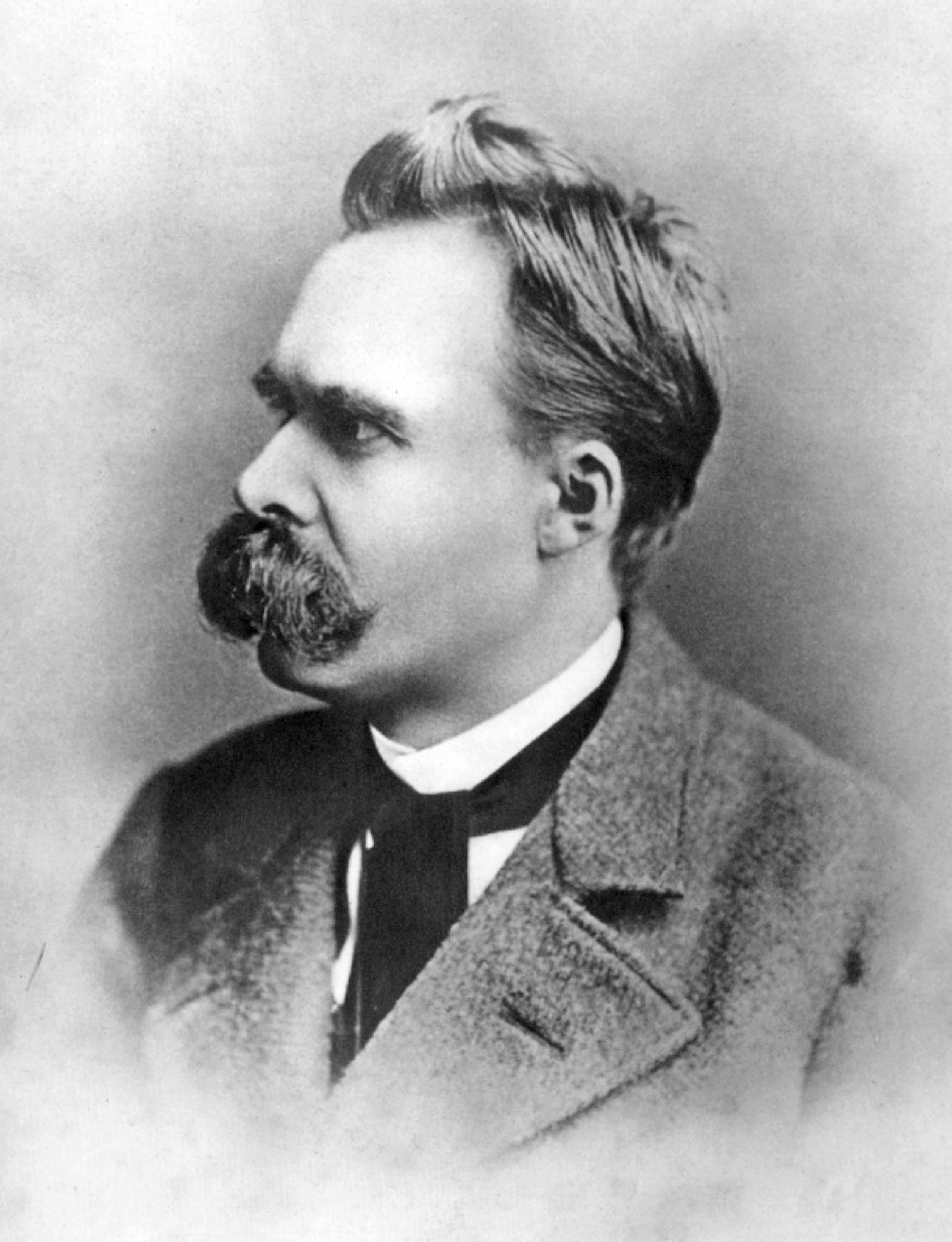
Many have remarked on how the populist right associated with Donald Trump and the MAGA movement has embraced a European form of blood-and-soil nationalism that’s pretty sharply opposed to the universalistic creedal nationalism (or patriotism) that ebbed and flowed during the 19th century but reached unprecedented influence on American civic life in the 20th century, during the Cold War and its immediate aftermath. But there’s another (European-oriented) dimension to recent shifts on the right—a Nietzschean dimension.
The intellectual right during the 1980s and ’90s was earnest, moralistic, and culturally Christian, and it aimed to be edifying. Among the most popular conservative authors of the time was William Bennett, whose 1993 anthology The Book of Virtues sold three million copies and spawned a series of spin-offs, including The Children’s Book of Virtues. This blend of qualities was what motivated rage at Bill Clinton’s disgraceful behavior with White House Intern Monica Lewinisky in the Oval Office and the president’s perjury about it. It also gave us the Bush 43 presidency, from its evangelically inflected rhetoric and domestic policy agenda to its post-9/11 foreign policy goal of “ending tyranny in our world.”
We live in a very different country today.
Comments
Nothing yet. Say the first thing.
Sign in to join the conversation.