
This week, JPMorgan Chase CEO Jamie Dimon warned that a downturn in the $1.8T private credit market and a broader credit recession would be “worse than people think.”
And last year, he referred to bad private credit loans (which were unlikely to be paid back in full) as cockroaches when he said:
“When you see one cockroach, there are probably more.”

To help you understand why one of the world’s best-known finance execs is comparing his competition to insects, today's newsletter is about private credit.
Private credit refers to a few things:
a type of loan made by non-bank financial institutions to corporations
a growing asset class & investment strategy pioneered by companies like Apollo Global Management and Ares Management
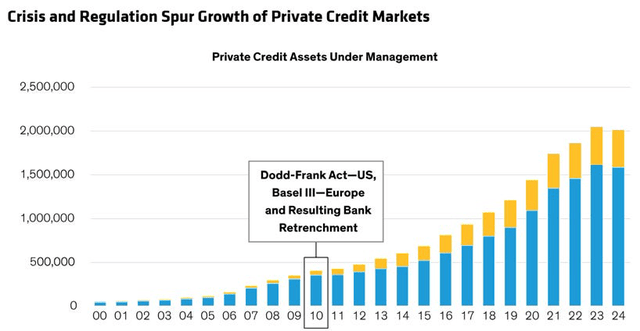
a post-2008 shadow lending system that
shifted corporate lending away from heavily regulated banks, and
increased systemic leverage in deliberately opaque ways
I know, I know: corporate debt structures aren’t exactly the most exciting topic.
But you should care about private credit, because the growth of the private credit market — and the broader “shadow banking” system it is a part of — is creating a potential source of risk for global financial markets & the world economy.
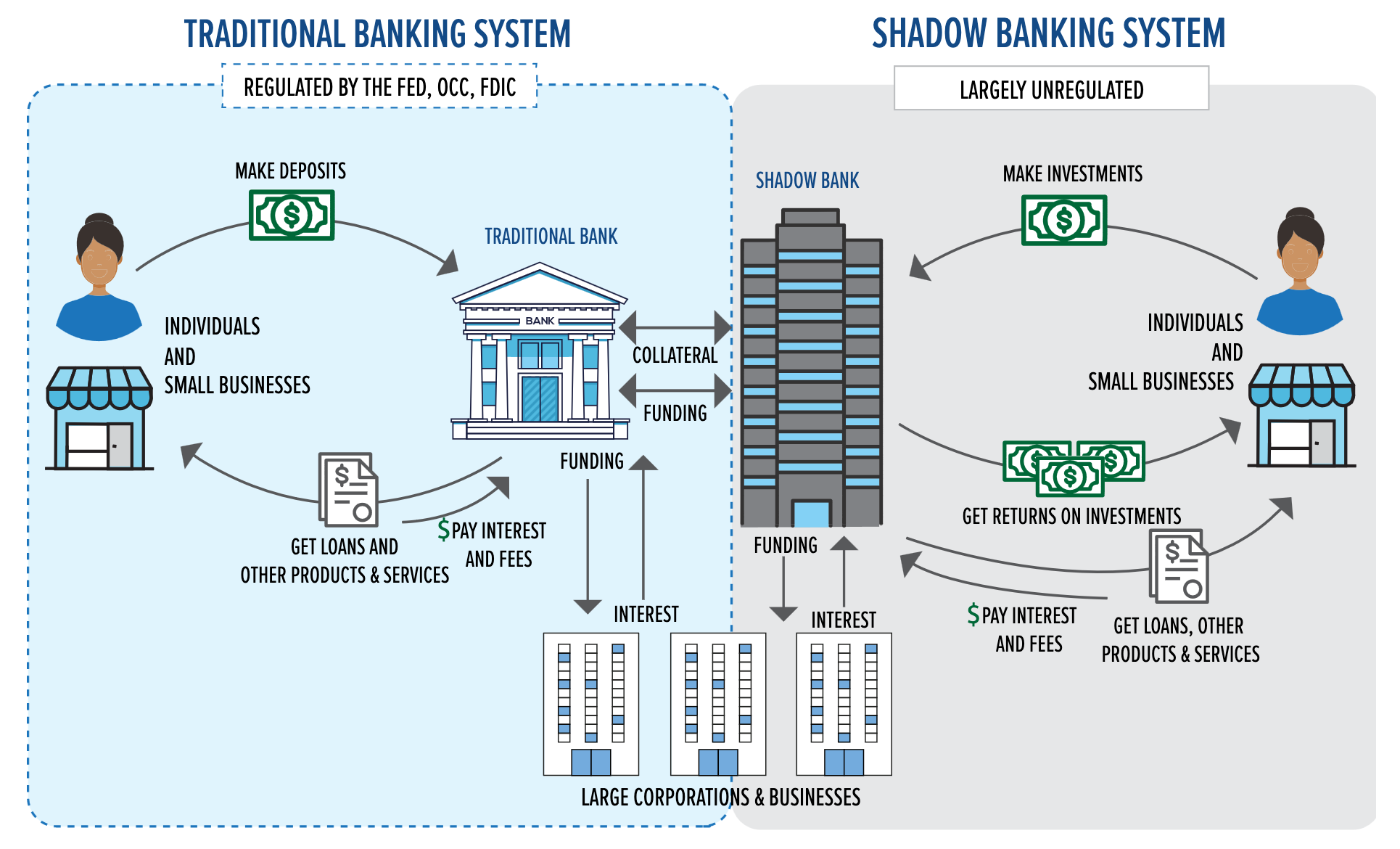
Private credit is new because it’s different from public credit.
Public credit is simple. Corporate bonds or government bonds (also known as sovereign debt) are the two main types of public credit.

Imagine: Coca-Cola (or the United States) wants to borrow $1B, so it issues $1B in bonds promising a 5% (or 6% if it’s a riskier company) annualized return to bondholders over 5 years (or 10, 30, or as long as they want).
Plus, they get their initial money back at the end of the bond duration.
After those bonds are sold to the first wave of investors, there is a robust and liquid market for people who want to buy or sell those bonds.
If there’s bad news for the company, the price of the bond drops.
If there’s good news, it goes up.
The fact that anyone can buy or sell these bonds means that the public, ranging from retail investors (who are far more likely to buy stocks than bonds) to massive financial institutions, pension funds, and more, takes on the risk — and get the reward.

Private credit essentially allows companies to borrow money without going to banks or relying on bond investors.
In most cases, the loans are paid back and the situation benefits:
the companies that borrow from private credit firms,
the private credit funds that structure and offer the loans, and
the investors who are earning sizable returns on the money they invested in the private credit fund
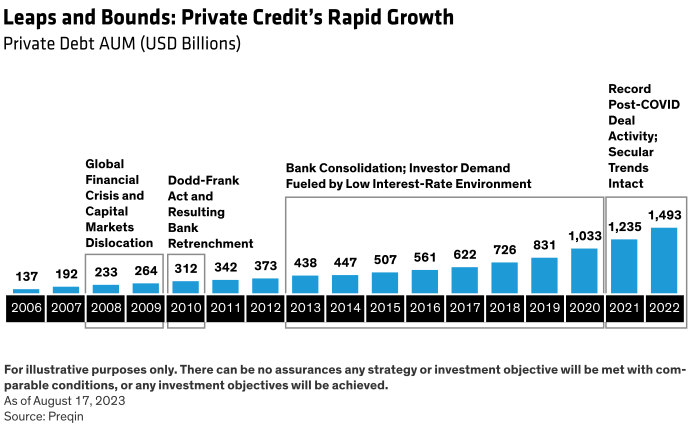
Private direct lending has always existed, but changes in financial regulations have led more non-bank financial institutions to enter the corporate lending market in recent years.
And like every kind of private investment fund, private credit firms do what they do to make money for themselves and their investors.
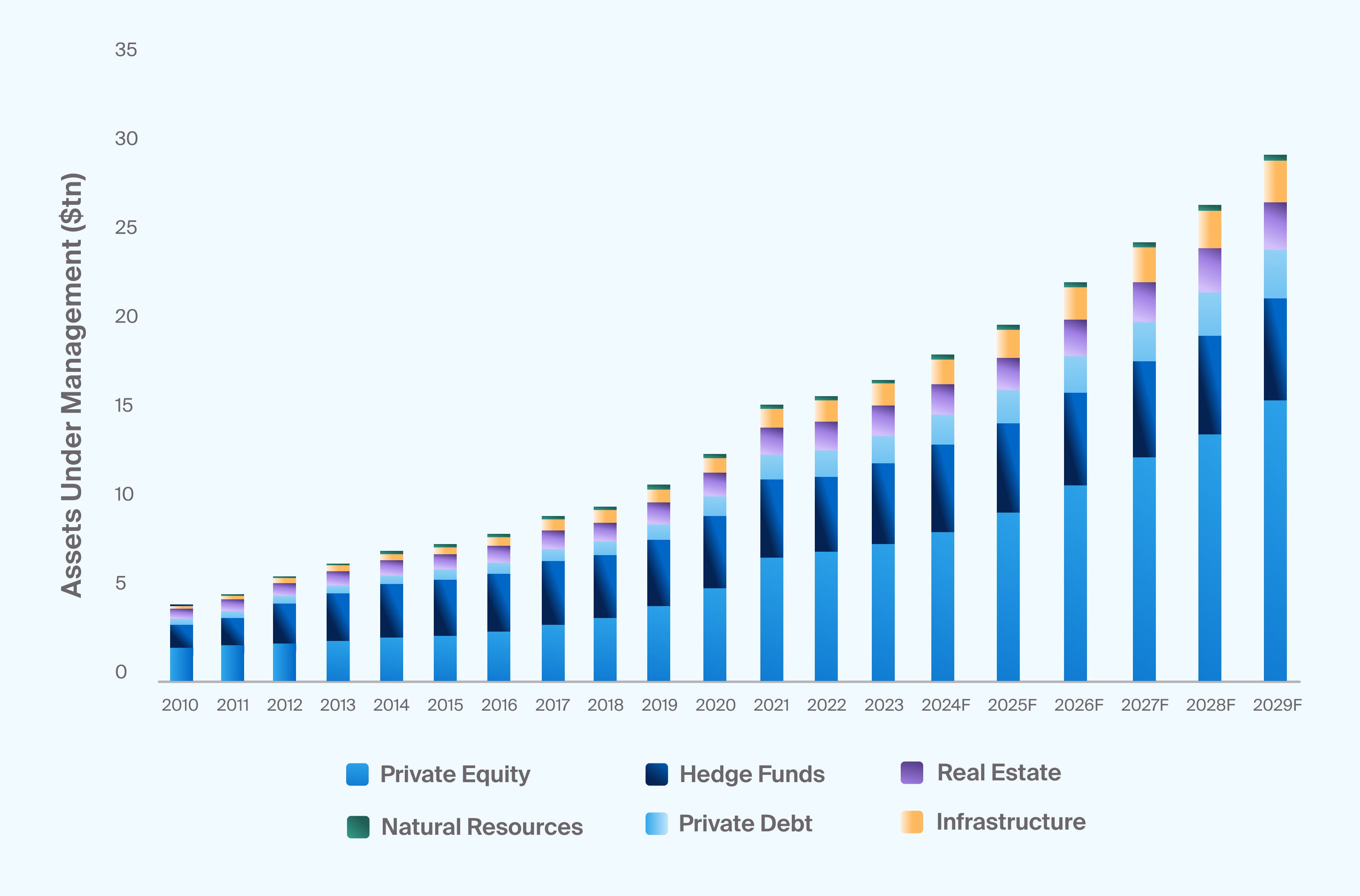
Private credit is part of a broader private markets industry, where private investment funds (that are far less regulated than banks) take in investment capital with the promise that they will deliver a high return-on-investment for their investors.

They can do so by:
trading public stocks & bonds (hedge funds)
buying companies and changing their leadership & management with the hopes of making them more profitable and selling them in the future (private equity)
making early-stage investments in potentially high-growth companies (venture capital)
buying significantly underpriced bonds of distressed companies & even nations (like Argentina), with the hope that the crisis (and threat of bankruptcy) will pass… or so they sue for full repayment of the bond (distressed debt)
This “alternative assets” market is still much smaller than public markets in terms of overall value, but it has grown dramatically in the past 15 years.
Companies typically don’t have trouble getting long-term capital (through bonds) or short-term capital (through bank financing), so it’s important to understand why companies use private credit to finance themselves.
Private credit funds offer:
flexibility (they can negotiate the terms of each deal to fit the borrower’s needs)
speed (they don’t need to go through endless committee meetings like banks or regulatory filing submission processes like bonds)
size (they can hit the sweet spot between smaller short-term bank financing and larger public bond offerings)
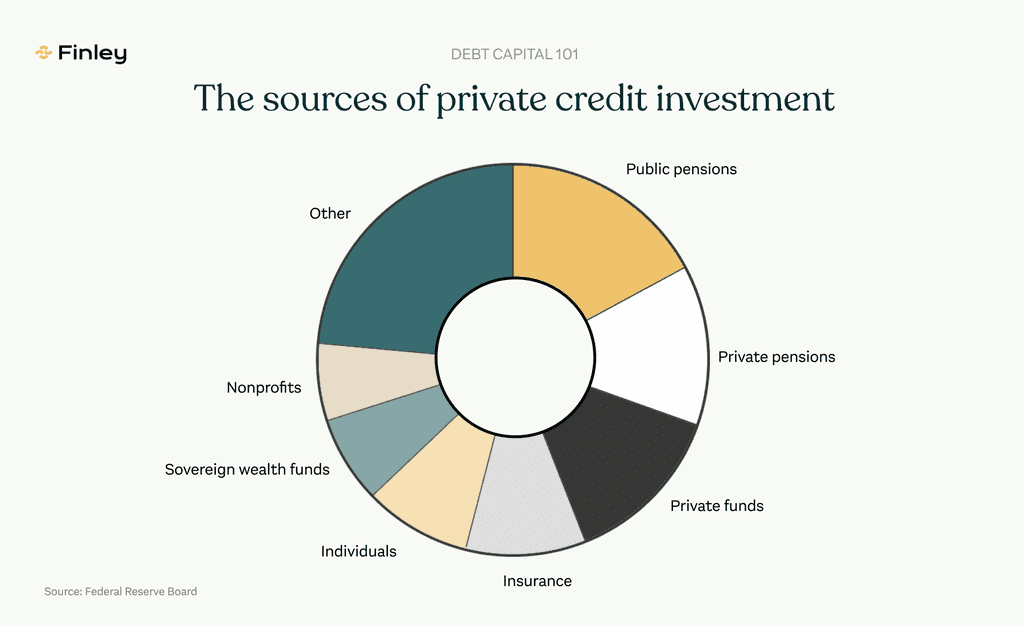
Like other private market funds, private credit funds only seek investment from major financial institutions and high-net-worth individuals who can allocate millions of dollars toward illiquid investments - meaning they can’t easily be sold.
The idea is simple: if you invest millions of dollars with us, we’ll give you access to higher return-on-investment (albeit over a longer time-frame) than you could get by through traditional investments in stocks, bonds, or index funds.
The private credit fund will then pool those investments and make loans with them.
The risk of private credit is that if bankruptcy rates rise and borrowers fail to pay their debts to private credit funds, losses in private credit portfolios could reverberate throughout the financial system.
They aren’t subject to the same regulations as traditional banks, and as a result, they can be more leveraged.
As regulations and economic pressures continue to make traditional banks less capable of adapting to rapidly changing financial markets, nimble private credit funds can fill the gap and continue to reshape the way that companies financce themselves.
Let’s hope that we don’t have to deal with the problems that would come if private credit — and the shadow banking industry more broadly — blows up, as some financial commentators warn about.

P.S. if you enjoyed this newsletter, please consider supporting me & the Daily Concept mission with a paid subscription for just $6-per-month. :)
Yours,
Professor Dan Smith

Comments
Nothing yet. Say the first thing.
Sign in to join the conversation.