

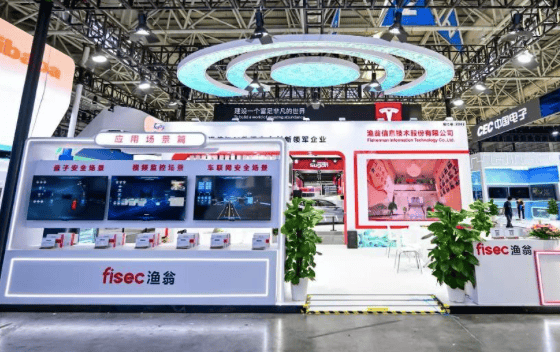
China’s commercial cryptography company FiSEC (渔翁信息) has been fined RMB 17.9 million for fraudulent disclosures during its attempted IPO on the Shanghai STAR Market, highlighting regulators’ continued scrutiny of cybersecurity companies even after IPO applications are withdrawn.
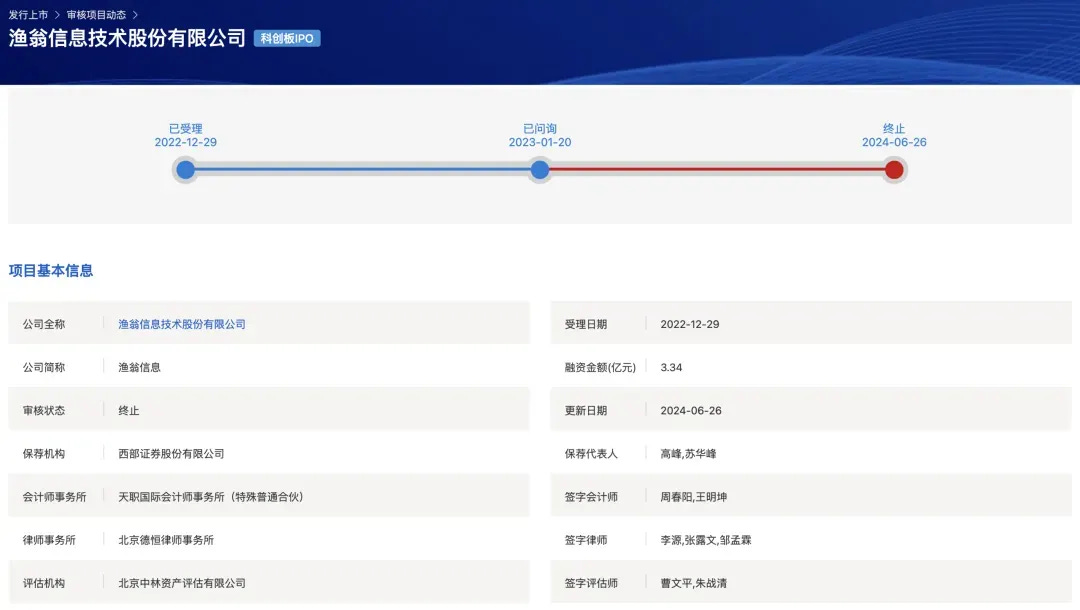
Founded in 1998 and headquartered in Weihai, Shandong Province, FiSEC provides commercial cryptography modules, encryption equipment, and cybersecurity solutions. The company submitted its STAR Market IPO prospectus in December 2022, seeking to raise RMB 334 million, with Western Securities serving as sponsor.
After multiple rounds of regulatory inquiries, FiSEC voluntarily withdrew its IPO application in June 2024. However, the withdrawal did not prevent regulators from investigating potential violations in its IPO disclosure documents.
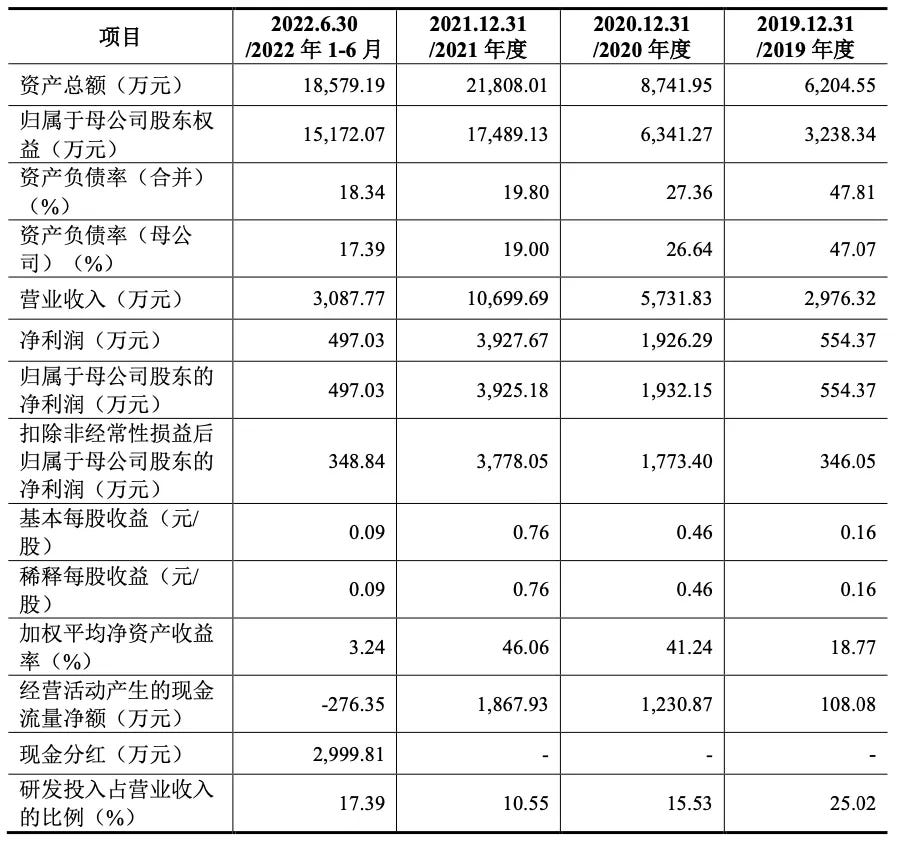
According to the Jiangxi Office of the China Securities Regulatory Commission (CSRC), from 2020 to the first half of 2023, FiSEC fabricated transactions through fund circulation arrangements and recognized revenue before meeting required revenue recognition conditions, resulting in inflated financial figures disclosed in its IPO materials.
During the period, FiSEC inflated revenue by approximately RMB 37.59 million. The company also overstated profits during multiple reporting periods, including RMB 5.07 million in the first half of 2023, accounting for 19.38% of reported profit for that period.
Beyond financial misrepresentation, regulators found that FiSEC failed to disclose a shareholding arrangement involving actual controller and vice chairman Liu Guihua (刘桂华), who held 1.55 million shares on behalf of another individual. The undisclosed arrangement represented approximately 2.8% of the company’s disclosed total shares and affected the accuracy of its ownership information.
The CSRC fined FiSEC RMB 4 million. Actual controllers Guo Gang (郭刚) and Liu Guihua each received RMB 4 million penalties, while other executives, including the former CFO, board secretary, and senior management members, were also fined.
The case reinforces a key regulatory message under China’s registration-based IPO system: withdrawing an IPO application does not remove responsibility for inaccurate disclosures made during the listing process.
For cybersecurity companies seeking public listings, financial transparency, customer authenticity, and ownership disclosure remain critical compliance requirements. FiSEC’s case highlights the increasing regulatory risks faced by technology companies pursuing capital market expansion in China.

Comments
Nothing yet. Say the first thing.
Sign in to join the conversation.