
Have you ever received a message saying that you may be the “perfect candidate” for a job and that the recruiter is offering to immediately hire you with high pay, flexibility, and great benefits? Likely, these sound like a scam and they probably are.
Lately, I’ve received a lot of emails from various “recruiters” saying that I have the experience they are looking for in a specific role at their company. (Aww! Thank you for noticing me!) The message sounds convincing and is written so well that AI may have played a role in the scheme. If you’re in the job market like I am, you may have come across them too.
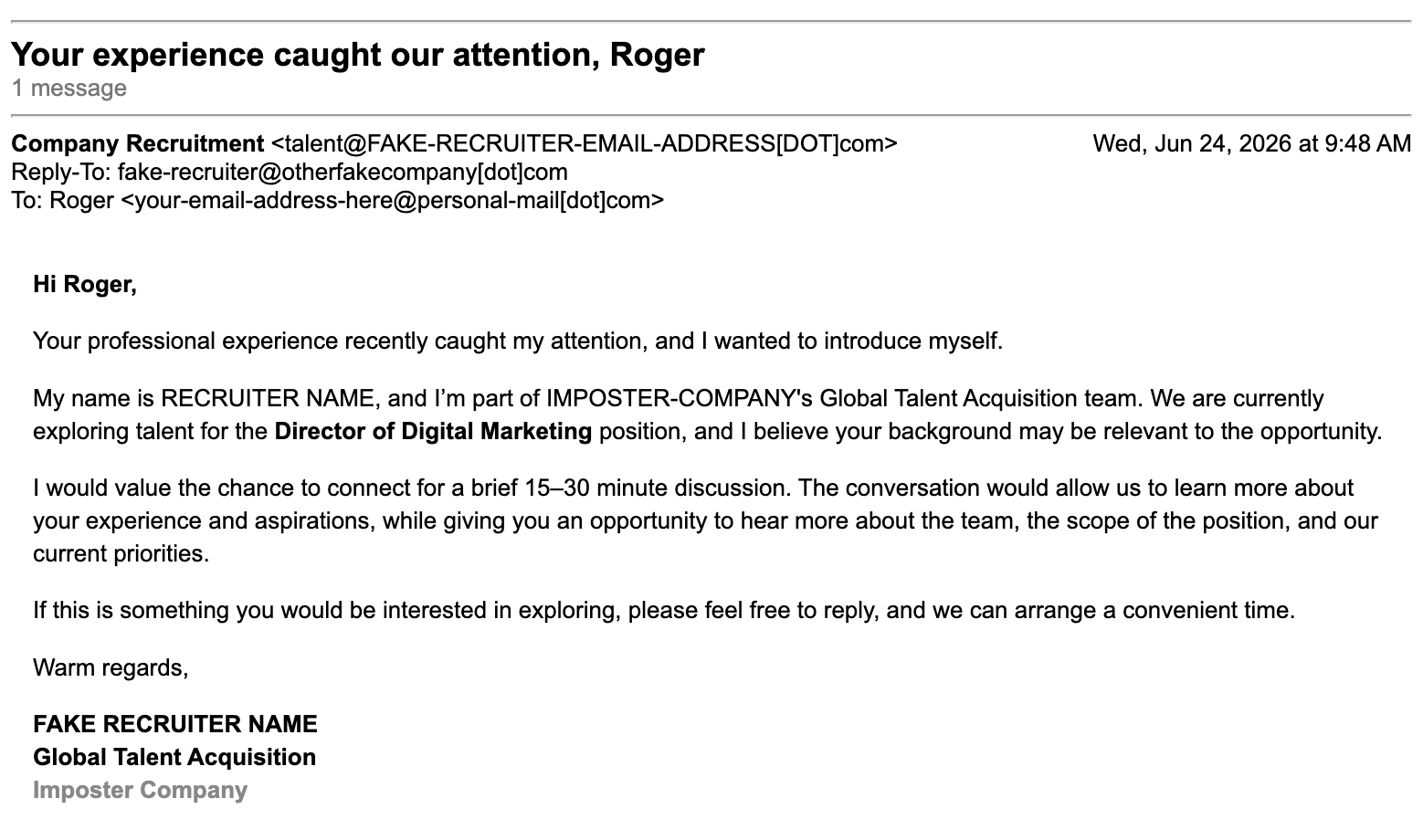
Here’s an example of a fake recruiting email that is crafted around my work experience from my LinkedIn profile.
Even getting a text from an unfamiliar email address to my iMessage is common too.
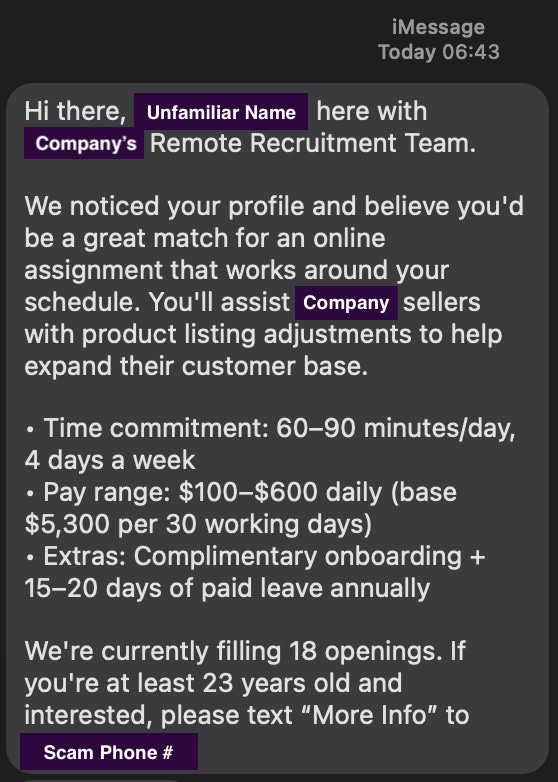
It sounds like a nice opportunity and might be great for what I’m looking for, but can you tell that these are fake? I did. But let’s focus largely on what to spot to determine whether a recruiter may be real or fake.
Below are indicators that should raise caution about quickly responding to recruiter messages, even if they are legitimate inquiries.
Signs it may be from a fake or imposter recruiter:
A personal free email account or a lookalike company email address.
Unrecognizable email addresses and your email address in the “To:” and “Reply-To:” fields.
Signs it may be a scam:
The message contains a “too good to be true” job offer (like a flexible work schedule, remote work, or great salary).
The message may use urgency such as a deadline or call to action (like call or reply immediately, or click a link to apply).
Possible grammar errors (nowadays scammers can use AI to tailor error-free messages).
Images, colors, or logos may appear slightly off trying to represent a legitimate company.
There might be an attachment or a link to a file that might contain malware (including a .zip file)
You can perform some diligence with the content of the message if you feel it may be a legitimate recruiter reaching out for your best career interests! However, use caution because they may have an elaborate operation designed to trick potential victims further in the hiring process. In this case, ask a trusted friend or colleague to help you out!
Sometimes the message points to a recruiter’s LinkedIn profile or a phone number to call, but are they to be trusted? It could be an imposter behind the message. Here are some ways you can determine whether it might be worth reaching out or not.
Perform a search on multiple search engines (Google, DuckDuckGo, Bing, Yahoo, ChatGPT, Claude, etc.) on the following:
Job title, is this a real position at the recruiting company?
Phone number and email address of the recruiter, does it point to a real person?
Recruiting agency, does it show up a real or legitimate company?
Details of the job position, does it reveal lookalike job positions?
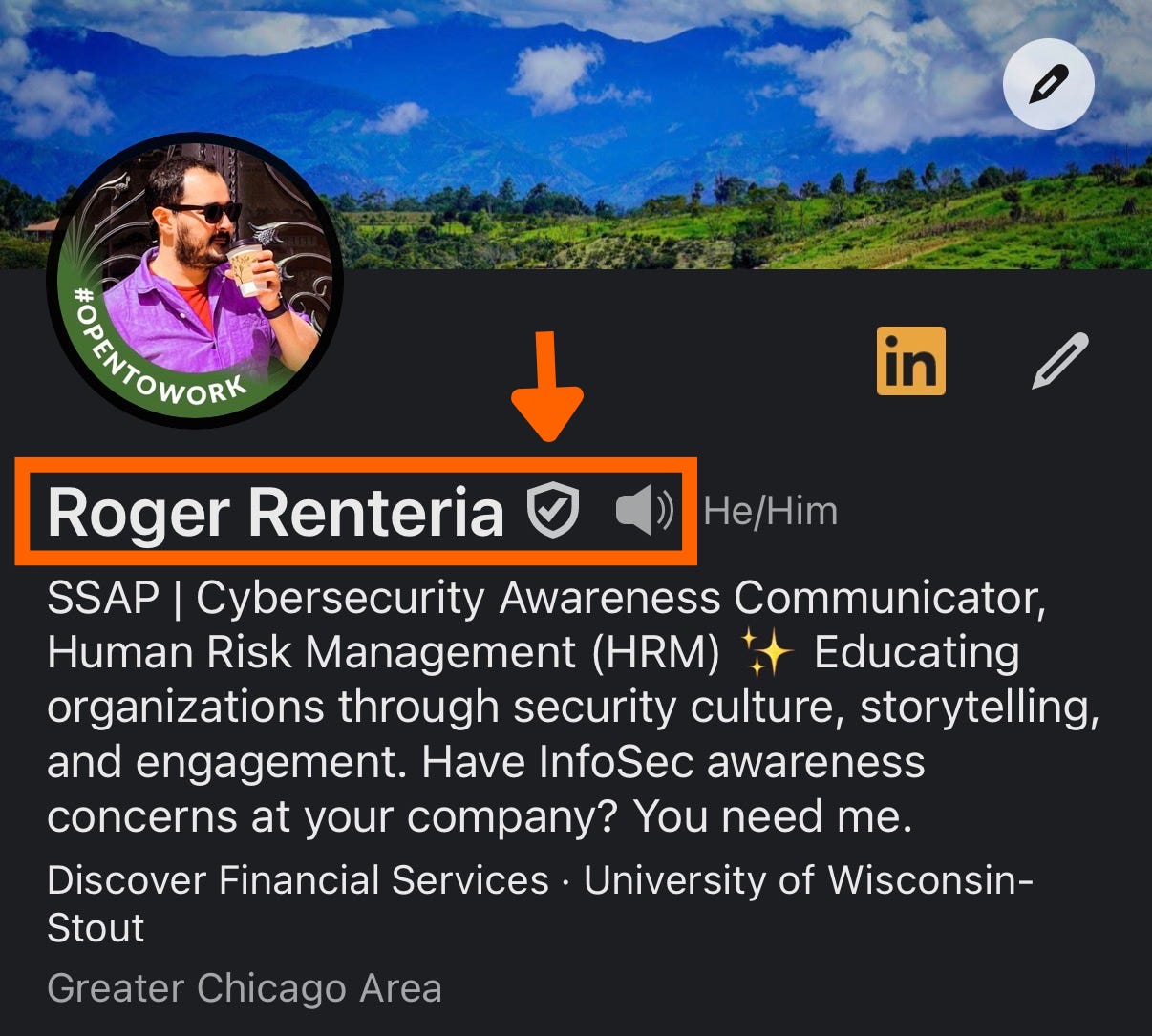
Visit the recruiter’s LinkedIn profile and view their verification badge. Hover over their profile name and click or tap their name to open an info box showing details about when a profile joined the platform, how recent their information was updated, and (if any) company email verifications.
For more advanced and thorough research, input the URL of their LinkedIn profile on the Internet Archive Wayback Machine and compare the content between an archived profile page and the current LinkedIn version.
The length and history of a LinkedIn profile can be an indicator whether they might be real, but use caution if their username in the URL does not reflect their professional name.
Use Reddit and the BBB Scam Tracker to search for snippets of the recruiter’s message. Someone may have already shared something about it.
If their email contains a headshot of the recruiter, another advanced method for research is to perform a Google Images search and see where it may be from or if it might have been taken from someone else.
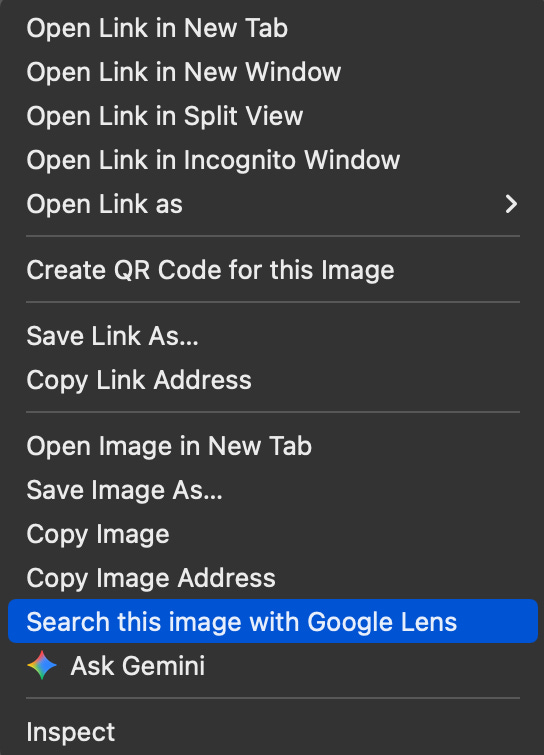
Alternatively, you can use the built-in tools in your internet browser to search for images. For Chrome: right-click on an image and select Search this image using Google Lens, and for Edge: right-click on an image and select Visual Search)
If a recruiter is representing a recruiting agency, look up their website independently from the message and see if they have a phone number or contact form to verify whether a recruiter is legitimate or not. The agency may or may not know if a recruiter has an imposter. They may offer guidance on how to tell whether a recruiter is legitimate, such as if they use an official business email address for all recruiting operations.
You may or may not get a call or email back. If a recruiting agency is legitimate, they may provide you with more clues for you to research like another phone number, another email, or another person’s LinkedIn account.
Note: in my experience, I left a voicemail with a recruiting company and their executive called me using their personal mobile phone number and sent me an email with their LinkedIn profile. However, a different agency never returned my request for verifying a recruiter.
These indicators are helpful to gauge whether a recruiter is real. However, use your best judgement when verifying potential job opportunities with recruiters. However, stay aware that scammers can produce an elaborate scheme as an imposter to not only to steal your identity, but potentially take your money.
As always, be safe and take a moment before taking an action. Do not provide scammers with sensitive information like your bank account or credit card, or social security number before you do your research. Usually these crucial details are requested by legitimate employers at the appropriate times during the onboarding process after the interview and notification for employment.
If you suspect you have been scammed by a fake recruiter, report it to the FBI Internet Crime Complaint Center (IC3), ReportFraud.ftc.gov, your state’s attorney general, and local law enforcement.
Also, the Better Business Bureau (BBB) has a Scam Tracker tool to report fraud schemes like fake jobs.
Here are some guides and articles to learn more about these kinds of scams.
Employment scams are surging. Here’s how to recognize the most common schemes. | Consumer Affairs
Stay Ahead of AI Job Fraud – Greene Center | University of Rochester
Employment scams study reveals soaring numbers | The Gazette
Stay tuned for part two in this series to avoid falling for job scams which will show what signs to look for in a fake job interview and how to determine whether a job is actually real or not.
If you like what I wrote, consider sharing this article with your colleagues who are looking for jobs! Also, please subscribe to get updates going forward! You won’t be disappointed! If you’re already subscribed and receive my updates via email, thank you for your support!
Thank you for reading Cyber Communicator ✨! This post is public so feel free to share it.
Comments
Nothing yet. Say the first thing.
Sign in to join the conversation.