
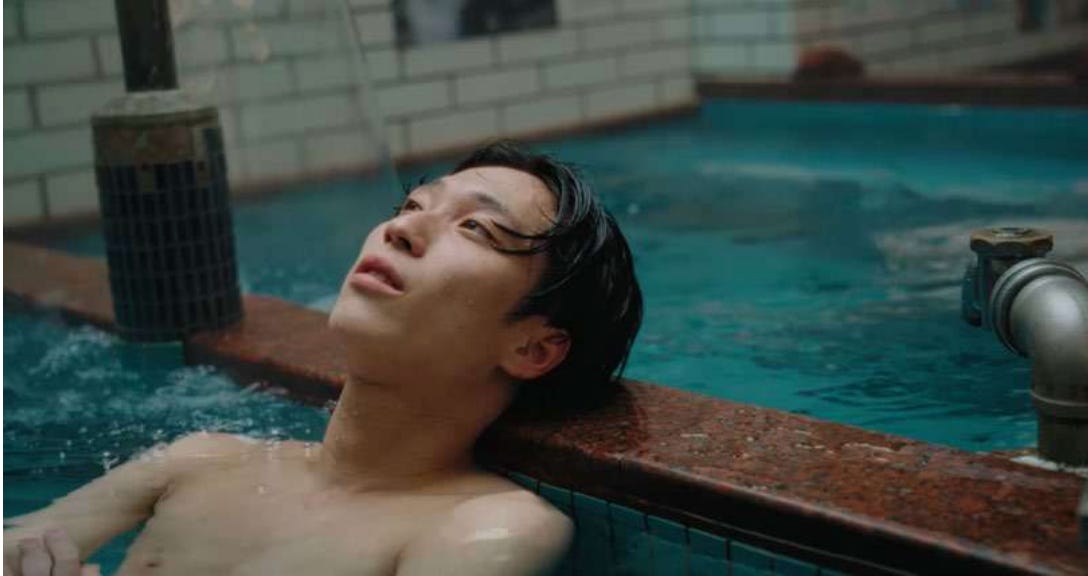
Deep in the heart of Japan's cities lie sentō – vibrant, urban public bathhouses where neighbors gather to cleanse and socialize. But as numbers dwindle and many of these historic community hubs face threats of closure, an energetic new generation is fighting to keep the tradition alive. Kyoto based Illustrator and sentō nerd, César Debargue explores the challenges sentō face, and tells us how new owners like Sanjiro Minato, manager of the Kyoto-based sentō collective Yutonamisha, are regenerating these historic institutions, and shares the true meaning of “naked friendship”. Plus César’s pick of Kyoto’s sentō and a film by Sauna Channel. Scroll down for latest news and happenings.
Text and illustrations by César Debargue with Minato Sanjiro
What’s a sentō?
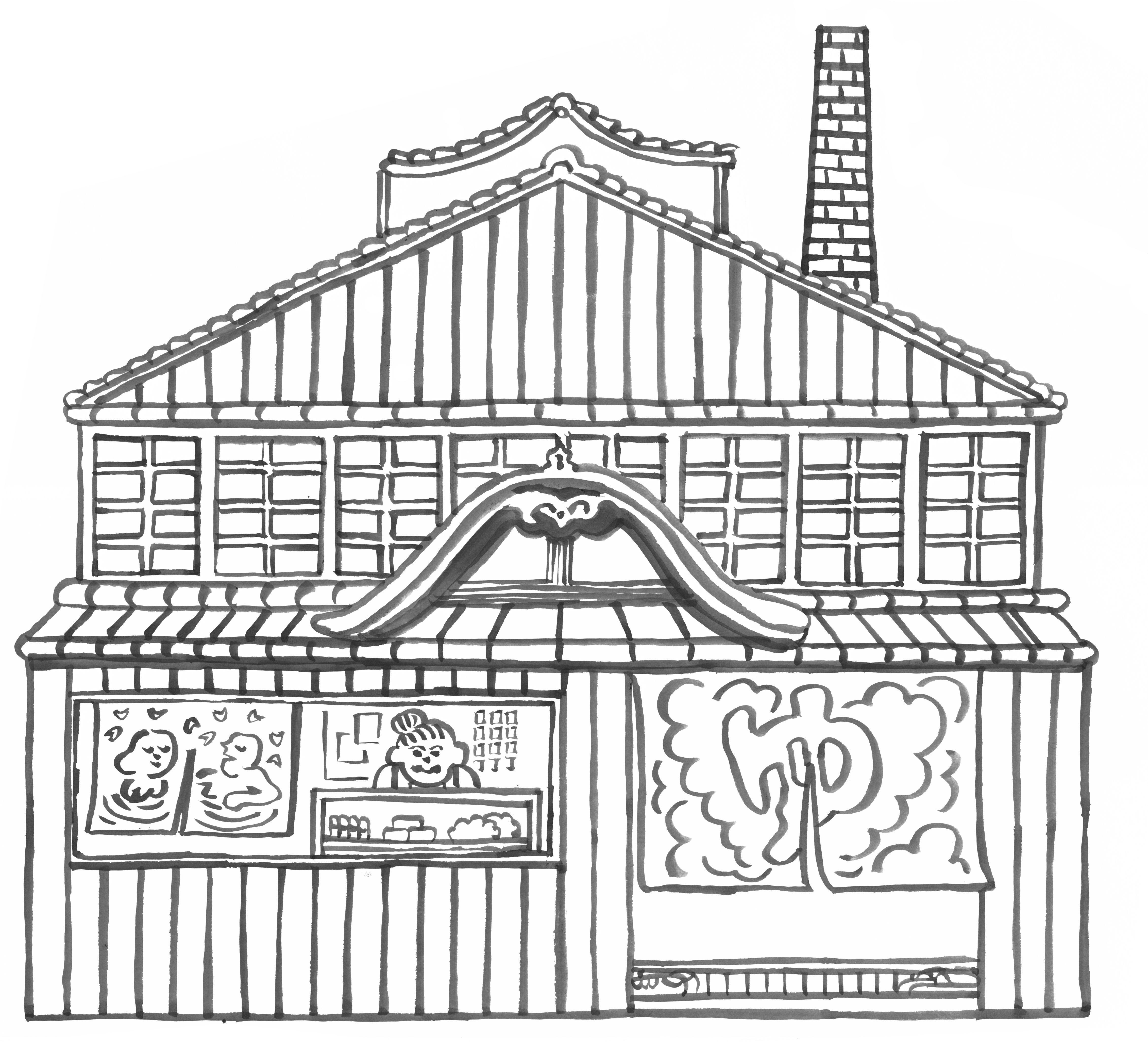
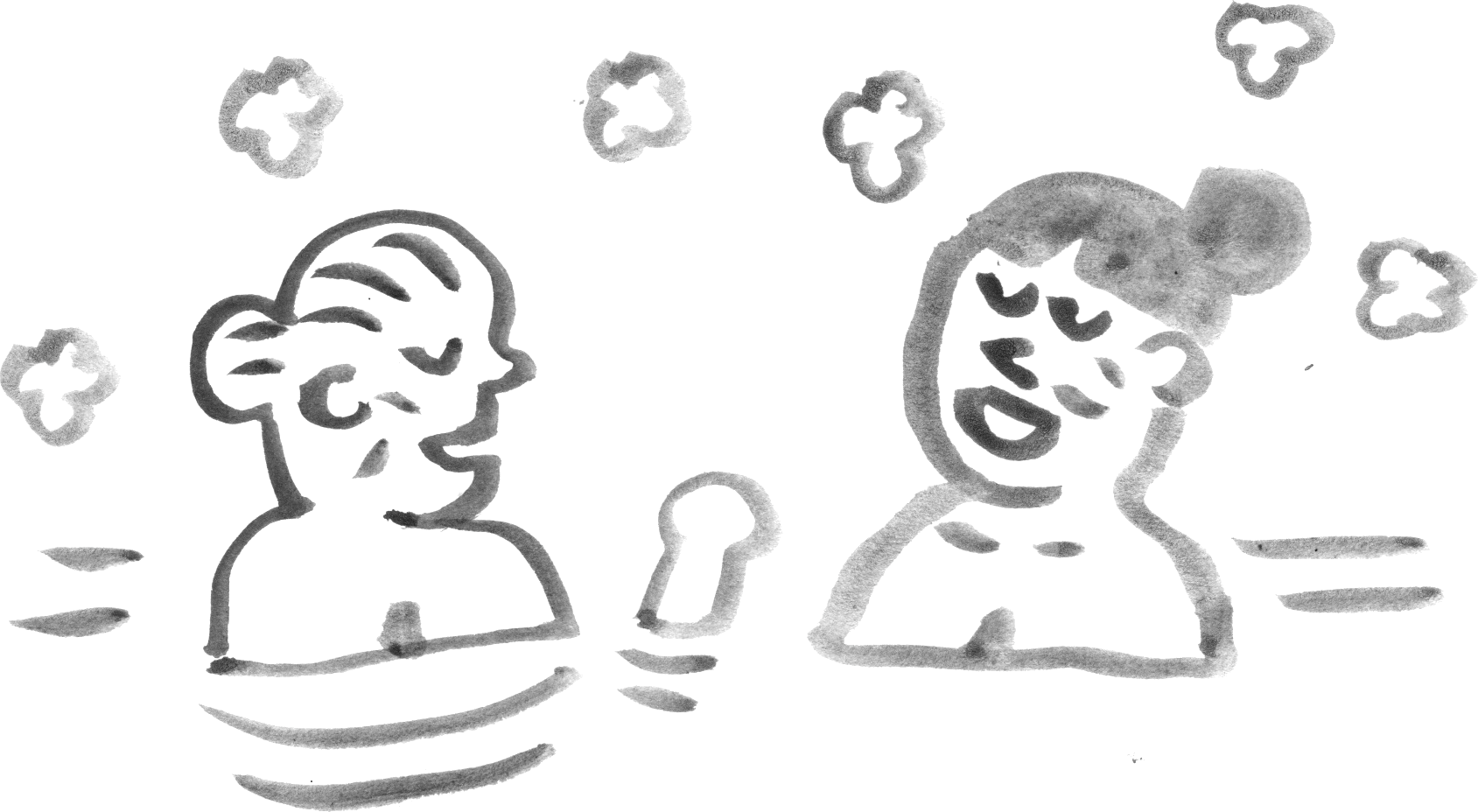
You might already have heard of onsen, the rural Japanese natural thermal baths, but sentō are quite different. Located in the heart of Japanese cities, sentō are the popular bathhouses, local places for neighbors to cleanse, bath, relax and socialize together after a hard day of work. A sentō engages all five senses through an ingenious sequence of hot, cold, scented, and electric baths, alongside showers and saunas. To me, it is a profoundly human, welcoming, and poetic place, deeply rooted in everyday Japanese life.
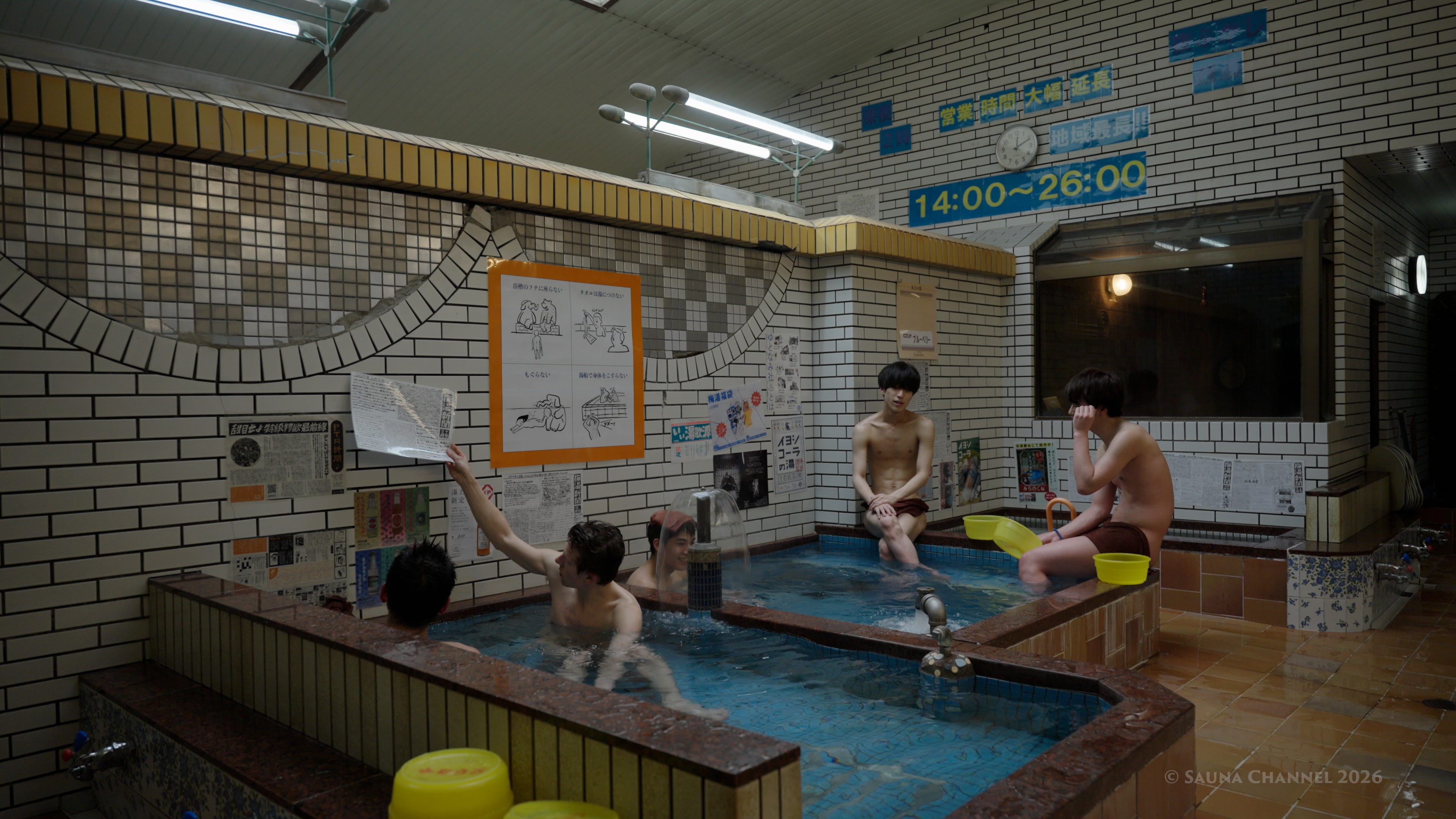
I first experienced these places as a student in Kyoto, bathing every night with my classmates - and even my teacher! I realized that sentō are not only places of ablution and relaxation, but also essential places for social bonding: a true affordable, inclusive and intergenerational space for caring, where I experienced for the first time Hadaka no tsukiai: “naked friendship”.
Sanjiro Minato
The former imperial capital of Kyoto is one of Japan’s richest sentō cities, with nearly 100 bathhouses still in operation. Kyoto is a city of water. Fed by its two main rivers, the Kamogawa and the Katsuragawa, the city is renowned for producing some of Japan’s finest tofu and sake, both of which rely on exceptionally pure water. Beneath the city lies an aquifer said to be as vast as nearby Lake Biwa, and locals like to say that if you dig a hole in your garden, water will spring forth. These abundant water resources guarantee exceptional bathing water, which the local sentō owners are deeply proud of. Kyoto is also a city of traditions, where an exceptional number of historic buildings are preserved, sentō architecture included. Nevertheless, every year several bathhouses close and sentō are demolished at an alarming rate. Despite their deep roots in Japanese society, sentō are now facing major challenges: the availability of private bathrooms, rising inflation and fuel costs, the expensive maintenance and renovation of aging buildings, and the aging sentō owners. All these factors are contributing to their rapid decline.
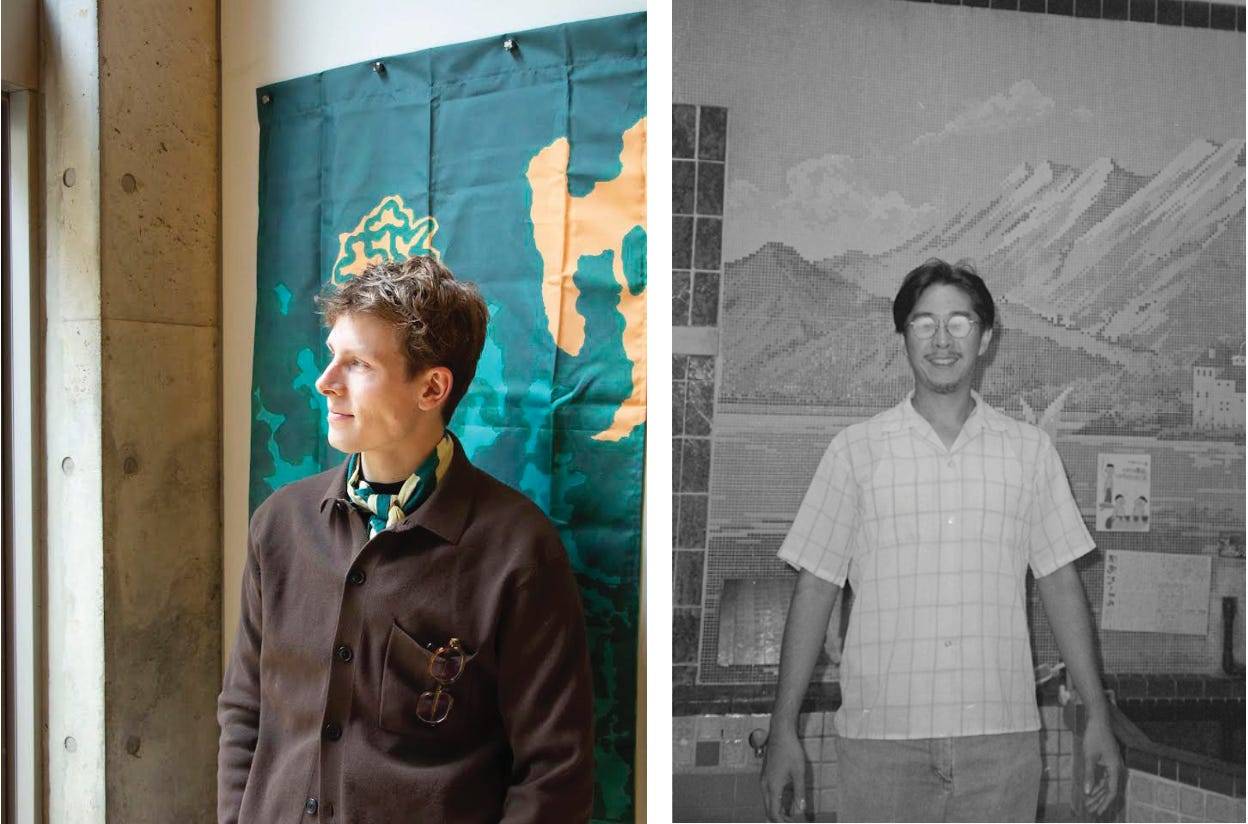
Fortunately, a youthful generation of bathhouse owners in Kyoto is determined to carry the torch forward. Led by Sanjiro Minato and the Yutonamisha collective, these sentō activists are rescuing bathhouses from closure by reinventing and revitalizing bathhouse culture through concerts, exhibitions, cultural events, and collaborations with artists, craftspeople, and designers.
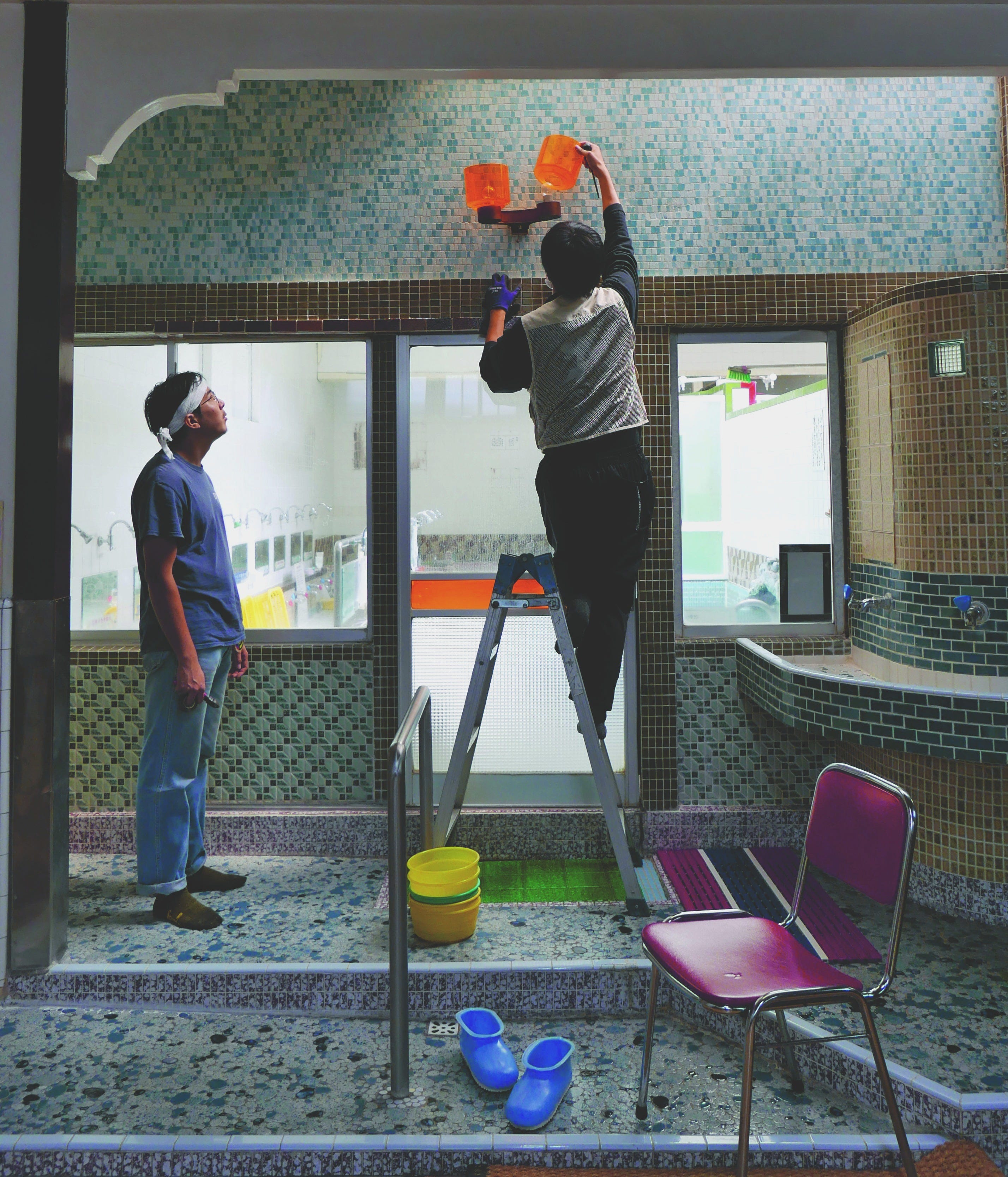
How can sentō culture be revived? Minato has a few ideas:
“In 2012, there were 180 sentō in Kyoto. Today, fewer than 100 remain. In ten years, there may only be 30 to 40 left. It is very frightening. Our company’s motto is: don’t let sentō disappear from Japan. To achieve this goal, we will not simply take over and operate existing bathhouses. We want to build a sustainable business around the facilities and buildings that support them. It is essential to cultivate sentō as a cultural experience that appeals to younger generations. The most important factor is creating an enjoyable workplace where young staff can thrive. This includes developing original merchandize and organizing events. We see ourselves as caretakers of sentō, ensuring that they continue to exist 50 or even 100 years from now. While making small updates to suit modern times, we will preserve their essential role in public hygiene and everyday community life.”
Sanjiro Minato
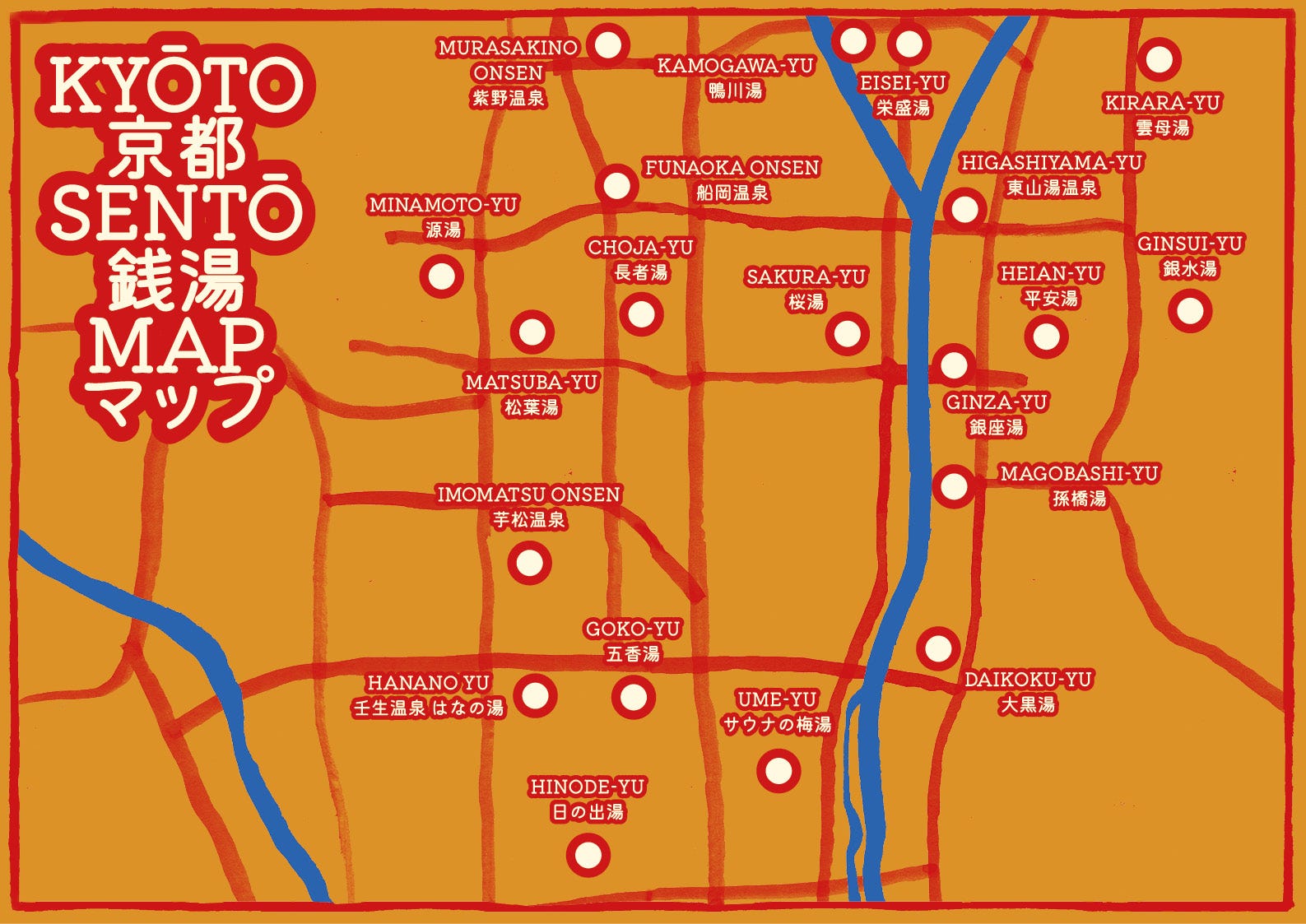
Kyoto’s 100 sentō make it one of Japan’s most active bathing cities. I believe you can discover and understand the city by crossing the bridges of the Kamogawa river and embarking on a sentō pilgrimage. With sentō located all around the city, there’s no limit to exceptional bathing experiences. Here are a few of my favorites.

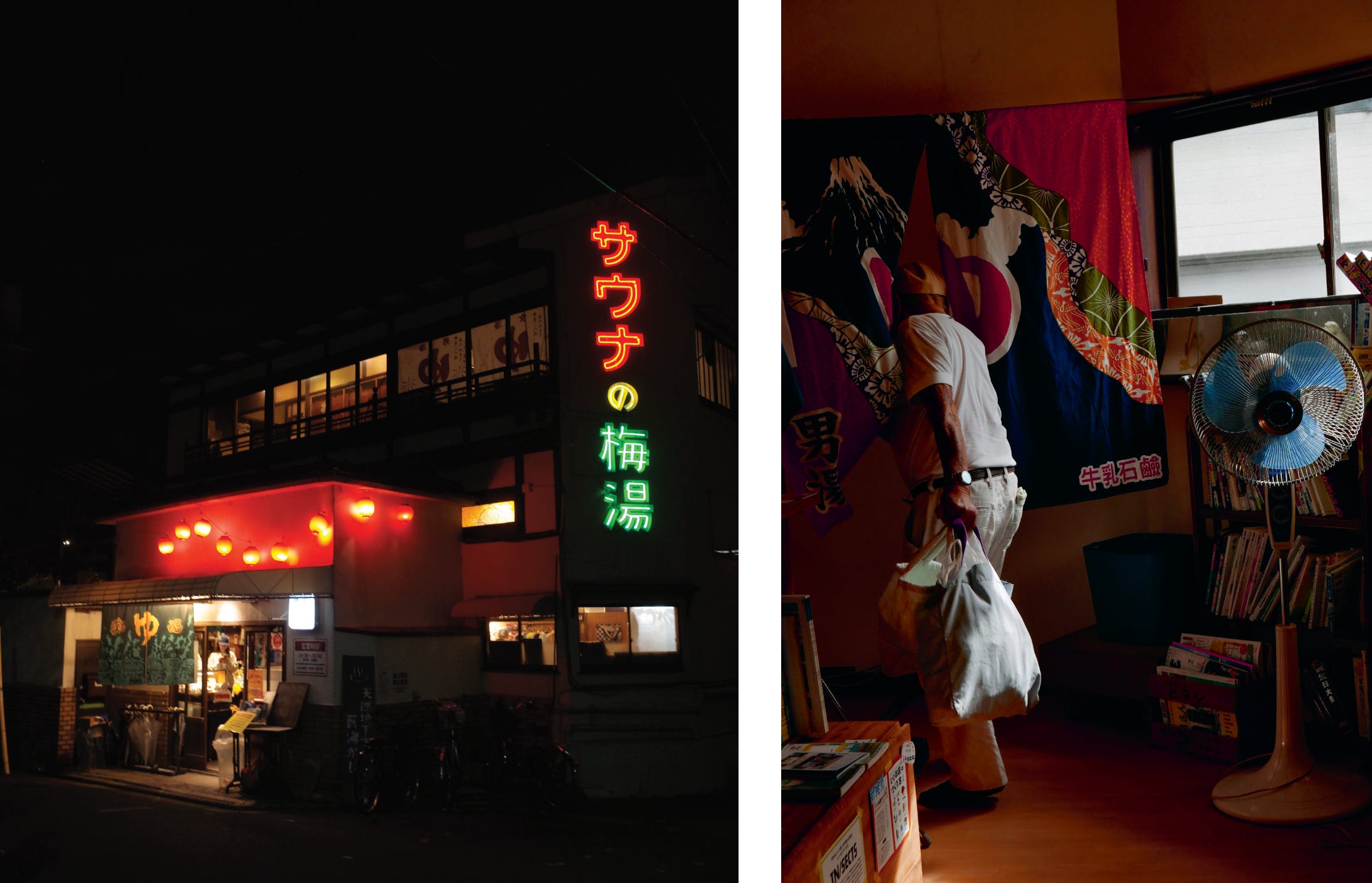
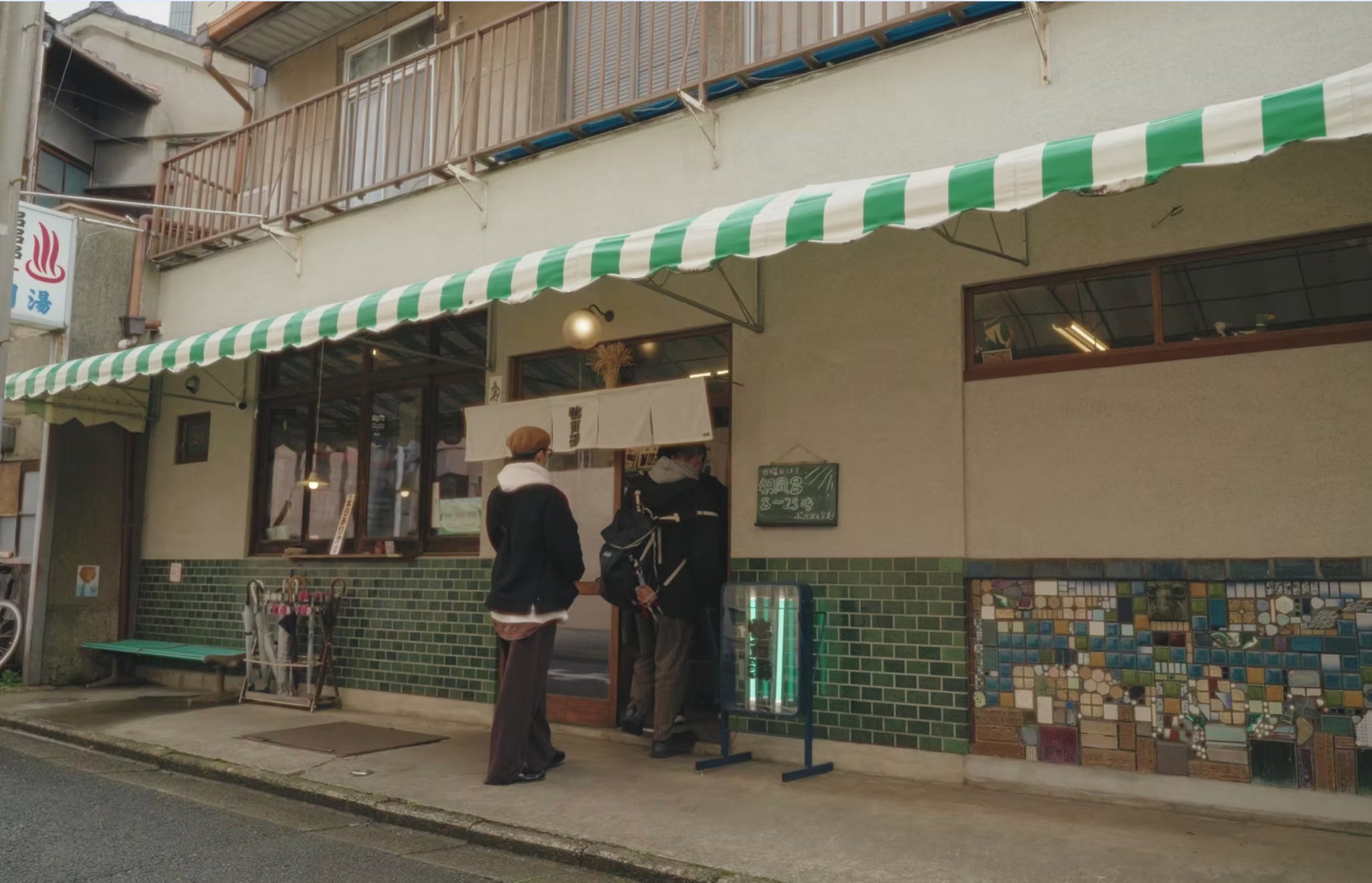
Conveniently located near the central station, Umeyu might be the best first visit if you have never experienced sentō: foreigner-friendly, young and popular, you’ll be warmly welcomed and initiated into the mysterious etiquette of the Japanese bath. The revival movement of Kyoto’s sentō began here, so it’s a good place to understand what the future of bathing could look like. Some nights it’s so popular, you queue outside, as if it was a nightclub!
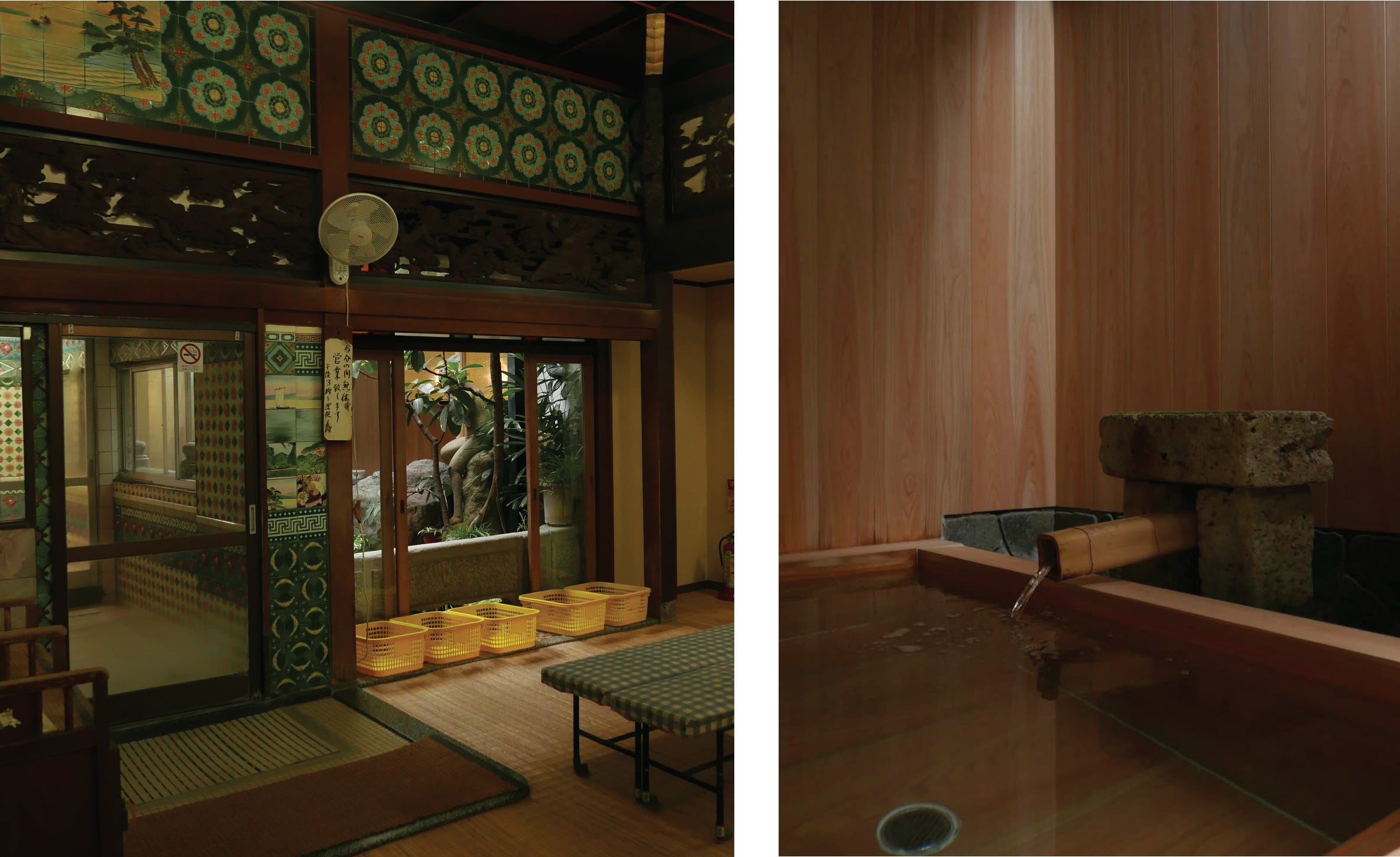
A legendary sentō that gained its onsen title for introducing the first Denkiburo to Japan, a bath giving massages through electric shocks. The luxury bathing setting has a traditional wooden roof, architecture and sculptures, an interior garden, a large sauna, and several indoor and outdoor baths. Afterwards, I recommend a drink at nearby Sarasa Nishijin, a former sentō reopened as a cosy café. Gokuraku (it’s a divine feeling!)

Along the Kamogawa riverbank, in quieter and wilder north Kyoto, Kamogawayu offers a familial place to relax with a central hot bath, an electric bath, and a perfectly temperate mizuburo (cold bath) at 18°C. After it was closed for a few years, a young couple, Niwa and Sakura, decided to revive it, offering a traditional wood-heated bath, a cozy lobby with drinks, books and goods.
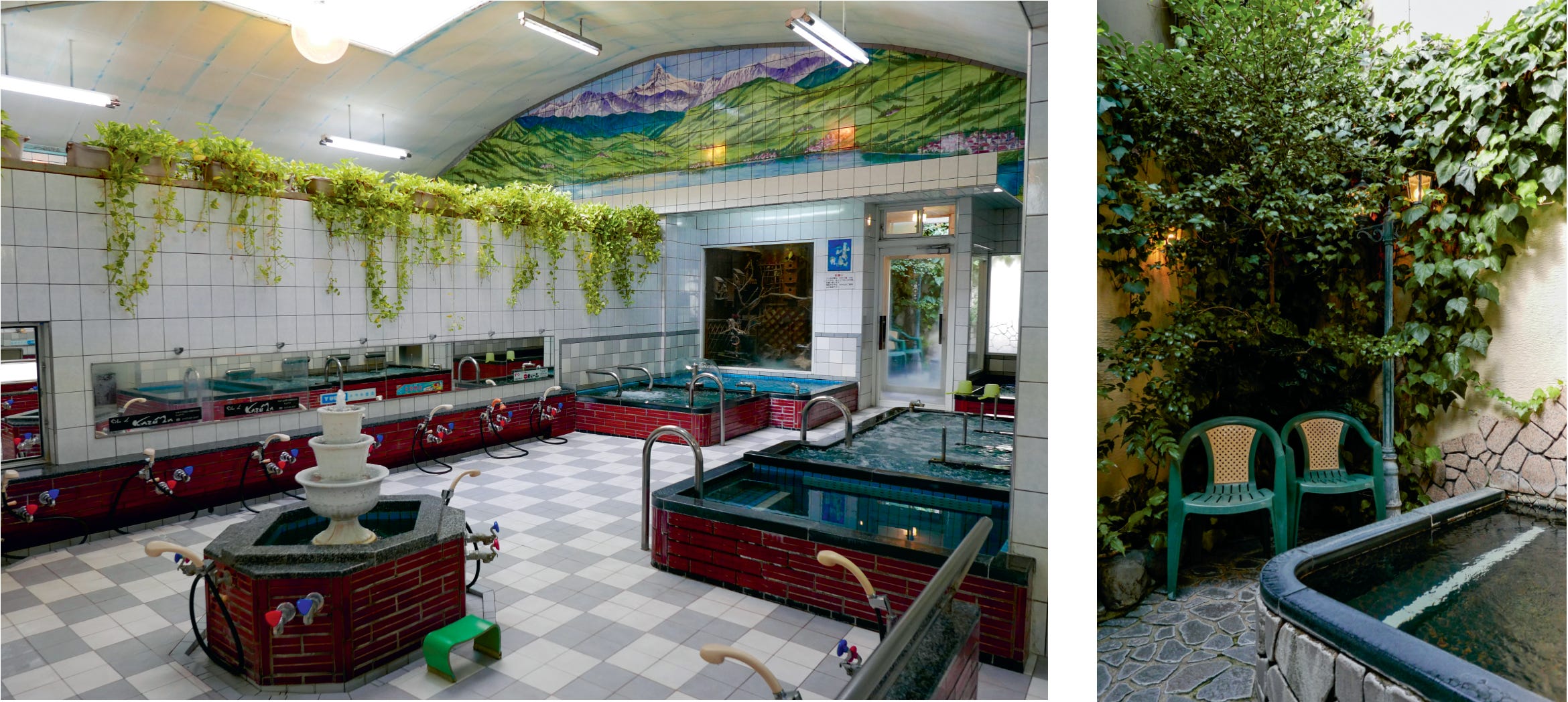
West of the city center, Matsuba-yu is a local and quite original sentō: there is a large vivarium near to the bath, allowing you to watch exotic birds while taking a bath. Instead of a traditional penki-e (wall painting) of Fujiyama, you’ll be surrounded by a Swiss Alpine landscape. You’ll even be blessed with two outside baths, a hot and a cold one, perfect for a soak when it’s raining or snowing outside.
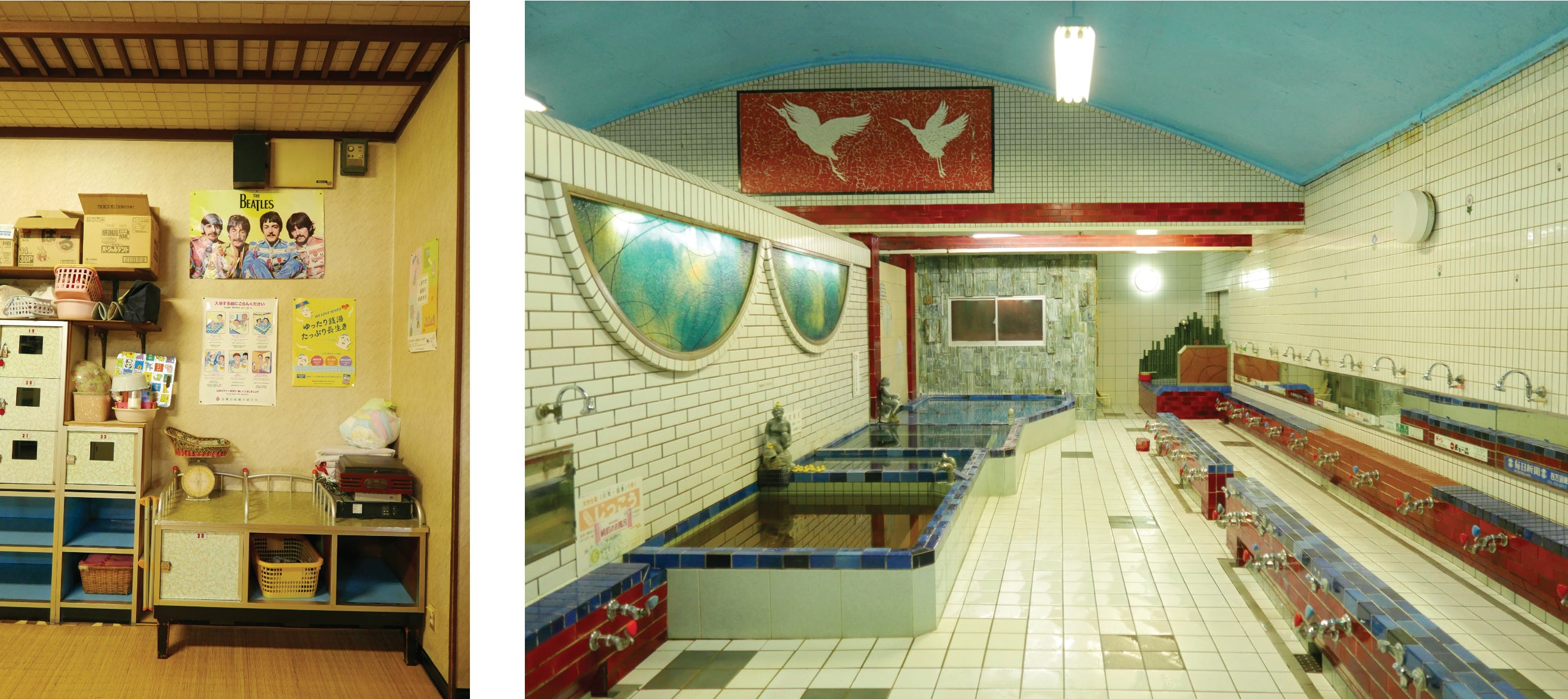
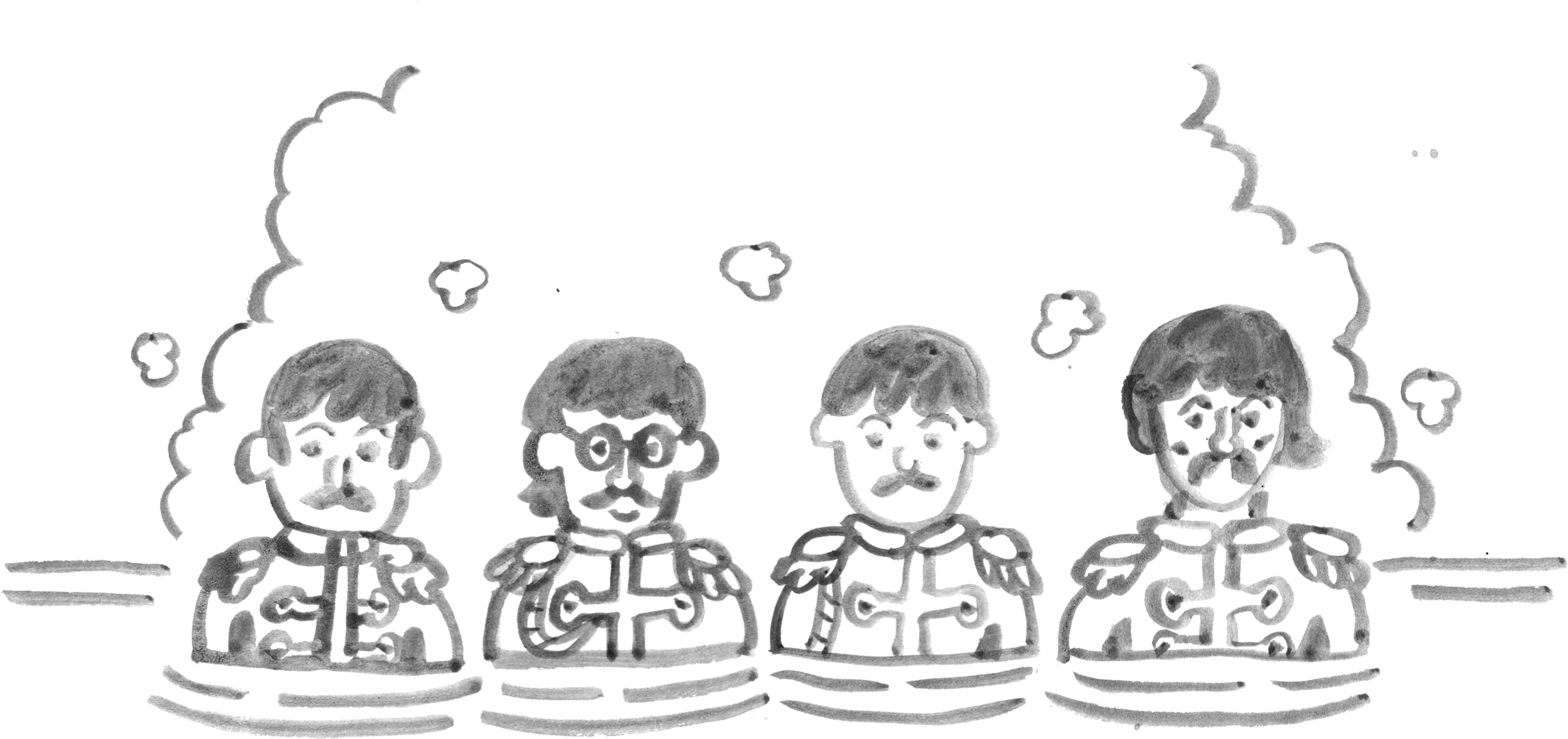
An iconic sentō located near Kyoto University, at the heart of the student district, amongst the numerous ramen shops, Higashiyama-yu is famous for its theme: The Beatles. Even before entering, you’ll be welcomed by a noren (entrance curtain) featuring John Lennon soaking in a hot bath, and portraits of the band members hanging in the locker room. And in the sauna, you can enjoy their greatest hits. Do they play anything other than the Beatles? No, never
.
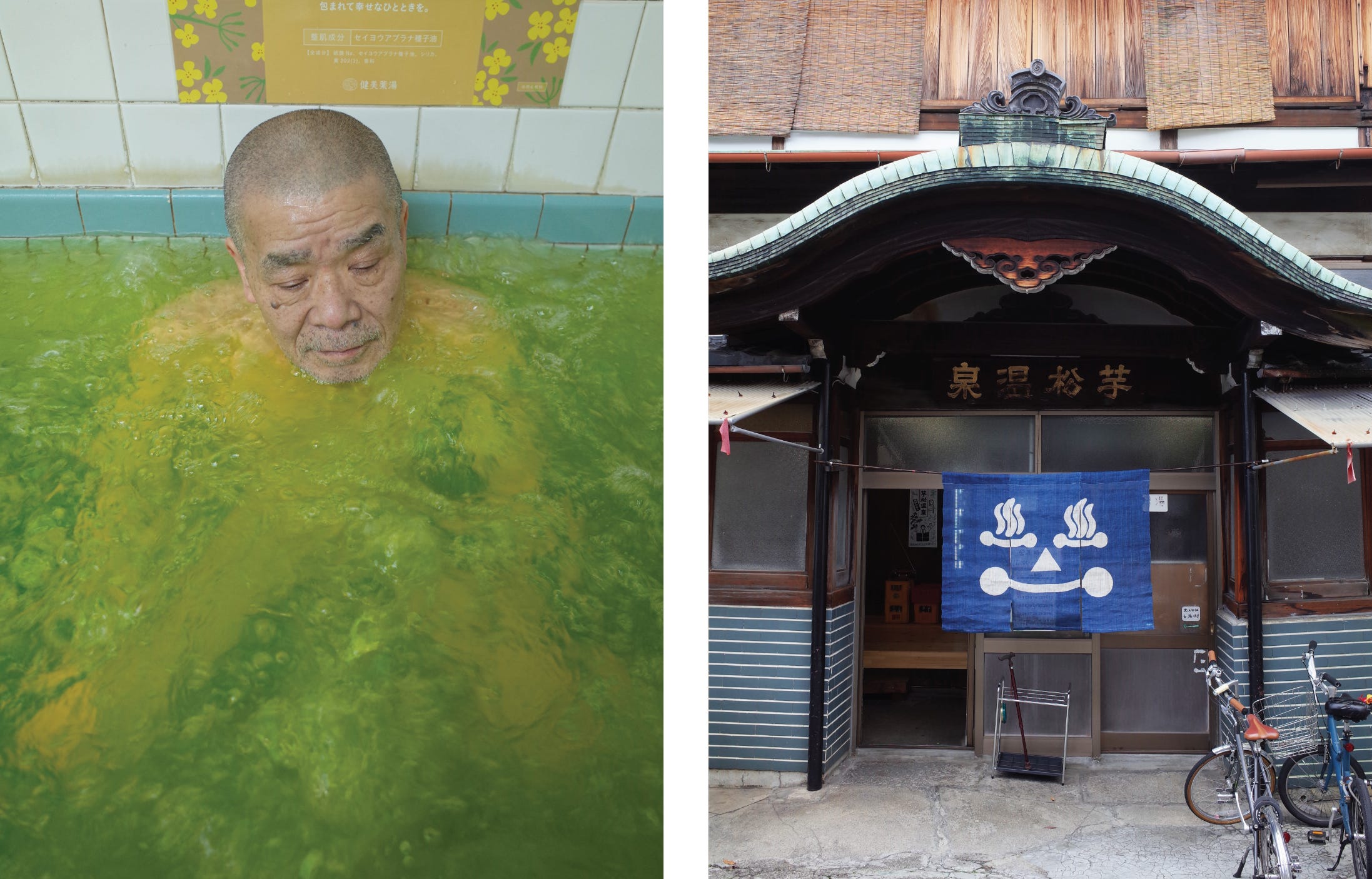
A recently renewed sentō in a traditional building hidden in a maze of narrow streets in a residential district, the manager Shiho puts her heart into providing the best bathing experience possible for the local community. Pure underground water, clean and perfectly temperate baths, a fresh Penki-e (wallpainting of Fujiyama), lots of space and light, beautiful tiles, and a spacious and relaxing lobby to enjoy a fresh drink after your bath.
Minamotoyu, Shinchi-yu, Hinode-yu, Eisei-yu, Heian-yu, Murasakino Onsen, Sakura-yu, Choja-yu… And so many more !
Purchase César Debargue’s Kyoto Sento Map or Sento Zine Nuages Flottants
Our friends at Sauna Channel made a lovely film with César and Sanjiro about the Kyoto sentō scene, give it a watch!
Do you sauna during a heat wave? Repeated use of saunas could help people cope better, reports The Guardian
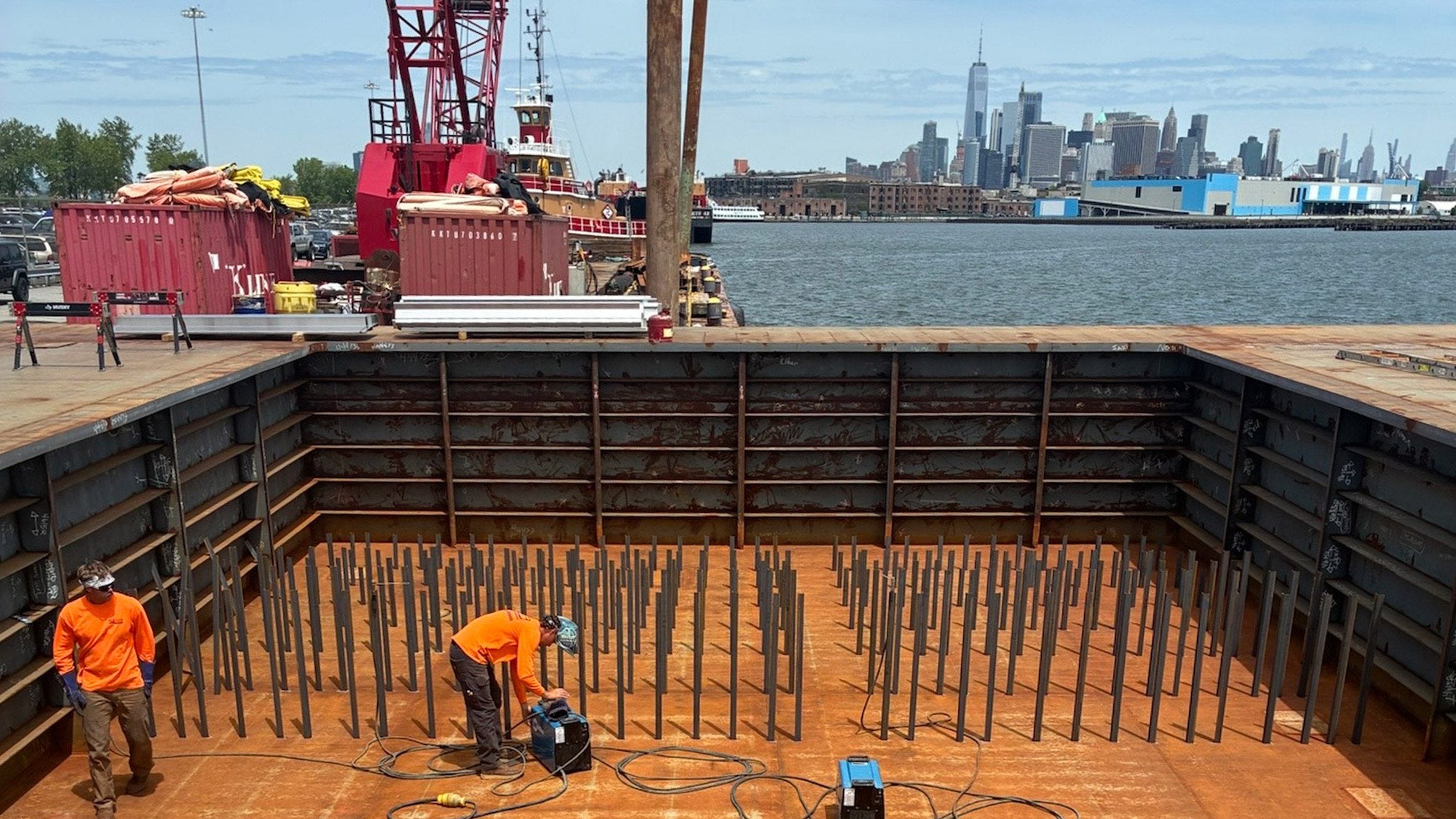
First images emerge via Dezeen of NYC’s Plus Pool’s floating prototype nearing completion in Brooklyn
Elite Traveler catches on to the rise of wild swimming and sauna in the USA
Book an early ticket for Minnesota’s Banya Fest where you can experience steam, cold plunges and hearty Slavic cuisine. Saturday October 3, 2026 Tickets here
Moving Meditation are organising a Nordic Reset diving into Finnish Sauna Culture in January 28 - February 5, 2027, including a visit to the Winter Sauna Carnival. Book here
Spot the sauna, complete with moving bench, in a new ad recreating Jamioquai’s seminal Virtual Insanity music video, 30 years on.
We’d love to hear from you - please send a DM, or email hello@cultureofbathe-ing.com
Culture of Bathe-ing is presented by Therme Group
Comments
Nothing yet. Say the first thing.
Sign in to join the conversation.