
Jacob Ridley works on early modern English literature at the University of Oxford, where he teaches and recently finished his PhD.
What exactly was ‘early modern’ culture?
For Western Europe and its various global colonies, roughly, the early modern period stretches from around 1500 to around 1700 (though some would move that forward to the effects of the Industrial Revolution after 1760).
The early modern can be thought of as the bastard child of two half-estranged medieval parents: the Renaissance and the Reformation. These genes combined into an unparalleled growth spurt of conflict and creativity.
Throw in the invention of the printing press in Germany in the 1450s and the discovery of the Americas in the 1490s and you have an embryo of today’s global, commercial, ideological world: that is, an early version of ‘modernity’.
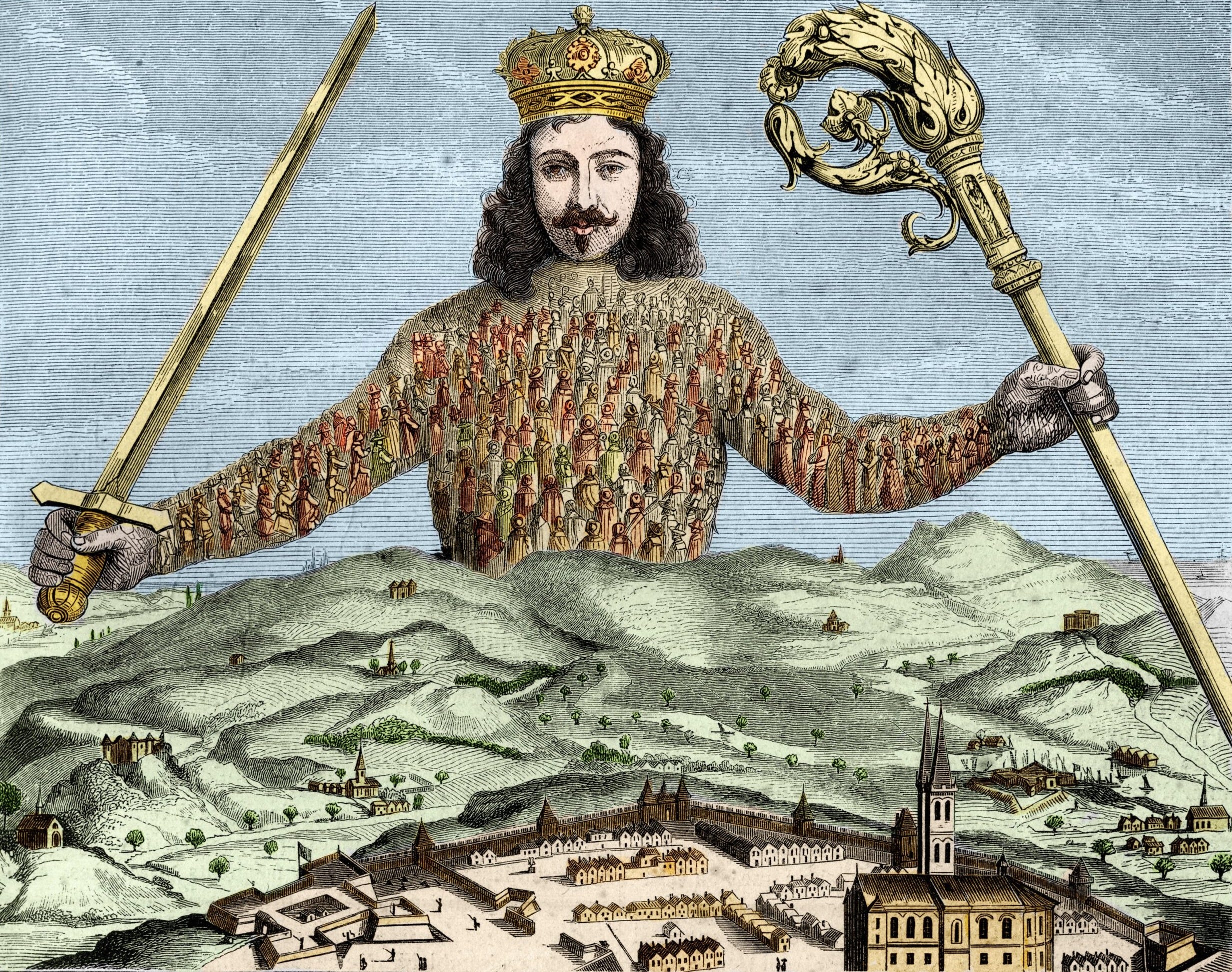
The Renaissance was a rebirth (re-naissance) of ancient Greek and Roman culture and learning, which spread from fourteenth-century Italy to the whole of Europe by the sixteenth century.
This movement may sound dryly academic but actually it revolutionised almost everything, from poetry and architecture to military tactics, political philosophy, and farming.
When Shakespeare went to school in Stratford in the 1570s, Latin and Greek culture was what he learned. ‘Pagan’ mythology and history — its gods, goddesses, heroes, giants, monsters, naiads, dryads, oracles, sybils, soldiers, and statesmen — entered the lifeblood of literature and art and stayed there for centuries.
Of course, the great ancients did not believe in the Christian God (in The Divine Comedy, Dante puts them all in Limbo, right on Hell’s doorstep, for this reason). Nonetheless, they were believed to possess the greatest wisdom and insight possible without divine revelation.
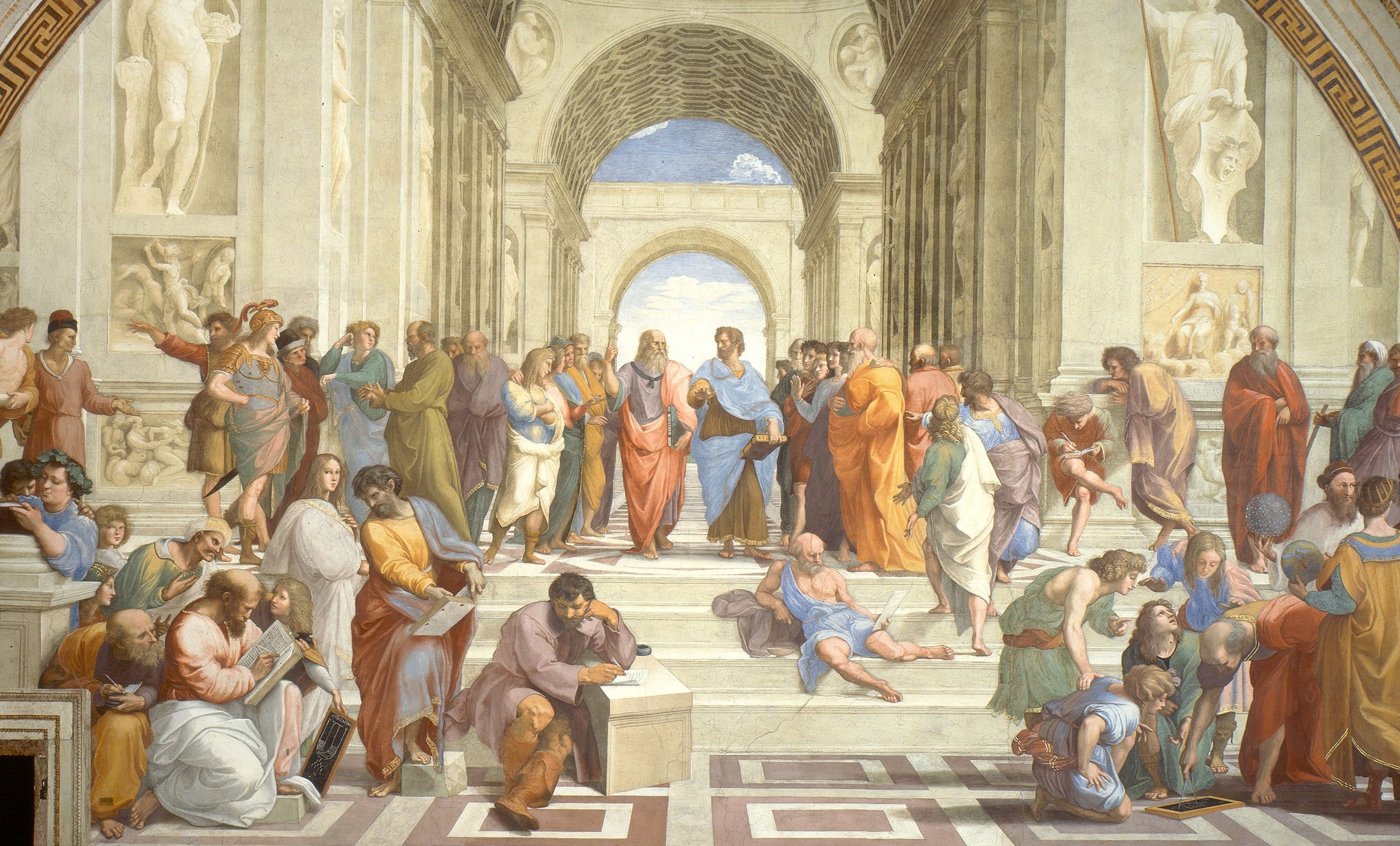
The Reformation, meanwhile, was about divine revelation, plain and simple.
Its supporters saw it as another rebirth, this time of the ‘true’ Christian faith as taught in the Bible. In 1517 in Wittenberg, the German monk Martin Luther made a protest against corruption and heresy in the Roman Catholic Church. The renegade monk lit a fire of protest (of Protestantism) which spread throughout Europe.
The results were bloody. Protestants and Catholics would outlaw and persecute each other for centuries, and many of the wounds are only barely healed today. France in the later sixteenth century and Germany in the mid-seventeenth were torn apart by religious wars lasting decades, killing hundreds of thousands of people.
In England in 1649, King Charles I was beheaded after a religiously motivated Civil War. The consequences for literature and art were equally revolutionary. The Protestants translated the Bible out of Latin and printed millions of copies, and literate people everywhere could suddenly read and interpret God’s Word for themselves.
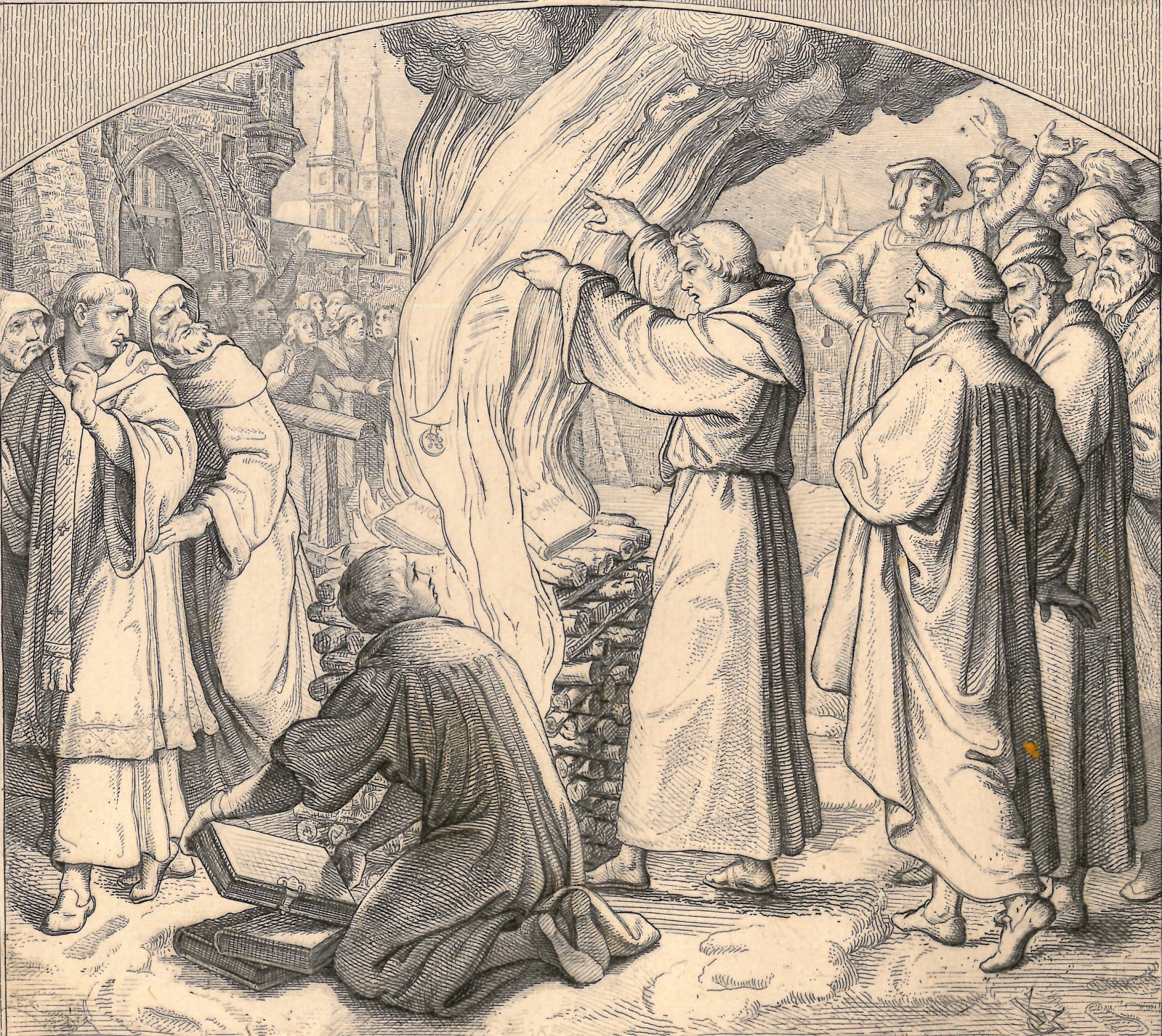
England had been an early convert to Luther’s cause: Henry VIII rejected the Pope’s authority in 1534 and founded the Church of England instead. (This is the mission which Thomas Cromwell is carrying out in the last two novels of Hilary Mantel’s Wolf Hall trilogy.)
However, the road to reform was a rocky one. King Henry and his three children all had different religious beliefs, and by the time Shakespeare was born in Protestant England in 1564, there had been five changes of official religion in 35 years, each with its own bloody martyrdoms.
…sound confusing?
It probably felt like it at the time.
The reading list below suggests seven routes into this turbulent era of European culture. They proceed through three historical moments:
The court of Henry VIII in the early sixteenth century
The era of Shakespeare around 1600
And the ‘baroque’ world of the later seventeenth century.
There is a bias towards English literature — because, if you’re reading this, you can dive right into that. My message however is clear: whether you’re reading Hilary Mantel or Hamlet, keep the humanists and the reformers always in mind.
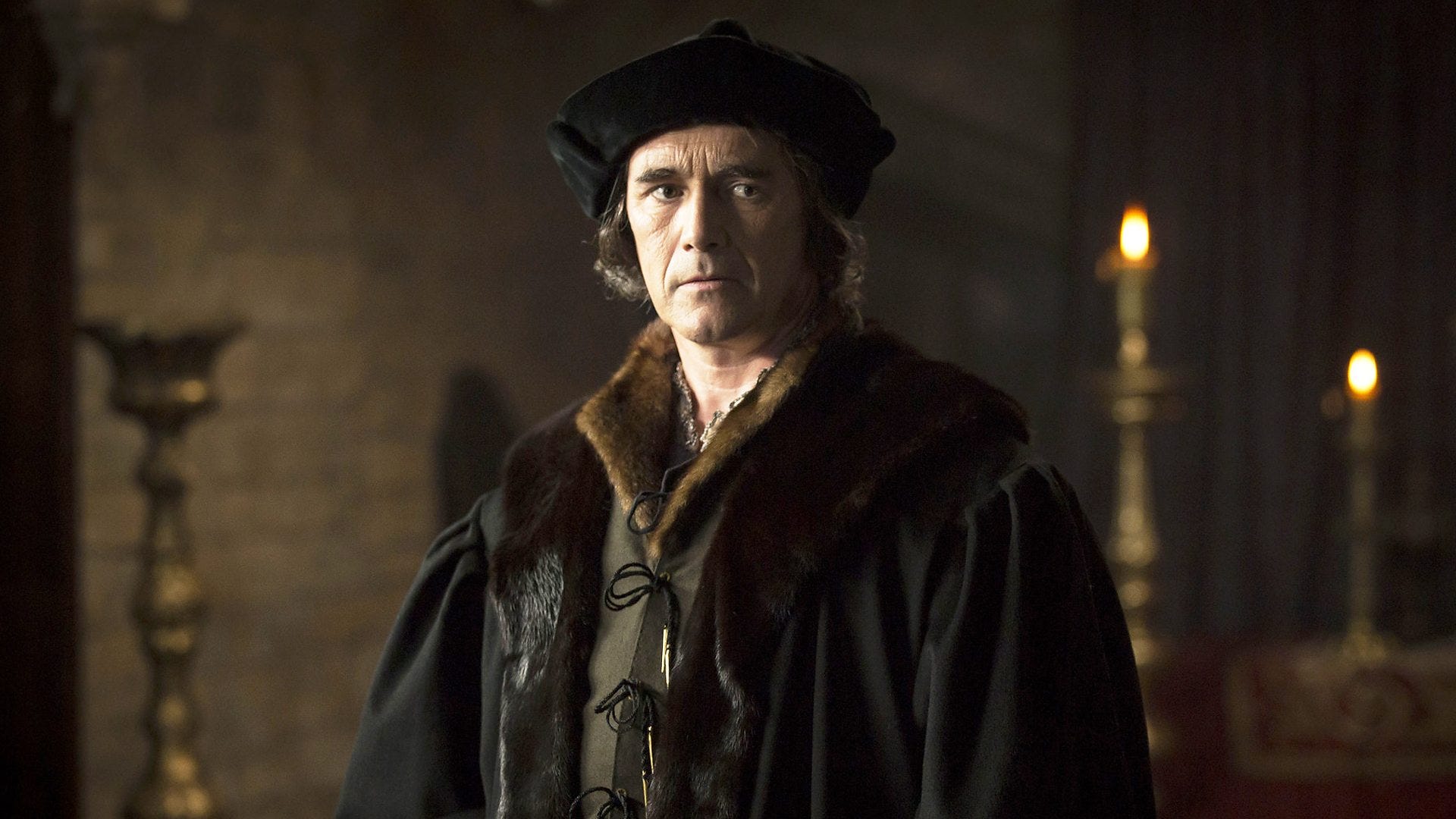
Mantel’s trilogy of Tudor historical novels, completed by Bring up the Bodies (2012) and The Mirror and the Light (2020), is already comfortably established as some of the greatest historical fiction ever written.
For those who only know the TV series, the books are far better. Wolf Hall centres on the court of Henry VIII in the 1520s, where King Henry is attempting to get a divorce from his wife, Katherine of Aragon, to marry his lover, Anne Boleyn. The protagonist of all three books is Thomas Cromwell, the Putney butcher’s son who rose from nothing to become Henry’s most powerful advisor, who acts as Anne’s ally in the divorce which will bring about the English Reformation and change history.
It is a cliché, but worth saying again: Mantel’s prose style in this novel brings the past dynamically alive. She writes in the third person, but always from Cromwell’s fascinatingly ambiguous point of view, so that it feels first-person. Most famously and unusually, it is written in the present tense.
The result is grippingly claustrophobic and occasionally shocking (at one point a man accused of attempted poisoning is boiled alive, in a – historically accurate – scene which has stayed with me ever since). The Hall of the title is the home of the aristocratic Seymour family, but really the wolves are everywhere at a paranoid royal court full of backstabbing factions.
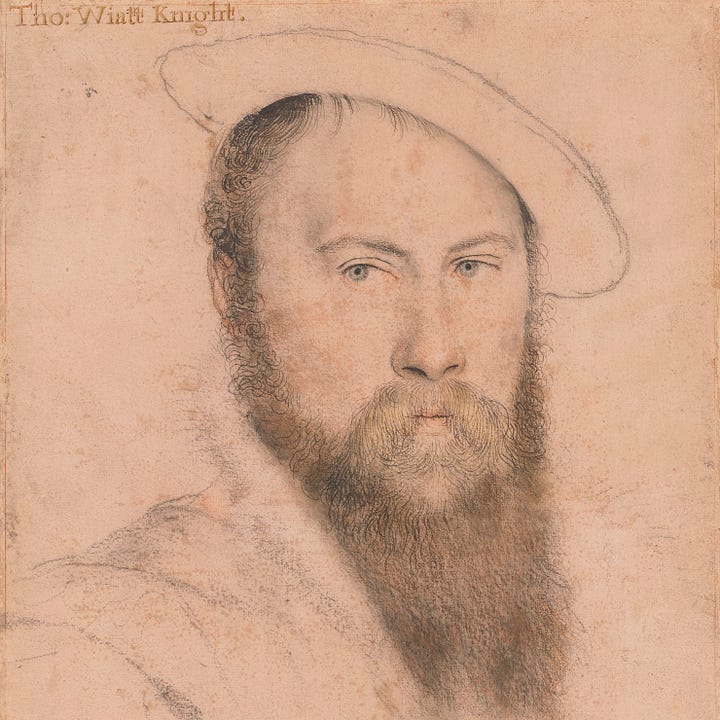
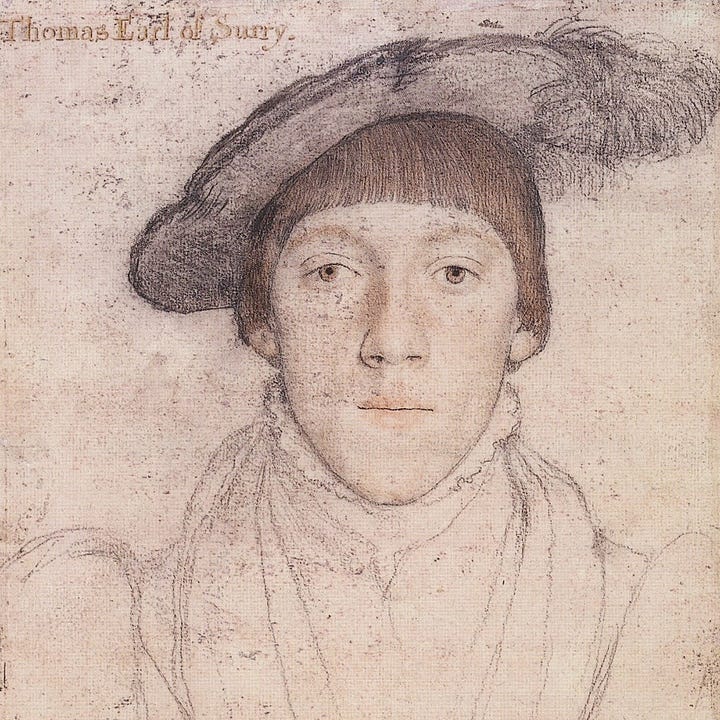
The poet-courtiers Wyatt (1503-42) and Surrey (c.1517-47) are the defining literary figures of the Tudor court which Hilary Mantel brings alive. (Wyatt actually appears in the Wolf Hall trilogy, as a brooding critic of Henry’s regime.)
They revolutionised English poetry: Wyatt wrote the earliest sonnets in the language, and Surrey used the first blank verse in English when he translated the ancient Latin epic the Aeneid.
They were also noblemen who flew too close to the sun at Henry VIII’s court. Both men were imprisoned at different times for angering the king, and Surrey was beheaded at the age of 30 only ten days before Henry’s death.
The love poems of Wyatt, in particular, take us inside the emotional world of the Tudor nobility. Wyatt may even have been the lover of King Henry’s second wife, Anne Boleyn – and, even if this is just historical gossip, it adds a whole dimension to famous poems such as ‘Whoso list to hunt, I know where is an hind’ and ‘They flee from me that sometime did me seek’.
We hear the furtive footsteps and unspoken feelings of a world where courting women, hunting deer, and holding power were all part of the same dangerous game.
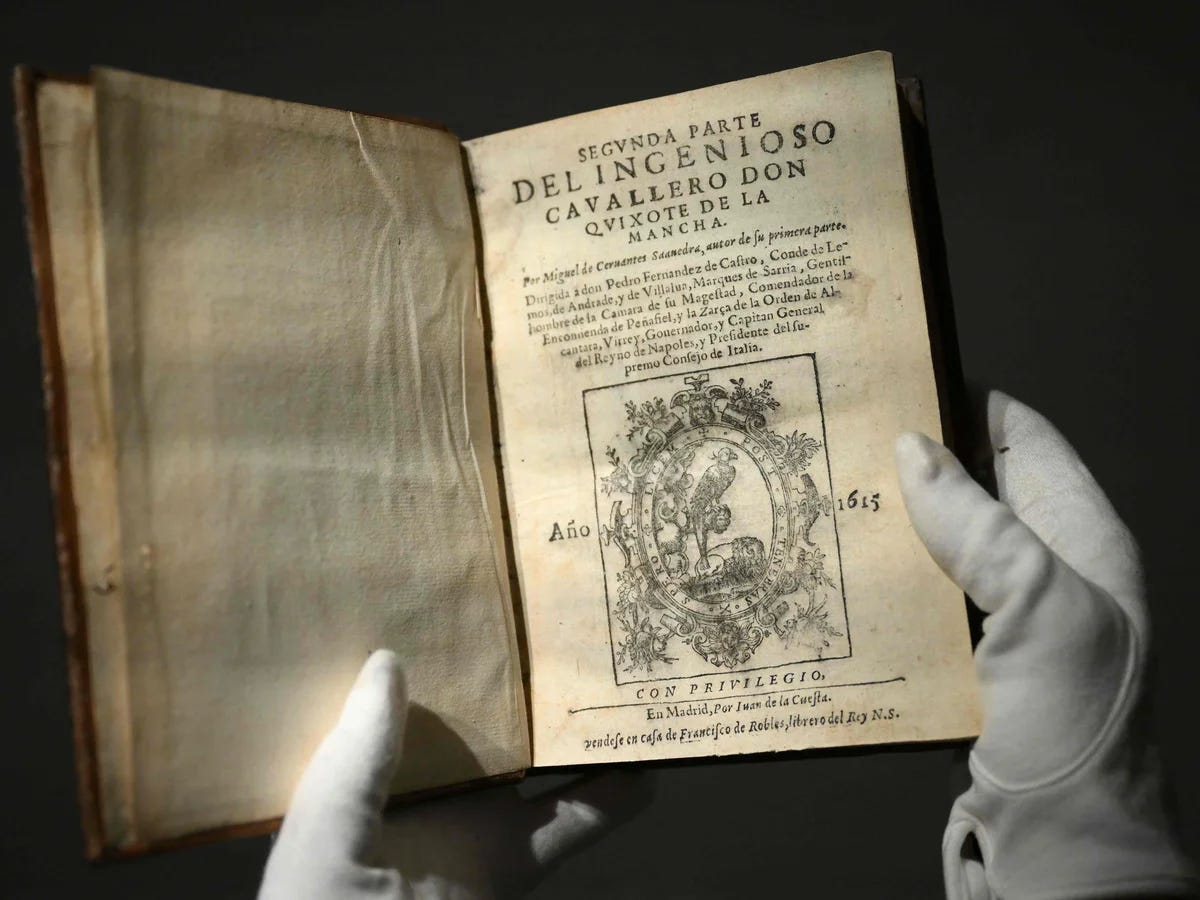
Cervantes’ status as the first great novelist rests on this long, moving, nearly plotless masterwork. There are many translations, but the best is usually said to be Edith Grossman’s (2004).
A scrawny gentleman in the Spanish province of La Mancha has read so many old romances of King Arthur and the Round Table that he starts to believe that he really is a knight in an enchanted kingdom. Don Quixote hires a local herdsman, Sancho Panza, as his squire, and they begin an epic horseback journey through the countryside of Spain.
The delusional Don believes every inn they come to is a magic castle and every shepherdess is a damsel in distress. Most famously, he fights a group of windmills (and loses) in the belief that they are evil giants. The Don thinks that he is a knight; everyone else thinks the Don is mad; but Sancho thinks the Don is a mad knight, and sticks with him complainingly through thick and thin.
There is even a mind-bending moment of metafiction at the start of part 2, when the Don finds out that Cervantes has published a novel about him called Don Quixote.
Don Quixote is both a humanist joke about popular literature and an epic tribute to human imagination and loyalty. Cervantes died in 1616 (on the same day as Shakespeare), but the Don and his loyal companion have been wandering the European imagination immortally ever since.
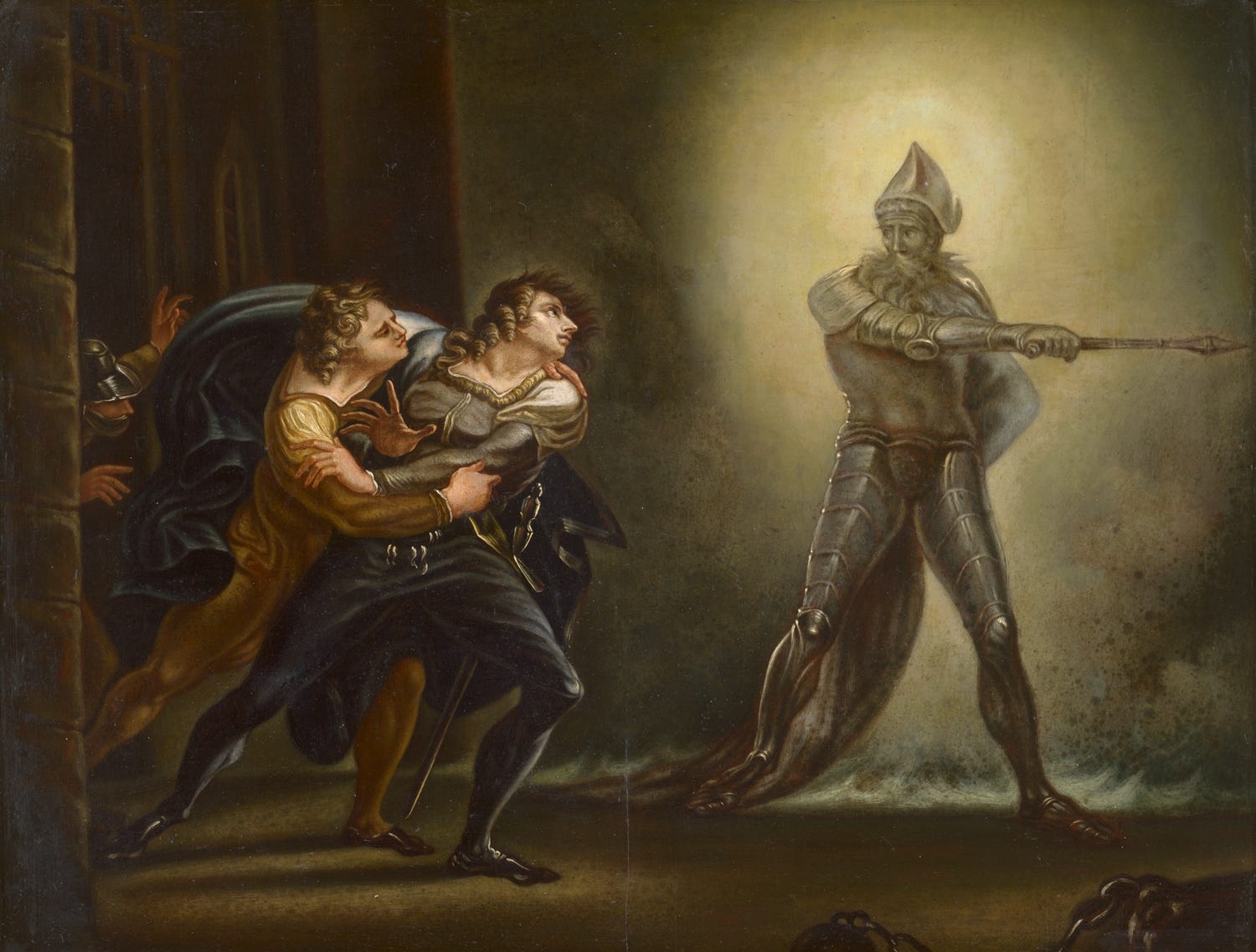
Shakespeare’s Hamlet was performed at the Globe Theatre in 1601 and has been on everyone’s mind ever since. Hamlet, Prince of Denmark, meets the ghost of his dead father, who reveals that Hamlet’s uncle Claudius murdered him. Hamlet spends the play wondering whether to kill Claudius, or indeed himself (‘To be or not to be’…) – a tragic lack of decisiveness which finally causes disaster.
Famed Harvard literary critic Stephen Greenblatt reopens one of the play’s most infamous problems. Hamlet’s father describes that his soul is in Purgatory, a fiery place where sins are purged away before souls can go to Heaven.
This is unexpected in an early modern English play, because Protestants believed that Purgatory was the Pope’s invention, and the belief was banned in Elizabethan England. Meanwhile, Hamlet goes to university — in Wittenberg, the world-famous home of Luther’s Reformation.
Is Hamlet a ‘Protestant’ play or a ‘Catholic’ one? The debate is never-ending, and Greenblatt uses it to examine the cultural confusions of being Christian after the Reformation.
Probably no single human bestrode early modern Europe quite like the fourteenth Louis to rule France.
The so-called Sun King came to the throne at six years old in 1643, and ruled until 1715 – a record 72 years and 110 days in charge. He expanded the French Empire overseas, fought three continent-shaping wars, and made France the most dazzlingly influential centre of art and architecture in baroque Europe.
The comedies of Moliére and tragedies of Racine, the operas of Lully, and the first ever ballets were written to entertain him. The England of his cousin, Charles II, was obsessed with all things French.
Louis also removed legal protections for French Protestants and nearly bankrupted France with his luxuries and military invasions. Philip Mansel tells the story of the Sun King with almost as much focus on the outfits as the politics – because, in the Europe which Louis made, the outfits were the politics.
The Restoration of 1660 saw Charles II returned to the English throne after eleven years of republican government in England, following the beheading of his father Charles I in 1649.
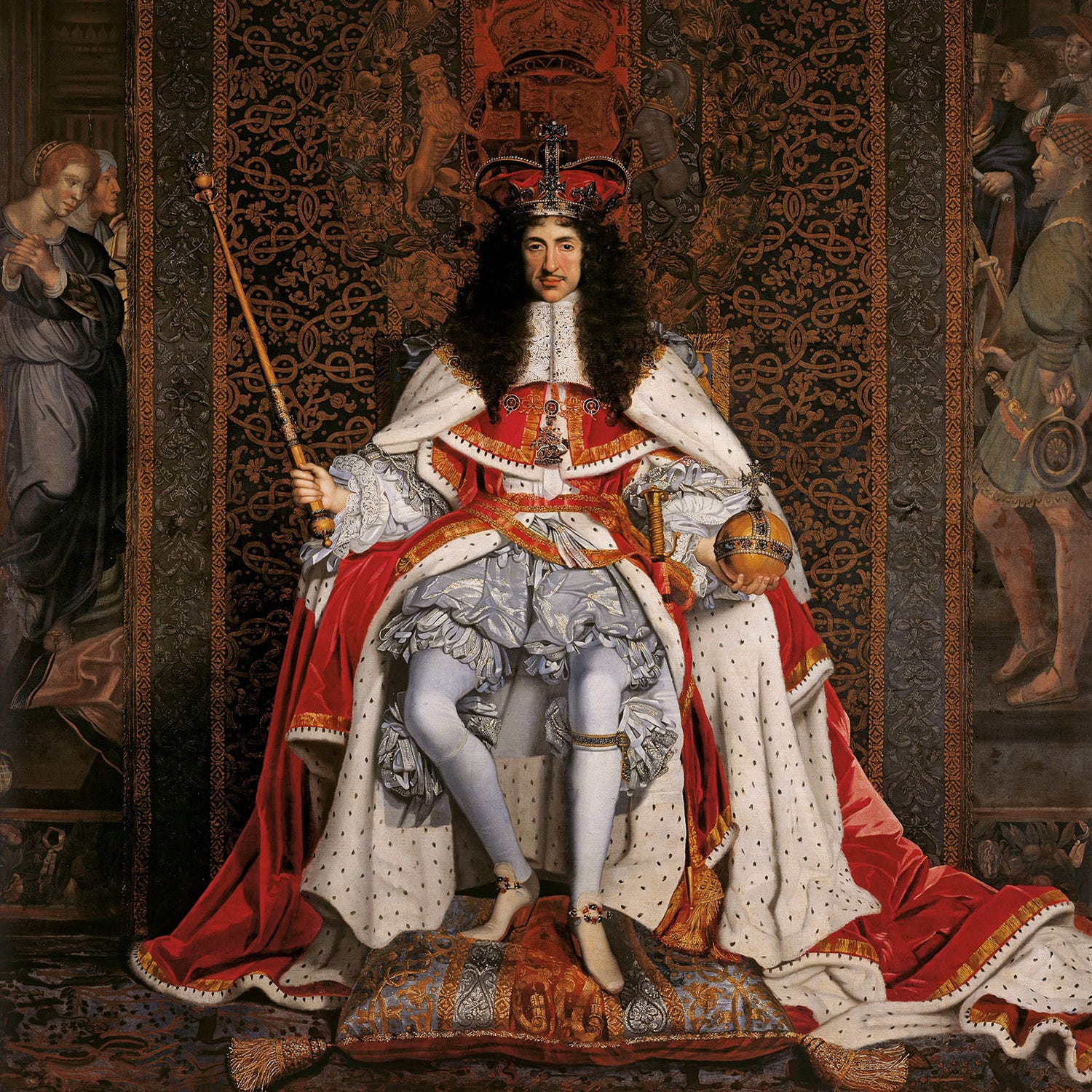
Charles II’s reign is one of the iconic periods of decadence in history — probably England’s most famous era of drinking, dancing, and aristocratic debauchery before the age of Oscar Wilde or the Great Gatsby.
Rose Tremain’s Booker-shortlisted novel takes us near the centre of it through the narrative of Robert Merivel, a womanising doctor who becomes a favourite of Charles II.
Merivel is told to marry one of the King’s lovers so that the King can continue sleeping with her without making his other mistresses (or wife) too jealous — but Merivel ends up falling in love with the lady himself.
We are taken through the Great Fire of London in 1666 and other defining moments in the reign. Told in the first person by Merivel, a sceptical outsider at a glittering but depraved court, Restoration does for Charles II what Wolf Hall, with its own wary outsider protagonist, would do for Henry VIII.
Oroonoko is one of the most remarkable early novels, and it shows the direction this new form was taking decades after Don Quixote.
It purports to be the true story of an African tribal prince who is captured and sold as a slave to the British, who transport him to a plantation in Suriname on the north coast of South America. Oroonoko is reunited there with his lover, who has also been enslaved, and attempts to lead a rebellion; this fails and Oroonoko is brutally tortured and killed.
Told in the voice of an Englishwoman in Suriname at the time, it is a tragic tale of doomed nobility — though its precise attitudes to race and colonialism remain controversial.
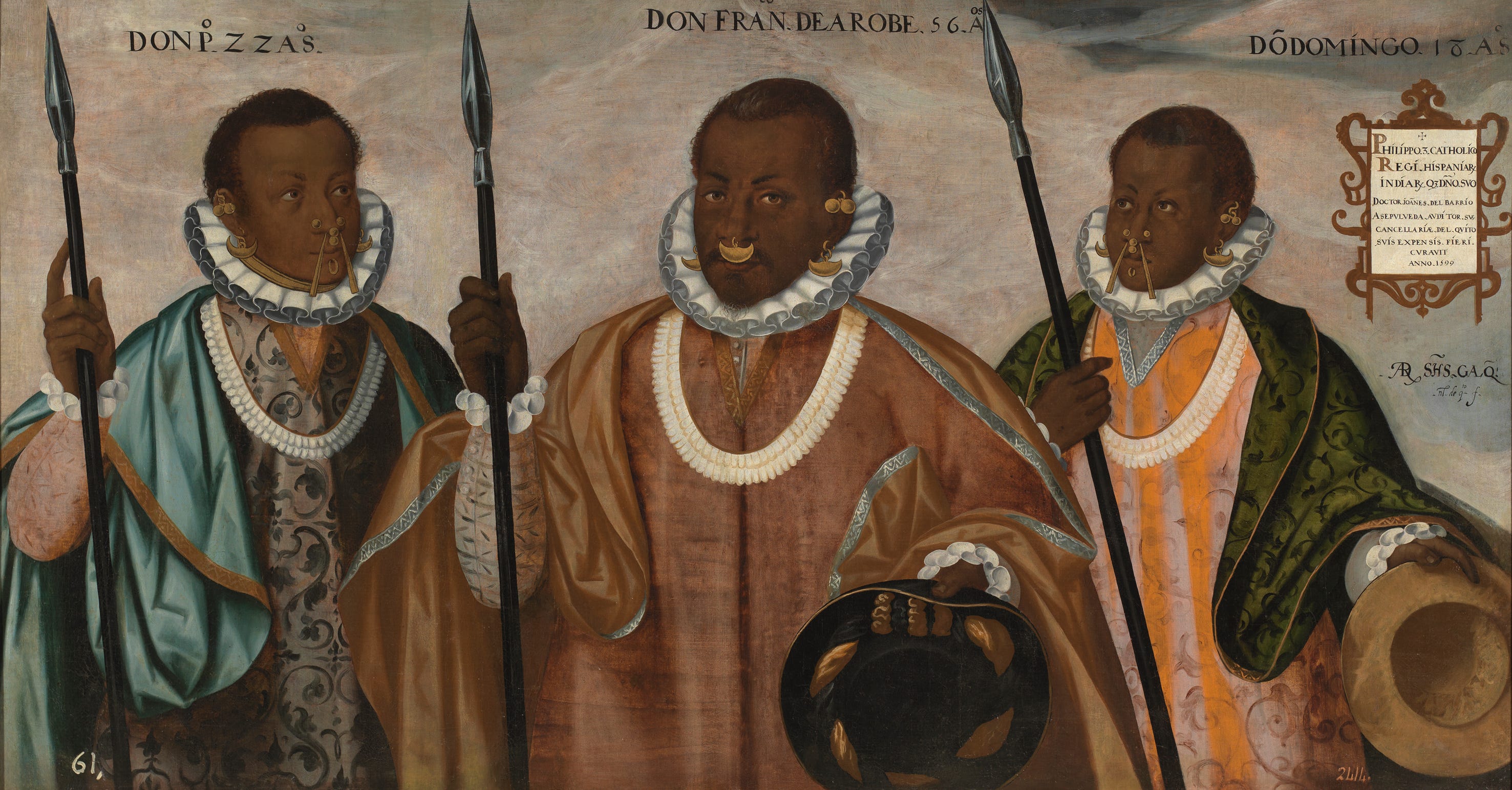
Oroonoko’s author Aphra Behn has been called the first professional woman writer, and everything about Oroonoko shows us the forces which were changing the early modern world forever. The global economy was transforming as European empires rose on the back of transatlantic slavery. Women were becoming more creatively assertive, and in Charles II’s England had begun to act in theatres for the first time and publish their own poetry and essays.
The year that Behn published her novel, King Charles’s Catholic brother, James II, had been expelled from the throne in the so-called Glorious Revolution, which laid the foundations of the modern political system in England. It is thought that Behn wrote Oroonoko, with its story of a betrayed but heroic prince, in support of the deposed King James.
Few novels are poised on so many faultlines at the end of an era.
Thanks for reading! Check out our Instagram (@culture_dumper) and TikTok (@theculturedump) for daily updates.
Comments
Nothing yet. Say the first thing.
Sign in to join the conversation.