
I’m an avid user of Freecycle. It’s my favorite place to give away things, and I often scroll through the listings to see if there’s anything I’d like. I have taken home an electric tea kettle, a bamboo steamer and dozens of plants that people have shared with others.
Last week, I looked at the Ann Arbor listings and spotted an offer that read, “Ball jars — many sizes.” I frequently use Ball canning jars for the sweet and spicy pecans that I make each holiday season, and lately, I’ve been using small ones to make overnight oats. They also make nice vases, too.
I responded and was invited to come take my pick. The generous donor had a garage cabinet filled with jars of all sizes, from quarts to pint and half pints, all in perfect condition. I immediately zeroed in on the small sizes and gratefully took home a half dozen (if you’re on the nut list, you may get your nuts in one of these jars).
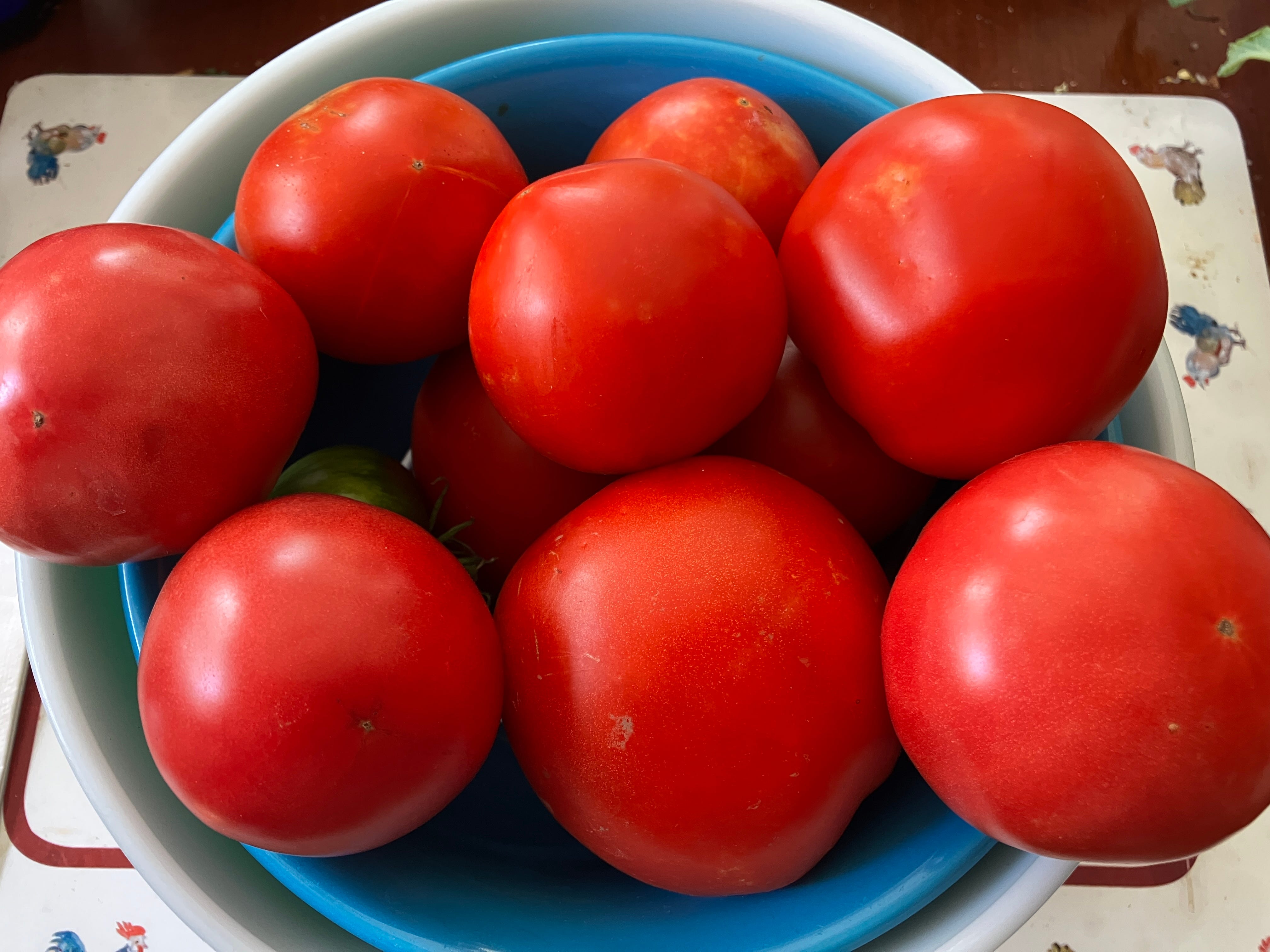
Seeing the quart sized jars immediately made me think of my mother, and the hours she spent every fall, canning tomatoes for sauce and chili sauce, as well as the apples given to us by our next door neighbor, whose family owned an orchard. Those became apple sauce.
In the past few years, many of the activities that our parents and grandparents enjoyed have become popular with young people. People everywhere are quilting, sewing, playing vinyl records and, as it turns out, canning.
About one in five households in the United States preserves food in some fashion, whether it’s pickles, jam making or putting up vegetables. Home preserving is estimated to be a $3.8 billion industry, with 1 billion canning jars sold each year in the U.S.
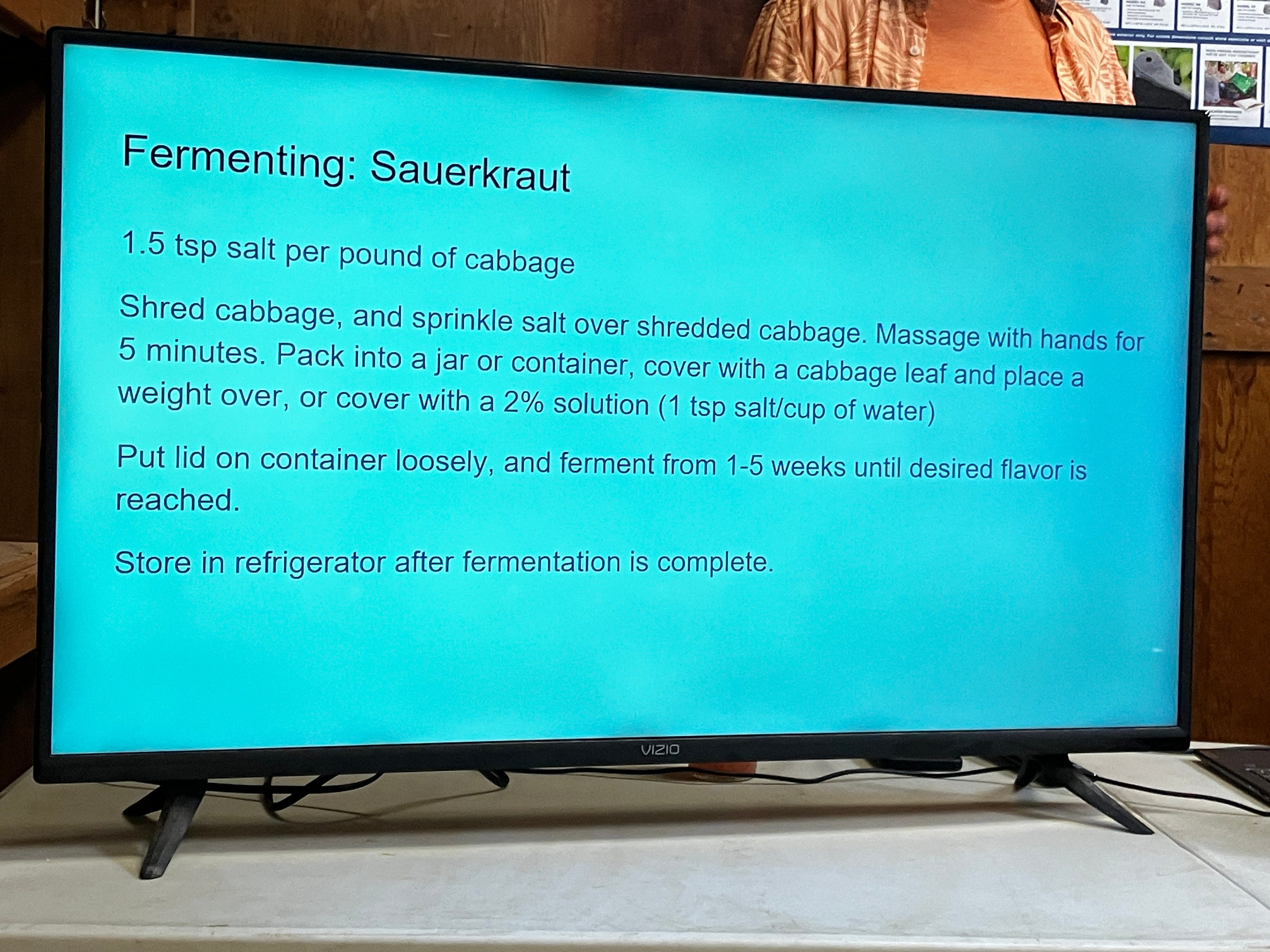
Earlier this summer, I attended a preserving class at Chelsea Farmers Supply in Chelsea, Mich., about 20 minutes west of Ann Arbor. If you’ve ever been to Chelsea, the farm supply store sits within steps of the Jiffy Mix Factory, behind the building that houses Agricole Farm Stop.
Chelsea Farmers Supply has become my go-to for all things garden and kitchen related (it’s where I got 100 landscaping daffodil bulbs last fall). It’s own by Tobie Brown and her husband Joe Schlenke, who bought it in 2024 from its long-time owners.
The preserving class focused a lot on water bath canning, which is the traditional way that cooks have filled and sealed their canning jars. But cold canning, which is basically pickling, has become equally as possible because you don’t have to take chances with equipment. (I’ve had a life long fear of pressure cookers.)
Tobie told me that she and Joe sell a ton of canning jars, and also crocks, which are used for fermented foods. These come in one gallon, half gallon and one quart sizes and are being used by people to make sauerkraut, kimchi, pickles and hot sauce.
“We’re seeing a new generation of canners,” Tobie told me. “I’ve had 30-year-olds come in and tell me, ‘I just canned my first tomatoes.’”
I’ve started preparing my own preserved foods, which include tomato sauce, lemons, flavored salt and infused oils. Pretty soon, I’m going to make some pickled vegetables, and I’m planning to dig out my mother’s chili sauce recipe.
Ball has an enormous number of tips on its website, and its experts have written an entire library of books on canning and preserving. The Ball Complete Book Of Home Preserving is considered a cooks’ bible. It’s available in hardcover, softcover and in a handy spiral binder version, too.
Ball also has a book devoted to jams, jellies and pickles. You can find a wide variety of books, including those who walk you through water bath canning, and some that will help you preserve meats.
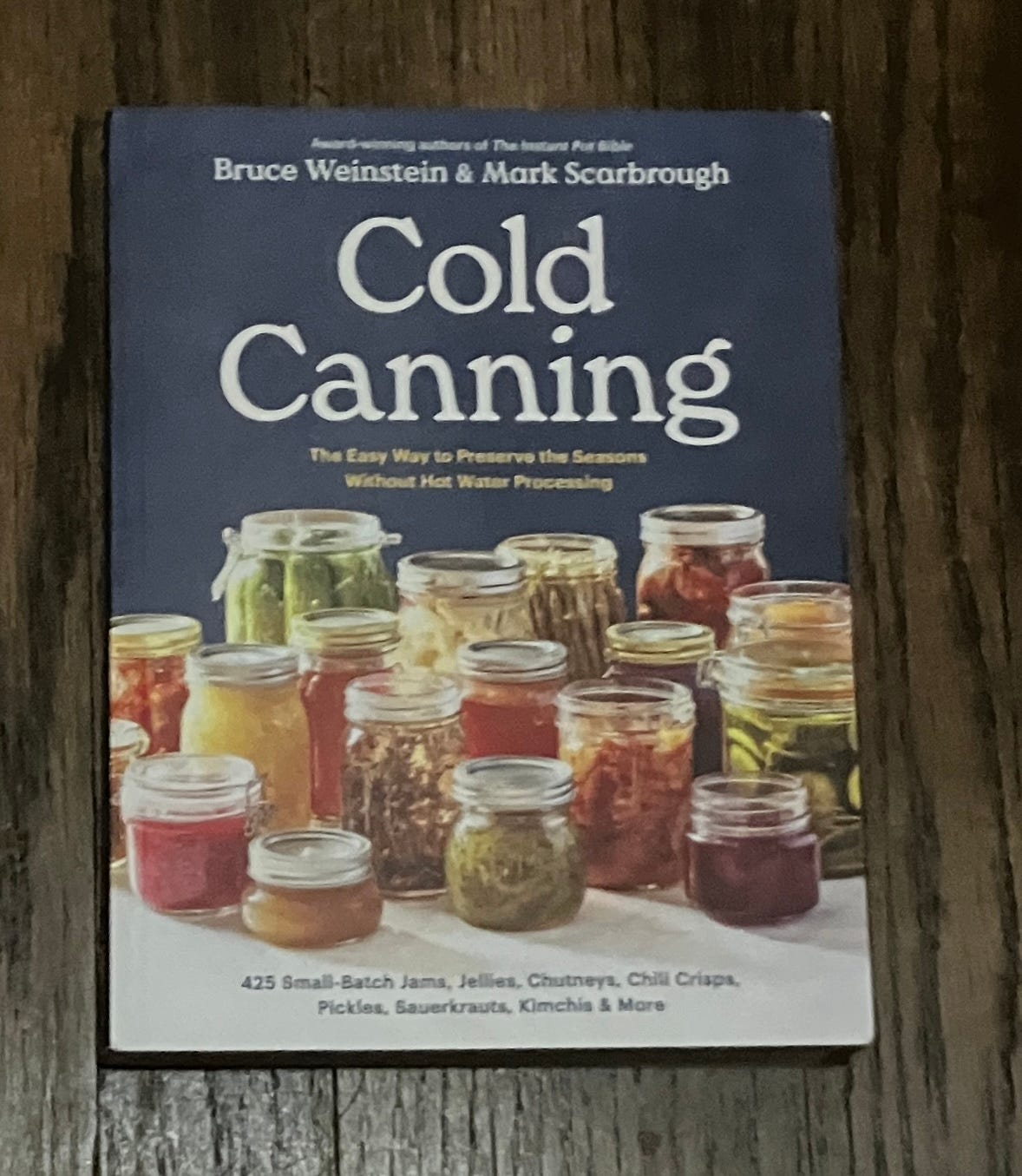
Last year, I discovered Cold Canning: The Easy Way To Preserve The Seasons Without Hot Water Processing, by Bruce Weinstein and Mark Scarborough. It’s just a delight and the recipes will tempt you to make something, even as simple as the preserved lemons I put up last spring (they last up to a year in the fridge).
Like me, you can take a class and there are numerous videos on YouTube to teach you about preserving. Kansas State University has a 17-video series you might find helpful.
Even if it’s something as simple as drying your own herbs, I encourage you to take on a food preserving project this fall. It’s fun, it saves you money and it will cut down on food waste. All good things.
Do you can or preserve any food? Please share any tips for getting the most out of this traditional practice.
It’s been a beastly hot summer in many places, from the Southwest United States to the British Isles and continental Europe. The heat has been especially oppressive in Japan, where daytime temperatures are often 95F and even into the 100F range.
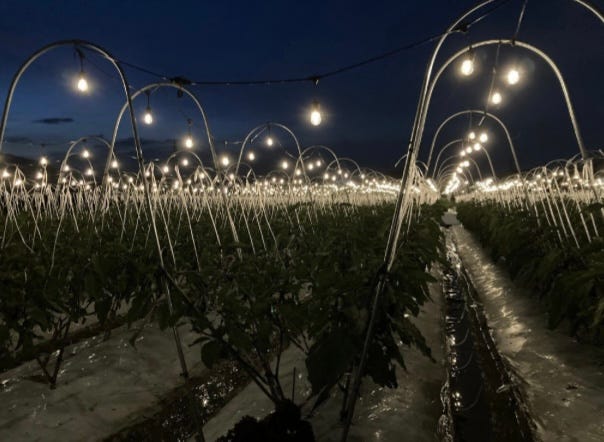
That is prompting farmers to shift their focus from daytime hours to nocturnal work. According to Reuters, farmers have put off tending their crops until dusk, when they can more safely look after their fields.
Safety is crucial: around 70% of Japanese farmers are 65 or older, making them especially susceptible to heat stress caused by high temperatures and humidity
A record 59 agricultural workers succumbed to extreme heat in 2024 in Japan, more than double the death toll in 2021, Reuters said.
About 60% of farmers in their 20s to 50s surveyed by Japan Weather Association last year said they had either personally suffered heatstroke or knew someone who had. Nearly 60% of farmers also shifted their working hours to earlier or later in the day.
In 2024, heat exposure cost Japan’s agricultural sector 926 million hours that could not be spent in the fields.
Some resourceful farmers are leveraging their predicament by inviting tourists to see the harvest in action by lighting their fields and giving tours.
Starbucks may still face the wrath of Korean consumers, but in Japan, it is getting credit for restoring a piece of history. It recently opened a new waterfront cafe in Yokohama’s Marine Park.
According to Time Out Tokyo, Starbucks moved into the former No.1 building of the Nagahama Quarantine Station. It served as an inspection and holding facility for first-class passengers arriving in Japan by sea.
More recently, it had been used as a quarantine museum, exhibiting artifacts and lab equipment.
Former break rooms, dining halls, sunrooms and detention rooms have been combined to create one airy café space. The cafe makes of some of the building’s original fittings, including wallpaper dating from the 1920s.
You can sit inside, visit a small museum or take your beverage down to the waterfront.
I’ve visited Yokohama, which is just a short ride from Tokyo on the shinkansen or by local train. Many Japanese TV series are filmed there because it has more open space and less traffic than Tokyo.
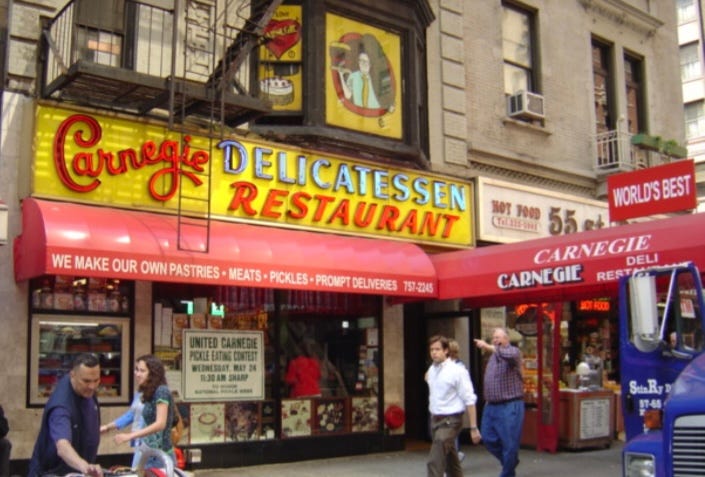
When I lived in New York City, I often took cabs home after events at Lincoln Center or meals uptown with friends. I’d always look out the window on Seventh Avenue to see the distinctive yellow sign of the Carnegie Deli with its green and red lettering.
Generations of New Yorkers went there for enormous sandwiches, plates of lox and eggs and in my case, cheese blintzes. But the deli closed in 2016 (it’s hard to believe it’s been that long) due to a combination of owner fatigue, family disputes and a controversy over an illegal gas line.
The deli continued with online sales and a stand at Madison Square Garden, but lacked a physical address.
Now, the Carnegie Deli is about to reopen in midtown Manhattan. The sign is back up on the same avenue, just a block away from the original location.
On its Instagram account, the deli said it will return in the fall. There’s no word on what the menu will include or what it will charge for a sandwich. It’s likely that its early days will see lines of people eager to relieve their deli memories.
If it’s fall, it’s time for a new season of the Great British Bake Off (or Baking Show as it’s required to be called on Netflix).
It will arrive sometime in September on Britain’s Channel 4, to be followed with episodes for American viewers. Usually GBBO airs overseas on Tuesdays, with the Netflix episodes coming on Fridays.
This year brings the debut of Nigella Lawson, the heralded television host, cookbook author and writer who will be replacing British culinary legend Prue Leith.

The Lions, Towers & Shields Classic film podcast reviewed They Live By Night, the first movie directed by Nicholas Ray. It tells the story of a couple that flees crime and tries to start a new life, but the past catches up with them. It definitely will have you on the edge of your seat.
Dinner Party With Micki and Liz will be back this Thursday night at 8 p.m. ET/7 p.m. CT/5 p.m. PT. Our guest will be Anna Ansari who is just back from an appearance at Traverse City Food & Wine.
Anna will talk about her wonderful cookbook Silk Roads and share a recipe with our viewers. I’ll remind you about her appearance later this week.
I’m always happy to hear from you and have you follow me on social media.
Email: culinarywoman (@) gmail dot com
Threads and Instagram: (@) michelinemaynard
Bluesky: mickimaynard.bsky.social
If you’d like your purchase to benefit CulinaryWoman, here are ways to do that.
Buy Me A Coffee in any amount
The CulinaryWoman Shop on ShopMy (see ideas in my Gift Guide)
Micki’s Bookshop.org page
The CulinaryWoman Shop on Amazon.com
Remember that brands are providing discount codes to CulinaryWoman readers which I am sending you in posts headlined SHOPPING. I receive a small commission from any sales that helps keep the newsletter going, so please take a look..
Tomorrow, I’ll be back with Red Beans & Advice for our paid subscribers. Enjoy the last full week of August, and see you next weekend.
No posts
Comments
Nothing yet. Say the first thing.
Sign in to join the conversation.