
Some of the world’s most promising climate solutions don’t look like technology at all.
They look like revitalized forests stretching across Africa, wide rivers quietly pulling carbon from the atmosphere, and cleverly-designed buildings that don’t need so much energy to stay cool. As the climate crisis accelerates, innovation is increasingly borrowing from nature.
But the clock keeps ticking. New research shows climate change is reshaping ecosystems, disrupting bird migrations, expanding the reach of malaria, straining electricity grids, and driving emissions higher as AI fuels an unprecedented demand for power. The challenge is no longer imagining solutions. It’s deploying them fast enough to keep pace with a rapidly changing world.
This week’s stories explore both sides of that equation: the ingenuity giving us new reasons for optimism, and the growing consequences reminding us why the race against climate change has never been more urgent.
Thanks for reading Climate Tech Venture Review! This post is public so feel free to share it.
“Despite the name, the Great Green Wall is not a single uninterrupted line of trees stretching across the continent. Instead, it is a collection of restoration projects tailored to local ecosystems. In some areas, native trees are planted. In others, farmers protect naturally regenerating vegetation, restore grassland, improve soil quality, harvest rainwater or adopt more sustainable farming practices. This flexible approach helps ensure that restoration efforts are suited to local climates rather than relying on a one-se fits-all solution.” (The Times of India)
“Prof. Santamouris says passive cooling should no longer be viewed as a niche architectural feature, but as essential infrastructure for a warming world. “Air conditioning saves lives and will remain essential during extreme heat,” he says. “But we cannot air-condition our way out of climate change. If every building depends entirely on mechanical cooling, we create enormous pressure on electricity systems while adding even more heat to our cities.” (Technology Networks)
“A fairly simple concept in the often complicated world of science, the idea is this: when carbon combines with limestone, it forms bicarbonate, some of which is used by aquatic species for shells, with the rest eventually flowing into the ocean for storage for thousands of years. This accelerates a geological process called rock weathering, which has naturally regulated the Earth’s carbon cycle for millennia. As more CO2 in surface waters is transformed into these natural deposits, more atmospheric CO2 is pulled back into the water to reestablish equilibrium.” (The Environment Journal)
“Solving the climate problem does not automatically solve air pollution and its unfair impacts. It can help a lot, but the biggest improvements in air quality and environmental justice will take planning,” according to co-author Steven J. Davis, who is a professor at Stanford’s Doerr School of Sustainability.” (Phys.org)
“National parks serve as living classrooms for our country, where science and history come to life for visitors,” Alan Spears, senior director of cultural resources at NPCA told news agency AP last year. “As Americans, we deserve national parks that tell stories of our country’s triumphs and heartbreaks alike. We can handle the truth.” (Euronews)
“The elephant in the room here—the force making record-breaking heat a more common occurrence—is climate change. Last week’s deadly European heat wave would have been “virtually impossible” without the greenhouse effect of fossil fuel emissions, concluded a group of researchers from Europe and the U.S. But coverage of that heat wave in U.S. media barely mentioned climate change, referring only vaguely to the fact that the European continent is “warming faster than any other,” per CBS’s evening broadcast. The media watchdog FAIR noted that NBC, CBS, and ABC news reports all “failed to mention climate change even in passing.” (The New Republic)
“The study found that insects, including mosquitoes, mayflies and dragonflies, are emerging sooner because climate change is causing warmer temperatures earlier in the year. But the swallows aren’t keeping up, which creates a disconnect between when the birds migrate and breed, and when the peak availability of food occurs. Researchers call this a phenological mismatch, one of the major outcomes of climate change.” (CBC News)
About 70% of the bird species found in the United States are migratory. Some migrate just 50 to 100 miles, and others migrate all the way from the farthest tip of South America in order to breed in Canada. Our work has found that the birds that migrate the farthest are the ones that are having the hardest time keeping up with climate change. If you can imagine going from Tennessee to New York and it’s an early spring in New York, it might be also an early spring in Tennessee. In that case, these birds can keep pace with an earlier spring. (The Conversation)
See also: The Birds aren’t Just Disappearing—Their Decline is Accelerating
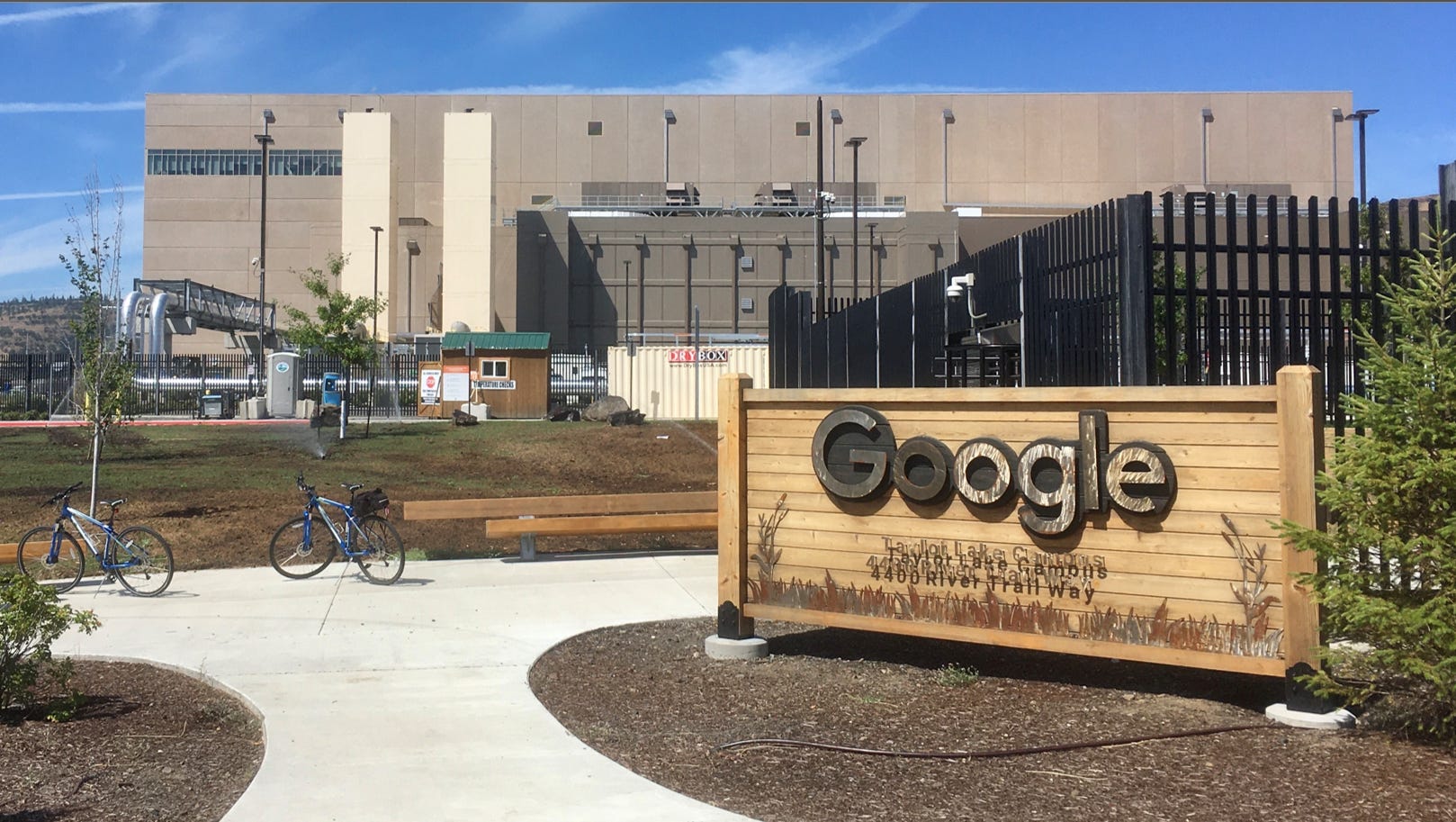
“As extreme heat threatens the stability of electrical grids across the Eastern United States, big users of power have been ordered to help prevent air-conditioners from shutting down and homes from going dark. The energy secretary, Chris Wright, this week instructed grid operators to require data centers to use their backup power supplies if they need to ease strain on electrical system. Across the United States, Mr. Wright said, backup generators that could power dozens of large data centers sit idle much of the time.” (The New York Times)
“Dozens of planned gas plants to directly power data centers in the United States could emit as much greenhouse gas annually as Australia or France, according to a report by an environmental group published on Wednesday. The Environmental Integrity Project reviewed 74 gas-fired U.S. power plant projects proposed or planned to provide electricity directly to data centers, which would sidestep the process to connect to the U.S. electric grid. It estimated that they would generate 143 gigawatts of electricity and result in 662 million tons per year of greenhouse gas emissions.” (Reuters)
See also: The AI Boom is Breaking Big Tech’s Climate Promises and AI’s Hidden Water Footprint
“Historically, Amref has based its malaria programming solely on health data because the organization was familiar with the communities most affected and when the peak transmission times would be. This informed prevention interventions when the team would spray houses with insecticides and administer malaria vaccines.” (Devex)
“Prolonged exposure to a combination of rising ambient temperatures and traffic-related air pollution has been associated with an increased risk of gynecological cancers, including cervical, endometrial, and ovarian cancers,” the study reported. Disruptions in health services, the researchers explained, can compromise access to contraceptives, maternal and child care, HIV testing and treatment, counselling, psychosocial support, abortion services, and post-abortion care for crisis-affected communities. Left untreated, the resulting rise in sexually transmitted infections can have long-term health implications for women, including cervical cancer. (Daily Nation)
“The floods happened so rapidly, the water just came so fast. The villagers didn’t have time to take food with them when they were running away,” a woman from Renhe, whose surname is Zhou, told the BBC. Zhou’s family is among tens of thousands of people in Guangxi displaced from their homes since Typhoon Maysak swept the region over the weekend, causing rivers to swell and dam walls to break. At least four people have died. The typhoon has inundated the city of Nanning and surrounding villages, with residents calling for rescue from their rooftops. It has also triggered thunderstorms, and even tornadoes, in the central province of Hubei - hundreds of kilometres away. At least 17 people have died, hundreds more have been injured and tens of thousands have been evacuated, according to state media.” (BBC News)
Thanks for reading Climate Tech Venture Review! This post is public so feel free to share it.
No posts
Comments
Nothing yet. Say the first thing.
Sign in to join the conversation.