
This is part two in a series about Argentina, Javier Milei, gold bars, crypto, and various figures in the Trump administration. Part one was “Make Argentina Gold Again”.

Text within this block will maintain its original spacing when published
“The world is full of obvious things which nobody by any chance ever observes.”
      - Sir Arthur Conan Doyle
As often happens after I hit “publish” on this site, in the days after I loosed my suspicions about the American taxpayer bailout of Argentina into the world I ended up coming across a bunch of other tidbits of information that I kept tacking onto the end1 in [UPDATE] paragraphs. Unfortunately, however, that means anyone who read the piece when it first came out probably didn’t see those tidbits. This was initially fine but after a few days those tidbits started to pile up into something a bit more substantial than a series of [UPDATE] paragraphs could reasonably contain and so I decided to work them into a new post along with a bunch of other more recently surfaced information.
Before we get into the nitty gritty let me offer a bird’s eyes view of what I think the fact pattern in the last article might amount to, which isn’t really anything more than “this all looks ‘sus af’2”. Historically in traditional finance when things look “sus af” there’s often - but not always! - some kind of giant fraud going on somewhere. In crypto, however, this is more or less a natural law.
Do I think that the fact that Tether and Argentina had the same amount of gold at around the time Argentina’s gold disappeared means Tether stole Argentina’s gold? Probably not. But Tether could definitely be renting some or all of Argentina’s gold to buff up its reserves for the one minute per quarter something resembling an accountant gets to look at Tether’s financials. Do I think the fact that the U.S. is offering Argentina a $20 billion bailout at the same time Tether is out here raising $20 billion means that $20 billion in American taxpayer money is going to be handed directly to Tether? Probably not. But given Tether’s recent large investments in Argentinian companies it’s not really debatable whether Tether is going to benefit from the American taxpayers’ decision to Make Argentina Great Again. The only questions are just how much Tether will benefit and what forms the American taxpayers’ beneficence will take.
Anyways on to the fun stuff… but no shortcuts. You really need to have read the first part of this series to understand why the coming discussion of Tether Gold is relevant to Argentina. And if you’re new here and don’t even know what Tether is you should read this first.
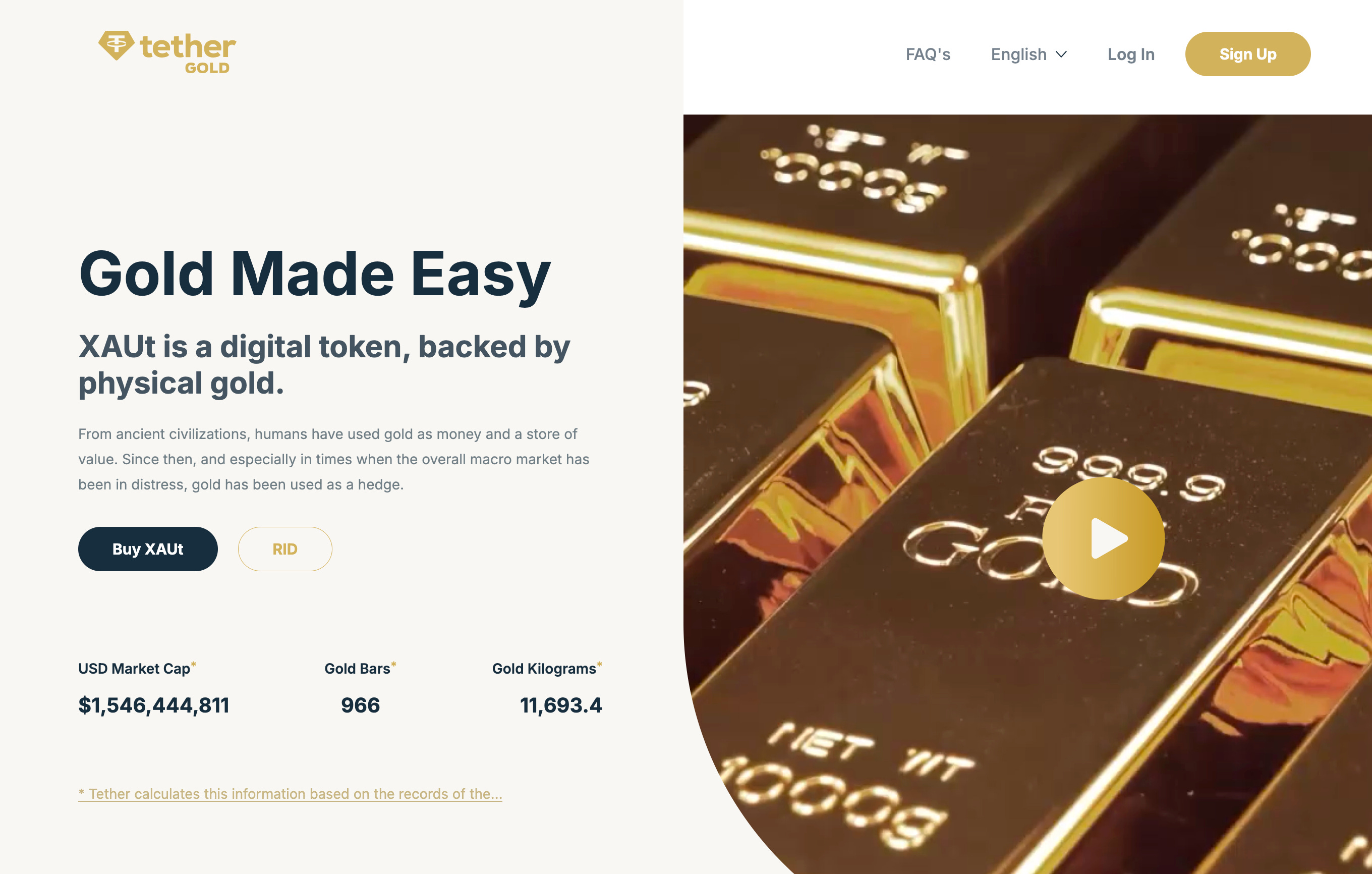
In addition to having gold reserves that kinda sorta back its US dollar stablecoin (USDT), Tether also has a gold backed “stablecoin” token called XAUT. Unlike most stablecoins which are (hopefully) redeemable one for one with national currencies like dollars, euros3, rubles, rupees, and so on one XAUT token is (hopefully) redeemable for one troy ounce of gold, currently worth a bit more than $4,000.
“Cool”, you may say. “So do the gold bars that back these XAUT tokens appear on the unaudited PDFs Tether publishes each quarter in a lame attempt to prove it actually has all the money it’s supposed to have?” Unfortunately the answer to that question is a lot more complicated than it should be.
The $9 billion worth of gold bars Tether claimed to have in its possession in its last unaudited quarterly PDFs commingles/intermingles different piles of gold technically belonging to different groups of people. You don’t actually have to understand any of this (feel to skip ahead) but I’m going to describe the situation to demonstrate that what appear on the surface to be straightforward financial statements are actually anything but. There’s a bit of Schrödinger’s gold bars going on here so buckle up because this is about to get really annoying.
These are the four categories of gold on Tether’s balance sheets:
Gold that backs XAUT tokens Tether has sold to other people. Theoretically this gold is “owned”4 by whoever holds the
XAUTtokens in their blockchain “wallet”. This category of gold does not appear as an asset on Tether’s unaudited PDFs5. Instead it appears on the unaudited PDFs published by a separate organization with the extremely clever name “Tether Gold”. As of June 30th, 2025 there was around $728 million worth of gold in this category.Gold that backs
XAUTtokens Tether has created “on chain” but has not sold to anyone yet. This gold does appear as an asset on Tether’s unaudited PDFs6 but it’s lumped in together with the next two categories of gold we’re about to describe. TheXAUTtokens backed by this category of gold remain in the Tether Treasury’s blockchain wallet and as of June 30th, 2025 there was around $197 million worth of this kind of gold on Tether’s books. Oh, and just for funsies this pile of gold also appears as a footnote in Tether Gold’s unaudited PDFs.Gold that backs Tether’s US dollar stablecoin USDT. This gold does appear as an asset on Tether’s unaudited PDFs. Some portion of the $8.7 billion worth of gold Tether claimed to hold on June 30th, 2025 ($8.5 billion if you exclude the previous category of gold) is in this category.
Gold that Tether just likes to have around because they believe in “hard money”. This gold also appears as an asset on Tether’s unaudited PDFs. There’s no way of drawing an exact line as far as what might separate this gold from the gold that backs the
USDTstablecoin (#3 above). Instead Tether just does some vague hand waving and implies that most or all of this gold is “excess reserves” that would not impact Tether’s ability to redeemUSDTtokens for dollars were the price of gold to crash. Whatever chunk of Tether’s asserted $8.7 billion worth of gold holdings that doesn’t fit into category 2 or category 3 above is in this category.
Confused yet? That’s the point. Crypto companies like Tether are extremely good at publishing numbers that give the illusion of concreteness but are upon closer examination just slippery enough to allow for almost infinite degrees of plausible deniability. Tether can pretty much pick and choose which of its assets (and thus how much of its gold) are actually “backing” the USDT tokens in existence at any given time in such a way as to accommodate any inconvenient so-called “facts” that might come to light. Gold could pretty seamlessly be shifted back and forth between “the piles of gold that back unsold XAUT tokens”, “the pile of gold that is ‘excess reserves’ for USDT tokens”, and (maybe) “the pile of gold that belongs to the citizens of Argentina”.
Now when Tether first came up with the harebrained scheme that is “tokenized gold” back in 2022 they quickly found out almost no one was interested (shocker). While they did manage to get a handful of people to buy into their gold bar IOU grift wrapped in a “tokenization” scheme, they only managed to sell ~80% of the tokens they originally created. Over the course of the last three years XAUT tokens have only rarely changed hands and only a couple of hundred “on chain” wallets have held any XAUT tokens at any given time.
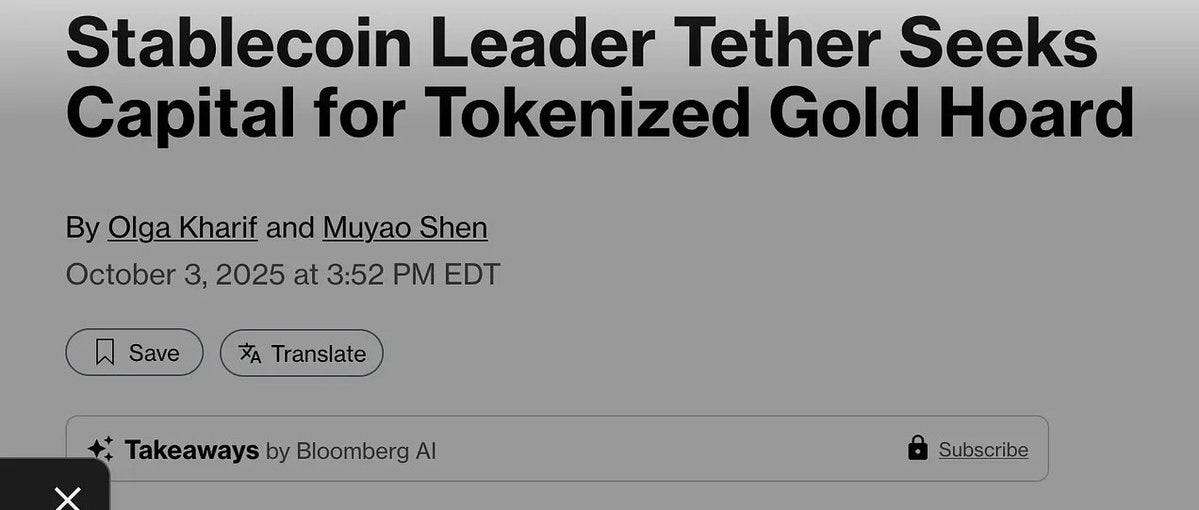
That all changed a few weeks ago when Bloomberg reported that Tether was looking to raise $200 million for what was described as Tether’s “tokenized gold hoard strategy”. This $200 million capital raise for “Tether Gold” was apparently completely separate from the $20 billion capital raise for Tether proper that was the subject of my first piece on the Argentinian bailout.
Now it turns out that on its last quarterly unaudited PDF Tether Gold claimed to be in possession of suspiciously close to $200 million worth of unsold XAUT tokens. $197 million worth of them, to be exact. “But wait, WTF does ‘$197 million worth of unsold XAUT tokens’ even mean?” you’re probably asking yourself. It means that:
Tether bought $197 million worth of gold bars in 20227.
Tether created $197 million worth8 of
XAUTtokens “on chain” (hopefully) representing ownership of those gold bars.Tether tried to sell those
XAUTtokens to literally anyone.No one wanted to buy them, leaving $197 million worth of unclaimed gold bars in Tether’s possession as described in gold category #2 above.
So now Tether Gold is “raising” $200 million to… do what, exactly?
In the real world this is actually a whole lot less complicated than all the crypto jargon makes it sound. If you strip away all the “tokenized gold” and “digital asset treasury” bullshit the transaction being reported in the Bloomberg article amounts to Tether selling $197 million worth of gold it had bought back in 2022.
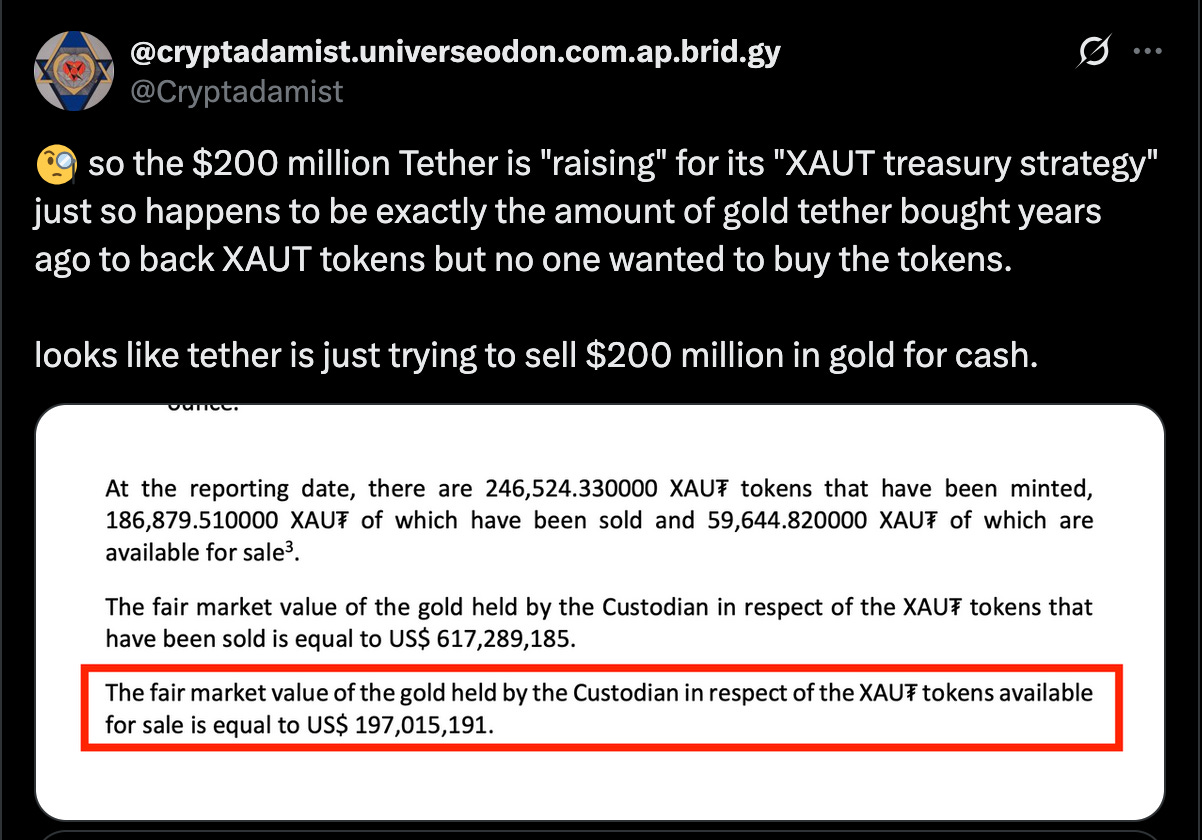
Why would Tether suddenly want to sell $197 million worth of gold? Well if you read part one of this series you know that there are a few Uruguayan reasons to suspect Tether might be short on cash. An extremely effective way to raise cash in a hurry is to sell any extra gold you might happen to have lying around. In fact selling gold you happen to have lying around is one of the few methods of raising cash in a hurry that has been consistently effective for the entire span of human history.
But… what if you are a stablecoin company that needs cash but you really can’t let anyone know that you need it because you’ve been telling the entire world that you have almost $185 billion in cash equivalents on hand and even the smallest hint that you might actually not have each and every dollar of that $185 billion would lead to an immediate “run on the bank”9 that would collapse not only your company but also the entire crypto economy? Well then instead of saying “hey we’re selling some extra gold we bought back in 2022 to raise cash” you might say something like “we’re launching a digital asset treasury strategy to take these unsold XAUT tokens off our books”.
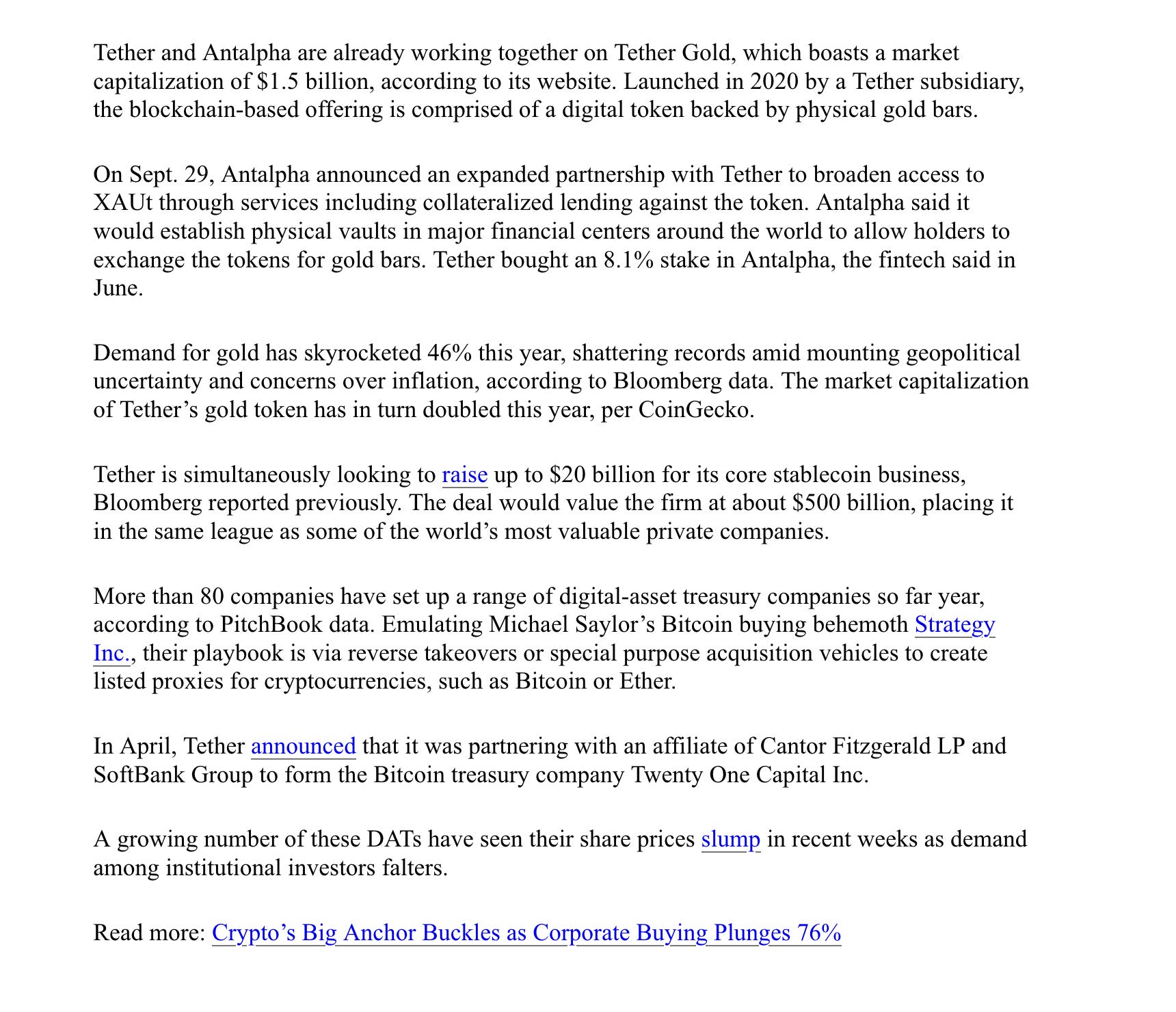
“Digital asset treasury companies”, which I call “borrow money to buy bitcoin10 companies”, are extremely popular right now. Any old Chinese microwaveable food maker or Spanish coffee concern that’s feeling frisky can just announce a plan to borrow a huge amount of money and use it to buy bitcoin and the price of that company’s stock will go up 500-1,000% more or less immediately. In fact it’s currently much better for a company’s stock price for that company to announce it will be borrowing a bunch of money to buy bitcoin than it is for that company to sell goods and services that people want to buy.
It probably doesn’t augur well for the future of capitalism that this is the way the economy works these days but that doesn’t change the fact that it very much is. This frenzied backdrop of rampant “borrow money to buy bitcoin” activity in the markets attached to various “digital asset treasury” strategies means that Tether’s hasty sale of $197 million worth of gold could easily get lost in the shuffle as long as it was marketed as a “digital asset strategy” instead of a “sale of gold”.
A lot of people think crypto companies are financial service firms but this is not the case. What they actually are is public relations firms with a criminal finance operation tacked onto the side. And trust me, even if these companies aren’t particularly good at providing financial services, they are extremely good at deploying both standard PR strategies as well as advanced psyop techniques against both their customers and the press. In the pantheon of ways I’ve watched these guys bamboozle financial journalists over the course of the last few years (“Is Sam Bankman-Fried the JP Morgan of Crypto?”) passing off an asset sale as a “digital asset treasury strategy” wouldn’t even rate a runner-up trophy.
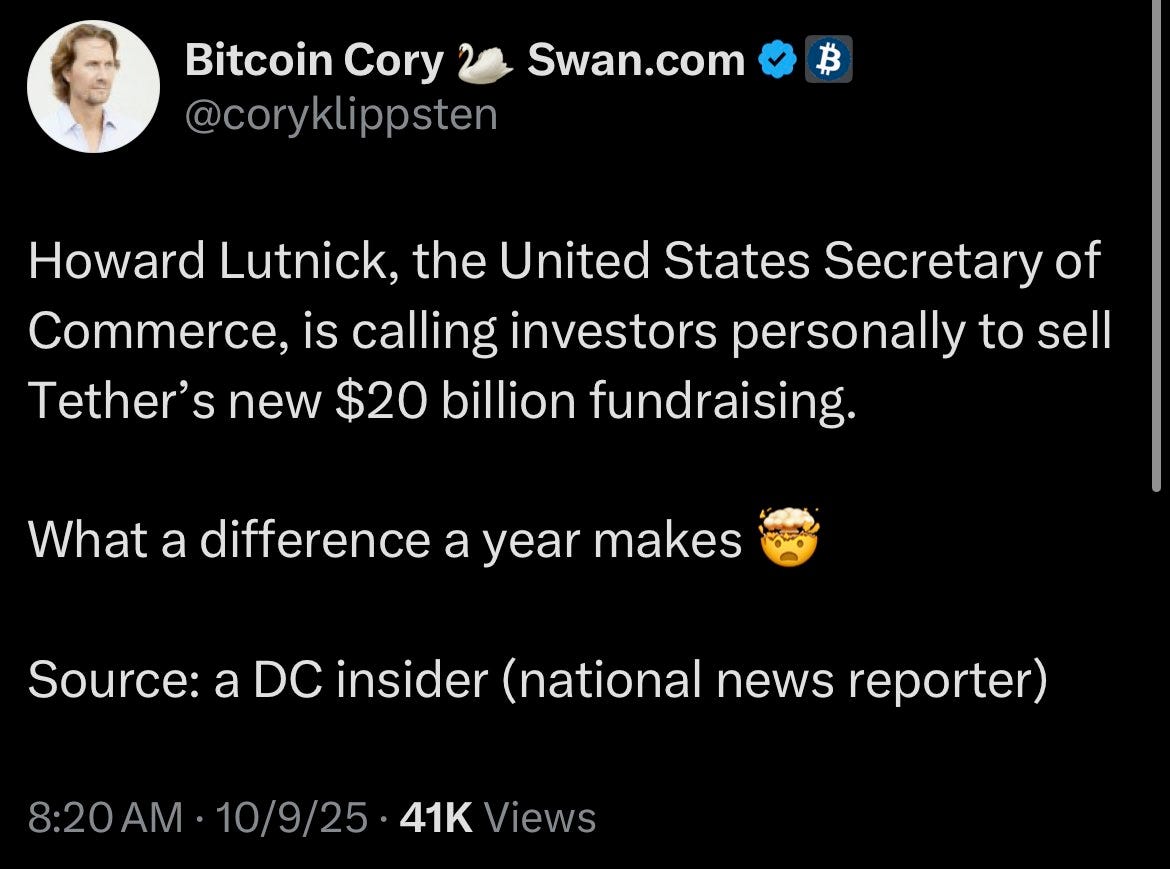
So what if you were a stablecoin company in the predicament described above, where you really needed to raise capital in a hurry but no one wanted to give you any money because you won’t tell anyone where you’ve been hiding the $185 billion you keep promising everyone you have? Well, one thing you could do is ask your shareholders in the Trump administration to start making phone calls pressuring people to give you that money. Those phone calls would come backed by the weight of the U.S. government’s newfound penchant for arresting and prosecuting its political enemies.
At least, if there were such a person who could make those kind of phone calls on behalf of the U.S. government.
And while we’re here, how could we not mention the fact that Trump just announced that America was going to be furthering the American taxpayer’s dream of Making Argentina Great Again by importing a bunch of Argentinian beef to compete with American farmers? American farmers who, it should be noted, now have to pay massive tariffs on fertilizer and all the other stuff they need to run a farm in America - tariffs their competition in Argentina doesn’t have to pay.
You may recall from the first piece that Tether purchased a major Argentinian agriculture concern called Adecoagro just a few months ago. So what does Adecoagro produce? Well, among other things it happens to produce a lot of feedstock. For cows. In Argentina. Specifically the cows that Americans now want to buy instead of buying the cows that were raised in America.
Needless to say a lot of farmers are less than thrilled with an arrangement where they get to pay massive new tariffs taxes at the same time as they are competing with Argentinian farmers who don’t have to pay those tariffs taxes.

While I don’t know if any of the Argentinian beef producers who are “dying”, (at least according to Donald Trump) owe Adecoagro (and thus Tether, because Tether owns Adecoagro) money for grain they’ve already fed to their cattle, I do know that if there are any such unpaid invoices outstanding any money Americans spend on Argentine beef will go directly into Tether’s pockets, because the people who raise the cattle will use the proceeds of their sales to America to pay the company that provides the feedstock for those cattle (Adecoagro). And I also know that Trump’s bizarrely hostile attitude in the above clip really makes it seem like he has something to hide, much like his hostile answers to past questions about friend of the blog Jeffrey Epstein.
After publishing my first piece I did some digging around in the blockchain data around Tether Gold’s XAUT tokens and found some data that were… surprising.
Start with the fact that right around the time Argentina’s gold reserves went missing the number of wallets that had ever touched (note: not “hold currently”!) an XAUT token started to take off like a rocket.

The data is telling us that shortly after Argentina’s gold reserves disappeared a bunch of new wallets started sending XAUT tokens to each other. Who owns these wallets and why did they start doing this? I don’t know. The amounts involved aren’t really big enough to explain much of Argentina’s missing gold reserves. I do, however, know that that the timing is kinda “sus”, as the kids say.
But the influx of new XAUT traders was not nearly as “sus” as the fact that on August 8th, 2025 - a very lucky date in some cultures11 - Tether created roughly $400 million worth of new XAUT tokens after not issuing any such tokens for almost three years. In theory this means that Tether purchased (or maybe rented…) $400 million worth of gold bars despite having had $197 million in unsold gold bars on its books just a few weeks prior.
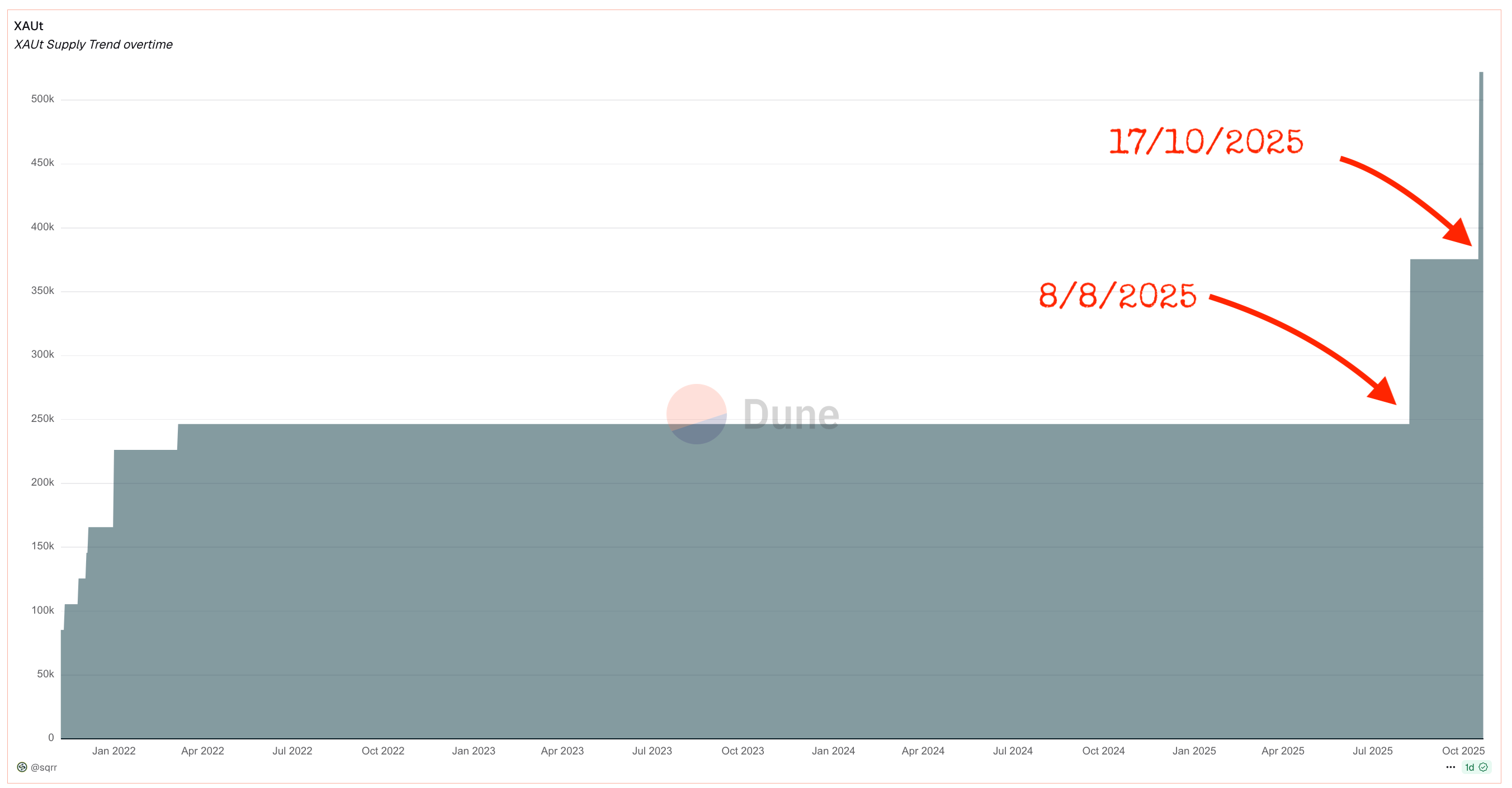
Tether then followed this up by issuing a second batch of new XAUT tokens just a few days ago, right in the middle of all the sturm und drang over the American taxpayers’ decision to Make Argentina Great Again. And of course all of this is happening while Argentina’s gold bars remain on the lam. All told the number of XAUT tokens in existence has more than doubled in the last two and a half months after remaining constant for three solid years.
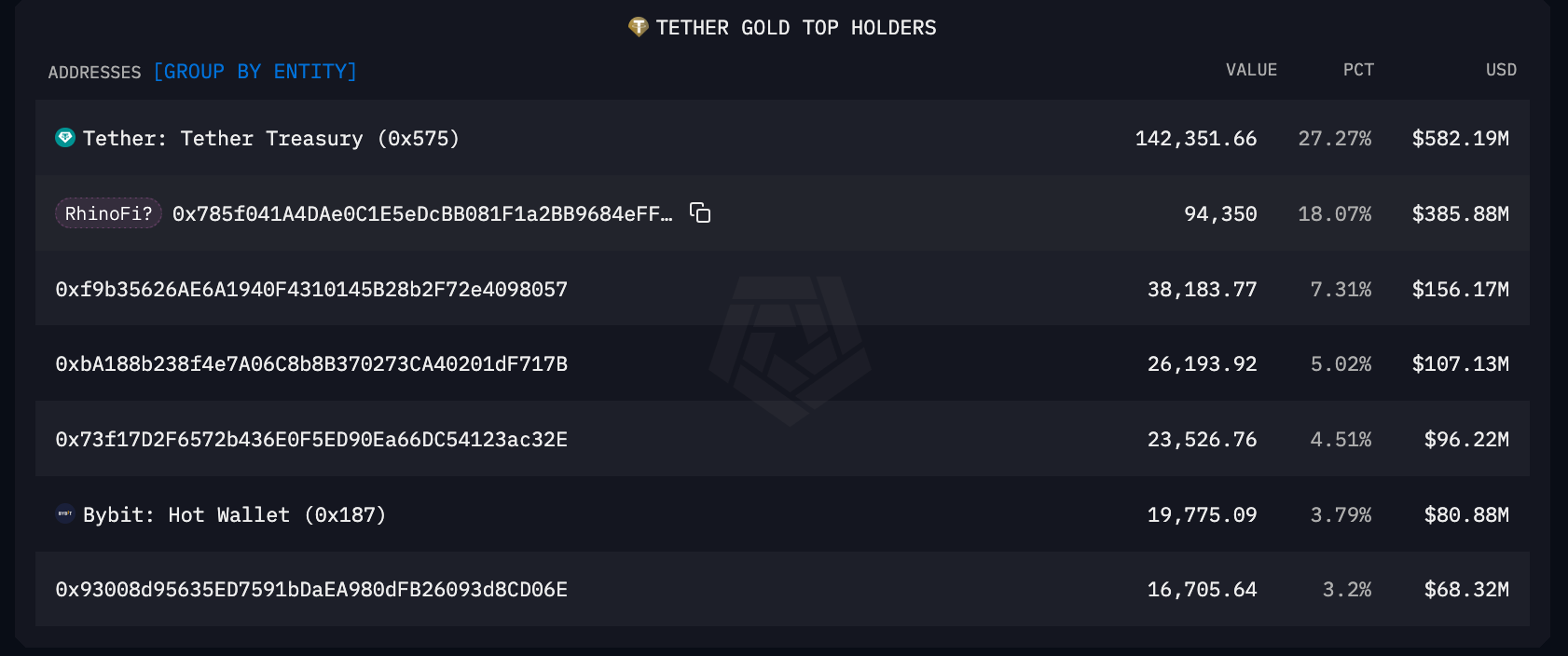
We won’t know how many of these newly issued XAUT tokens were actually sold to “tokenized gold investors” until Tether’s next quarterly report but the on chain evidence isn’t particularly promising. Of the $2.2 billion worth of XAUT tokens now in existence at least $580 million worth are sitting unsold in the Tether treasury and another $385 million worth are sitting in a wallet Arkham has tagged as RhinoFi, which is a Tether/Bitfinex affiliated company. Most of the rest of the XAUT token supply is distributed across a series of anonymous wallets and Chinese crypto exchanges with varying degrees of confirmed connection to organized crime.
XAUT tokens get transferred but no one in law enforcement ever looks at the blockchain, did it even happen?Lo, a button you can use to share this post with people who might be interested in reading it!
While it’s hard to be sure, I suspect the reason not many people are leaping at the chance to buy gold IOUs on a blockchain XAUT tokens is related to the fact that the kind of people who are in the market for hundreds of millions of dollars worth of gold would prefer to just, you know, buy gold. Like from a bank or something. Because compared to buying gold from a bank the idea of buying a vague promise of maybe getting some gold out of a sketchy offshore crypto company with criminal connections at some unspecified time in the future if a long list of very specific conditions is met doesn’t sound so appealing. Unless, of course, you’re not allowed to buy gold from a traditional bank because you’re doing things society doesn’t approve of (sometimes referred to as “crimes”). Which is, come to think of it, a pretty accurate description of much of Tether’s customer base.
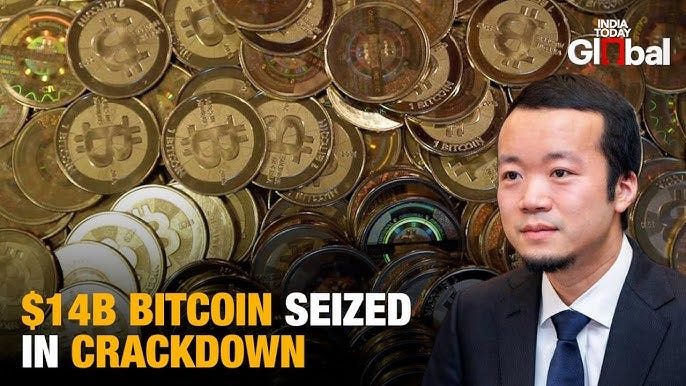
Now it just so happens to be the case that some of Tether’s biggest users are Chinese organized crime groups operating in southeast Asia, particularly in Cambodia. And it also just so happens to be the case that a few days ago, a mere three days before Tether created its most recent batch of XAUT tokens, the US government seized $15 billion worth of bitcoins from an entity fitting that description called Prince Group. Prince Group is also connected to the world’s largest dark market for drugs, weapons, slaves, and whatever else you could want called Huione Guarantee12, an organization that was hit with massive U.K. and U.S. sanctions earlier this year.
Is there a connection between these events and the sudden renewed interest in Tether Gold? I have no idea, and if forced to make a binary choice at the point of a gun I would probably say “no”. But at the same time I don’t find it hard to imagine that an organized crime group in possession of tens of billions of dollars worth of cash stolen from American and European retirees might suddenly desire to find a way to turn that cash into an asset not easily seized by the long arm of the U.S. government. An organization that just saw the U.S. government reach out and seize $15 billion worth of its bitcoins might be thinking that a pile of gold bars in a bank vault in a non-extradition country looks like kind of a good option right about now, even if the keys to that bank vault are held by a company as sketchy as Tether.
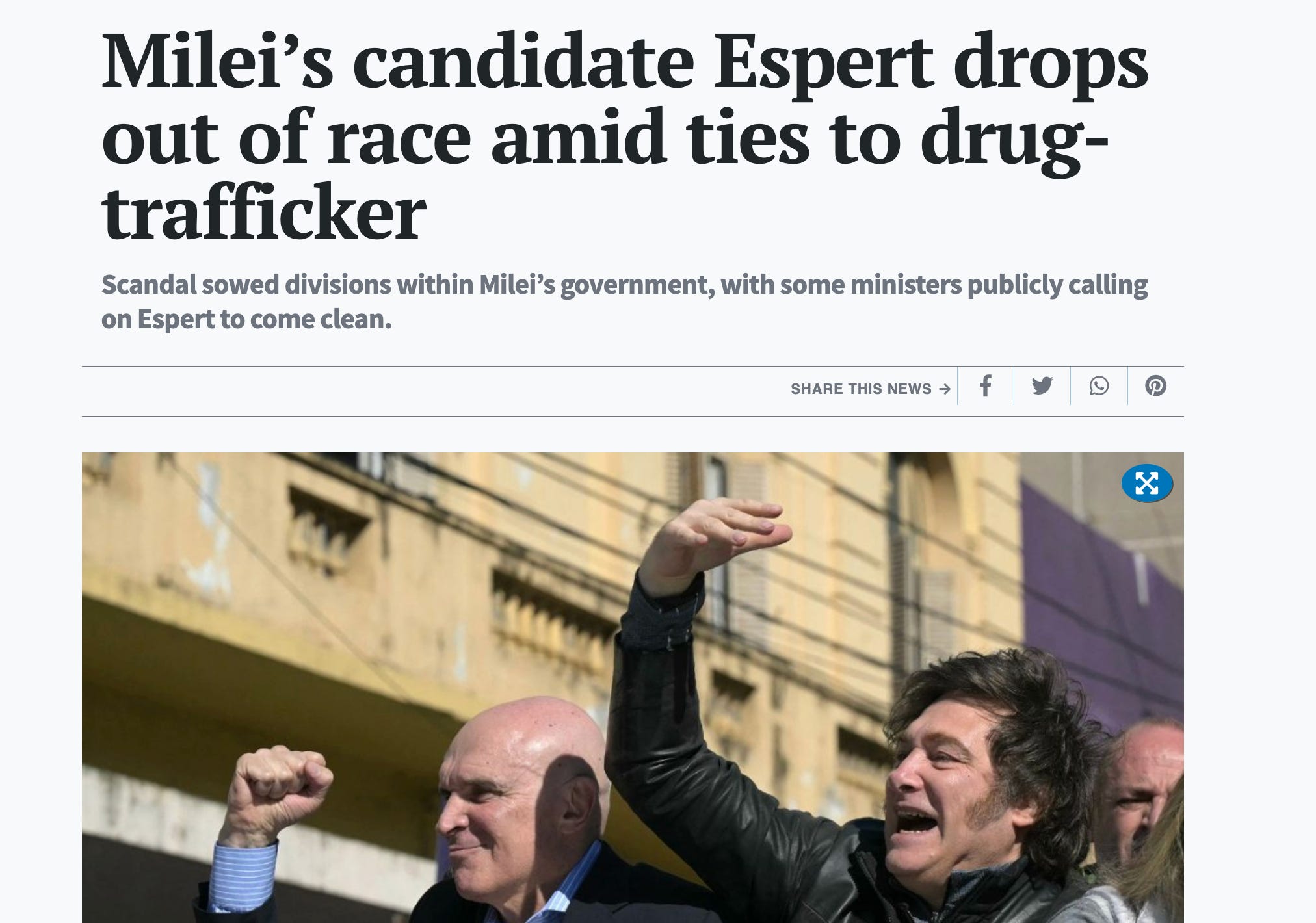
Speaking of people who are not allowed to access the regular financial system, a few days ago it was discovered that a candidate in Javier Milei’s party had received a bunch of money from and flown around on private planes with an alleged drug trafficker who is scheduled for extradition back to the United States. Now granted this is just a guy in Milei’s party who happens to have been caught accepting large sums of money from alleged drug traffickers. It might not have anything to do with Milei or the members of Milei’s family who allegedly took bribes from crypto grifters to pump a memecoin. But in a world where Tether has been used to launder hundreds of millions of dollars for drug cartels by Canada’s Olympic snowboarding team (to say nothing of all the Chinese fentanyl traffickers who also love laundering money with Tether), you have to admit it’s not a great look. Especially given that Tether has recently started making large and unexplained investments in Argentina’’s “agriculture” sector.
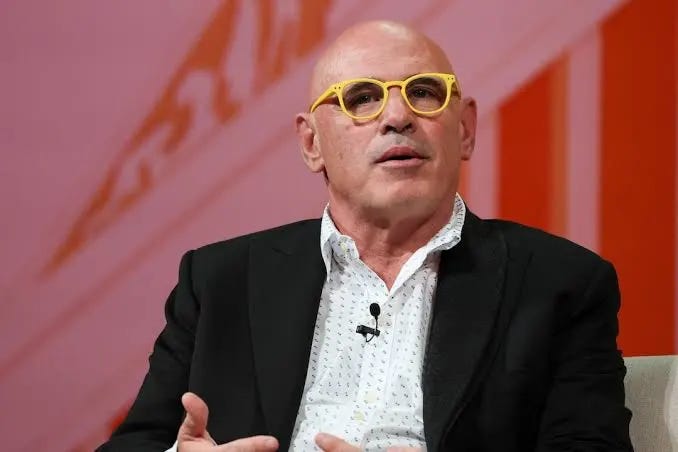
Judd Legum published an investigation of another crypto bro billionaire close to the Trump administration named Rob Citrone who stands to make a mint on the Argentinian bailout. Citrone isn’t really a central player in crypto (at least not that I’m aware of) but he’s also not not a player. Among other things he just disclosed a large position - apparently his largest single investment - in one of those “borrow money to buy bitcoin” companies20 called Eightco.
Eightco was created to raise money to buy a crypto ponzi scheme token called WorldCoin (WLD) that was created by Sam Altman. Yes, the same Sam Altman who founded OpenAI and created ChatGPT. WorldCoin is just like other crypto ponzi schemes tokens except it comes from a scary looking orb that steals your soul reads your biometric data from your retinas when you gaze into it.

Seeing as how the current wave of “borrow money to buy bitcoin” companies are the scammiest and most obviously maleficent corner of the extremely scammy and maleficent cryptoverse it’s pretty safe to say that Citrone is either a moron who has drunk deeply of the Krypto Kool-Aid or a highly intelligent psychopath with advanced grifting skills. Either way the important thing to note here is that any bailout of Argentina is a more or less direct bailout of Rob Citrone. This in turn could serve as an indirect bailout of OpenAI, because getting a bailout from American taxpayers would free up more of Citrone’s capital to buy more WorldCoin tokens which could put more money in Sam Altman’s pocket.
I think the big picture here is that even if Trump’s bailout isn’t specifically being launched to save Tether (and despite all my dot connecting, I’m far from certain that it is), it’s almost certainly being launched to save the bank accounts of people in Trump’s inner circle who have invested money in Milei’s vision for Argentina, many of whom are also heavily invested in crypto. The bailout isn’t intended to help the Argentinian population nor is it intended to help the American population. Quite the contrary - a few weeks ago it was reported that America’s Agriculture Secretary is hopping mad because immediately after the bailout was announced Argentina turned around and fucked over America’s beleaguered soybean farmers.
But the bailout will do what it is intended to do, which is move any financial losses Trump’s inner circle were about to suffer for their bad investments in Argentina’s failed libertarian experiments onto the backs of the American taxpayer.
Good luck America.
All likes, restacks, and shares of this article will be tokenized on MichelChain and sold at auction to raise money for malnourished hyenas in Kenya. In the meantime here’s a few fun things I’ve been posting to Substack Notes lately, in case you’re one of those people who never looks at Substack Notes (which I suspect is most people).
On numbers:
On getting outcorruptioned on your corruption:
On MAGA chudfluencers declaring the No Kings protests to be a “coordinated call for mass murder” of Republicans:
On Donalds old and new:
On settlements:
On the life of a bro:
On Howard Lutnick’s proximity to the recent implosion of various auto lenders:
On the Russian empire:
On real world assets:
Or to make corrections. I didn’t realize when I first wrote the piece that Argentina had significantly reduced its capital controls a few months ago.
Zoomer for "extremely suspicious” (literally “suspicious as fuck”).
Tether has a euro stablecoin called EURT. No one uses it.
Or at least a claim on it is owned. The kind of claim that might appear pretty close to the front of the line in bankruptcy court, depending on the jurisdiction.
Tether is in some sense “short” the gold that backs these tokens, because if it isn’t actually holding the gold it claims to be holding (foreshadowing?) and someone shows up and tries to redeem their XAUT tokens for actual gold Tether will have to go out and buy the gold.
Tether is in some sense “long” on these gold bars, because any increase in their value accrues to Tether. There’s $232 million worth of this kind of gold.
They actually bought more than this but they managed to sell off a few hundred million dollars worth of XAUT tokens.
Actually worth closer to $100 million back at the time in 2022 when the XAUT tokens were minted just because the price of gold has gone on an absolute tear recently, but I’m trying to keep it simple here.
Tether is not actually a bank and therefore should not be able to suffer from a “run”, but that was also true of FTX and that never stopped Sam Bankman-Fried (who was, it should be noted, Tether’s counterparty on tens of billions of dollars worth of transactions) from claiming he just accidentally fell victim to a “run on the bank”.
Really should be “borrow money to buy crypto” companies but that’s less alliterative and therefore less fun to say.
Eight is a lucky number in some relevant Asian cultures.
Prince Group and Huione might even be the same organization, TBD.
Comments
Nothing yet. Say the first thing.
Sign in to join the conversation.