
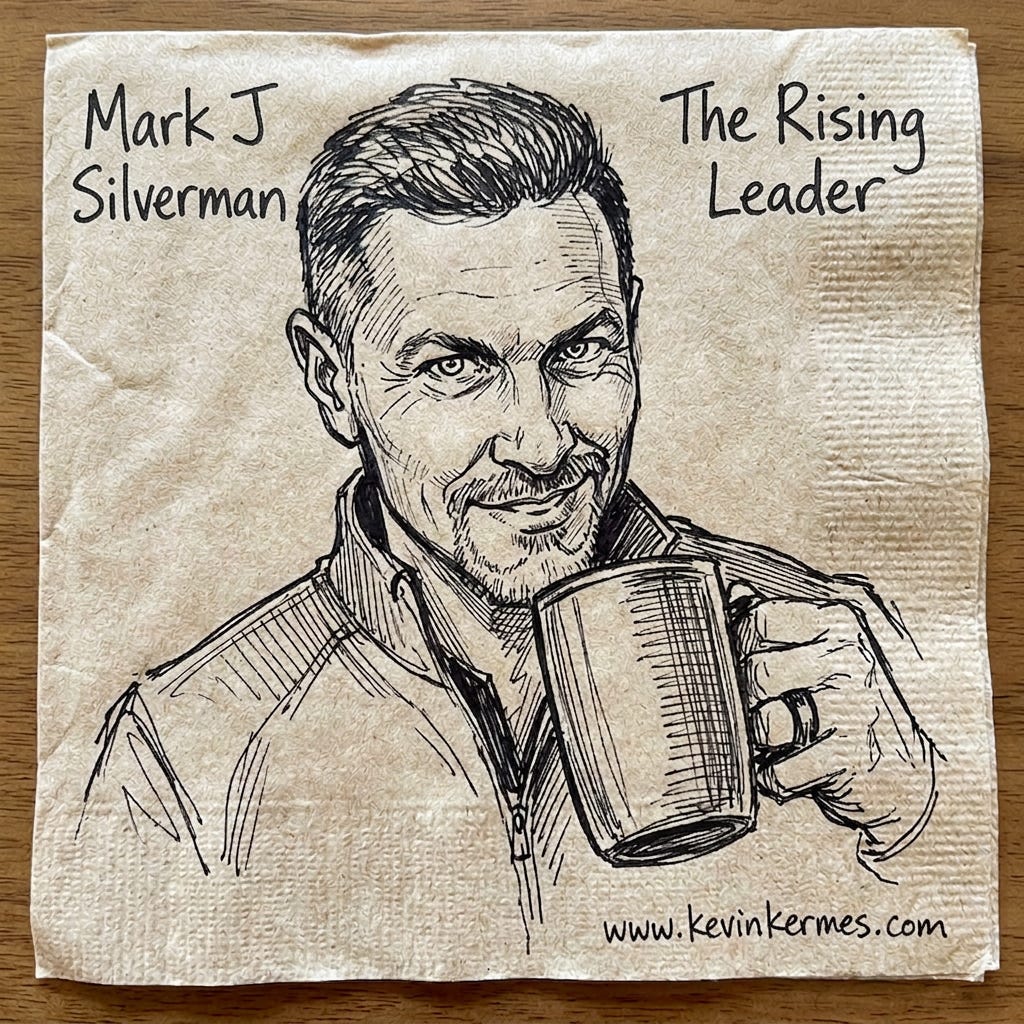
When I need a direct, unvarnished take on anything (including my own bottlenecks), I call Mark. He’s on a very short list of individuals who I know will always shoot me straight.
I still remember our first conversation.
On a random weekday more than six years ago, I jumped on an even more random call with a coaching friend of mine. Mark was on the call too. The conversation turned to the events in Israel and Gaza. When asked for his thoughts, Mark simply said, “There’s always more than two sides to a story.”
Mic drop.
But Silverman isn’t simply another deep thinker. He’s a massive achiever too.
An executive coach outside DC, Mark got sober in 1989, waited tables for a decade and talked his way into a Silicon Valley sales seat with what he called the right guy and the wrong resume. He spent the next thirteen years at NetApp, VMware, EMC, ServiceNow, Coraid, and Pure Storage. In 2013 he left to coach. His boss told him he would never make as much money again.
Since then, he’s writen Only 10s, then The Rising Leader Handbook (and it’s most recent companion - an audiobook), and has run around 800 episodes across three podcasts. If that’s not enough, he’s coached hundreds of high achievers.
His throughline is the refusal to sell a system. He writes against maps, against manufactured peace, against the idea that enough personal development cures your humanity. Mark coaches the nervous system, not the org chart. He’s the safe room for senior men who refuse to burden anyone else.
In the time I’ve known him, Mark’s approach to creating what’s next in his life has always come through the lense of “who do I get to BE.”
In an age of hustle, grind and “more,” I think you’ll enjoy getting to know him (and learning more about how he approaches himself - and life).
With that, I give you Mark Silverman…
Who is in your creative family tree? You have named Steve Chandler, Alan Cohen, and Michael Neill. Name the ones a reader would not guess, and what you took from each.
You end every issue of The Rising Leader Resource with “I love you a ton.” Where did that come from, and what happened the first time you sent it to a list of executives?
In “What If There Were No Map?” you wrote that you write the way you do to remind people they never needed a map. A weekly newsletter is a strange place to refuse to hand out maps. How do you decide what a given week’s issue is for?
You left tech sales in 2013. Your boss told you that you would never make as much money again. Set the money aside. What did you expect to lose when you left, and what did you lose that you didn’t see coming?
In “The 2AM Lie” you put your own thirty-year version on the page. Next quarter falls apart and everyone finds out you are a fraud. Your clients read that issue. What is your rule for what you will and will not put in writing while people pay you to be steady?
The sticky note in “The Oceanographer” sat blank for days before “connect” showed up. What else did you write on it and throw away first?
You wrote that people are already using the gift six-year-old them had, and have not owned it yet. When did you own yours out loud, and who was in the room?
You have a six-foot reef in the middle of your house and a 125-gallon build going. Walk us through what that tank gives you and when in the day you go to it for what you need.
The audiobook carries the leaders’ real voices from your podcast interviews instead of an actor reading their quotes. Whose voice landed differently than you expected when you heard the finished files?
What is on the bench right now? Not the finished thing. The half-seen one you are not sure works yet.
Your mentor told you to make your life look like chapters in a book. You said back then you had no idea what he meant. If you titled the chapter you are in now, what would it say?
On the other side of “no certainty” lives adventure and wonder.
All I can say to that is, “Im in.”
Thanks for reading,
Kevin
Below is the text version of my questions and Mark’s answers:
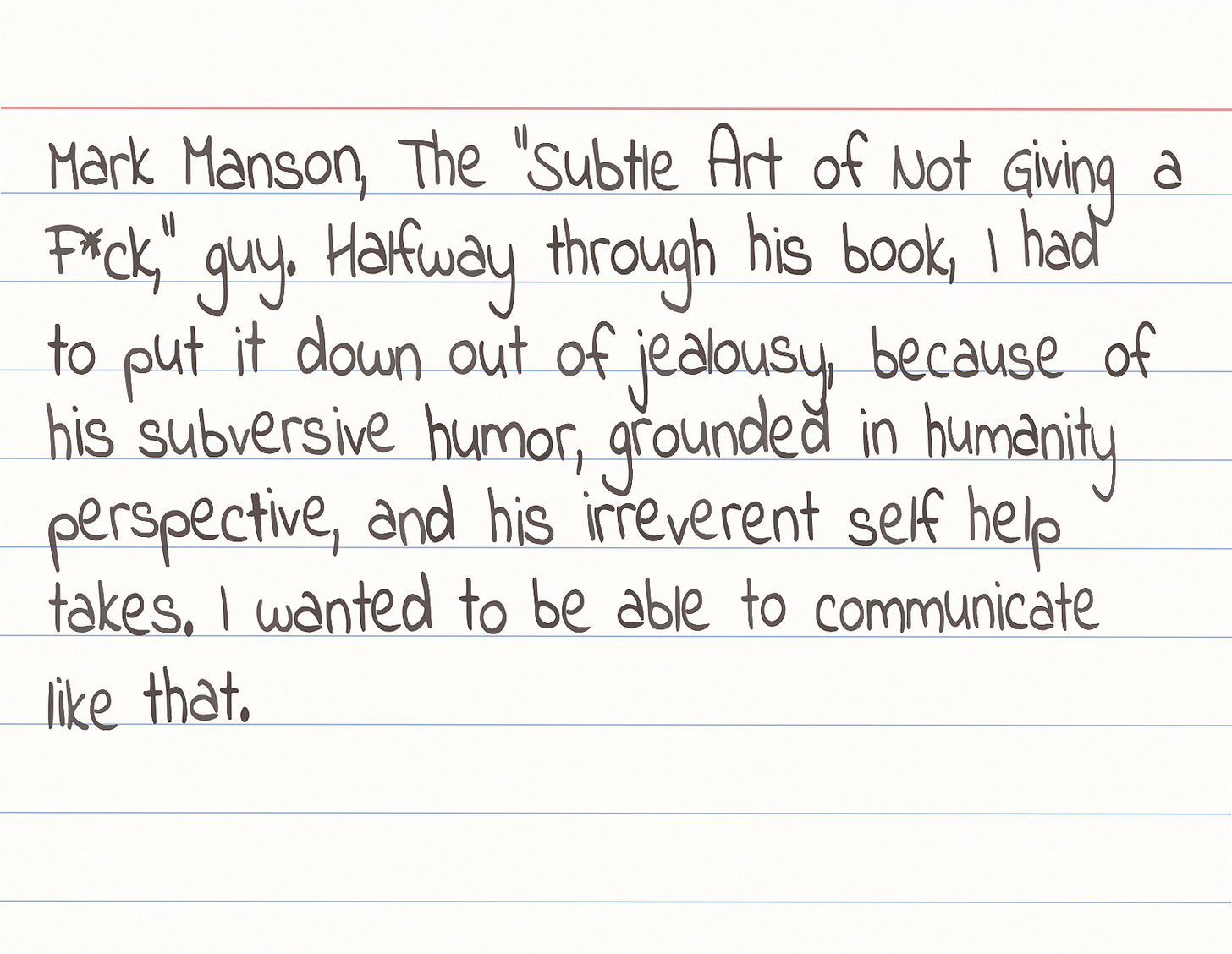
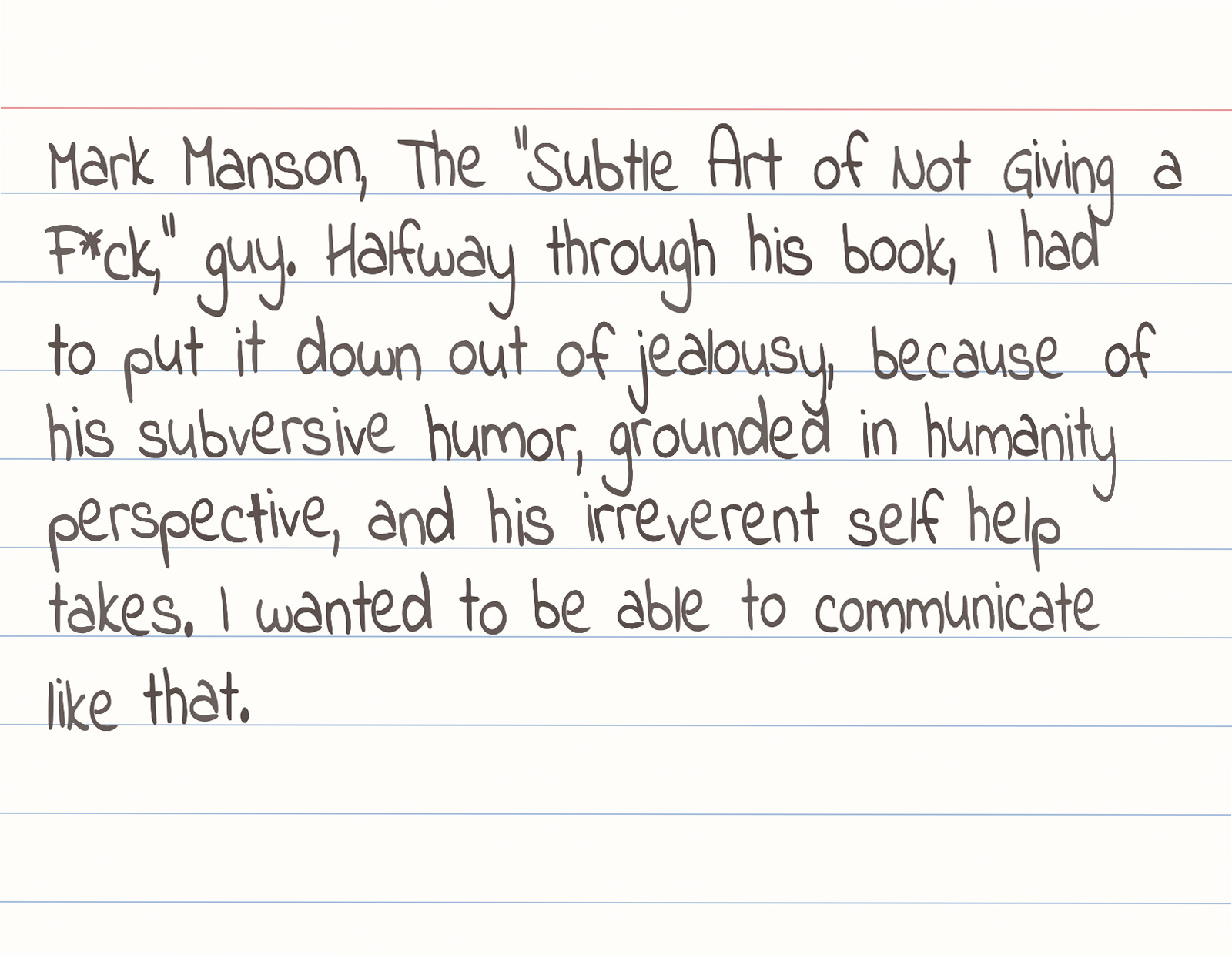
Who is in your creative family tree? You have named Steve Chandler, Alan Cohen, and Michael Neill. Name the ones a reader would not guess, and what you took from each.
Mark Manson, The “Subtle Art of Not Giving a Fuck,” guy. Halfway through his book, I had to put it down out of jealousy, because of his subversive humor, grounded in humanity perspective, and his irreverent self help takes. I wanted to be able to communicate like that.
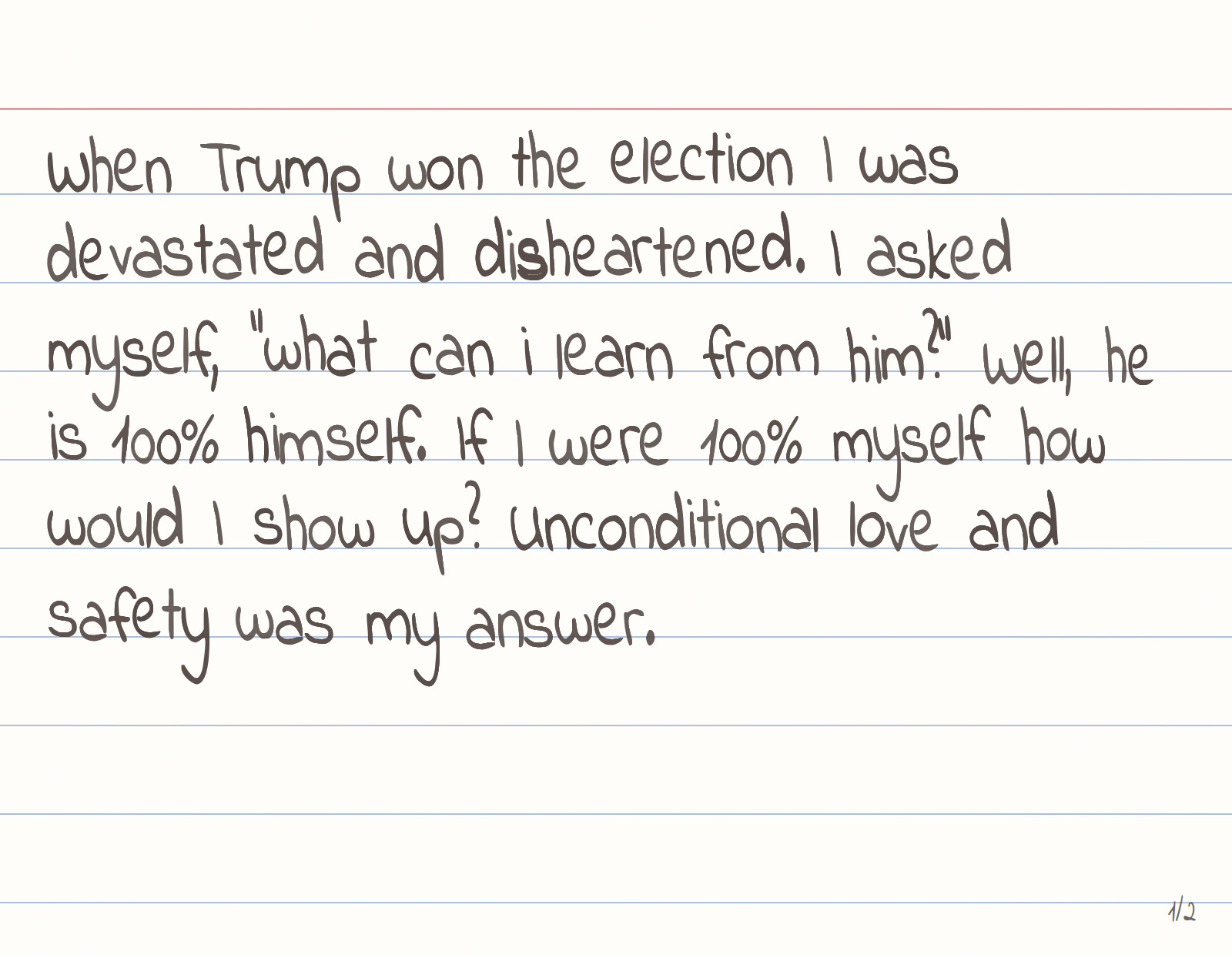
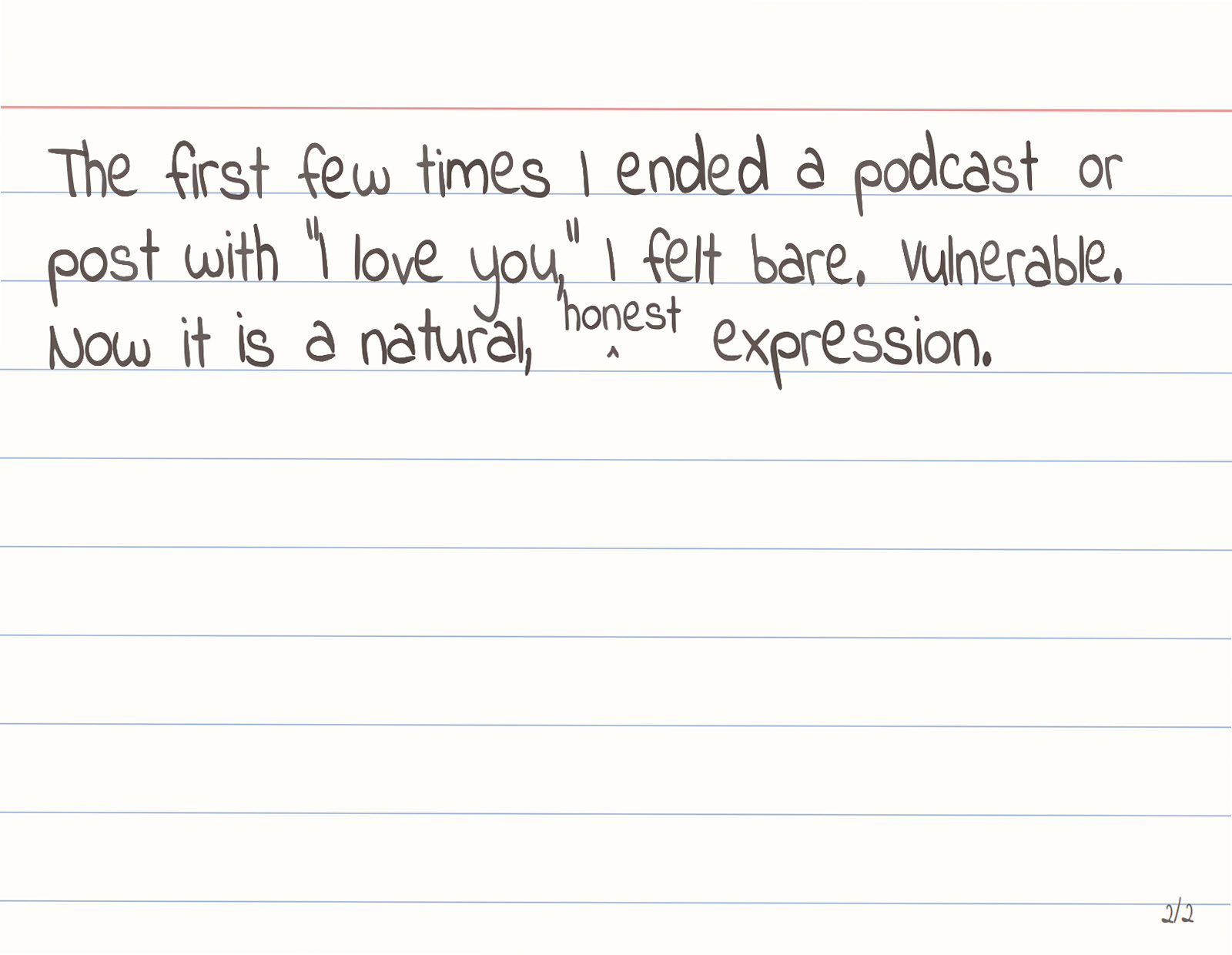
You end every issue of The Rising Leader Resource with “I love you a ton.” Where did that come from, and what happened the first time you sent it to a list of executives?
When Trump won the election I was devastated and disheartened. I asked myself, “what can i learn from him?” Well, he is 100% himself. If I were 100% myself how would I show up? Unconditional love and safety was my answer. The first few times I ended a podcast or post with “I love you,” I felt bare. Vulnerable. Now it is a natural, honest expression..
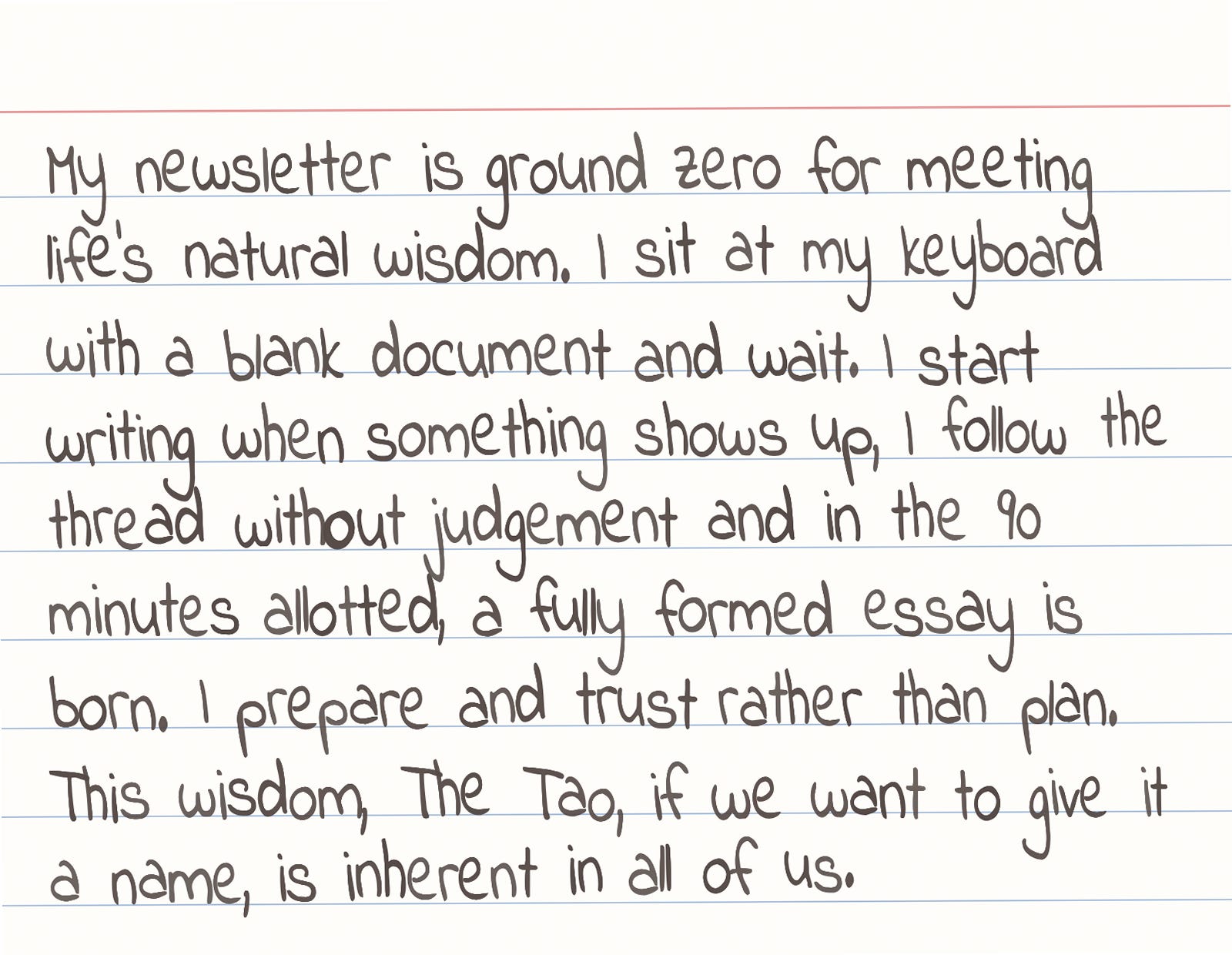
In “What If There Were No Map?” you wrote that you write the way you do to remind people they never needed a map. A weekly newsletter is a strange place to refuse to hand out maps. How do you decide what a given week’s issue is for?
My newsletter is ground zero for meeting life’s natural wisdom.. I sit at my keyboard with a blank document and wait. I start writing when something shows up, I follow the thread without judgement and in the 90 minutes allotted, a fully formed essay is born. I prepare and trust rather than plan. This wisdom, The Tao, if we want to give it a name, is inherent in all of us.
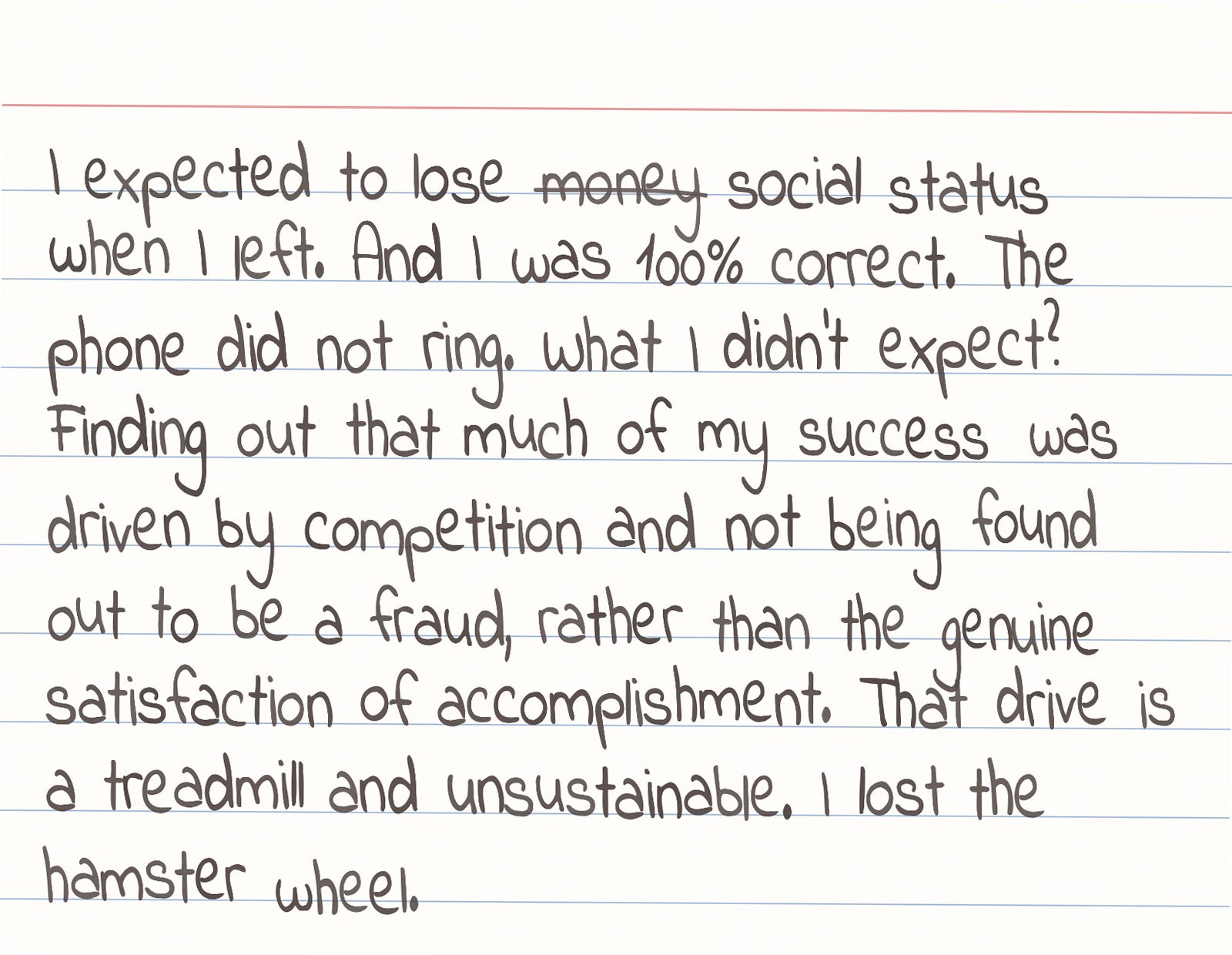
You left tech sales in 2013. Your boss told you that you would never make as much money again. Set the money aside. What did you expect to lose when you left, and what did you lose that you didn’t see coming?
I expected to lose social status when I left. And I was 100% correct. The phone did not ring. What I didn’t expect? Finding out that much of my success was driven by competition and not being found out to be a fraud, rather than the genuine satisfaction of accomplishment. That drive is a treadmill and unsustainable. I lost the hampster wheel.
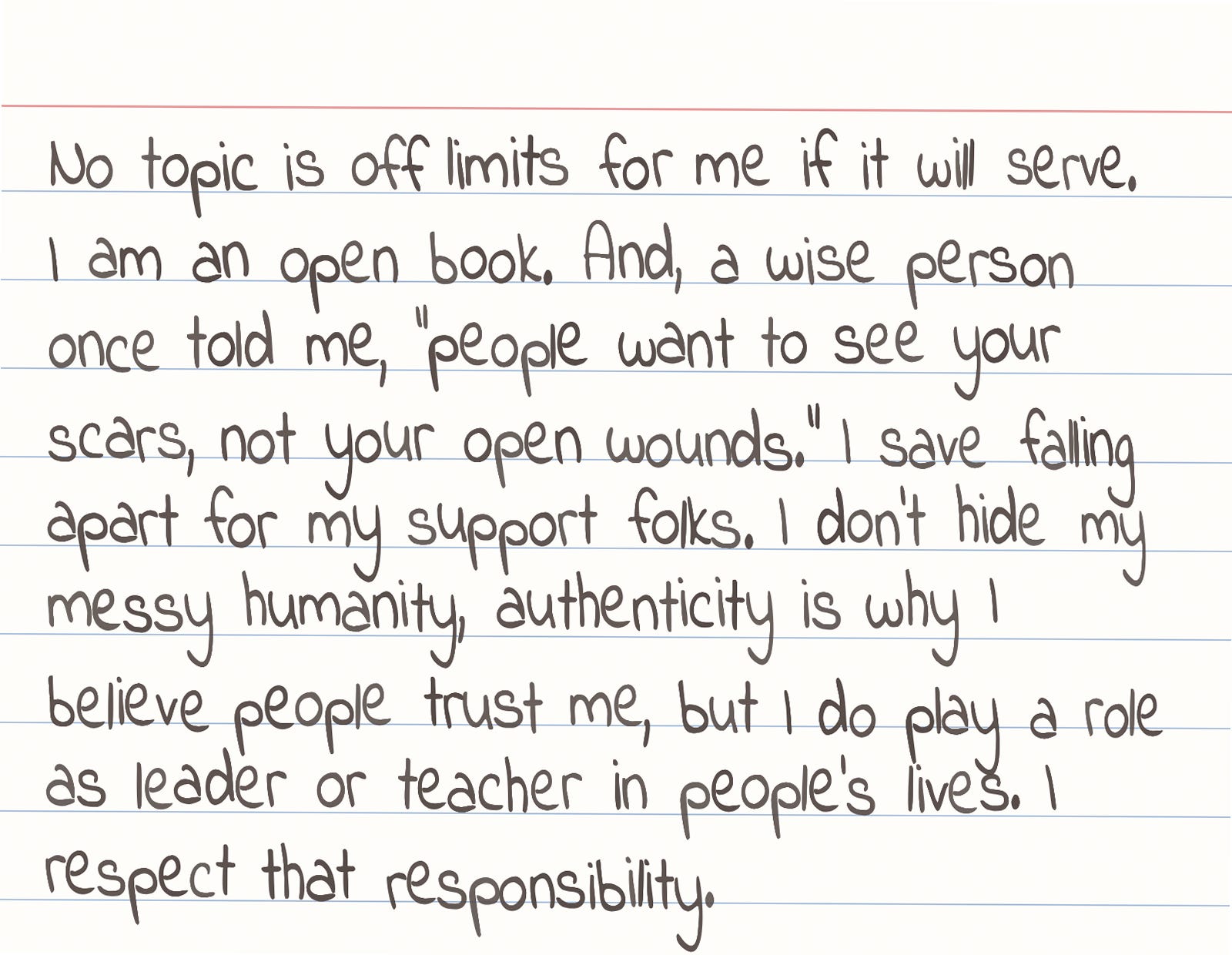
In “The 2AM Lie” you put your own thirty-year version on the page. Next quarter falls apart and everyone finds out you are a fraud. Your clients read that issue. What is your rule for what you will and will not put in writing while people pay you to be steady?
No topic is off limits for me if it will serve. I am an open book. And, a wise person once told me, “people want to see your scars, not your open wounds.” I save falling apart for my support folks. I don’t hide my messy humanity, authenticity is why I believe people trust me, but I do play a role as leader or teacher in people’s lives. I respect that responsibility.
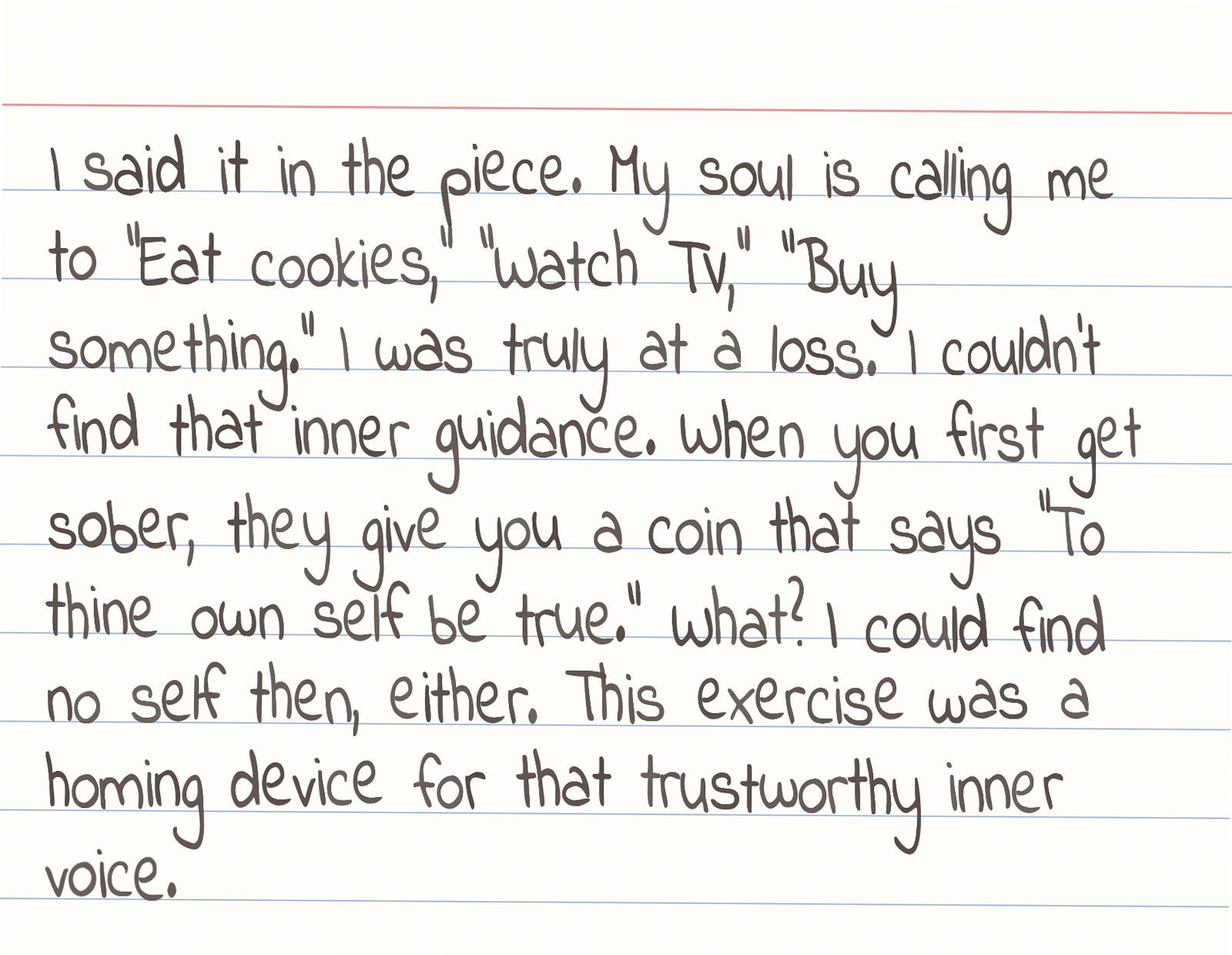
The sticky note in “The Oceanographer” sat blank for days before “connect” showed up. What else did you write on it and throw away first?
I said it in the piece. My soul is calling me to “Eat cookies,” “Watch TV,” “Buy something.” I was truly at a loss. I couldn’t find that inner guidance. When you first get sober, they give you a coin that says “To thine own self be true.” What? I had could find no self then, either. This exercise was a homing device for that trustworthy inner voice.
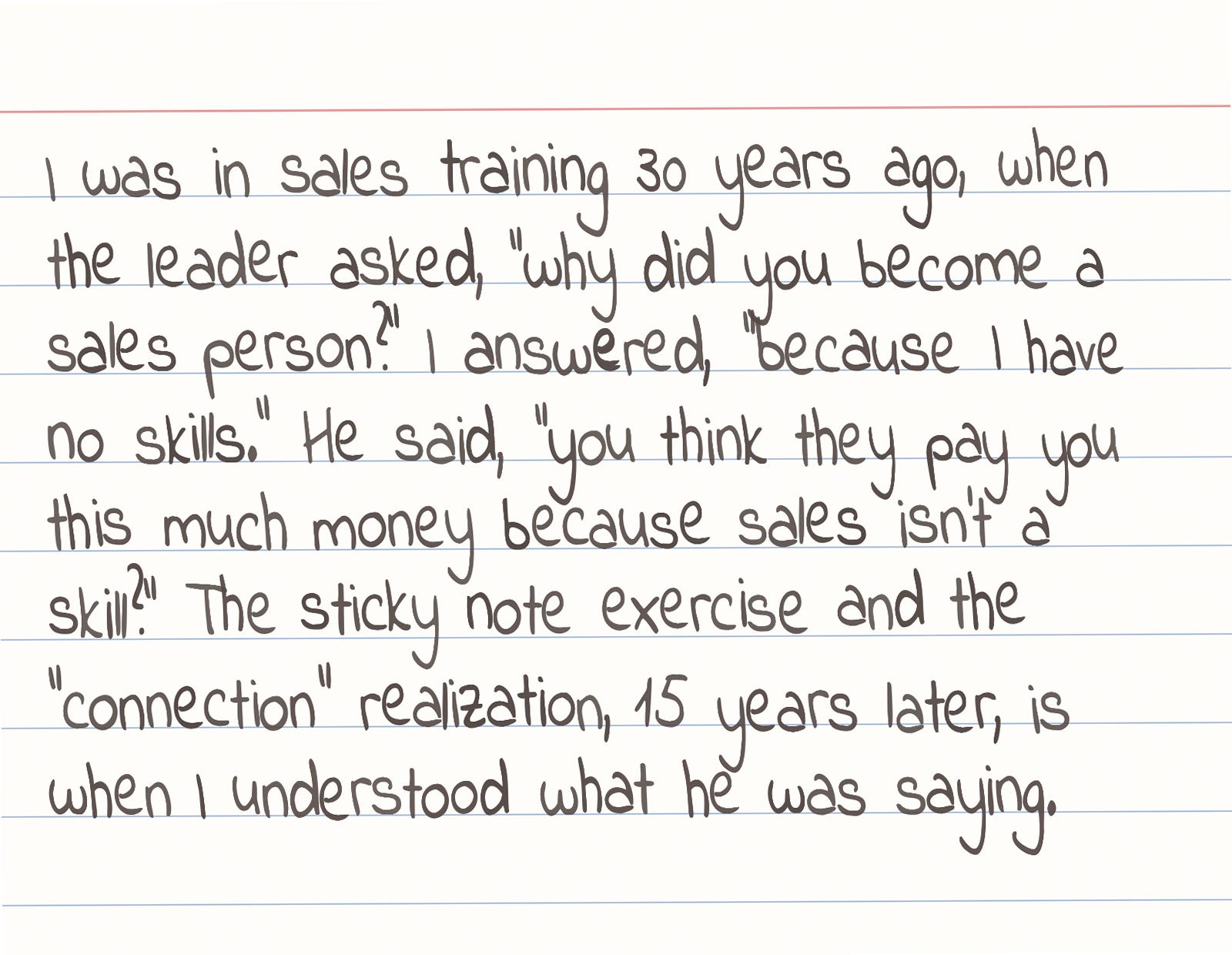
You wrote that people are already using the gift six-year-old them had, and have not owned it yet. When did you own yours out loud, and who was in the room?
I was in sales training 30 years ago, when the leader asked, “why did you become a sales person?” I answered, “because I have no skills.” He said, “you think they pay you this much money because sales isn’t a skill?” The sticky note exercise and the “connection” realization, 15 years later, is when I understood what he was saying.
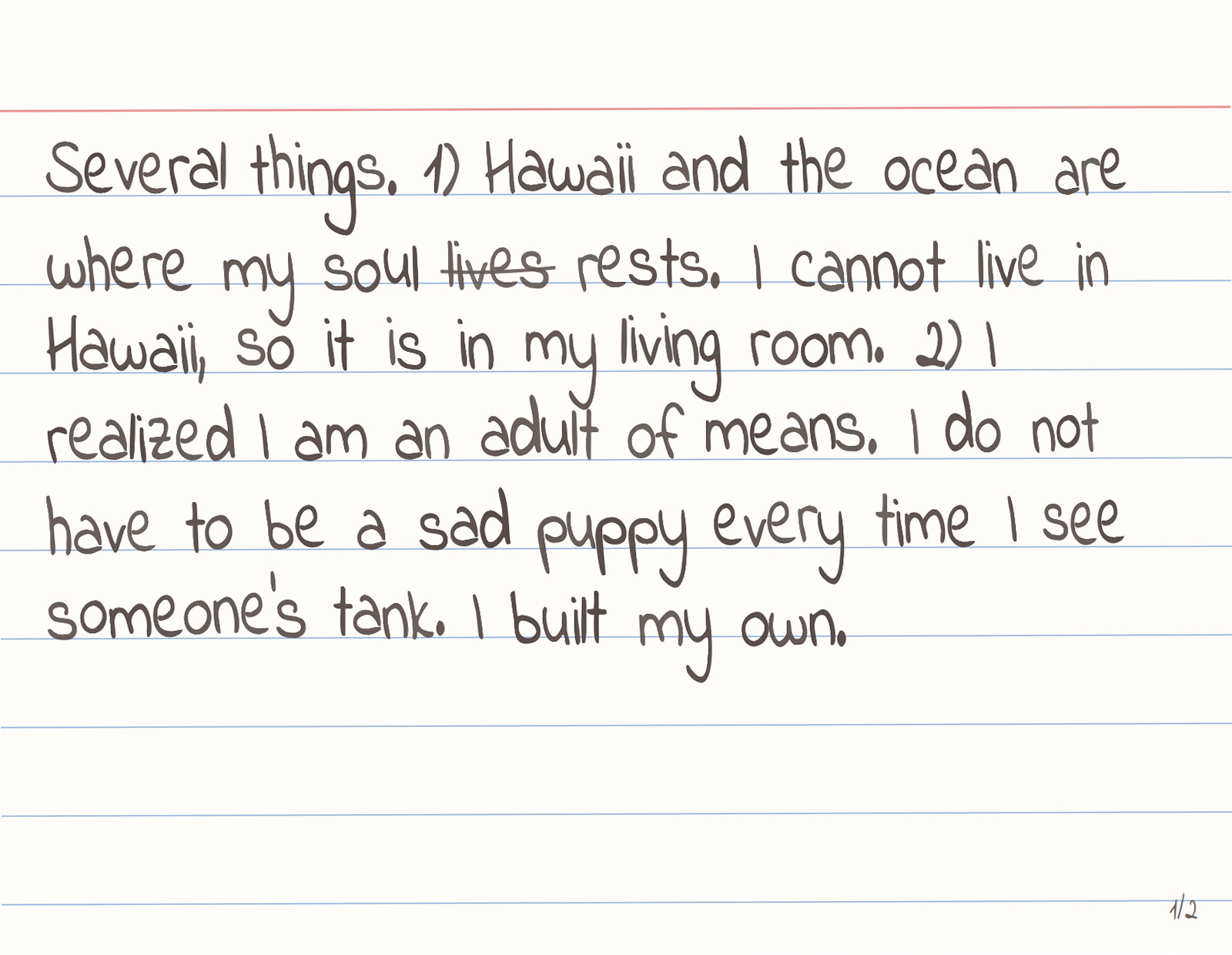
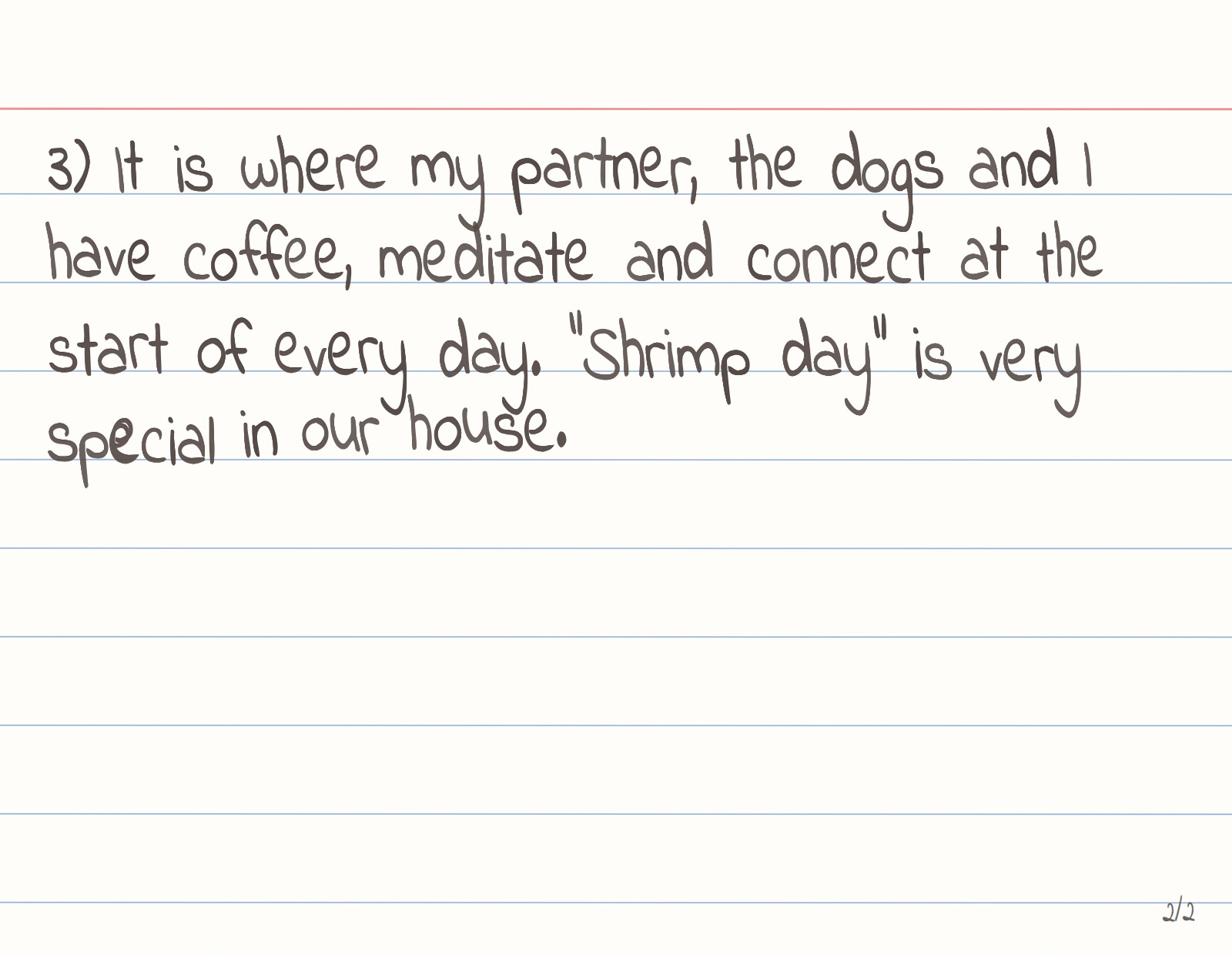
You have a six-foot reef in the middle of your house and a 125-gallon build going. Walk us through what that tank gives you and when in the day you go to it for what you need.
Several things. 1) Hawaii and the ocean are where my soul rests. I cannot live in Hawaii, so it is in my living room. 2) I realized I am an adult of means. I do not have to be a sad puppy every time I see someone’s tank. I built my own. 3) It is where my partner, the dogs and I have coffee, meditate and connect at the start of every day. “Shrimp day” is very special in our house.
The audiobook carries the leaders’ real voices from your podcast interviews instead of an actor reading their quotes. Whose voice landed differently than you expected when you heard the finished files?
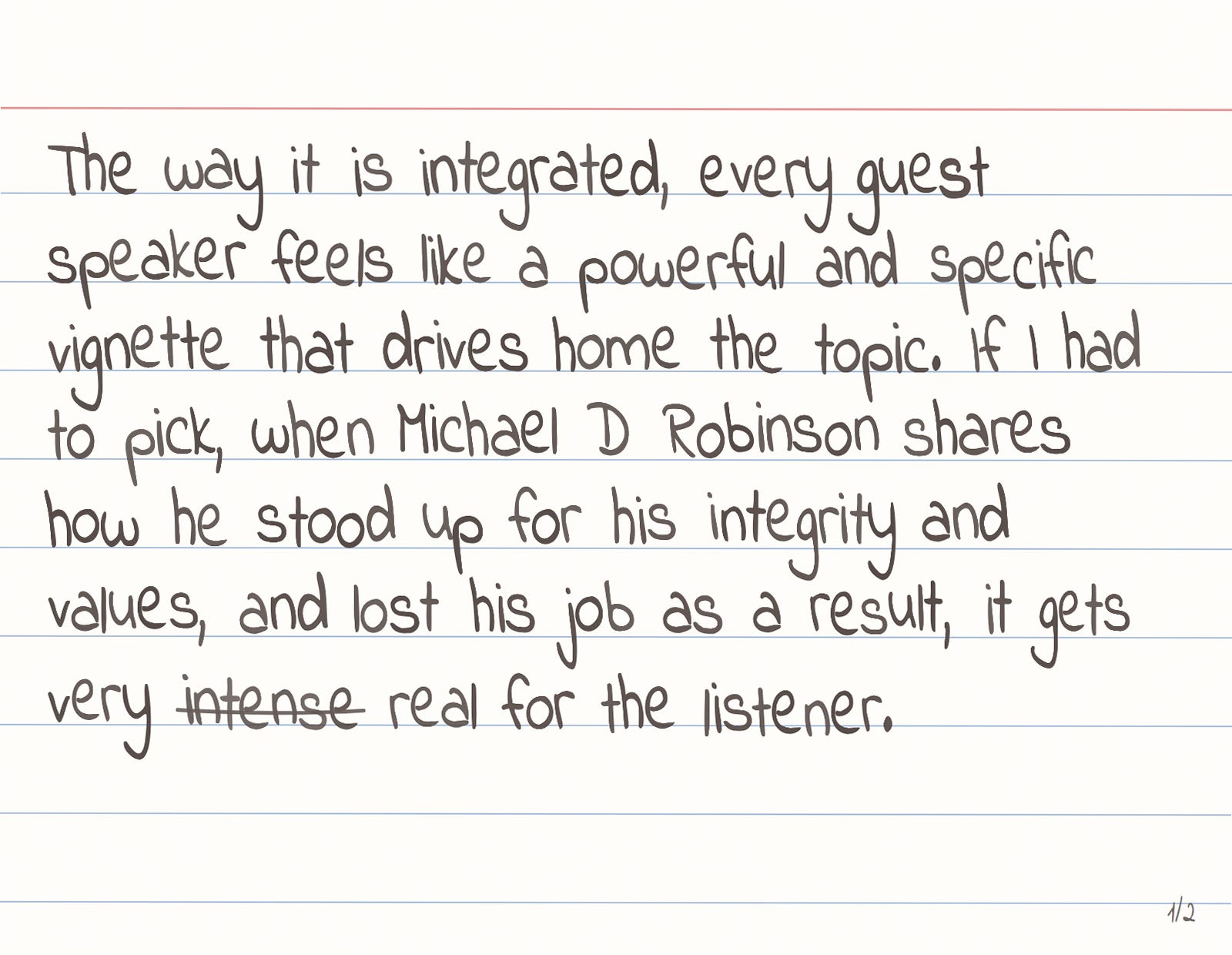
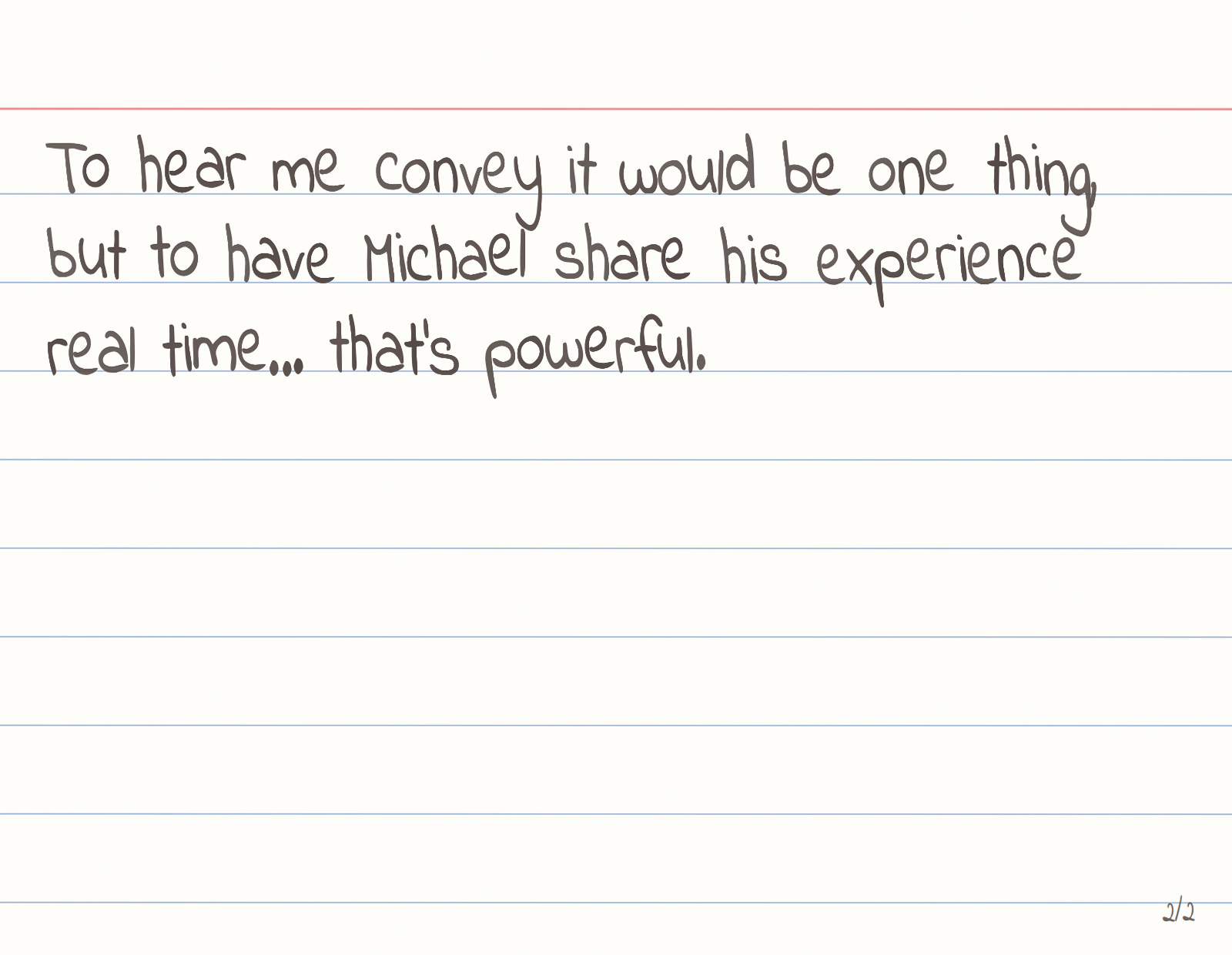
The way it is integrated, every guest speaker feels like a powerful and specific vignette that drives home the topic. If I had to pick, when Michael D Robinson shares how he stood up for his integrity and values, and lost his job as a result, it gets very real for the listener. To hear me convey it would be one thing, but to have Michael share his experience real time… that’s powerful.
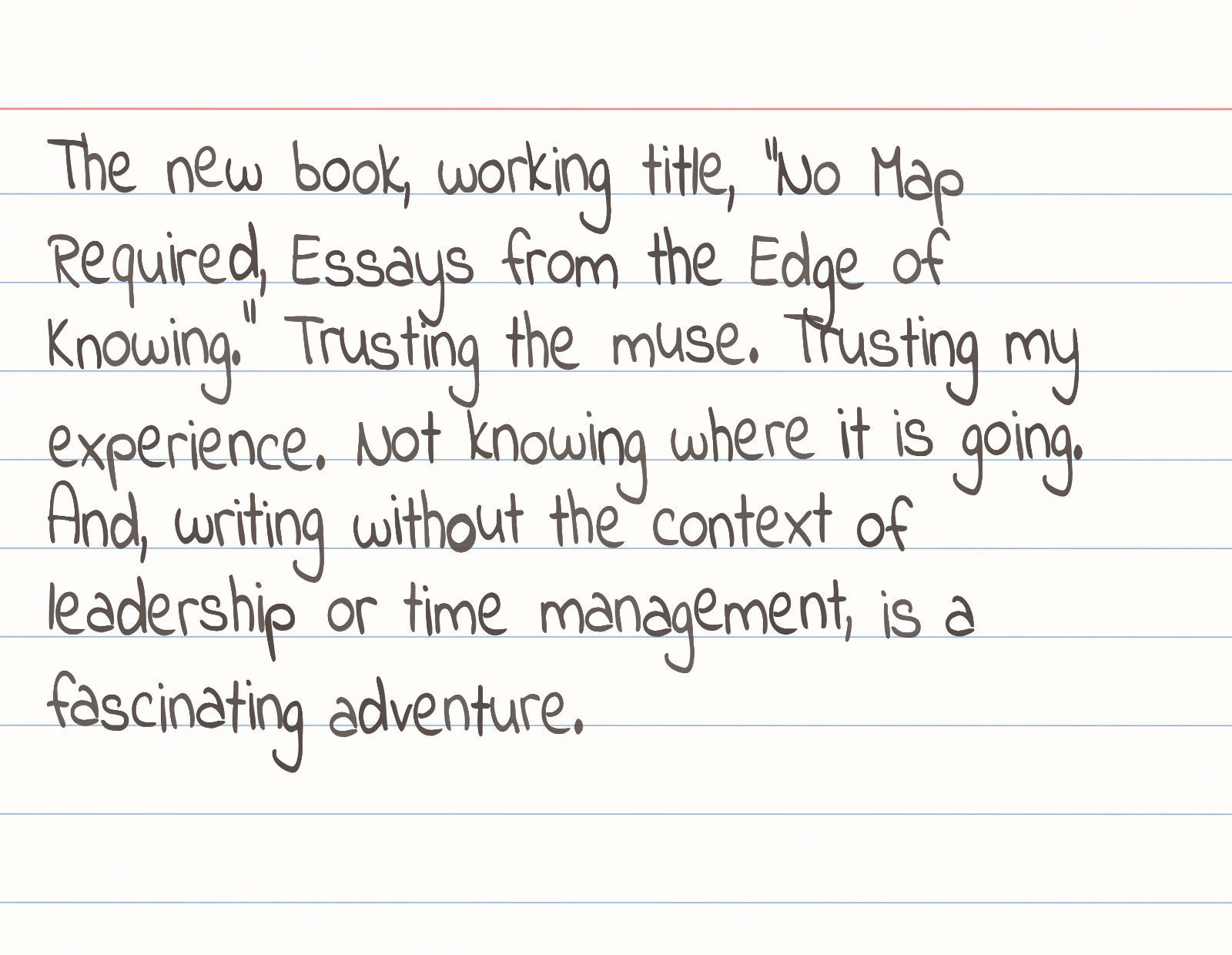
What is on the bench right now? Not the finished thing. The half-seen one you are not sure works yet.
The new book, working title, “No Map Required, Essays from the Edge of Knowing.” Trusting the muse. Trusting my experience. Not knowing where it is going. And, writing without the context of leadership or time management, is a fascinating adventure.
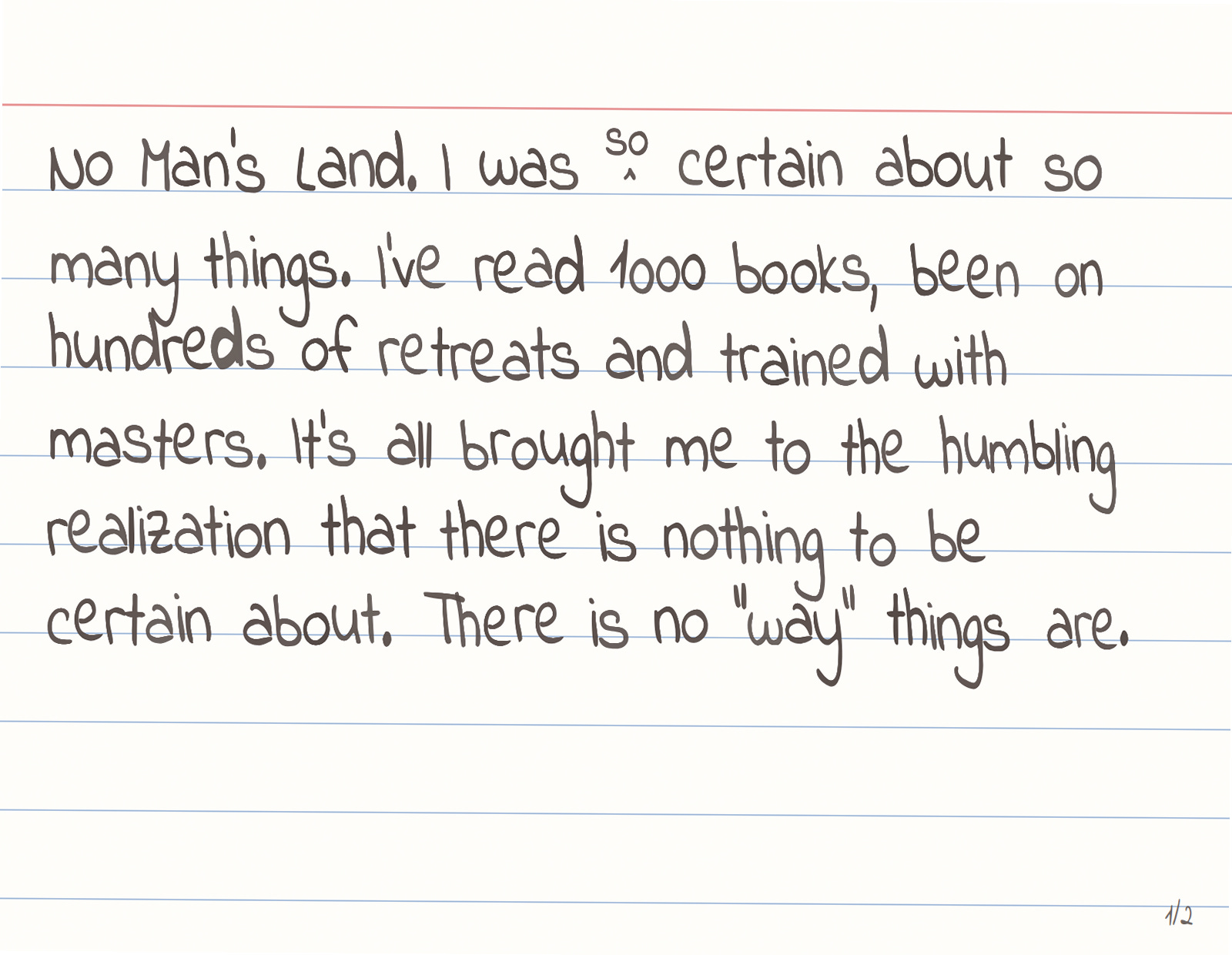
Your mentor told you to make your life look like chapters in a book. You said back then you had no idea what he meant. If you titled the chapter you are in now, what would it say?
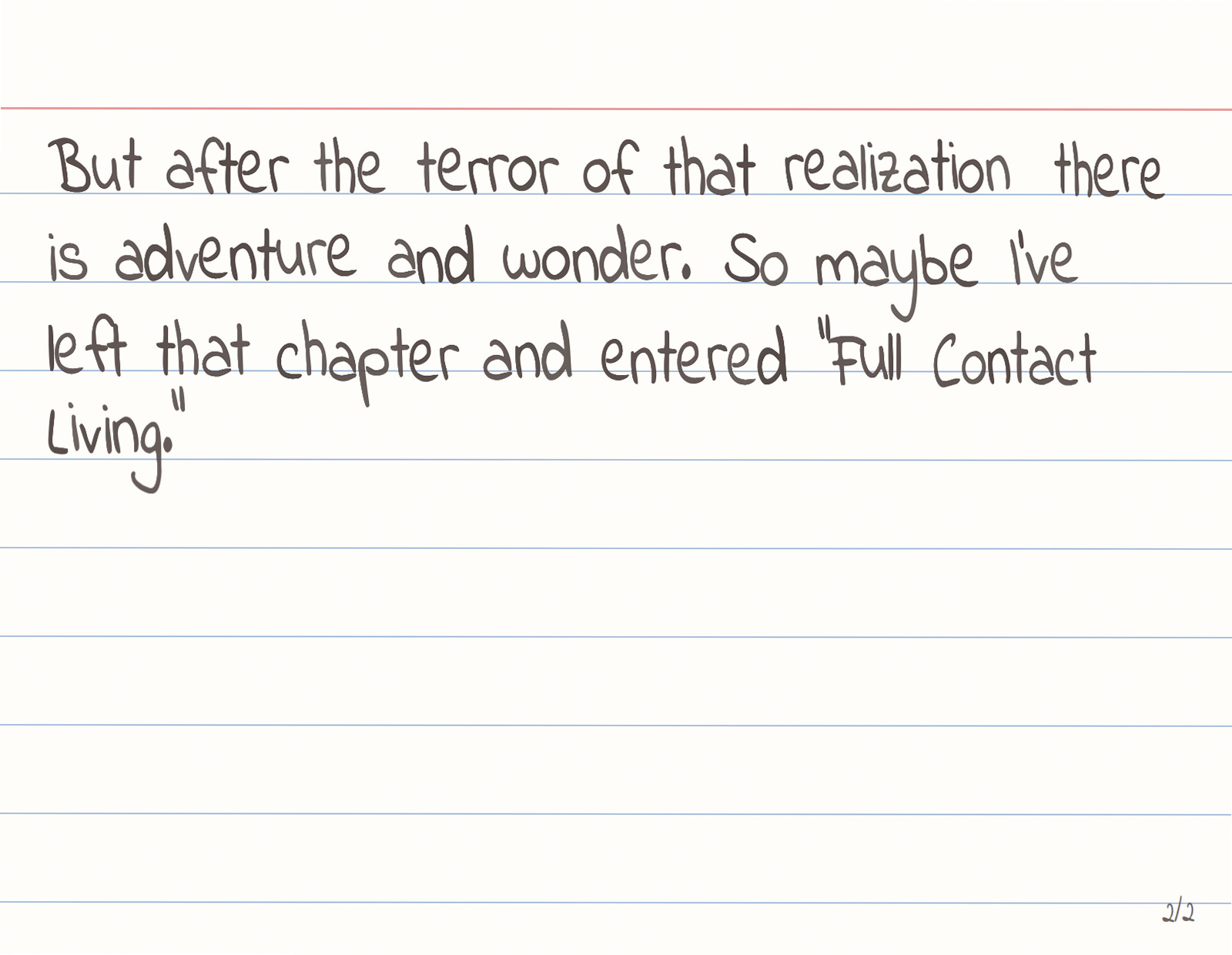
No Mans Land. I was so certain about so many things. I’ve read 1000 books, been on hundreds of retreats and trained with masters. It’s all brought me to the humbling realization that there is nothing to be certain about. There is no “way” things are. But after the terror of that realization there is adventure and wonder. So maybe I’ve left that chapter and entered “Full Contact Living.”
Comments
Nothing yet. Say the first thing.
Sign in to join the conversation.