
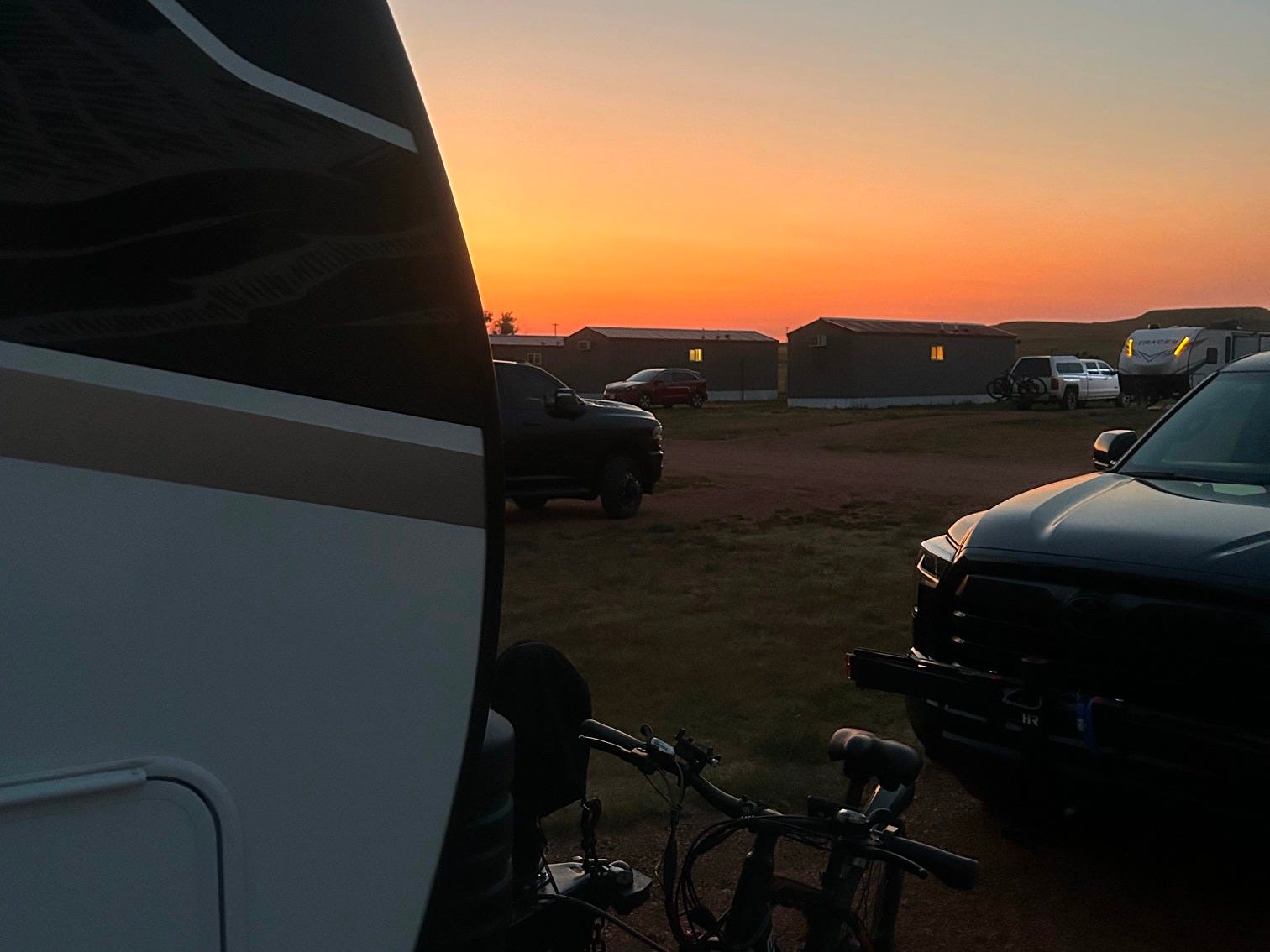
I bought another new camper. Thus, I’m obligated—obligated—to do the weights-and-measures thing. I don’t make the rules. I just abide by them.
By now, you know the drill. If not, let me direct you here. And here. And here.
And here and now.
A major key to successful towing—second only to paying attention and not driving off the road—lies in properly balancing your setup so the trailer, the tow vehicle, and the combination of the two all come in at the proper weights. It’s science and art and one of my favorite parts of the exercise.
So let’s set some baselines, then see how my fully loaded, ready-to-roll setup measures up.
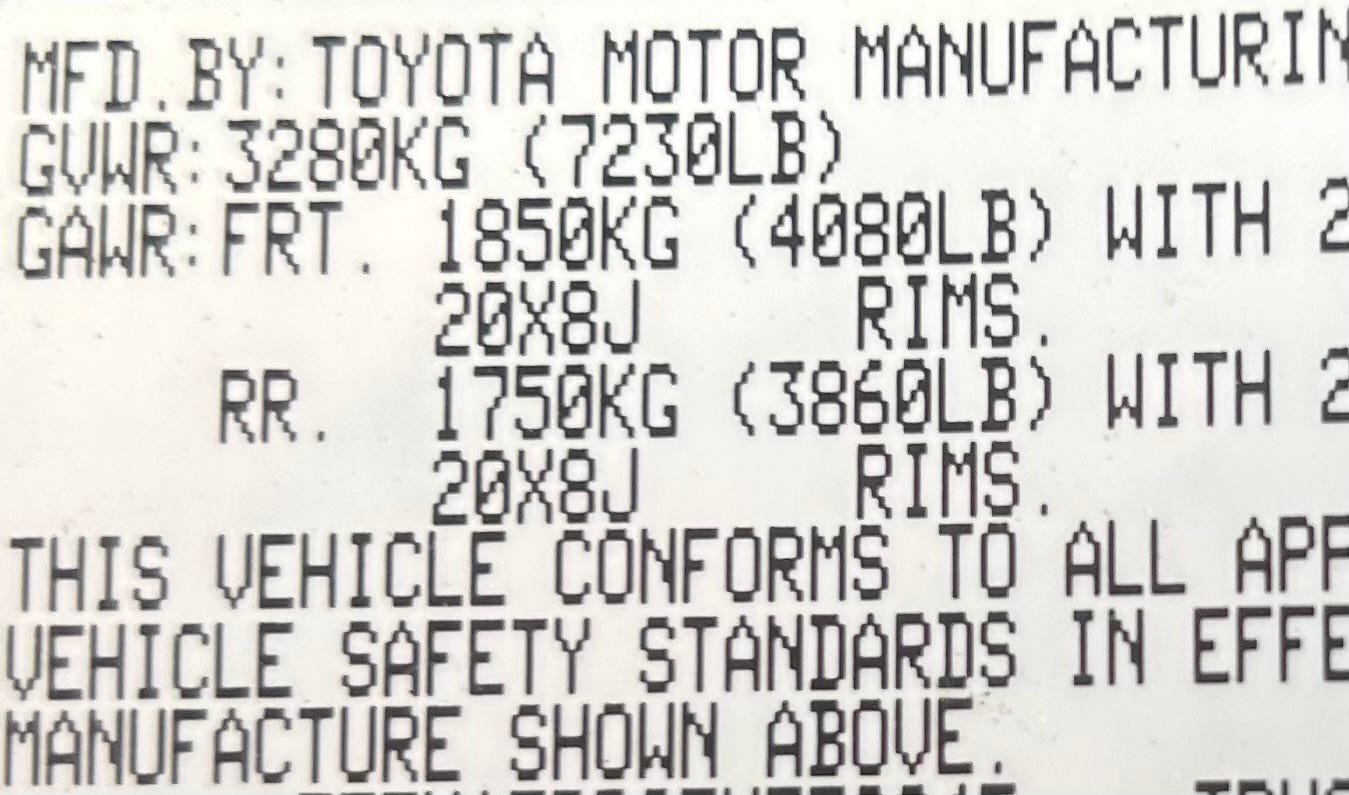
Per the Toyota Tundra door sticker above:
GVWR (gross vehicle weight rating): 7,230 pounds. This is as much as the truck can weigh when fully loaded with passengers, cargo, fuel, and trailer weight on the hitch.
GAWR (gross axle weight rating): 4,080 pounds on the front (steer) axle and 3,860 pounds on the rear (drive) axle. Please note that these weights, combined, exceed the GVWR of 7,230. GVWR trumps all.
Now, the requisite trailer numbers:
UVW (unloaded vehicle weight): 5,310 pounds. This is just the trailer and its components. No cargo, no water, nothing else.
GVWR: 6,500 pounds. This gives the rig, a 2026 KZ Confluence 21MK, a cargo-carrying capacity of 1,190 pounds. That’s sufficient. I’ll have several hundred pounds of margin.
I started with a weighing of my truck alone, without the trailer attached. Here’s what the CAT Scale at East Laurel, Montana, kicked back to me:
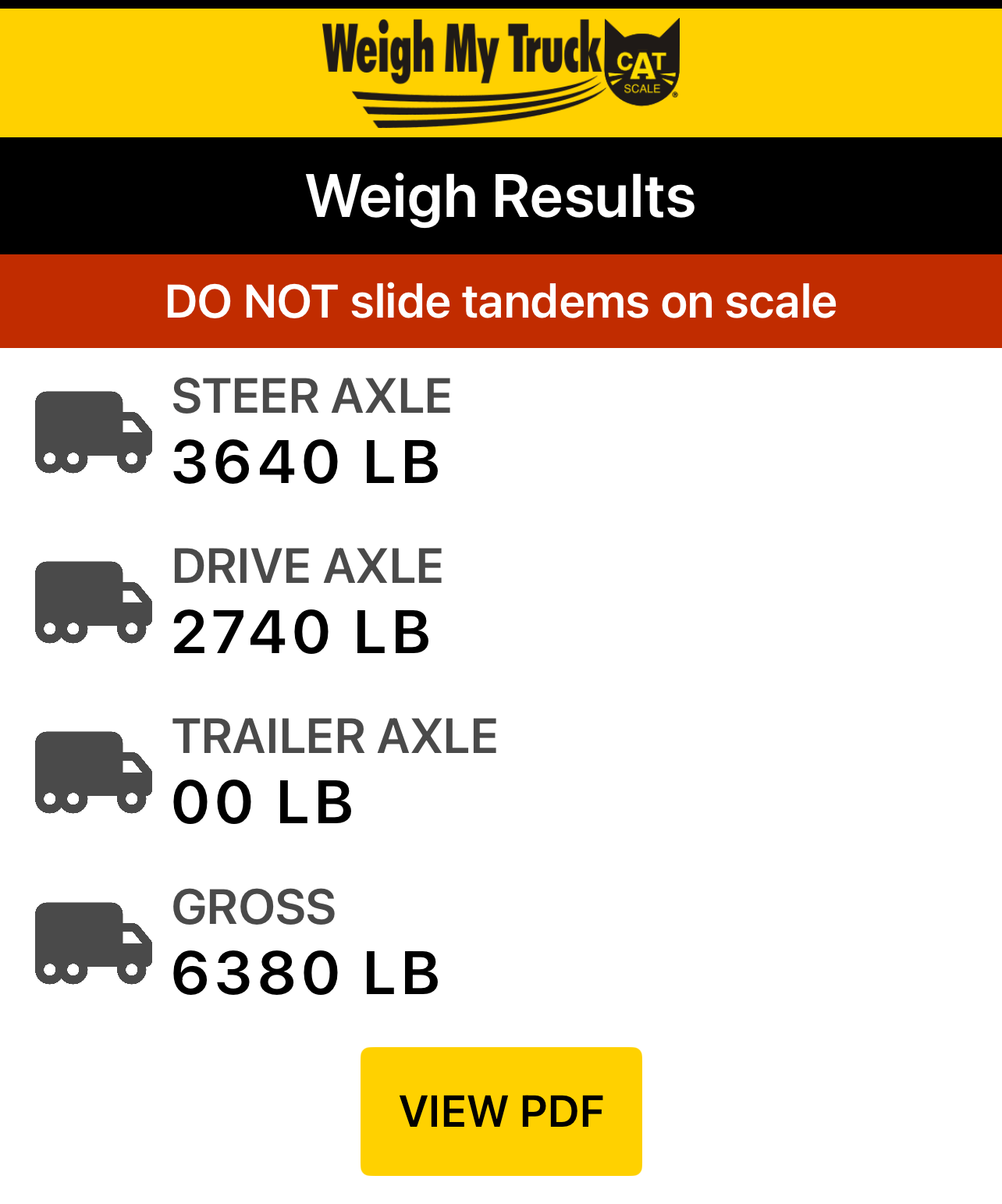
This is a measurement of the truck with me, my dog, the items I’ll carry in the Toyota, and some cargo I’ll put in the trailer. It gives me a conservative read on how much weight I have to play with once the trailer is hooked up. (Answer: 850 pounds, determined by subtracting the gross weight here from the GVWR for the truck; but remember that some weight will move from the truck to the trailer. I like building in margin.)
Watch how these numbers shift dramatically once the trailer is attached.
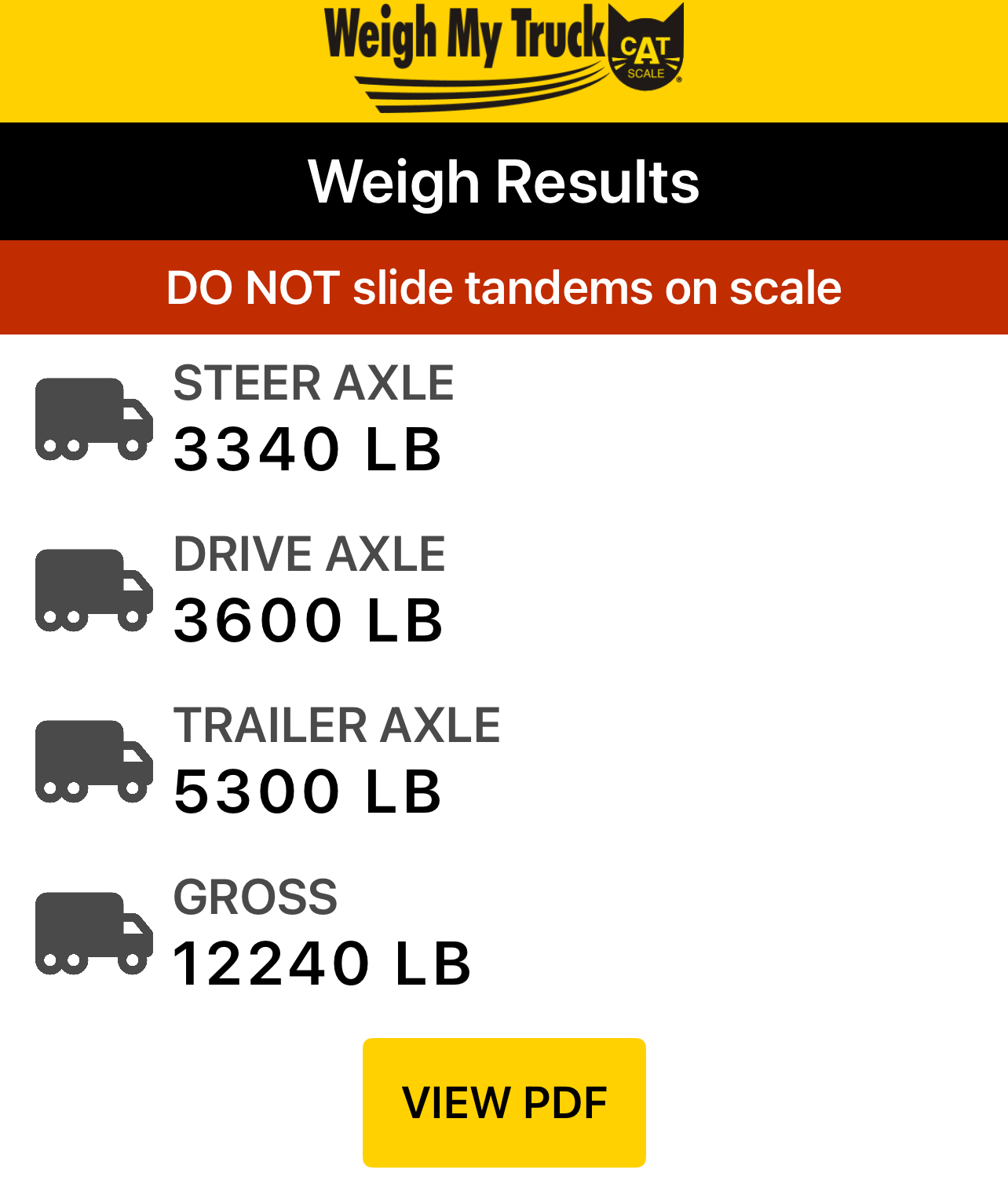
First, let’s bottom-line it: The truck weighs 6,940 pounds once the trailer is hooked up, well below the 7,230 pounds allotted. The steer axle and the drive axle are under the marks, too. That’s good.
These numbers tell me other important things:
My tongue weight is 860 pounds. That’s the difference in weight on the drive axle from unladen to bearing the weight of the trailer on the hitch.
The Confluence has a dry (unloaded) hitch weight of 540 pounds, so all the stuff I’ve added to the interior of the trailer and the pass-through storage compartment (plus the propane tanks and the battery) has raised that number considerably.
And, honestly, it’s closer to 800 because of the stuff I moved from the truck bed to the trailer interior.
My trailer weight is 6,160 pounds. I get that number by adding the weight of the trailer axles and the tongue weight. I’m 340 pounds under the GVWR for the trailer (probably closer to 400).
My tongue weight percentage is 13.9%. I get that number by dividing the tongue weight by the trailer weight. The ideal range is 10% to 15%, so I’m safe—but also a little bit tongue-heavy. I might try to lower this a bit by shuffling some weight inside the trailer to a spot behind the axles.
(The hitch, you see, acts as something of a lever, with weight distribution behind it and in front of it influencing how much downward force is exerted on the rear axle of the truck.)
The weight on my steer (front) axle has “unloaded” by 8.2%. I determine this by calculating the percentage change between the unhitched truck’s front-axle weight (3,640 pounds) and the hitched weight (3,340). I find this number agreeable, in part because it’s well balanced against the hitched weight of the rear axle (3,600 pounds).
Weight distribution hitches, which I don’t like, are designed to send weight back to the front axle of the tow vehicle to offset this “unloading” effect. I simply do that distribution work myself by loading my trailer and tow vehicle with great care. For example, I carry a bicycle rack and a heavy e-bike on the front hitch of my truck. This added weight does the same work a distribution hitch does, without introducing a bunch of tension into my setup. I’m a natural-physics guy, not a forced-physics guy.
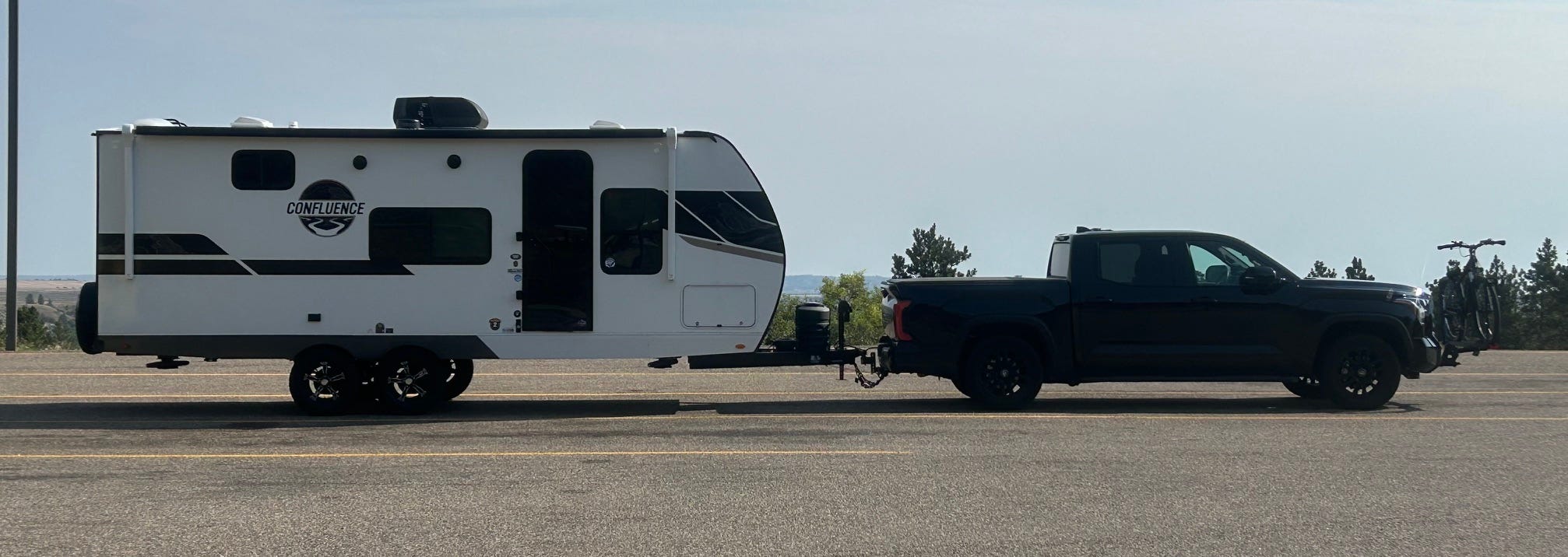
The bottom line: My setup is within the numbers across the board. I see some opportunities for further refinement, but this is a truck-trailer combination I can safely pilot down the road.
I’ve said this over and over: Your “towing capacity”—how much the manufacturer of your tow vehicle says you can safely pull—is often a worthless number in these calculations. Your payload capacity—how much downward weight your tow vehicle can accommodate—is the one that will get eaten up first.
If we move beyond weight considerations to the question of “how long a trailer can/should my vehicle pull?” other considerations come to light.
In general, the longer the trailer, the heavier it is, so weight will remain your primary consideration. But longer trailers are also more susceptible to crosswinds, require more time for merging with traffic, warrant deeper consideration when you’re making turns, etc. And your tow vehicle’s capacity for dealing with all of that will certainly come into play.
So here’s a fun guideline (not a written law, not an inviolable dictate):
Translated, it is as follows: 110 inches of wheelbase on your tow vehicle allows you to tow a 20-foot-long trailer. For each additional foot of trailer length, you need 4 inches of wheelbase.
A practical demonstration of this could be found in my first trailer-tow vehicle combination: a 2025 Wayfinder Cloudbreaker (16 feet long) and a 2014 Toyota FJ Cruiser (105.9-inch wheelbase).
Technically, the FJ had enough wheelbase to handle that 16-foot trailer. But I never felt like I had full, unquestioned control of it, in part because the wheelbase was so short but also because even that small trailer was devouring my available payload. I wasn’t out of bounds with my numbers, but my stability also wasn’t where I preferred.
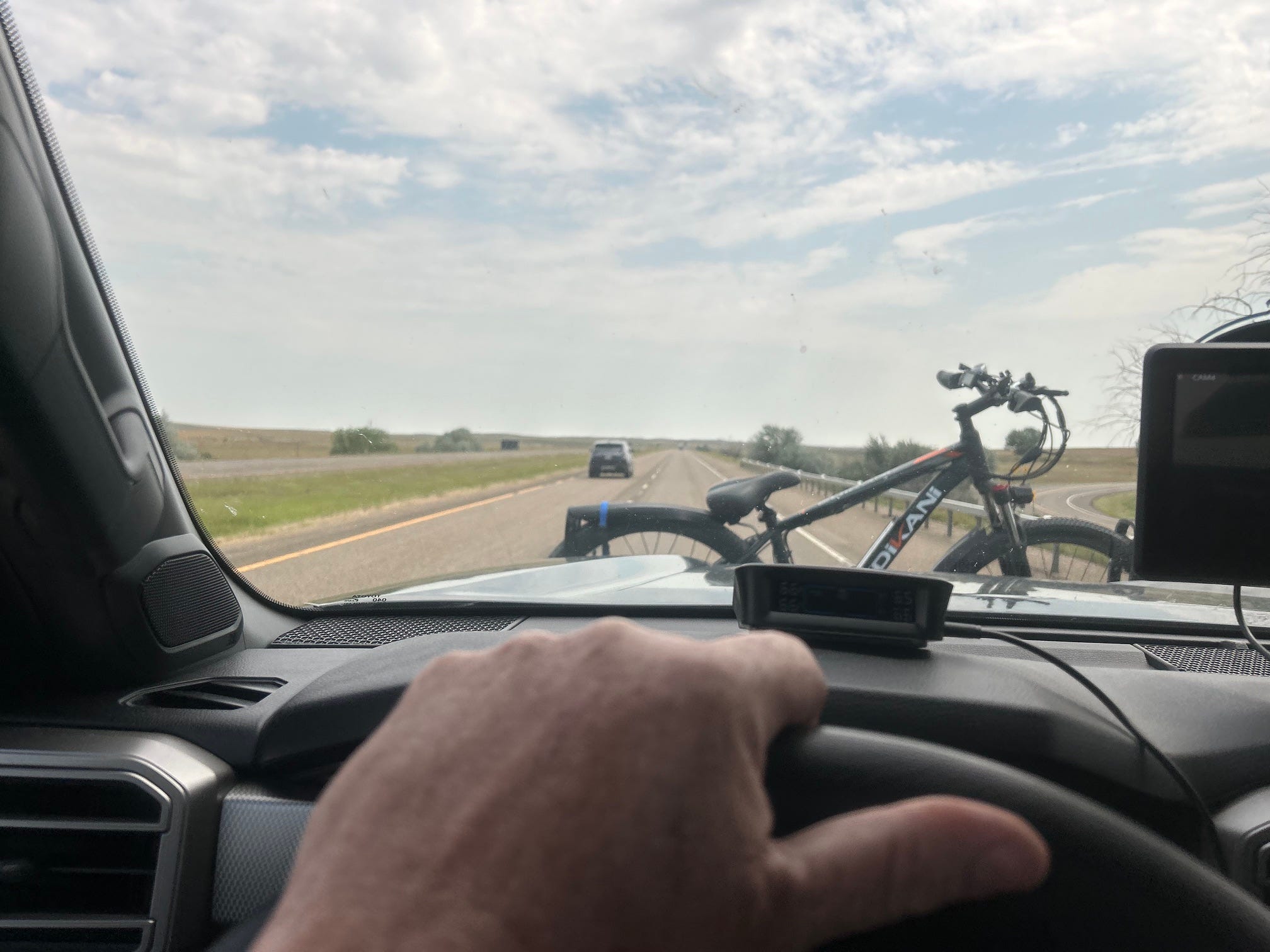
My current setup—a 26-foot trailer and a tow vehicle with a 145.7-inch wheelbase—is much more solid. Even the previous trailer, the ill-fated Ember, which was 28 feet, 7 inches long, fit the 110/20 guideline with my current truck (just barely).
When I say towing is science and art, this is what I mean. The calculations are data, and that information can be used to refine your setup. But driving a truck down the highway while pulling thousands of pounds behind it also requires touch and feel. You learn to develop that. Where data and feel converge lie prudence and safety. And that’s the sweetest spot of all.
Thanks for reading Time. Speed. Distance.! This post is public so feel free to share it.
No posts
Comments
Nothing yet. Say the first thing.
Sign in to join the conversation.