
Dear Friends,
Humans through the ages have used songs to tell stories, to communicate, and to unite communities in both celebration and struggle. Songs can serve as vehicles for protest, worship, mourning, and—perhaps most importantly—for the courage to keep going.
In today’s new story, you’ll meet a few members of the Resistance Revival Chorus, a collective that has been bringing songs of protest and hope to the streets, churches, concert halls, and national stages of America for close to a decade. They’ve been singing for workers’ rights, civil rights, immigrant rights, and other causes that are at the heart of a healthy democracy. In that spirit, singing keeps alive an ancient craft—a special kind of connective tissue that transforms individual voices into a force for change.
We hope you’ll enjoy “Crafting Resistance through Song,” by
Meredith A. Lawrence.
We always welcome your thoughts and suggestions, which you can offer in a comment, as a Substack Note, or via email. Thank you for reading and sharing our stories, for supporting our work with a paid subscription if you can, and for being such a loyal part of the Craftsmanship community.
Sincerely,

Todd Oppenheimer
Publisher & Editor-in-Chief, Craftsmanship Magazine
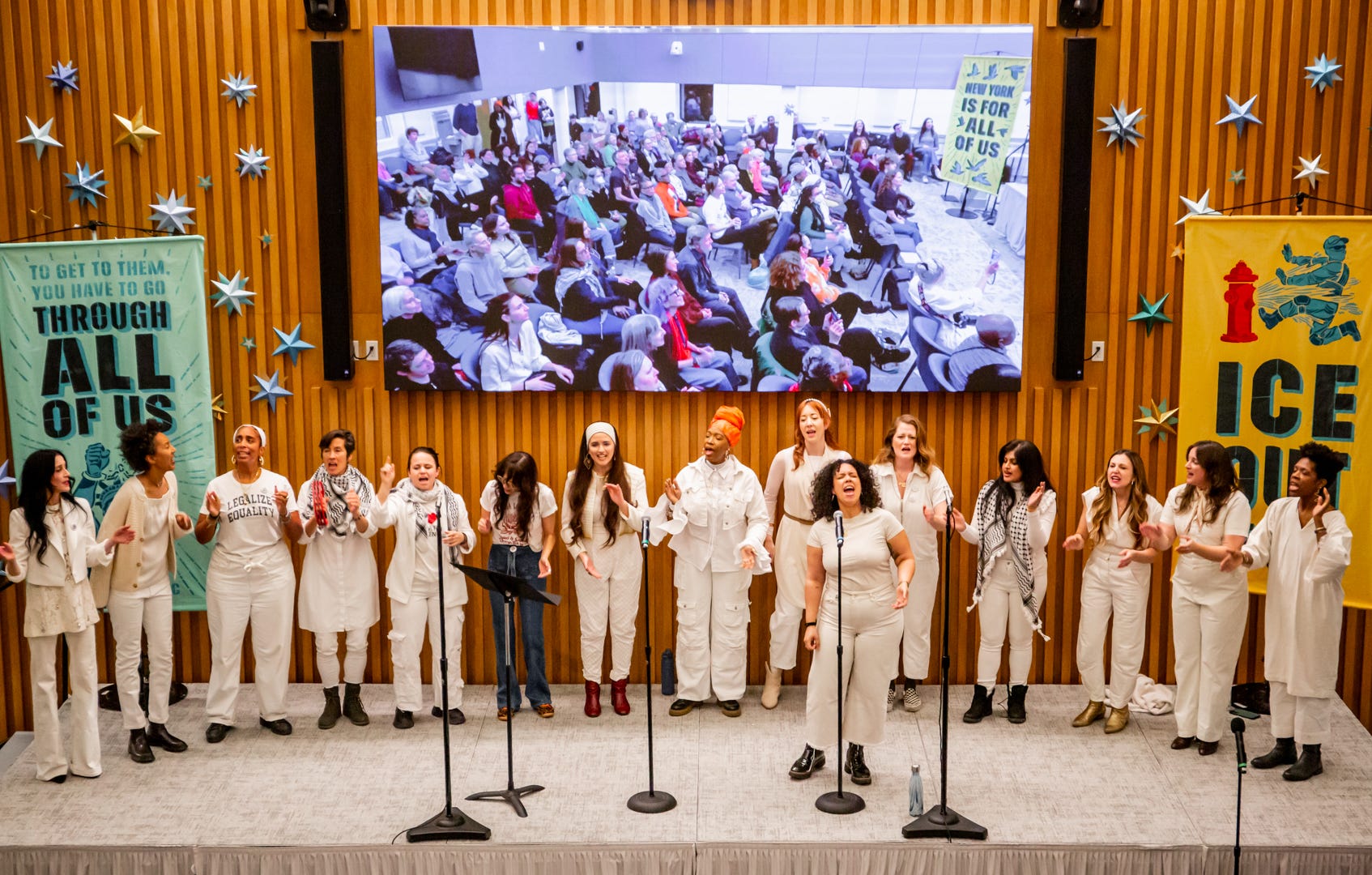
On a late October day in 2025, a joyful, boisterous rally packed Forest Hills Stadium in support of New York City’s future mayor, Zohran Mamdani. Taking the stage in their signature all-white clothing (an homage to the Women’s Suffrage Movement), the Resistance Revival Chorus belted out the pro-union anthem, “Which Side Are You On?”:
Come all of you good workers
Good news to you I’ll tell
Of how that good old union
Has come in here to dwell.
The Resistance Revival Chorus (or RRC) is a collective of women and nonbinary artists and activists. For nearly 10 years now, they have been performing a cappella versions of classic and new protest songs, appearing on some of the largest stages in the United States—including Carnegie Hall, the Newport Folk Festival, with Kesha at the Grammy Awards—and on national television.
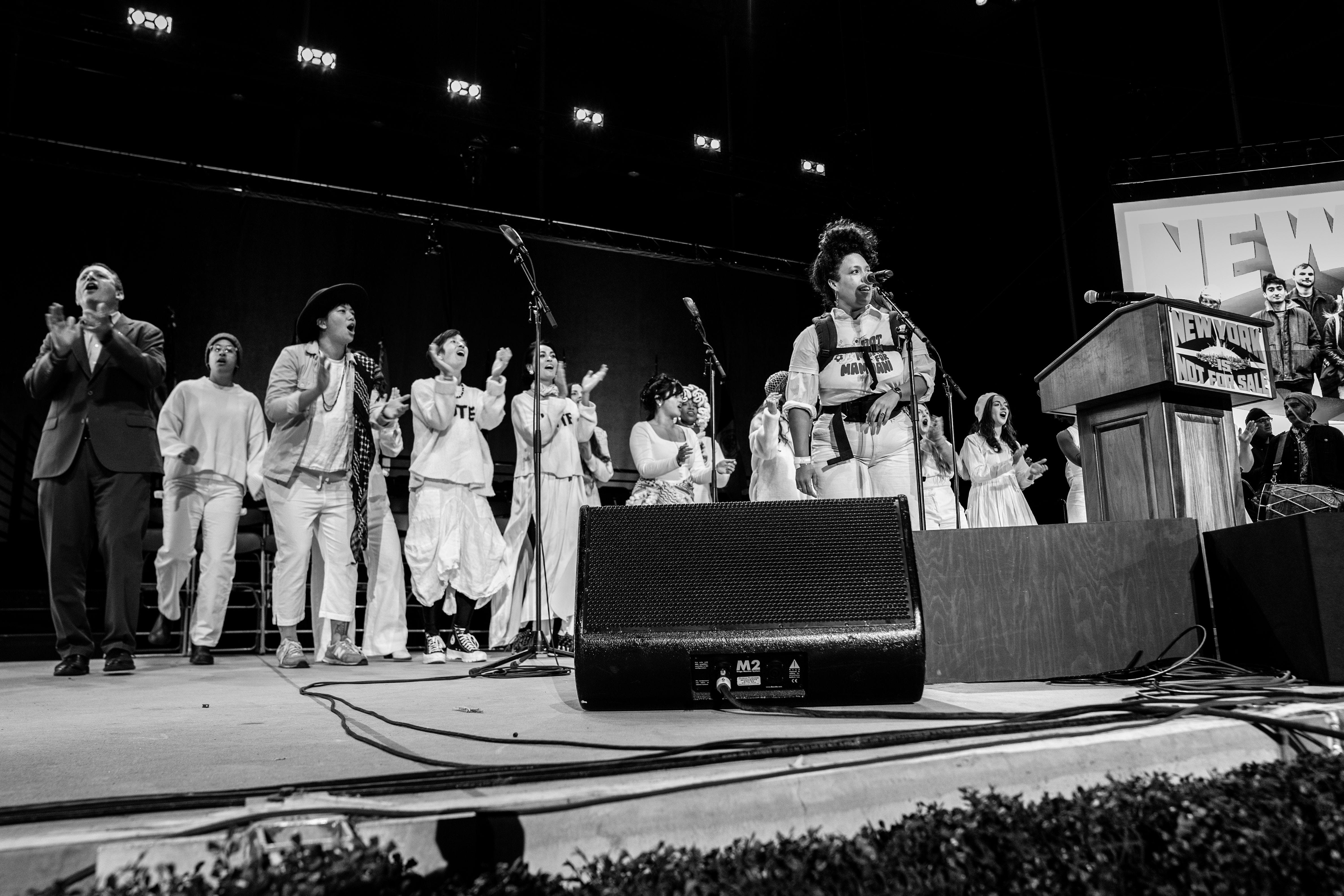
“Which Side Are You On?,” written in 1931 by Florence Reece, a workers’ rights activist, was popularized by American folk singer Pete Seeger, who recorded it in 1941, and it has since become a standard of the movement-organizing canon. In keeping with the inherent fluidity of the folk tradition, the Chorus added their own verses at the Mamdani rally:
Our planet is on fire
The billionaires to blame
They’d rather plant a flag on Mars
Than face up to their shame.
The tired and the poor
Those yearning to breathe free
The huddled many masses
They are you and me.
Comments
Nothing yet. Say the first thing.
Sign in to join the conversation.