
In a shock move, Secretary of Defence John Healey has resigned from the government. In a damning resignation letter, he cites frustration with the lack of movement on Defence, and especially the long-delayed Defence Investment Plan, as reason for his departure.
The key line is:
‘You [Keir Starmer] have been unable, and the Treasury has been unwilling, to commit the resources that the nation needs to defend the country at this time of rising threats.’
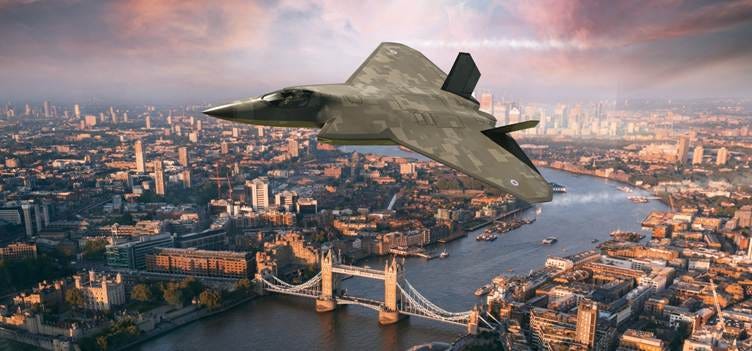
The trigger was the refusal by Starmer to provide the money required by the MOD to fund the Defence Investment Plan (DIP) and make up the shortfall in the current spending. Reporting from around the media suggest that Starmer could only end up offering around £13.5bn, far less than the compromise the MOD had reached at £17bn and almost half of the £28bn they actually wanted. This had come after suggestions that Starmer was looking to cut infrastructure investment elsewhere (a terrible decision in my view) to pay for defence, and that the Treasury had demanded direct financial control of the Global Combat Air Programme, a huge multinational project aimed at creating a next-generation fighter jet with Japan and Italy.
In Healey’s words, the failure to adequately invest in defence was forcing him to:
‘make decisions that would reduce the readiness of our Forces and increase the risk to personnel on operations, and could make the country less safe’.
Rumours and allegations are likely to fly around for the next few days. The real question is, where does this leave the defence of the United Kingdom?
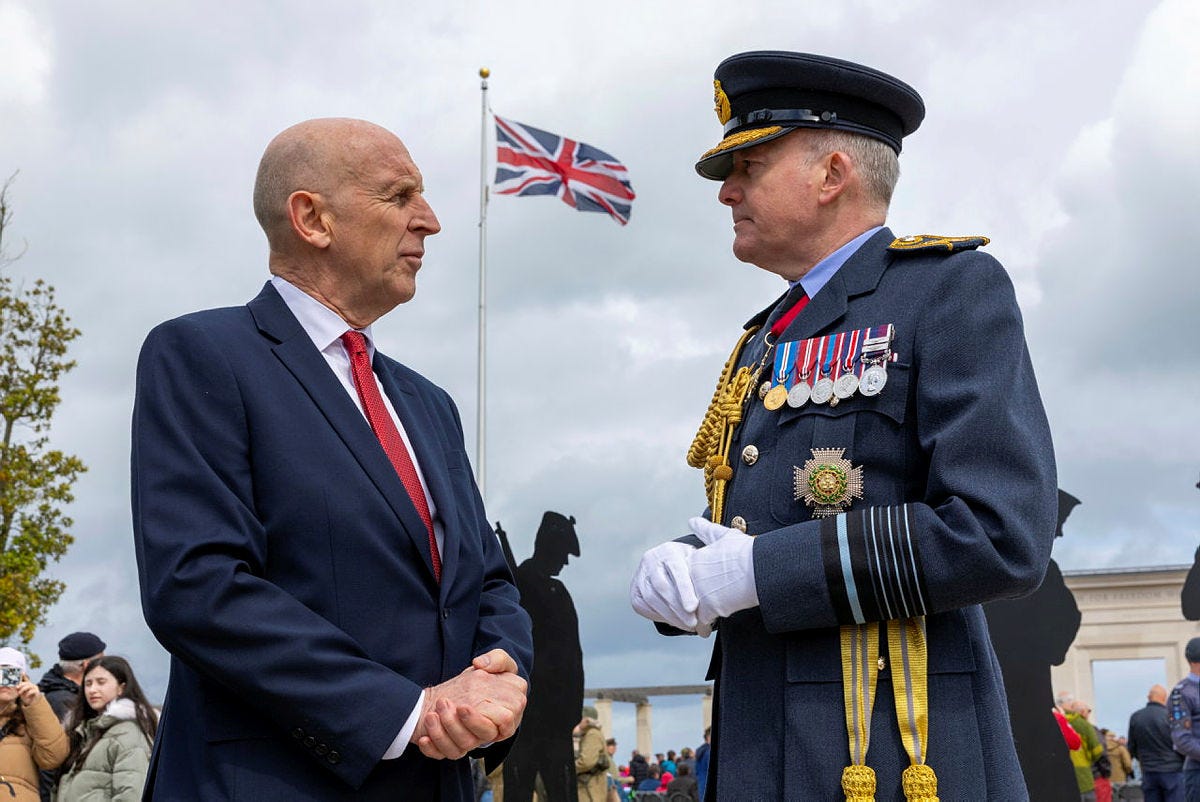
Frankly, in a bad state. Healey may have not been a perfect Defence Secretary but he fought his department’s corner hard, mostly without airing political dirty laundry in the open. The fact that he - always considered a stable loyalist - has resigned is damning. The line that Starmer was ‘unable’ to enact change is notable – the Prime Minister is either too incompetent, or too politically weak, to force the hands of the Treasury.1
Whoever comes next as Defence Secretary – I’ve heard Dan Jarvis, Al Carns and Darren Jones being suggested – will likely be pliant, suggesting the MOD will have to accept whatever the Treasury gives it.2 There is a small chance perhaps that this resignation galvanises Starmer into spending heavily on defence, but I highly doubt it.
In the short-term, Britain’s defence remains in disarray. It is both deeply embarrassing and a further blow to our rapidly-fraying international credibility. The Prime Minister of Japan is visiting this week, and GCAP is likely to be high on the agenda. The Japanese have been very patient but increasingly infuriated by the UK’s prevarications and refusal to commit spending to this critical defence project. Furthermore, if Starmer can’t get the Defence Investment Plan over the line by the NATO Summit in Ankara in July, or the investment is unsatisfactory, Britain’s reliability as an ally within Europe is going to be heavily questioned.
Realistically, it is likely that if/when the DIP gets released, it will be a disappointment. Frankly, I’ve cynically thought it always would be, but this fracas makes it even more likely. Talking to MOD people recently, I’ve heard stories about constant last-minute chops and changes to the plan in a desperate attempt to make it fit an ever-shrinking pot of money. That’s a terrible way of implementing policy and shows the complete nonsense of the government’s long-standing excuse for the DIP being delayed because they were working hard ‘to get it right’.
There are also questions as to how the money is to be released. There have been reports that the Treasury wants to ‘backload’ defence spending in the hope that the UK will be in a better financial position by the early 2030s. This might make sense from a narrow accounting perspective but is a shocking way of financing the defence of the country, for two reasons. The first is that it makes the very dangerous gamble that the UK will not face a major threat involving military action in the next few years. Considering that the Prime Minister himself is on record as suggesting the potential of an armed conflict with Russia before 2030, this is not a credible way of funding defence. The second reason is that it provides no impetus for the private sector to invest in defence in the UK. Why would private investors and businesses bother spending money on defence projects in the UK – which might never be completed or properly funded by the government – when they could go elsewhere where public money is available? As such, it makes a mockery of the government’s whole ‘defence dividend’ strategy, in which a burst of defence spending can help spur broader regional economic growth.
Of course, it is worth noting that the Prime Minister himself may not be in a job much longer, especially if Andy Burnham manages to get into parliament. I have absolutely no read on Burnham’s potential defence policy, and I’m not going to bother speculating before he’s even in an official leadership contest. In the meantime, the Starmer drift continues.
It is a depressing picture. The defence of the United Kingdom continues to collapse under the weight of our rhetoric as we paint ourselves into ever-smaller political corners. Our demand to be recognised as some form of ‘great power’ is not matched by our willingness to pay for it or make hard decisions. The trappings of military capability matter more than the actual stuff of it in British policy and official discourse. We are always a ‘leading power in NATO’ when so often we are not, and our allies outpace us in readiness. The government blithely insists that everything is fine and bleats the tired nostrums of ‘tech and AI’ even as operations founder, vehicles fall apart, housing remains mouldy, young women continue to be tragically failed by the system that should support them, and our international credibility ebbs away.
I wrote that time was running out for British defence back in January. The top of the hourglass has even fewer grains of sand left in it. We are getting dragged down by the complete inability of the Prime Minister to make decisions. It is a dereliction of duty to this country.
Cracking Defence is a reader-supported publication. If you enjoy my work, please like, share, subscribe, and if you are able, buy me a coffee to support my work. All and any support is hugely appreciated.
Let’s be honest, the answer is both.
Update: Dan Jarvis was confirmed after Al Carns also resigned on the evening of the 11th.
Comments
Nothing yet. Say the first thing.
Sign in to join the conversation.