
As the great August slowdown approaches, I imagine few readers will be interested in military analysis, news or history and instead be looking for ways of relaxing. What better way to do so than read a novel – and for military enthusiasts, a war novel? Perhaps not an obvious choice, but I remember the novelist Marlon James once declaring that his perfect beach read was one in which the protagonists were having a far worse time than him, so by that definition, war novels are the perfect holiday read…
Lists of great war films abound; lists of great war novels rather less so. The greatest depictions of war and soldiering are often found in written fiction, and so I find this neglect rather surprising. As such, in order to rectify this problem, here is a list of ten exceptional novels about war, in all its forms.
A few caveats. I’ve defined ‘war novel’ as a work of sustained prose fiction that is fundamentally about experiences in war and/or the military, or has them as a significant element.1 The list is a purely personal choice based on the books that I have read. It has also has far too few female authors, which is entirely on me – if readers can suggest excellent women-authored war novels that they’ve read, please do let me know!
Caveats aside, here are ten of the best war novels ever written:
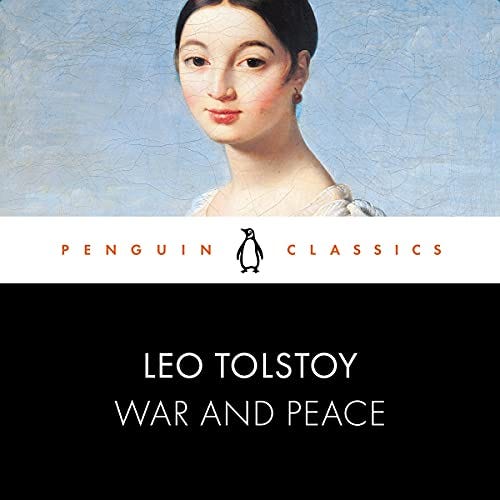
War and Peace – Leo Tolstoy (1869)
As much as I grappled with myself over whether to include a piece of Russian art in today’s geopolitical climate, I can’t help but admit that this is one of the great war novels. In his sweeping epic, Tolstoy provides a magisterial – if highly idiosyncratic – account of the Napoleonic Wars from the perspective of three Russian noble families. Tolstoy’s experiences as an officer during the Crimean War bleed through all the war scenes; I will say that the portrayal of Nikolai Rostov’s career is one of the best of a young man going to war for the first time.
Definitely worth a read, despite the politics, and don’t be put off by the length – it is a surprisingly brisk read, even including Tolstoy’s many digressions.
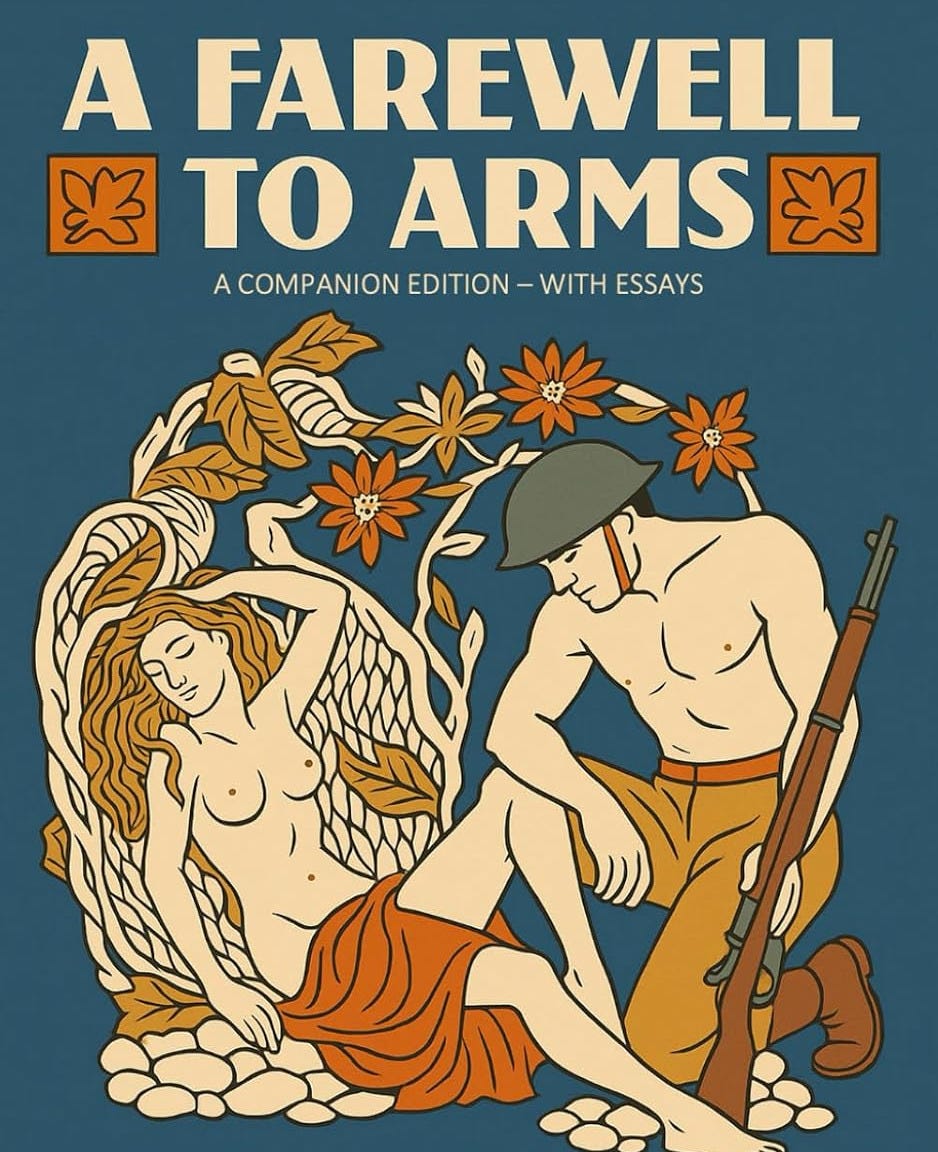
Farewell to Arms – Ernest Hemingway (1929)
In my opinion, the best of Hemingway’s novels. Based on his experiences as an ambulance driver on the Italian Front of the First World War, it is an uncompromising tale of love and war, written in Hemingway’s signature sparse prose. The ending is as unforgettable as it is devastating.
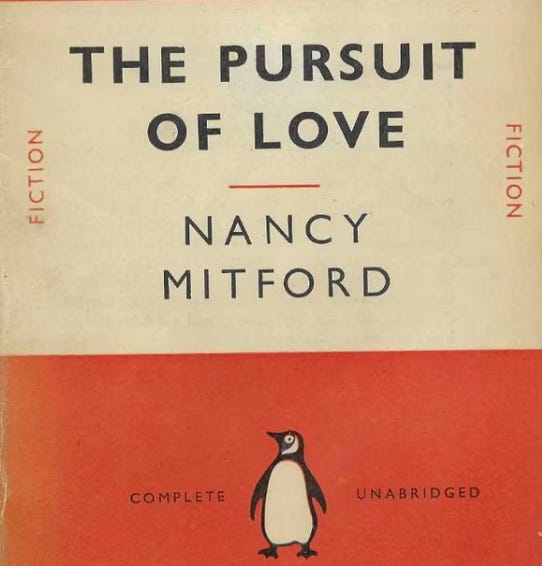
The Pursuit of Love – Nancy Mitford (1945)
This might be an odd choice, but I think it fits. A riotous comedy about an eccentric aristocratic English family (are they ever not eccentric?) and a young woman’s desperate pursuit of love and excitement, it is also a novel that is permeated by war. Uncle Matthew is a traumatised First World War veteran, taking out his PTSD on his children. Linda follows her second husband to the outskirts of the Spanish Civil War, and the tale ends with tragedy in wartime London. Both poignant and at times outrageously funny, it is well worth a read, and has also been made into an exceptionally good BBC series.
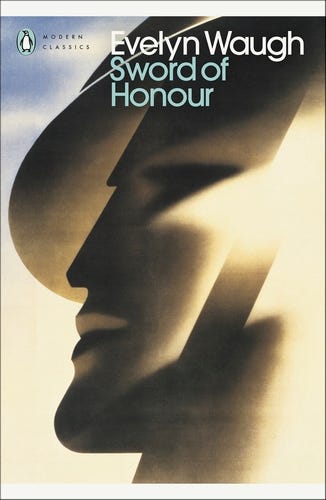
Sword Of Honour – Evelyn Waugh (1952-61)
This trilogy/long novel is one of Waugh’s finest, based on his own experiences as an Army officer during the Second World War. The main character, Guy Crouchback (as often in Waugh novels, a Catholic Englishman) bounces between different theatres of the war in a story that veers between bitter cynicism, light-hearted satire and true tragedy. Other than Catch-22 (see below), by far the best fiction to have come out of the Second World War.
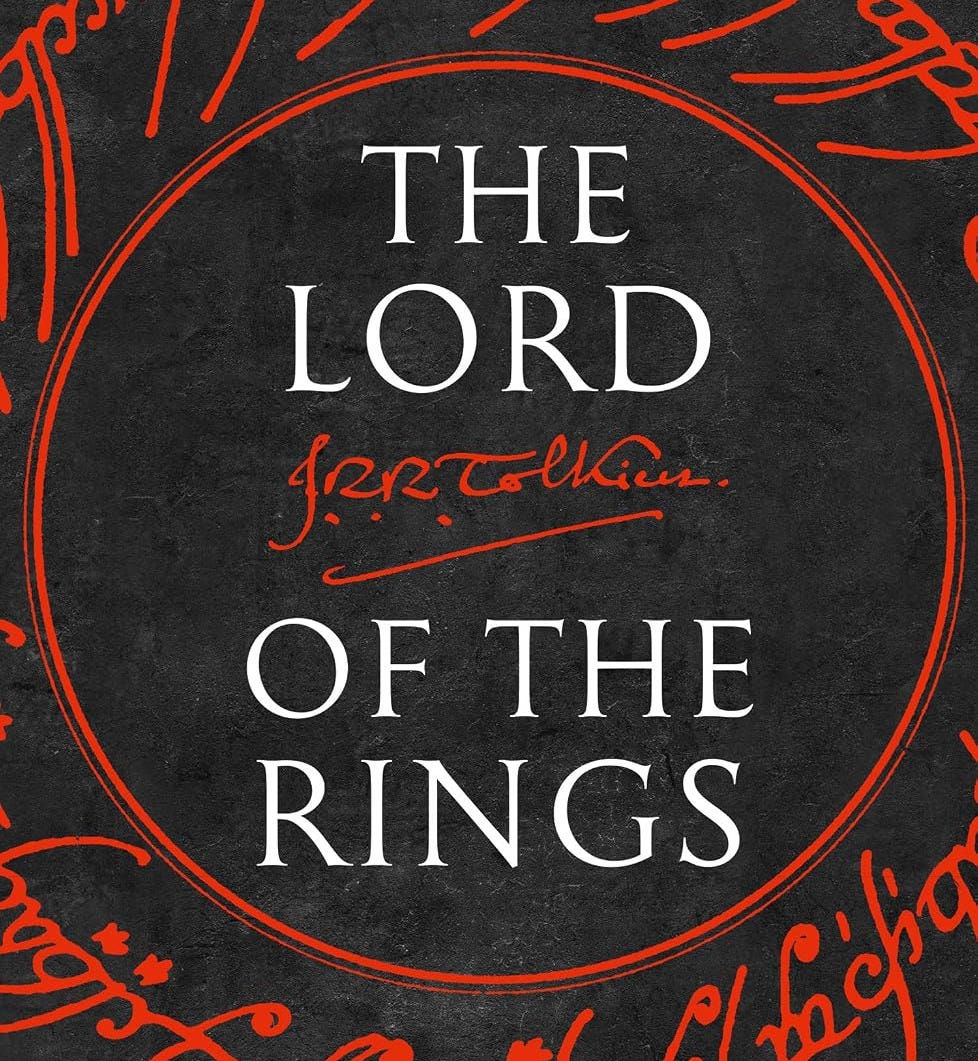
The Lord of the Rings – J.R.R Tolkien (1954-5)
Yes, I’m including it, and I don’t care. The Lord of the Rings is fundamentally about war, evil, and what is worth fighting for. It can also be easily read in the context of Tolkien’s experiences as an officer during the First World War, from the Dead Marshes and his hatred of industrial modernity to the relationship between Sam and Frodo. If nothing else, it is one of the greatest English novels of the 20th century.
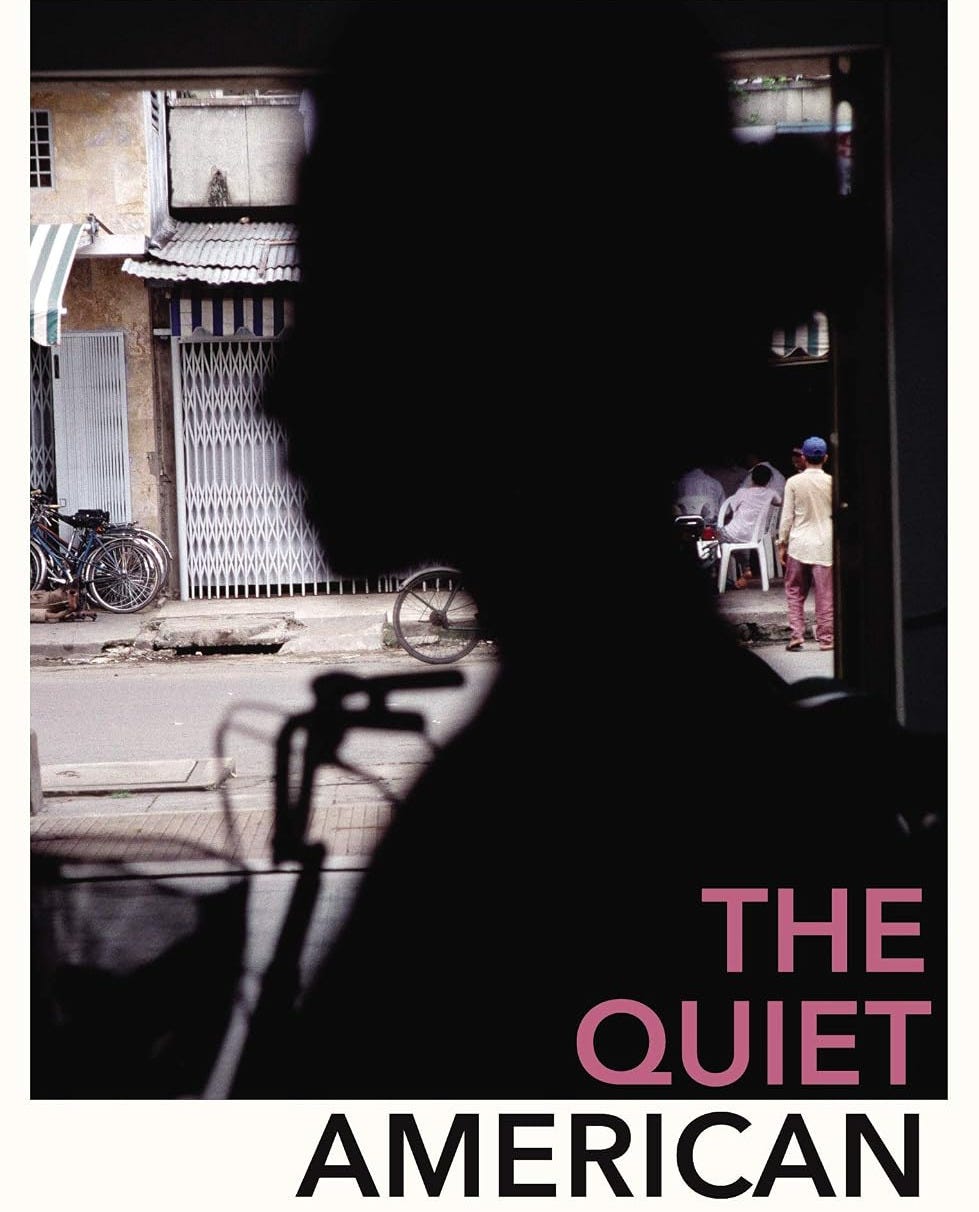
The Quiet American – Graham Greene (1955)
Three Catholic English novelists in a row! One of Greene’s masterpieces, the Quiet American is probably the best novel written about both the French and American wars in Vietnam – and it was written years before American troops first landed in the country. A dark and uncomfortable tale, Greene’s cynicism and sense of moral failing is total, as French colonialism is driven out to be replaced by a more modern, but no less doomed, American equivalent.
Catch-22 - Joseph Heller (1962)
One of my favourite novels, and the one that convinced me to study English Literature at Oxford. Surreal, funny, and horrifying, Catch-22 is for me one of the best novels to have been written in the 20th Century. I love it for its formal and linguistic qualities as much as I do for the story and the characters, from the pensive Chaplain to the demonic capitalist Milo Minderbinder. The nightmare walk through Rome remains etched into my brain to this day.
It is also possibly the most accurate representation of the surreal chaos of military bureaucracy ever put down on paper.
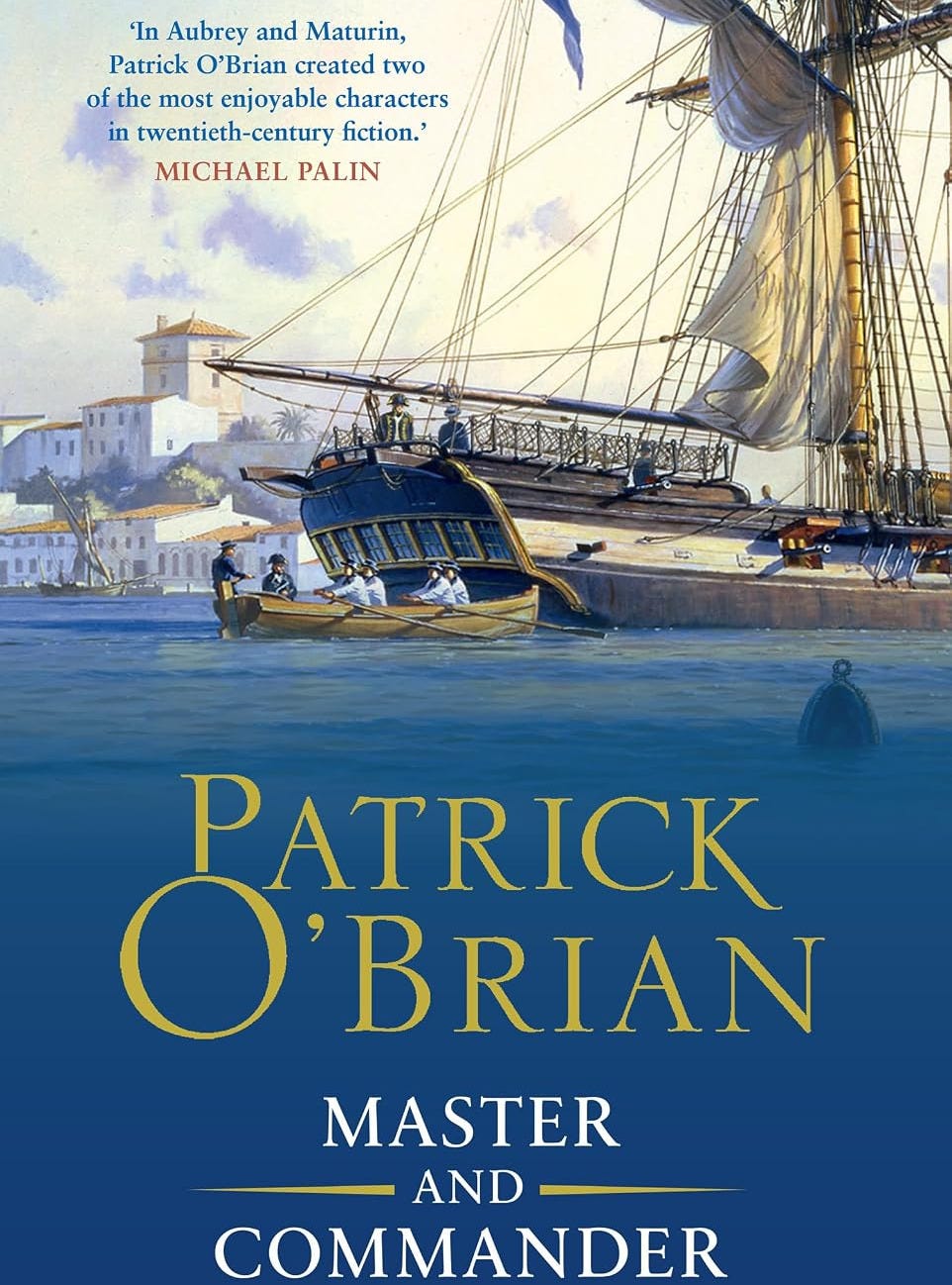
The Aubrey-Maturin Novels – Patrick O’Brian (1969-2004)
Cheating perhaps to choose a 20-book series rather than a single novel, but worthwhile. Once described as ‘the novels that Jane Austen’s brothers would have read’, this is still probably the best sustained series of historical fiction novels ever written about the Napoleonic period, even better than Sharpe.2 There is little need to read the stories in order – they each work as perfectly-formed and contained tales of naval derring-do and Regency life.3 The relationship between the two central characters is one of the great male friendships in literature, and every man who reads it will ask the same question – ultimately, are you more of a Jack Aubrey, or a Stephen Maturin?
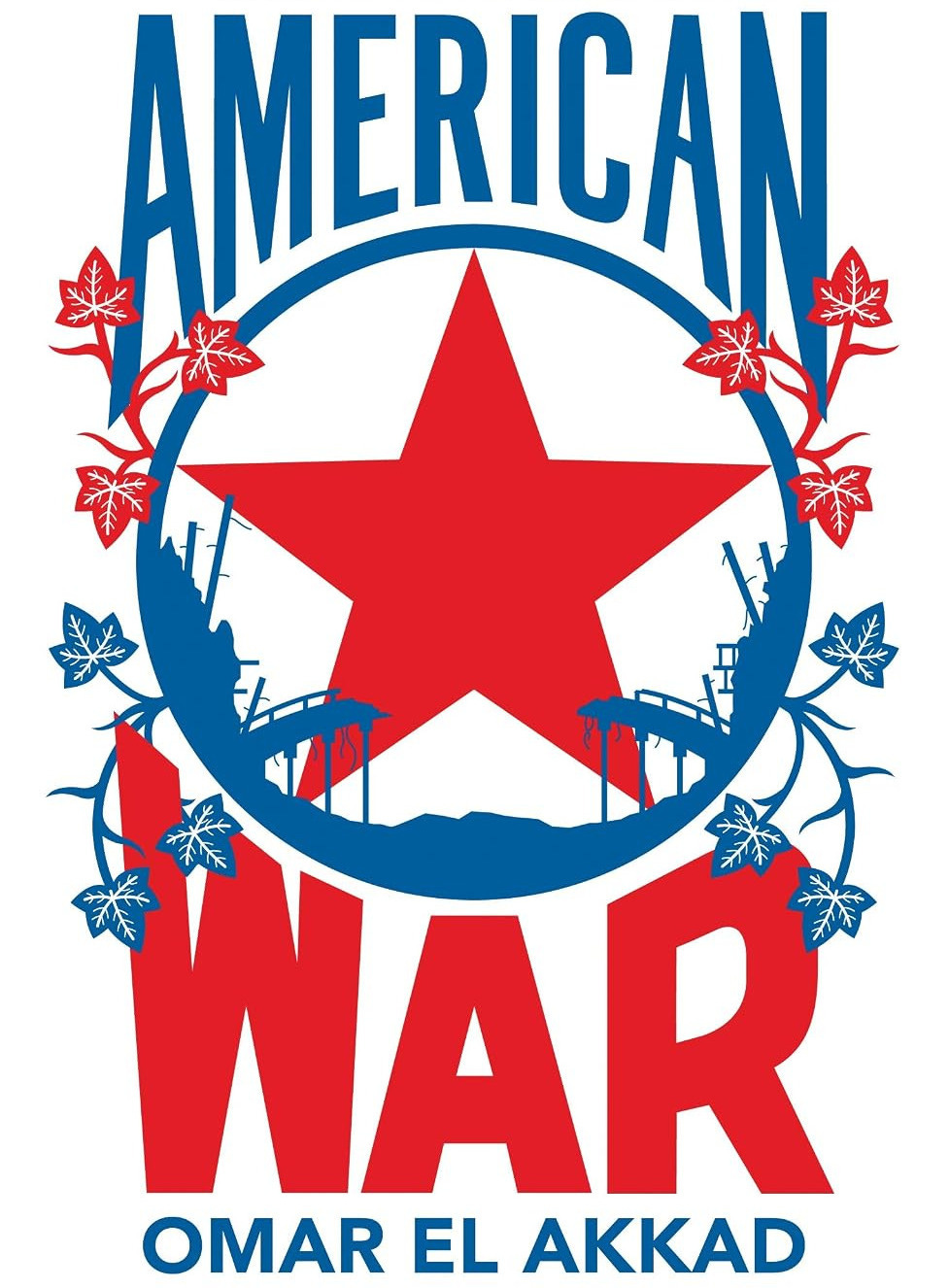
American War – Omar El Akkad (2017)
A less well-known novel, but one that has lingered with me long after I first read it. El Akkad envisages a brutal second American Civil War and combines that trope with contemporary concerns by translating the experiences of the War on Terror to the Southern United States. Drones, radicalised youth, terrorism, incarceration without trial in a futuristic Guantanamo Bay, PTSD – it is all here. Not a fun book to read, but a powerful one.
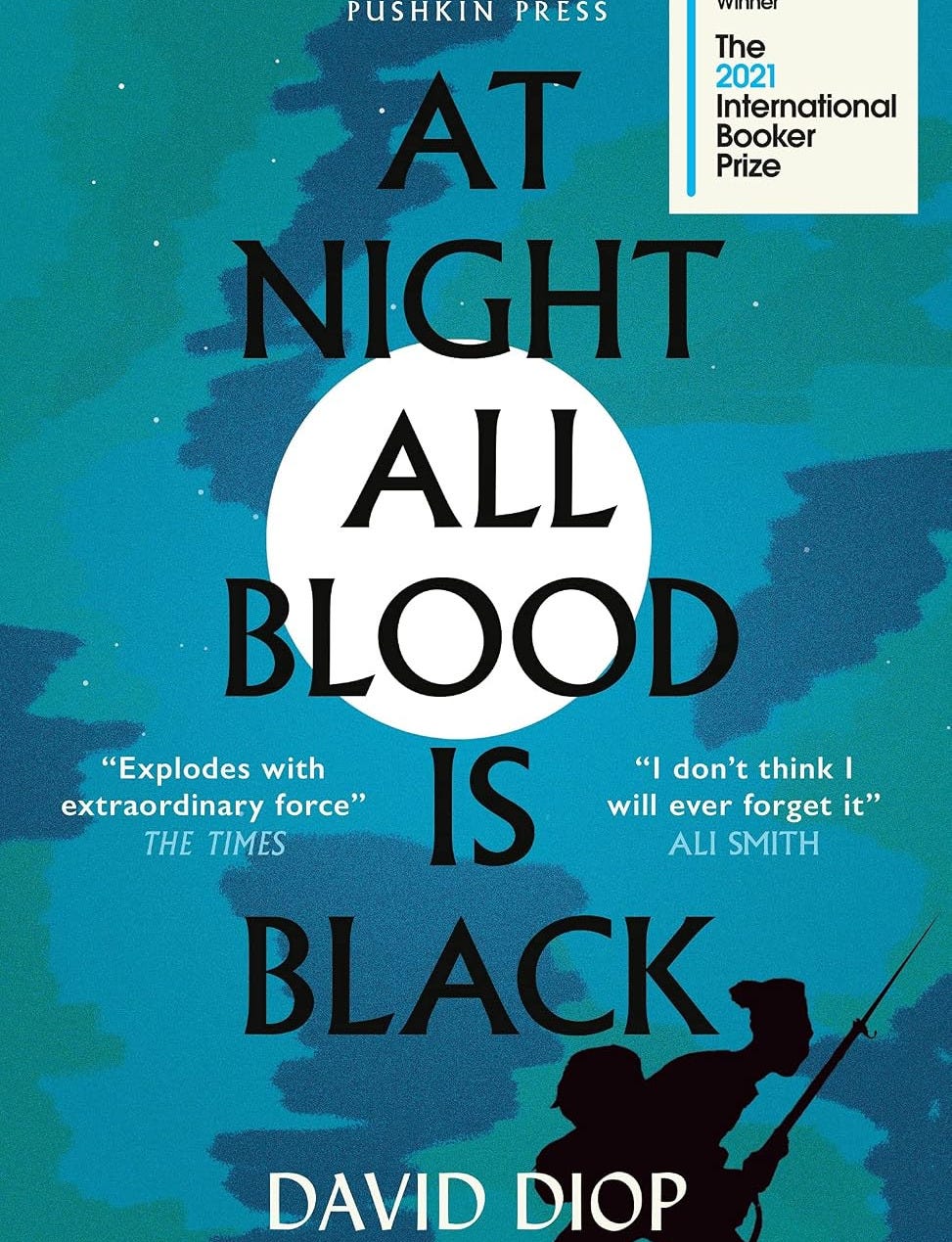
At Night All Blood is Black – David Diop (2018)
First published in French as Frère d’âme, this hallucinatory and unsettling short novel won the 2021 International Booker Prize when translated into English. It tells the story of a Senegalese Tirailleur fighting on the Western Front of the First World War, who slowly seems to be losing his sanity with every day spent in the trenches. An uncompromising tale that sheds light onto an often-ignored part of the Western Front experience.
Conclusion
All brilliant books, and I could have chosen many others. I always encourage people (especially men!) to read fiction – you often learn far more than you would through non-fiction, in my opinion.
What are your favourite war novels (or novels in general)? Let me know in the comments below.
Cracking Defence is a reader-supported publication. If you enjoy my work, please like, share, subscribe, and if you are able, buy me a coffee to support my work. All and any support is hugely appreciated.
That means no short stories or poetry, I’m afraid.
Fun fact – two of Jane Austen’s brothers were naval officers and rose to quite senior rank. It is noticeable in her novels that naval officers tend to come off better than their land-based or militia equivalents.
I will say however that Master and Commander does work excellently as an introduction to the series.
Comments
Nothing yet. Say the first thing.
Sign in to join the conversation.