
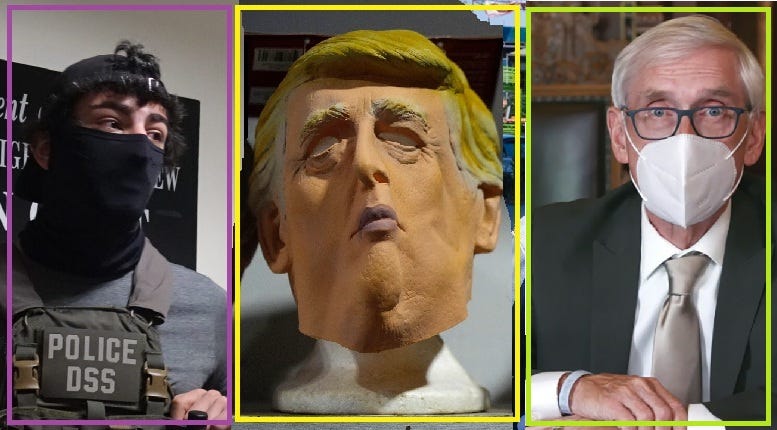
When Damon Lindelof adapted the great graphic novel “Watchmen” for HBO in 2019, one of his greatest challenges was bringing the dystopian feel of Alan Moore’s 1986 series into the modern age.
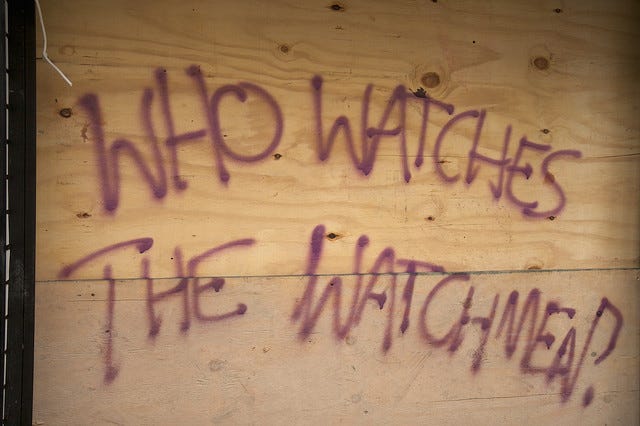
One year out from the Covid-19 pandemic and six years before Trump 2.0, Lindelof’s choice to cover the faces of law enforcement feels eerily prescient as does Moore’s four-word question graffitied in city alleys: Who watches the watchmen?
As Trump’s Department of Homeland Security has directed federal immigration enforcement officers to cover their faces while detaining individuals, the question remains as important as having a uniform policy.
On opposing coasts, California and New York passed legislation banning both local and federal law enforcement from wearing masks. In between, Durango, Colorado, residents circulated “No Secret Police” petitions to put the issue to voters in a local election. Each of these measures met a distinct fate. [Amanda Pampuro]
In February, a federal judge blocked California’s “No Vigilantes Act,” prompting the Durango City Council to ask a La Plata County District judge to review and reject the citizen petition. After the Ninth Circuit affirmed the Golden State decision, it seemed the scales of justice settled behind backing the government’s right to dress federal law enforcement officers. [Edvard Pettersson]
This week, however, as the Empire State and the federal government filed dueling lawsuits against each other, another federal judge declined to block New York’s mask ban from taking effect Friday morning, refreshing the question of whether locals can mandate they meet the human face of an arresting officer rather than a thin cloth veil. [Erik Uebelacker]
Just as it’s difficult to see the identity of who stands behind a mask, it remains to be seen how the Second Circuit will weigh in and whether the nation will ultimately tip toward one coast or the other. The ultimate decision will not only shape American interactions with law enforcement but who gets a say in making those choices.
On July 4, the nation will celebrate the 250th anniversary of the signing of the Declaration of Independence. In the years since, the debate over states rights, federal powers and voter choice is far from settled. And so, the question bears repeating.
The Courthouse News keeps rolling below.
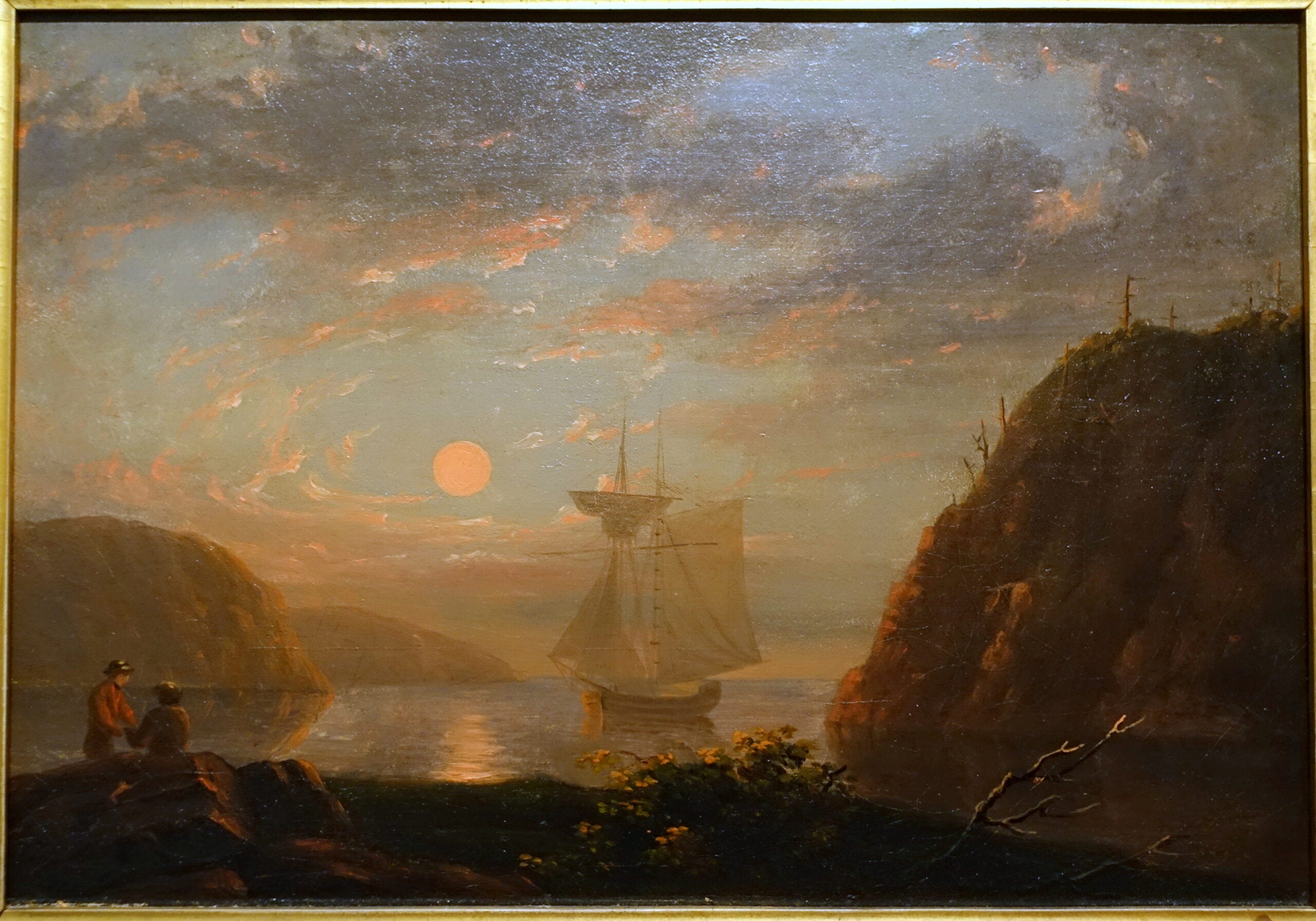
A Maine federal judge signed off on the Pine Tree State’s request to take control of a 130-year-old sunken shipwreck off the coast of Bar Harbor over the claims of a private salvage company seeking ownership rights to the wreckage.
Sailing from Saco, Maine, loaded with granite paving stones, the Delhi is believed to have sunk in 1893, after it struck ice about six miles off Somes Sound near Mount Desert Island, Maine, within view of the shore. [Josh Russell]
Courthouse news: A federal judge sided with free speech activists who challenged the government’s erection of a $270,000 fence around a federal building in an Oregon college town, blocking off a plaza traditionally used as a public meeting ground. [Monique Merrill]
Fire alarm: A federal judge declared a mistrial after a jury failed to reach a unanimous verdict on the charges against a former Uber driver accused of starting a brushfire in the early hours of Jan. 1, 2025, that days later morphed into the devastating Palisades Fire. [Edvard Pettersson]
Vampires welcome: Hawaii cannot require gun owners to get permission to carry on private property, the Supreme Court ruled, finding the state’s so-called “vampire rule” violates the Second Amendment. [Kelsey Reichmann]
Climate change: As an unprecedented heat wave continued to tear through Europe, the Paris Judicial Court issued a landmark verdict for the environment: TotalEnergies must take its customers’ emissions into account as part of its climate responsibilities. [Lily Radziemski]
Judgment day: Frozen bank accounts, canceled credit cards and blocked travel led three International Criminal Court judges to sue the Trump administration arguing they were being punished for the cases they decided. [Eunseo Hong]
Minor win: YouTube and its parent company Google reached a confidential settlement with an unnamed defendant in a second bellwether trial over the effects of social media on minors. [Hillel Aron]
ICE out: A federal judge blocked a new set of policies implemented by U.S. Immigration and Customs Enforcement, including the new practice of arresting noncitizens at immigration courthouses, because the agency didn’t go through the proper rulemaking process. [Hillel Aron]
The U.S. Supreme Court’s decision to legally recognize same-sex marriage in Obergefell v. Hodges hits its 11-year anniversary today, as a radically different court is now tasked with parsing through a fresh slate of thorny questions affecting the LGBTQ+ community.
In honor of the 10th anniversary last year, Kirk McDaniel and Kelsey Reichmann examined the future of Obergefell in a post-Dobbs world.
Texas judge releases grisly evidence from murder trial of Karmelo Anthony
Virginia judge blocks assault weapons ban six days before implementation
New York law doesn’t permit filming in NYPD precinct lobbies, court rules
These Colorado candidates are pitching primary voters on flipping seats in November
Supreme Court gives border agents parole power over certain green card holders
Justices rule against Maryland woman fighting involuntary hospitalization
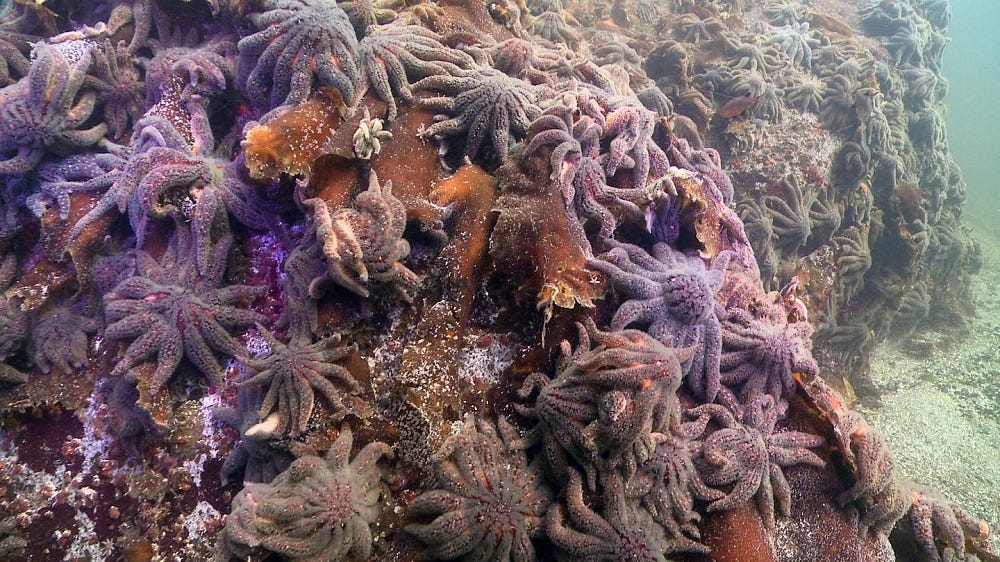
An environmental nonprofit sued the National Marine Fisheries Service in a bid to push the federal agency to issue protection guidelines for the sunflower sea star, one of the largest sea star species in the world, which has seen an estimated 6 billion casualties in the last decade. [Carly Nairn]
» Northern District of California: A federal court found in favor of an El Salvadoran man who has been unable to access his own immigration records after being arrested by ICE agents outside a bank and then released.
» District of Maine: A federal court in Maine granted a noncitizen detainee’s habeas motion and ordered his release because “there are no adequate detention facilities in Maine to which [this detainee] could be returned,” and being locked up “substantially impairs his right to counsel at a critical moment.”
» Northern District of California: A California federal court declined to dismiss influencers and bloggers’ consolidated class action against PayPal over its Honey browser extension, which overrode affiliate links so PayPal could take a commission from viewers and readers’ online purchases.
Monthly sports & entertainment: Under the Lights
Triweekly podcast: Sidebar
Daily: Courthouse News
No posts
Comments
Nothing yet. Say the first thing.
Sign in to join the conversation.