
Text within this block will maintain its original spacing when published
A fire mist and a planet,
A crystal and a cell,
A jellyfish and a saurian,
And caves where the cave men dwell;
Then a sense of law and beauty,
And a face turned from the clod —
Some call it Evolution,
And others call it God.
With these lines, William Herbert Carruth compresses nearly four billion years of biological history into a few verses, beginning with a barren, molten world and ending with a planet that harbours an incredible diversity of life, among which is a species capable of writing laws, composing symphonies, and asking questions about its own existence. Between those two extremes lies the story of chemistry and biology becoming increasingly complex, ultimately leading to the emergence of a cornucopia of species and even consciousness.
Whether mapped by science or framed by faith, in its essence this journey remains an evolution. Yet regardless of interpretation, the underlying phenomenon remains one of the most profound subjects of human inquiry. Written long before the age of genomics, artificial intelligence, and exoplanet discovery, the poem Each in His Own Tongue captures a question that remains remarkably relevant today: how does complexity emerge from simplicity?
Fields like biochemistry and molecular biology have brought our place in the cosmos into sharper focus, yet the grandest mysteries endure: how life first sparked, and whether it exists beyond our own world. To explore these questions, we must begin at the beginning. Not just with dinosaurs or primates, but with the emergence of the first systems capable of replication, variation, and change.
Carl Sagan famously once said, “We are a way for the universe to know itself.” And part of this knowing that he spoke of comes from exploring our own origins. What is it that led to the birth of life as we know it?
Roughly 4.5 billion years ago, Earth bore little resemblance to the blue world we know today. The infant planet was a realm of magma oceans, relentless volcanism, and frequent collisions with leftover debris from Solar System formation. Yet this apparent chaos was surprisingly productive. As the young Earth remained partially molten, gravity sorted its ingredients like an immense planetary centrifuge: dense iron and nickel descended to form the core, while lighter silicates floated upward to become the mantle and crust. In the process, our world acquired the layered architecture that still governs everything from plate tectonics to the geomagnetic field that shields us from the solar wind.
Calling the Hadean Earth unwelcoming is an understatement.
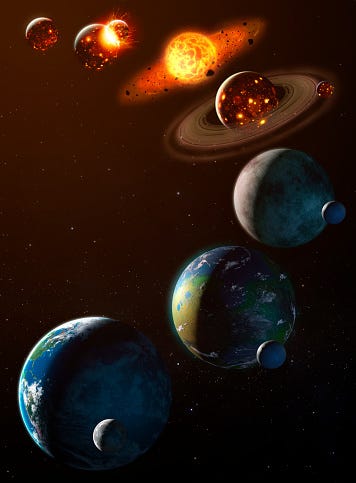
As the surface cooled, water vapor condensed into the first oceans, steam gave way to rain, and volcanic gases produced an atmosphere rich in chemical potential. Around hydrothermal vents, mineral-rich fluids mingled with seawater; in shallow pools, evaporation concentrated dissolved compounds; and each meteorite impact briefly created exotic environments unlike any found on the modern Earth.
Though inhospitable by present-day standards, this restless world provided precisely the ingredients and energy sources required for increasingly sophisticated prebiotic chemistry. Long before there were cells, genes, or ecosystems, there existed innumerable opportunities for simple molecules to meet, react, and assemble into more complex structures.
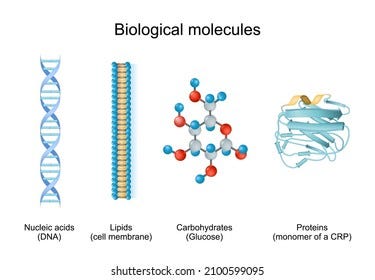
Life on Earth relies on four broad classes of biomolecules. Nucleic acids store and transmit genetic information, proteins catalyze reactions and provide much of the cell’s structural and functional machinery, carbohydrates serve as energy sources and structural materials, and lipids fulfill diverse roles ranging from energy storage to signaling. Of particular importance for the origin of cells are amphiphilic lipids, whose hydrophilic head groups and hydrophobic tails cause them to self-assemble in water. Under suitable conditions, these molecules spontaneously form micelles and bilayer membranes, creating compartments that separate an internal chemical environment from the surrounding medium—a crucial step on the path from prebiotic chemistry to cellular life.
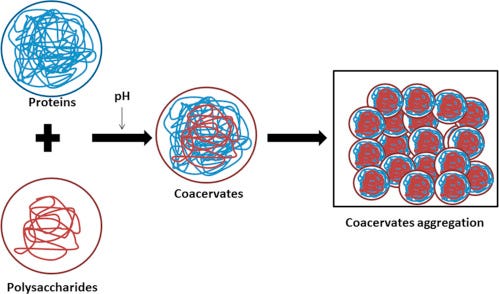
In aqueous environments, amphiphilic molecules spontaneously assemble into structures that minimize the exposure of their hydrophobic regions to water. At low concentrations, they may form micelles, while under suitable conditions they can organize into bilayer sheets that close upon themselves to produce vesicles. Such vesicles are capable of encapsulating dissolved molecules purely as a consequence of their self-assembly. Coacervates, similarly, are microscopic droplets that arise when organic molecules phase-separate from the surrounding solution. Although lacking the genetic and metabolic sophistication of modern cells, these primitive compartments could concentrate reactants and maintain localized chemical environments. By providing a rudimentary boundary between inside and outside, they may have furnished the first “chemical laboratories” in which increasingly complex prebiotic processes could unfold.
Thanks for reading The Cosmobiologist! This post is public so feel free to share it.
A recurring problem for any prebiotic chemistry is dilution, because the oceans are vast, and molecules drifting freely through them rarely encounter one another often enough to build greater complexity. A compartment, however primitive, creates a localized environment where reactants become concentrated, and reactions occur more efficiently; so, in other words, before life needed genetics, it needed real estate.
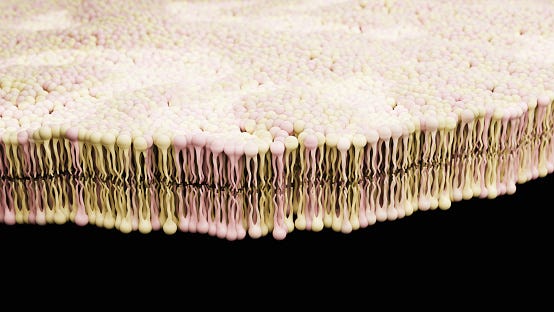
This is where the humble lipid bilayer earns its place in the origin-of-life hall of fame: by creating compartments. Primitive vesicles may have served as innumerable microscopic reaction vessels, most fleeting and unstable, but some sufficiently persistent to accumulate molecules and increase in size. Laboratory studies suggest that physical processes such as shear forces, osmotic fluctuations, or cycles of hydration and dehydration can induce vesicles to divide, although the mechanisms by which such behaviour first arose on the prebiotic Earth remain uncertain. By occasionally encapsulating sets of molecules that interacted productively, these compartments could have provided the substrate upon which the earliest forms of selection acted. Natural selection cannot operate on an unconfined soup, but it can begin to discriminate among compartments that differ in composition, stability, and replicative potential.
The implication is that one of the most consequential innovations in the history of life may not have been a brilliant molecular breakthrough at all. It may have been a glorified bubble.
Yes, a bubble.
After billions of years of evolution, consciousness, and technological innovation, every cell in our body remains enclosed by a refined version of that same fundamental architecture: a membrane composed of amphipathic lipids that maintains the distinction between the cell and its environment. Flying cars may still be elusive for common usage (at least for now), but the lipid bilayer has achieved an almost complete monopoly on cellular life.
Everywhere you look, there is information. From the tiniest atom to the largest expanses of the inky black sky, with the right tools, we can find vast amounts of data that can then be studied to understand the world. Life and information are concepts that are inseparable, since life itself is a phenomenon of organized and replicated information. The information that makes our life possible is genetic information and is made of genetic systems based on nucleic acid expression that have been studied in detail over the decades. The coacervate/lipid vesicle discussion solves the problem of where chemical reactions and compartmentalization happen. What we need to think about next is how useful chemical information persists and spreads. If a particularly useful reaction occurs inside one droplet, the achievement dies with the droplet itself. For evolution to begin, the protocell needed a way to store information and copy it.
The leading explanation is the RNA World Hypothesis, which proposes that, before the advent of DNA genomes and protein enzymes, RNA fulfilled both informational and catalytic roles. RNA molecules can store hereditary information in their nucleotide sequences and, in some cases, catalyze chemical reactions. Such catalytic RNAs, known as ribozymes, were once thought impossible; their discovery in the late twentieth century fundamentally reshaped molecular biology and lent strong support to the RNA World concept. Within primitive vesicles, RNAs that replicated more efficiently or catalyzed beneficial reactions would have become increasingly prevalent, allowing variation, inheritance, and selection (the hallmarks of Darwinian evolution) to operate long before the appearance of fully modern cells.
Though there’s a tiny—read ‘gigantic’ in biology terms—problem with RNA: it is far from a perfect molecule. It is chemically fragile, difficult to synthesize under prebiotic conditions, and prone to degradation.
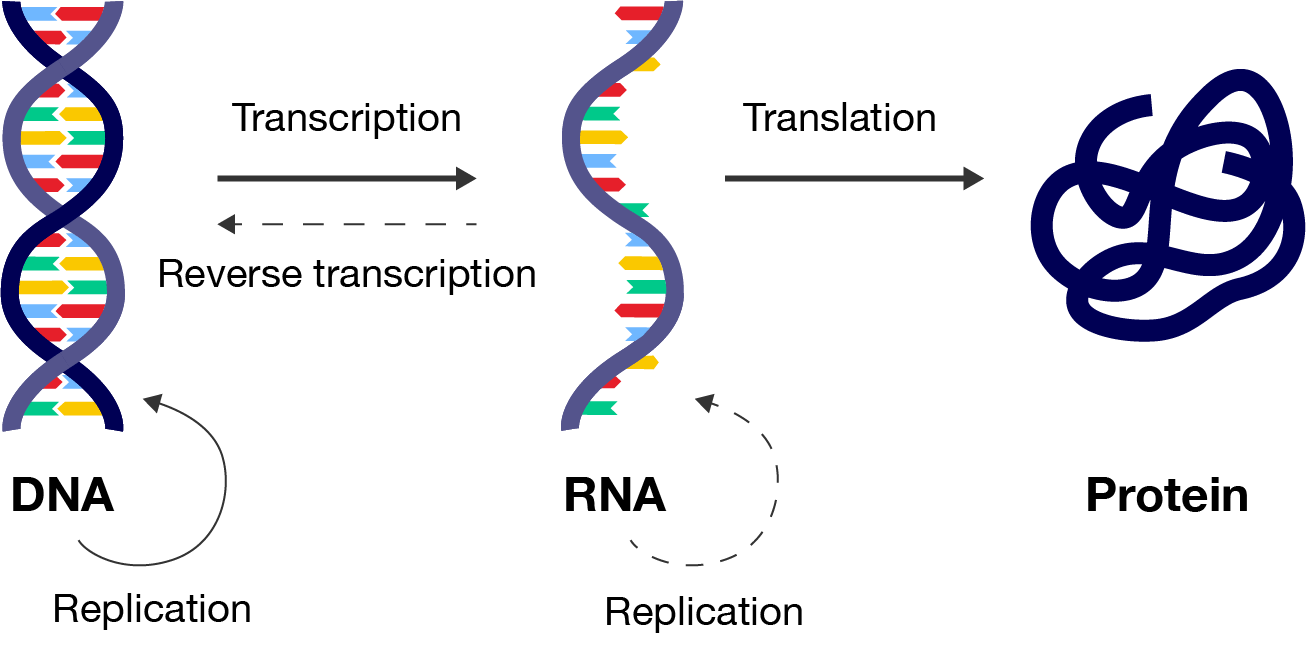
As evolutionary pressures favored greater complexity, specialization became advantageous. Over time, proteins emerged as superior catalysts, capable of performing a far wider range of chemical reactions than RNA ever could. DNA, meanwhile, proved to be a more stable repository for genetic information, less susceptible to degradation and copying errors. The result was a gradual division of labor that remains the foundation of biology today: DNA stores information, RNA transfers and interprets it, and proteins do most of the cellular work.
But where does life really begin? Understanding how these molecules assembled is one thing, but pinpointing where life begins exactly is another. Life as we know it appears to be something that is capable of growth, senescence, metabolism, reproduction, among other properties. Each characteristic, however, has notable exceptions, which have long frustrated scholars attempting to find a unifying definition, and have proven to be somewhat of a hurdle in its own right. Viruses evolve but lack independent metabolism. Mules possess metabolism but are generally incapable of reproduction. Fire spreads, consumes energy, and grows, yet few biologists would regard a forest fire as alive. For this reason, many origin-of-life researchers adopt a broader perspective, exemplified by the widely cited NASA working definition of life as “a self-sustaining chemical system capable of undergoing Darwinian evolution.”*
*Although influential and operationally useful in astrobiology, this definition is not universally accepted. Critics note that it excludes certain borderline cases and may not encompass all conceivable forms of life, underscoring the continuing difficulty of formulating a single, universally satisfactory definition.
So let’s clear up a few terms. One that comes up a lot in evolutionary studies is LUCA, or the Last Universal Common Ancestor, which in biology is defined as the hypothesized most recent primordial organism or population of organisms from which all organisms now living on Earth descend. This ancestral cellular life existed billions of years ago and represents the root of the universal tree of life.
However, here we clear a common misconception: it was not the first life form. It was functional, and perhaps even a population of microbes, not some trembling blob taking its first tentative steps into biology. This immediately raises an uncomfortable question: if LUCA was already so complex, what came before it?
This hypothetical predecessor is often referred to as FUCA, the First Universal Common Ancestor. Unlike LUCA, which is supported by comparative genomics and molecular evidence, FUCA remains largely speculative. If LUCA represents the oldest surviving branch of life’s family tree, FUCA would lie deeper still, at a stage where biology had only recently emerged from chemistry. Researchers envision FUCA not as a single organism but perhaps as a population of primitive cells or protocells experimenting with different ways of storing information, harvesting energy, and reproducing.
Between FUCA and LUCA may have existed countless evolutionary dead ends—lineages that developed unique biochemistries, alternative genetic systems, or primitive metabolisms before disappearing without descendants. Evolutionary history, therefore, much like all history, is written by the survivors.
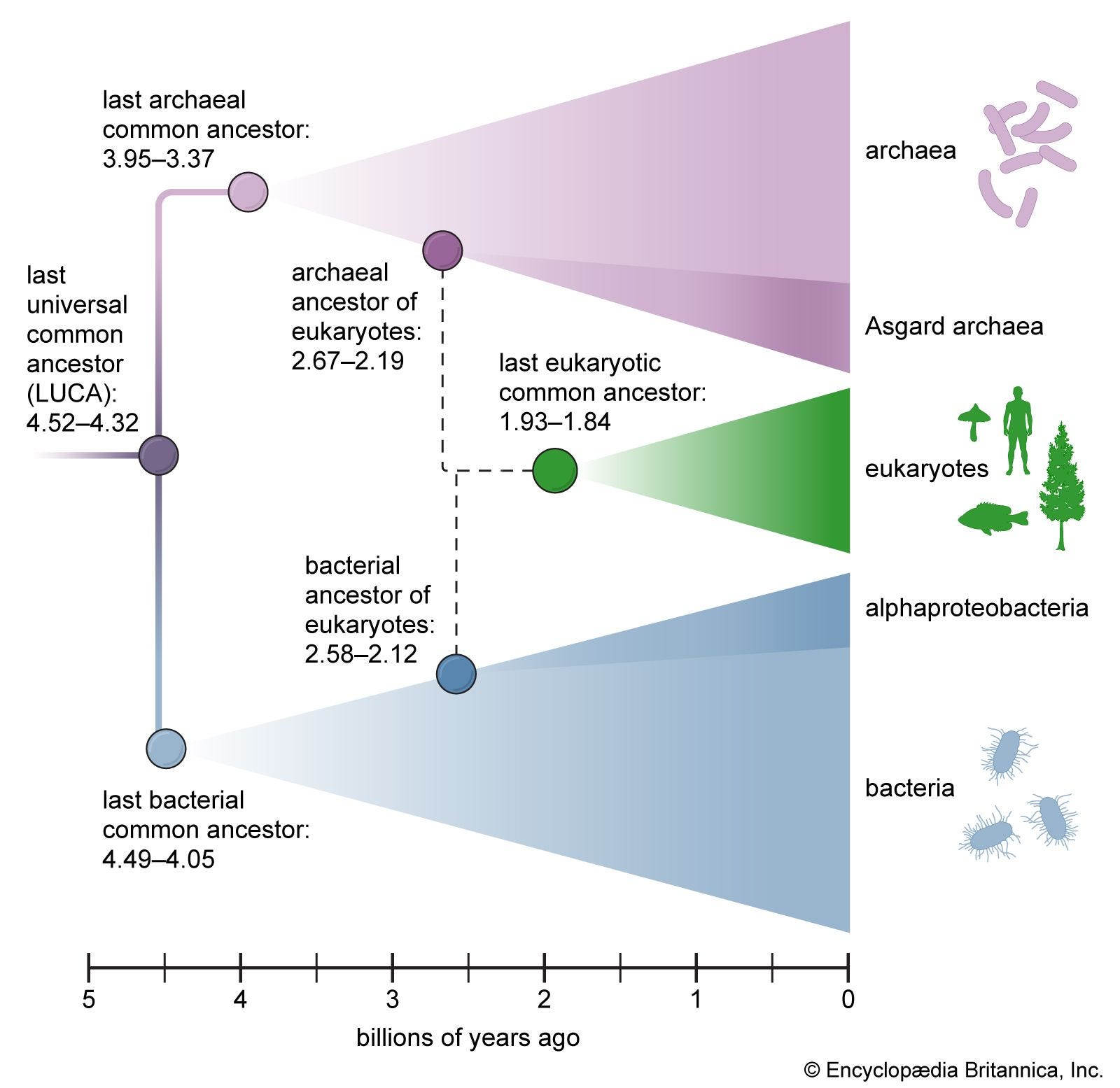
An important note here is that the term ‘FUCA’ may not be used everywhere, and some scientists may refer to it as ‘pre-LUCA populations’, ‘progenotes’, etc. LUCA’s descendants evolved to diverge into three classes that are more familiar to us: Bacteria, Archaea, and Eukaryota. Rather than resembling a neat ladder of progress, this diversification is better represented as a branching phylogenetic tree, where lineages split, exchanged genes, adapted to new environments, and sometimes went extinct, and modern phylogenetics studies reconstruct these relationships by comparing conserved genetic sequences. In particular, modern studies on ribosomal RNA and universal proteins reveal that Archaea and Eukaryotes share a more recent common ancestry with each other than either does with Bacteria.
The best physical records of past life are, indubitably, fossils. Here we note that most of early evolutionary history did not leave fossils. Soft-bodied animals like the Amiskwia, Hallucigenia, or the Tullimonstrum (which looks like a biological fever dream) have barely a few fossils, if any. Generally, a lack of proper preservation leads to difficulties in reconstruction and studies of such organisms. Hallucigenia, for example, was constructed entirely upside-down at first, with the functions of its parts misunderstood, mistaking its defensive spines for legs and its tentacles for back decorations. Some organisms, however, like the Anomalocaris (that is somewhat reminiscent of a shrimp atleast visually), Opabinia, or Dickinsonia, are famous exceptions due to rare geological conditions, and they have many fossils in specific locations like the Burgess Shale, where unique soil conditions, a lack of scavenging bacteria, and rapid burial allowed for preservation in stunning detail before decomposition could take its natural course.
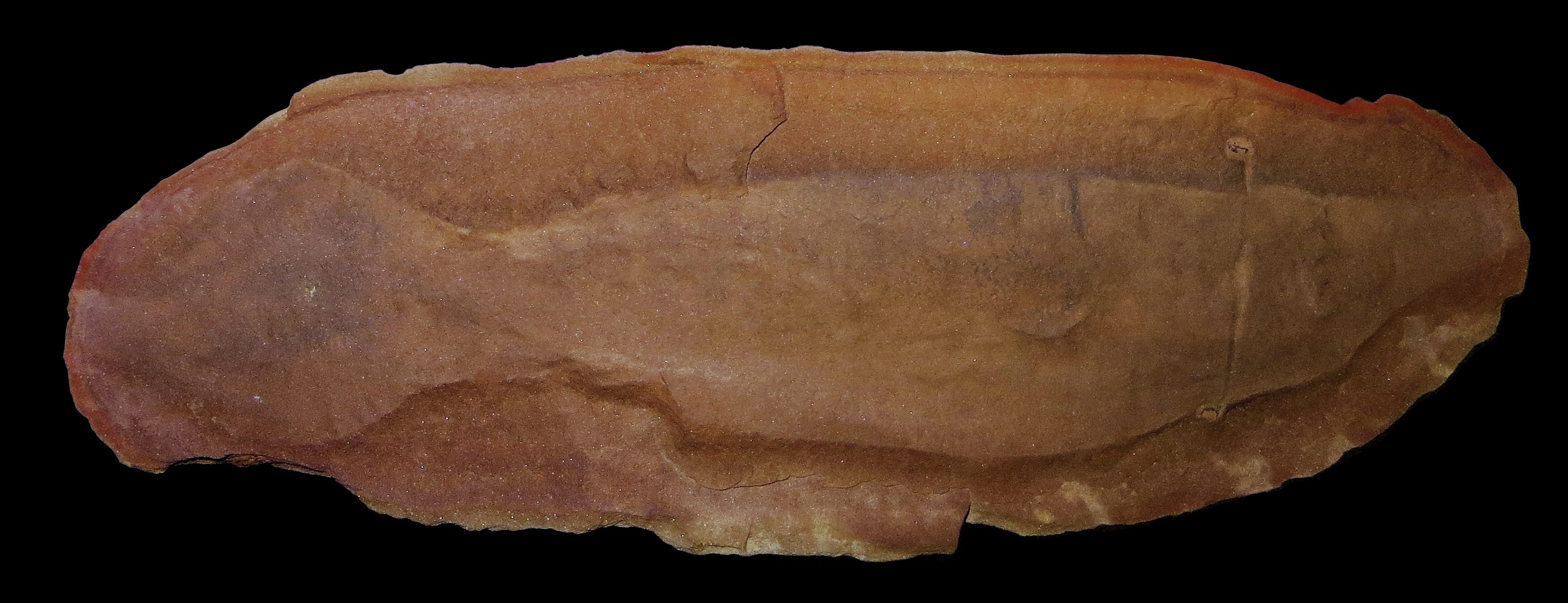
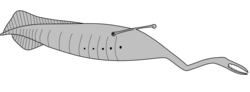
It is therefore hard to figure out what an animal looked like if you barely have anything to go on, but perhaps even harder still is understanding how different lineages are related because, unfortunately, evolution did not leave behind a signed family register, so scientists spend considerable effort persuading computers to guess who is related to whom.
Some common algorithms used for, say, gene sequence analysis include Neighbour Joining, Maximum Parsimony, and Maximum Likelihood, which are useful for tree construction and comparison to explain observed data. But beyond just reconstructing the ancestry of billions of beautiful creatures, we can use phylogenetic analyses to investigate one of the most profound questions in astrobiology: Is evolution predictable, or is it largely the product of chance? On one hand, evolution is constrained by the laws of physics, chemistry, and thermodynamics. Organisms must, to live, partake in various natural processes that are fundamental to their being on a molecular scale, limiting the range of viable biological solutions.
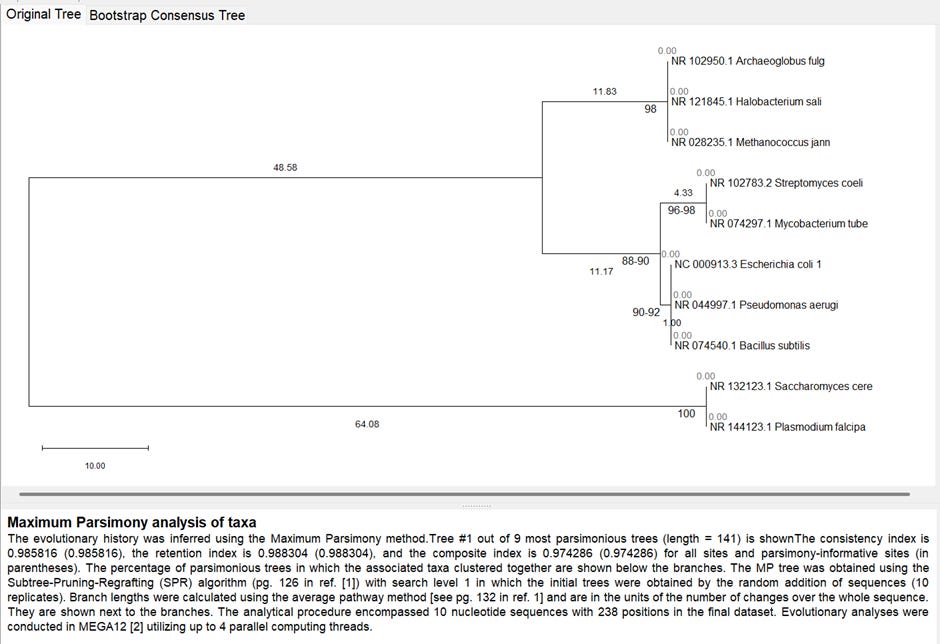
On the other hand, evolution is also shaped by historical contingencies such as random mutations, environmental catastrophes, and ecological interactions that can permanently alter the trajectory of life. This tension between constraint and contingency has significant implications for extraterrestrial biology. If evolution is highly contingent, alien life may be fundamentally different from anything found on Earth. However, if similar environmental pressures consistently produce similar adaptations, then certain features may emerge repeatedly across the universe. This phenomenon, known as convergent evolution, is observed extensively on Earth, where complex eyes, powered flight, echolocation, and streamlined body plans evolved independently in unrelated lineages. By studying patterns of convergence and constraint through comparative genomics and phylogenetic reconstruction, it may be possible to identify which characteristics of life are universal necessities and which are merely accidents of Earth’s specific evolutionary history.
Whether life elsewhere proves to be strikingly familiar (cephalopod aliens, anyone?) or wonderfully exotic, the very attempt to answer that question compels us to retrace the sequence of innovations that transformed geochemistry into biology on Earth. In this sense, the study of our own origins is not merely an exercise in reconstructing the past; it is a handbook to recognizing life’s prospects throughout the cosmos.
The path from primordial chemistry to pondering minds was neither straight nor inevitable. Yet somewhere amid a restless young planet, self-assembling membranes, catalytic RNAs, and innumerable evolutionary experiments, matter learned to preserve information, to replicate, and ultimately to wonder about its own beginnings.
Every cell alive today is a living fossil of that deep history, carrying within it the legacy of the first successful protocells. In seeking our origins, we are not merely reading an ancient chronicle; we are watching the cosmos perform the ultimate recursive act: Using stardust to reconstruct the story of stardust itself!
If that sounds a little like a plot point from science fiction, perhaps that is because reality, from the prehistoric Earth to the present day, has always been the more audacious author.
Thanks for reading The Cosmobiologist! This post is public, so feel free to share it.
No posts
Comments
Nothing yet. Say the first thing.
Sign in to join the conversation.