
A friend, burned out from working too many hours, was considering whether to apply for other roles or stick it out. She had taken a pay cut to do something she was excited about, but now was finding the environment wasn’t what she was expecting, either, and she wasn’t really enjoying this career move that was supposed to be following her passion. Look, I said, you can’t have everything you want in a job, but I feel like it should at least either pay you lots of money, be something you love, or give you lots of time. You’re 0 for 3 right now.

You see, I don’t think that your career necessarily needs to be your calling. Those who’ve read my book or taken my class know that I have a very unsentimental way to describe work: Your job is a technology to convert your time into money. What this means is that in the world of economics, we think of employment as people making a fundamental decision: trading off leisure (stuff they like) for work (stuff they don’t) in exchange for money (to buy things they also like). So when I give people career advice, I don’t focus on leaning in and being ambitious and climbing the corporate ladder. I focus on: how does your job work for your life? What are you getting from it, and what are you giving?
Don’t get me wrong, it’s amazing if you find a job that not only converts your time into money, but also gives you direct “utility” whether that’s because the mission is compelling, the colleagues are great, or you just like the work that you do. But if the money is good and the hours are right? Fulfillment might be a “nice to have.” It might be something you get from your personal life with the luxury of time instead of from your job. On the other hand, as a different friend told me, it might be that hours are the thing you’re willing to give on: “I don’t want to be this busy and stressed out, but I like what I do and I feel like I’m well compensated for it,” she told me, displaying her trademark practicality that I’ve always admired. “And besides, I don’t like to cook anyway.” In other words, as long as she could see her kids—another major source of utility—she was happy converting a lot of her time into a commensurately large amount of money, and then using that money to pay for all the things she didn’t have time for.
When thinking about a career path, we should consider ourselves lucky if we get to pick two out of three: time, money, or passion. If you’re only getting one? It better be the one that you need most in that moment in life. And if you’re getting none? Like the friend I started with, time to shape up that resume and start browsing LinkedIn.
What are your two out of three? Tell me in the comments! For me I keep realizing that being over-committed makes me enjoy everything I do less, so it’s trying to refocus on doing good work a little more slowly, even if it means accomplishing fewer things. So I’m over-correcting a bit from the busy book launch period and have been focused on my core research and projects, with some occasional public writing like this (read: I’ve dropped Instagram and LinkedIn for the moment, as well as a lot of other “promotional” work). It absolutely means slower career growth, but hopefully more utility, and I’d be a hypocrite if I didn’t take my own medicine there!
There’s some new book releases I’m excited about!
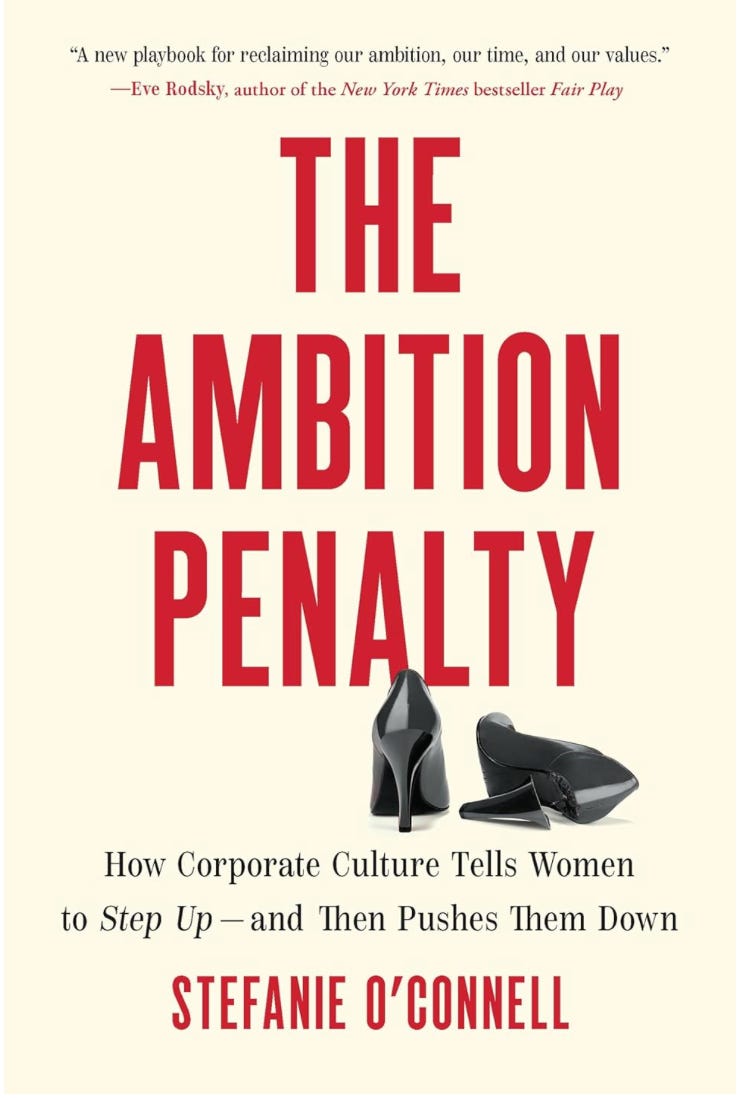
The Ambition Penalty by Stefanie O'Connell is finally here! Stefanie is a long-time journalist who does an absolutely amazing job of covering women’s economic issues on her instagram and substack. This book is absolute powerhouse of research and will make you feel angry, galvanized, and seen all at once. But I especially love how Stefanie offers scripts to change the conversation that recites the same tired tropes blaming women for their lack of success, and focus instead on what women need from their partners, bosses, and policymakers!
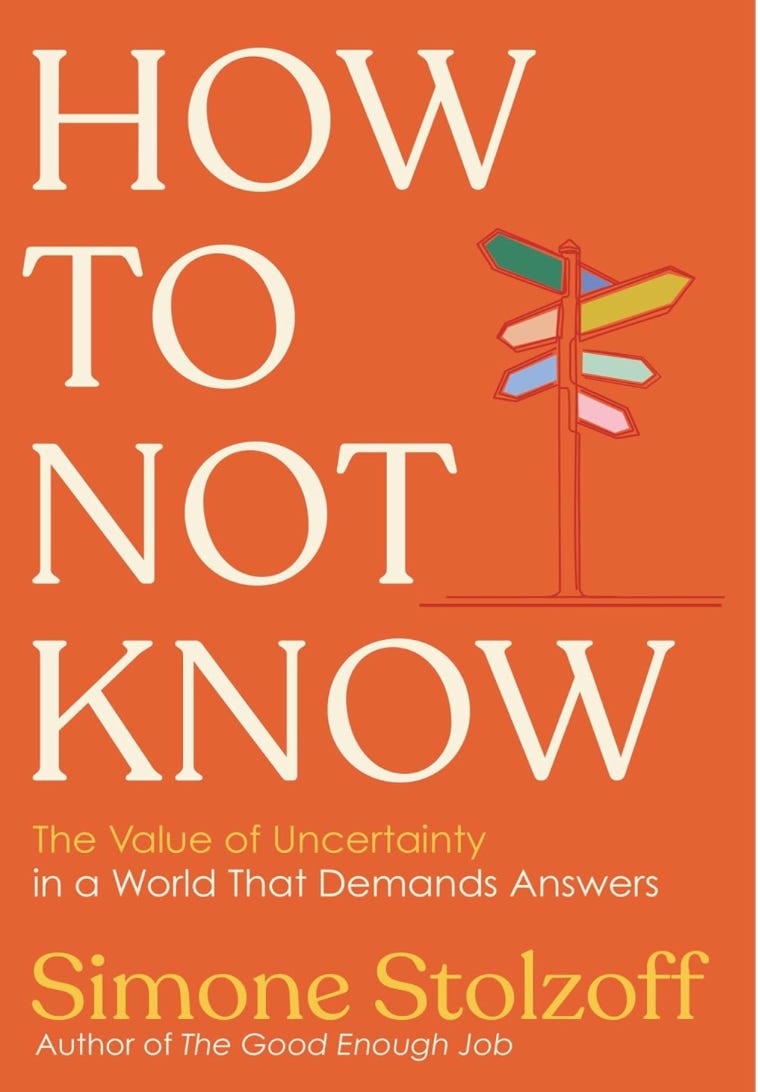
And, if you’re a fan of the work-life balance real talk featured above, you probably already know Simone Stolzoff from his hit debut, The Good Enough Job. He’s out with a new book I can’t wait to read, How To Not Know which is definitely a skill I need to cultivate in these maddening, unpredictable times.
In addition to all the non-fiction I accumulate, I’ve been reading a lot of fiction these days. Just finished Atmosphere and am now starting on John of John with the millions of Oprah bookclub followers. What are you reading these days?
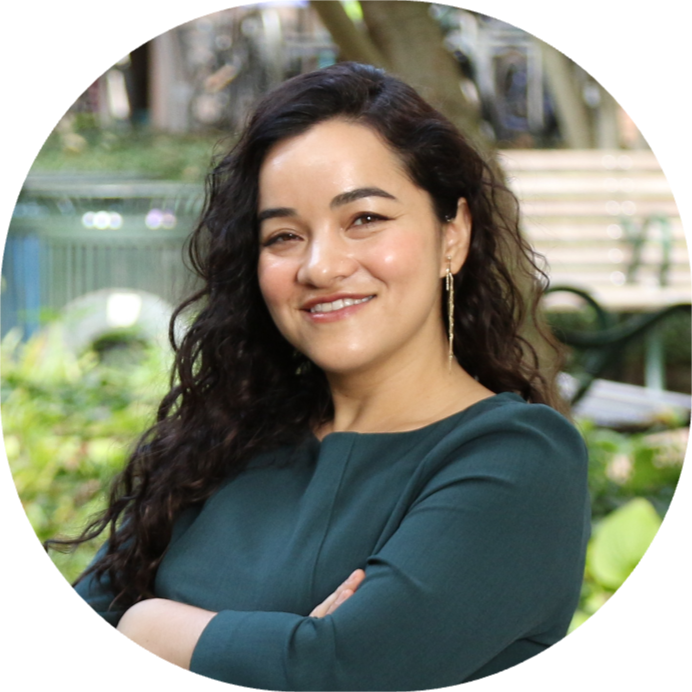
Corinne Low is an author, economist, and professor. She teaches at the Wharton School of the University of Pennsylvania. Her first book, Having It All: What Data Tells Us About Women’s Lives and Getting the Most Out of Yours, is out now from Flatiron! Visit Corinne’s website, book a talk, or write to us.
Comments
Nothing yet. Say the first thing.
Sign in to join the conversation.