
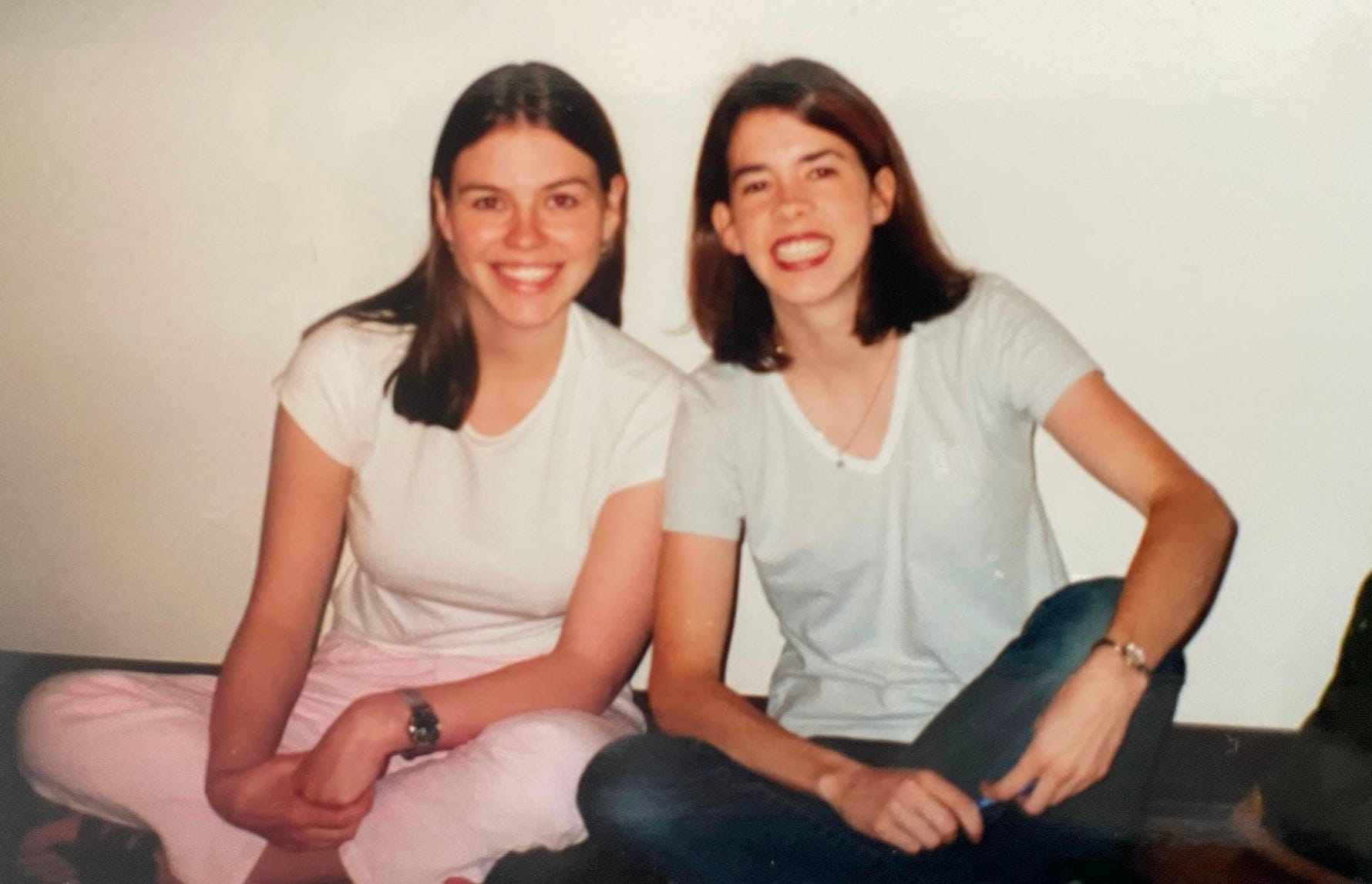
When Britney Spears was playing on the radio, I was a speech TA at Iowa State University listening to (oh so many!) speeches about ethanol, Title IX, and recycling. I was excited when a student selected light pollution for his persuasive speech. I had never heard the term before and was curious about how light could be bad.
Before the speech, I met with the student to review his outline. In the first half of his speech, he used data to illustrate how city lights were degrading night skies. He then moved into solid solutions, and yet, I wasn’t ready for them. Degraded sounded bad, but I didn’t understand why humans should prioritize darkness at night, and so I kept asking some version of But why are lights at night a bad thing? “Because,” the student answered, “eventually we’ll only see city lights and not the night sky.” But why is that bad? I asked, genuinely curious. And he genuinely wasn’t sure how to answer.
First lesson: We’re all ignorant about something right up until we aren’t. Sometimes a frustrating conversation will do its work long after you’ve finished it. I didn’t run out and research light pollution immediately or even a year later, but I remained curious. Eventually, I did the work and what I learned startled me.
Second lesson: Artificial light at night really is harmful. And we don’t talk about it enough.
Why is light pollution a problem: an incomplete list
Migrating birds are attracted to the light of cities, where they find less food and are more likely to fly into buildings or encounter cats.
Moths are drawn to artificial lights, which leaves them confused and exhausted, less likely to pollinate flowers, and more likely to be victims of predators. Moth populations are dramatically declining and light pollution is one of the causes.
Some bats—like little brown bats—avoid areas with light. Light, then, limits their habitat as dramatically as deforestation limits the habitat of orangutans. Artificial light near a bat roost can also delay bats from emerging, which means they’re not eating as many insects.
Hatching sea turtles are drawn to light and can head inland instead of toward the sea.
Fireflies are light sensitive and will alter their flashes in response to outdoor lamps, reducing their ability to find mates.
Male frogs call less and move more when exposed to light, decreasing mating opportunities.
Trees in continuous light are more stressed by air pollution and water shortages than trees that are able to experience the darkness of night.
If all that weren’t enough, humans are also impacted by light pollution! Blue lights (screens) suppress the production of melatonin and the absence of melatonin is linked to depression, diabetes, and cardiovascular problems. Since I’m on my Mac a lot at night, I just changed my settings to “Night Shift,” which was super easy.
If light pollution continues unchecked, we might become the last generation to see stars, fireflies, and glow worms. (As someone who hasn’t yet seen glow worms, I’m feeling an urgency to visit them in Tennessee.) What would the poets do without stars? What about the prose writers or the artists or those in love?
Widespread light pollution risks creating generational amnesia. As the environment degrades, we get used to the status quo, lowering our standards as to what we will accept. And then, we lower them again.
So why do humans create light pollution?
Humans turn on the lights at night so we can continue working and playing after dark. We need lights inside homes, hospitals, schools, restaurants, gyms, and so on. But what about outdoor lights? Primarily, we turn on outdoor lights for safety, and it is here that we’ve been misinformed. The wide-spread belief that a lighted area is safer is not supported by research. A 2015 study in England found that streetlights had no impact on either car accidents or crime. A dark neighborhood is not an unsafe neighborhood; rather it is a place where we can co-exist with nature.
Personal Action: Protect darkness by closing curtains at night and turning off porch and garage lights. Place any outdoor lighting on a motion sensor and then move the time duration to its lowest setting. For any outdoor lighting, choose yellow tinted bulbs which are less harmful to the environment and point lights downward. Do everything you can to support darkness around your living space at night, including (and this is hard) talking to your neighbors about the benefits of the dark sky.
Why It Matters: We can protect the moths, birds, bats, and frogs around our homes by limiting our personal light pollution. Read more about ways to specifically protect lightning bugs.
Action to Change the System: Join the international Dark Sky movement to advocate for dark skies. There are 70 chapters around the world and they organize locally to protect dark skies. Join the email list, find your local chapter, learn how to assess your own use of light.
Why It Matters: We have power in numbers. Other really smart people are working on the light pollution problem. Let’s join them. (I signed up this month.)
When I was a TA at Iowa State University, I was still growing into my political awareness, and I needed community to get me there. I wanted to vote, but I needed a friend to escort me to the right office to get registered. Another friend invited me to attended my first march, a Take Back the Night rally. I learned about light pollution, but didn’t quite understand the concept. I got there, eventually. Now, I’m joining those who want to protect the night for moths and bats and I hope you’ll join, too. By protecting the night, we’ll be protecting the natural world for the next generation.
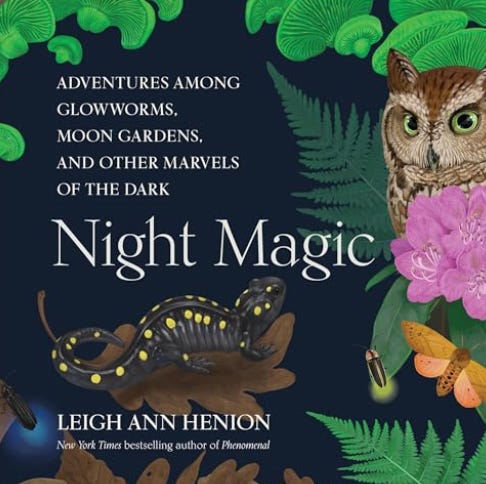
Link Round Up: Book I’m recommending to everyone
Piece I wrote: I wrote Not So Sensible Cinnamon Roll for Eat, Darling, Eat and included a well-loved recipe at the end.
Show we’re watching as a family: “Gilmore Girls.” Apparently, we’re part of the zeitgeist.
Comments
Nothing yet. Say the first thing.
Sign in to join the conversation.