
My habit tracker dings when I mark a completed goal. Straighten my papers in the living room. Ding! Hang a minute from the pull up bar. Ding!
“Bryan,” I tell my husband, “that quarter-zip sweater looks great on you.” Ding! “Still needed to compliment someone?” he says. I laugh sheepishly.
But even dings have their limits. January was long and sharp. There were vexing projects. Emergency vet visits. Shocking videos from Minneapolis, the city where Bryan and I met and where our friends are protesting. And then, my mother-in-law died. Storms, both literal and otherwise, swirled.
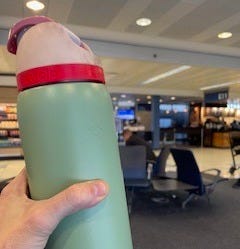
When my daughter and I flew to meet Bryan in Arkansas and attend my MIL’s funeral, I filled our water bottles at the airport’s refill station and watched the ‘Bottles Saved’ number tick up. Compared to the finality of death (or even the climate footprint of flying), refillable water bottles felt too small to celebrate. And yet, a week later, I was still thinking about how accumulation matters. I had joined thousands of other passengers to keep over 200,000 plastic bottles from landfills, according to the tally from one refill station. And it was effortless because packing refillable water bottles had become my ingrained habit. No dings needed.
Habits matter, especially collectively. For instance, the production of plant based milk creates one third less carbon than cow’s milk and significantly less water. While only 4 percent of Americans identify as vegan, 44% of American households are now in the habit of purchasing plant based milk, including my family. In our fridge, we have both cows milk for our daughter and oat milk for our coffee. Collectively, we humans have adopted a habit with genuine climate benefits.
The opposite can also be true. Humans can adopt a climate destroying habit and then feel stuck. This Instagram post by Moms Clean Air Force notes: “Half of all plastics production in human history has happened since the launch of Instagram.”
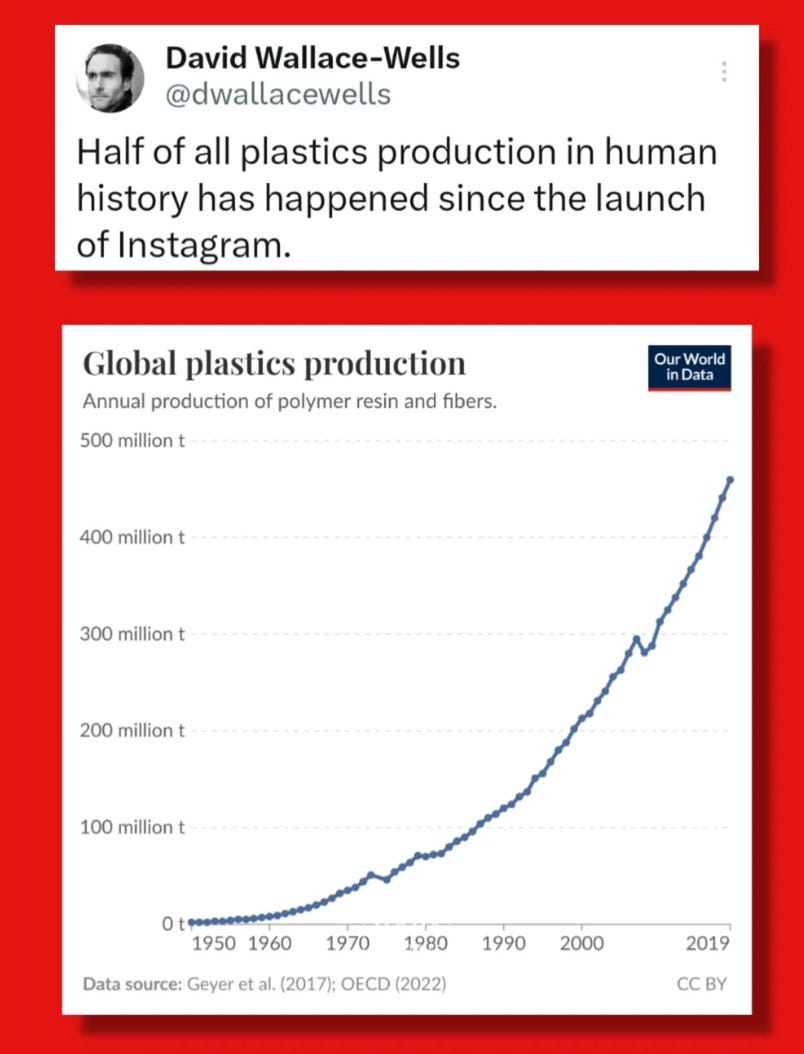
Shocking, yes! Hopeful, also yes! Our glut of plastic isn’t inevitable. We can replace our plastic habit with the Old Ways. And by Old Ways, I mean life in 2010.
Personal Action: Create a plastic-reducing habit for 2026.
Here are three substitutions from 2010 to get you started:
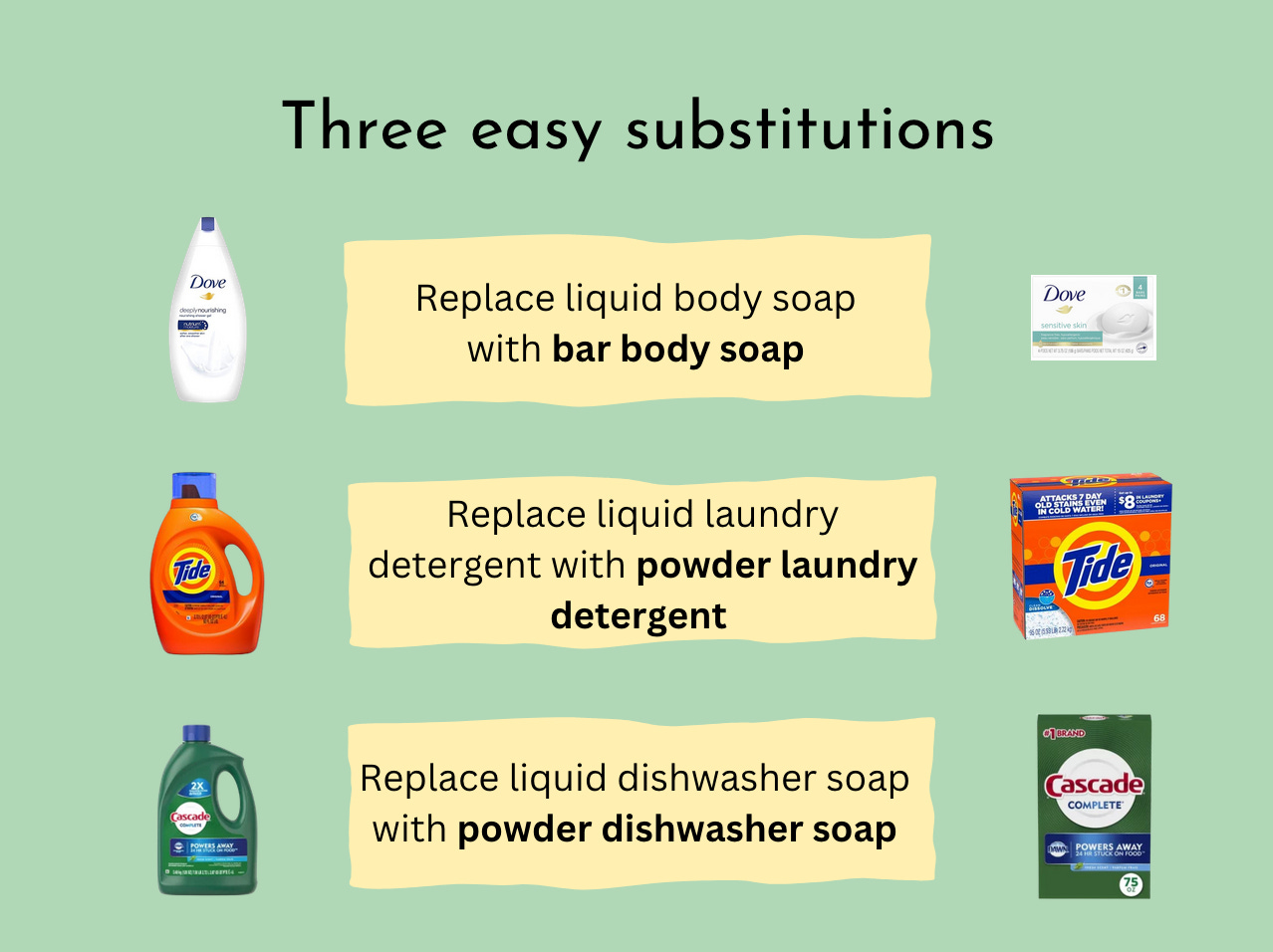
And of course, pack your refillable water bottles when you travel. There’s a modern habit that keeps us hydrated, stylish, and plastic free.
So you’re doing all these things and want to level up? Hooray!
Bring your own container to restaurants for leftovers and make it a habit
Take your travel mug to coffee shops and make it a habit
Avoid cling wrap. (Stainless steel bowls with lids save so much cling wrap)
Make your own yogurt
Don’t use the plastic produce bags in stores. Bring your own or just forgo
Why it Matters: You’ll save money, reduce microplastics in the atmosphere and in human bodies, and be part of bringing us back to pre-2010 levels of plastic usage.
Action to Change the System: If you live in New York state (hello, neighbors), please call your state reps to support the Packaging Reduction and Recycling Infrastructure Act. It’s a bill that will reduce the plastic flow in our state. While democrats have a super majority in the house and senate and while the bill is supported by 70% of New Yorkers, our “climate friendly” reps are too scared of Big Plastic to bring the bill up for a vote. We need to shame them into it. Call today.
And if you’re not in New York, you can still reduce the systems that support plastic by joining the non-profit Beyond Plastics. Their mission is to end plastics everywhere and they help regular folks push for plastic reducing legislation in their own towns.
Why it Matters: There is no away with plastic. It doesn’t recycle well and it poisons the planet. You know this and I know this, but wow, it’s hard for society in general to quit plastic. Changing our habits is useful, but it’s essential to let our reps know that they have a job to do. They can legislate industry and return us to sane levels of usage. Plastic used in hospitals? Essential. Bananas wrapped in plastic? Unnecessary nonsense. Humans won’t eliminate every form of plastic this decade, but we can absolutely reduce plastic by not making it the default choice.
Your climate shifts matter. James Clear’s terrific book Atomic Habits is such an empowering ode to how small habits add up over time. He writes:
“Making a choice that is 1 percent better or 1 percent worse seems insignificant in the moment, but over the span of moments that make up a lifetime these choices determine the difference between who you are and who you could be. Success is the product of daily habits—not once-in-a-lifetime transformations.”
- James Clear, author of Atomic Habit
Link Round-up
My husband Bryan’s brilliant flash nonfiction piece in Short Reads: Roundhouse
New York Times piece about 81 year old Bonnie Sumner chasing the dead hang record: To Set a World Record, All She Had to Do Was Hold On
Lentil dish I’ve had on repeat this winter, cream can be reduced and its still delicious: Marry Me Lentils
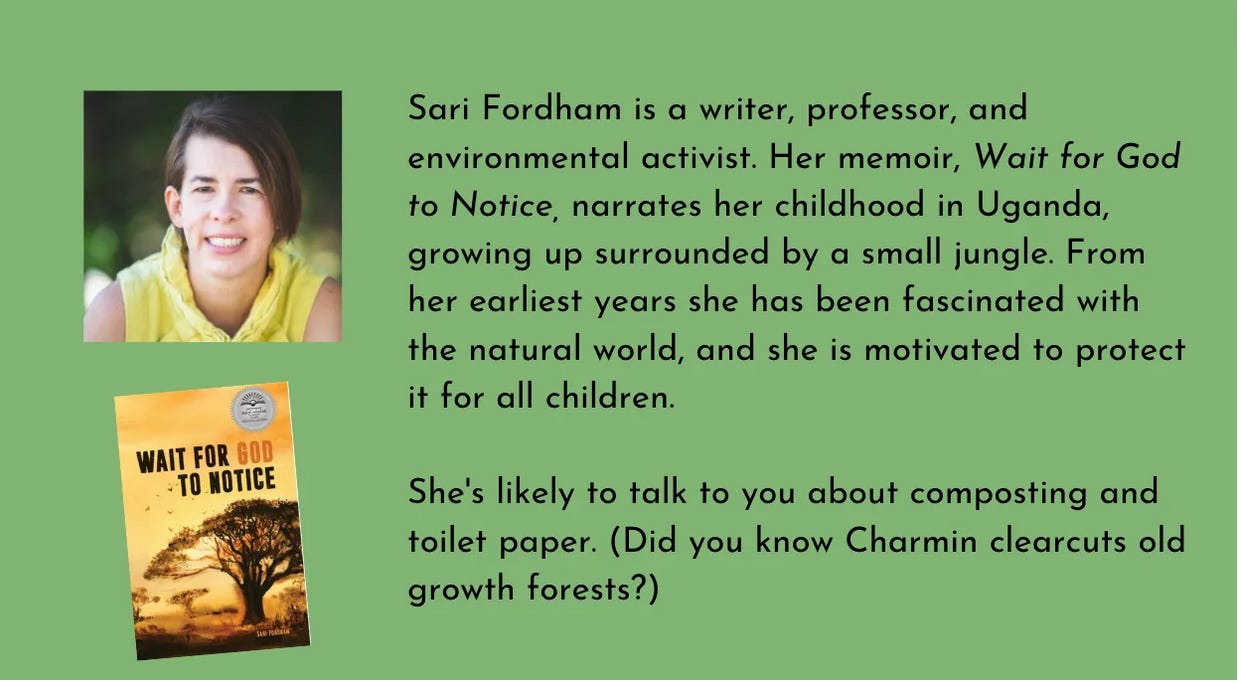
My interview with Sari Botton’s substack Memoir Land: The Memoir Land Author Questionnaire #168: Sari Fordham
Comments
Nothing yet. Say the first thing.
Sign in to join the conversation.