
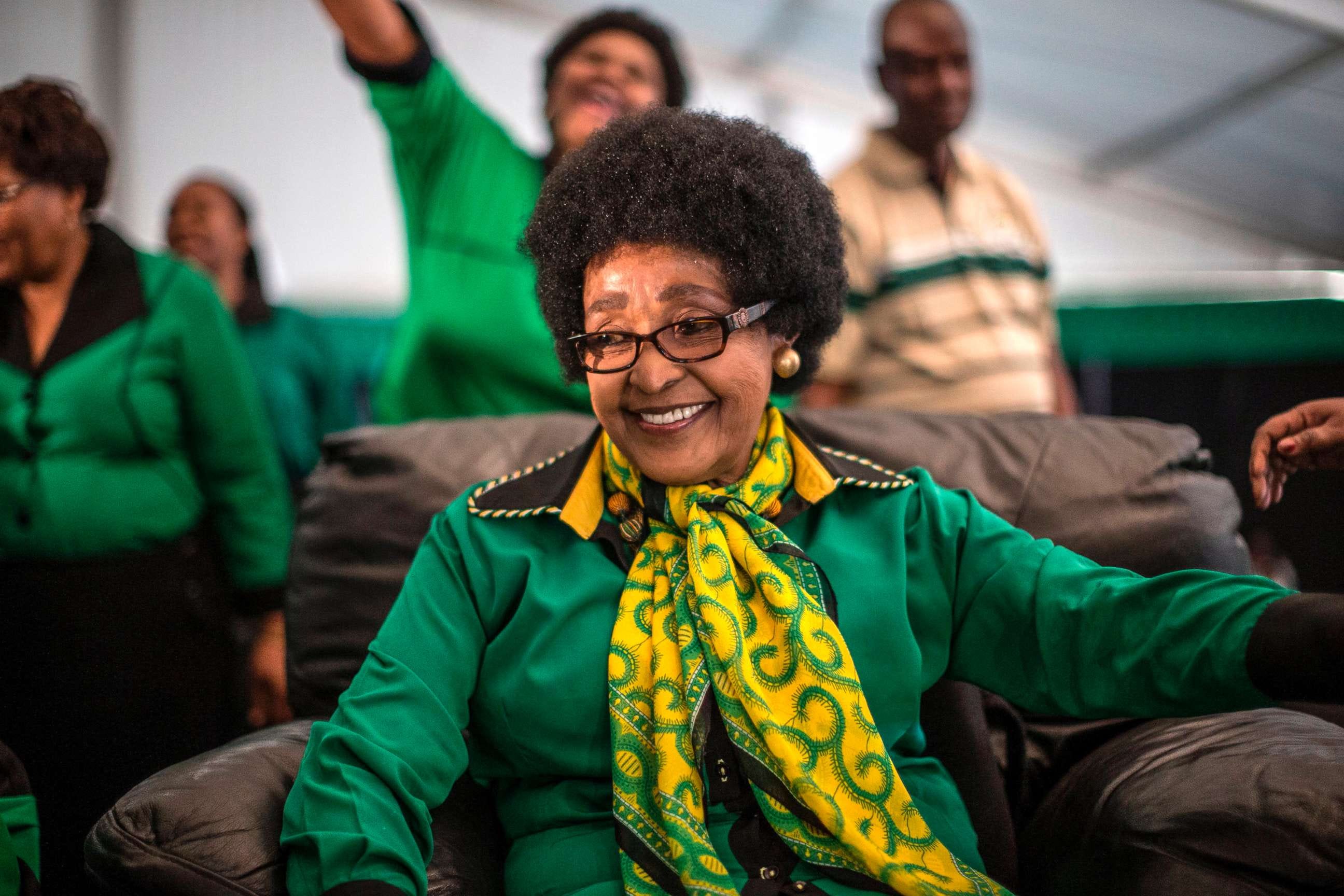
I recently watched The Trials of Winnie Mandela, a Netflix documentary series about Winnie Madikizela-Mandela, the iconic anti-apartheid activist, politician and former wife of South Africa’s first democratically elected president, Nelson Mandela.
To many South Africans, Madikizela-Mandela—Mama Winnie, the Mother of the Nation—was not just a person. She was the embodiment of a South Africa forged in the liberation struggle, one that regarded the country’s future as inseparable from the rest of the continent. The South Africa she came to symbolize increasingly imagines itself differently.
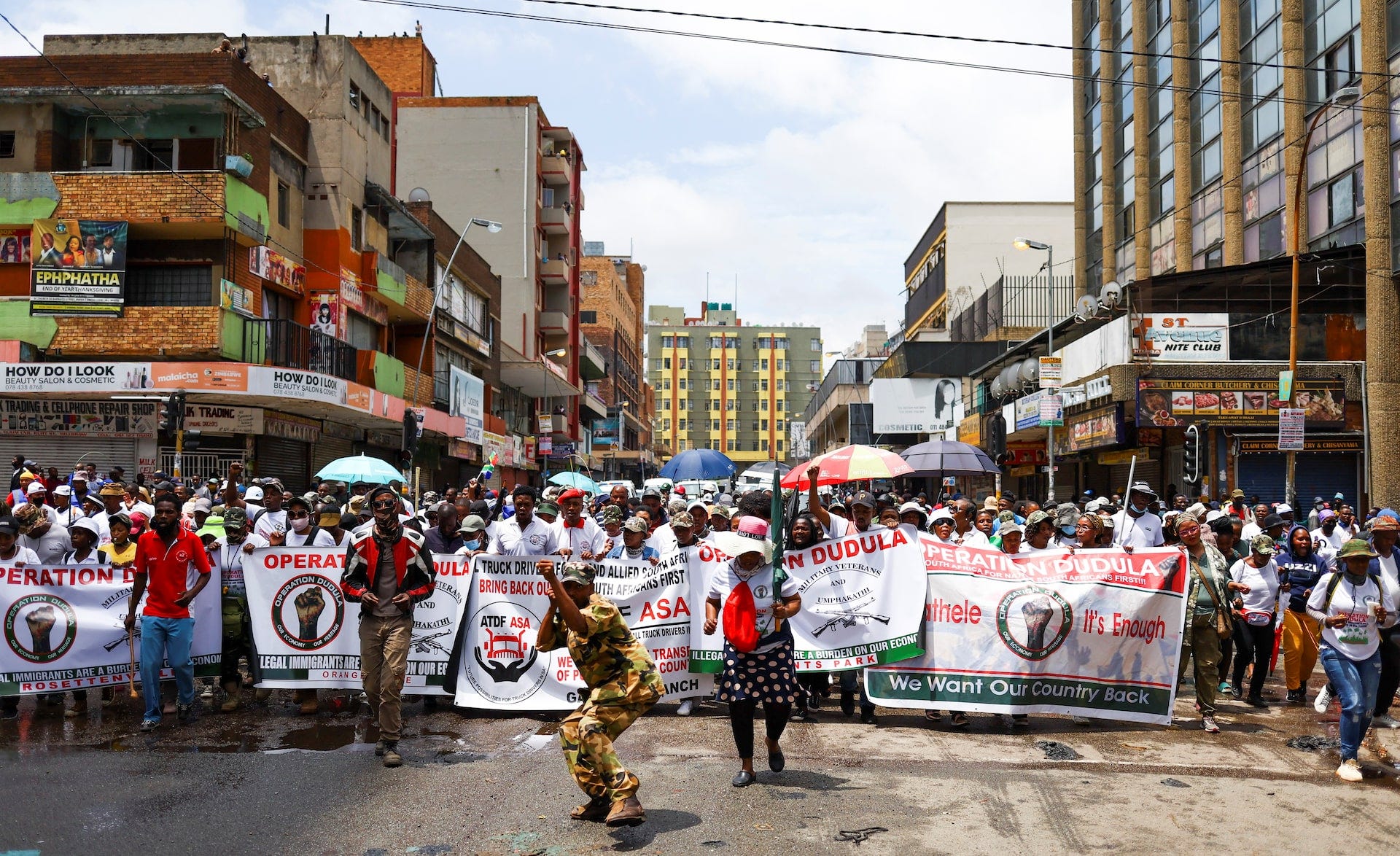
The distance between Madikizela-Mandela’s political world and ours has become impossible to ignore. Black African immigrants in South Africa are once again being blamed for unemployment, crime, housing shortages, and economic stagnation in the country.
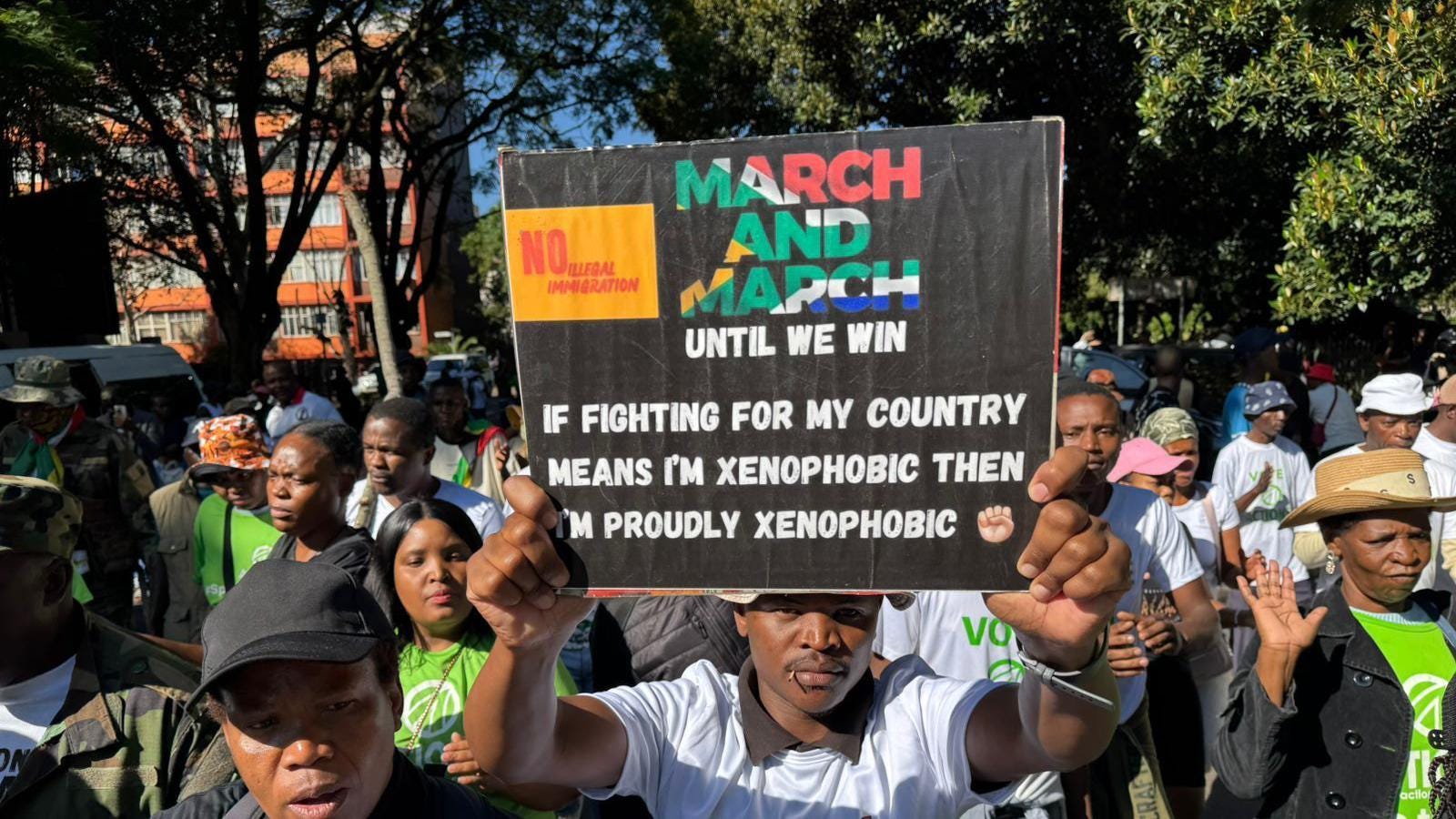
The Mabahambe movement, driven by organizations like Operation Dudula and March and March, demands closed borders and mass deportations. African migrants are harassed, attacked and killed amid a wave of vigilantism. Somali-owned businesses are looted, Zimbabwean workers threatened, Nigerian immigrants caricatured as criminals, and Mozambicans treated as intruders.
Watching the documentary, I kept returning to a question the film never quite asks: What if Afrophobia is not a betrayal of post-apartheid South Africa, but one of apartheid's most enduring victories?
That possibility casts South Africa's democratic journey in a profoundly different light. One of the great tragedies of the post-1994 era is that the liberation struggle which elevated Madikizela-Mandela into a global icon was never solely a South African story. It was an African one. Yet, over time, that broader history has faded from public memory, replaced by a narrative that presents South Africa's democratic triumph as an almost exclusively national achievement.
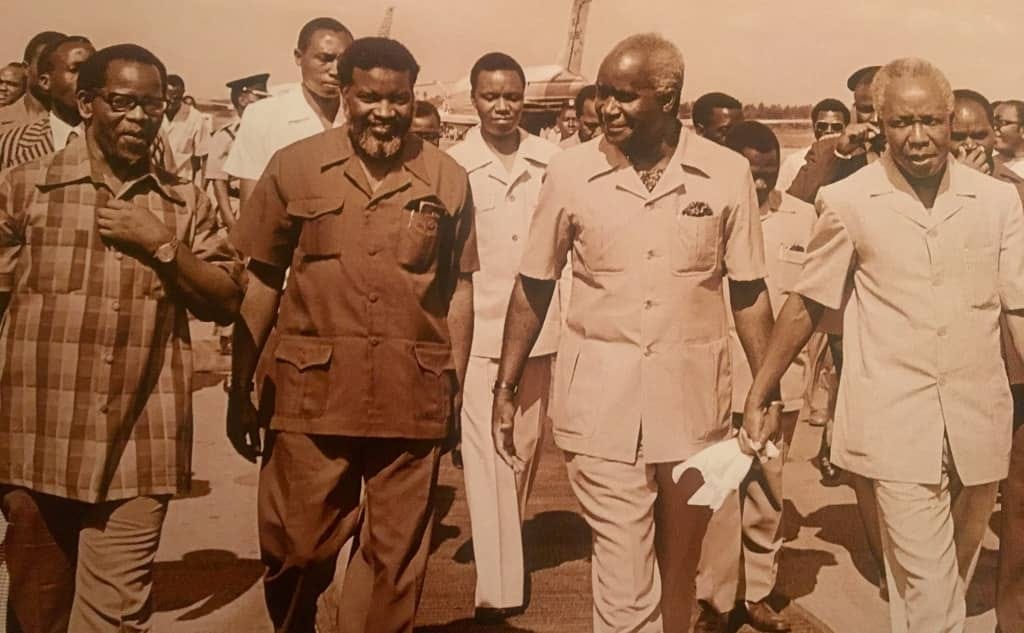
The historical record tells a different story. Zambia hosted the African National Congress (ANC) in exile. Angola, Libya, Tanzania, and Uganda trained liberation fighters. Lesotho, Mozambique, and Swaziland (now Eswatini) provided safe houses and transit routes. Nigeria financed scholarships, diplomatic campaigns, and sporting boycotts, while Botswana, Ghana, and Kenya sheltered exiled intellectuals and artists. Apartheid survived for decades, but so too did a continental coalition determined to bring it to an end.
South Africa's liberation was one of Pan-Africanism's greatest achievements—not because every African government was noble, but because enough African societies recognized apartheid as an assault on the dignity and freedom of the entire continent and were prepared to bear the costs of defeating it.
That is what makes today’s politics deeply unsettling. Democratic South Africa increasingly defines itself in opposition to the very continent that helped secure its freedom. The tragedy is not simply that this represents a break with the ideals of figures like Madikizela-Mandela. It is that a nation whose liberation was made possible by Pan-African solidarity now risks forgetting that its own freedom was never achieved alone.
For millions of Africans beyond South Africa's borders, apartheid was the defining moral struggle of a generation. South Africa represented the unfinished business of African freedom—the last frontier of decolonization.
Many of us grew up knowing the names of Nelson and Winnie Mandela, Oliver Tambo, Desmond Tutu, Walter and Albertina Sisulu, Chris Hani, Robert Sobukwe and Steven Biko as though they were our own national heroes. Their imprisonment, exile, and sacrifice shaped our political education.
That solidarity came at a considerable cost. Nigeria contributed an estimated $61 billion towards the anti-apartheid effort, severed commercial ties with large multinational corporations, while the sporting boycotts and diplomatic campaigns it championed denied many Nigerian athletes opportunities on the international stage.
The countries closest to South Africa paid an arguably heavier price. Apartheid security forces carried out assassinations, cross-border raids, and sabotage missions across the Frontline States. Pretoria also occupied Namibia, using it as the launching pad for repeated invasions of Angola during the so-called Border War, culminating in the Battle of Cuito Cuanavale.
The violence was relentless. It included Operation Reindeer in 1978, the 1981 Matola raid, the Maseru massacres of 1982 and 1985, the 1985 Gaborone raid, and Operation Leo in 1986. Their victims included local civilians as well as South African exiles across the region.
Later investigations, particularly by the Truth and Reconciliation Commission, revealed that the apartheid-era chemical and biological warfare program, Project Coast, extended beyond South Africa’s borders. Toxins developed to target anti-apartheid activists were reportedly deployed during operations beyond South Africa's borders, alongside poisoned water supplies, landmines, and the deliberate destruction of crops.
An August 1989 communique by The Commonwealth’s foreign ministers estimated that at least 1.5 million people had died, directly and indirectly, as a result of South Africa’s “undeclared wars of destabilisation against neighbouring states.” The damage to those countries’ economies was estimated at no less than $45 billion.
Today, the very continent that sacrificed so much for South Africa's freedom is increasingly portrayed as its principal threat. This is more than political hypocrisy; it reflects the unresolved contradictions of South Africa's democratic transition. It should trouble anyone who remembers how apartheid worked.
Apartheid did more than separate races. It also created elaborate systems for deciding who belonged and who did not, reducing millions to foreigners in the country of their own birth.
Democracy abolished racial citizenship, but it did not erase the state's habit of sorting people into categories of belonging and exclusion. Instead, the post-apartheid state has redirected that logic, recasting black African migrants as the population whose exclusion is said to offer solutions to crime, unemployment, and social disorder.
Seen this way, today’s Afrophobic politics is one of apartheid’s most enduring institutional legacies. The border, the permit, the identity document, and the suspicion of the outsider all outlived the political order that created them.
Migrants arriving from the same countries that sacrificed so much for South Africa’s liberation encounter a radically different understanding of belonging. They are described through a vocabulary of criminality, scarcity, unemployment, and demographic threat. The neighbour has become the outsider, and yesterday's comrade has become today's competitor.
The recent nativist marches and attacks on African migrants in South Africa are commonly described as xenophobia. The label is not entirely wrong but it fails to capture the specificity of what is happening.
Australian backpackers are never blamed for collapsing municipalities. American “expatriates” are not accused of stealing jobs or burdening the economy. Western tourists and so-called digital nomads are rarely criticized for worsening Cape Town’s housing crisis, despite extensive evidence that they are contributing to the city’s declining affordability and livability.
Instead, popular anger is directed overwhelmingly at other Africans from Cameroon, the Democratic Republic of the Congo, Ethiopia, Ghana, Lesotho, Malawi, Mozambique, Nigeria, Somalia or Zimbabwe. What is unfolding, then, is not simply a fear of foreigners. It is the construction of Africa itself as foreign.
Terms such as makwerekwere, zaizai, izizimbane and “international orphans” are part of a vocabulary that casts black African migrants as dangerous outsiders, drawing a sharp line between citizens and “foreigners”—the latter a category that rarely includes Western tourists, “expatriates,” and so-called digital nomads.
Seen in this light, South Africa’s nativist marches and Afrophobic attacks are thus not aberrations but symptoms of an unfinished decolonization. The racial hierarchies, territorial logic, and culture of violence that underpinned apartheid have not disappeared. Instead, they have been refracted through a post-1994 order marked by neoliberalism, deep inequality, and exclusionary nationalism.
The anti-apartheid struggle successfully dismantled racial exclusion. What it could not resolve, however, was the broader postcolonial challenge of defining national belonging within a continent whose colonial borders have always sat uneasily alongside Pan-African ideals.
These tensions became more tangible to me earlier this year when I visited Cape Town for the first time and spent time in Langa, the city’s oldest township and the birthplace of the singer Brenda Fassie. Langa was also the site of a massacre on the same day as the 1960 Sharpeville Massacre, a tragedy largely overshadowed by history even though both killings emerged from protests against apartheid’s pass laws.
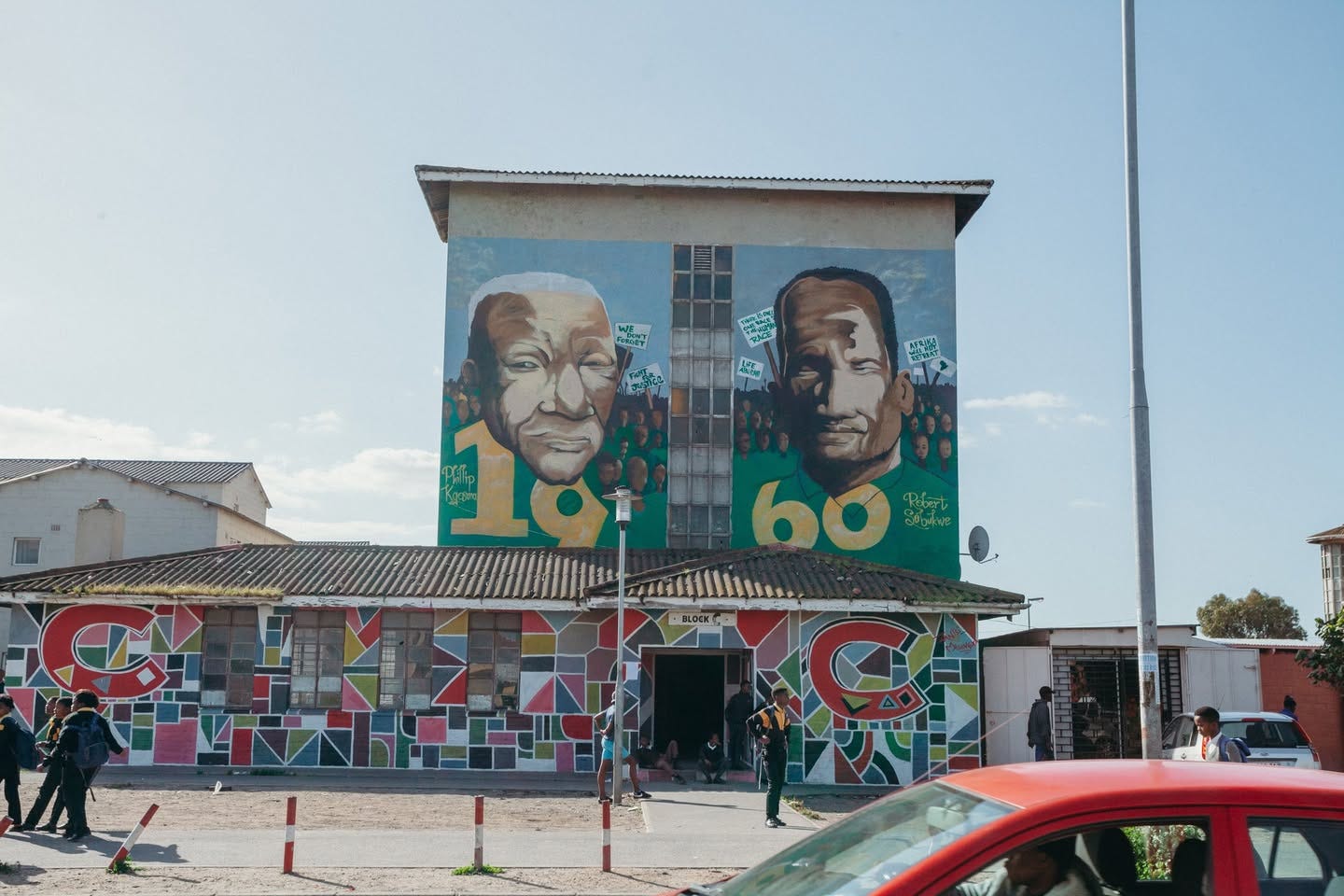
Langa is one of South Africa’s poorest communities. Despite its rich cultural life and resilient social networks, unemployment is staggeringly high, and the township still bears the imprint of apartheid’s spatial planning.
A drive of less than twenty minutes separates Langa from Cape Town’s City Bowl and other affluent coastal suburbs. Yet the gulf in education, infrastructure and income feels far greater than the distance on a map. It is a reminder that centuries of colonialism and apartheid-era spatial planning that South Africa’s post-1994 housing programs have never fully undone.
Langa is also home to migrants from countries including DR Congo, Malawi, and Zimbabwe. They are woven into the local economy as entrepreneurs, workers, and neighbours, yet many live with profound insecurity—uncertain immigration status, homelessness, and the constant threat of Afrophobic violence.
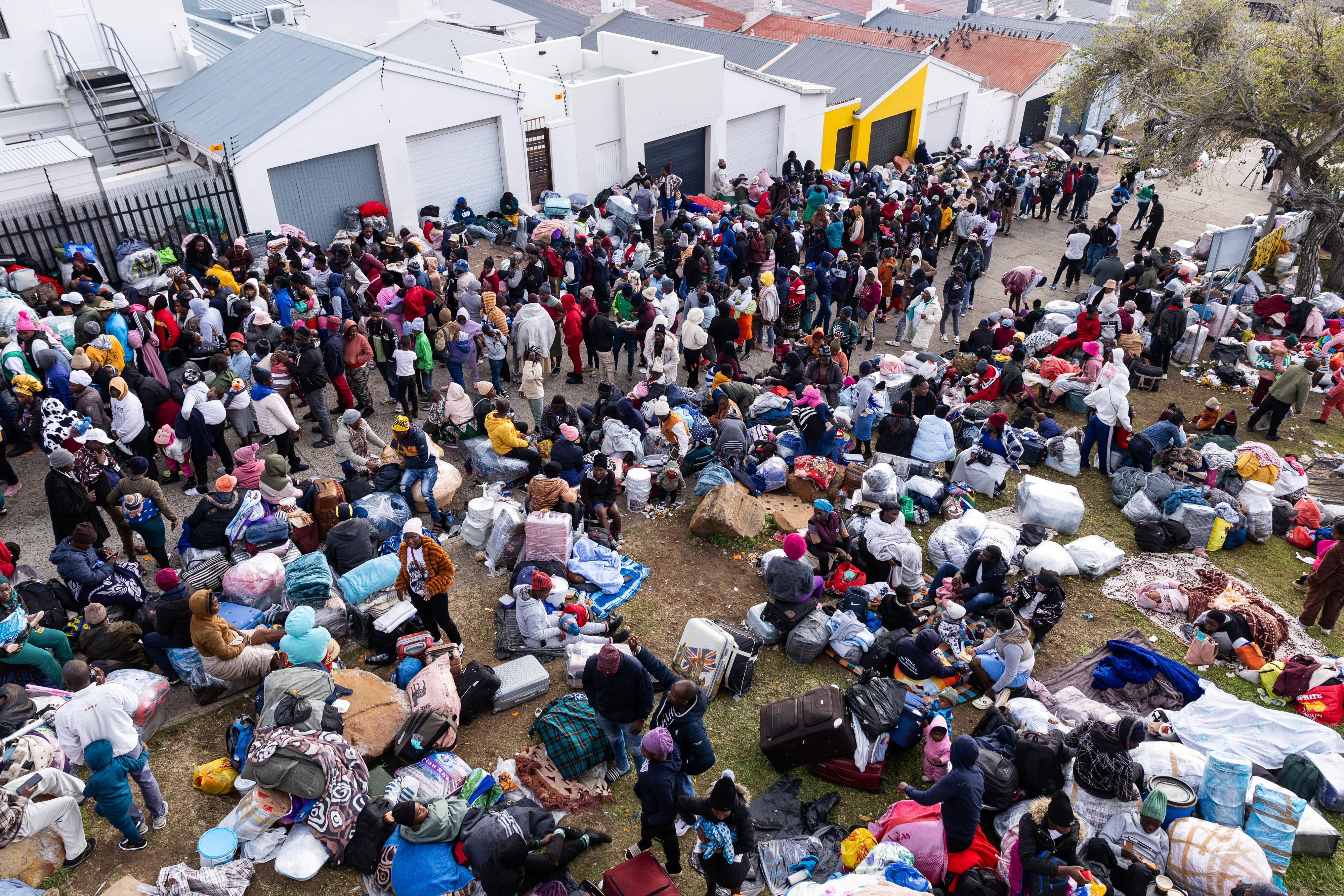
As calls grow louder for undocumented migrants to leave South Africa or face deportation, thousands in Cape Town and the surrounding areas have found themselves living in makeshift camps while awaiting repatriation by their governments.
The time I spent in Langa made something painfully clear: Colonialism, apartheid, and recurring Afrophobic violence are not separate histories but successive chapters of the same story. Together, they reveal a society still shaped by dispossession, contested memory, and entrenched inequality.
In a country where movement was once tightly regulated, labor systematically exploited, and belonging made conditional, it becomes easier to reproduce those same habits of exclusion in new forms. Neighbors are sorted into insiders and outsiders, and the frustrations born of inequality are redirected toward those with the least power to resist.
The anti-apartheid struggle was one of the twentieth century’s greatest cultural movements as much as it was a political one. Its ideas travelled not only through speeches and diplomacy but also through music.
Song became the movement’s unofficial language, carrying stories across borders in ways newspapers and governments never could. Across Africa, solidarity with South Africa found expression not only in politics but in song, dance, storytelling and performance.
That cultural education began long before many of us could locate Soweto or KwaZulu-Natal on a map. We were already trying to pronounce words in isiZulu, isiXhosa, Sesotho and Setswana because those languages had entered our lives through the soundtrack of liberation.
School choirs, church congregations, university students and theater groups across the continent sang South African freedom songs with extraordinary devotion. Millions of Africans came to know Senzeni Na? without understanding every word, yet instinctively grasping the grief contained in its haunting question.
That was certainly true for me. I understood the emotional language of the anti-apartheid struggle despite possessing no facility with South African languages. I never needed a translator to know what “Amandla!” meant or why the response—“Awethu!”—was shouted with such force. The raised fists, the rhythm and the collective roar said it all. Long before I understood the words, I could hear the courage in songs like Hamba kahle mkhonto, sung in honor of Umkhonto weSizwe—the ANC’s armed wing—and the guerrillas who fought under its banner.
The same was true of the call-and-response chants and the thunderous toyi-toyi that echoed through apartheid-era townships and bantustans. They were never simply dance or protest ritual. They made courage visible and declared that fear and oppression would not have the final word.
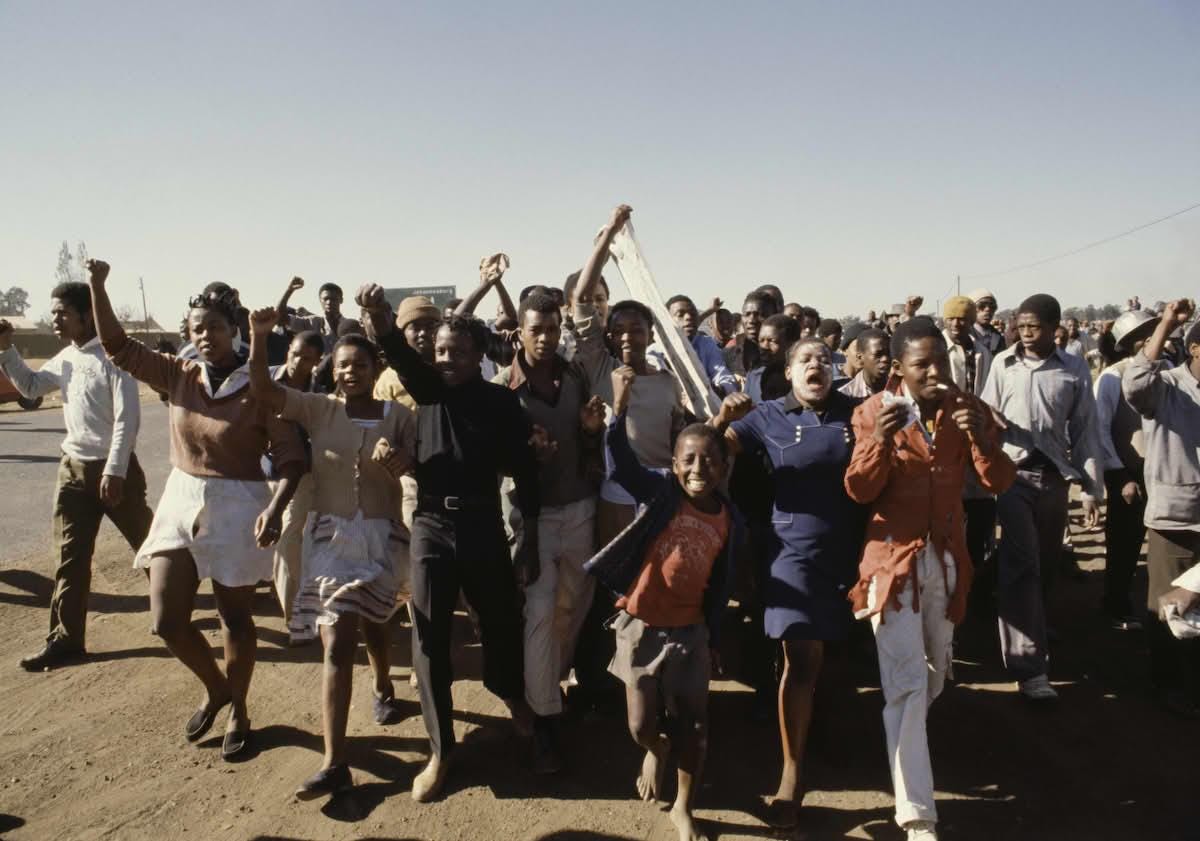
Long before Nkosi Sikelel' iAfrika became part of South Africa's post-apartheid national anthem, people across the continent already knew it. Siyahamba, Thina Sizwe, Asimbonanga, Shosholoza and countless other liberation songs travelled effortlessly across Africa, becoming part of a shared political and cultural vocabulary.
I remember that cultural exchange vividly. As a young child in Lagos, I was fascinated by the click consonants of isiXhosa. My friends and I spent weeks trying to imitate them after hearing Yvonne Chaka Chaka's Umqombothi, determined to get them right before the singing and dancing competitions at the next birthday party. We never did, but that never stopped us from trying.
That kind of solidarity was made possible by artists who refused to separate music from politics. No two embodied that spirit more than Miriam Makeba and Hugh Masekela. To many Africans, they were never just South African artists but icons who belonged to all of us.
They carried South Africa to audiences that had never set foot in Johannesburg or Cape Town, reminding the world that apartheid was not merely a domestic policy but an assault on human dignity.
As Masekela’s international reputation grew, he never stopped using his music to expose apartheid’s brutality and champion African liberation more broadly. His collaborations with musicians from Nigeria, Ghana, Zimbabwe and elsewhere reflected an Africa connected by culture rather than one divided by borders. In Masekela's hands, jazz became diplomacy, resistance and historical memory.
Makeba shared that same Pan-African vision. She performed across the continent, collaborated with musicians wherever she went and insisted that African freedom could never be confined by national borders.
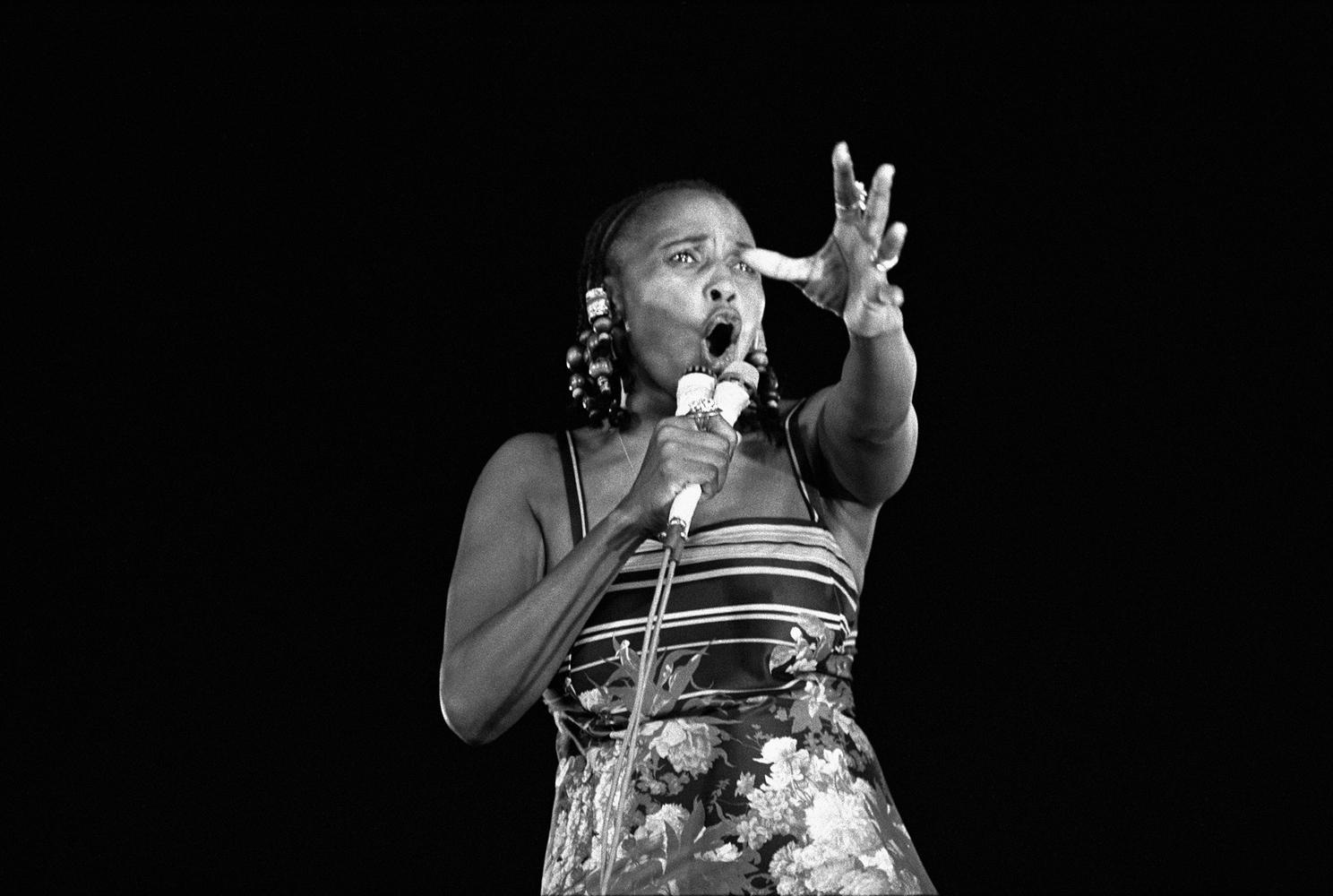
She was especially beloved in West Africa, where she spent much of her exile after the United States revoked her visa in 1968 following her marriage to the activist Stokely Carmichael—later known as Kwame Ture. Guinea's President Ahmed Sékou Touré granted her citizenship and a diplomatic passport, while Liberia became another important home during those years.
Makeba became one of independent Africa's foremost cultural ambassadors. As Guinea's representative to the United Nations, she addressed the General Assembly in 1975, while her performances at landmark festivals such as Zaire ‘74 in Kinshasa and FESTAC '77 in Lagos symbolized a continent asserting its cultural confidence.
Makeba absorbed the continent as much as it embraced her, weaving musical influences from West Africa, Tanzania, Mozambique and beyond into her work through collaborations with artists across the continent.
When Ghana, Guinea and Tanzania each gave Makeba a passport during her years in exile, they made a profound political statement: Apartheid had tried to render one of Africa's daughters stateless. Africa answered by making her a citizen many times over.
Benedict Anderson argued that nations exist because strangers come to see themselves as belonging to one another even if they never meet. Nations are stories people tell about themselves—about who belongs and who doesn’t, where the community begins and where it ends.
South Africa’s crisis, then, is not whether nationalism exists but how it defines the nation—and, crucially, who is permitted to belong.
The political language of the ANC, Pan Africanist Congress, Black Consciousness Movement and others in the anti-apartheid struggle flowed naturally into the broader traditions of Pan-Africanism, anti-colonialism and Third World solidarity.
The liberation movement sought to overthrow a political order that excelled at dividing people into carefully managed categories—races, ethnic groups, urban residents, rural residents, citizens and non-citizens. Today, those categories may have changed, but the instinct behind them has proved remarkably persistent.
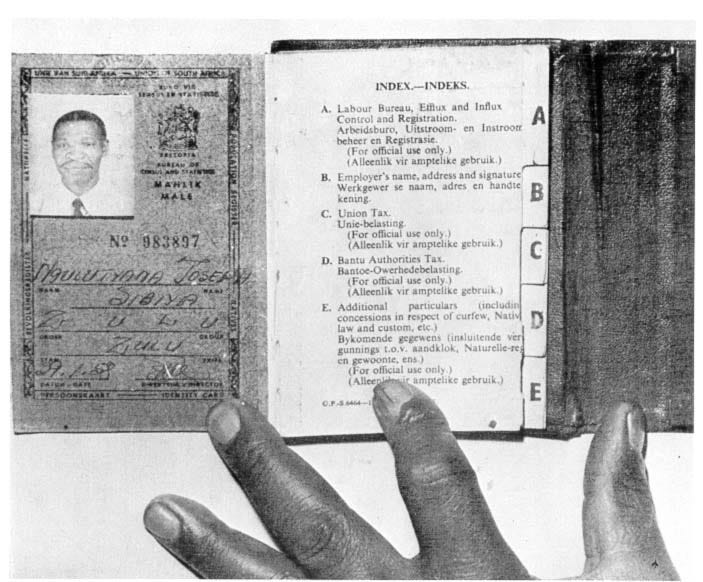
Pass laws have disappeared, but immigration raids remain. The territorial citizenship of the apartheid era has given way to modern systems of immigration control. Even the language of “influx control” echoes in today’s demands to remove undocumented African immigrants from clinics, schools and informal markets.
None of this is to suggest that democratic South Africa is simply apartheid under another name. Democracies and apartheid are profoundly different political orders. However, the impulse to solve social problems by narrowing the circle of belonging has shown a remarkable capacity to survive.
Frantz Fanon anticipated something like this decades before apartheid collapsed. In The Wretched of the Earth, he warned that political independence could become largely symbolic if it failed to transform the colonial economy and the structures of power beneath it.
Rather than transform inherited systems of exploitation, he argued, postcolonial elites might redirect popular anger toward the people least capable of defending themselves. Afrophobia is thus not the opposite of failed liberation but one of its recurring political symptoms.
Successive post-apartheid governments chose to manage the structures that produced mass deprivation instead of transforming them. Liberation raised expectations that an economy still scarred by apartheid—and increasingly shaped by neoliberal orthodoxy—could never fully satisfy.
As unemployment deepened and inequality became more entrenched, it proved politically easier to redirect popular anger than confront concentrated wealth and structural injustice. Invariably, every society that refuses to confront the architecture of inequality eventually searches for strangers to blame.
In a previous edition of this newsletter, published to mark the 30th anniversary of South Africa’s landmark 1994 general election and its transition from apartheid to multiracial democracy, I reflected on how the country’s liberation struggle shaped my political education and understanding of Pan-Africanism and the wider world.
I was raised within a Nigerian milieu that regarded South Africa’s liberation as unfinished national business. The anti-apartheid struggle was one of the few issues that could unite Nigerians across ethnic, religious and political divides. Few policy questions commanded such broad national consensus.
Nigeria’s military and civilian leaders never treated apartheid as a distant foreign policy issue. They regarded it as a strategic priority woven into the country’s understanding of itself as a continental leader. The reasons were both moral and political.
After winning independence from British colonial rule in 1960, Nigeria embraced what its leaders saw as a continental responsibility. Successive governments invested heavily in African liberation movements, making decolonization the defining principle of Nigerian foreign policy. Apartheid, as the last great fortress of institutionalized white supremacy in Africa, became the ultimate test of that commitment.
In 1976, Nigeria’s head of state, General Murtala Muhammed, declared before a summit of the Organisation of African Unity that “Africa has come of age.” The speech became something of a liberation manifesto that cemented Nigeria’s reputation as a continental power willing to bear significant costs in defense of African freedom.
Nigeria helped finance the OAU’s Coordinating Committee for the Liberation of Africa, funded the ANC’s external mission and hosted its representatives in Lagos. It also led diplomatic pressure within the United Nations and The Commonwealth, and championed sporting boycotts that helped isolate the apartheid regime long before the rest of the world caught up.
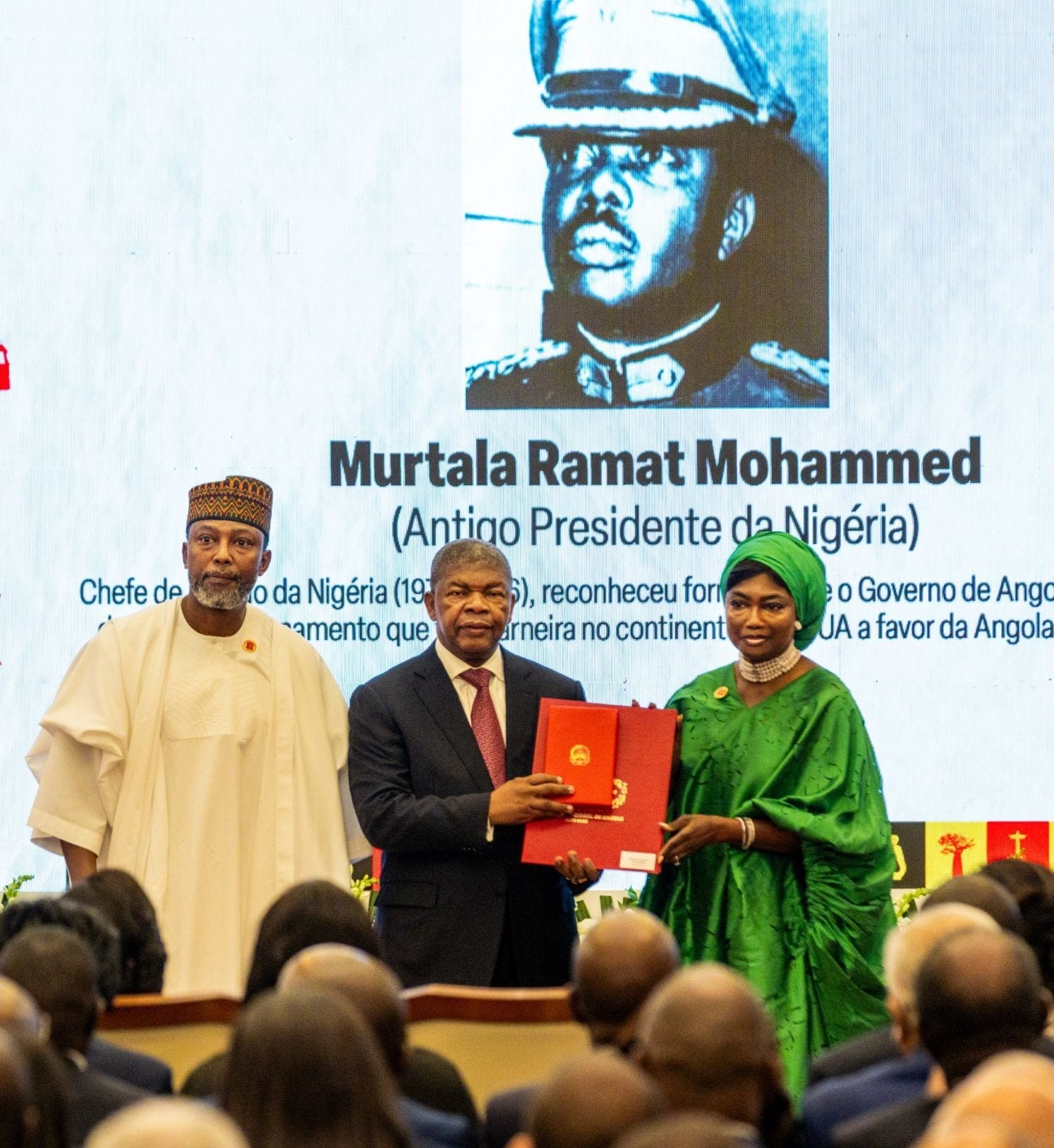
After the 1976 Soweto Uprising, Muhammed’s successor, General Olusegun Obasanjo, created the Southern Africa Relief Fund (SARF)—colloquially known as the “Mandela Tax”—in support of the struggle against apartheid, colonialism and white minority rule across Southern Africa. His government also nationalized the Nigerian assets of multinational corporations such as Barclays, British Petroleum and Standard Bank in response to their ties to apartheid South Africa and Britain’s support for white minority rule in the region.
Despite the economic hardship many Nigerians faced at home, civil servants, students and ordinary citizens contributed a portion of their earnings to the Fund. The money provided relief for victims of apartheid, funded scholarships for exiled South African students, and supported liberation movements in Southern Africa including the ANC and PAC as well as the People’s Movement for the Liberation of Angola, the South West Africa People’s Organisation and the Zimbabwe African National Union.
Nigeria’s solidarity was so steadfast that it came to be known as an unofficial Frontline State despite being thousands of kilometers away from Southern Africa.
Nigeria’s solidarity found expression in popular culture. Writers like Wole Soyinka spoke about apartheid as a crime against humanity. Songs like Sunny Okosun’s “Fire in Soweto,” Onyeka Onwenu’s “Winnie Mandela” and Majek Fashek’s “Free Mandela” captured the depth of Nigerian solidarity with South Africa’s struggle. By the time Mandela walked free in February 1990, Nigerians claimed a stake in that victory.
When Mandela visited Nigeria in May 1990 as part of a global tour to express gratitude to the leaders and nations that had supported the anti-apartheid struggle during his 27 years in prison, he described Nigeria’s contribution as “second to none.” He would be welcomed not simply as a visiting dignitary but as a president-in-waiting. One of the more poignant reminders of that moment is fuji music legend King Wasiu Ayinde Mashal’s tribute, “Oh Mandela,” recorded to honor the anti-apartheid hero.
I recall Mandela’s inauguration as South Africa’s first democratically elected president, partly because it took place a day after my birthday. A large Nigerian delegation attended the festivities including Moshood Abiola, the presumed winner of Nigeria’s annulled 1993 presidential election. The strong bond between Nigerians and South Africa’s liberation struggle proved important throughout the rest of the 1990s, when thousands of Nigerians fled General Sani Abacha’s repressive dictatorship and sought refuge in Mandela-era South Africa.
Looking back, what strikes me is how little this solidarity was driven by self-interest. Most Nigerians had never met a South African and never imagined they would ever visit the country. Yet South Africa occupied an intimate place in their consciousness because Pan-Africanism was not merely an ideology but a lived political culture.
Many older Nigerians regard today’s Afrophobic hostility not as a diplomatic disagreement or a dispute over migration, but as a rupture in a relationship built over decades of sacrifice and cultural intimacy.
It might be tempting to conclude that South Africa is uniquely Afrophobic or somehow an exception on a continent that has otherwise embraced Pan-African ideals. That conclusion would ignore a much longer African history. As the Malawian scholar P.T. Zeleza observed in his essay on the “racialized complexes of xenophobia in South Africa,” Africa’s “postcolonial” history is littered with examples of chauvinistic nationalism and nativist violence directed at other Africans.
In the early 1980s, Uganda expelled tens of thousands of Rwandan refugees and Ugandan nationals of Banyarwanda ethnicity amid intensifying political instability and ethnic tensions. Nearly a decade later, Kenya removed more than a thousand refugees and undocumented migrants, most of them from Uganda, Rwanda, and Somalia. In both instances, many of those forced out were left stateless, stranded in overcrowded refugee camps across East Africa.
North Africa has its own troubling history. In countries where many people see the region as racially and culturally separate to “sub-Saharan Africa,” human rights organizations have documented job losses, evictions, hate speech, vigilantism and mass expulsions targeting African migrants and black Tunisians, who political leaders have blamed—without credible evidence—for rising crime, insecurity, and public health concerns. These same governments are willing partners in the European Union’s draconian “migration management” policies that are crafted to deter African migrants from reaching Europe.
In West Africa, the history of exclusionary policies is long enough to fill a dissertation. Economic crises, diplomatic disputes, armed conflict, and surges of nationalist politics have repeatedly turned migrants into convenient scapegoats.
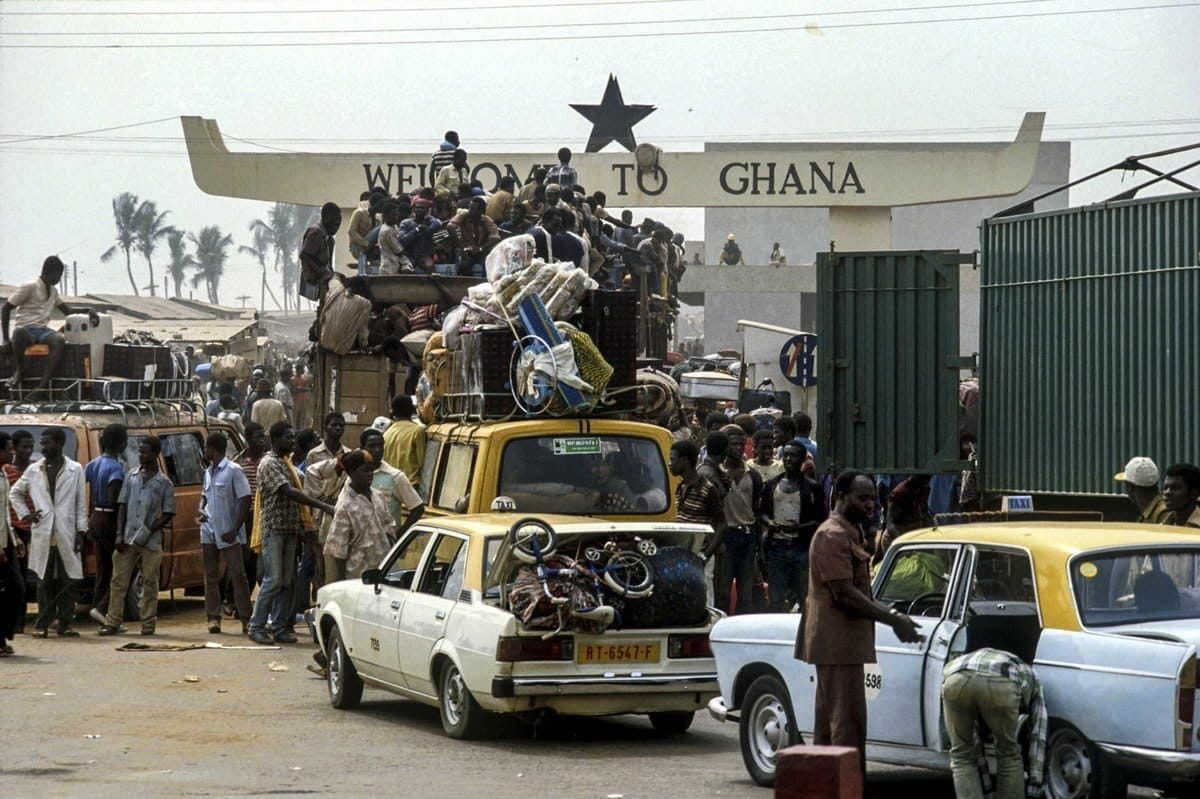
Ghana’s 1969 Aliens Compliance Order and Nigeria’s 1983 Aliens Expulsion Order, which was widely viewed as retaliation for Ghana’s removal, remain the region’s best-known examples. Together, the two episodes displaced well over two million people—most of them West Africans—triggering humanitarian crises, economic disruption, and lasting diplomatic tensions.
I would learn that relatives on both sides of my family were affected by the two expulsion campaigns. They were either expelled or left Ghana and Nigeria before they could be. My parents have also told me stories of relatives hiding their Béninese, Togolese and Ghanaian in-laws, relatives and friends, helping to protect both them and their belongings from theft or seizure during Nigeria’s 1983 expulsion campaign.
Across the continent, postcolonial nationalism has gradually become narrower than the liberation movements that gave birth to it. Kwame Nkrumah, Julius Nyerere, Amílcar Cabral and even the ANC’s liberation-era leaders envisioned national borders as political necessities, not permanent walls. Too often today, those same borders are treated as the ultimate expression of sovereignty.
The convergence of South Africa’s 2026 Afrophobic violence with a series of major historical anniversaries lays bare a profound contradiction. At the very moment the country is celebrating the universal ideals of the liberation struggle, it is also confronting a crisis of historical memory.
The defining milestone is the 50th anniversary of the Soweto Uprising, when black schoolchildren challenged apartheid’s racial order and helped change the course of the liberation struggle. But it is only one of several anniversaries that invite reflection on South Africa’s democratic journey.
In December, South Africa commemorates both the 70th anniversary of the Treason Trial—in which 156 people, including Nelson Mandela, were charged with treason before being acquitted after five years in court—and the 35th anniversary of the beginning of the Convention for a Democratic South Africa (CODESA), whose negotiations paved the way for apartheid’s formal end.
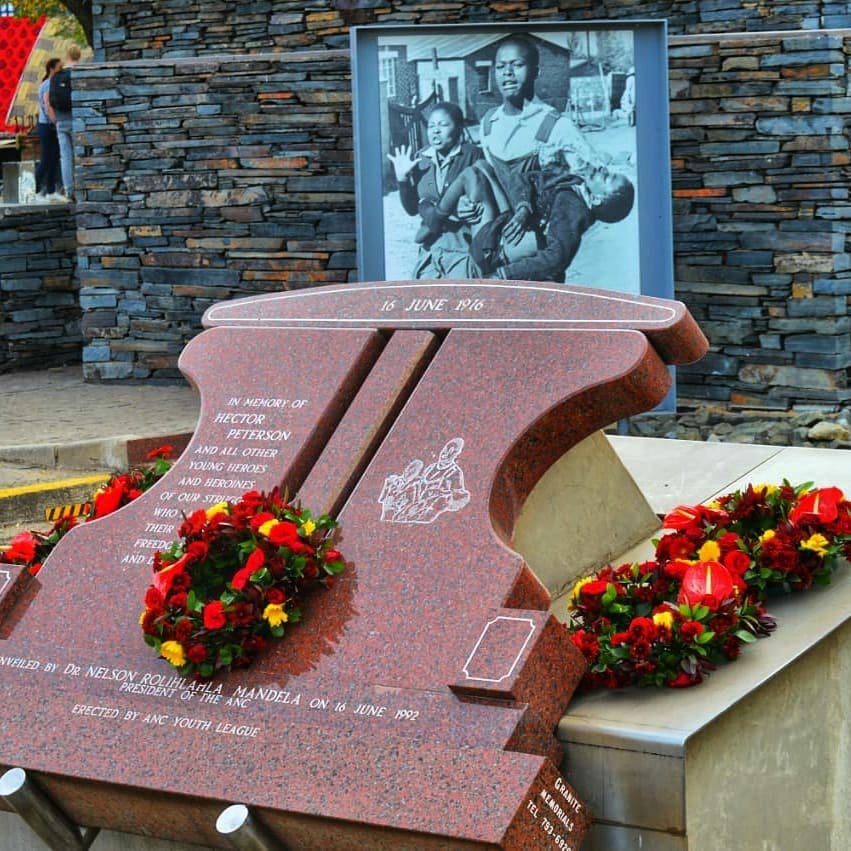
The year also marks the 30th anniversaries of both South Africa’s Constitution and the beginning of the Truth and Reconciliation Commission, regarded by many South Africans as flawed but enduring symbols of the country’s commitment to multiracial democracy.
Taken together, these milestones trace South Africa’s long journey from oppression to democracy. At the same time, they cast an unforgiving light on the distance between the aspirations of the liberation era and the realities of the democratic present.
More than three decades after apartheid formally ended, the racialized inequalities it produced and sustained remain among the deepest in the world. Land, wealth, and economic power in South Africa remain overwhelmingly concentrated in white hands, despite the ANC's promises in the Freedom Charter and the growth of a black middle class.
Unemployment, especially among young black people, continues to erode hope and opportunity, while persistent power shortages, failing municipalities, corruption and deteriorating public services have steadily undermined confidence in the state’s ability to fulfill the promises of liberation.
The result is a profound crisis of political faith. Liberation promised dignity, opportunity and inclusion, yet millions still face insecurity, exclusion and shrinking prospects. In that context, national commemorations can feel less like celebrations than reminders of promises never fully kept.
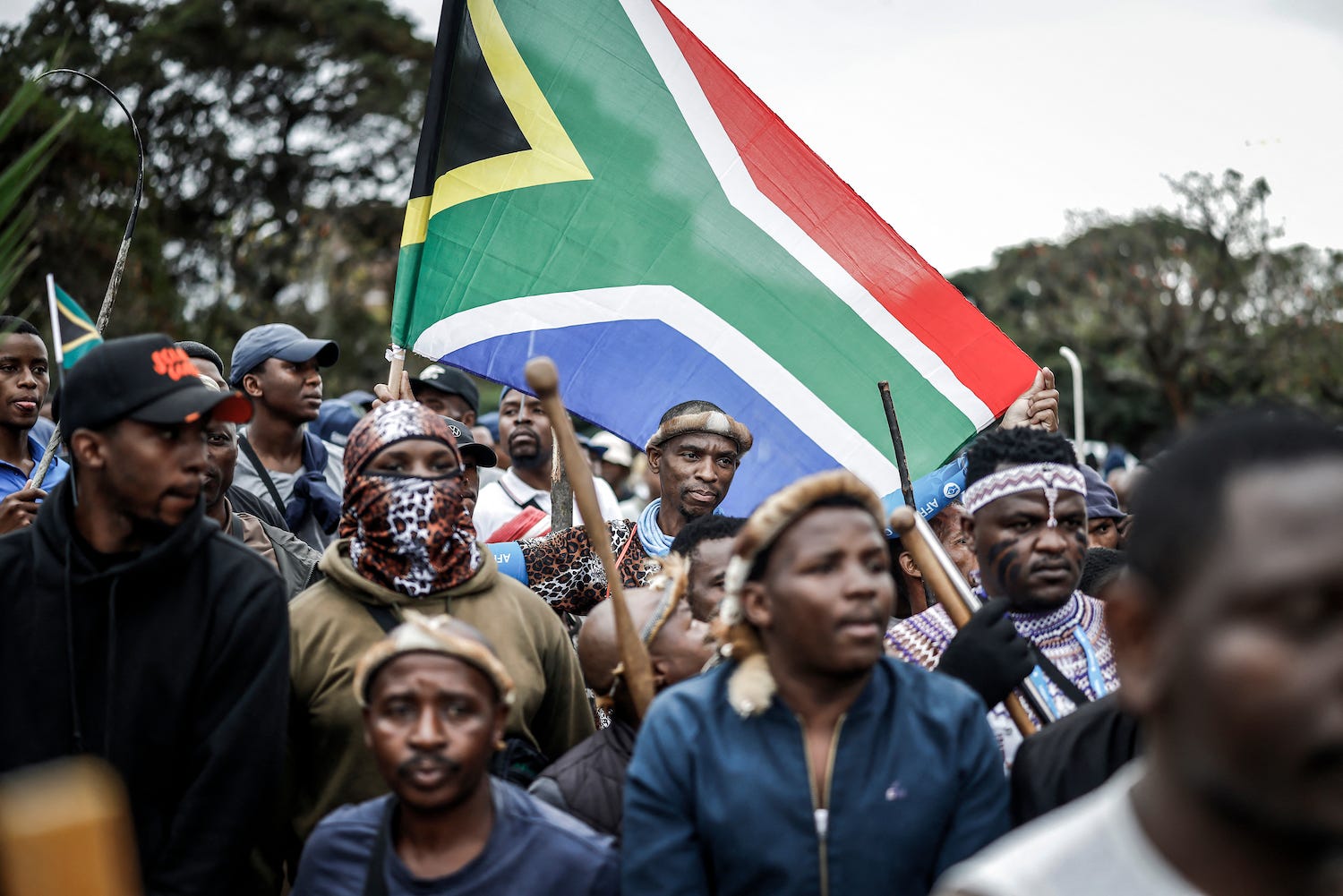
It is this contradiction—between the moral grandeur of South Africa’s liberation history and the enduring reality of racial inequality and economic hardship—that helps explain today’s deep public disaffection and the search, however misguided, for convenient scapegoats.
Of course, South Africa has the right to determine what its immigration policies should be. No nation should be judged solely by the actions of its most hateful citizens. Many South Africans reject Afrophobic violence, defend constitutional values and continue to build communities that cross national lines.
The country’s extraordinary history, vibrant civil society and democratic institutions deserve recognition alongside its failures. But acknowledging these realities does not erase the sense of disillusionment many Africans feel today.
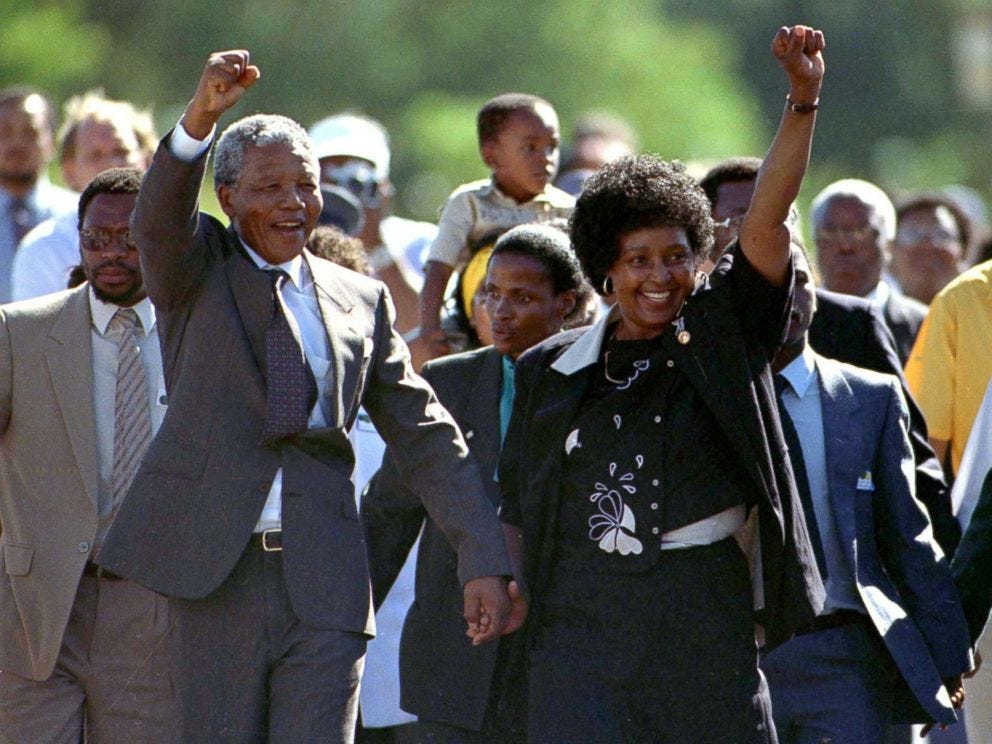
The Trials of Winnie Mandela asks viewers to reflect holistically on who Madikizela-Mandela really was. Another question that matters just as much is this: What became of the South Africa she believed Africa was helping to build?
I still believe that country exists beneath today’s anger and fear, much of which might be misdirected but is wholly justified. The South Africa whose songs became my songs, whose artists became my teachers, and whose freedom shaped my own political education.
I hope it has not disappeared and is only waiting to be remembered.
Comments
Nothing yet. Say the first thing.
Sign in to join the conversation.