
Voters in Bénin went to the polls on April 12 to choose their next president. Romauld Wadagni, the current economy and finance minister and candidate of the ruling coalition, defeated Paul Hounkpè of the Cowry Forces for an Emerging Benin party. The electoral commission’s provisional result indicated that Wadagni won more than 94% of the vote. He will succeed President Patrice Talon, who has served since 2016 and will step down at the end of his second term.
The vote raised an important question: how much will substantively change given that the election was, in practice, a managed political transition rather than a free and fair contest?
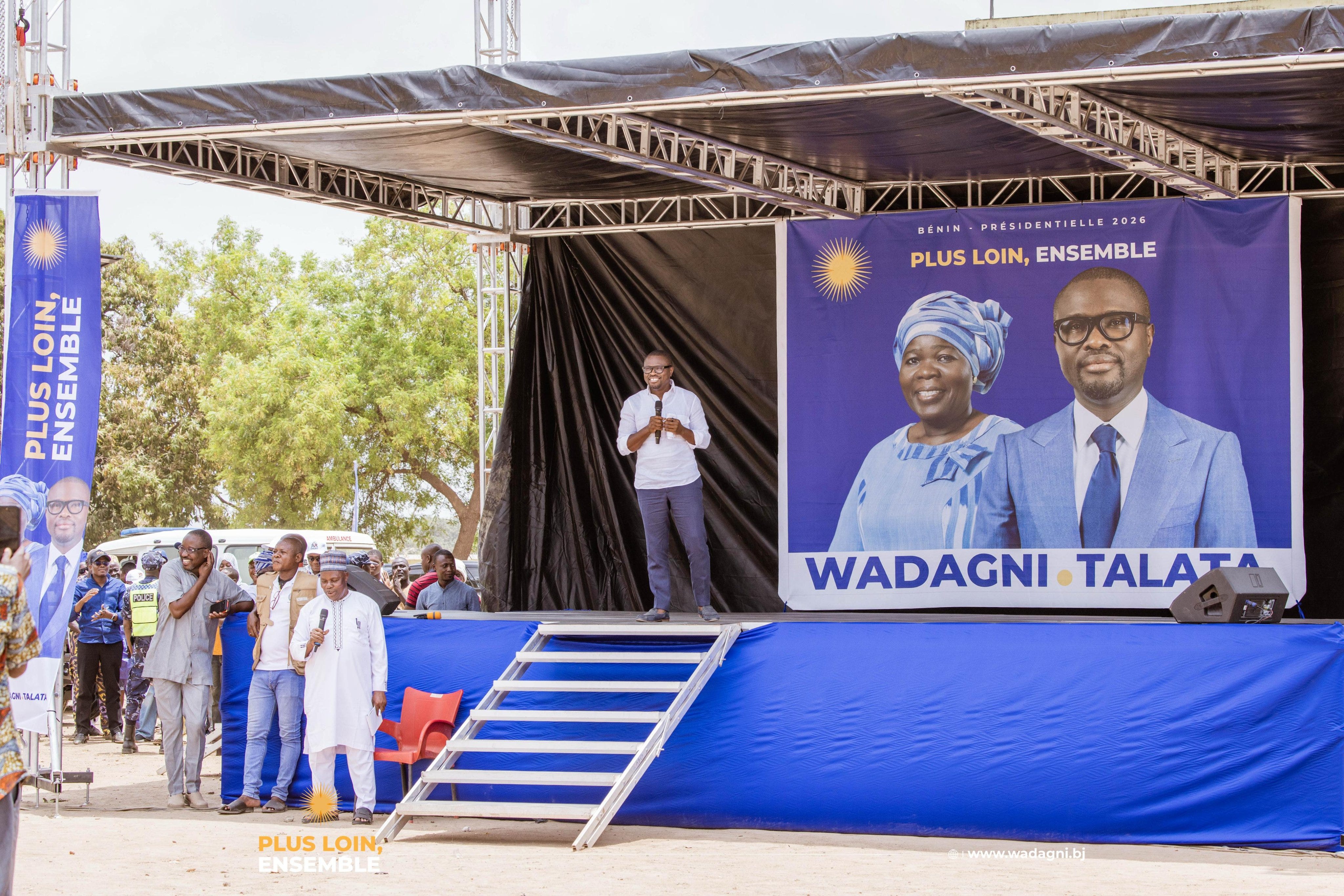
Bénin is often held up as one of Africa’s economic bright spots, posting steady growth above 6% over the past decade. But that narrative obscures a more uneasy reality. The country now sits at the intersection of the Sahel’s expanding insecurity and the Gulf of Guinea’s vulnerabilities.
Rising jihadist violence and transnational crime networks are becoming more entrenched, while the political climate has grown more brittle, underscored by a failed coup attempt in 2025. The image of Bénin’s stability is increasingly doing more work than the reality itself.
The 2026 election unfolded within the framework of a 2025 constitutional amendment that extended presidential, parliamentary, and municipal terms from five to seven years, while introducing a senate that will include the country’s former heads of state and others appointed by the president.
These changes point less to institutional development than to the consolidation of executive authority. That they take effect after the April 12 election only heightened the stakes, underscoring the fact that Sunday’s vote was not just about succession, but about the rules of the political game going forward.
Wadagni is set to inherit not only the presidency, but also a system already tilted in his favor. The ruling coalition’s dominance across Bénin’s legislature and municipalities—and the enduring influence of Talon—means that formal turnover is likely to coexist with substantive continuity. The risk for Bénin is not only further “instability” in the conventional sense, but a slow narrowing of political space at a moment when the country faces mounting security and economic pressures.
Bénin is one of my favorite places in the world, a country for which I feel a deep, almost instinctive affection. This should not be surprising. It is Nigeria’s western neighbor, bound to it by centuries of shared history, migration, and exchange.
According to Bénin’s ambassador to Nigeria, there are at least 2 million Béninese nationals living in Nigeria, a figure that is almost certainly an underestimate given how many Béninois move fluidly across a border that has never fully mapped onto lived reality. It is this intimacy that underlies the familiar Nigerian joke that Bénin is its “37th state.” The quip is not always appreciated on the other side, but it captures something real about the closeness of the relationship.
Aside from Nigeria, Bénin is the country in West Africa to which I am most personally connected. Much of my extended family originates from or lives there, and I have long thought of the two countries as cultural siblings. That sensibility is shared by many on both sides of the border. Communities of Baatonu, Dendi, Fon, Fulani, Hausa, Igbo, and Yorùbá people—among others—live seamlessly between the two countries, their identities shaped less by national boundaries than by older, intimate ties.
For Yorùbás who hail from or live in southwest Nigeria, towns in southeastern and central Bénin such as Adjarra, Igbó Ìdàáshà (Dassa-Zoumé), Kétou, Pobè, Sakété, and Savè have always been part of our mental geography. So too have Cotonou and Porto-Novo—Àjàṣẹ́, as the latter city is known in Yorùbá—cities that felt less like foreign locations than an extension of a shared cultural world that stretched westward across the Bight of Benin. For many of us in Lagos, Ọ̀yọ́, and Ògùn, Bénin was not really “abroad.” It was a short drive away, rarely more than two hours, and emotionally even closer.
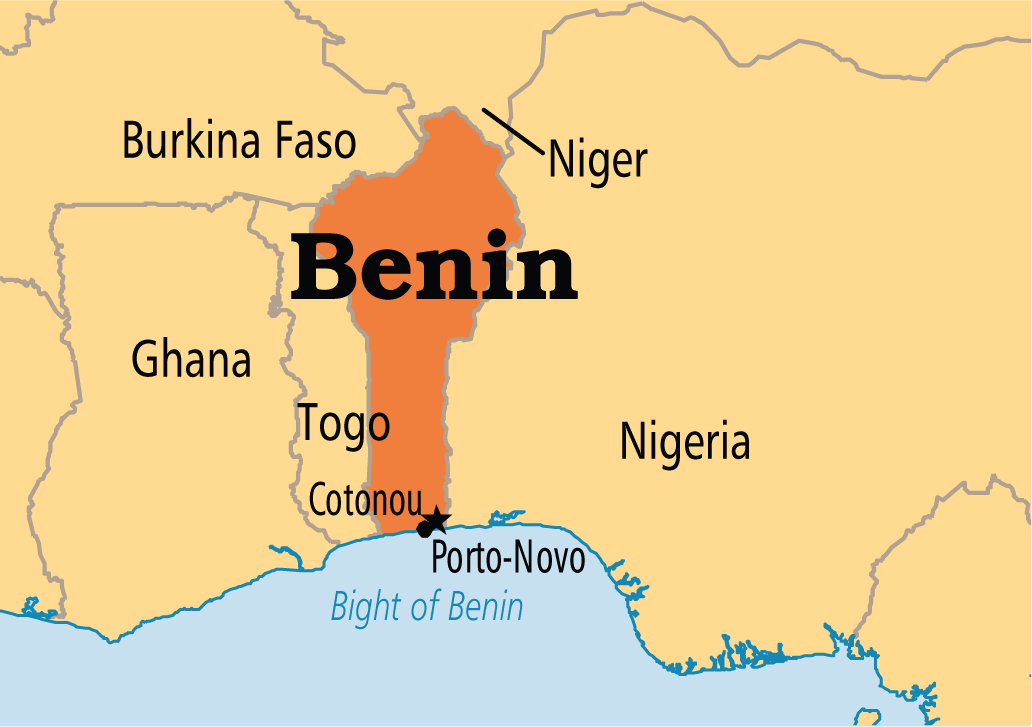
That closeness was evident in everyday life. People spoke of border markets in places like Seme, Ìdíroko and Ìlarò where Yorùbá and Fongbe flowed more easily than either English or French, and where the Nigerian naira and the CFA franc coexisted without friction. In Lagos, Béninois lived in our neighborhoods, attended the same schools we did, worshipped with us at our religious institutions and married into our families. I recall picking up broadcasts of Radio Bénin—the country’s public radio station—in different parts of Lagos due to signals carrying over the border, another reminder of how porous the divide really was.
Culture ignored the boundary altogether. In Lagos, we grooved to the sounds of Angélique Kidjo, Nel Oliver, Raimi Ishola and Zeynab Habib, just as our peers in Àjàṣẹ́ and Cotonou loved Fela Anikulapo-Kuti, Shina Peters, Onyeka Onwenu and Sikiru Ayinde Barrister as much as we did. Yorùbá cultural leitmotifs like Egúngún and gẹlẹdẹ that I was familiar with struck me as similar to zangbéto guardian spirits in vodun, a tradition practiced among Fon, Ogu, Aja and Ewe communities in Bénin and the broader West Africa region.
Over time, I came to better understand the depth of these connections as the product not just of proximity, but of centuries of interaction that included periods of conflict. The history of Dahomey and its wars with Yorùbá subgroups such as the Ẹ̀gbá and the Ọ̀yọ́—my own ancestral lineage—revealed a past that was as entangled as it was contested.
And yet, for me, Bénin has always been more than a neighboring country. Its closeness to Nigeria has produced a relationship grounded in familiarity, shared heritage, and interdependence. There is a sense of belonging that transcends colonial boundaries, one that no election, map, or travel document can fully capture.
Bénin occupies a symbolically important place in the story of Africa’s democratic wave of the late 20th century, when the continent moved away from military juntas, single-party dictatorships and white-minority rule toward multiparty politics.
That reputation rests largely on the events of February 1990, when Bénin convened a National Conference of the Nation’s Vital Forces, a watershed moment that brought an end to the regime of General Mathieu Kérékou, who had ruled since he seized power in a 1972 military coup.
Kérékou, who renamed the country from Dahomey to Bénin, presided over a period of relative stability after years of “post-independence” volatility. By the late 1980s, however, his regime had come under intense strain. A deep economic crisis, compounded by austerity measures that the government implemented in response to it, had triggered unrelenting, widespread unrest.
Public sector workers, trade unions, students, and opposition groups organized strikes, boycotts, and demonstrations, demanding unpaid wages and stipends, higher incomes, and a transition to multiparty democracy. The regime responded with lethal repression, but the protests persisted.
Faced with mounting domestic pressure, the risk of economic collapse, and growing external demands—particularly from foreign creditors conditioning assistance on political reform—Kérékou agreed to convene a national conference, on the condition that he be granted immunity from a probe or prosecution.
Chaired by Archbishop Isidore de Souza, the then-prelate of the Catholic archdiocese of Cotonou, the conference quickly asserted its authority, declaring itself a “sovereign” body independent of the regime. It proceeded to strip Kérékou of executive power, dissolve the National Assembly, appoint a transitional prime minister, and set a timetable for democratic elections under a new constitutional framework.
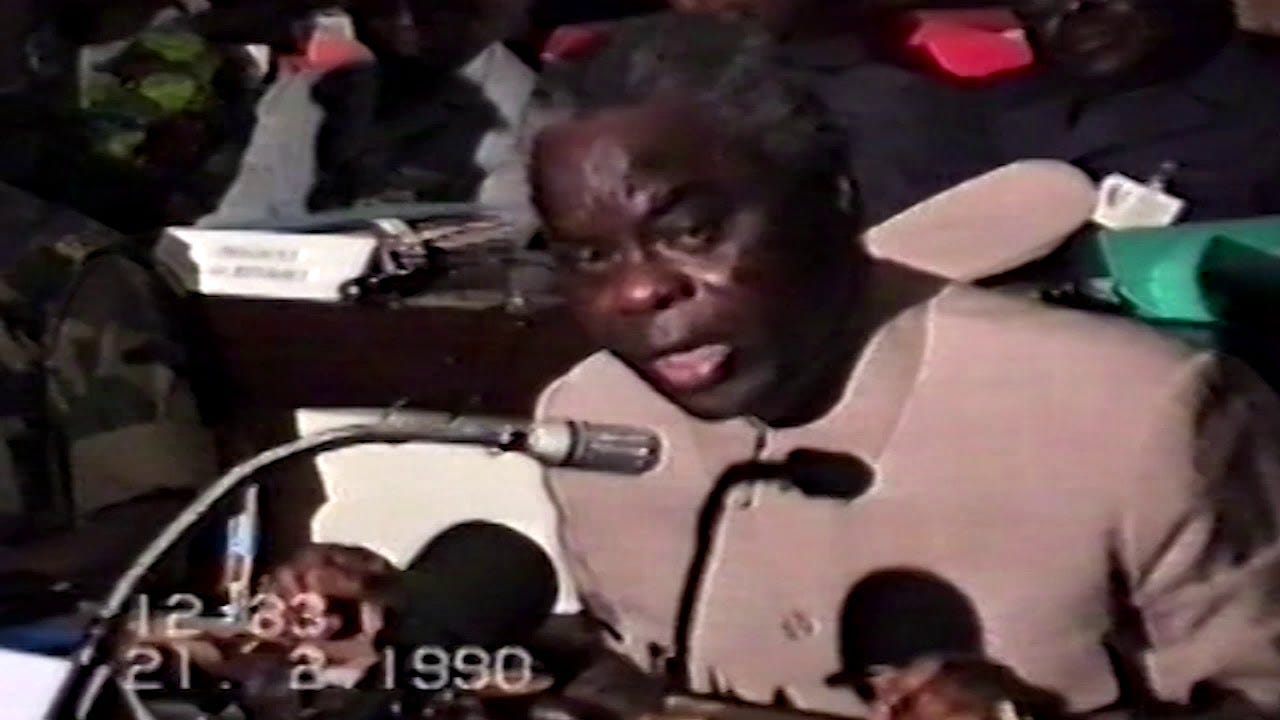
Surprising most observers, Kérékou did not resist the conference’s decisions. The transition culminated in the March 1991 presidential election, in which Kérékou ran and lost in a second-round vote to Nicéphore Soglo, the transitional prime minister appointed by the national conference. Kérékou conceded defeat and stepped down peacefully, an outcome that earned him rare praise from both domestic critics and international observers.
Bénin’s national conference was emulated by other African nations, though seldom replicated with the same degree of success. Kérékou returned to power in 1996, defeating Soglo in a rematch of the 1991 race, due ironically to public frustration with austerity measures that Soglo implemented and the public perception that he was a weak leader.
In ruling for nearly two decades as a military dictator, gracefully stepping down from power after losing at the polls and returning to power years after as a seemingly converted democrat, Kérékou embodied the adaptability that earned him the nickname “the chameleon,” shifting from the Marxist-Leninist rule of his military regime to the market-oriented, constitutionally-bounded rule of his civilian tenure.
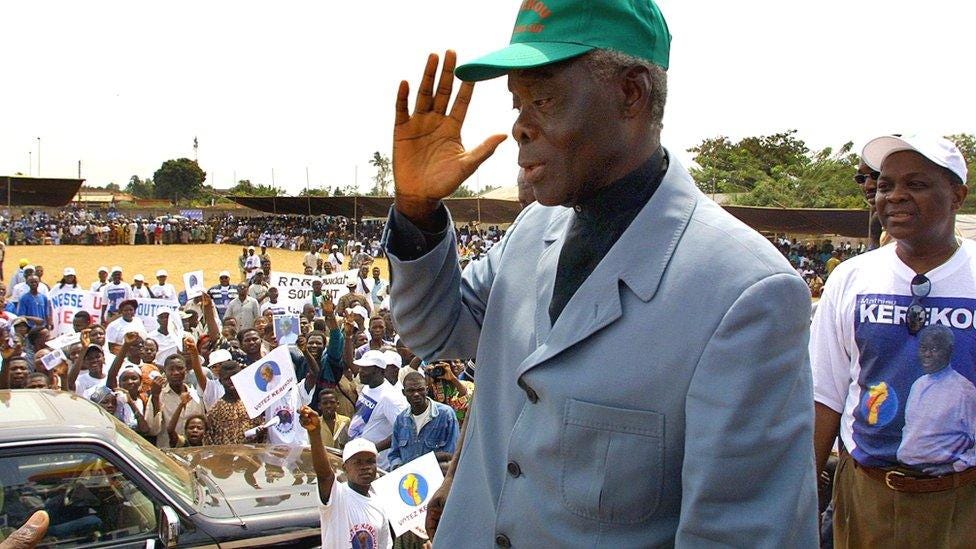
Kérékou served two terms as an elected president before again handing over power in 2006 to Thomas Boni Yayi. Though he never achieved the global stature of other pioneering West African leaders such as Ellen Johnson Sirleaf, Jerry Rawlings and Olusegun Obasanjo, Kérékou’s imprint on Bénin’s political development remains profound.
For many years after he left office, Bénin was celebrated in international media as a “beacon of democracy” in West Africa and beyond. When Kérékou passed away in 2015, many Béninois honored him as the father of their nation’s democracy. In the eyes of many of them, Kérékou was not only a central actor in the country’s turbulent past, but also a key architect of the modern nation, both for what he built and for what he ultimately allowed to change.
Talon’s decision to anoint Wadagni as the ruling coalition’s flagbearer for the 2026 presidential race surprised all but the closest observers of Bénin’s politics. Talon had long treated succession as a closely guarded secret. Yet in retrospect, the signs were there that Wadagni was not an unexpected choice so much as a carefully cultivated one.
Wadagni is the longest-serving member of Talon’s cabinet, a fixture within the president’s inner circle who was widely regarded as a “super minister.” A France- and US-trained accountant, Wadagni spent nearly two decades at Deloitte working in multiple continents before being recruited by Talon, who entrusted him with the latitude to design and execute the administration’s economic agenda.
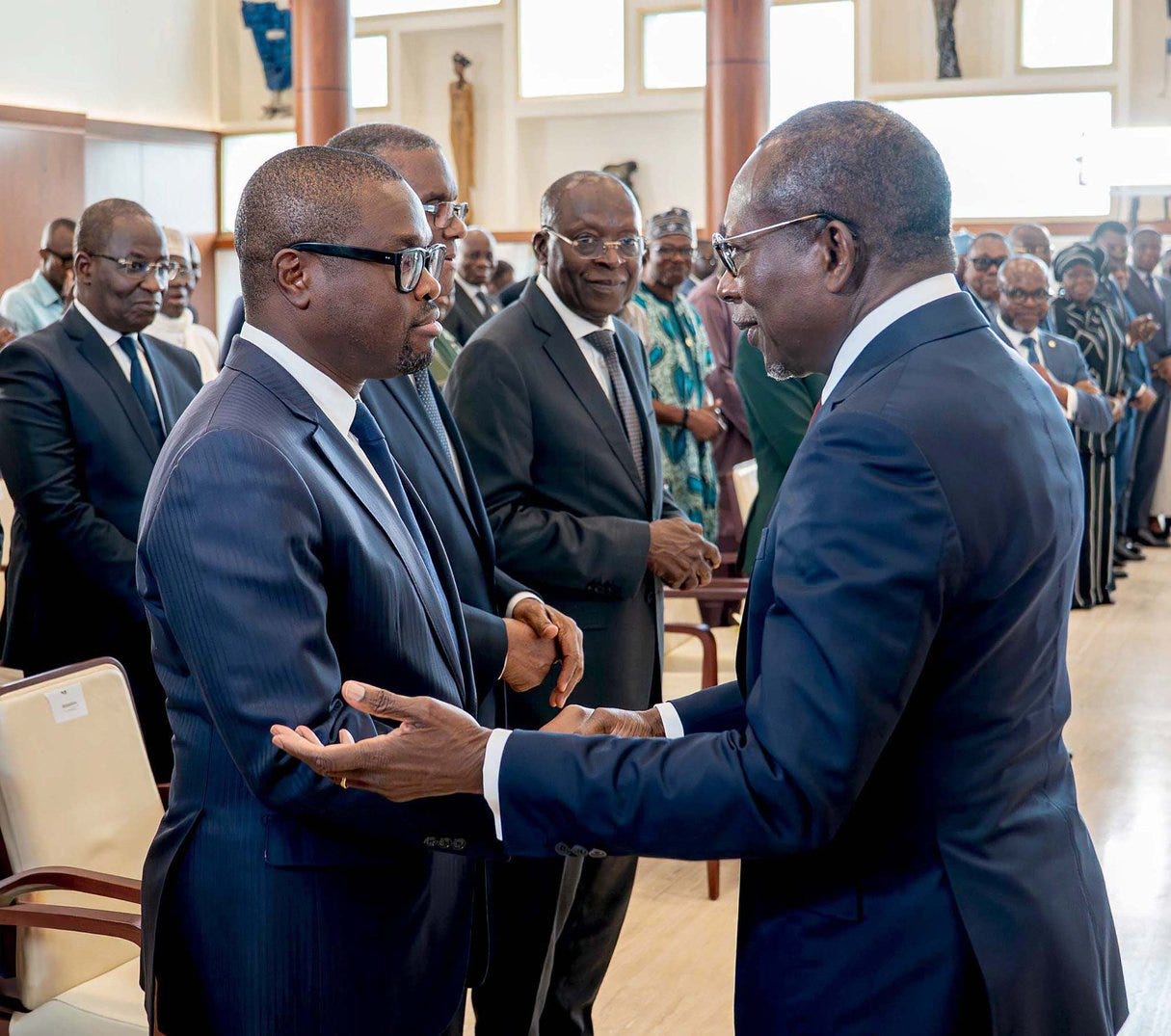
As economy and finance minister, Wadagni was the principal architect of the Government Action Program—the centerpiece of Talon’s reform agenda—as well as the public face of the country’s economic management. Under Wadagni’s stewardship, Bénin posted strong macroeconomic results that earned praise from both domestic constituencies and international investors. Talon not only delegated economic policymaking to Wadagni, but also positioned him as the government’s chief interlocutor with international financial institutions and foreign creditors.
During Talon’s second term, Wadagni’s authority expanded further. Reappointed with the rank of “senior minister,” he saw his portfolio broadened beyond economics to encompass defense and foreign affairs, with a focus on procuring the military equipment needed to fight jihadists in northern Bénin. At one point, Wadagni was floated as a potential candidate to succeed Akinwumi Adesina as president of the African Development Bank, though he ultimately did not enter the race.
That decision now appears less incidental than strategic. By then, Talon had likely already settled on Wadagni as his preferred successor. What followed was not an open contest, but a managed succession in which obstacles were removed and Wadagni’s path to the presidency was carefully cleared. Talon, characteristically, left little to chance, and his efforts to secure Wadagni’s ascent extended well beyond the confines of the ruling coalition.
Broadly speaking, Bénin’s presidential campaign was a dull affair that reflected Talon’s long-running effort to hollow out meaningful electoral competition in the country. Given the systematic exclusion of credible challengers and the structural advantage Wadagni enjoyed as the ruling coalition’s candidate, the campaign was as lopsided as its result.
Hounkpè, a low-key former minister who ran under the banner of a minor party, struggled to gain traction. His message failed to resonate in a political environment already tilted against him, and his campaign barely registered in media coverage. The result was a contest in which one candidate competed with overwhelming institutional backing, and the other with little more than symbolic presence.
For many voters, the exercise felt preordained. Disengagement was not apathy so much as recognition. The sense that the outcome had been decided in advance dampened enthusiasm, producing a campaign season marked by indifference rather than contestation.
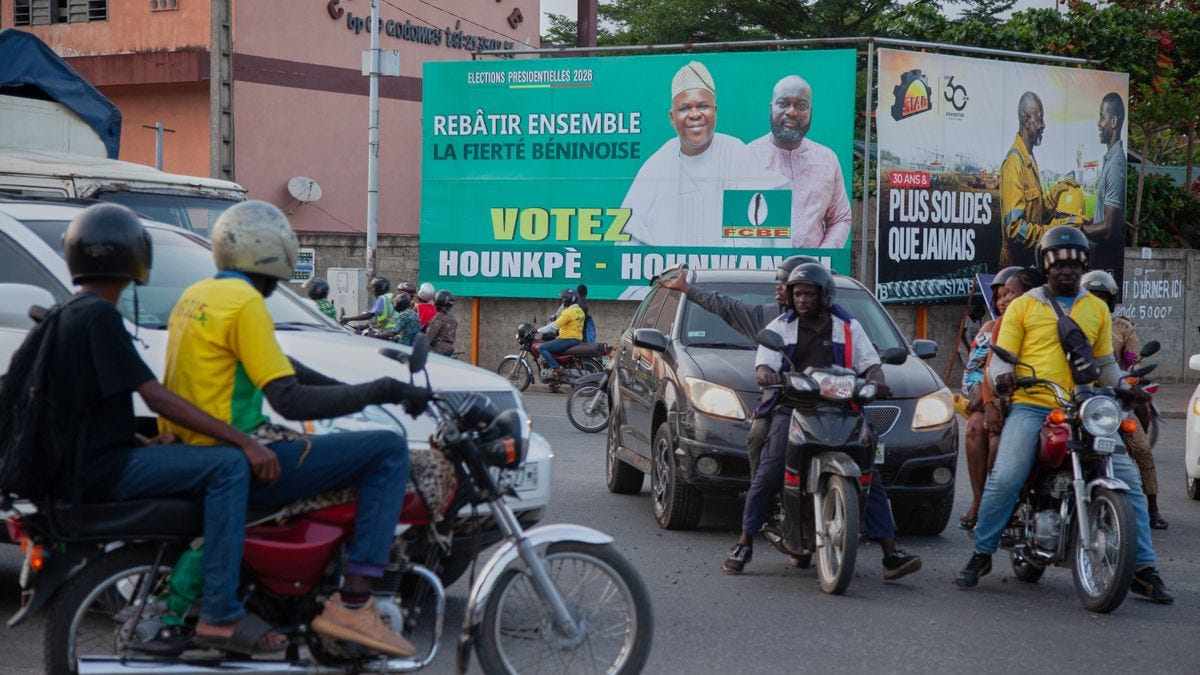
Voter turnout, which hovered around 65% in the decades following the democratic transition of the early 1990s, fell sharply under Talon, reaching just 26% in the 2021 presidential race according to local civil society estimates. While official figures for the 2026 vote aren’t yet final, the lack of energy at polling stations—particularly in cities and urban areas such as Cotonou, Abomey-Calavi, Porto-Novo and Parakou—was palpable on Election Day.
Substantively, the campaign offered limited contrast. Both Hounkpè and Wadagni represented variations of the same technocratic managerialism that defined the Talon era, though Hounkpè was more explicit in acknowledging the uneven distribution of Bénin’s macroeconomic gains under Talon.
Wadagni, by contrast, largely pledged continuity, promising to extend Talon’s economic roadmap with incremental adjustments. These included proposals for free secondary education for girls, a state-backed digital credit platform, and the expansion of regional “Sèmè Hubs,” modeled on the existing startup initiative in Cotonou. He also outlined plans to plans to address longstanding regional disparities by targeting the underdeveloped north—places like Alibori, Atacora and Borgou Regions—with an agricultural pension system and deferred-payment healthcare schemes.

It was good to hear both candidates signal a willingness to repair relations with Niger—Bénin’s neighbor to the northeast—following a prolonged diplomatic rupture. Tensions date back to 2023, when Talon supported a Nigeria-led proposal by the Economic Community of West African States to use military force to reinstate former Nigerien President Mohamed Bazoum into office after his overthrow by the military.
Bilateral and regional cooperation in trade, security, and transboundary resource governance has since deteriorated, replaced by mutual suspicion and periodic diplomatic reprisals. The two sides have frequently traded accusations of espionage and subterfuge, and their rift threatened to jeopardize the launch of the new Niger-Bénin Oil Pipeline. Following the failed 2025 coup attempt in Bénin, tensions escalated further: insinuations circulated regarding possible Nigerien links to the plot as diplomats were expelled and consular services restricted on both sides. While no formal accusation was made, the episode has deepened an already fraught relationship.
Yet geography imposes its own logic. However strained relations may become, Bénin and Niger remain bound by a shared border and overlapping security and economic interests. For the next administration, rapprochement will be less a policy choice than a necessity.
The 2026 presidential election marked the formal end of Talon’s decade in power. In substance, however, it looks less like an exit than a carefully engineered transition designed to preserve influence rather than relinquish it.
If Kérékou was the main protagonist of the first five decades of Bénin’s “postcolonial” history, Talon set out to dominate the post-Kérékou era. Over ten years, Talon recast the country’s administrative, economic, and political institutions in ways that strengthened the state on paper while hollowing out the pluralism that give those institutions meaning.
Talon’s supporters point to high growth rates and economic efficiency as vindication of his reform effort. But those gains came alongside an appalling narrowing of political space, the marginalization of opposition voices, and the consolidation of power in the presidency. What emerged was not simply a stronger state, but a more controlled one that was less open, less competitive, and less tolerant of dissent.
Nowhere was this more evident than in Talon’s management of succession. For years, he toyed with the West Africa region’s familiar script of constitutional manipulation, alternately reassuring observers of his respect for term limits while leaving just enough ambiguity to keep that commitment in doubt. When he finally confirmed in early 2025 that he would step down, the announcement was less a democratic milestone than a recalibration of strategy.
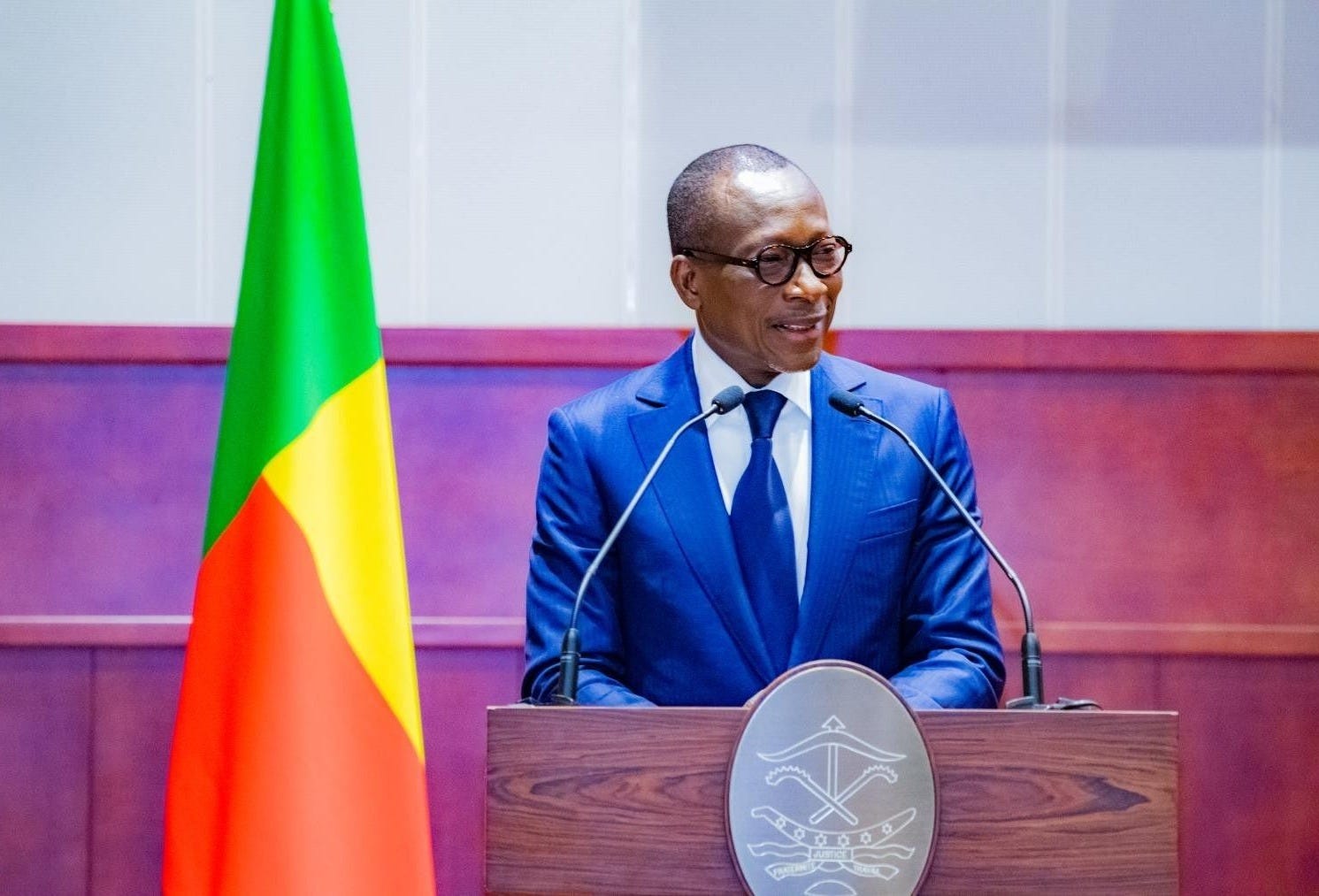
Talon’s subsequent anointing of Wadagni as the heir apparent made clear that his objective was continuity, and not competition. The ruling coalition’s rubber-stamp confirmation of Wadagni’s candidacy, quietly unveiled in August, dispensed with even the pretense of an open contest. It was, in effect, a coronation.
That outcome was years in the making. Figures within Talon’s inner circle who might have emerged as alternative power centers were systematically neutralized. Johannes Dagnon, a reported relative and close presidential adviser who played a key role in implementing Talon’s agenda, was fired. Pamphile Zomahoun, a retired colonel in the now-disbanded National Gendarmerie, was appointed as Bénin’s special envoy to the United Nations Multinational Security Support Mission in Haiti; and Joseph Djogbénou, Talon’s former personal lawyer who served as justice minister and the head of Bénin’s constitutional court, was elevated as the president of the National Assembly.
Perhaps most strikingly, the businessman Olivier Boko—once among Talon’s closest allies—was arrested and convicted on charges of coup plotting. Taken together, these moves narrowed the field while consolidating Talon’s influence.
Talon has hinted at a continued public role, and speculation persists that he could take a seat in the newly created senate—and potentially become its president. This would be a sharp contrast with Kérékou’s post-presidential withdrawal from public life in 2006. In this, as in much else, Talon’s legacy appears caught between imitation and rivalry: an effort not only to succeed Kérékou, but to outlast him.
Three years ago, in the aftermath of the 2023 Béninese parliamentary election, I argued in World Politics Review that Talon had pursued a methodical strategy to constrict civic space, weaken opposition forces, and subordinate state institutions.
At the center of this project was the restructuring of Bénin’s party system in 2018. New rules raised the threshold for party recognition—both in terms of territorial reach and vote share—while incentivizing pre-election coalitions. In practice, these reforms did not streamline the system so much as rig it. They enabled Talon’s coalition to dominate successive legislative contests including the January 2026 parliamentary elections, when it captured all 109 seats in the National Assembly.
A landscape that once featured more than 200 registered parties was reduced to just 14 by the 2021 presidential election. Two pro-government parties—the Progressive Union and the Republican Bloc—absorbed much of this fragmented field through defections and mergers. This development systemically weakened the main opposition Democrats, which ultimately lost all its legislative representation after the 2026 parliamentary vote.
A 2019 constitutional amendment, followed by further revisions to Bénin’s electoral code, introduced parrainage, an endorsement system requiring presidential aspirants to secure backing from elected officials or legislators to qualify for the ballot. Given the ruling coalition’s grip on these offices, the system functions less as a procedural filter than as a gatekeeping mechanism.
Its effects were fully on display ahead of the 2026 presidential election. The amended rules disqualified most declared candidates, including Renaud Agbodjo of The Democrats and the Pan-African activist Kémi Séba, both of whom failed to secure the required endorsements. In the end, only Wadagni and Hounkpè—who cut a deal with the ruling coalition—made it onto the ballot. The result was not a competitive election, but a managed outcome dressed in electoral form.
The Talon administration created a special court to prosecute terrorism and economic crimes, following through on a pledge that the president made on the campaign trail. Few sober-minded people would describe that body as neutral, given the degree to which it has targeted the opposition and is believed to receive direction from the government.
Media freedom in Bénin deteriorated sharply over the past decade, as regulatory pressure, censorship, and intimidation became routine. Authorities shuttered or suspended outlets deemed critical, while journalists and online commentators faced prosecution on charges such as “harassment” and “false information.” Journalists like Ignace Sossou and Hugues Sossoukpè were imprisoned for their reporting and commentary. The latter, who fled for Togo in 2019, was forcibly returned to Bénin last year after being abducted from Côte d’Ivoire during a professional visit to that country. He remains in detention as of this writing.
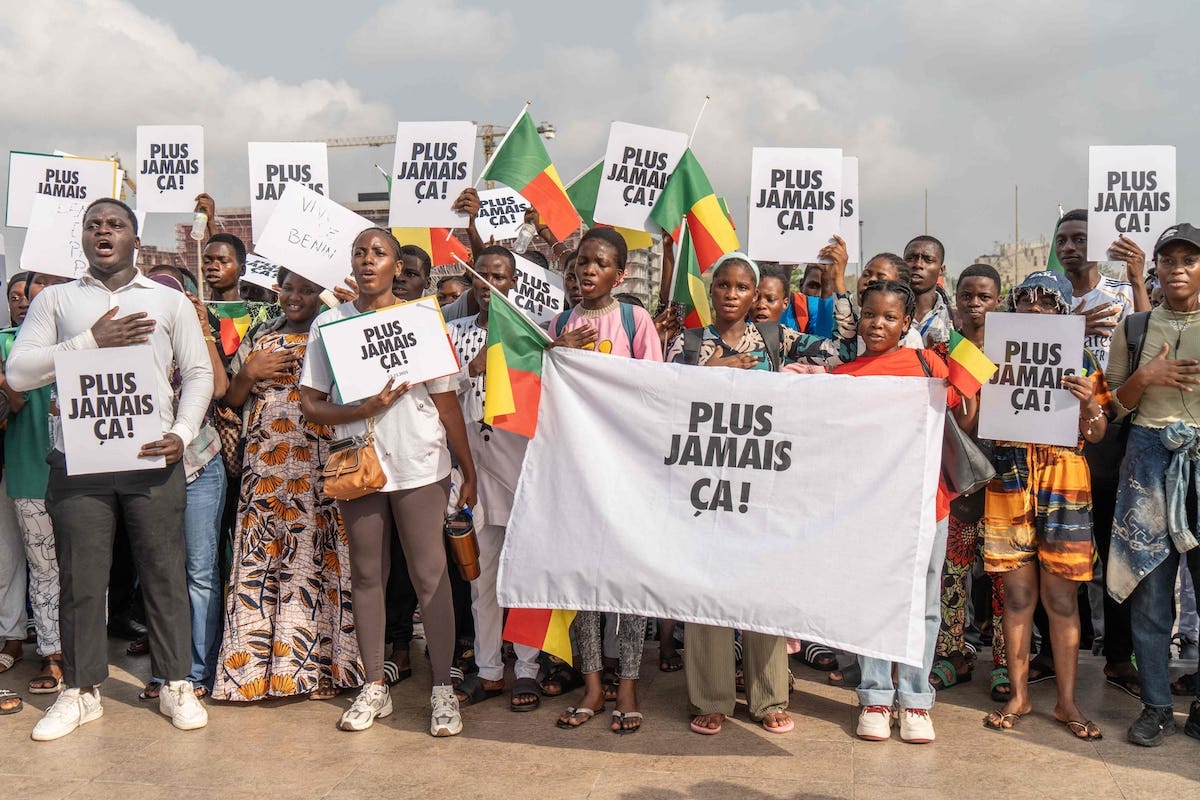
Public dissent was met with similar force. Protests against Talon’s electoral reforms were violently suppressed, leaving several dead, many injured, and others in exile. Even prominent elites were not immune. Former Presidents Soglo and Yayi were teargassed during opposition demonstrations, an extraordinary image in a country that was once regarded as a democratic model.
The 2021 presidential election crystallized all of these trends. Several prominent challengers were barred from running, including former Justice Minister Reckya Madougou, who was later sentenced to 20 years in prison on charges of plotting “terrorist acts.” Another candidate, the academic Joël Aïvo, received a 10-year sentence for “undermining state security.” The climate of repression depressed voter turnout and all but guaranteed Talon’s first-round victory.
These measures reveal a governing strategy that preserves the outward architecture of democracy while emptying it of genuine competition.
The tension generated by Talon’s repressive rule, combined with a deteriorating security environment in the north and disillusionment with the failure of Bénin’s macroeconomic growth to be broad-based, created fertile ground for rumors of coups. In such a climate, whispers did not sound far-fetched, but felt inevitable.
Boko’s surprise arrest and conviction on charges of coup-plotting struck many Béninois as politically convenient. To critics, it looked less like the neutral application of justice and more of a preemptive move to sideline a potential rival, particularly amid speculation that Talon might seek to extend his rule beyond constitutional limits.
The failed coup attempt of December 2025, however, was no rumor. It was real and might have been potentially catastrophic had it succeeded. By most accounts, it could have escalated into a far bloodier confrontation, with the possibility of assassinations at the highest levels of government. A vivid account of the coup attempt by the Wall Street Journal, featuring tales of residential gunfights, hostage-taking and references to voodoo, was so surreal that it could have made for the plot of a Nollywood movie.

The coup attempt ultimately unraveled through a combination of external intervention and internal disorganization. Military assistance from Nigeria and France, alongside the apparent incompetence of the conspirators, helped the government regain control. The alleged ringleader, Lt. Col. Pascal Tigri, fled the country and is believed to be in Niger.
In the coup’s aftermath, the government predictably moved quickly to crack down on political rivals and government critics. Dozens of soldiers were arrested and charged with offenses ranging from mutiny to treason. Unverified claims linking the plotters to civilian adversaries of the government provided further justification for a widening crackdown. Prominent opposition figures were arrested, including former Defense Minister Candide Azannaï and Chabi Yayi, the son of former President Boni Yayi.
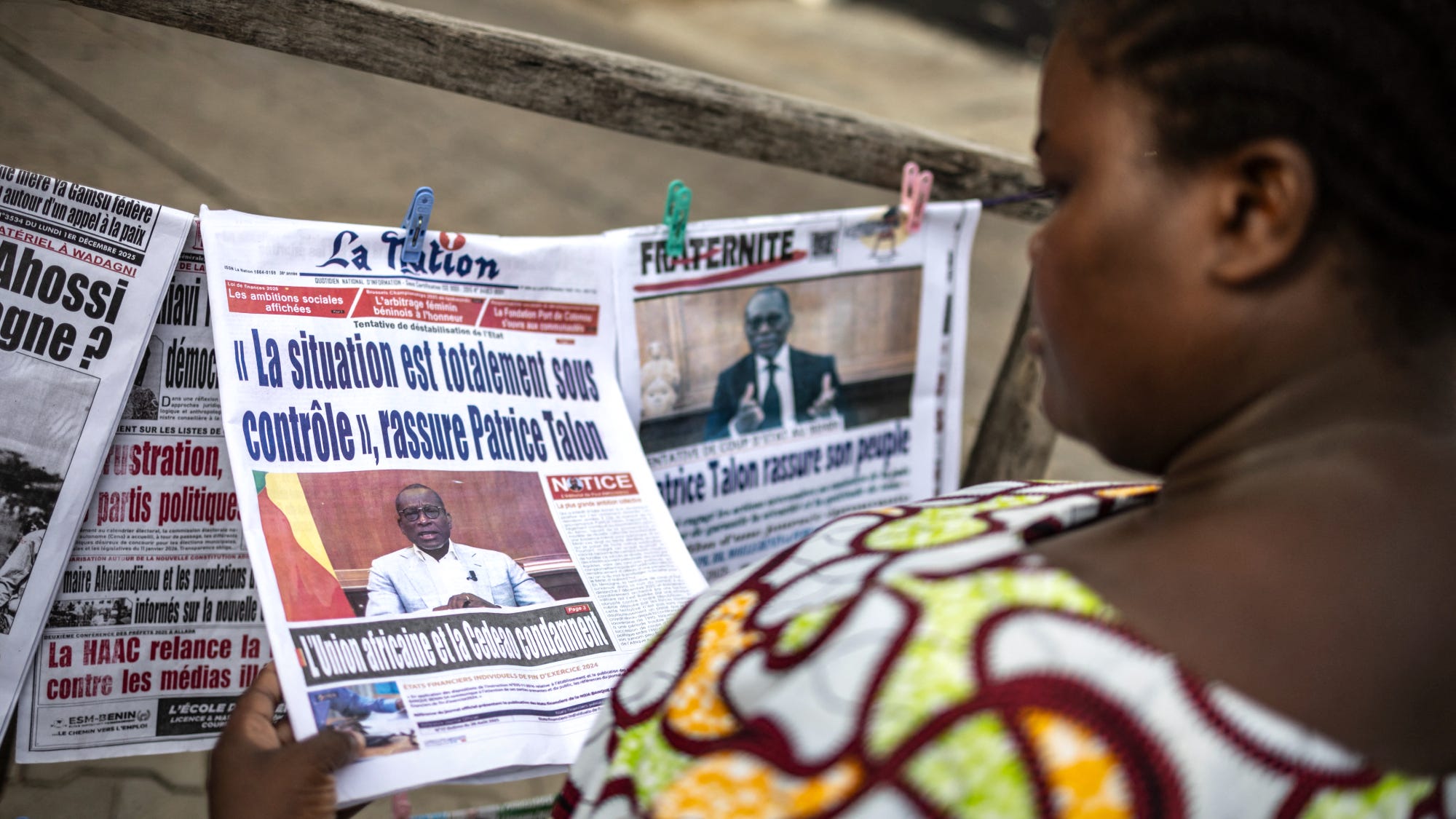
Talon authorized the promotion of dozens of military officers, including army chief Abou Issa and Faizou Gomina, the chief of staff of the National Guard, both of whom are seen as Talon loyalists and were targeted by the plotters.
Talon will leave behind a deeply complicated, polarizing legacy when he steps down.
On one level, the economic record is difficult to dismiss. Much of his administration’s agenda has had a visible, and in some cases transformative, impact on livelihoods in Bénin. For those of us who are familiar with the country, the scale of change that has taken place in the decades since the end of military rule in 1990 is unmistakable. A significant share of that transformation has occurred under Talon’s watch.
He entered office promising to move Bénin beyond its dependence on cotton toward a more diversified, industrial, and export-oriented economy. His reform agenda, branded Bénin Révélé, focused on upgrading critical infrastructure, modernizing the ports of Cotonou and Porto-Novo, and accelerating the development of the Glo-Djigbé Industrial Zone (GDIZ) as a hub for agro-processing and textile manufacturing.
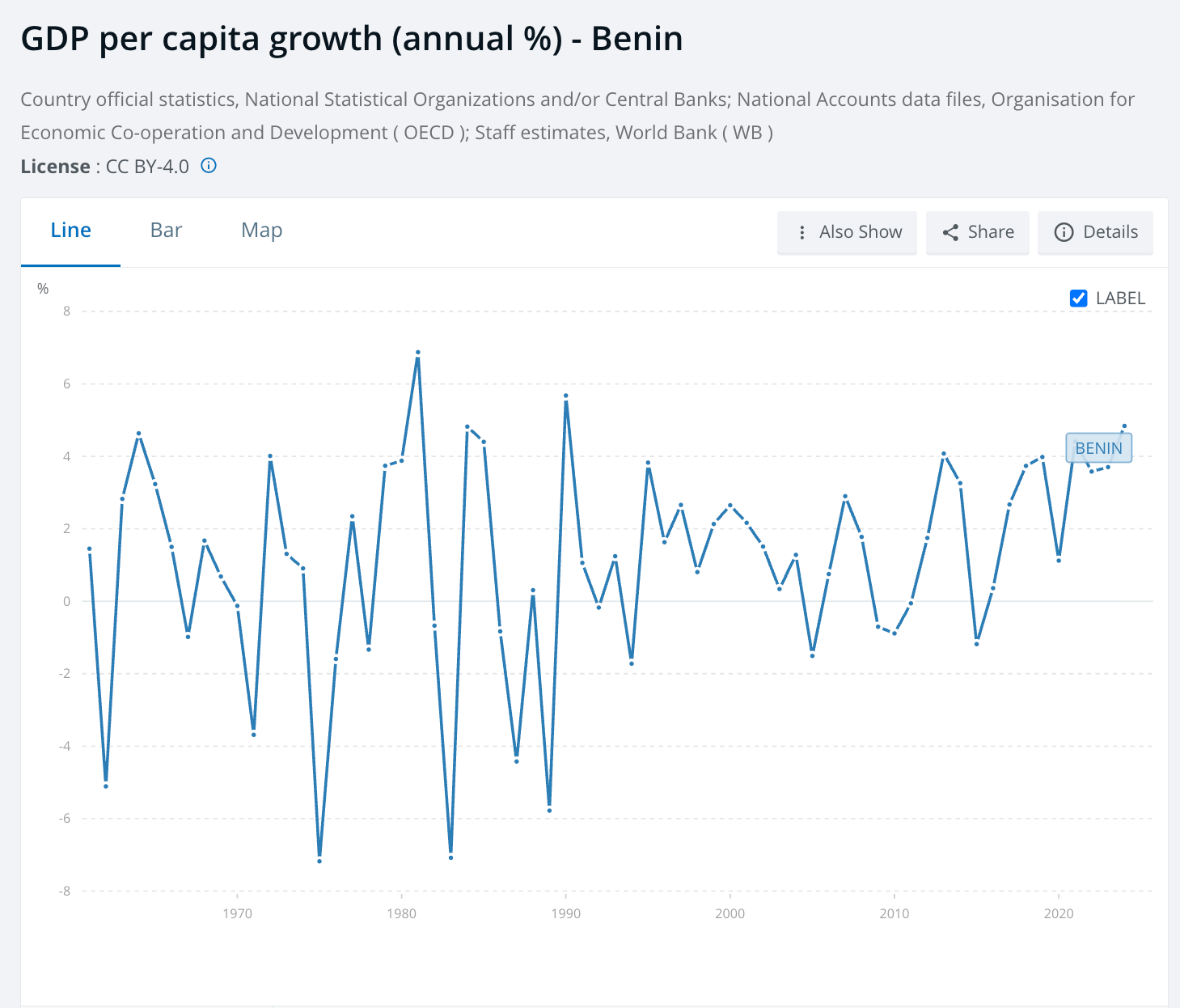
The spillover effect of these initiatives has been particularly visible in Grand Nokoué, the coastal urban corridor linking five municipalities—Abomey-Calavi, Cotonou, Ouidah, Porto-Novo and Sèmè-Podji—accounting for approximately 20% of Bénin’s population and 30% of its gross domestic product. Physical connectivity has improved, transport networks are more reliable, and key corridors linking Bénin’s southern Atlantic coast to inland cities such as Parakou and Natitingou have become more navigable, with implications for commerce, mobility, and even tourism.
At the urban level, the changes are tangible. Neighborhoods in Cotonou like Akpakpa, Fidjrossè, Sikecodji and Sètovi that were either undeveloped or dilapidated as recently as the late 1990s are thriving today, albeit unevenly and often at the cost of displacing long-time residents.
Tourism has become an increasingly vital source of foreign exchange. The Talon administration made it a centerpiece of its economic agenda, setting a target to double tourism’s share of GDP from 6% today to 13% in 2030. Béninese cities have become increasingly attractive to young professionals and migrants from across West Africa, and a segment of the large Béninois diaspora is returning home from countries such as Nigeria, Côte d’Ivoire, Senegal, Gabon, France and the United States.
Taken together, these shifts help explain Bénin’s steady growth and the modest but meaningful improvements that the country has made in a range of socioeconomic indicators over the past couple of decades including the last ten years.
Bénin’s seemingly impressive growth figures deserve careful scrutiny. Macroeconomic data in African contexts is often of questionable veracity and too easily taken at face value. There is also a tendency among external observers to attribute Bénin’s recent growth performance almost entirely to Talon, overlooking the groundwork laid by the Yayi and Kérékou administrations.
The current growth trajectory has been insufficient to meet Bénin’s developmental needs. It has also come with costly tradeoffs disproportionately borne by the most vulnerable citizens.
Workers’ rights in Bénin were significantly curtailed under Talon, whose administration placed severe restrictions on their ability to unionize, strike or demand better conditions. The GDIZ has been accused of significant worker abuses, including forced detention and overtime, miserable working conditions and retaliation against whistleblowing.
The government has made no bones about its willingness to trample on property rights or forcefully evict residents of poor neighborhoods and informal settlements in Cotonou and other urban areas. Removals are often linked to city beautification projects, infrastructure development, and efforts to boost tourism along the coast.
Corruption remains just as widespread in Bénin today despite the government’s stated commitment to reducing graft and the country’s improved ranking on several international benchmarking indexes. Several Talon allies, like the former minister Barnabé Dassigli, have made news for their involvement in breathtaking acts of corruption, land-grabbing and other forms of malfeasance. In countless instances, allegations of graft involved foreign proxies, typically Chinese, French, Lebanese and Gulf business interests with close links to powerful domestic elites.
Despite the impressive macroeconomic record of the Talon era, those gains were scarcely matched by a significant wage growth or an overall improvement in the quality of life for ordinary Béninois. Although the government increased the minimum wage in 2023 from 40,000 to 52,000 CFA francs—approximately $93.44 at today’s exchange rate—it has not kept up with the rising cost of living.
Nor has the minimum wage been easy to enforce in a country where most people draw their earnings from the “informal” sector, which lacks strong enforcement mechanisms and robust collective bargaining structures. When citizens have protested over the cost of living and other socioeconomic conditions, security forces have typically used force to crack down on public demonstrations.
The rapid expansion of jihadist groups like Jama'at Nusrat al-Islam wal-Muslimin in northern Bénin has radically transformed the country’s security landscape. Bénin is home to two internationally significant parks located in its northwest, Pendjari and W. Together with the Arli National Park in neighboring Burkina Faso, they make up the transboundary W-Arly-Pendjari Complex that spans Bénin, Burkina Faso and Niger.
The so-called WAP Complex, one of the most diverse ecosystems in West Africa’s savannah belt, is a hub of violent insecurity, including terrorism and organized transnational crimes. Kidnappings, cross-border banditry, farmer-herder clashes and attacks by jihadists against security forces and local populations have become commonplace. The Béninese army suffered its deadliest year in 2025, according to ACLED, a US-based NGO that monitors global conflict.
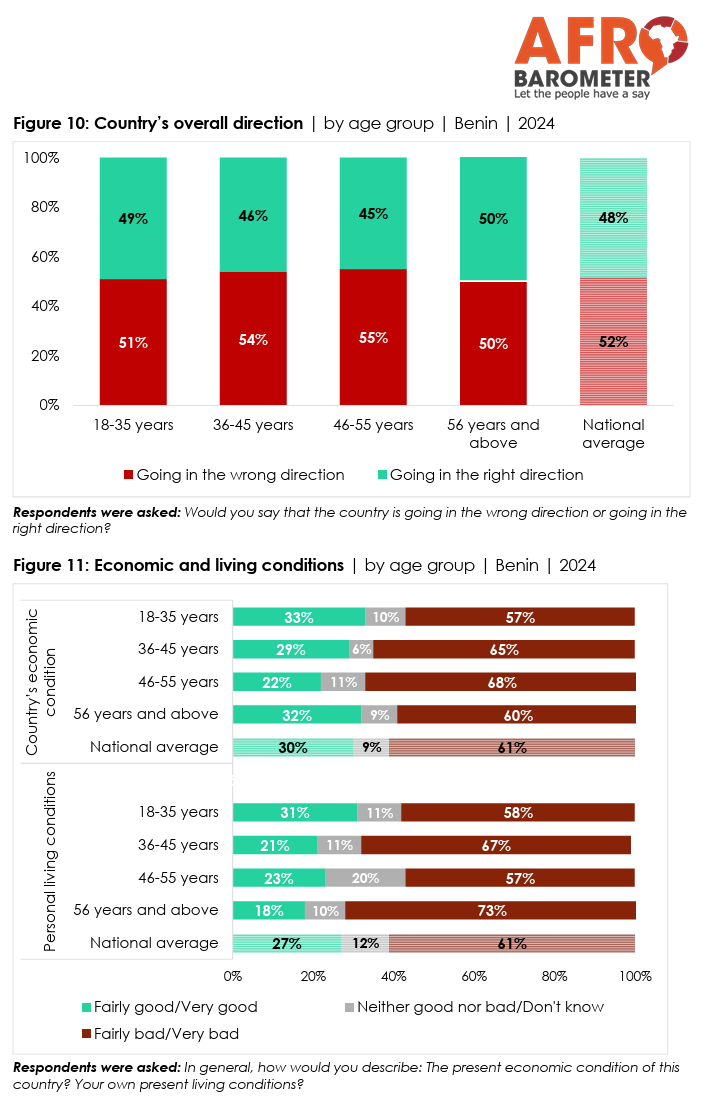
The duality of Talon’s presidency might explain why a large majority of Béninois told an Afrobarometer survey that their economic conditions are bad, and why many youths wish to emigrate in search of better opportunities. Although Béninois generally give Talon high marks on the economy, many have been left dissatisfied with their stagnant circumstances, to say nothing of the worsening security crisis and the political turmoil of the past decade.
Talon’s legacy is unlikely to be judged by just growth statistics. It will also be measured by the political order he leaves behind: narrowly efficient, perhaps, but also more constrained, where the forms of democracy endure even as their substance is steadily thinned.
The real test of Wadagni’s presidency will not be whether he preserves Bénin’s growth story, but whether he can restore political confidence at home while confronting threats that cannot be managed by economic performance alone.
Comments
Nothing yet. Say the first thing.
Sign in to join the conversation.