
Hi! The other day, I was once again browsing Product Hunt for interesting products and wondered: why do we spend so much time on PH? So I did a little research and compiled a list of platforms where founders can share their projects.
Check it out here.
It can be useful if you want to find your first users, build a community around yourself, or get initial feedback.
But anyway, here’s your latest startup recap:
🚀 The Journey From Viral Project to OpenAI
💘 Dating Startup Based On Campus Algorithm
📰 + Quick News That Matters
💰 + Last Week in Funding
🛠️ + New Tools to Try
📚 + Weekend Picks
Subscribe to receive new posts and support my work.
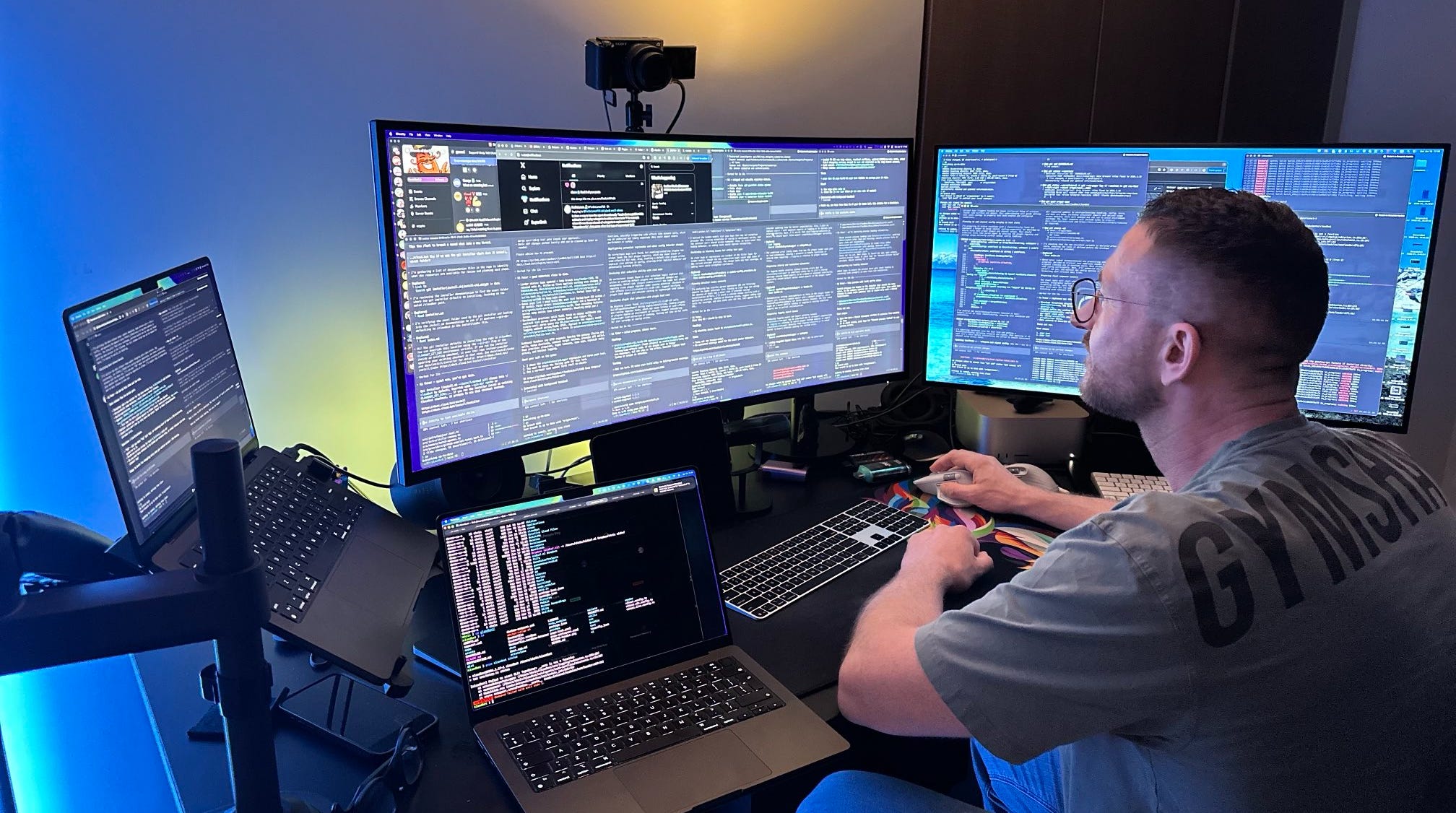
What’s Happening: Peter Steinberger, the Austrian developer behind OpenClaw, has joined OpenAI just weeks after his AI personal assistant went viral. OpenClaw (originally called Clawdbot, then Moltbot after Anthropic’s legal threats) captured attention with its promise to be “the AI that actually does things”—managing calendars, booking flights, and even creating a social network for AI assistants.
In his announcement, Steinberger said building a large company wasn’t exciting for him; he wanted to change the world, and teaming up with OpenAI was the fastest way to do it.
Sam Altman confirmed that Steinberger will “drive the next generation of personal agents” at OpenAI, while OpenClaw itself will continue as an open-source project supported by the company. The AI assistant that went from zero to viral sensation in a matter of weeks is now being folded into the world’s most valuable AI company.
It’s a path that took just over a month.
The Context: OpenClaw matters because it’s less “chatbot” and more agent runtime — a self-hosted assistant that can hook into real apps (messaging, email, calendars) and execute tasks via tools/integrations, not just generate text. That power is also why it attracted scrutiny: once an agent touches inboxes, calendars, and “skills,” misconfiguration and malicious add-ons become a real risk surface.
By the way, Instead of becoming a closed product, OpenClaw is moving into an independent foundation that OpenAI says it will support, while Steinberger shifts from “running the thing” to building agents inside OpenAI.
The foundation structure is the big signal about OpenClaw’s future. If it’s run well, it becomes a neutral home for the open-source core (governance, security practices, maintainer continuity), while OpenAI can still benefit by hiring the original builder and pushing the “personal agents” roadmap from the inside.
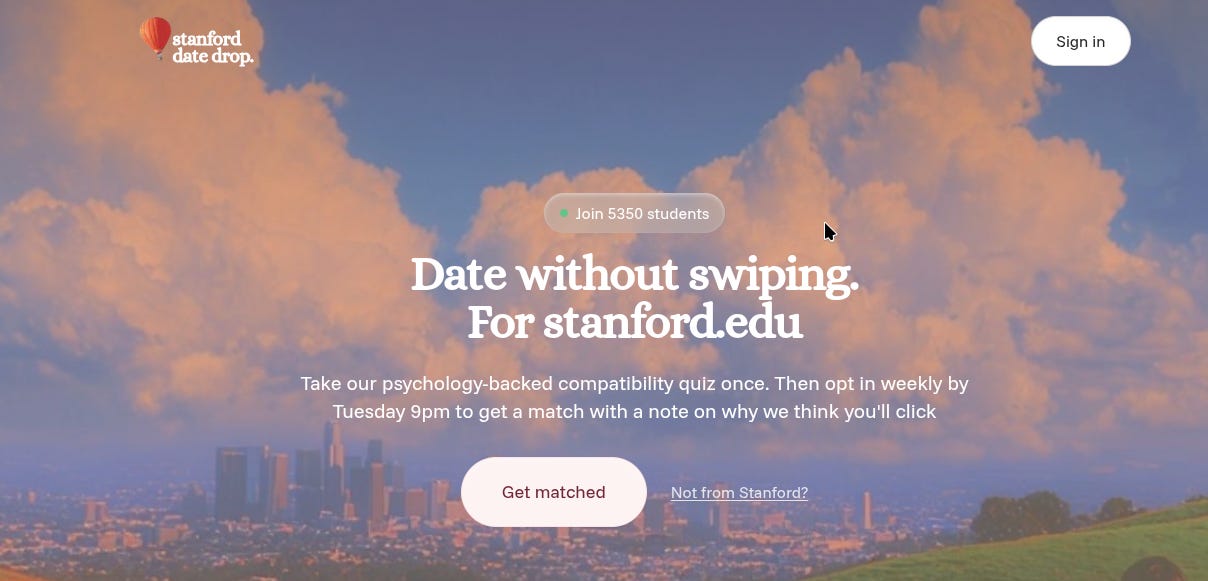
What’s Happening: Stanford grad student Henry Weng created Date Drop—an algorithm that pairs students with one match per week based on a detailed questionnaire—and accidentally built a company. Over 5,000 Stanford students tried it since last fall, with the service now at 10+ schools including MIT and Princeton. Weng claims matches convert to dates at “10x the rate of Tinder” thanks to deeper profiling over endless swiping.
The service became The Relationship Company, a public benefit corporation that’s raised “a few million” from angels including Zynga founder Mark Pincus. Weng plans city expansion this summer and positions dating as just the first step toward “facilitating all meaningful relationships.”
The Context: This follows Marriage Pact’s Stanford-born playbook (which raised $5M in 2022), but with a twist: Weng’s model trains on real date outcomes, not just compatibility theory. His academic background literally led him to create a custom undergrad major studying “humans, matching, and incentives.”
The company offers employees a $100 monthly “relationship stipend” for dates or gifts, embodying Weng’s belief that relationships are “the single most important factor in a person’s life.” Whether one weekly match can compete with infinite swiping’s dopamine hit remains open, but with 95% of users seeking long-term connections, there’s clear appetite for an alternative to Tinder’s casino mechanics.
The Context Loop is a free newsletter.
If you like what I do, you can support me through a donation.
Spotify’s Best Developers Stopped Coding: Spotify’s top engineers haven’t written a single line of code since December, according to co-CEO Gustav Söderström. The company’s internal “Honk” system uses Claude Code to let developers deploy features remotely via Slack. Spotify credits this AI-powered workflow with helping them ship over 50 new features throughout 2025.
Apple’s AI Problem Isn’t Spending—It’s Execution: Apple fell 5% in its worst trading day since April, despite being insulated from AI overspending concerns. The issue isn’t capex but repeated delays to iPhone AI features, with key Siri upgrades reportedly pushed back again this week.
January 2026 Delivered 31 New Unicorns: A total of 31 companies joined the unicorn club in January 2026, the highest monthly count since June 2022. AI and AI infrastructure dominated with nine new unicorns, while four newcomers are less than a year old. The largest funding went to Elon Musk’s xAI at $20 billion with a $230 billion valuation.
Runway’s $315M Bet on World Models: AI video startup Runway raised $315 million in Series E, nearly doubling its valuation to $5.3 billion. The company plans to “pre-train the next generation of world models”—AI systems that construct internal representations of environments to plan future events.
$17M to Fight Spreadsheets at Scale
Meridian (New York, NY) builds an AI-native IDE for financial modeling that operates as a standalone workspace, more akin to Cursor than Excel plugins. The company signed $5 million in contracts in December alone and already works with teams at Decagon and OffDeal. The platform combines agentic AI with conventional tooling to make outputs more auditable and deterministic—addressing finance’s strict requirements that clash with non-deterministic LLMs.
Founder: John Ling.
$6M for AI Audio Workstation
Mozart AI (London, UK) offers an AI-native digital audio workstation combining traditional music production with AI-assisted workflows. The platform supports stem generation, MIDI progressions, drum patterns, and automated tasks like quantization, while users retain full copyright ownership. Since its beta launch in September, Mozart AI reports 100,000+ users and over 1 million songs created.
Founder: Sundar Arvind.
$60M to Manage AI-Generated Code
Entire (location undisclosed) is building open-source tools to help developers manage massive volumes of code written by AI agents. The company’s first product, Checkpoints, automatically pairs each piece of AI-generated software with the context that created it (including prompts and transcripts) allowing developers to review and understand AI decisions.
Founder: Thomas Dohmke, former GitHub CEO.
$5M for AI-Powered Real Estate Intelligence
Smart Bricks (location undisclosed) builds AI infrastructure that allows real estate to operate like a modern financial system. The platform helps investors find high-quality real estate investments and complete transaction workflows that typically take lawyers and brokers weeks. The company also updates deals with fresh data, monitors performance, and recommends actions as markets change.
Founder: Mohamed Mohamed.
Share this post if you like it!
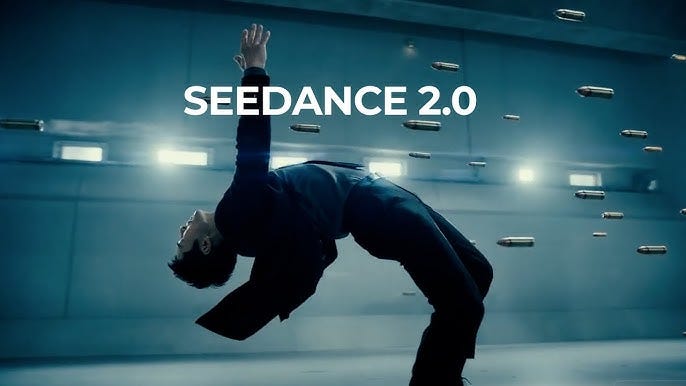
Seedance 2.0 - an extremely viral ByteDance’s AI video generation for cinematic storytelling with consistent characters and smooth transitions.
Wispr Flow - Mac/Windows/iOS dictation app that writes 3x faster than typing with AI auto-edits and tone matching across every application.
TexTab - Turn any AI task into a keyboard shortcut; select text anywhere and trigger custom AI actions instantly.
Termsy - Chrome extension that automatically scans terms of service and privacy policies, highlighting critical clauses in a clean sidebar.
Extrovert - LinkedIn engagement copilot that tracks prospects and suggests AI-powered comments and DMs based on your playbook to build trust at scale.
OpenClaw Creator: Why 80% Of Apps Will Disappear — Y Combinator
6 Trends In Tech And Startups We’re Watching In 2026, From An IPO Boom To More Huge AI Deals — Crunchbase
How AI Agents Are Replacing Online Shopping — Leadership in Change
Choosing a Cofounder: The Hard Questions Most Founders Skip (But Shouldn’t) 🎯 — 22nd Century Frontier
Comments
Nothing yet. Say the first thing.
Sign in to join the conversation.