
By Eliezer Sherman
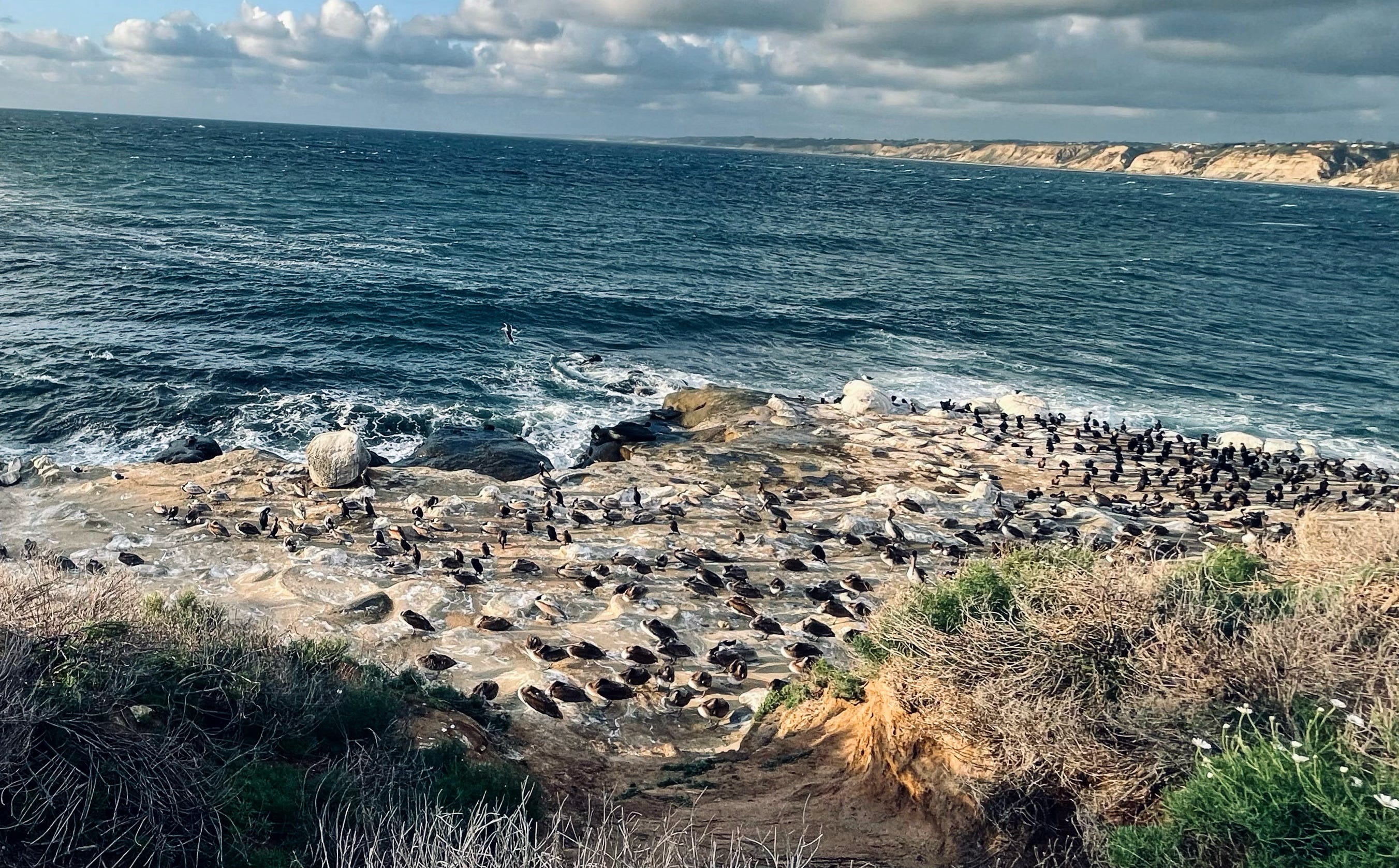
Roundworm infections are overwhelming California seabirds amid a devastating starvation event that has seen an uptick in juvenile bird deaths along San Diego’s coastline, the California Department of Fish and Wildlife told Constant Feed.
“The parasites we’ve mostly been finding in these emaciated juvenile cormorants and murres are roundworms in their stomach,” said Senior Environmental Scientist Krysta Rogers of the department’s Wildlife Health Laboratory.
While roundworms—also known as nematodes—commonly infect seabirds that eat fish, the starvation event affecting these seabirds has enabled more aggressive infections.
“When a bird becomes debilitated [from starvation], the immune system begins to fail, and the number of parasites in the stomach typically increases,” Rogers said.
Read more from Constant Feed:
Islamic Center shooter’s mom reported ‘suicidal’ son hours before San Diego attack
Supervisor Aguirre: More than half of San Diego renters are rent-burdened
Homeless youth find permanent housing 3X faster at Denver ‘Mothership’ shelter
Typically, older cormorants present with greater roundworm infections, possibly due to catching larger prey. But the starvation event in San Diego means younger birds are competing with older birds for a diminishing catch.
Juvenile birds are less adapted to catching prey than older birds and more susceptible to changes in resource availability, the wildlife department noted in a press release in March amid increasing reports from beach-goers about dead seabirds on the shore from Pacific Beach through La Jolla.
One Reddit user noted they had found nine dead seabirds at Tourmaline Surfing Park near Bird Rock.
“2025 was an unusually good reproductive year for these species,” the department said. “An increase in reproduction is often followed by high juvenile mortality.”
Rising sea temperatures have also pushed fish deeper into the waters off where coast birds like cormorants and murres generally hunt, increasing competition, according to researchers who spoke with the Times of San Diego.
The news came as the Trump administration announced it was dismantling an ocean observation system of some 900 deep-sea monitors off the West and East coasts that has been providing scientists with data on climate change for the past decade, as the Trump Environmental Protection Agency continues to relax regulations that put up obstacles to resource extraction.
No posts
Comments
Nothing yet. Say the first thing.
Sign in to join the conversation.