
Have you ever found yourself perpetually distracted and struggling to stay focused? Your mind has a life of its own. And most of the time we’re not even aware of how our mind bounces thoughts around our heads like a game of ping pong. Last month we talked about self-awareness, and this month we’re talking about mind awareness, also known as mindfulness.
But what is mindfulness exactly, and what does it have to do with advancing belonging in the workplace anyway?
Let’s start with one definition from Headspace: Mindfulness is the idea of learning how to be fully present and engaged in the moment, aware of your thoughts and feelings without distraction or judgment.
The scientific definition of mindfulness is “the self-regulation of attention with an attitude of curiosity, openness, and acceptance.” To break that down, self-regulation is about being in control of where you focus your attention, and the attitude part is about being open to whatever it is you’re focusing on and curious about what you might discover.
Though it might not always feel like it, you are in control of your brain. You have more control over what happens in your inner world than what happens in your outer world. Yet controlling your mind can also have a real-world impact.
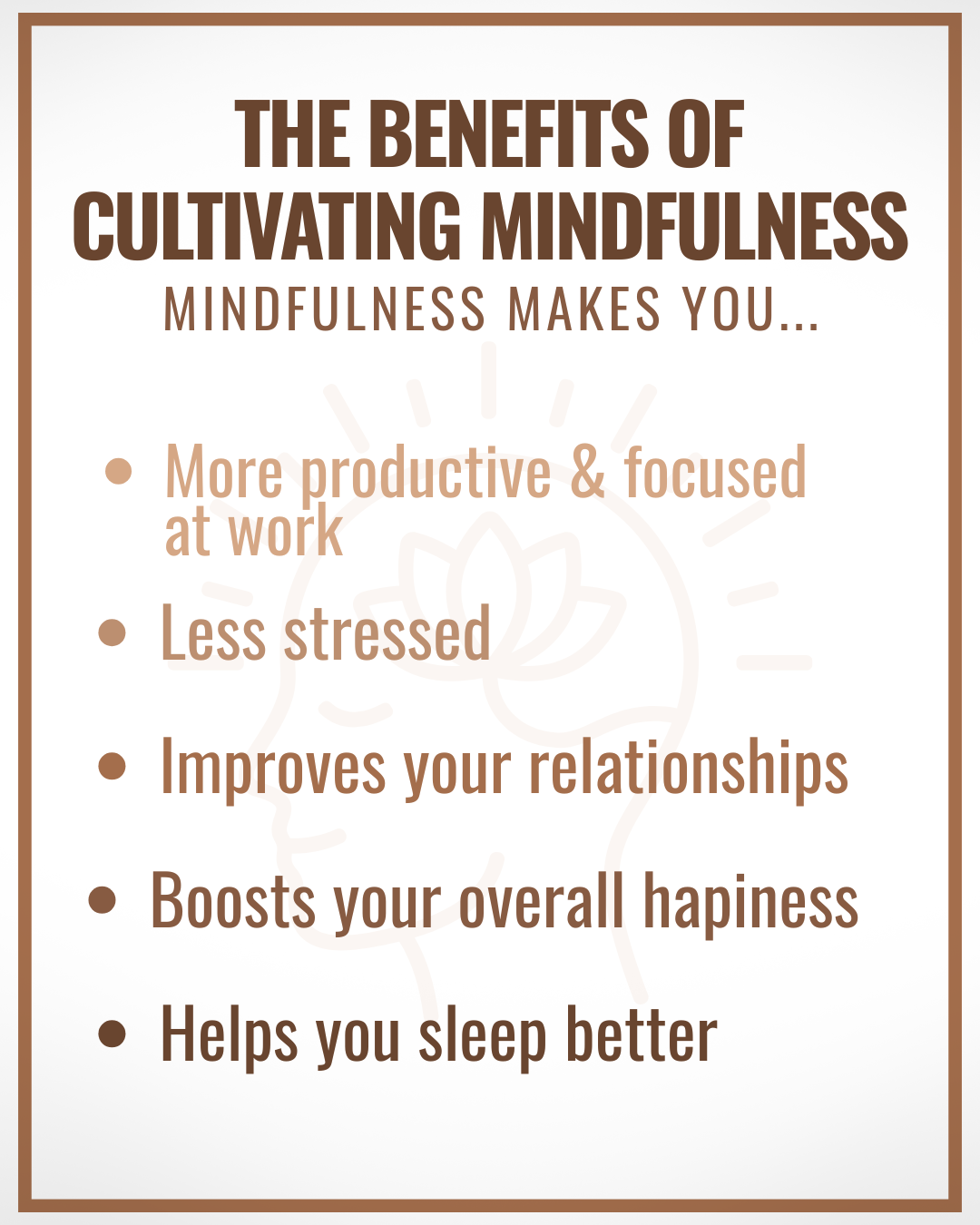
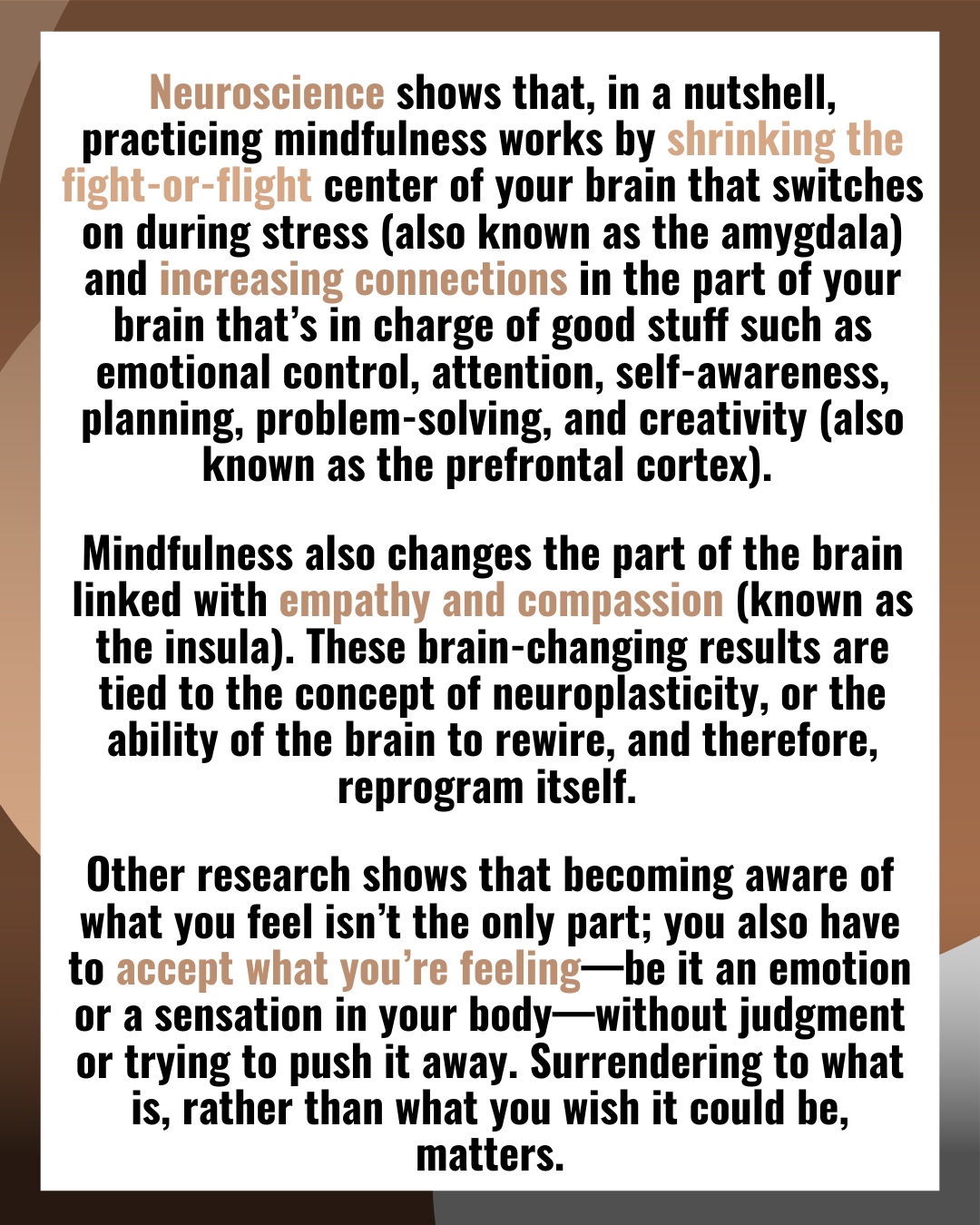
Mindfulness is one of the simplest and yet most difficult habits (quieting your mind is really, really challenging) that also has some of the greatest benefits. We can’t promise learning to practice mindfulness will make everything rainbows and butterflies, but, in short, mindfulness is a superpower (no lightsaber required). Read on to discover how mindfulness works exactly, and how to start your own mindfulness practice.
Try A Daily 10-Minute Meditation
There is power in a pause, so make it a habit to mindfully slow down for 10 minutes at the same time each day. Don’t think you’re the meditation type? There are many different styles, and experiencing them can help you find out which meditation works best for you.
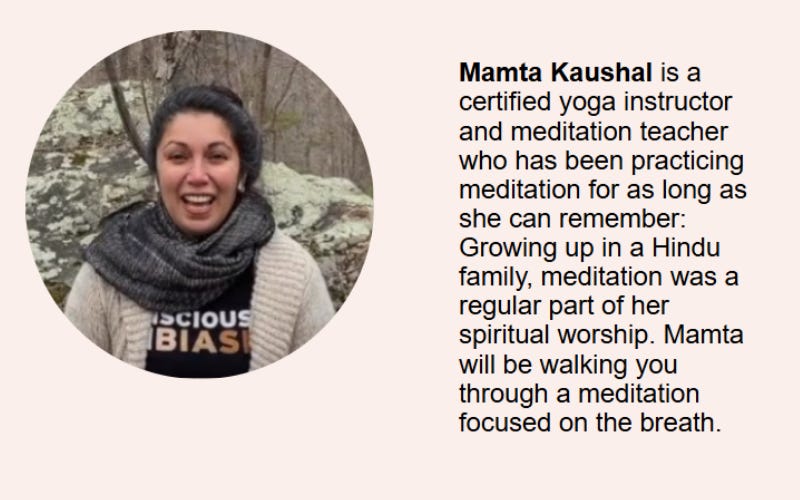
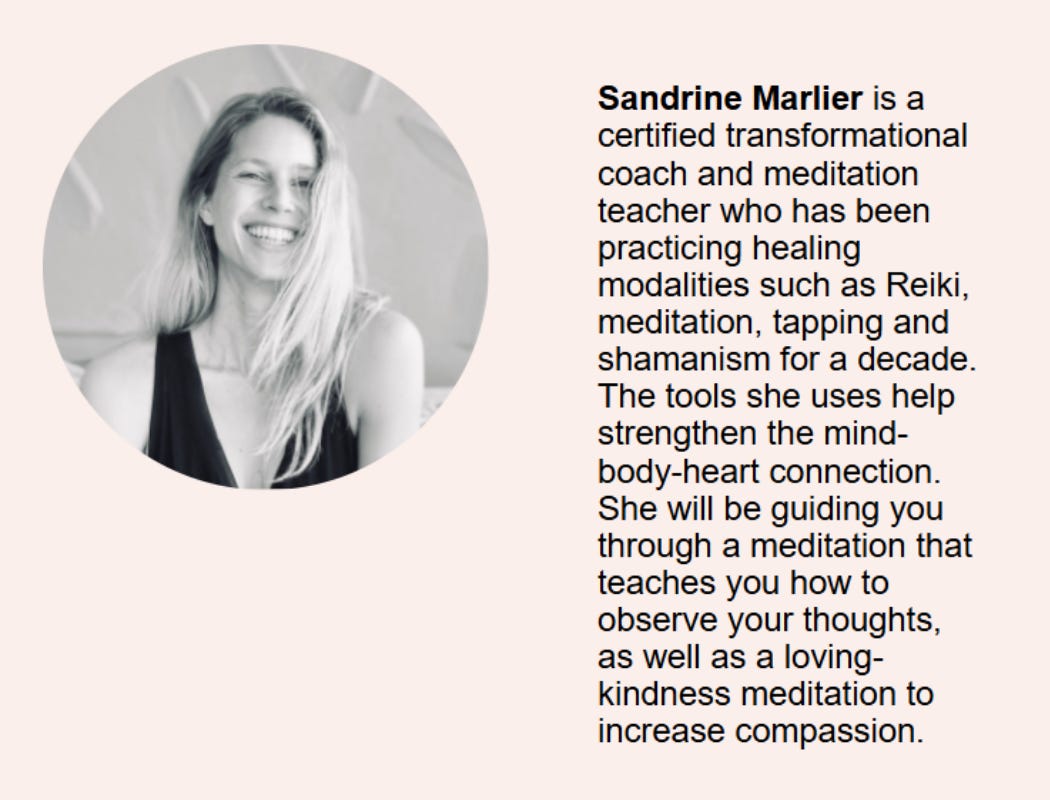
To make it easy, we’re sharing some guided meditations for you to try this month. They are:
The breath can slow the release of stress hormones and help you relax, and also make you more open to new information.
Learning to simply observe thoughts and remove judgment can help you feel more centered and act more calmly in difficult situations.
This is a powerful practice for increasing feelings of warmth and letting go of judgment of yourself and others.
Last Up: Microprogressions™ Habit Month One: The Power Of Self Awareness
Next up: Microprogressions™ Habit Month Three: Breaking the Bias, coming in August.
Comments
Nothing yet. Say the first thing.
Sign in to join the conversation.