
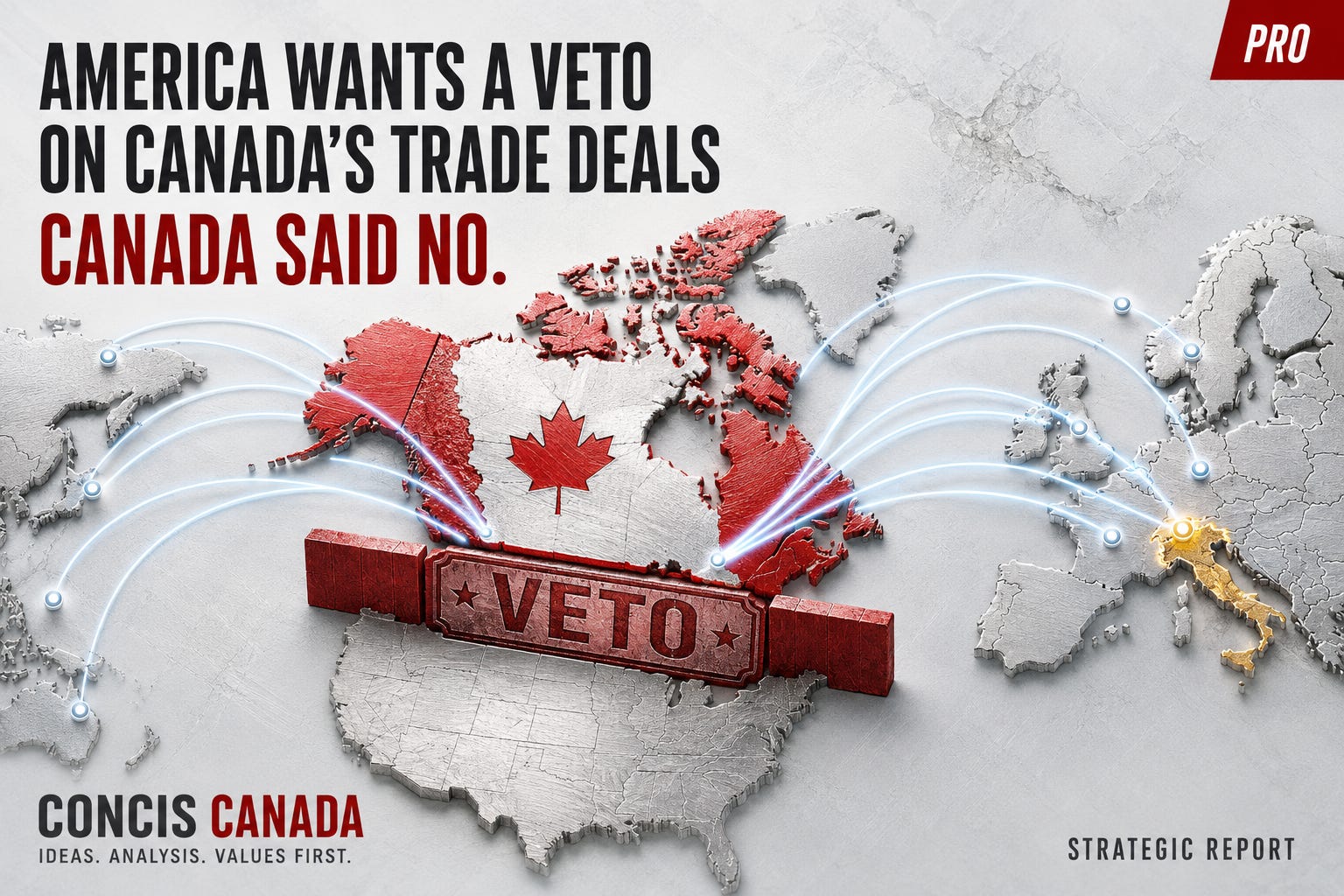
Section 771(18) of the US Tariff Act of 1930 does not itself list individual countries. It establishes the legal test for determining whether a country has a non-market economy.
Using that authority, the US Commerce Department currently classifies the following countries as non-market economies: Angola, Armenia, Azerbaijan, Belarus, China, Georgia, the Kyrgyz Republic, Laos, Moldova, Russia, Tajikistan, Turkmenistan, Uzbekistan and Vietnam.
What exactly is a non-market economy?
It means this: for trade-remedy purposes, the United States does not trust their prices.
Washington argues that prices, wages and raw-material costs in these economies can be distorted by state subsidies, state-owned enterprises and government controls. In anti-dumping investigations, the United States can therefore reject those domestic figures as reliable measures of fair value and calculate its own benchmarks.
That concern can also follow into American trade agreements. Washington wants to ensure that preferential access granted to an agreement partner does not create a back door for products or state-supported companies from countries it classifies as non-market economies.
What does CUSMA say about this?
Article 32.10 creates special rules for any member negotiating a free-trade agreement with a non-market country. Canada would have to notify the United States and Mexico at least three months before starting negotiations, disclose its negotiating objectives if requested, and provide the completed agreement for review at least 30 days before signing it.
If Canada then entered such an FTA, the United States and Mexico could terminate CUSMA on six months’ notice and replace it with a bilateral US–Mexico agreement. In practical terms, this provision was designed overwhelmingly around China.
This is not an absolute ban. It does not prevent Canada or Mexico from trading with China or negotiating narrower tariff, investment and sectoral arrangements. The United States itself maintains extensive trade and various commercial agreements with China, as do Canada and Mexico.
Article 32.10 is aimed specifically at a comprehensive free-trade agreement—and at the possibility that such an agreement could fundamentally alter access to the North American market.
So the takeaway is that CUSMA already identifies a narrow group of countries with which Canada and Mexico must exercise particular caution when negotiating free-trade agreements.
What, then, changed during the latest failed Canada–US negotiations?
Why did Carney say the new American demands would restrict Canada’s ability to negotiate trade agreements with other countries?
Of course, the US Trade Representative says nothing of the sort happened. But this is also an administration that declared victory in the Iran war several times, months ago—and is still fighting it. Its leader apparently never lost an election, while the insurrectionists who attacked the Capitol have been recast as glorious patriots by the television network Jon Stewart famously christened “Bullshit Mountain.”
But this was one of those developments we could see coming from miles away. Several structural factors pointed in this direction, and one of the clearest runs straight through what Canada’s Minister of Energy and Natural Resources, Tim Hodgson, has been building.
Comments
Nothing yet. Say the first thing.
Sign in to join the conversation.