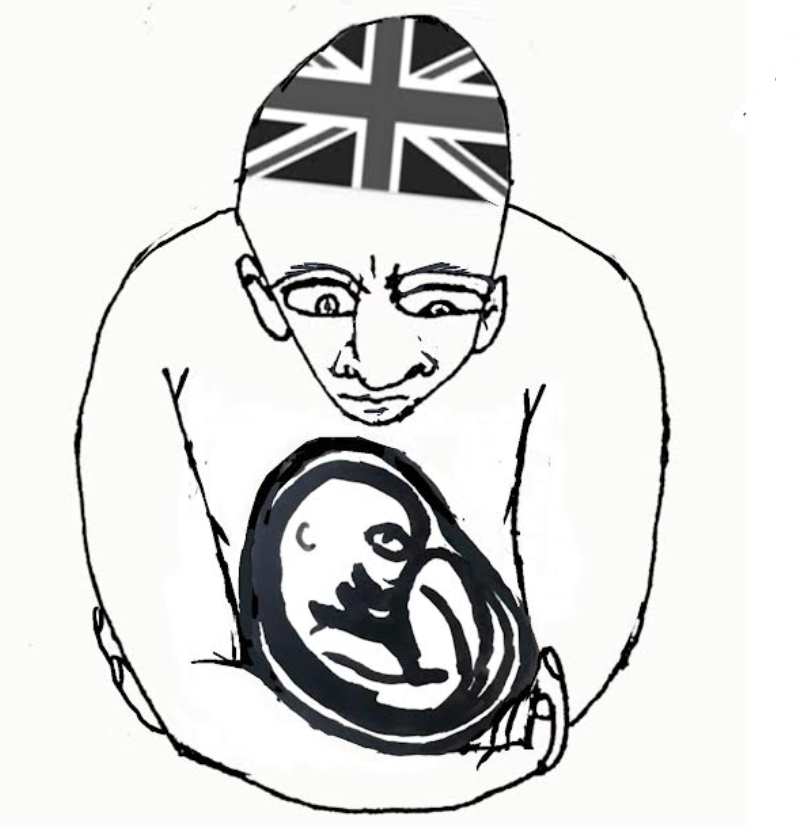
"I've seen theory after theory about how he did it, or that he drove her to do it. Is it just the slant of my algorithm, or do you feel similarly?” This Reddit post summarizes the forensic fan fiction frenzy of the ongoing trial of Lindsay Clancy.
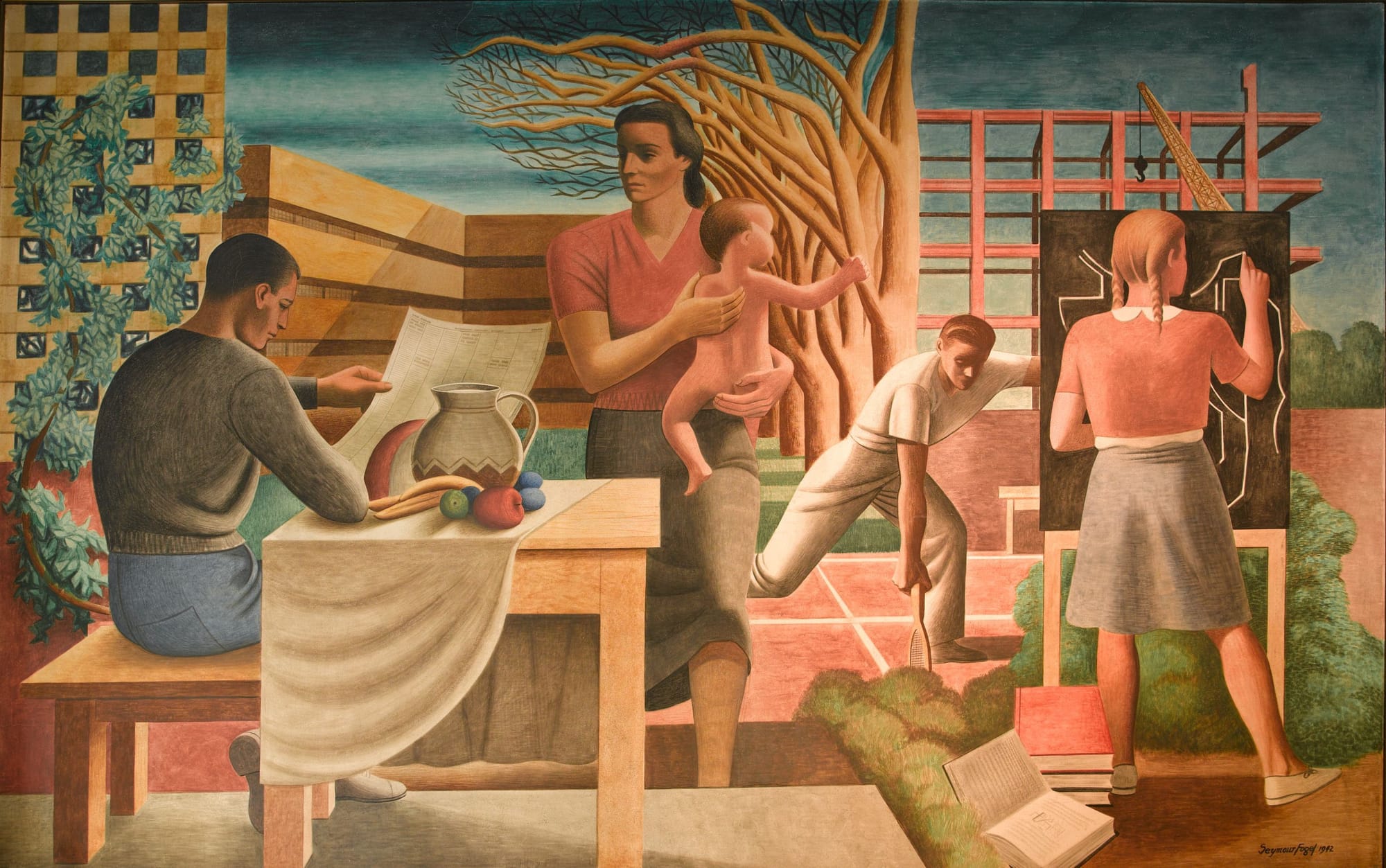
When I showed up at the Wilbur J. Cohen Building in Washington DC to see the murals by Ben Shahn and Seymour Fogel, I was told the building wasn’t open to the public.
In June, the Supreme Court struck down the Trump administration’s attempt to end birthright citizenship for the children of illegal immigrants and some temporary foreign visitors.
If you’ve read about Christianity’s apparent revival, you have likely come across its familiar protagonist: the young male convert, often cast as the poster boy for Gen Z’s crisis of meaning, or else a fervent culture warrior dreaming of a restored Christendom.
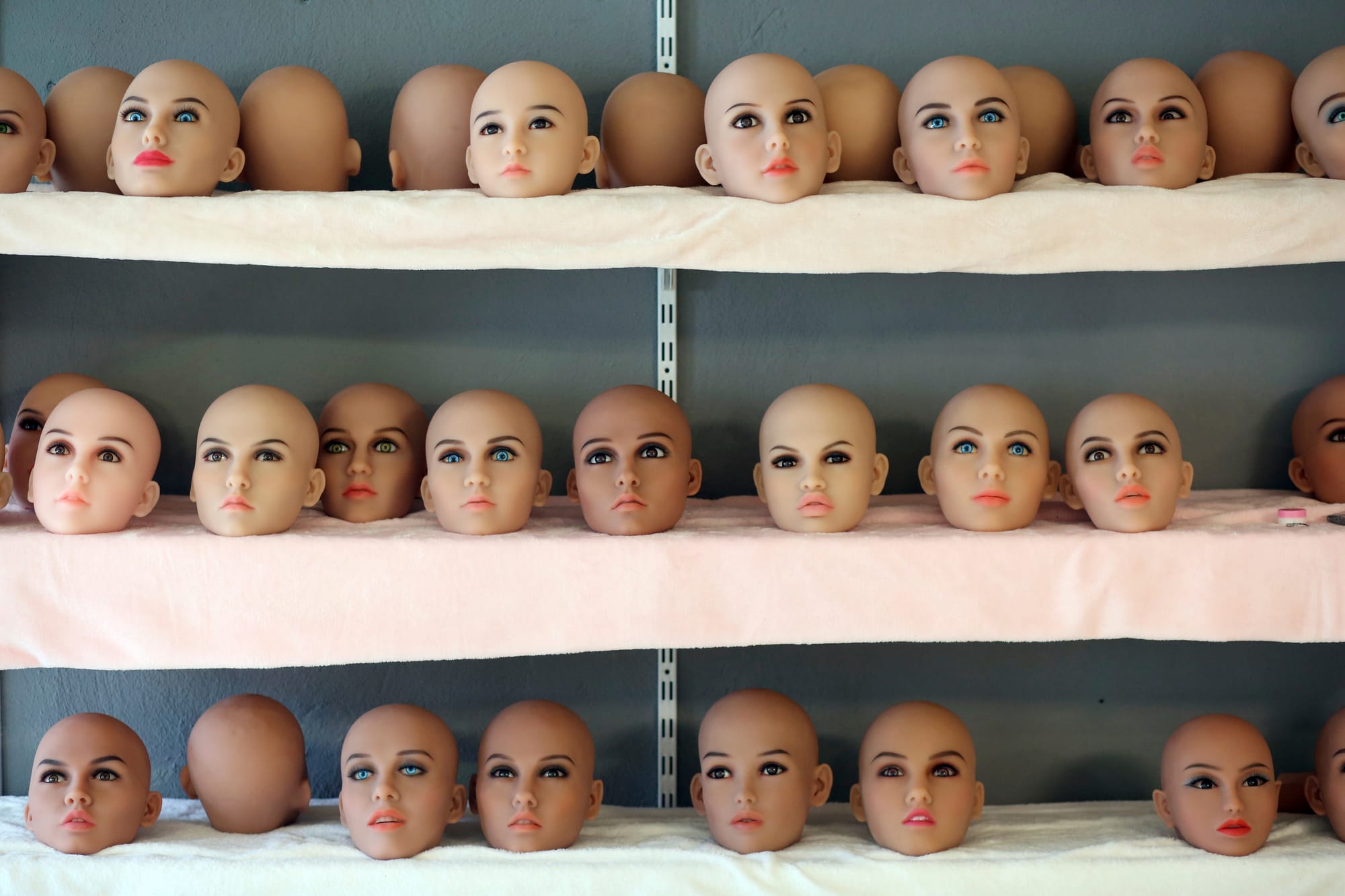
On May 5, 2026, in Gwangju, South Korea, a twenty-three-year-old man named Jang Yoon-gi stalked, sexually assaulted, and brutally murdered Lee Chae-won, a seventeen-year-old female high school student.
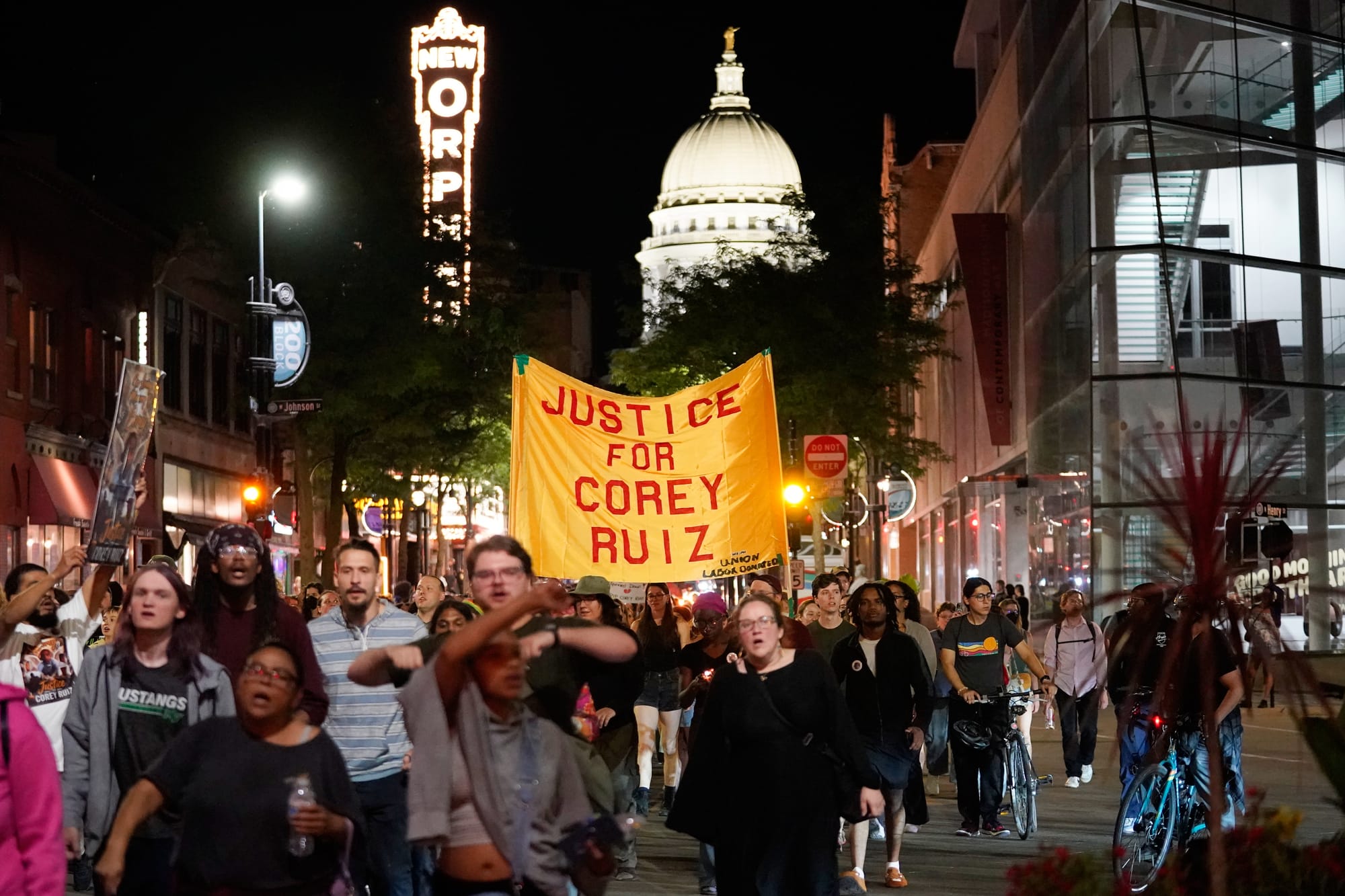
Williamson Street is the strangest street in Wisconsin. On the right side stands the Willy Street Co-op, the most expensive grocery store I have ever set foot in.
Stefan George is the most elusive figure in the literary history of Wilhelmine and Weimar Germany, a period that begins with Friedrich Nietzsche’s excoriations of Judeo-Christian morality in the late 1880s and ends with the Nazi book burnings of 1933.
Fraud is an ancient practice, but these days its prevalence and scale seems to be increasing. The latest evidence for this comes from How to Rule the World, by the recent Stanford graduate Theo Baker.
No issue encapsulates Americans’ current political ennui more than grocery prices. A recent poll found they were the most common complaint of American consumers, more than housing, transportation, or health care.